How Much Do Tattoos Cost? Real Numbers, No Guessing
Tattoo pricing feels opaque until someone shows you the math. Hourly rates, shop minimums, size and colour costs, tipping and what you get for paying more.
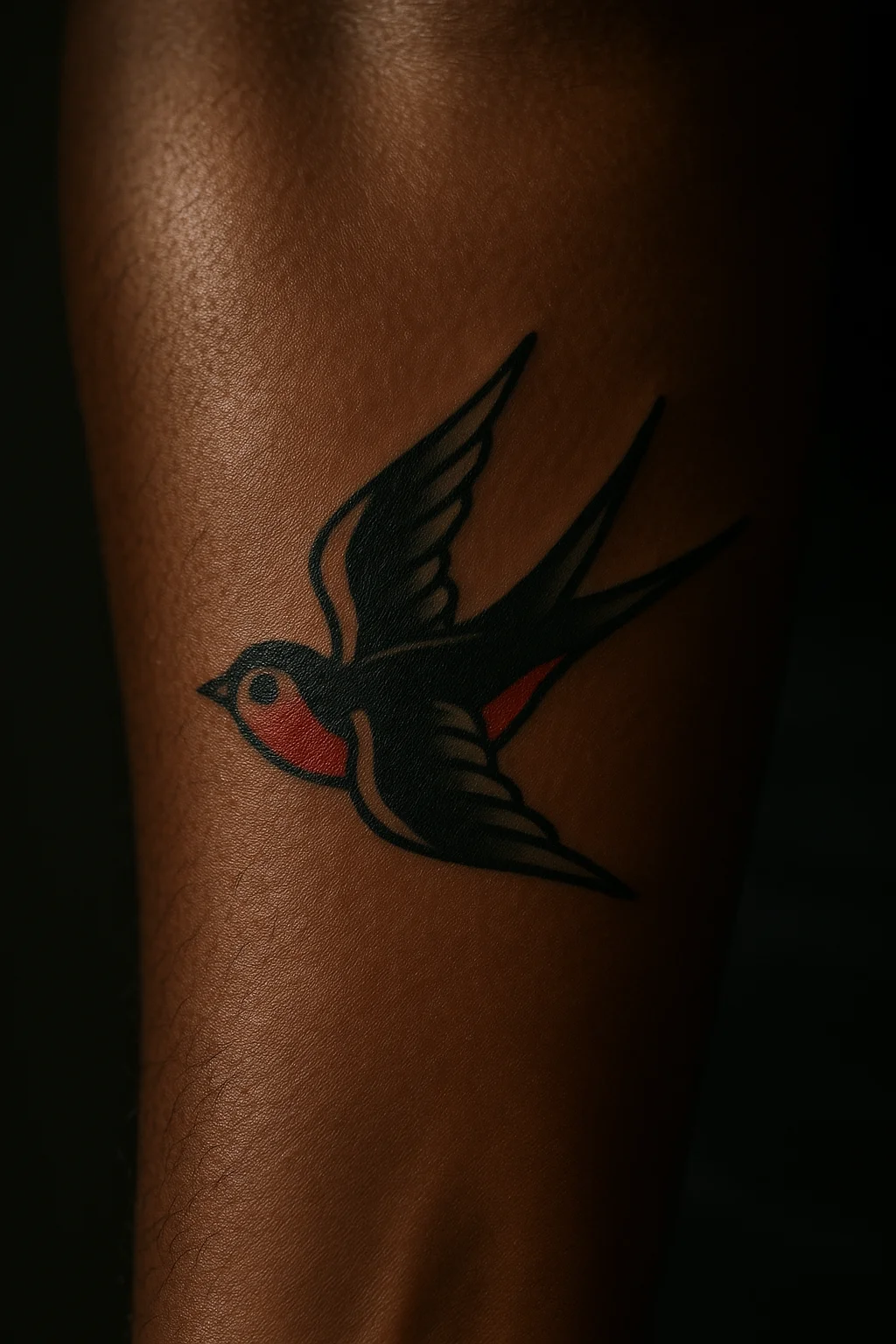
The four numbers that set your price
Tattoo pricing feels mysterious until you see the levers, and there are only four: time, artist, location and design. Time is the base unit; most custom work is billed hourly, and everything that adds needle time, size, detail, colour packing, adds cost. The artist's experience and demand set the rate for that time. The city sets the studio's overheads. And your design decides how many hours the other three multiply.
Understanding this arithmetic changes how you shop. You stop asking "why is this so expensive" and start asking better questions: how many hours does the artist estimate, what would simplify the design without weakening it, and whether a flat quote or hourly rate applies. Artists respect all three questions.
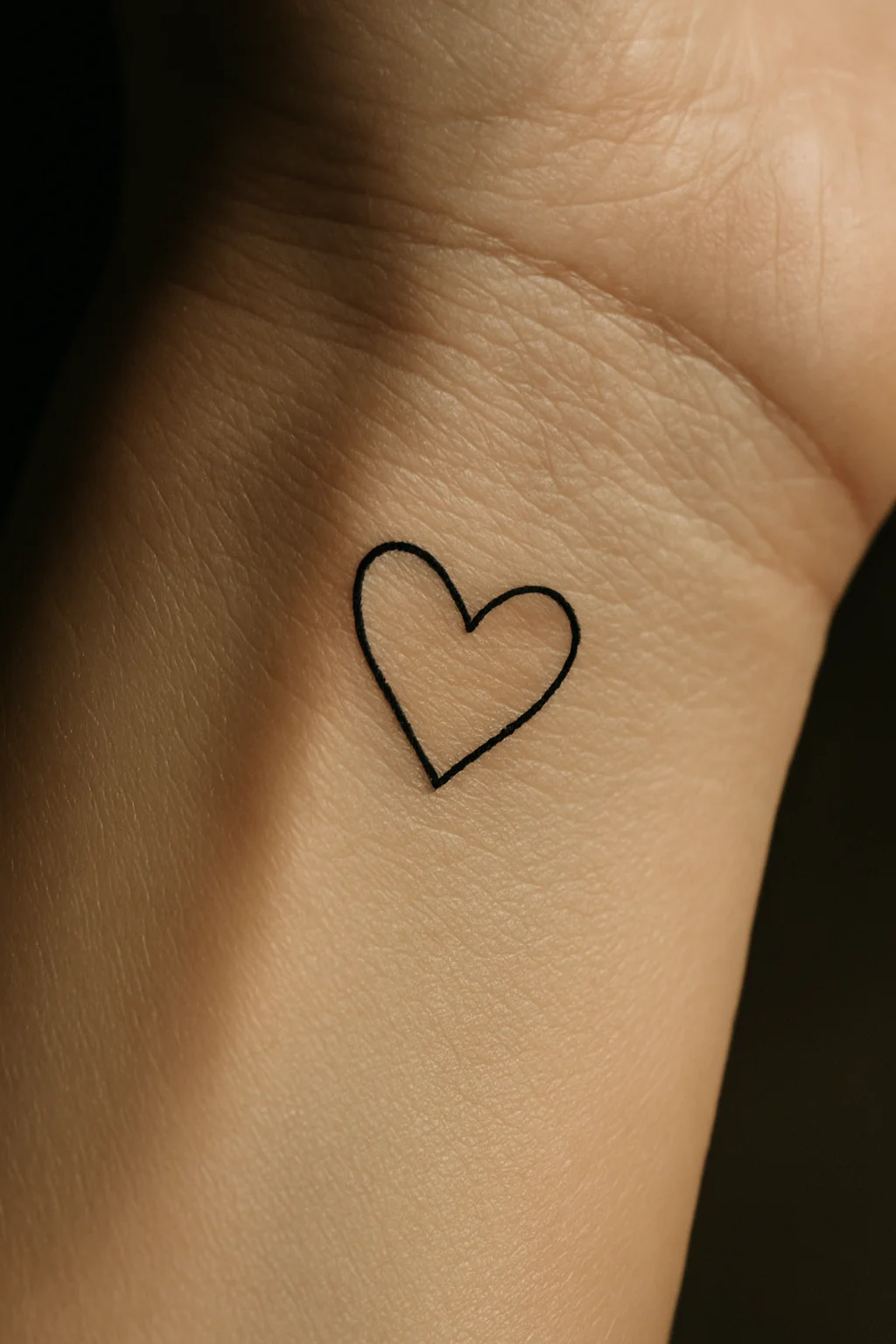
Typical price ranges by size
Prices vary by market, but for reputable studios in North America and much of Europe, honest ranges look like this:
- Shop minimum, any tiny piece: 80 to 150 dollars
- Small, simple design up to palm-sized: 100 to 300 dollars
- Medium single-session piece, detailed: 300 to 700 dollars
- Large piece across multiple sessions: 800 to 2,000 dollars
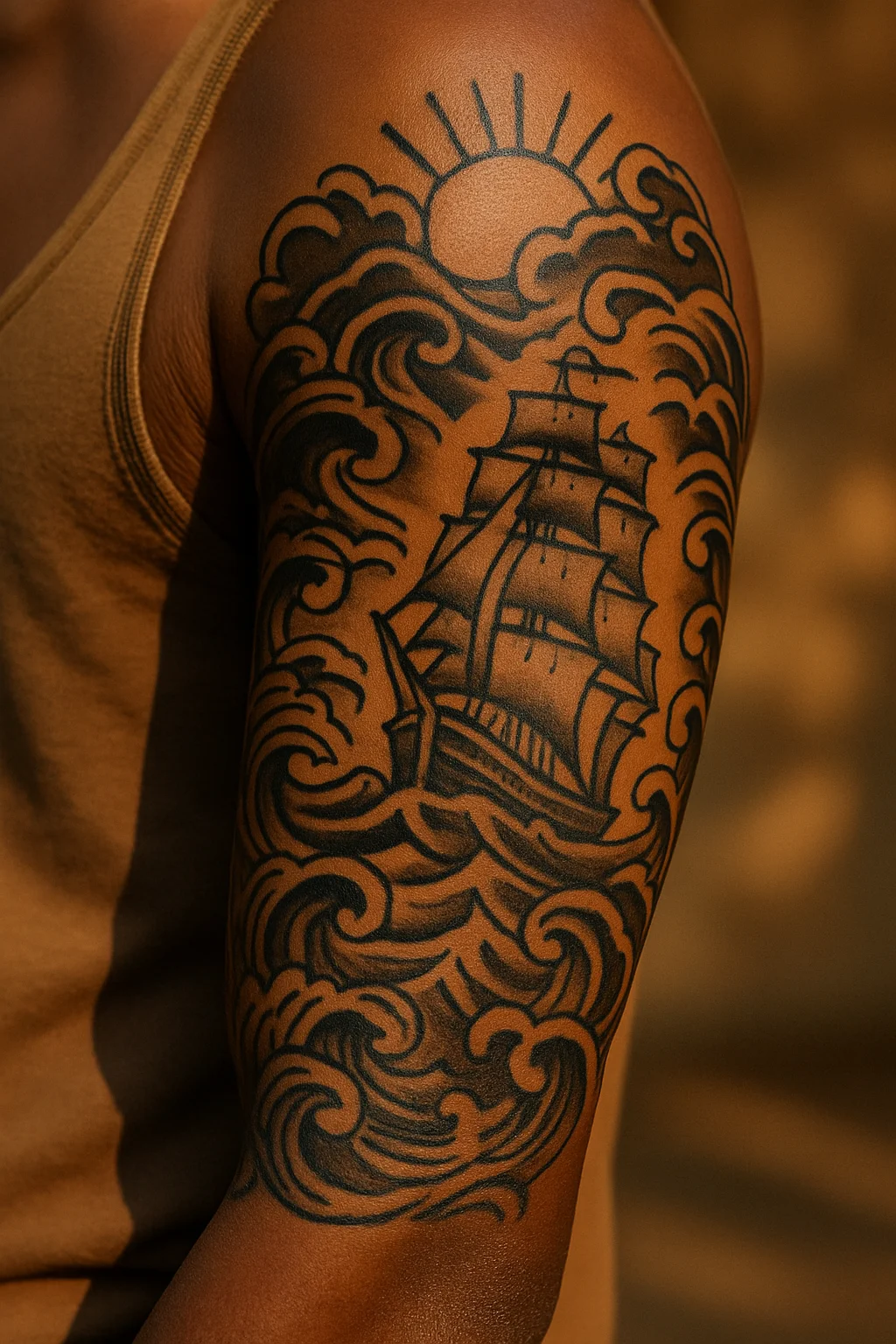
- Half sleeve: roughly 1,200 to 3,000 dollars
- Full sleeve or back piece: 2,500 to 8,000 dollars and beyond
Hourly rates at solid studios generally run 120 to 250 dollars, with in-demand names above that. Flat quotes are common for small and medium pieces; hourly billing takes over as scale grows.
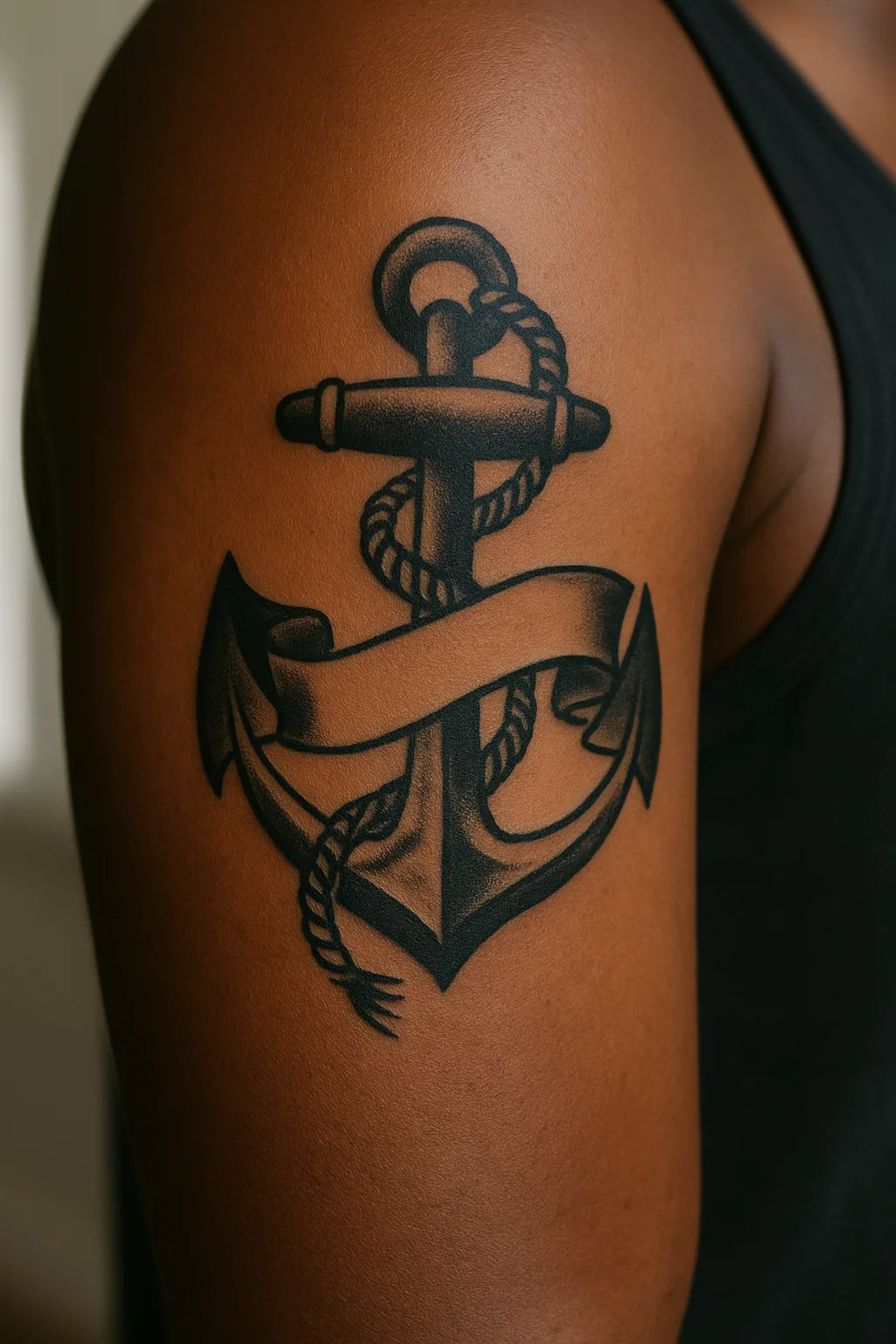
Why artists charge what they charge
The hour you are billed is not the only hour you are buying. Behind it sit design and drawing time, often unpaid, consultation, stencil preparation, and the fixed costs of doing this safely: single-use needles and cartridges, inks, barriers, sterilisation and licensing. Studios also take a significant cut of each artist's rate, commonly 30 to 50 percent, to cover rent and staff.
Then there is the decade of practice your steady lines are drawn from. As with any craft, you are paying a premium for the mistakes the professional no longer makes. On something permanent and attached to your body, that premium is the single best value in the entire transaction.
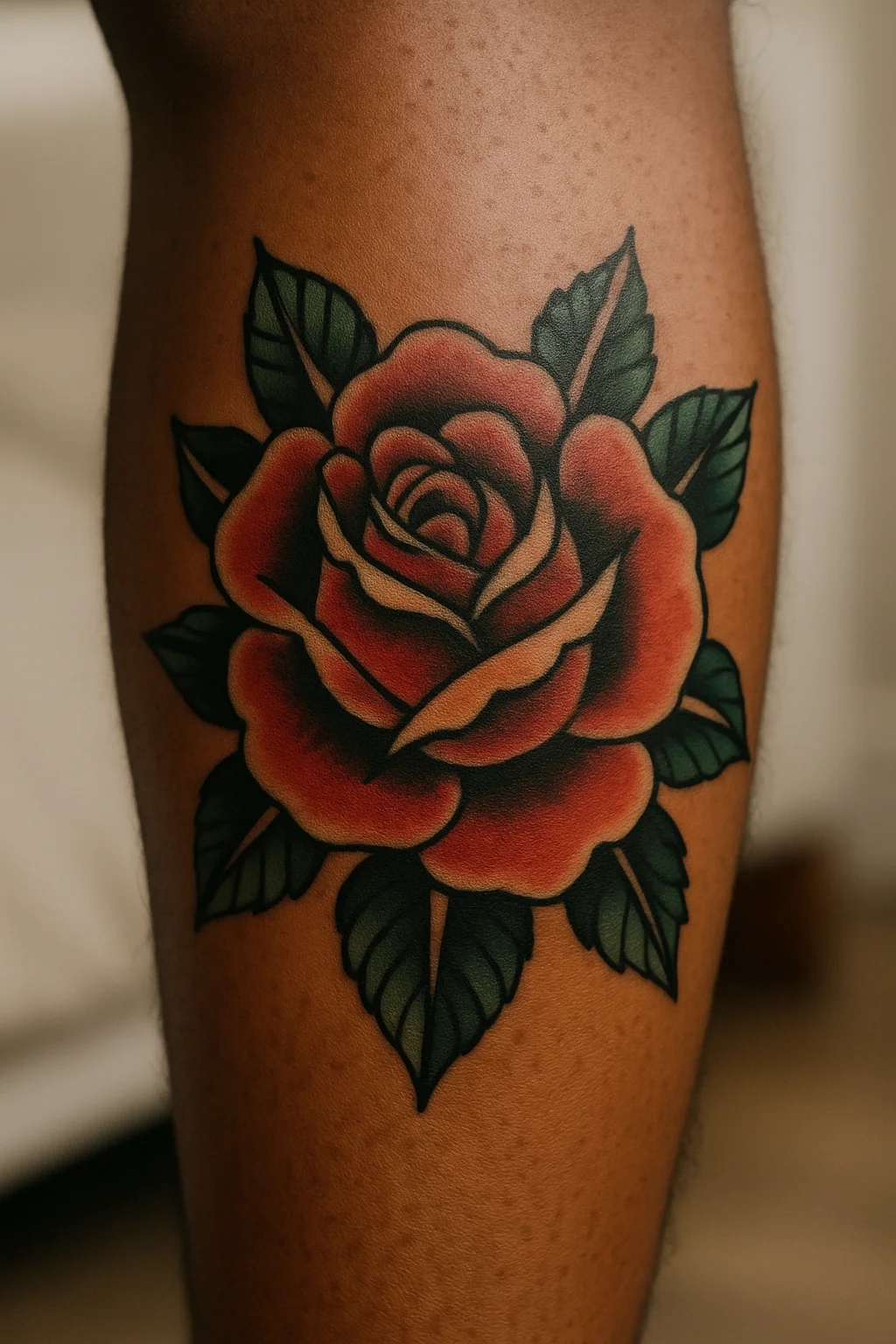
Tipping, deposits and touch-ups
In North America, tipping 15 to 20 percent is standard, cash preferred, and it matters most for artists paying high studio percentages. In much of Europe tipping is appreciated rather than expected; when in doubt, ask the front desk what is customary. Nobody has ever been offended by a tip.
Deposits, usually 50 to 200 dollars, secure your booking, come off the final price and vanish if you no-show or cancel late. Touch-up policies vary: many artists offer one free touch-up within a few months for pieces that healed imperfectly, but ask before booking rather than assuming. Sun damage and picked scabs void every touch-up policy on earth, informally speaking.
Where not to save money
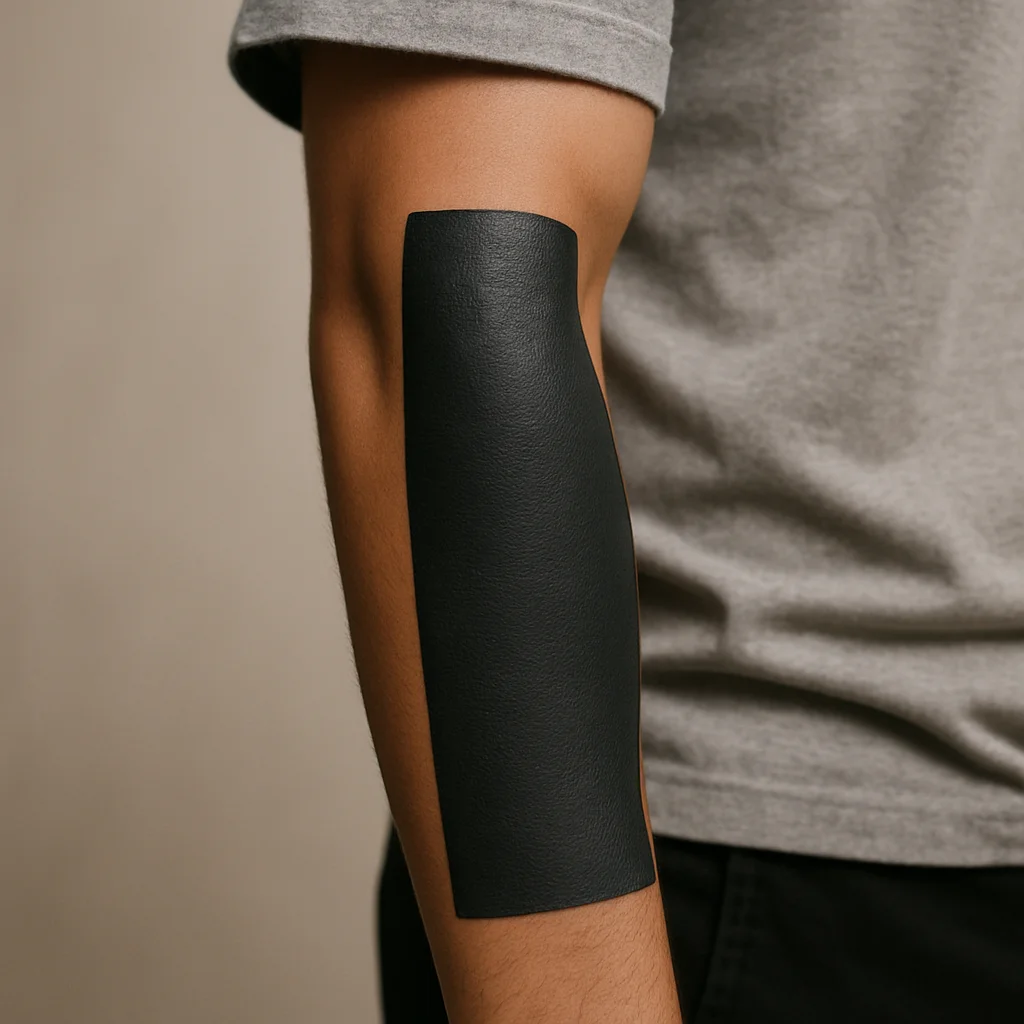
There are good ways to control cost: shrink the concept rather than the line spacing, choose blackwork over full colour, book one complete section instead of scattering outlines, or wait a season longer and save. There is one bad way: choosing a tattooist on price alone. The bargain artist who is 200 dollars cheaper can cost you a 600-dollar cover-up plus laser sessions at 200 to 400 dollars each, and cover-ups constrain design forever.
A useful mental model: the price difference between mediocre and good tattooing amortises to pennies per day over the decades you wear the result. Almost nothing else you buy has that maths. Spend where permanence lives, save somewhere reversible.
Frequently asked questions
Why do tiny tattoos still cost 100 dollars or more?
Because the needle time is the smallest part of the job. Sterile setup, single-use equipment, licensing, studio overheads and the artist's time exist whether the design takes five minutes or five hours. The shop minimum covers the fixed cost of doing it safely.
Is it okay to ask an artist about their rates upfront?
Not only okay but expected. Email or ask at consultation for the hourly rate or a quote range for your idea. What lands poorly is haggling; rates are not opening offers, and "can you do it cheaper" reliably starts relationships badly.
Do colour tattoos cost more than black and grey?
Usually, because colour packing takes longer and larger pieces may need extra sessions. The difference shows up as added hours rather than a colour surcharge. For small simple pieces the gap is often negligible.
The conversation
No comments yet. Got a thought about these designs? Start us off.
Want to weigh in? Join the community to comment, save designs and try them on your skin.