What will your tattoo actually cost?
Studios do not price by the square inch — they estimate hours, multiply by an hourly rate, and apply a shop minimum as a floor. This tool does the same, using rates studios publish themselves. It gives you a range to budget with, and shows every step so you can check it.
How tattoo pricing actually works
Three numbers decide what you pay, and only one of them is about size. The shop minimum is a floor covering the sterile setup that happens whether your tattoo takes ten minutes or three hours. The hourly rate reflects the artist's experience and the studio's overhead — a busy artist charging more per hour but working faster can genuinely be cheaper than a slower one charging less. And the hours are what your design demands.
Most shops work as a hybrid: small pieces are quoted flat, and anything likely to run past two or three hours moves to hourly, because nobody can promise where a sleeve ends. Custom work also carries design time you never see on the clock — several hours of drawing before you sit down, usually folded into the deposit rather than billed.
The factors this calculator asks about are the ones artists name as the real time drivers: detail density, solid fill, colour saturation, line weight and placement. Notice what is missing from that list: square inches.
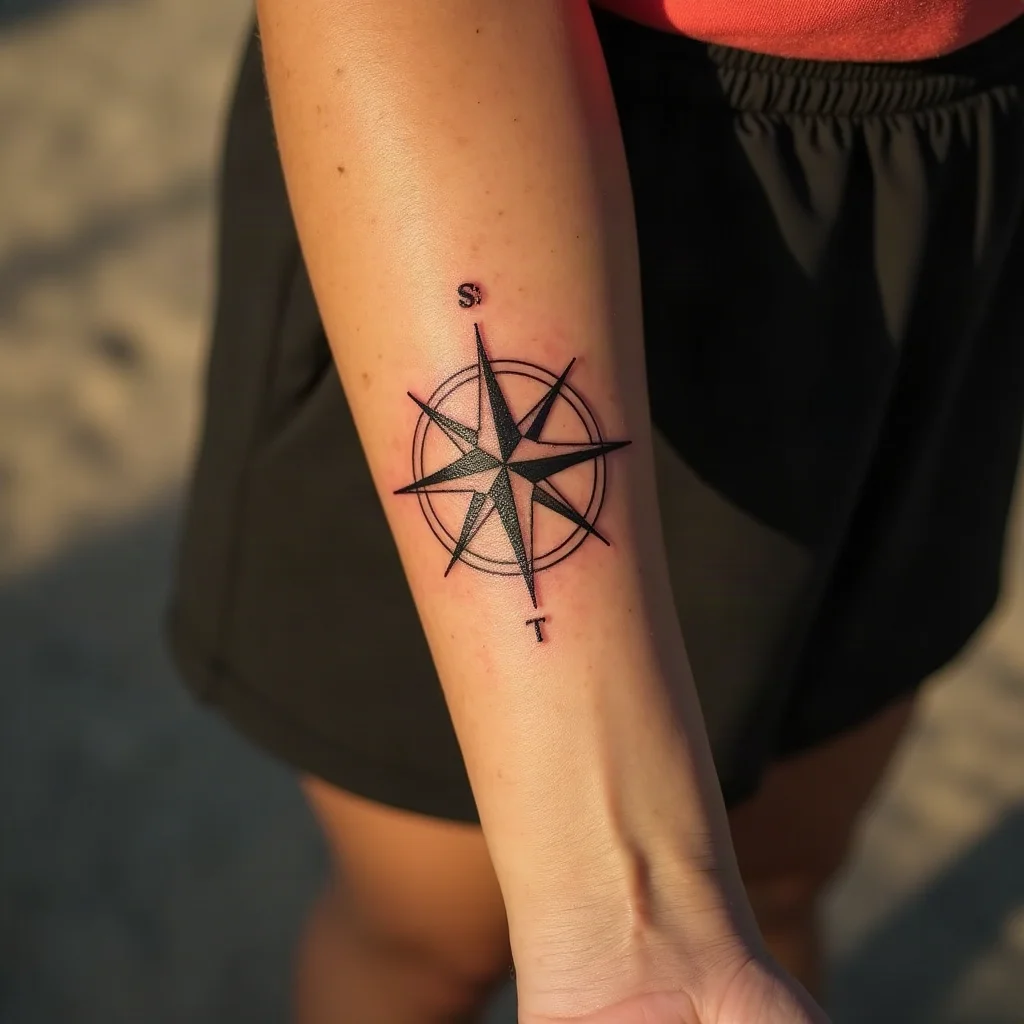
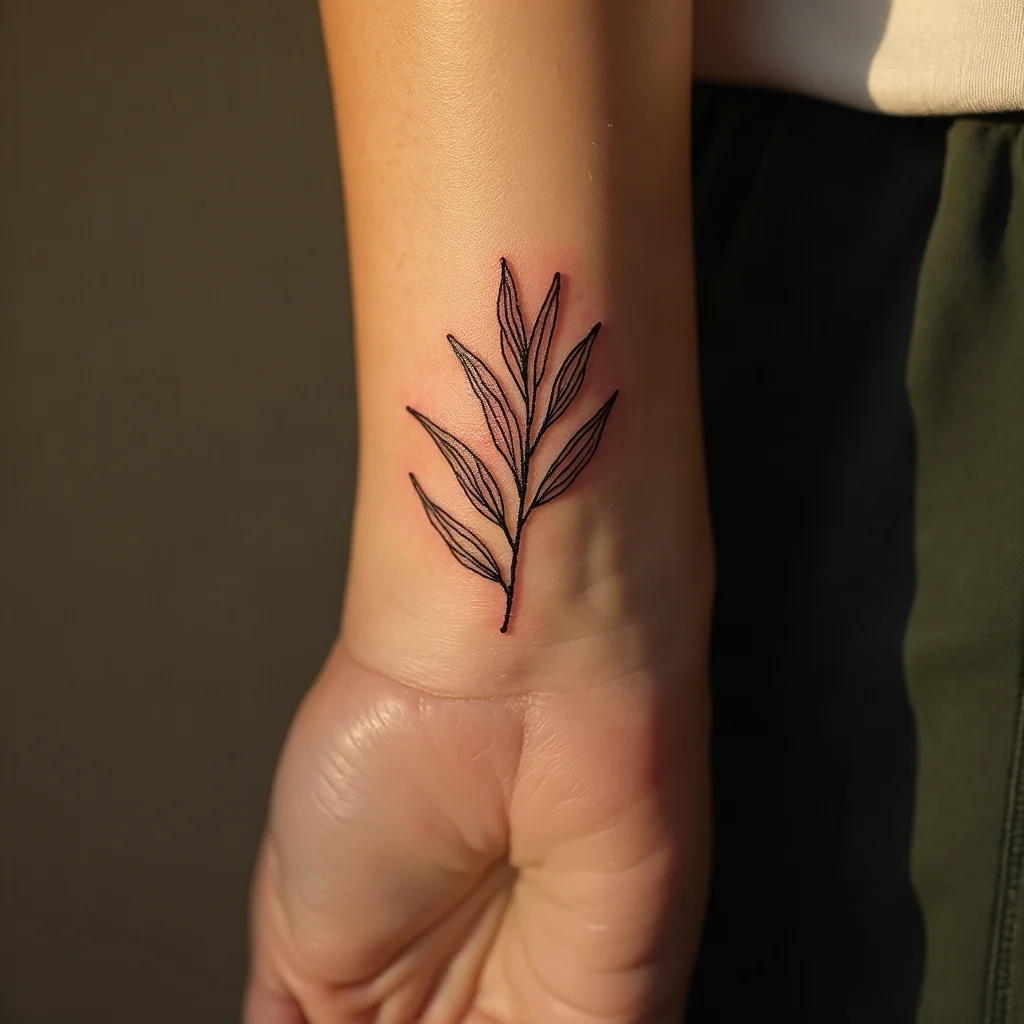
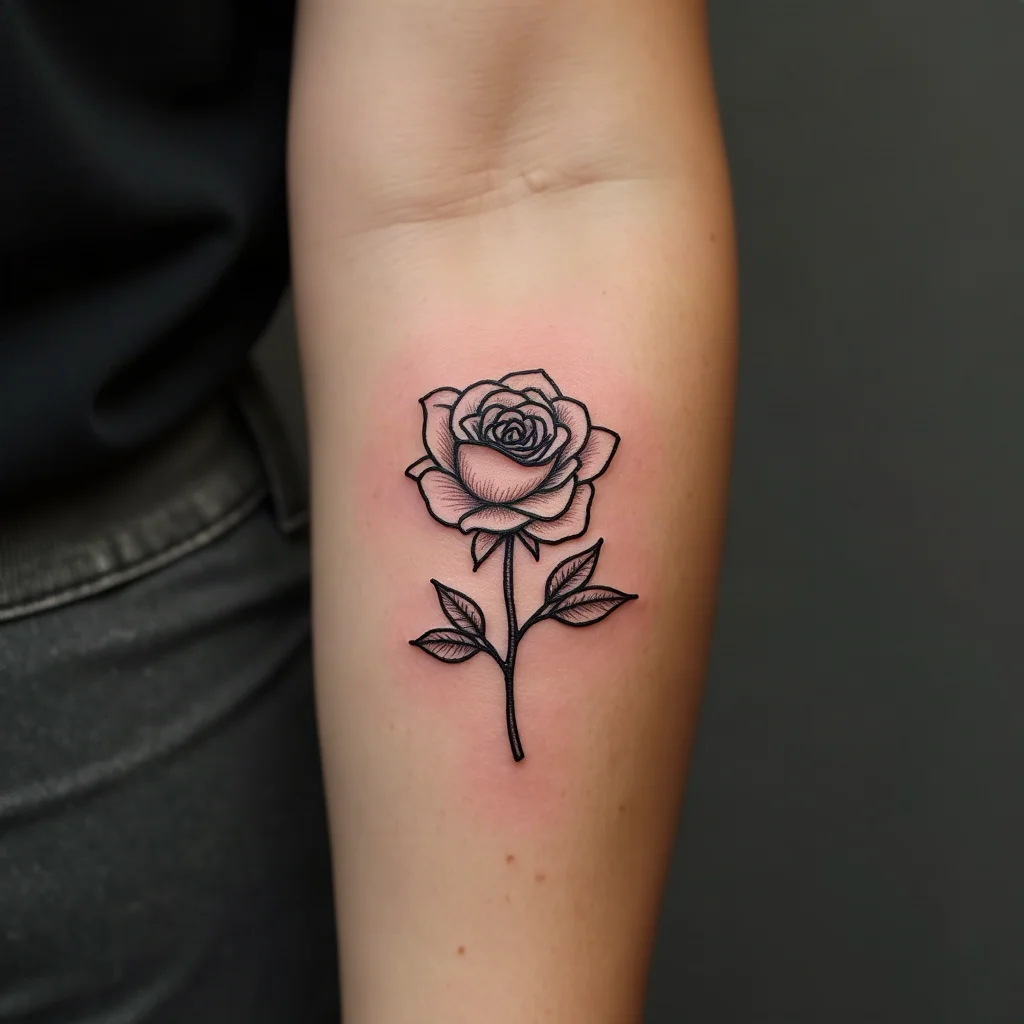
The first piece takes twenty minutes, but it is still billed at the minimum — the coral block is the gap the shop minimum fills. Past that floor, you are paying for hours.
Got tattooed recently? Tell us what you paid
Every report makes this estimate better for the next person. We review submissions before they count, and never publish anything that identifies you or your artist.
Common questions
Why does the estimate show hours instead of just a price?
Because that is how studios actually quote. Artists estimate how long a piece will take, multiply by their hourly rate, and apply the shop minimum as a floor. Showing the hours lets you check the estimate against what an artist tells you, instead of arguing about a total.
What is a shop minimum?
A fixed floor that covers setup, sterile equipment and breakdown, charged no matter how small the tattoo is. In most US cities it sits between $100 and $150. If a shop minimum is $150, a dime-sized crescent moon still costs $150 - that is not a markup, it is the cost of opening a station for you.
Why can a small tattoo cost more than a large one?
Because detail density drives time more than size does. Fine single-needle work at small scale is slow, precise work, while a bold traditional piece covers ground quickly. A three-inch micro-realism portrait can genuinely take longer than a six-inch tribal design.
Does colour cost more?
Yes, but as time rather than a surcharge. Colour needs multiple passes to saturate properly, so the same design runs roughly one and a half to two times longer than black and grey. Almost no studio charges a separate colour fee; it simply shows up as more hours.
Why do ribs and hands cost more?
Thin skin over bone takes ink differently and needs more passes, curved surfaces force freehand adjustment, and these placements hurt enough that sessions include more breaks. A design that takes 45 minutes on a flat thigh can take 90 minutes on a ribcage.
Is this a quote?
No. It is a budgeting tool built from what studios publish about their own rates. Your artist prices your specific piece after seeing the design, your skin and the placement - and their number is the real one.