Small Tattoo Cost: 14 Designs and Real Price Ranges
Shop minimums, hourly rates, deposits, tips — here's what a small tattoo actually costs at a real studio, plus 14 small designs with the price range each one tends to land in.
The shop minimum is your real starting price
Walk into any licensed studio with a design the size of a postage stamp and you'll hear the same thing: there's a minimum. In most of the US that minimum sits somewhere between $60 and $120, and in busy city studios or high-demand shops it climbs to $150–$200. Some European and UK studios quote a similar floor in their own currency. That number is not the artist being precious about a tiny heart — it's the cost of opening a station.
Every tattoo, no matter how small, burns through the same disposables: sterile needle cartridges, a fresh grip, ink caps, ink, razors, barrier film, gloves, green soap, stencil paper, and clip cord sleeves. Add the artist's setup and breakdown time, the wipe-down between clients, the drawing or stencil prep, booth rent, bloodborne pathogen certification, shop licensing, and the hour of the day that appointment blocks off the books. A three-minute tattoo still costs the shop most of what a thirty-minute one does.
The practical takeaway: a dime-sized design and a quarter-sized design usually cost exactly the same. If you're already paying the minimum, you're often better off going slightly bigger and cleaner than shrinking a design down to save money you won't actually save. Artists will tell you the same thing — tiny, cramped linework is the stuff that blurs first.
Ask directly when you inquire: "What's your shop minimum, and does this piece fall inside it?" It's a normal question and no one will think less of you for asking.
What actually moves the price on a small piece
Once you're past the minimum, most shops switch to an hourly rate — commonly $120–$250 an hour depending on the city and the artist's demand, with sought-after specialists charging well above that. But hourly is only half the story. Here's what pushes a small tattoo from a flat minimum into a two-hour sitting:
- Detail density, not size. A 2-inch line drawing is a 20-minute tattoo. A 2-inch micro-realism portrait with stipple shading can take three hours. Artists price the work, not the footprint.
- Color. Packing solid color means more passes, more time, and more ink. Expect a small color piece to run noticeably higher than the same design in black.
- Placement. Fingers, hands, feet, ribs, elbows and knees are slower to tattoo — the skin moves, stretches, or needs a second helper to hold tension. Some artists add a surcharge for hands and fingers or refuse them outright because of how they heal.
- Custom drawing time. Flash off the wall or a repeat design costs less than a piece someone drew for you from a two-paragraph brief. Some artists build drawing time into the quote; some charge a separate design fee.
- Who's holding the machine. An apprentice supervised at a reputable shop may tattoo at a reduced rate. A guest artist flying in for a weekend usually charges their home-city rate plus travel.
- Cover-ups and fixes. Even a small cover-up costs more than a fresh piece of the same size — there's problem-solving baked in.
One more thing worth budgeting for: if you're planning multiple small pieces, book them in a single sitting. You pay one setup instead of three minimums.
7 designs that land at the shop minimum
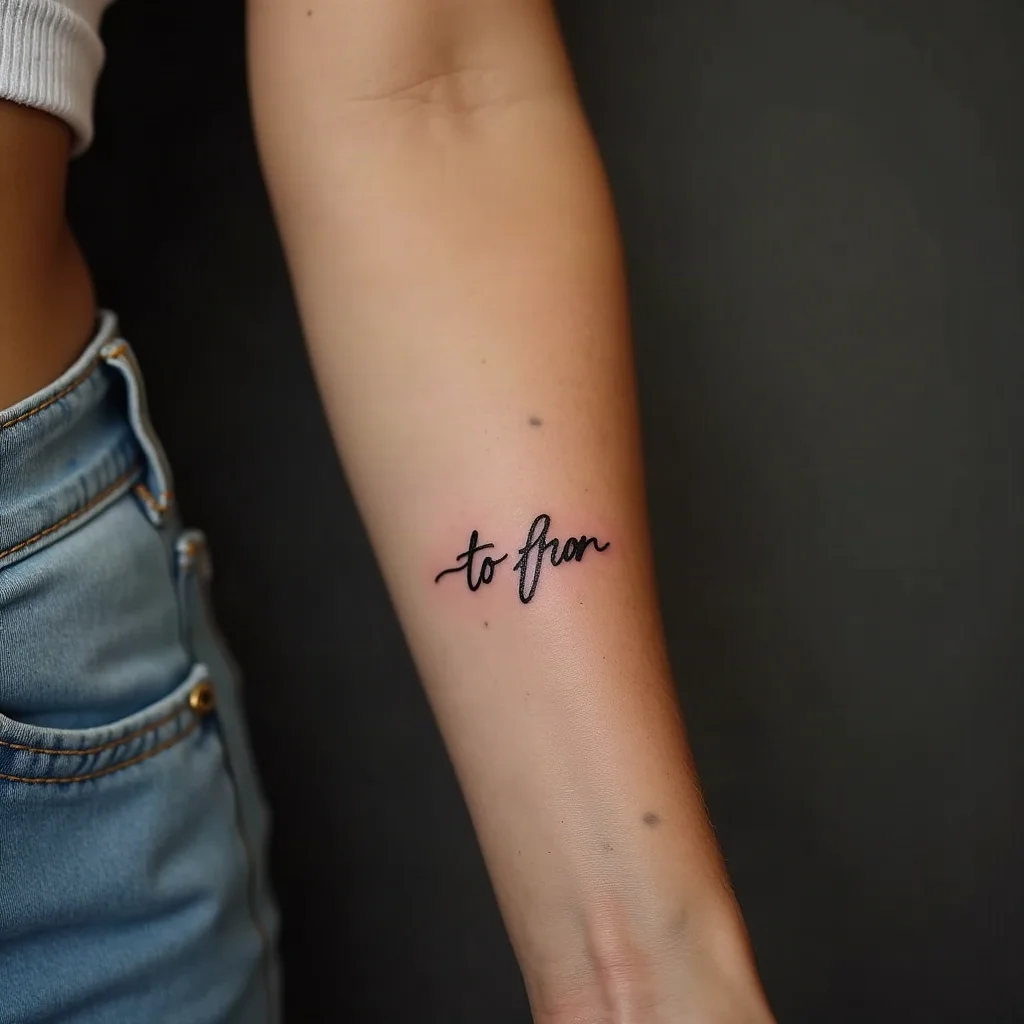
1. Single-word script on the inner wrist
One word — a name, a place, a reminder — in a clean script, 1.5 to 2 inches wide. It's a ten-minute tattoo and almost always the flat minimum. Keep the letters a hair thicker than feels necessary; hairline script on the wrist softens over the years.
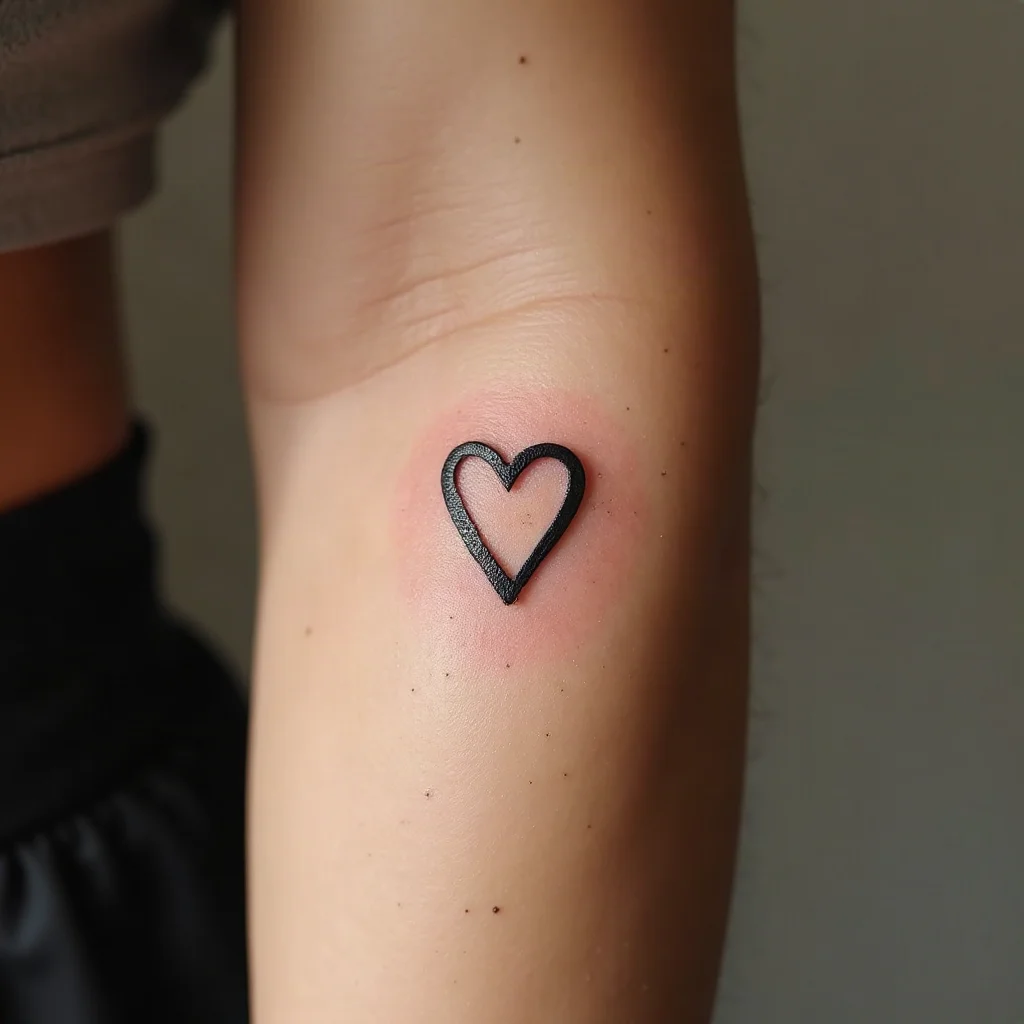
2. Tiny heart outline on the finger
A half-inch open heart on the side of a finger is as small as tattoos get, and it still costs full minimum. Ask about the shop's finger policy first: many artists tattoo them only with the understanding that touch-ups will be needed, and some charge for those.
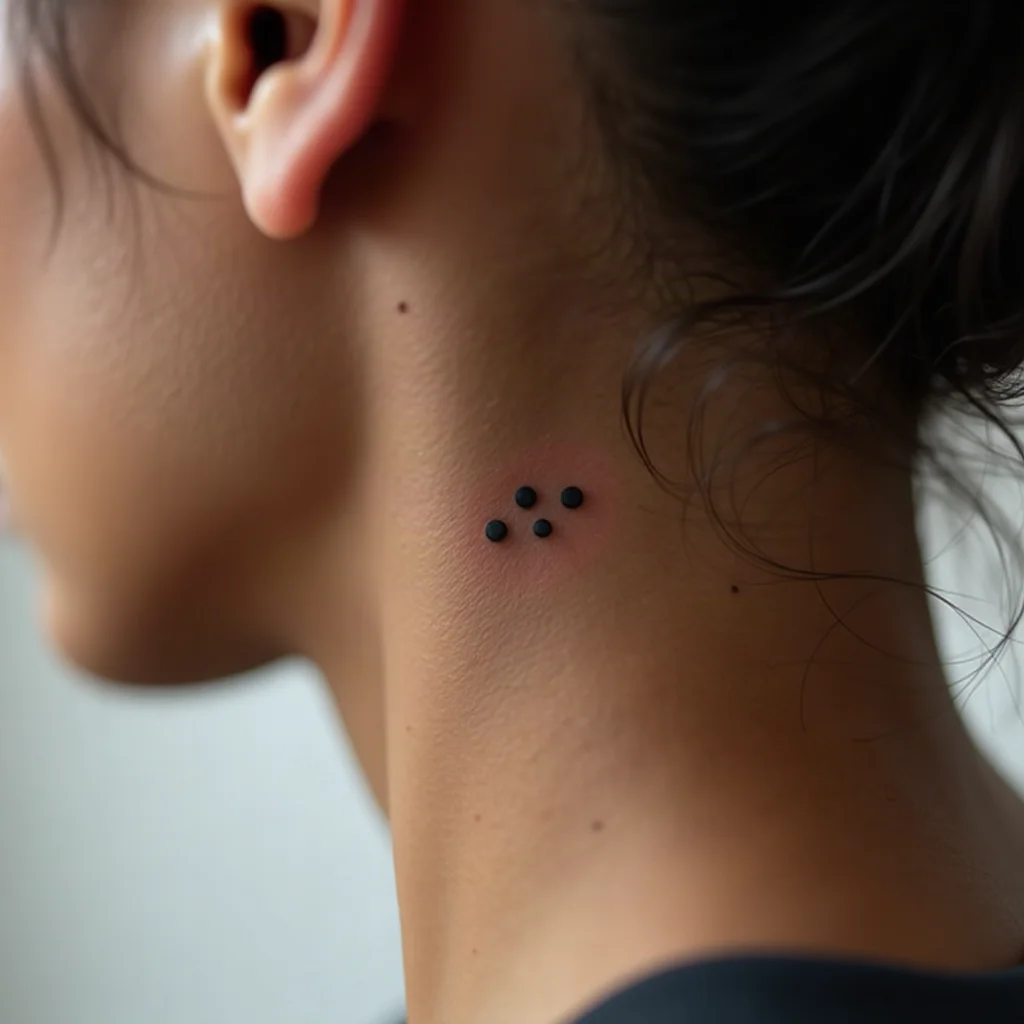
3. Three-dot cluster behind the ear
Three solid dots in a triangle, each around 3mm, tucked behind the ear. Minimum price, five minutes in the chair, and one of the easiest first tattoos to hide. The area is bony and buzzy but over before you settle in.
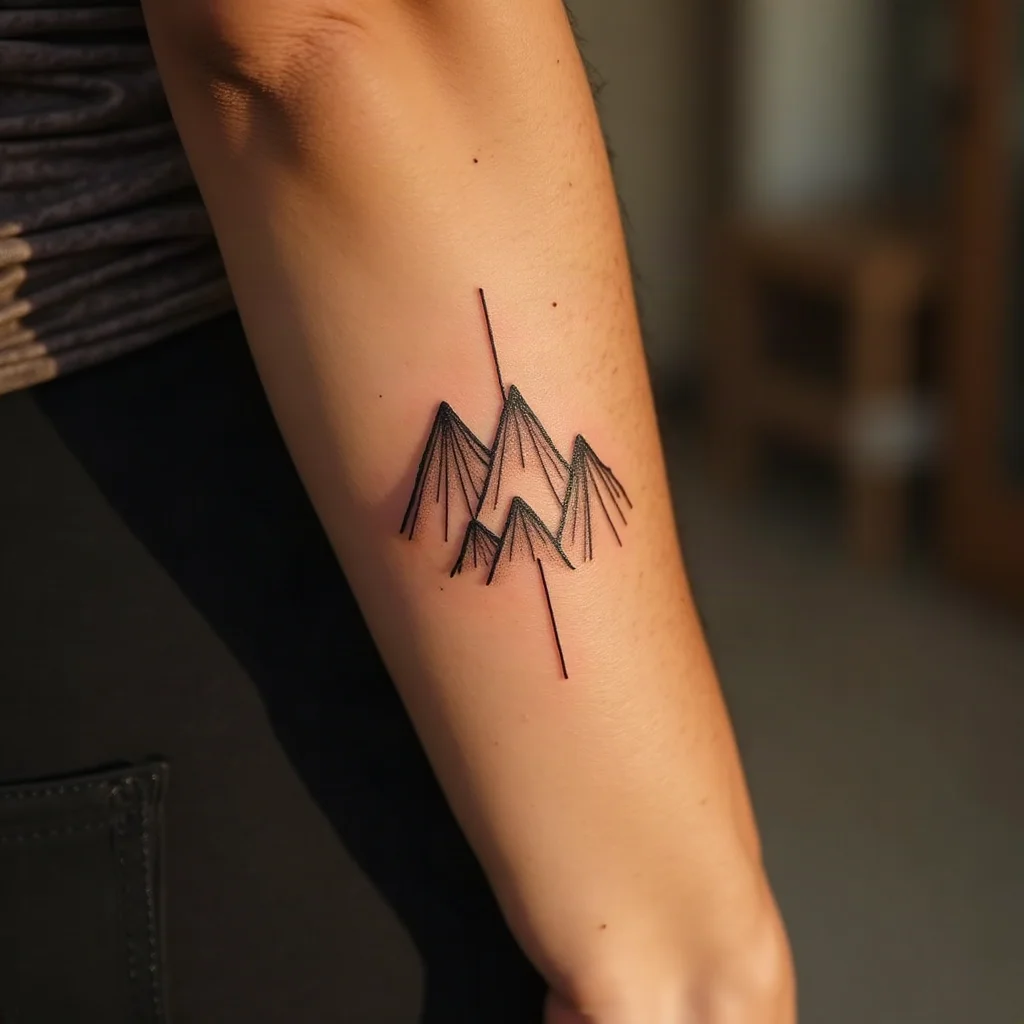
4. Minimal mountain range line on the outer forearm
A single continuous line rising into two or three peaks, 2 to 3 inches across. Pure linework, no shading, so it sits comfortably at the minimum. Placed along the forearm it reads well at arm's length and ages beautifully because there's nothing fine to fill in.
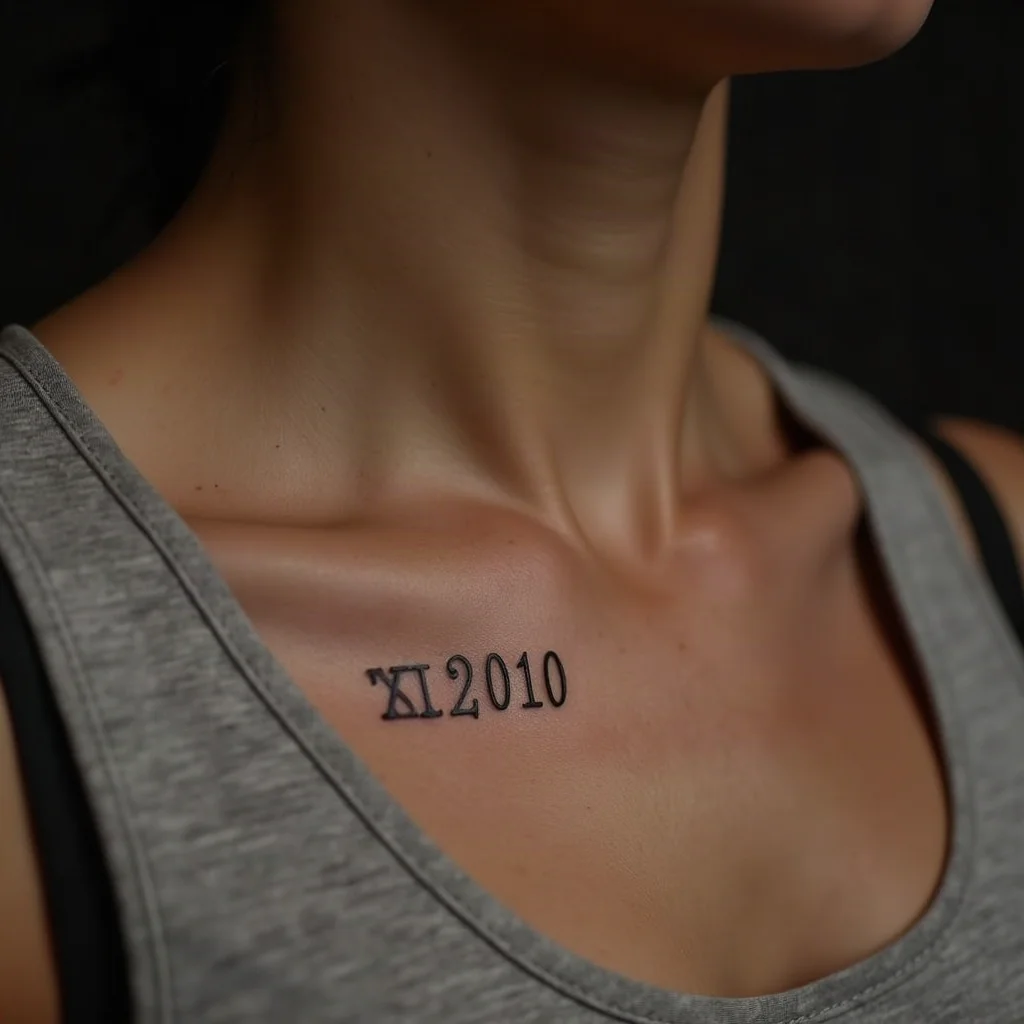
5. Roman numeral date on the collarbone
A date in slim serif numerals, 2 to 3 inches, running along the collarbone. Usually minimum-priced unless you want ornate lettering. Send your artist the numerals written out exactly as you want them — our guide on writing a date in Roman numerals saves a lot of stencil back-and-forth.
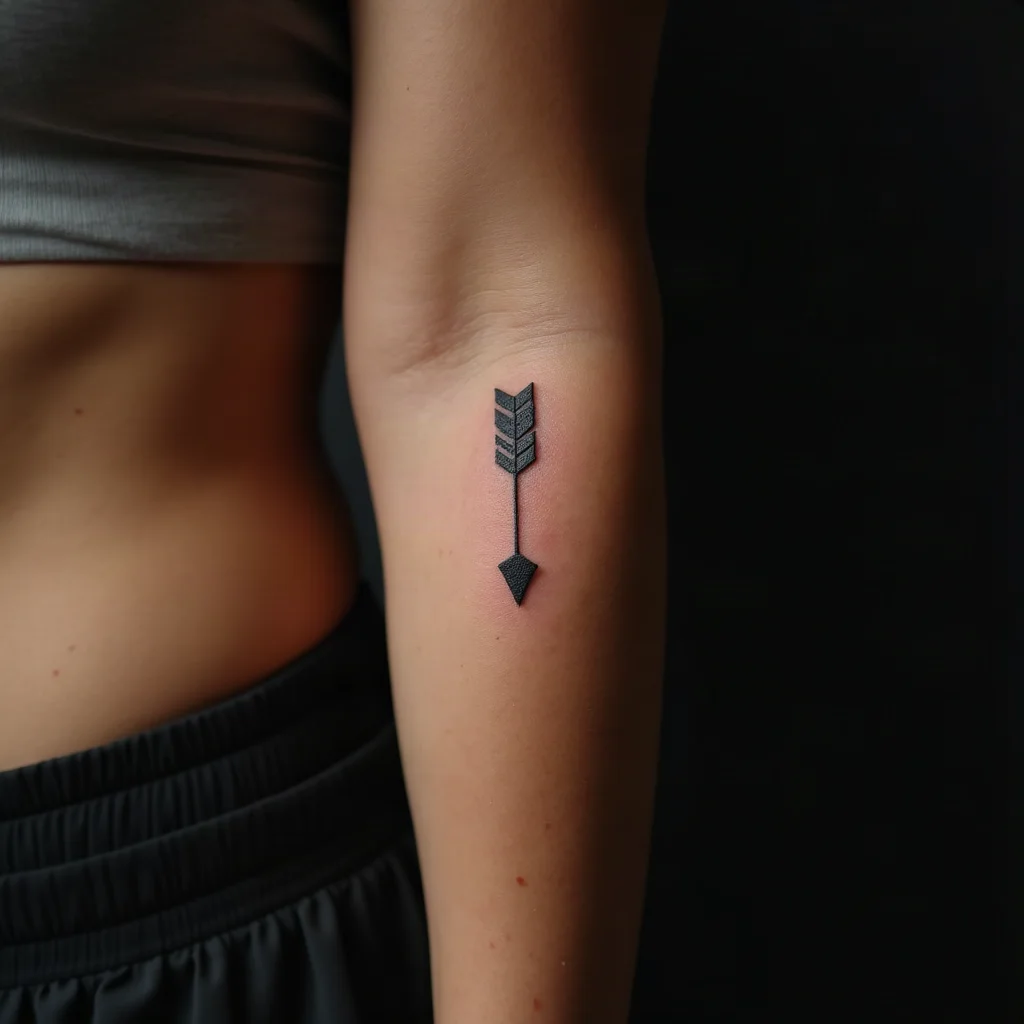
6. Small arrow on the side of the wrist
A 1.5-inch arrow with a simple fletching, following the line of the forearm bone. Fast, flat minimum, and easily paired with a second small piece in the same sitting if you want more for your money.
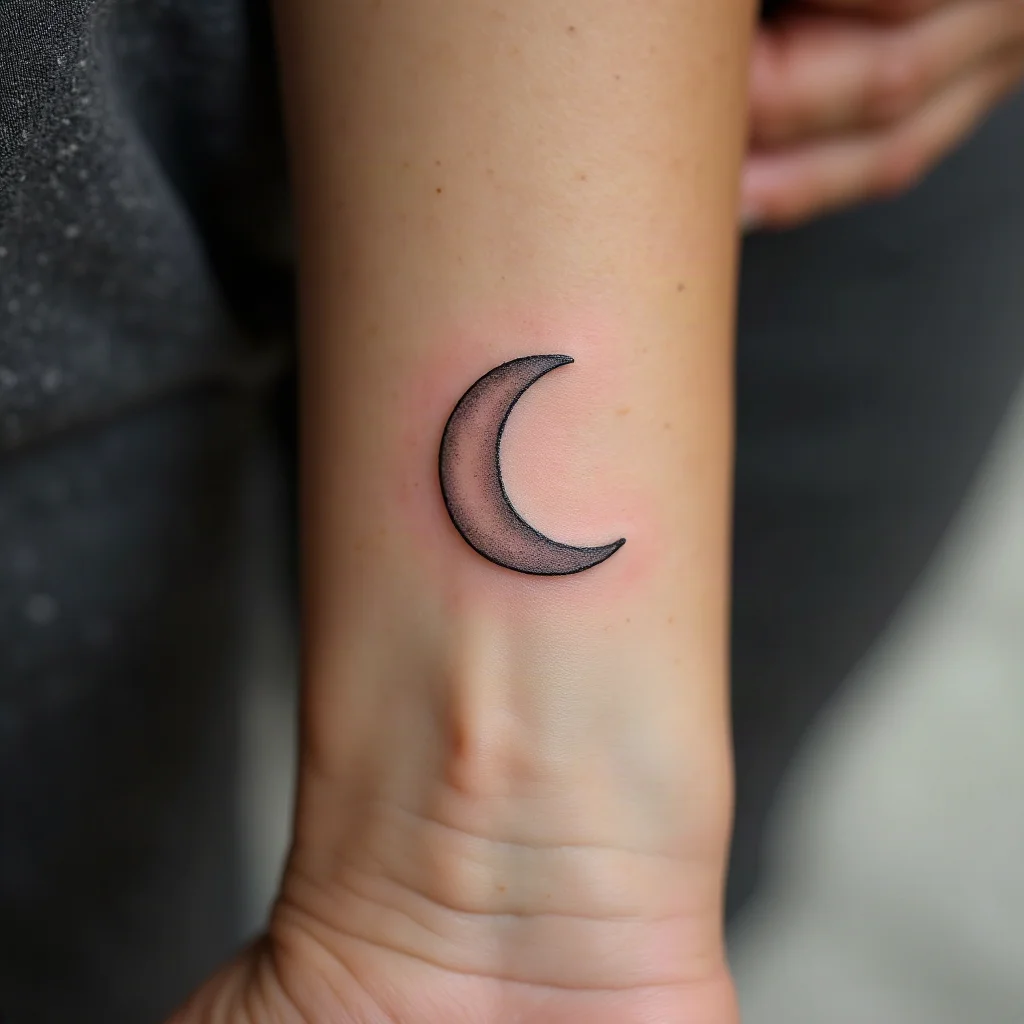
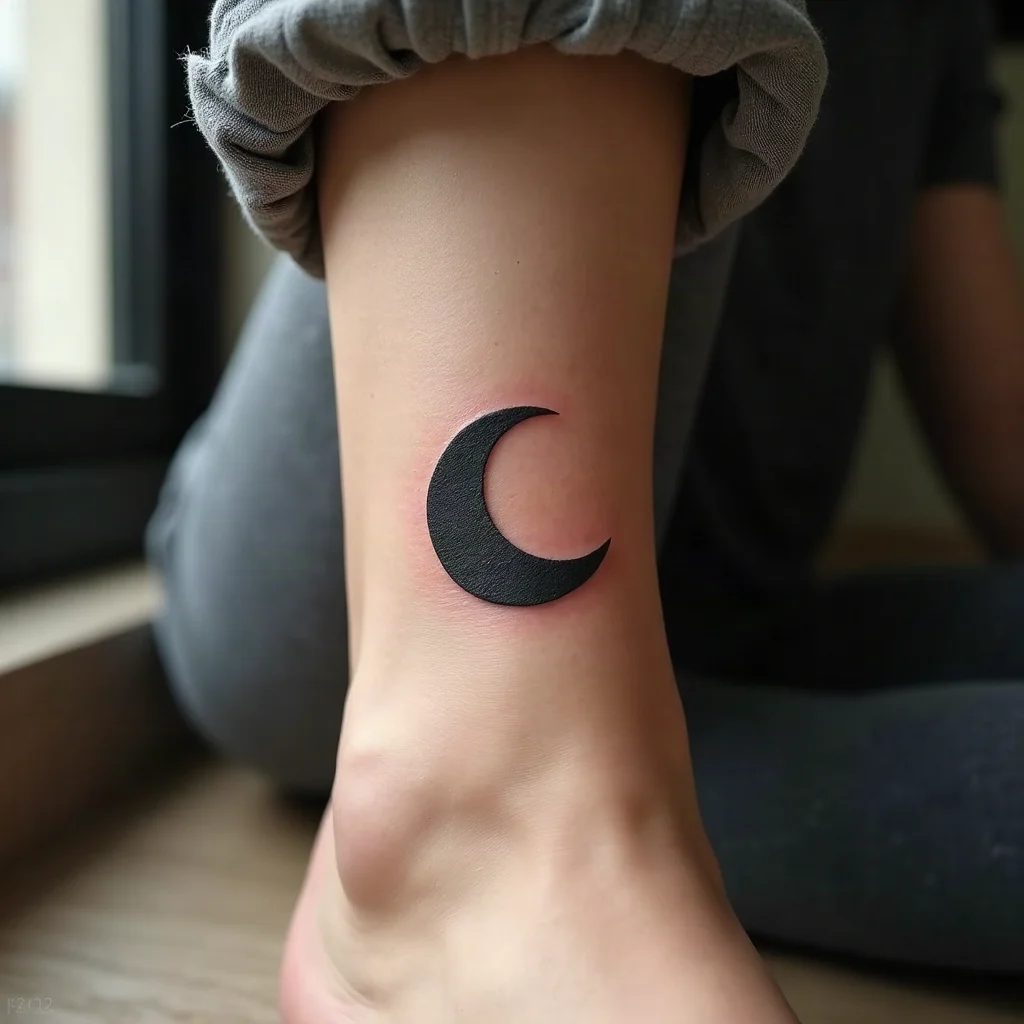
7. Pea-sized crescent moon on the ankle
A solid black crescent under half an inch, sitting just above the ankle bone. Minimum price. The bone makes it sharper than the size suggests, but you're done in under ten minutes — and it clears the sock line either way.
7 small designs that run above the minimum
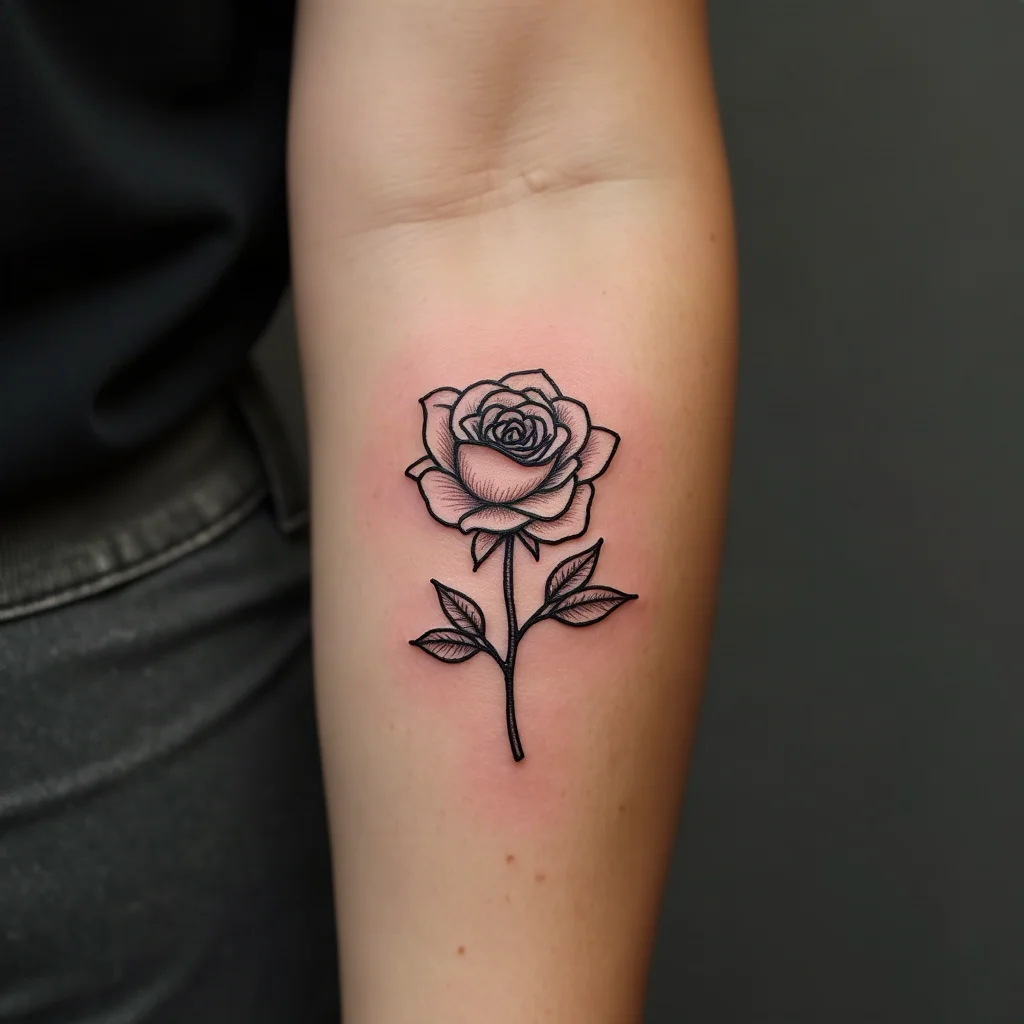
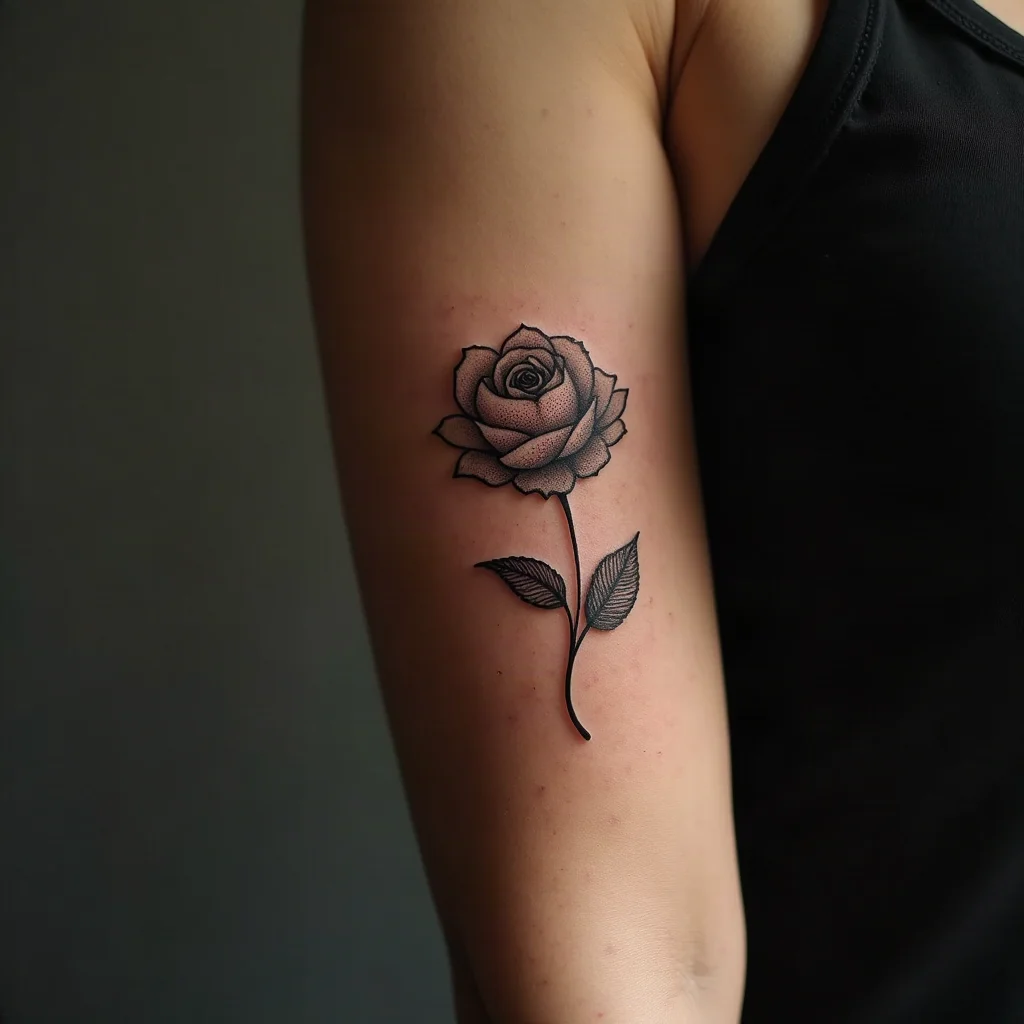
8. Fine-line rose on the inner forearm
Three inches tall, open petals, whisper-light stipple shading in the shadows. This is a 60 to 90 minute tattoo and typically lands in the $180–$350 range depending on the artist's rate. Ask for slightly more space between the petal lines than the reference shows — fine-line roses close up as they age.
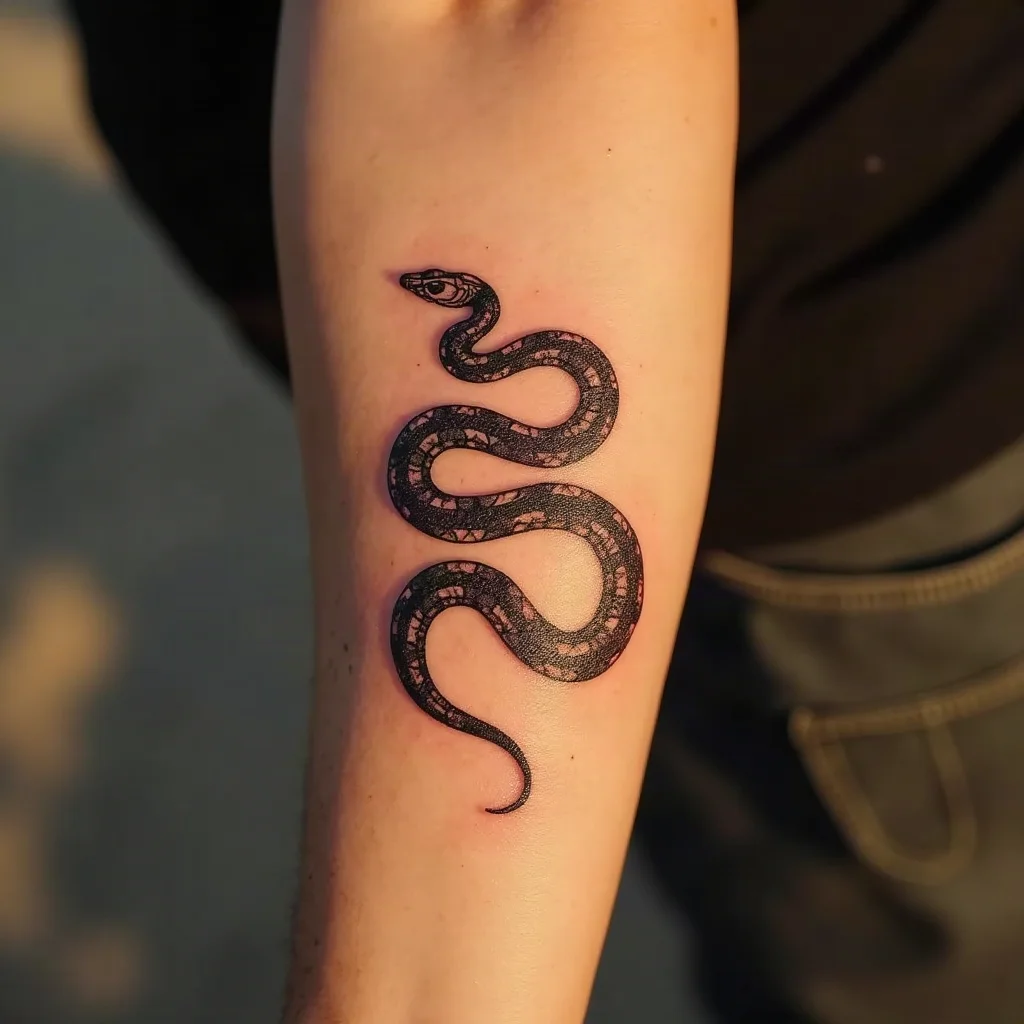
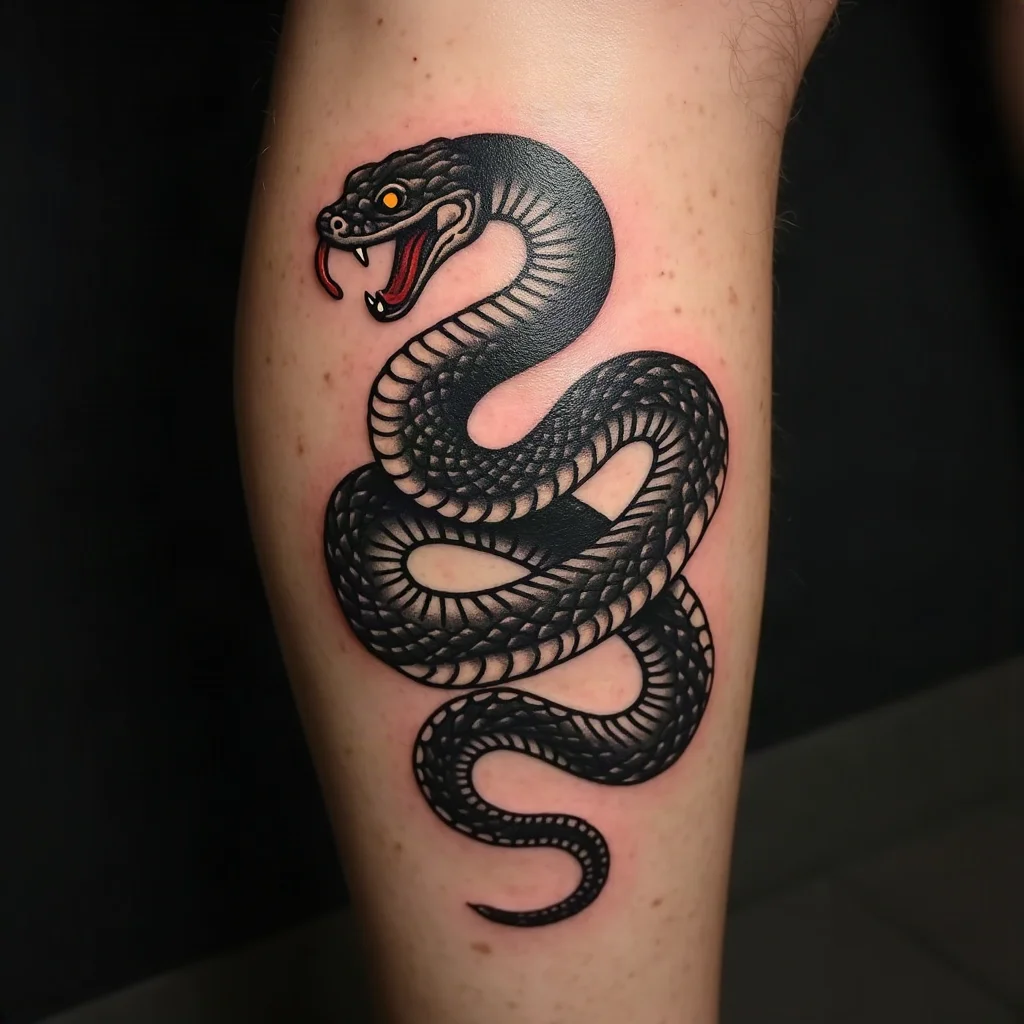
9. Coiled traditional snake on the calf
A 3 to 4 inch snake with bold outlines, black shading and a red tongue. Bold traditional work goes in fast but the solid black packing adds time; figure roughly one to two hours. The calf is forgiving skin and holds heavy black better than most small placements.
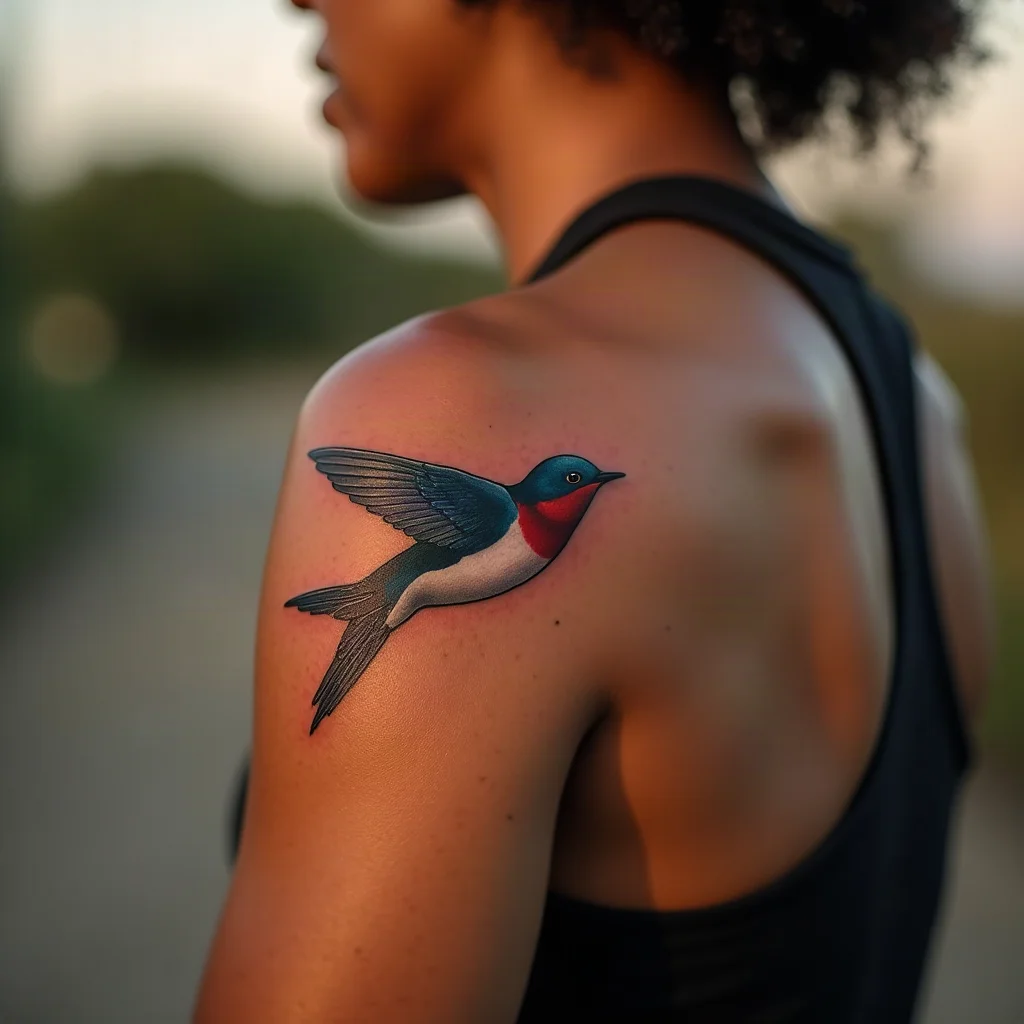
10. Small traditional swallow on the upper arm
A classic swallow around 2.5 inches, in full color with a bold outline. Color packing on a piece this size usually pushes it to $200–$350. Two swallows booked together cost less than two separate visits — one setup, one sitting.
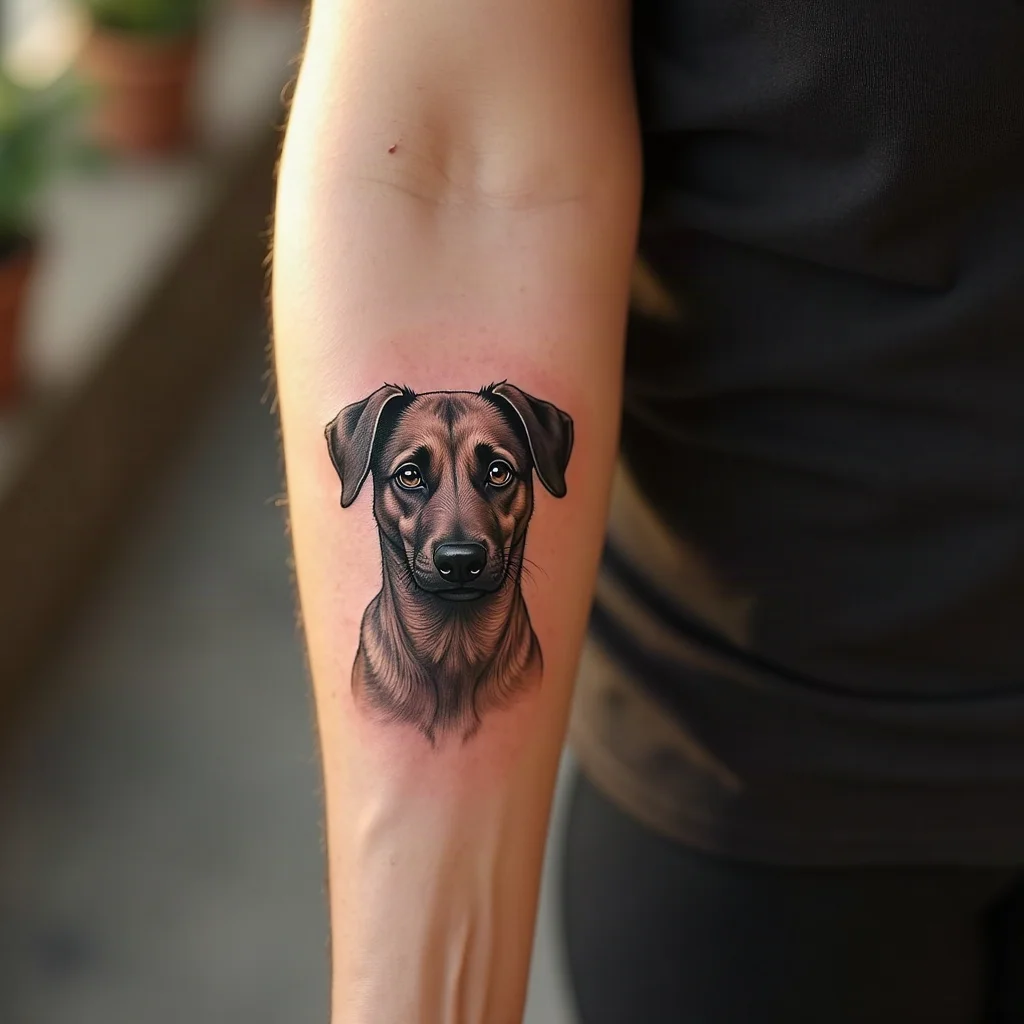
11. Micro-realism pet portrait on the inner forearm
Two to three inches of soft black-and-grey rendering: eyes, muzzle, a hint of fur texture. Small does not mean cheap here — this is two to four hours of slow shading and often $400–$700 with a specialist. Bring a high-resolution, well-lit photo; the quote and the result both depend on it.
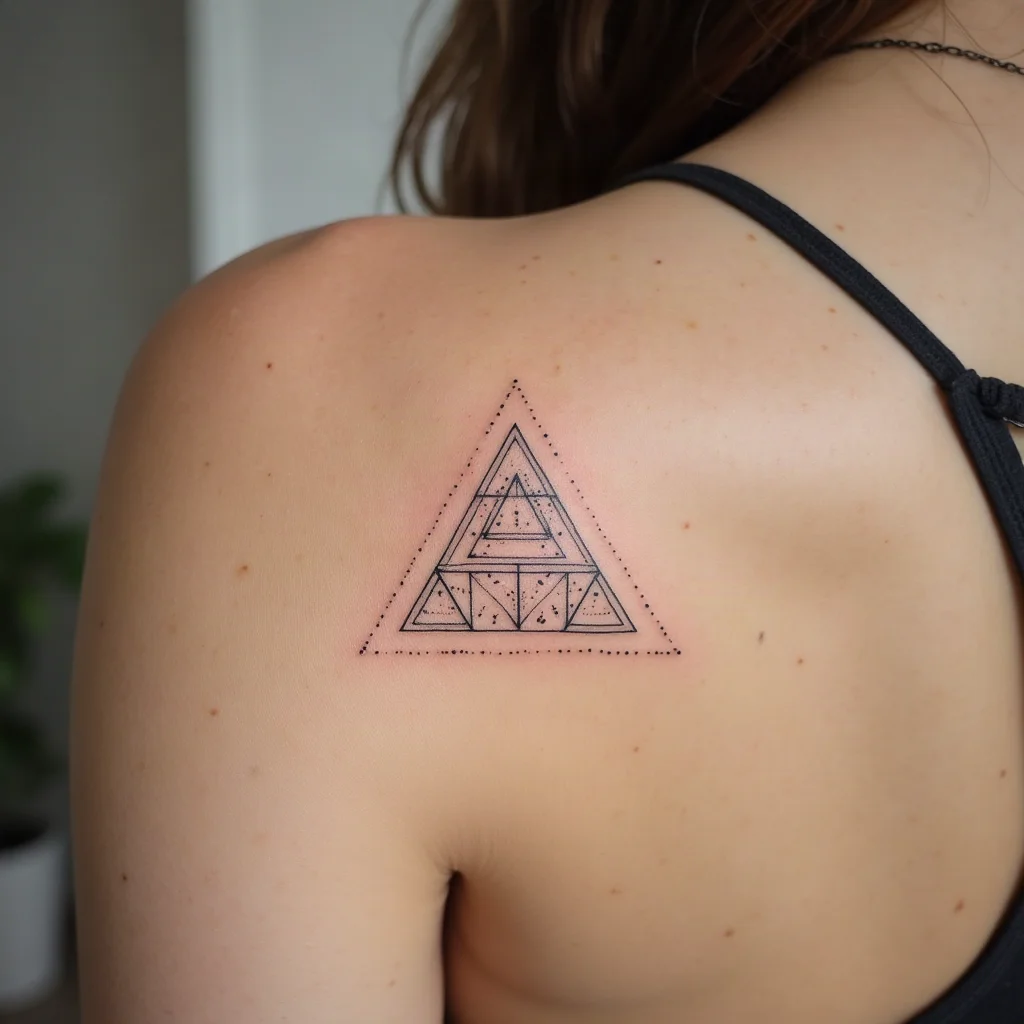
12. Geometric dotwork triangle on the shoulder blade
A 3-inch triangle filled with graded dotwork and a thin line halo. Stippling is pure time — expect an hour and a half or more. The shoulder blade gives the artist a flat, stable canvas, which keeps the dot spacing even.
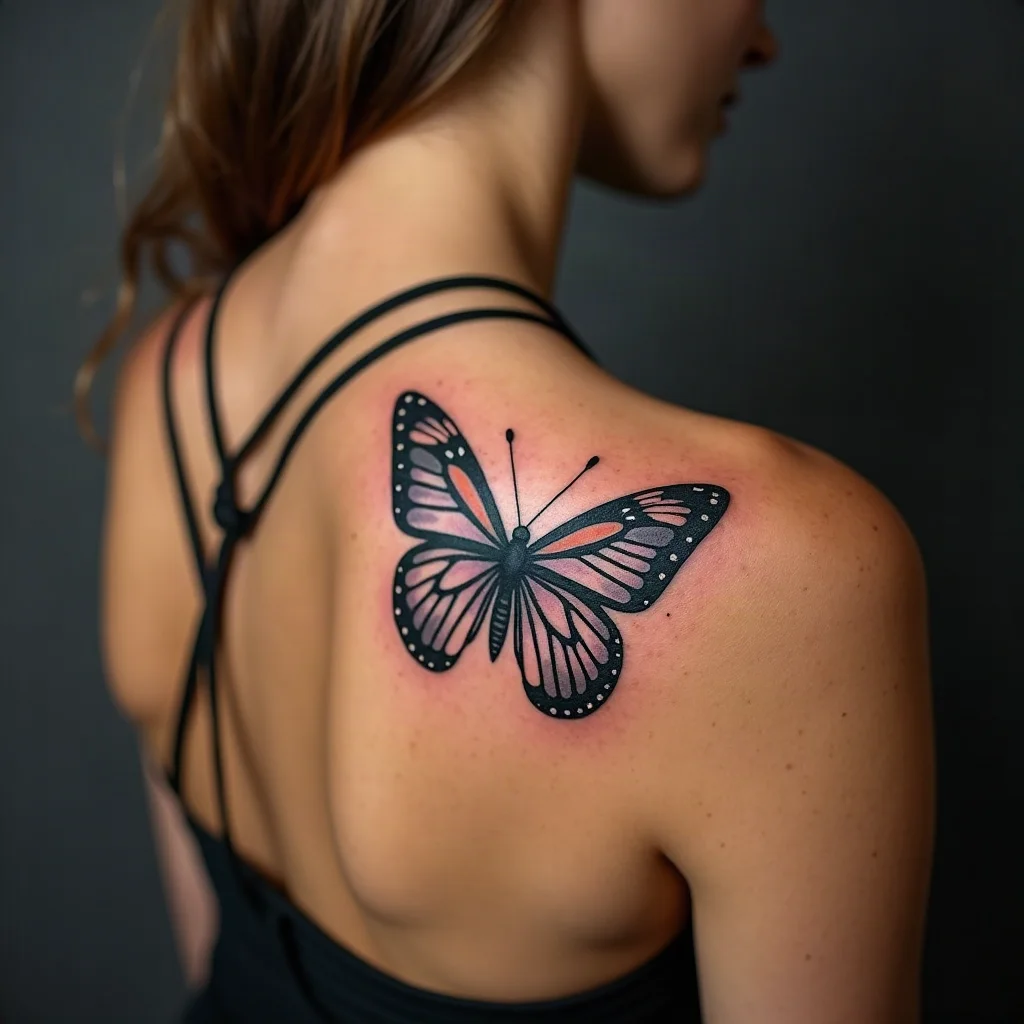
13. Color butterfly on the shoulder
A 2 to 3 inch butterfly with soft color blends in the wings and fine black linework on the body. Blending pushes it past the minimum into the $200–$400 bracket. Keep the wing tips slightly weightier than the reference so they don't fade into nothing.
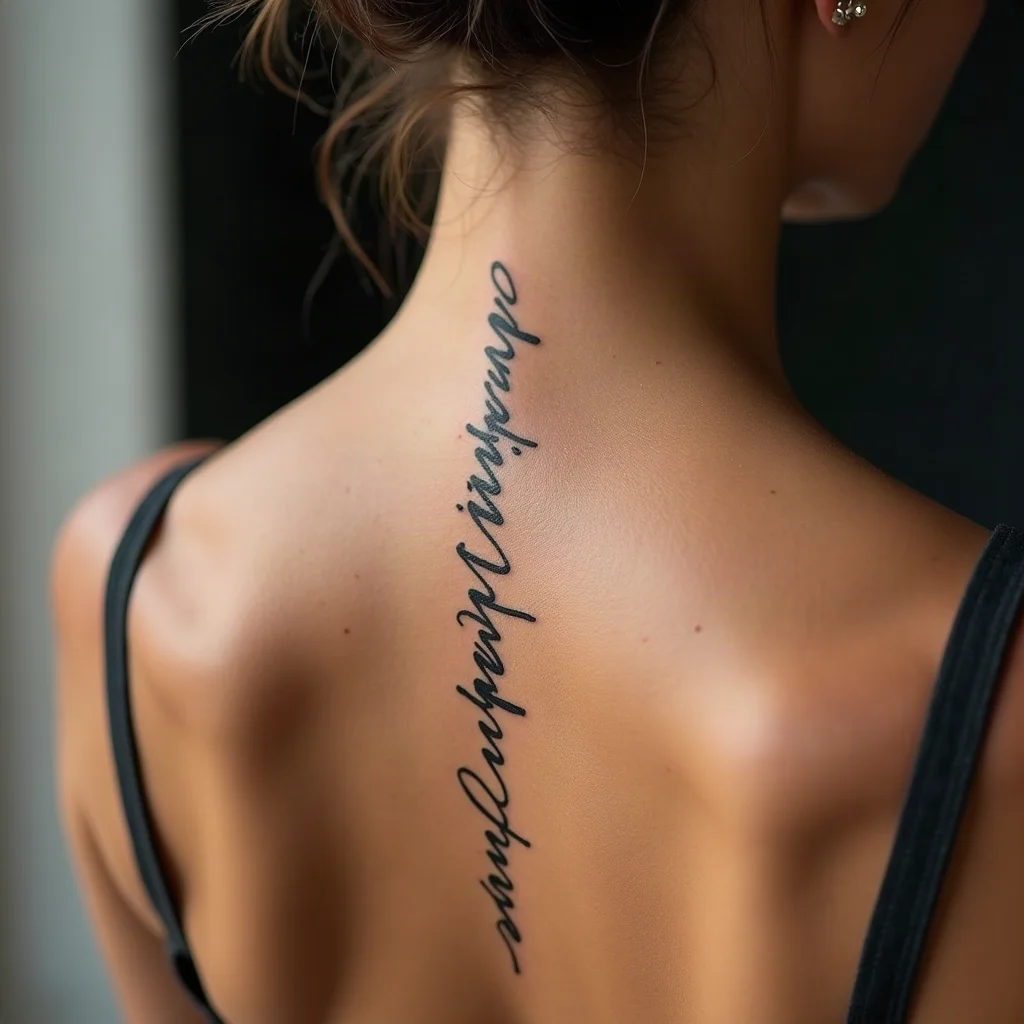
14. Multi-line quote down the spine
Two or three lines of script running along the spine, maybe 5 inches long but narrow. Long lettering is deceptively slow — every letter needs the same crisp pull — so budget one to two hours. The spine is one of the sharper spots on the body, so ask for a break between lines.
The costs that never show up in the quote
The price your artist texts you is rarely the number that leaves your bank account. Budget for these before you book:
- Deposit: usually $50–$100, paid to hold the slot and almost always deducted from the final price. It's forfeited if you no-show or reschedule inside the shop's notice window, typically 48 hours.
- Tip: 15–25% is the norm in North American shops, and on a minimum-priced piece most people round up to a clean $20 or more. We broke this down in detail in tipping for a small tattoo.
- Touch-ups: many shops offer one free touch-up inside three to six months on properly aftercared work. Fingers, hands, feet and anything you picked at are often excluded.
- Aftercare supplies: $10–$25 for fragrance-free soap, a healing ointment or lotion, and second-skin film if your artist doesn't send you home with it.
- Consultation or design fees: uncommon for small work, but some custom-heavy artists charge a non-refundable drawing fee for original artwork.
- Payment method: a few shops still add a card surcharge or run cash-only. Ask before you arrive so you're not hunting an ATM.
Add it up and a "$100 tattoo" realistically costs $140–$160 out the door. That's not a rip-off; that's the honest number. If you want a broader look at how hourly quotes stack up on larger work, our thigh tattoo cost breakdowns show the same math at a bigger scale.
How to get an accurate quote before you sit down
Vague inquiries get vague answers. Artists quote fast and fairly when you hand them everything they need in one message. Here's the format that works:
- Describe the design in one or two sentences, then attach one or two reference images. Not a mood board of forty pins — two images and a note on what you like about each.
- Give the size in inches or centimeters. Hold a ruler against your own skin and say "about 2.5 inches tall." "Small" means something different to everyone.
- Name the placement and send a photo of the bare spot. Artists need to see the curve, existing tattoos, and skin tone to plan line weight.
- Say black-and-grey or color. It changes the time estimate more than almost anything else.
- Ask two questions: "Does this fall under your shop minimum?" and "Roughly how long would you block for it?" Time booked is the single best predictor of price.
Expect a range rather than a fixed figure for anything above the minimum — nobody can promise an exact hour count until the needle is moving. If a quote comes back higher than you hoped, the fix is almost never to shrink the design. Simplify it instead: fewer elements, less color, cleaner linework. That lowers the time and improves how it ages.
And be wary of the bargain. If someone quotes you half the going rate for detailed work, you're usually paying for it later in laser removal or a cover-up. A small tattoo is the cheapest good decision you can make at a tattoo shop — as long as it's actually good. Look at healed photos, not just fresh ones, before you hand over a deposit.
Frequently asked questions
How much does a small tattoo cost at a shop?
Most small tattoos hit the shop minimum, which typically runs $60–$120 in smaller markets and $150–$200 in major cities or at in-demand studios. Anything with shading, color, or fine detail moves onto the hourly rate, commonly $120–$250 per hour. A simple 2-inch line design is usually a flat minimum; a 2-inch shaded piece can easily be two or three times that.
Why does a tiny tattoo cost the same as a slightly bigger one?
The minimum covers setup, sterile disposables, stencil prep, station breakdown and the appointment slot itself — costs that barely change with size. A 5mm dot and a 2-inch design both consume the same needles, gloves, ink caps and chair time. That's why artists often suggest going a little larger for the same money rather than shrinking a design to save.
Should I tip on a minimum-priced tattoo?
Yes, tipping is standard in most North American shops at roughly 15–25%. On a minimum-priced piece that's a small amount, so many clients simply round up to $20 or more. Cash is appreciated, and tipping at the end of the session is normal etiquette.
Do I pay extra for finger, hand or rib placements?
Sometimes. Fingers, hands and feet take longer to tattoo and heal unpredictably, so some artists add a surcharge or exclude them from free touch-ups. Ribs and other tight, bony spots slow the work down, which raises an hourly quote. Ask about placement policy when you request the quote, not on the day.
Is a cheap small tattoo ever a good deal?
A genuinely simple design from a licensed artist at the shop minimum is a fair, honest price. A quote that's dramatically under the local rate for detailed work usually signals inexperience or cut corners on supplies. Look at healed photos in the artist's portfolio, confirm the studio is licensed and inspected, and treat the price as the last thing you compare, not the first.
The conversation
No comments yet. Got a thought about these designs? Start us off.
Want to weigh in? Join the community to comment, save designs and try them on your skin.