Tipping for a Small Tattoo: 8 Real Scenarios
Percentages get strange when the tattoo costs a shop minimum. Here's how tipping actually works on small pieces, walked through eight situations you're likely to find yourself in.
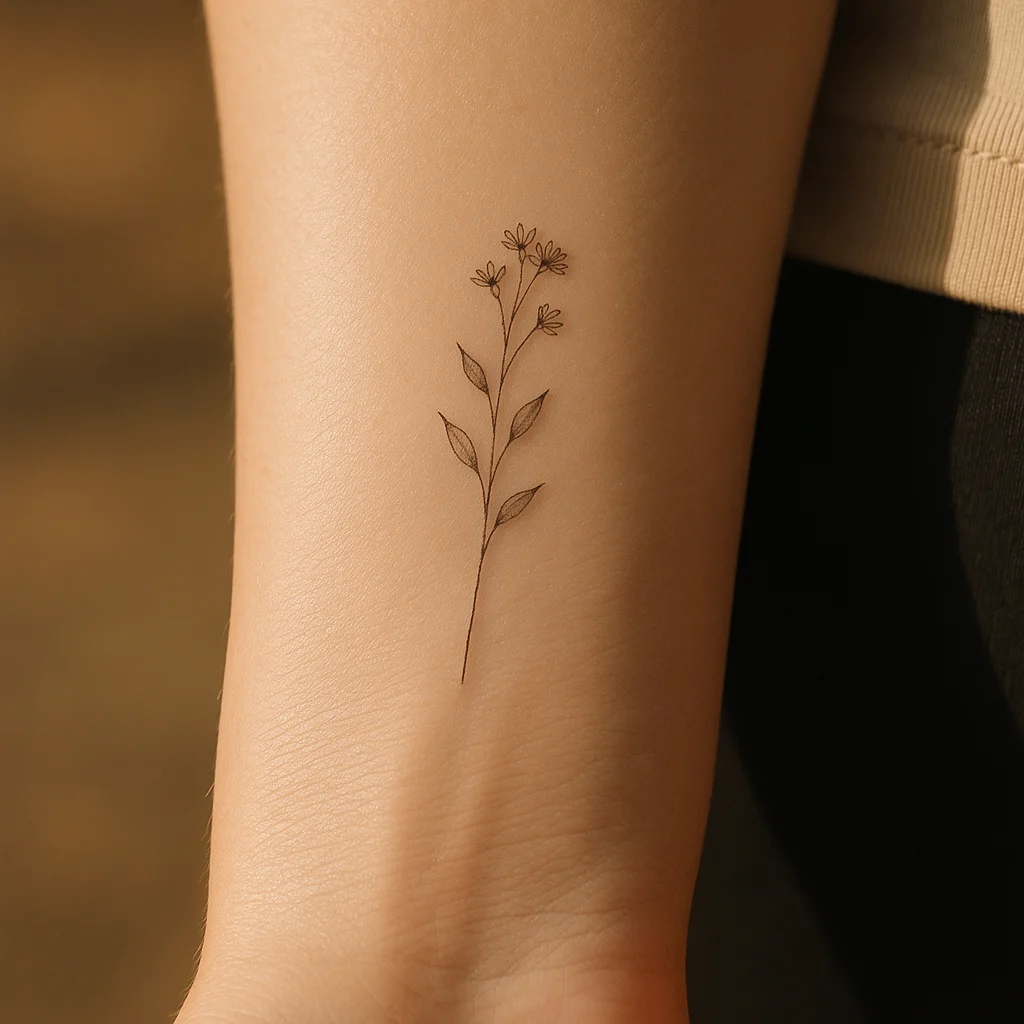
What the Tip Is Actually Paying For
The price on your small tattoo is not the artist's paycheck. In most street shops the artist splits the session fee with the studio, often somewhere near half, and out of their share they cover needles, cartridges, ink, grip covers, membrane, stencil paper, machine maintenance, insurance, licensing and the hours of drawing they did before you sat down. A tip is the one part of the transaction that goes to the person holding the machine, whole and untouched.
That matters more on small work than on big work. A two-inch tattoo still needs a fully broken-down and rebuilt station, a fresh stencil, a consent form, a booking slot and twenty minutes of aftercare talk. The overhead barely shrinks when the tattoo does, which is exactly why shop minimums exist — commonly somewhere in the region of $80 to $150 in the US, and higher in major cities or with in-demand artists.
One geographic note before the math: tipping is a strong custom in the United States and Canada, milder in the UK, and genuinely not expected in much of continental Europe, Japan and Australia, where wages and shop pricing are structured differently. If you are travelling, ask the front desk what's normal locally rather than assuming your home habits translate.
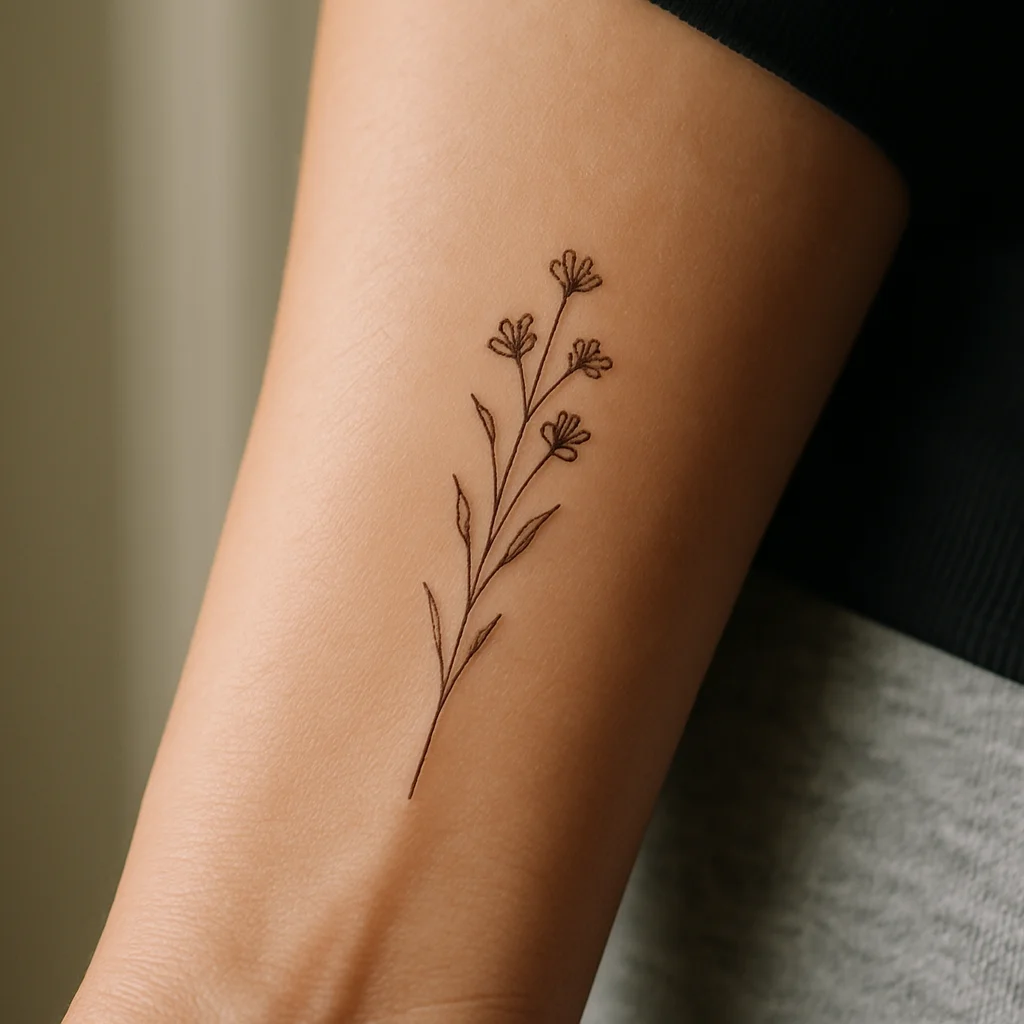
The Percentage Math on a Shop Minimum
The standard range people quote is 15% to 25%, and that works cleanly on a half-day session. On a small tattoo it can feel thin: 20% of a $100 minimum is $20, which barely registers against the setup your artist just did. So the working rule most tattooers I know would recognise as fair is simple:
- Tip 20% or a flat $20, whichever is larger. On a minimum-priced tattoo those land in the same place, and that's the honest floor.
- Round up to a clean number. A $130 tattoo with a $30 tip is $160 total — easy to withdraw, easy to hand over.
- Tip on value, not on the discount. If flash day, a friends rate or a package brought the price down, calculate from what the piece would normally cost.
Budget the tip before you book, not after. The most common tipping regret I hear is from people who spent their last cash on the tattoo itself and then felt awkward at the desk. If your total budget for a small piece is $150, treat the tattoo as a $120 tattoo. And if $20 on top genuinely isn't there this month, book anyway — an honest "I'll come back and take care of you properly next time" reads far better than silence.
Small tattoos also stack strangely. Two tiny designs in one sitting is usually one setup, one appointment, one tip, sized to the whole visit rather than doubled per motif.
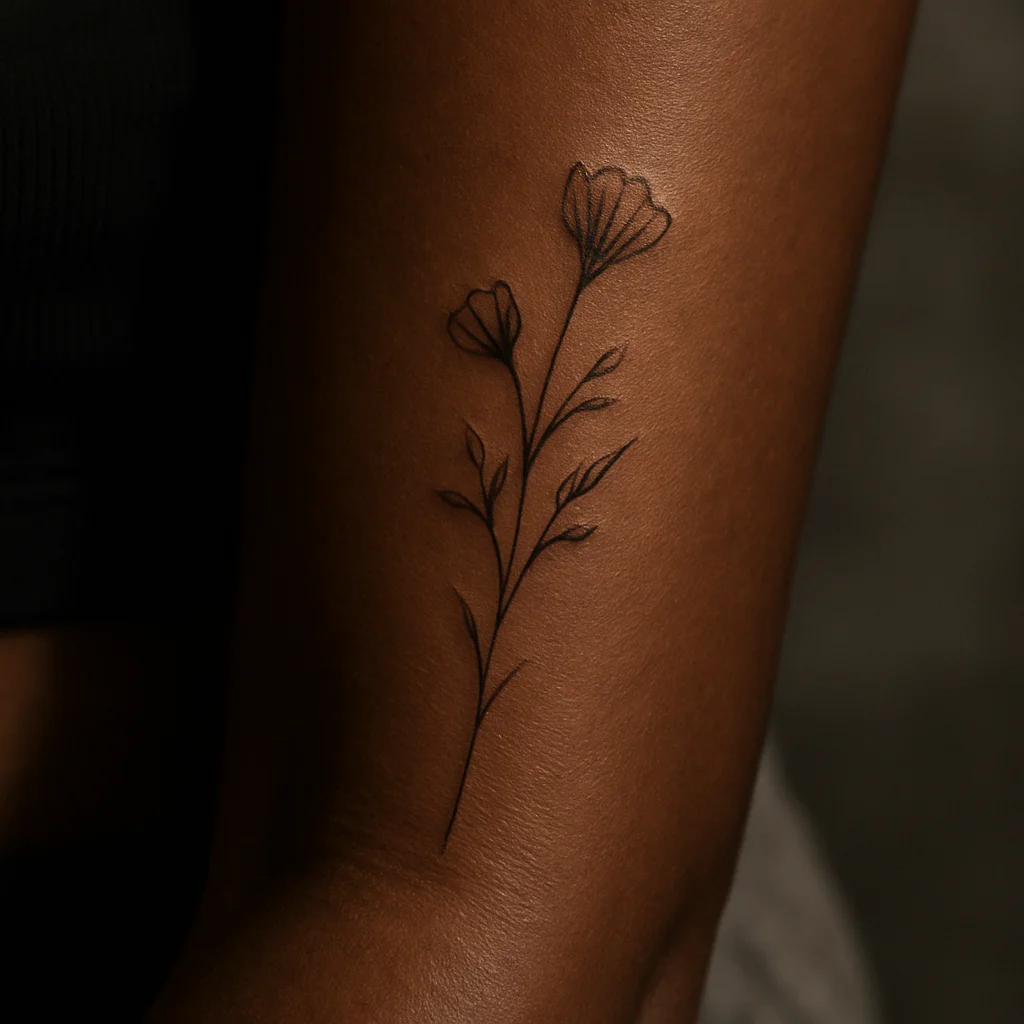
8 Real Small-Tattoo Scenarios, With Numbers
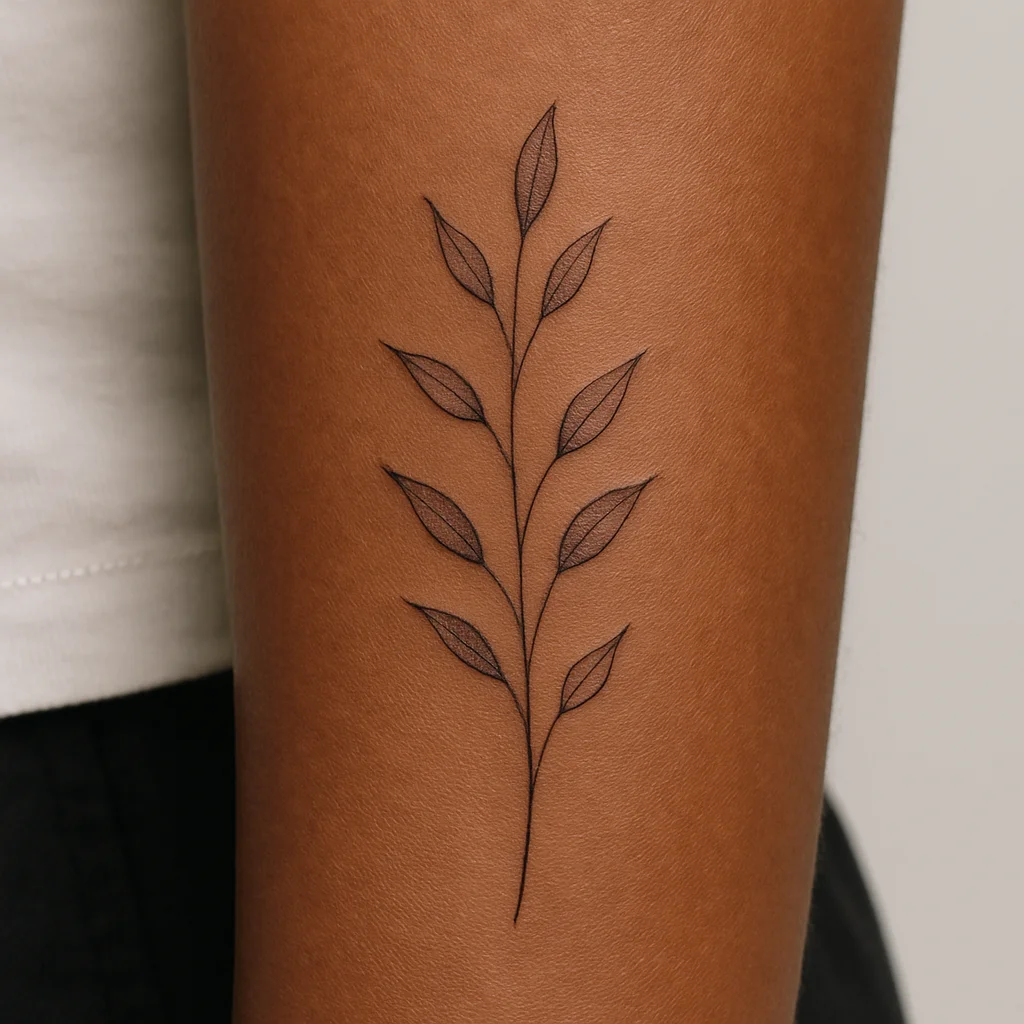
1. A single-needle wildflower sprig at shop minimum
Forty minutes in the chair, one stencil, one fresh station, priced at the studio's minimum. This is the baseline case: $20 to $30 on top, cash, handed over at the desk. On the inner wrist or inner forearm it's a low-pain, high-visibility piece that suits a first tattoo, and the artist's careful hand pressure is exactly what keeps those hairline strokes from spreading later.
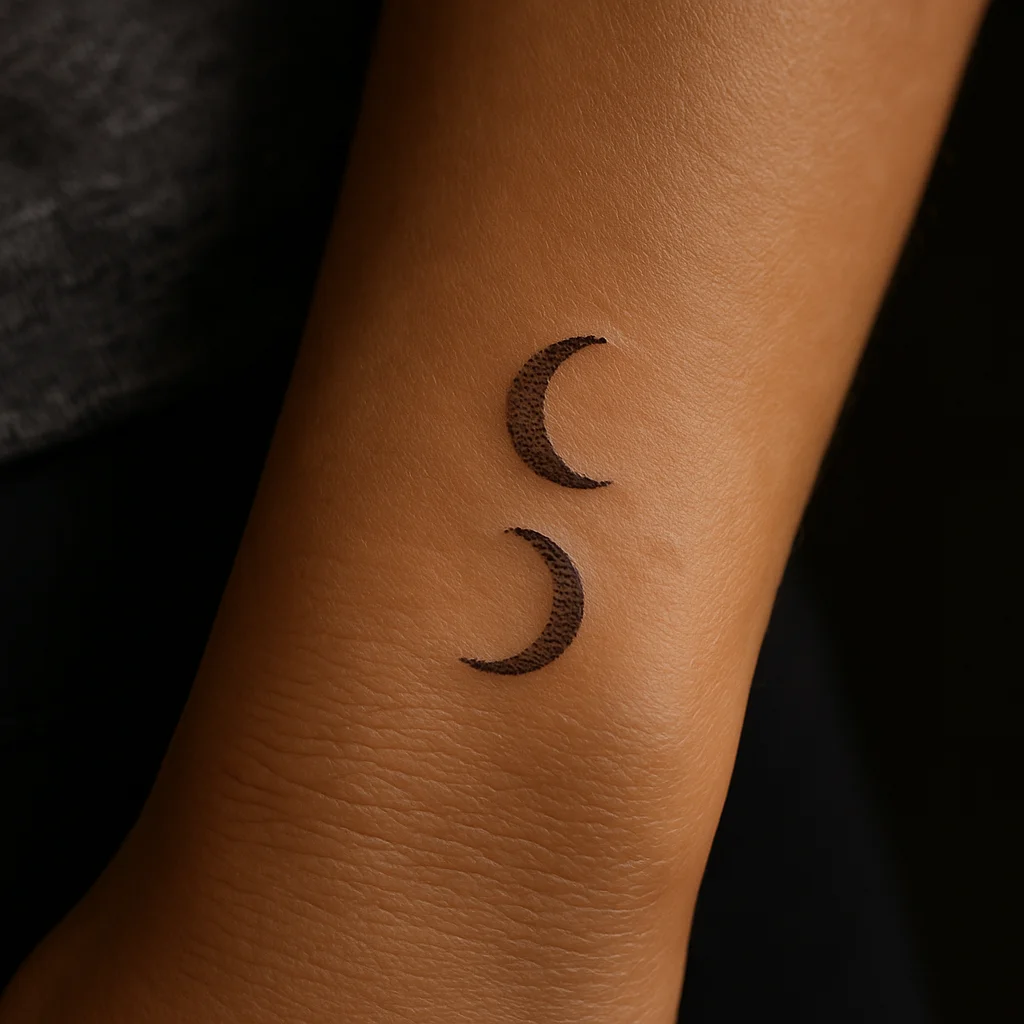
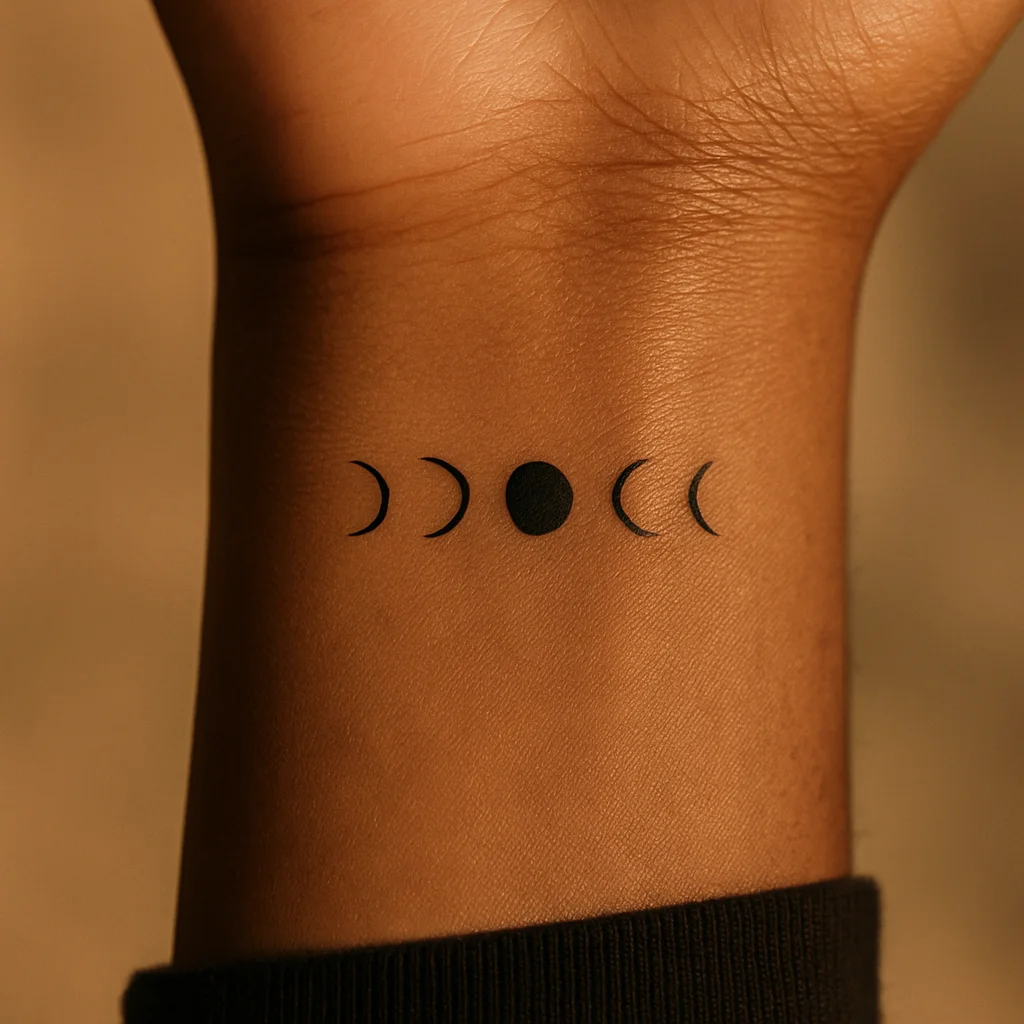
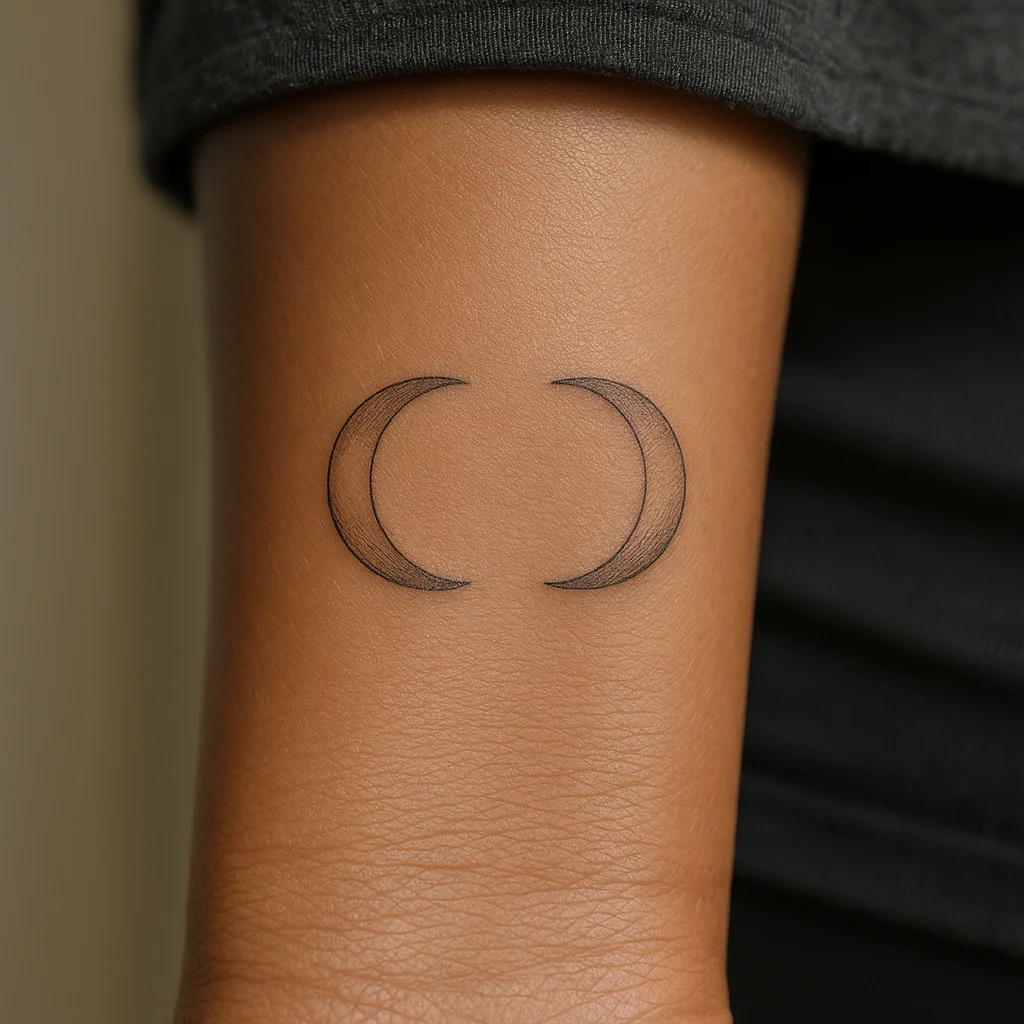
2. Matching moon phases with a friend, back to back
Two people, one artist, two twenty-minute tattoos in the same hour. Tip individually rather than pooling — each of you got your own stencil, your own consent form and your own aftercare chat. Around $20 each is right, and if the artist redrew the phases twice so the two sets mirrored properly across your wrists, push it to $25 or $30.
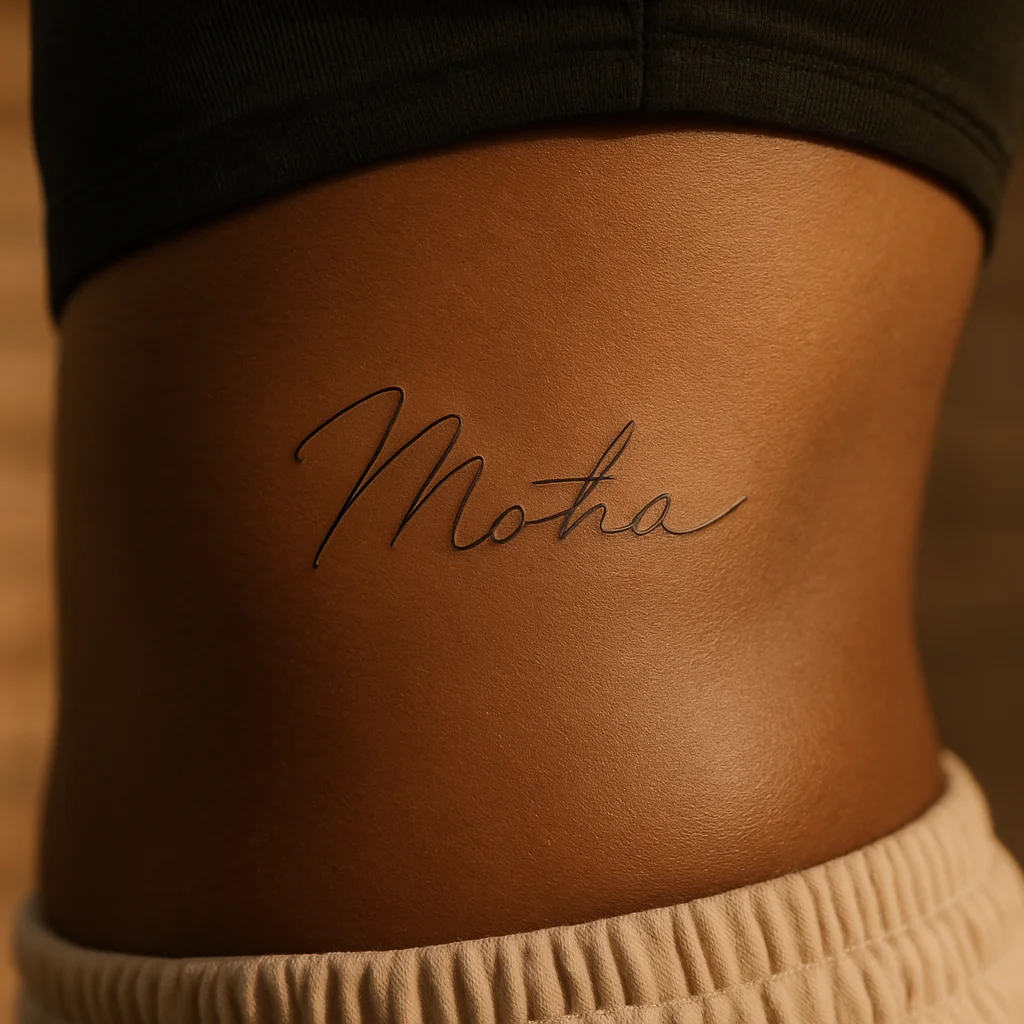
3. A name in your mother's handwriting on the ribcage
Lettering traced from a real note is technical work: the artist cleans up the scan, rebuilds broken strokes so they'll hold for decades, and sizes the script to the curve of your ribs. That prep happens before you arrive and rarely shows up on the invoice. Tip toward the top of the range, 25% or a flat $30 to $40, especially if they talked you out of a size that would have blurred. If you're planning something in this vein, our guide to handwriting tattoos that age well covers the sizing questions worth raising in the consult.
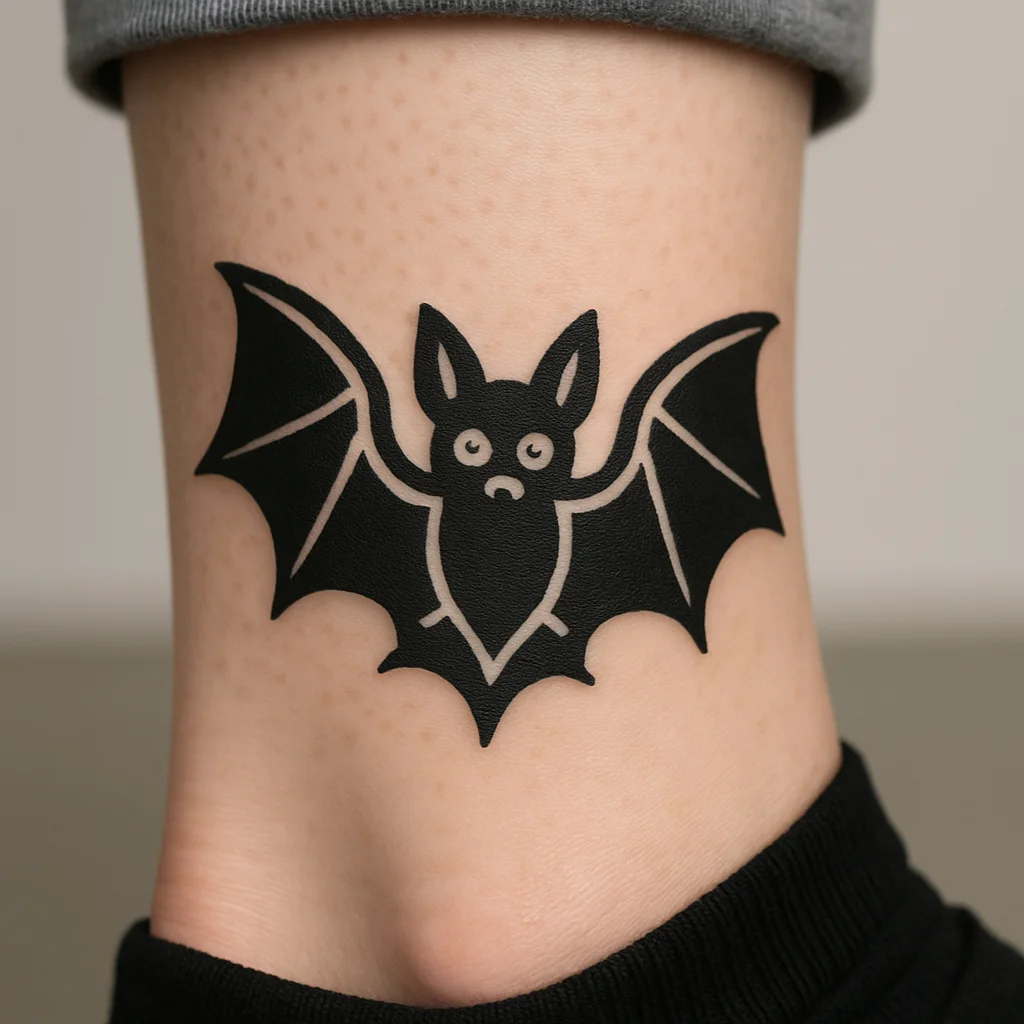
4. A Friday the 13th flash bat on the ankle
Flash days are volume days: discounted designs, long queues, artists tattooing for ten hours straight. The convention on these is a heavier tip than usual — the price is deliberately below normal, so calculating from the regular value of a small ankle piece and tipping $20 to $40 on a $31 or $50 flash tattoo is standard, not generous. Bring cash; card lines on flash days are chaos.
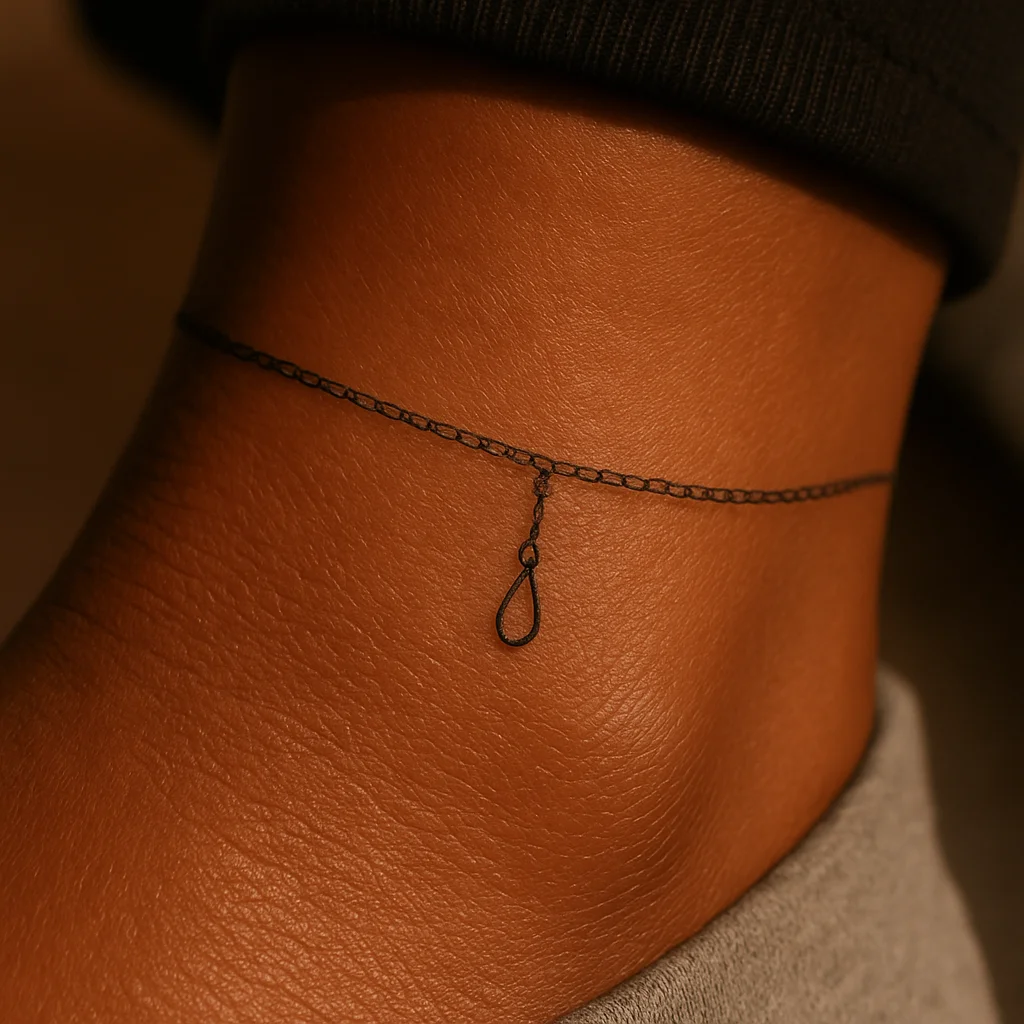
5. A free touch-up on a fine-line anklet, six weeks later
Most shops touch up their own work free within a few months. Free to you still costs the artist a station, a needle and an hour of their booking calendar. Tip $20 to $40 depending on how much they redid — this is the situation where people most often walk out having tipped nothing, and it's the situation where artists notice most.
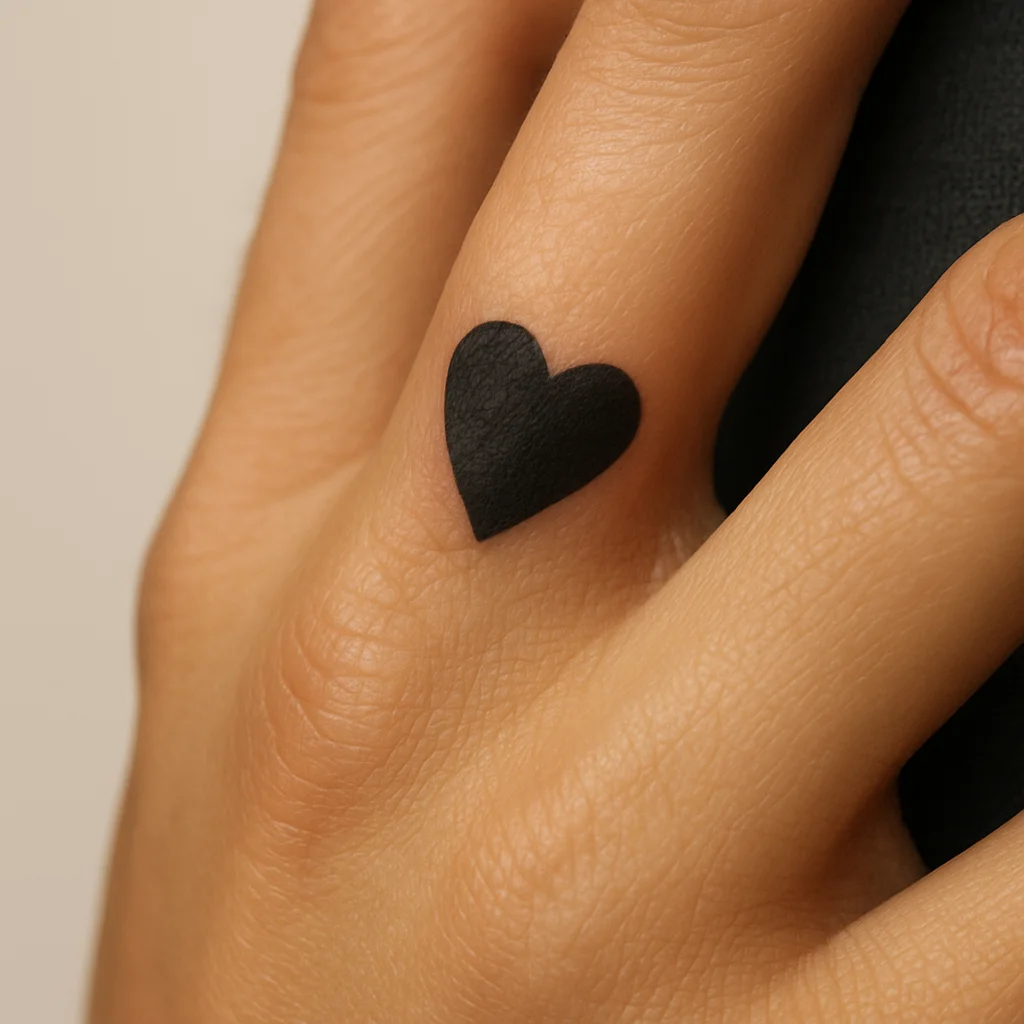
6. Reworking a blown-out finger heart
Fixing someone else's small tattoo is harder than making a new one. Scar tissue takes ink unpredictably, finger placements reject pigment, and your artist has to design around what's already there while telling you the honest truth about how it'll heal. That expertise is worth 25% or more, and if they gave you a frank warning instead of an easy yes, tip like you'd tip a specialist.
7. Your fourth small piece with the same artist
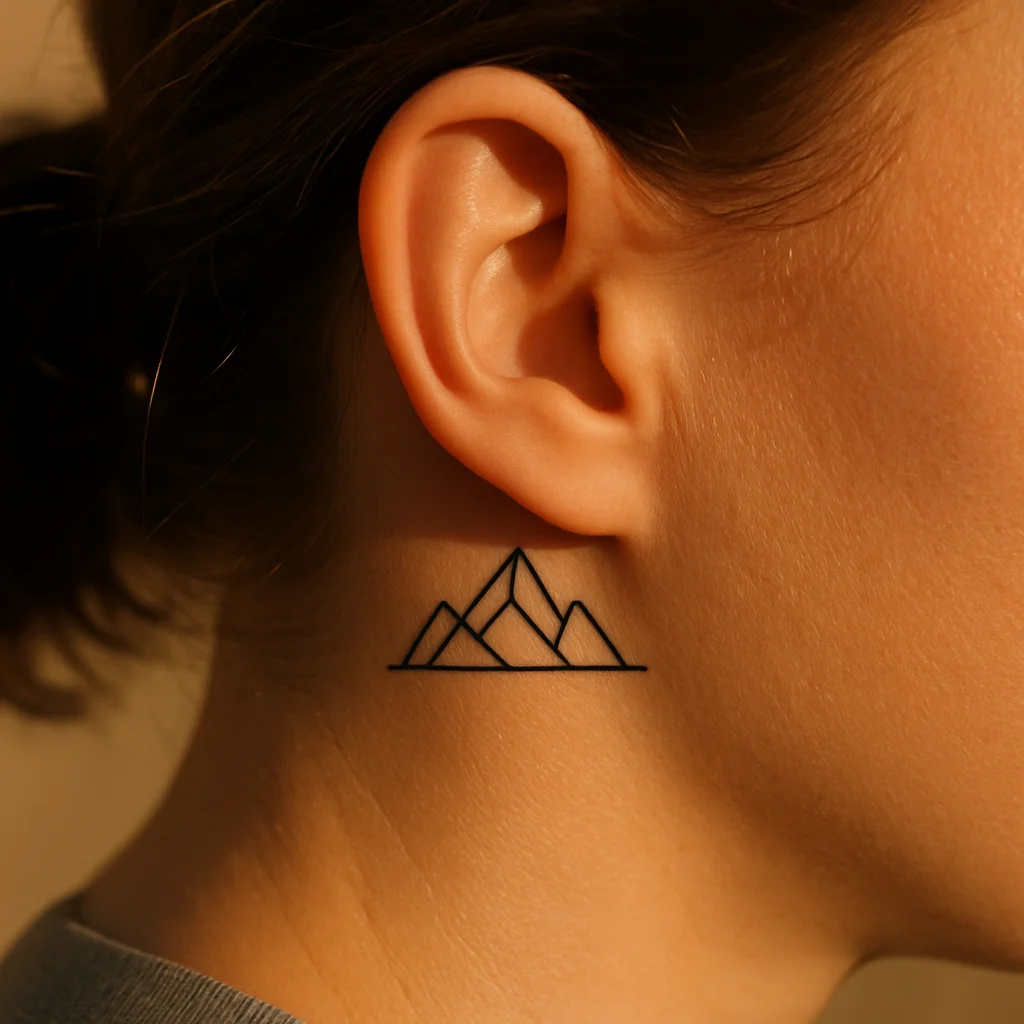
A geometric mountain outline behind the ear, forty-five minutes, no fuss because you two already have a rhythm. Loyalty isn't a discount on tipping — it's the relationship that gets you squeezed in when your schedule falls apart. Keep the 20% habit steady, and consider a slightly bigger number on the piece that completes a set you've been building for a year.
8. A hummingbird on the collarbone after three drawing revisions
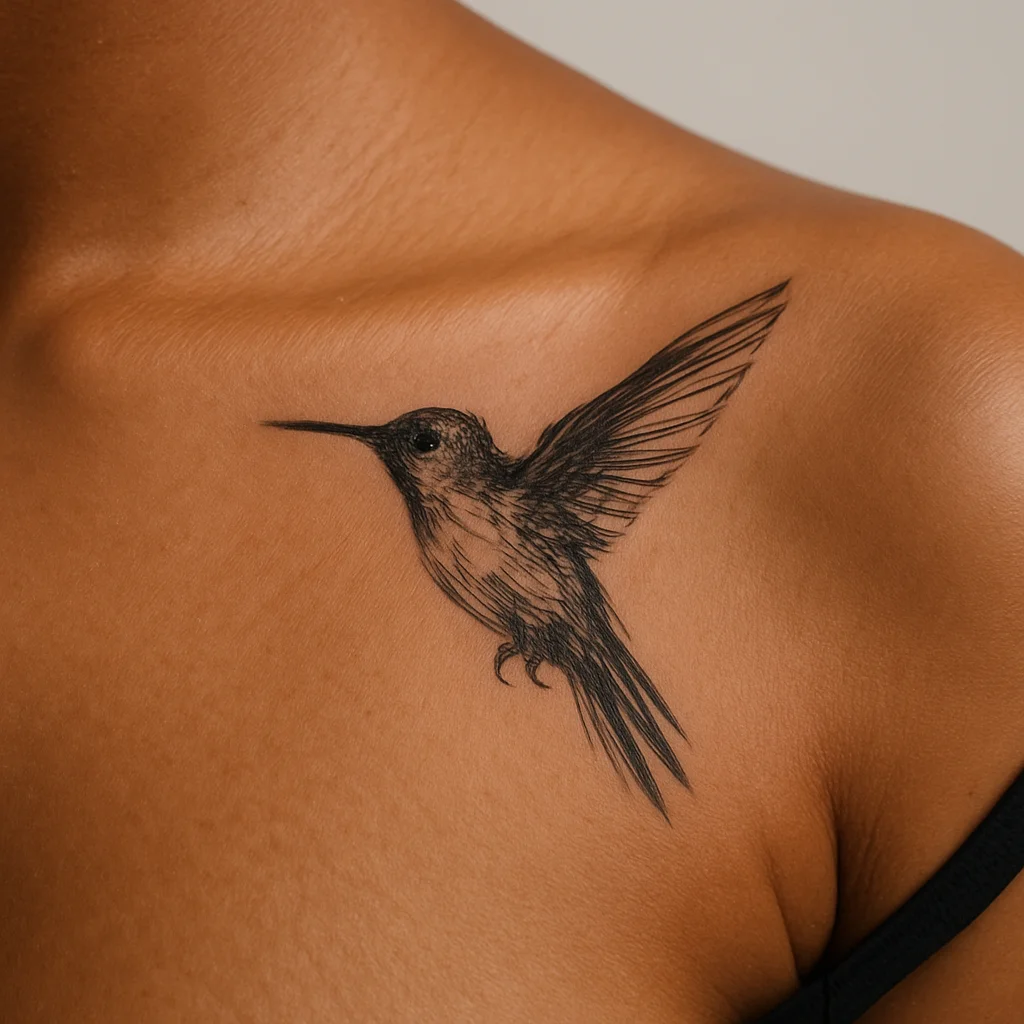
You asked for the wings tilted, then for the tail shortened, then for the whole thing scaled down 15% to sit inside the bone line. That's unbilled drawing time on three separate evenings. Tip 25% or a flat $40 to $50 on a small custom piece with real design labour behind it — the tattoo took an hour, the design took three.
When to Tip More, and When Less Is Fine
Percentages are a starting point; the situation moves the number. Push higher when:
- The artist redrew or resized your design more than once, or drew it from scratch for a minimum-priced piece.
- They fit you in outside normal hours, after a cancellation, or at the end of an already long day.
- The placement was awkward for them — behind the ear, sternum, ribs, fingers, anywhere they had to kneel, stretch skin one-handed or work around your breathing.
- They talked you out of a bad idea: a script too small to survive, a hand tattoo you'd regret, a design that would blur into a smudge in five years.
- They finished a piece someone else started badly and were honest about the limits.
It's reasonable to tip at the lower end, or not at all, when: the artist owns the shop and has told you plainly they don't take tips; you're outside a tipping culture; the tattoo came out crooked or off-brief and you're going to need it addressed; or your budget simply ran out and you'd rather come back than skip aftercare supplies. Nobody good is going to chase you down the street. What burns bridges is not the small tip — it's no-showing, arriving drunk, haggling in the chair, or bringing three friends to a twenty-minute appointment.
One more: tip apprentices too. Apprentice rates are low or free precisely because they're learning, and the tip is often the only money they see from the day. If they did clean work on your small piece, treat it like any other tattoo.
How to Hand It Over Without the Awkwardness
Cash is still king, and not for sentimental reasons — card and app tips can route through the shop's system, get logged, taxed differently or shared out, and some studios have no mechanism for card tips at all. An envelope or a folded note handed directly to your artist at the end of the session is the cleanest version.
- Ask when you book: "Do you prefer cash for the tip, or do you take Venmo?" Nobody finds that rude, and it saves you a cash-machine dash mid-appointment.
- Tip at the end, not the start. Tipping upfront reads like buying attention. Pay the tattoo price however the shop bills, then hand the tip over while they're wrapping you.
- Tip the artist, not the counter. If you leave it at reception, say clearly who it's for.
- Digital works if that's their preference. Many artists list a payment handle; send it before you leave the shop so it doesn't slip your mind by dinner.
- Multi-session small projects: tip each sitting rather than saving a lump for the last one — sessions get postponed, plans change.
What you say matters as much as the amount. "Thank you, I love it" with a $20 note lands better than a silent handoff of $40. And if the number is smaller than you'd like it to be, say so out loud: artists remember the person who was honest about their budget and came back later, far longer than they remember an exact figure.
The Things Artists Value Almost as Much as Cash
Money is the clearest thank-you, but small-tattoo clients have leverage that big-piece clients don't: you'll probably be back, and you're cheap to keep happy. These cost nothing and genuinely help someone's business:
- A healed photo, sent unprompted at three to four weeks. Fresh photos are shiny and red; healed ones are what artists actually want for their portfolio, and small fine-line work almost never gets documented properly.
- Permission to post, including tagging you. If your piece is somewhere private, say what's okay and what isn't.
- A specific review. Not "great shop" — name the artist, name the style, mention the consultation. That's what future clients search for.
- Referrals. Small tattoos travel by word of mouth more than any other size.
- Being an easy appointment: on time, fed, sober, still, no entourage, phone on silent for a twenty-minute piece.
- Following aftercare so they don't spend an unpaid hour re-lining a piece that scabbed off. Clean hands, thin ointment, no soaking, no sun, and don't pick — the whole reason your hairline linework looks crisp in year three.
Do those things and tip in the normal range, and you'll find that the artist who's booked six months out somehow has a Tuesday slot for your next tiny piece. That's the real return on the twenty dollars.
Frequently asked questions
Is $20 enough to tip on a small tattoo?
For a minimum-priced piece that took under an hour, $20 is a perfectly respectable tip and lands close to the standard 20%. Push to $30 or more if the artist drew something custom, revised the design, resized it for a tricky placement, or squeezed you in outside normal hours. The tip that raises eyebrows is zero, not twenty.
Do I tip on a free touch-up?
Yes, and this is where tips get forgotten most. A free touch-up still costs your artist a full station setup, fresh needles and an appointment slot they could have sold. Around $20 to $40 depending on how much they reworked is the polite range.
Should I tip more on flash days when the tattoo is discounted?
Tip based on what the piece would normally cost, not the discounted price. Flash events are deliberately cheap and physically brutal for the artist, so $20 to $40 on a discounted small tattoo is the convention rather than a splurge. Bring cash — card queues on those days are long.
Cash or card for the tip?
Cash, unless your artist tells you otherwise. Card tips can pass through the studio's system and get split, delayed or taxed differently, and some shops can't process them at all. Ask when you book whether they prefer cash or a payment app, then hand it over at the end of the session.
Do shop owners and apprentices get tipped too?
Apprentices absolutely should be tipped — their rates are low or free while they learn, so the tip is often the only money from your appointment that reaches them. Shop owners keep the full session fee, so some genuinely wave tips off; if they do, take them at their word and leave a detailed review instead.
The conversation
No comments yet. Got a thought about these designs? Start us off.
Want to weigh in? Join the community to comment, save designs and try them on your skin.