How Often to Moisturize a Healing Tattoo: 14 Cases
Two to three thin layers a day is the honest baseline, but heavy blackwork, dry skin, winter radiators and week-one flaking all shift the number. Here are 14 real healing cases with the cadence that fits each one.
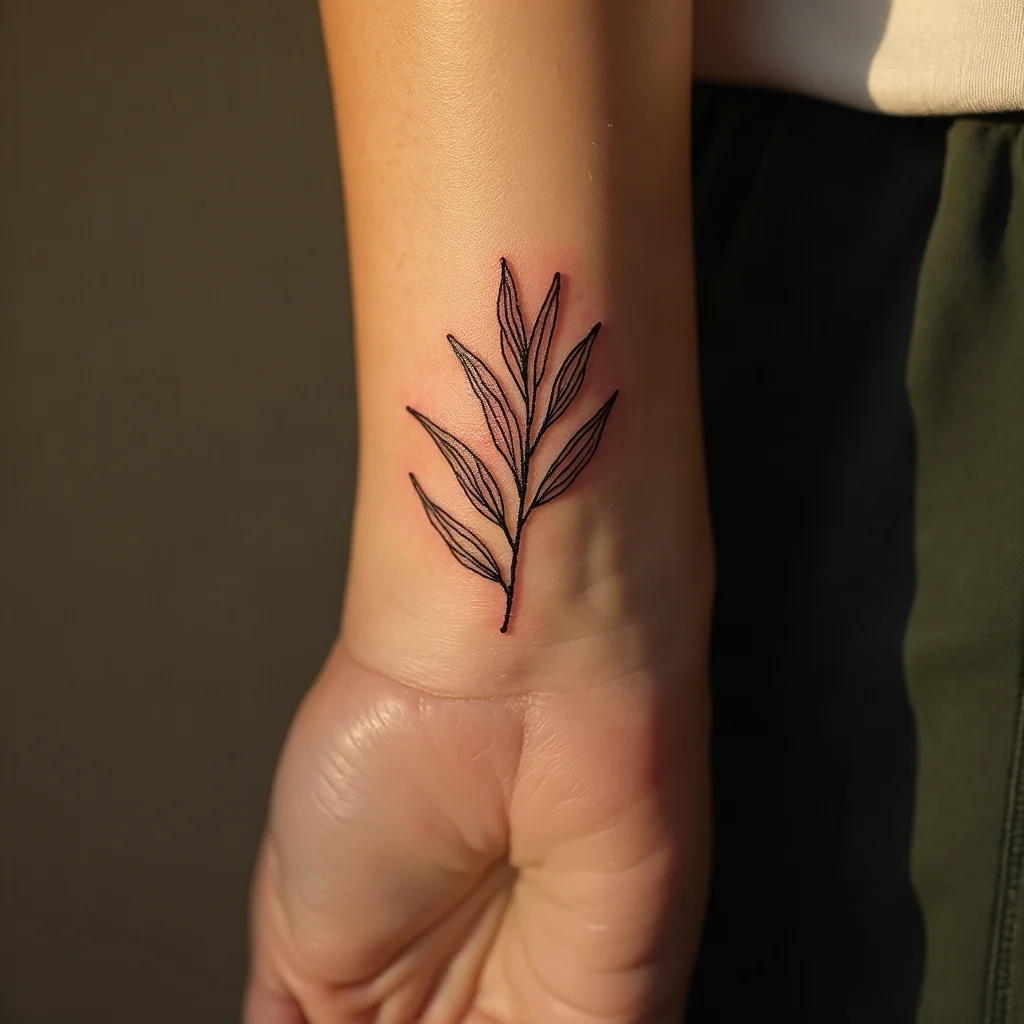
The Short Answer, and Why It Has a Range
Most healing tattoos want two to three thin applications a day, starting once the first wrap comes off and continuing until the skin stops flaking — usually somewhere between day 10 and day 21. Some days you will do it twice, some days five times. That is normal, because you are not following a timetable, you are responding to skin.
The test artists actually use is touch, not the clock. Run a clean finger over the tattoo: if it feels tight, papery, or hot and dry, it wants moisture. If it feels tacky, slick, or leaves residue on your fingertip, it does not. A correctly moisturized healing tattoo looks matte to slightly satin, never wet, never shiny enough to catch the light.
Quantity matters more than frequency. A pea-sized amount covers a palm-sized area; a forearm panel takes roughly a grape-sized blob. Rub it in until it disappears, then blot any excess with a clean paper towel. Suffocating fresh ink under a thick coat traps plasma and bacteria against the skin, which is how people end up with bumpy rashes and patchy healing.
Timing anchors that work for almost everyone: once in the morning, once after your evening shower, and one top-up mid-afternoon if the skin feels tight. Always wash and pat dry before you apply — moisturizer over dried plasma just seals the mess in. If you are still deciding whether to rinse on day one, showering with a new tattoo has its own set of rules.
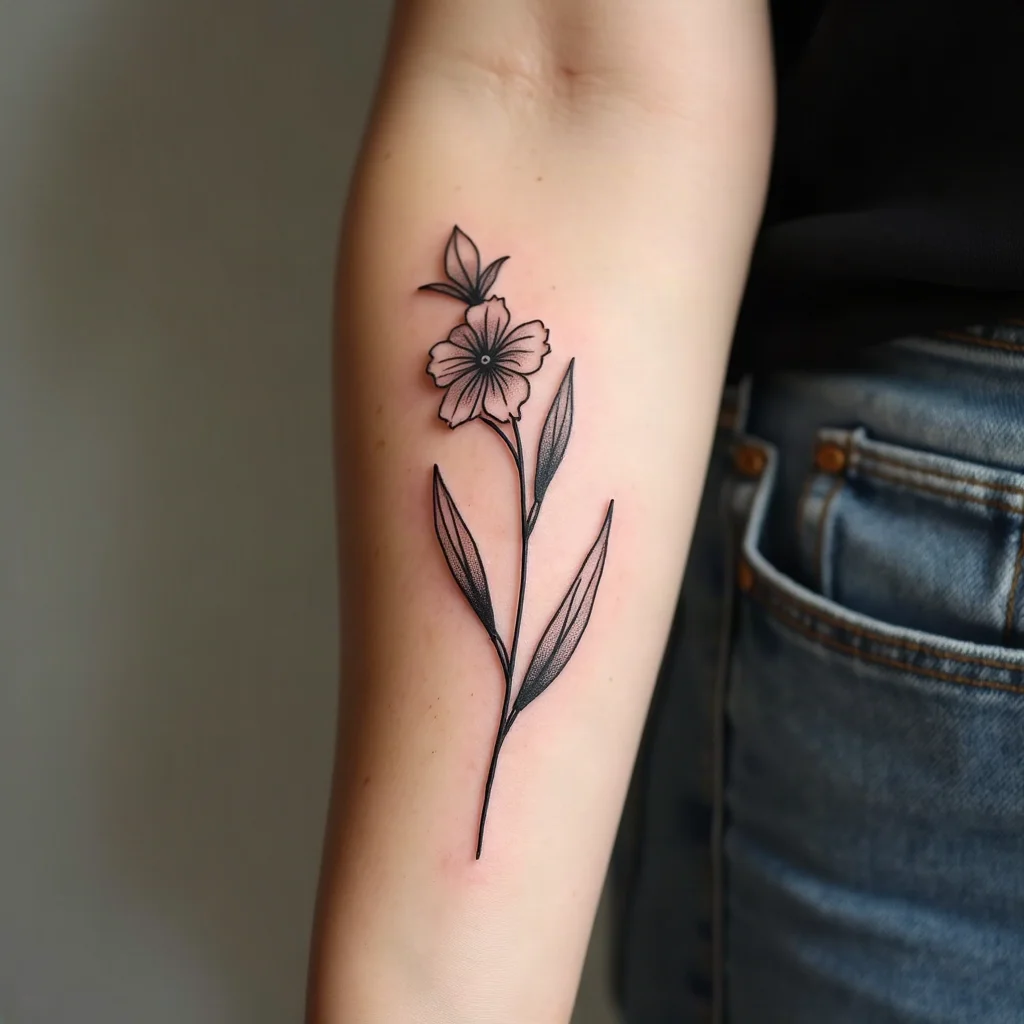
Day by Day: How the Cadence Changes While It Heals
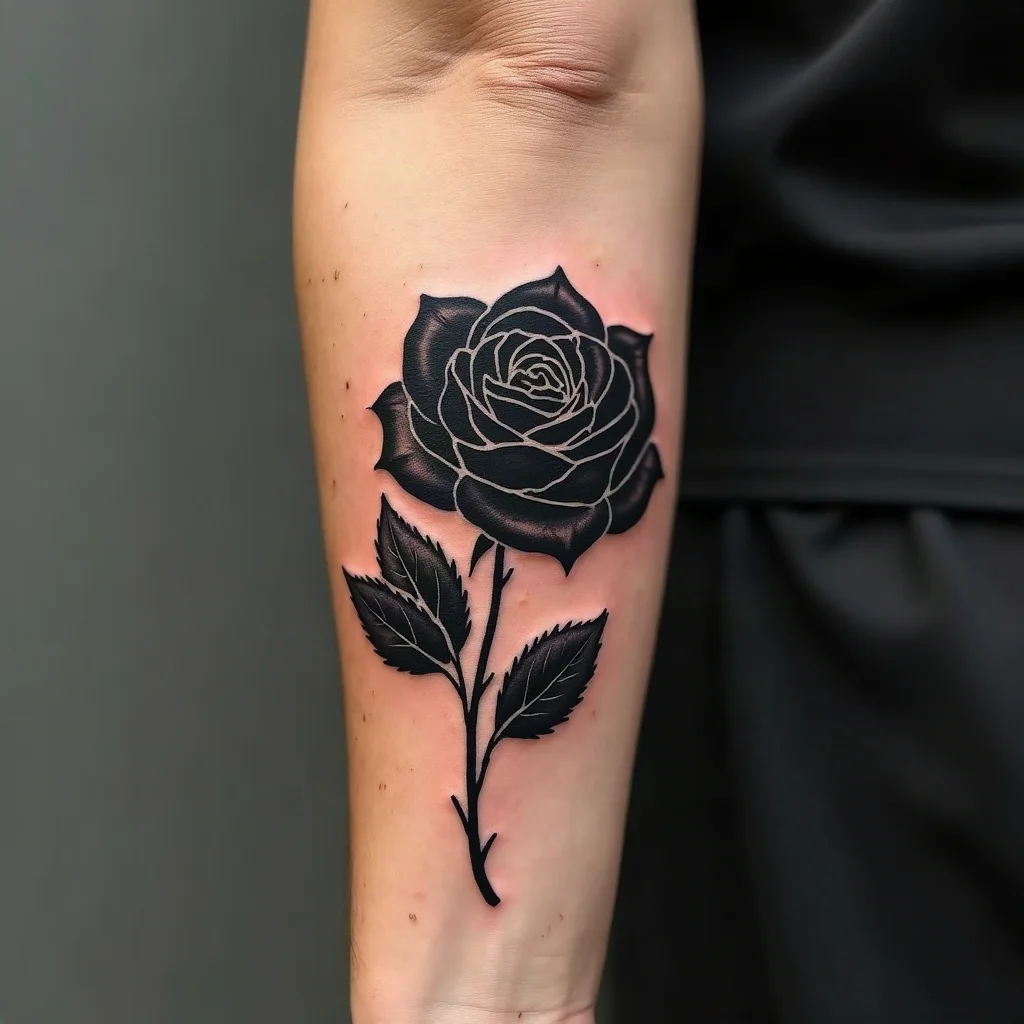
1. Days 1 to 3, a solid blackwork rose on the inner forearm
The first 72 hours are the weeping window: plasma, a little ink, a little lymph. Wash with lukewarm water and fragrance-free soap, pat dry, let it air for 10 to 20 minutes, then apply the thinnest possible film of ointment or aftercare balm two to three times a day. Dense black packing like a filled rose leaks more than line work, so you may be washing more often than moisturizing in this phase.
2. Days 3 to 6, a fine-line script quote along the collarbone
The weeping stops and the skin pulls tight, especially over bone where there is little padding. This is when most people switch from ointment to a light, fragrance-free lotion and go to three or four thin applications a day. Collarbone script sits under bra straps and shirt collars, so reapply after anything that rubs.

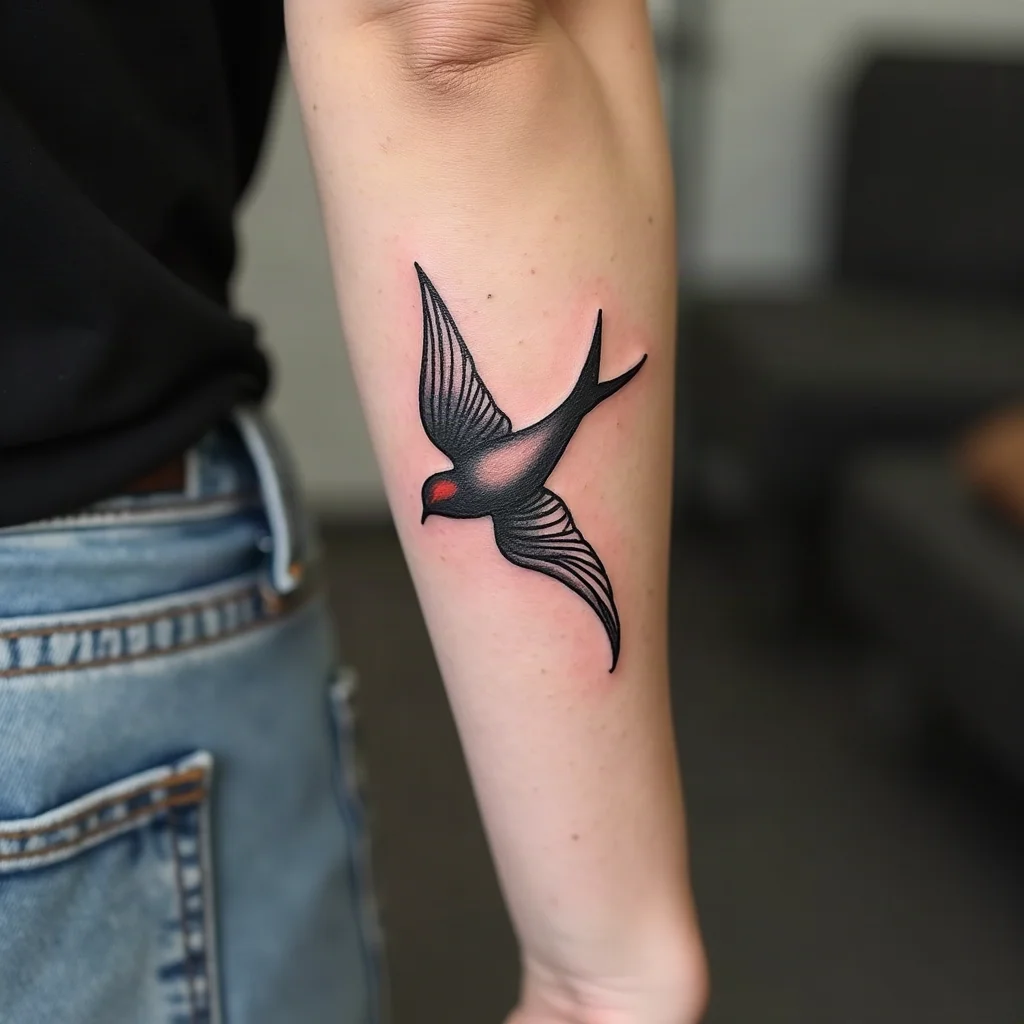
3. Days 6 to 10, a traditional swallow on the outer forearm
Peak flaking. Grey-black bits lift off in the shower, the tattoo looks patchy and dull, and the itch arrives. Moisturize on demand, three to five times a day in very thin coats — lotion is what stops you scratching, and it keeps flakes soft enough to shed on their own instead of tearing off with pigment attached.
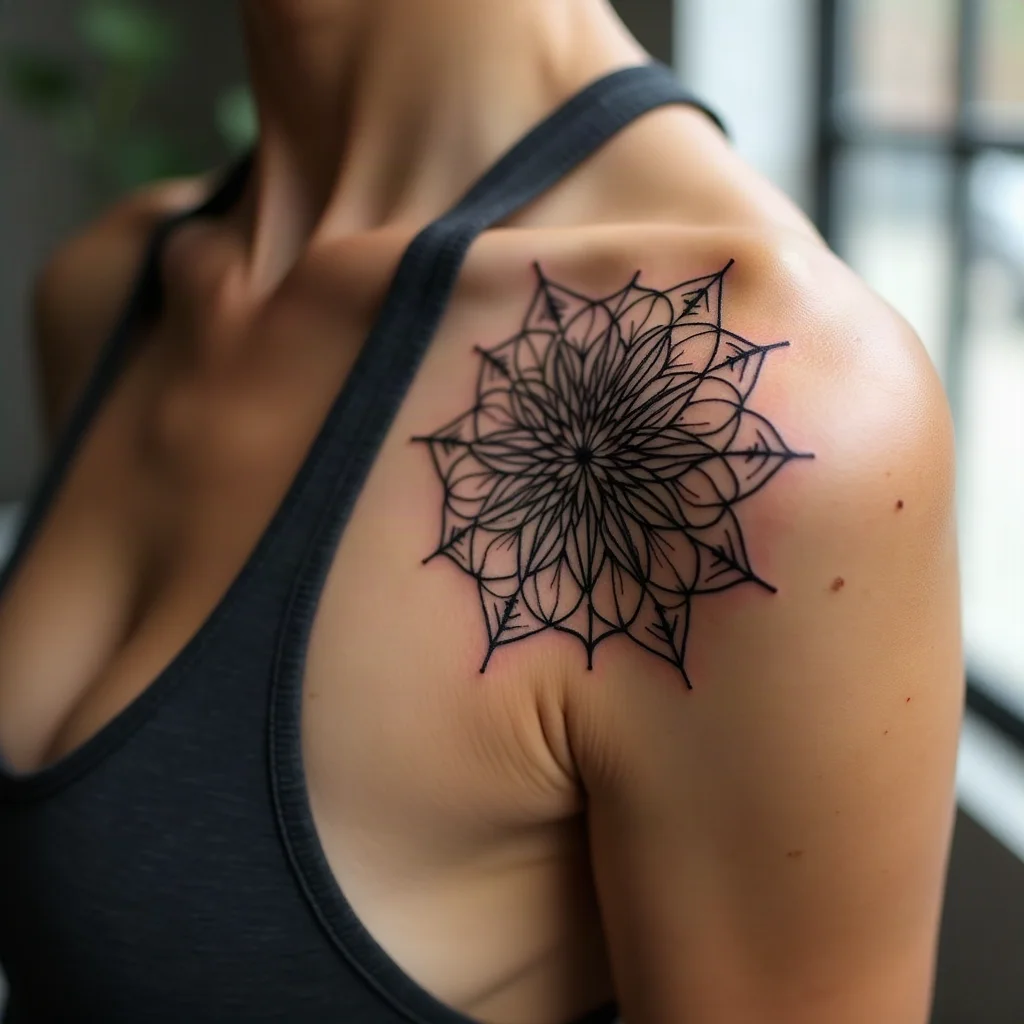
4. Days 10 to 21, a geometric mandala on the shoulder
The flakes are gone and a silvery, shiny layer of new skin sits over the design, making it look faded. Drop back to twice a day, morning and night. Big rounded areas like the shoulder deltoid heal fast and evenly, so this stage often finishes early — but the shine can linger for weeks.
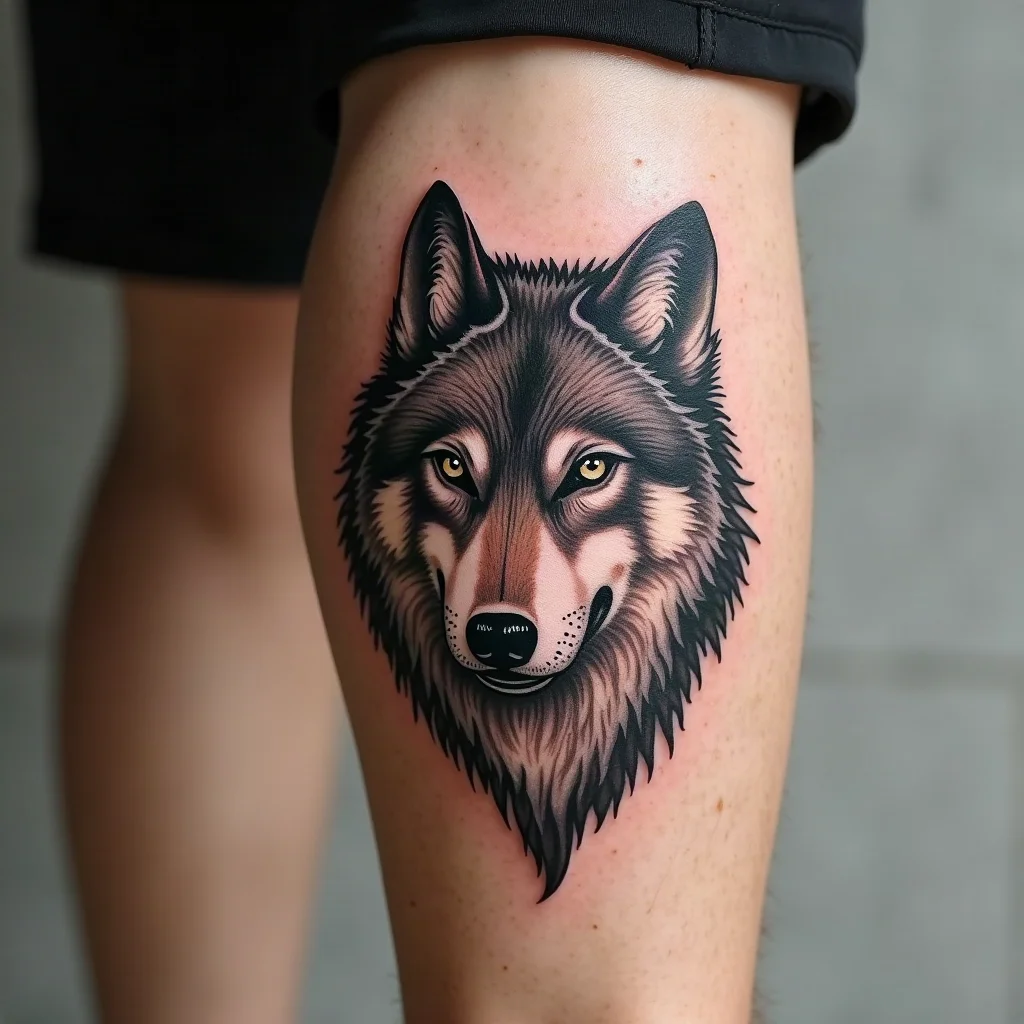
5. Weeks 4 to 12, an illustrative wolf on the calf
The surface is closed, so moisturizing is now maintenance rather than aftercare: once a day, plus SPF 30 or higher any time the piece sees sun. The deeper layers are still settling for months, which is why big illustrative work can look slightly hazy until it fully heals underneath.
Six Things That Change Your Number
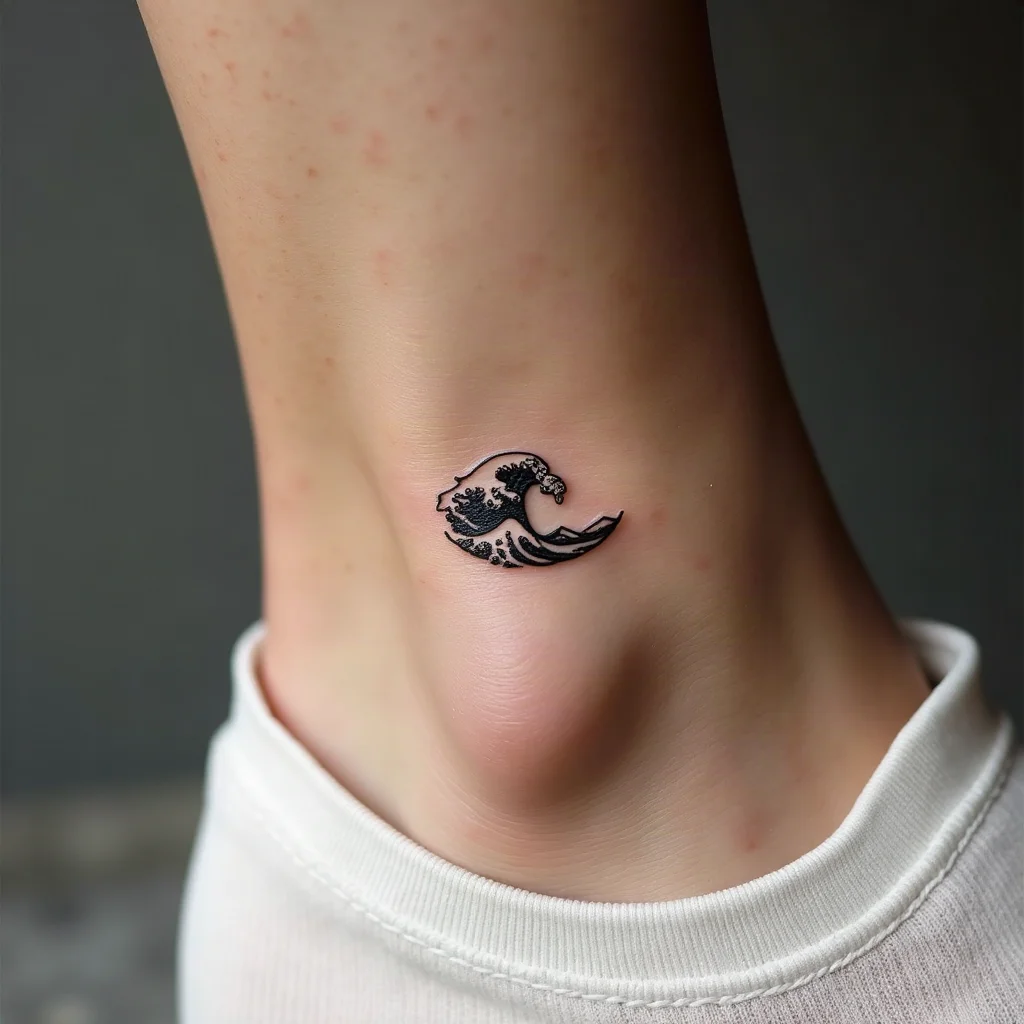
6. Dry or eczema-prone skin, a minimalist wave on the ankle
If your skin drinks lotion and goes tight within an hour, you belong at the top of the range: four to five whisper-thin applications a day through the flaking week. Ankles are bony, low-circulation and rub against socks, which compounds the dryness. Choose a bland, ceramide-based, fragrance-free lotion rather than anything marketed as "repair cream" with actives in it.
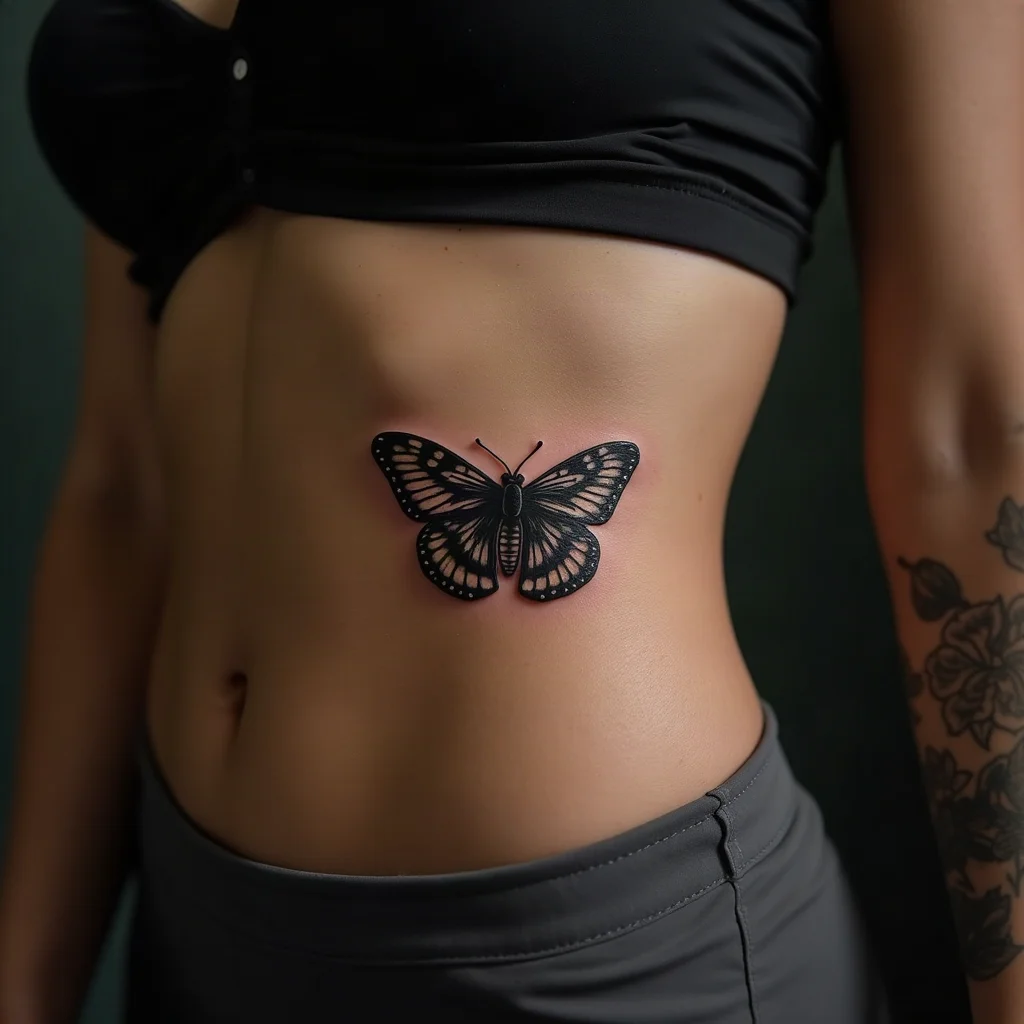
7. Oily skin, a fine-line moth on the side of the ribcage
Oily and combination skin often needs once or twice a day, maximum. Your own sebum is already doing half the job, and piling lotion on top is the fastest route to clogged, pimply healing. Ribs also trap sweat under clothing, so wash first, dry thoroughly, and skip a session if the skin still feels supple.
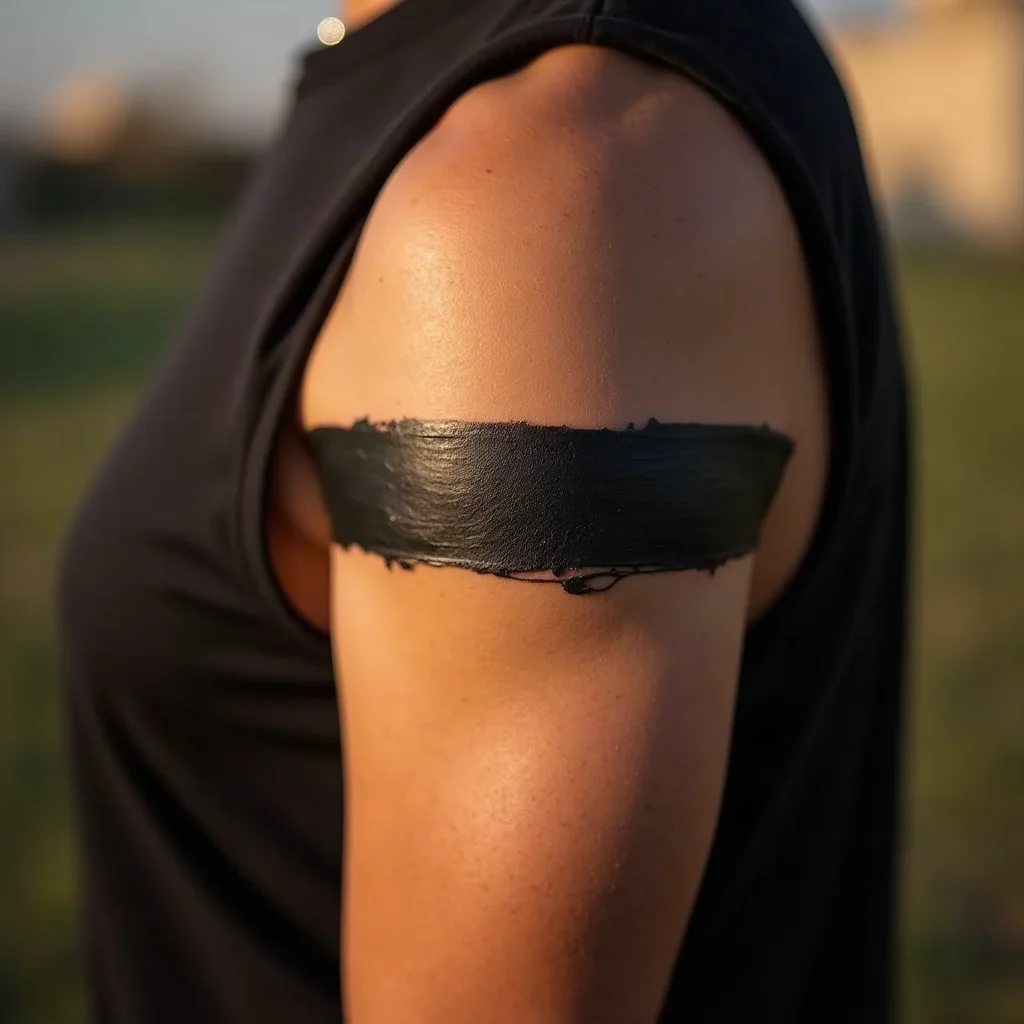
8. Heavy blackwork fill, a solid band around the upper arm
Saturated black takes more passes, so more trauma, more plasma and a longer weep. Expect three to four applications a day through the first week, with extra washing rather than extra cream while it is still seeping. Black bands also scab in sheets rather than flakes — keep them soft, never pick, and expect the edges to look ashy for a while.
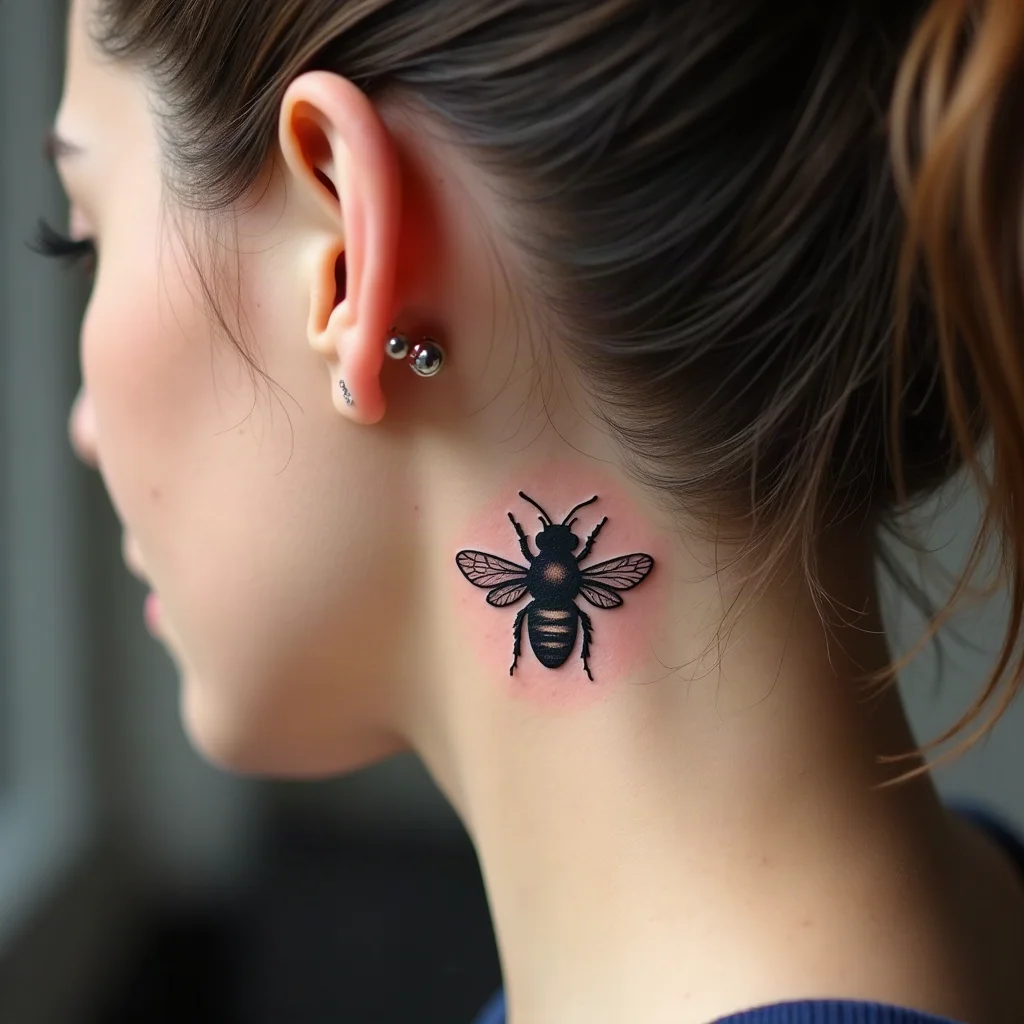
9. A micro fine-line piece, a 3 cm bee behind the ear
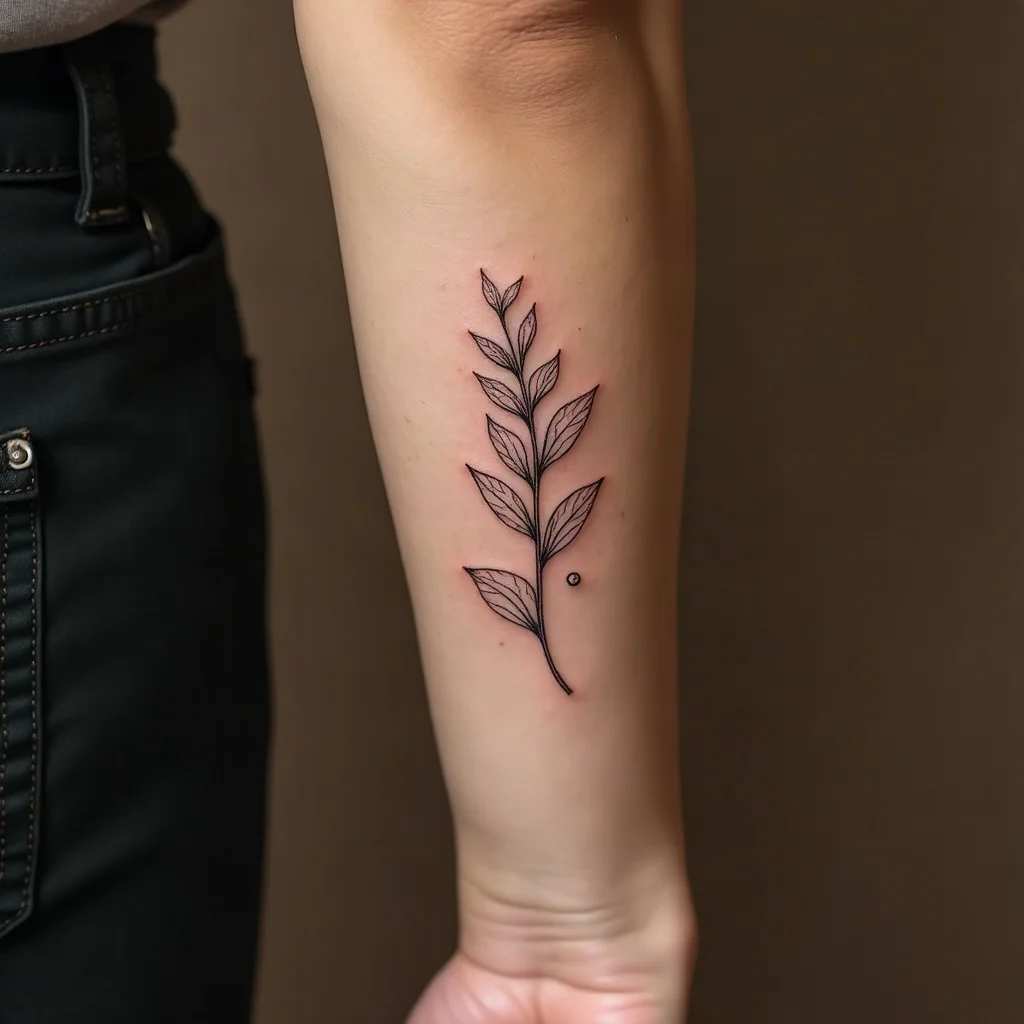
Tiny single-needle work barely breaks the skin, heals in under a week and needs almost nothing: twice a day, a rice-grain amount. Behind the ear is greasy and gets hair product on it, so cleanliness beats moisture here. Over-creaming small delicate work is a real risk because the cream sits in a puddle rather than soaking in.
10. Dense color packing, a traditional rose and dagger on the thigh
Color work, especially reds and yellows, often swells and stays reactive longer. Plan for three thin applications a day for a full two weeks, and expect the tattoo to look chalky before the color returns. Thighs heal well but rub against jeans and chair seats, so reapply after long sitting sessions.
11. Winter radiators or summer sweat, a blackwork panel on the upper back
Indoor heating strips humidity and pushes you to the top of the frequency range; humid summer air and sweat push you to the bottom. In heat, wash and dry a sweaty back piece before reapplying, and let it breathe in loose cotton rather than sealing damp skin under lotion. In winter, add a mid-afternoon layer and keep showers short and lukewarm.
Three Ways People Get the Balance Wrong
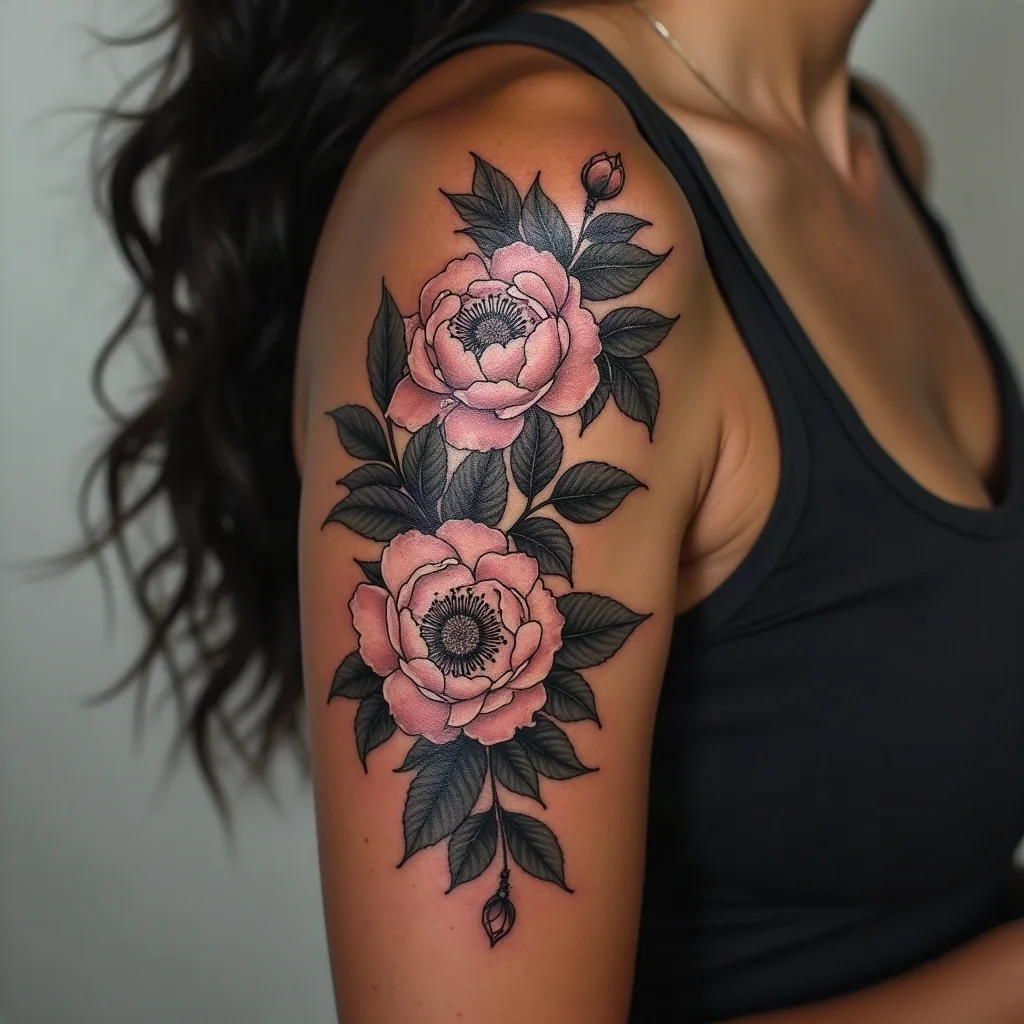
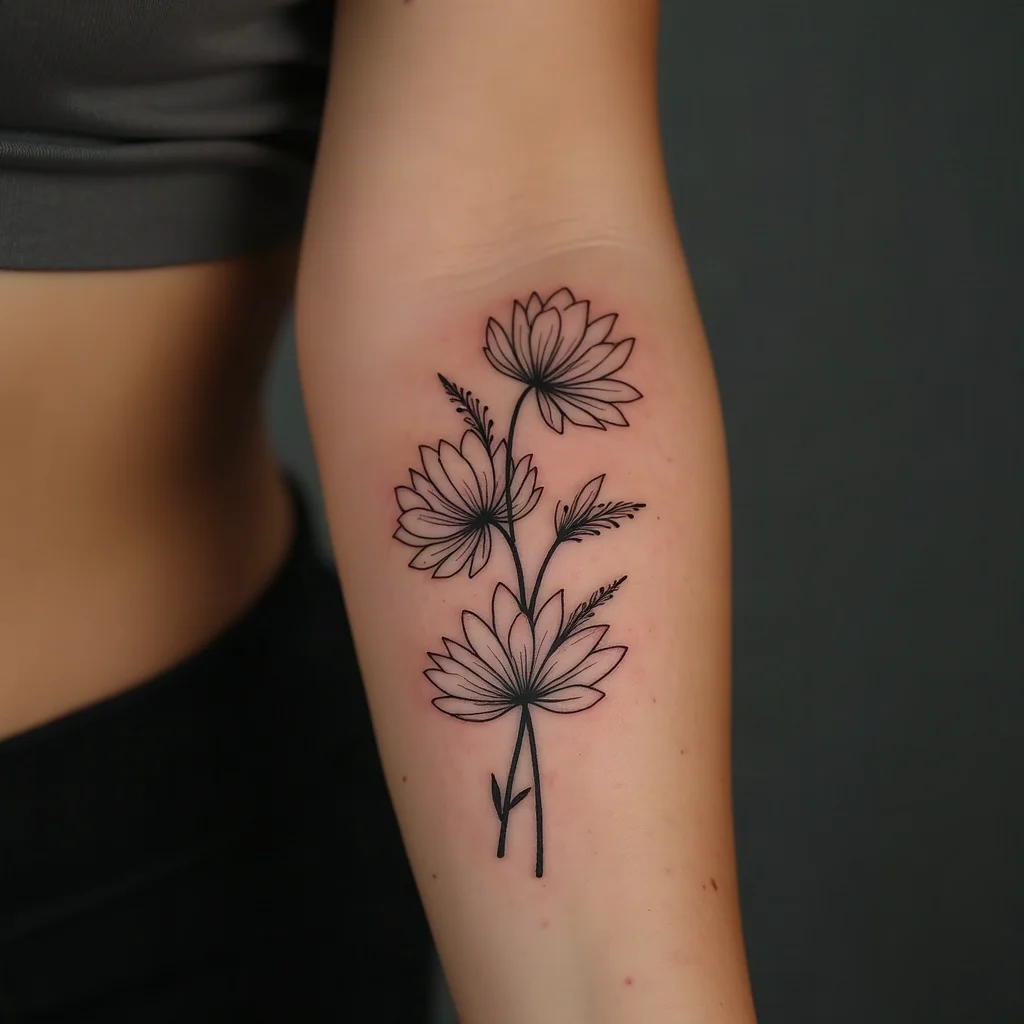
12. The over-moisturized tattoo, a floral half sleeve on the upper arm
Small white or red bumps across the design, scabs that stay soft and gummy for days, and a permanently wet-looking surface all point to too much product. The fix is simple and slightly counterintuitive: stop moisturizing for 24 hours, wash gently twice, and let the skin dry out before resuming at half the amount. Large floral sleeves are the usual victims because people apply lotion to the whole arm in one generous sweep.
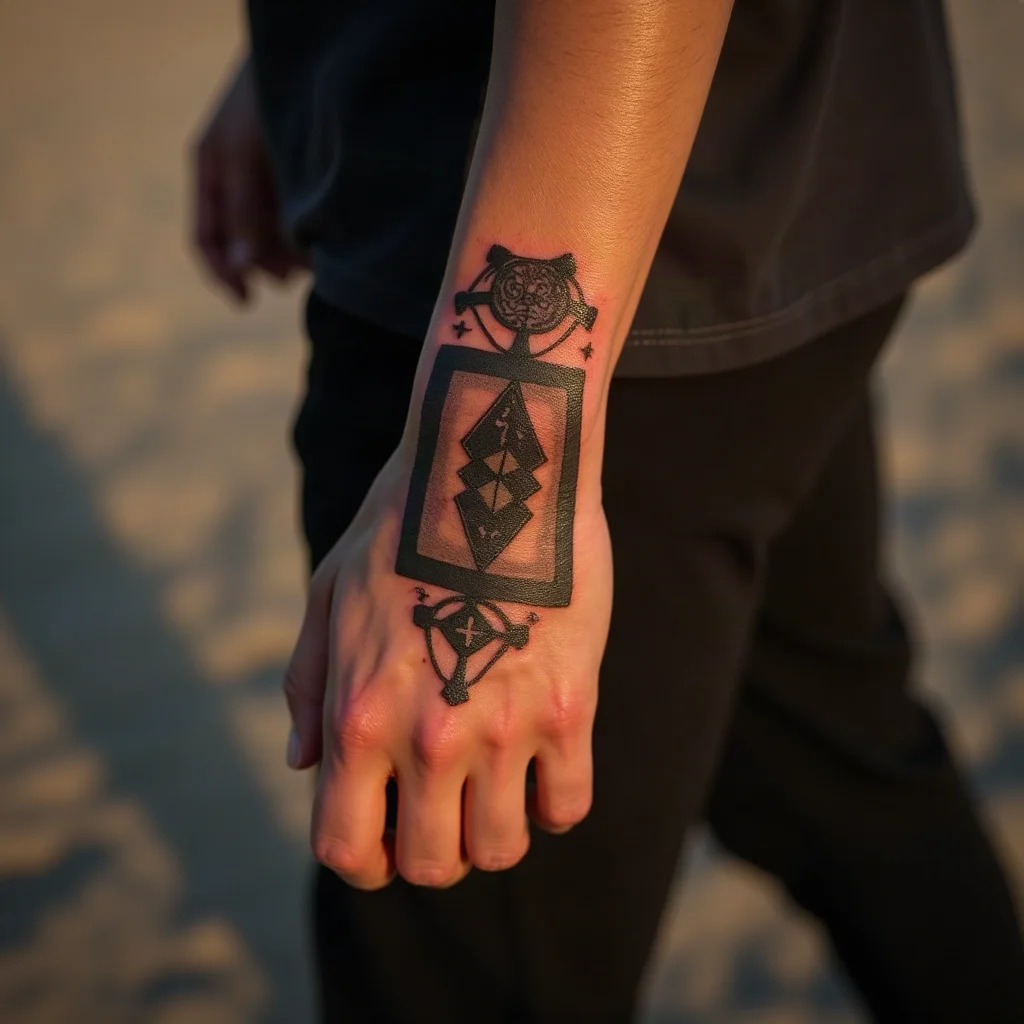
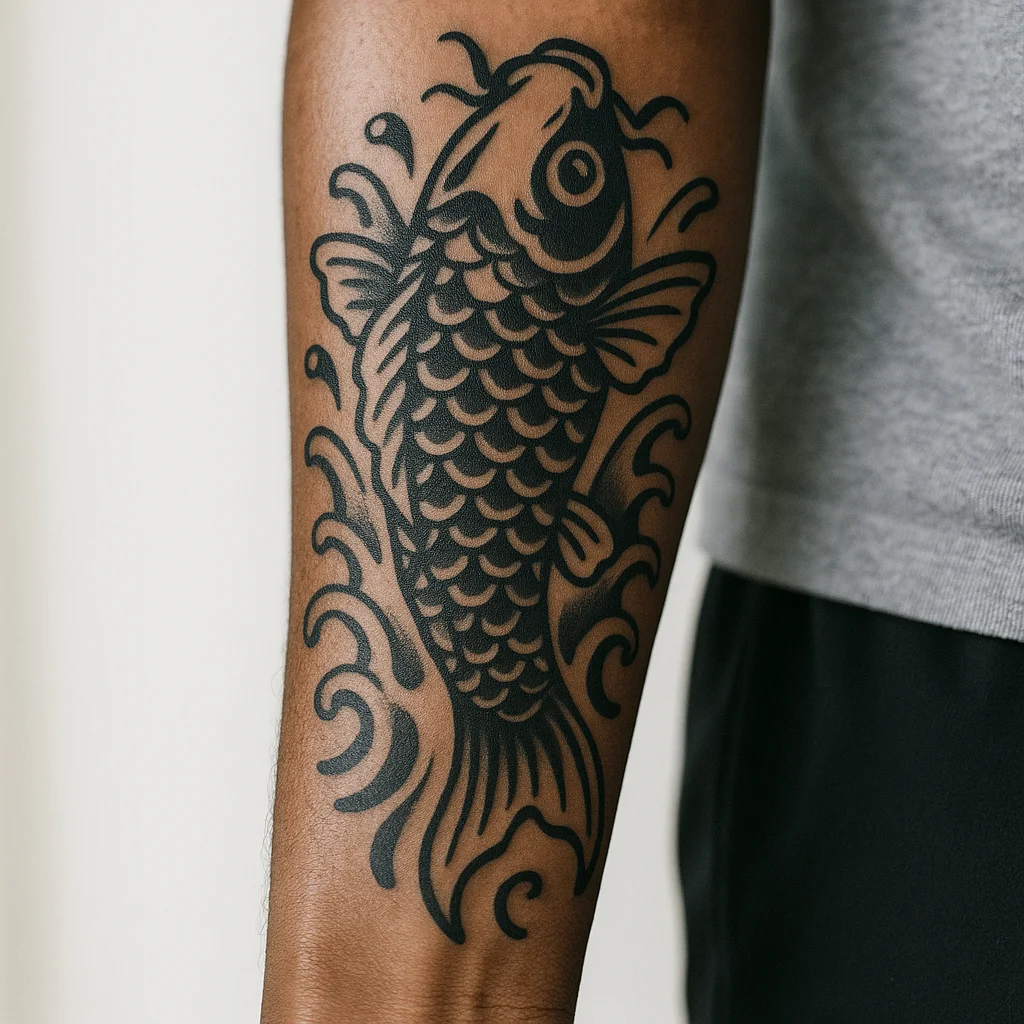
13. The under-moisturized tattoo, a blackwork panel on the back of the hand
Thick dark scabs that crack when you bend the joint mean the skin has been left too dry, and cracking scabs pull pigment out with them. Move to four or five light applications a day and add one right before bed and right after every hand wash. Hands and fingers are the hardest area on the body to heal cleanly, so accept some patchiness and budget for a touch-up.
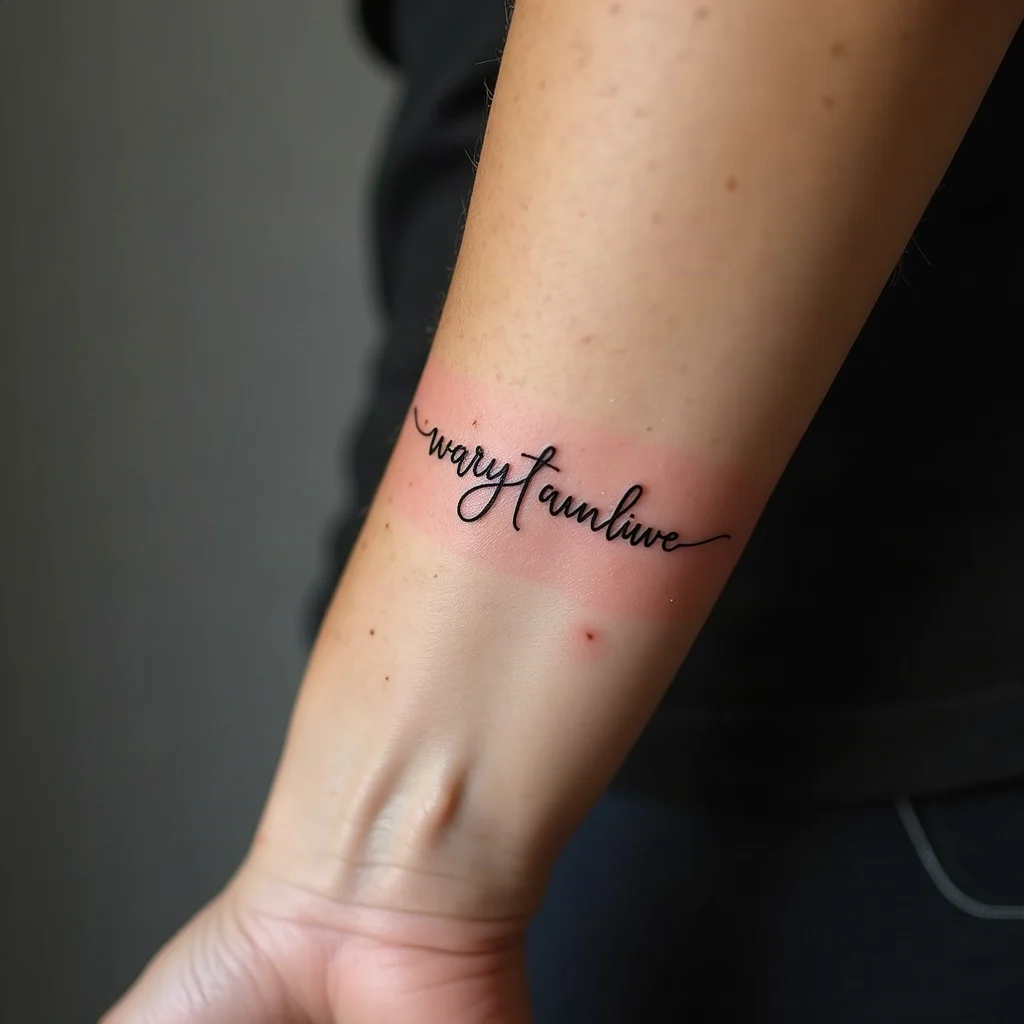
14. A reaction to the product, a delicate script on the inner wrist
Itchy red bumps that spread beyond the tattoo outline are usually the lotion talking, not the ink. Fragrance, lanolin, essential oils and cocoa butter are the common culprits. Wash the product off, switch to a plain fragrance-free option, and if the rash spreads, weeps or comes with heat and throbbing, contact your artist and a doctor rather than waiting it out.
How Much to Use, and What to Put On It
Product choice decides how often you reach for it. Thick petroleum-based ointments and dedicated tattoo balms are occlusive: they sit on top, so you need them less often — two or three times a day for the first two or three days at most. Light fragrance-free lotions absorb and evaporate, so they get reapplied more often but carry far less risk of clogging.
A practical kit, all of it cheap, usually lands in the low tens of dollars total:
- Fragrance-free liquid soap for washing twice a day — the cleaning matters more than any cream.
- A small tub of tattoo balm or a thin ointment for days one to three only.
- A basic ceramide or glycerin lotion from the pharmacy aisle for the rest of the heal. Boring is the goal.
- Broad-spectrum SPF 30+ from the moment the surface is closed, forever after.
Application technique, in order: wash with clean hands and lukewarm water, pat dry with a paper towel or let it air dry, wait until the skin is fully dry, dot the product on in several small spots, and spread with two fingers until the shine disappears. If it still glistens after a minute, you used too much — blot it off.
Avoid anything with fragrance, alcohol, menthol, retinol, acids or heavy essential oils. Coconut oil and shea butter work for some people and break others out; if you have never used them on your face, a healing tattoo is a poor place to experiment. Never share a tub with someone else, and squeeze lotion out rather than digging in with fingers.
A Four-Week Routine You Can Actually Stick To
Write this on your phone the night before your appointment and you will not have to think about it while your arm is stinging.
- Days 1 to 3: wash twice daily, thin balm two to three times daily, sleep on clean sheets, no soaking.
- Days 4 to 10: wash twice daily, light lotion three to four times daily or whenever it feels tight. No picking, no scratching, no gym chalk or shared mats on the area.
- Days 11 to 21: lotion morning and night. Loose clothing over the piece; reapply after anything that rubs it.
- Weeks 4 and beyond: once-daily lotion, daily SPF on exposed placements, and book any touch-up conversation at the one-month mark rather than week two.
Two things worth asking your artist before you leave the chair: which aftercare they want you on (some sell a balm they trust, some prefer a supermarket lotion), and whether your specific piece has a quirk — heavy black, white ink highlights, a joint, a friction zone. Text them a photo if anything looks off at day five rather than guessing on the internet at day nine.
Frequency also flexes with your life, not just your skin. Desk job in air conditioning: top of the range. Outdoor work in humidity: bottom of the range, with more washing. Gym four times a week: wash after every session, moisturize after the skin is dry, and skip anything that grinds the tattoo against equipment for the first two weeks. The goal across all of it is the same — skin that is supple, matte and never wet.
Frequently asked questions
Can you moisturize a tattoo too much?
Yes, and it is one of the most common aftercare mistakes. Too much product traps plasma and bacteria against the skin, softens scabs so they stay gummy, and can cause small white or red bumps across the design. If that happens, stop moisturizing for about 24 hours, keep washing gently, then restart with half the amount.
What happens if I forget to moisturize for a day?
One missed day will not ruin a tattoo. The skin will feel tight and may develop thicker scabbing, which is riskier because cracked scabs can pull out pigment. Resume with several very thin applications through the following day and avoid bending or stretching the area until it feels supple again.
Should I use Vaseline, coconut oil or a proper tattoo balm?
A thin tattoo balm or fragrance-free ointment is fine for the first two or three days, and a plain fragrance-free lotion is best after that. Thick petroleum jelly is too occlusive for most people once the weeping stops. Coconut oil suits some skin and clogs others, so avoid it if you are prone to breakouts.
When do I stop moisturizing and start using sunscreen?
Stop the intensive routine when the flaking finishes and the surface is fully closed, usually between two and three weeks. From then on, once-daily lotion is maintenance rather than healing. Start broad-spectrum SPF 30 or higher as soon as the skin is closed and keep using it for the life of the tattoo.
Does the frequency change for small tattoos versus big pieces?
It does. A micro fine-line piece heals in under a week and needs a rice-grain amount twice a day, while a large blackwork or color-packed panel weeps longer and wants three to four thin applications daily for the first week or two. Larger work also covers more skin, so apply section by section instead of one generous sweep.
The conversation
No comments yet. Got a thought about these designs? Start us off.
Want to weigh in? Join the community to comment, save designs and try them on your skin.