Tattoo Healing Underneath: The 3–6 Month Timeline
Your tattoo can look finished weeks before it actually is. Here's what happens in the dermis after the peeling stops, how long full healing underneath really takes, and how to tell when the skin has genuinely settled.
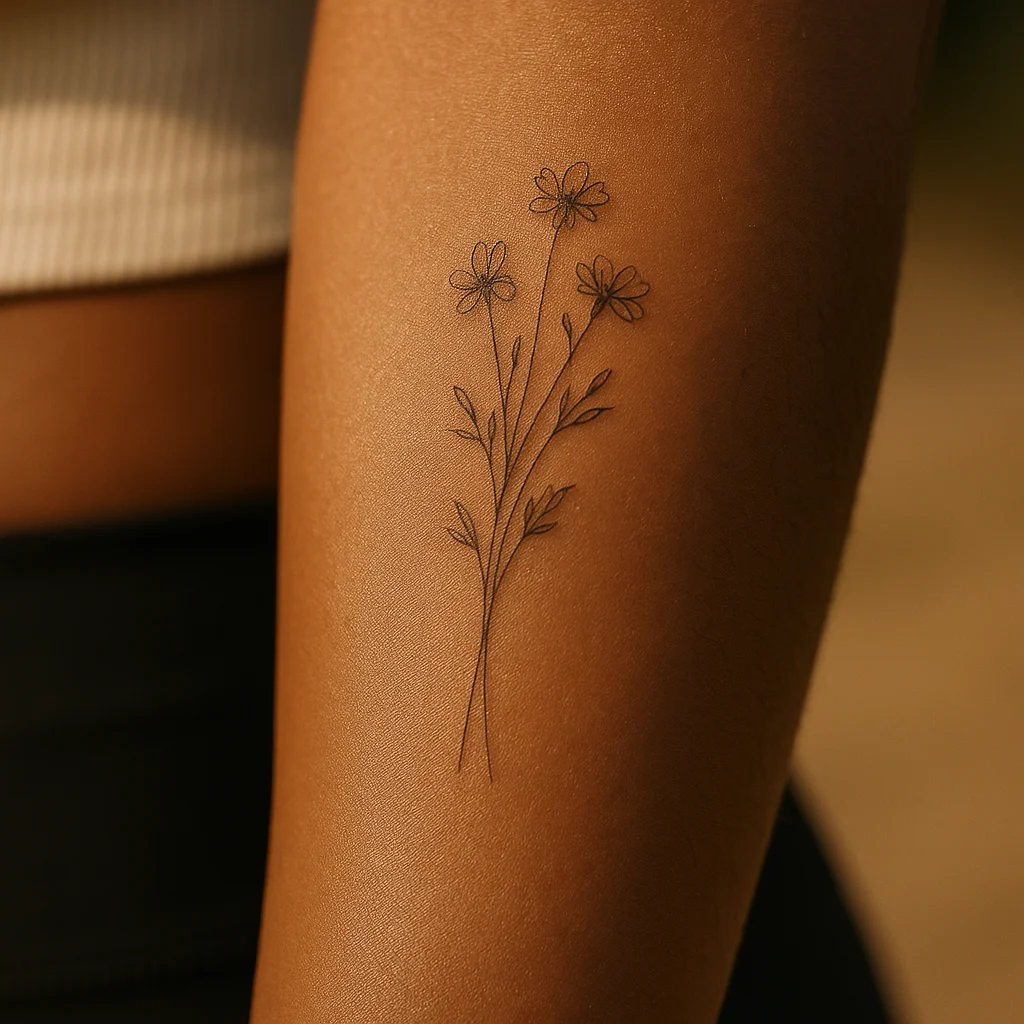
Surface Healed Is Not Healed Underneath
Two things heal at once after a tattoo, and they run on completely different clocks. The top layer, the epidermis, is essentially a scraped-open wound that closes fast: scabbing, flaking and peeling are usually done somewhere between day 10 and day 21. That is the part you can see, and it is the part most people mistake for the finish line.
Underneath it, the dermis is doing slower work. That is where the ink actually lives, sitting in and around cells roughly one to two millimetres down, surrounded by tissue the needle repeatedly punctured. Your body has to clear debris, calm inflammation, rebuild collagen and lock the pigment particles in place. That remodelling process runs for two to six months depending on how heavy the tattoo was, and the average, well-executed medium piece lands around three months.
The visible clue that the two layers are out of sync is the milky, cloudy or shiny look people notice around week three or four. The new epidermis is thin and slightly translucent, so it veils the ink like tracing paper. Nothing is wrong. The pigment is not fading; you are simply looking at it through fresh skin that has not thickened up yet.
Practically, this matters because a tattoo that looks finished still behaves like an injury. It bruises more easily, reacts harder to sun, and can be pushed around by aggressive scrubbing, soaking or a second needle passing over it too soon. Treat weeks 3 to 12 as the quiet half of healing rather than the aftermath.
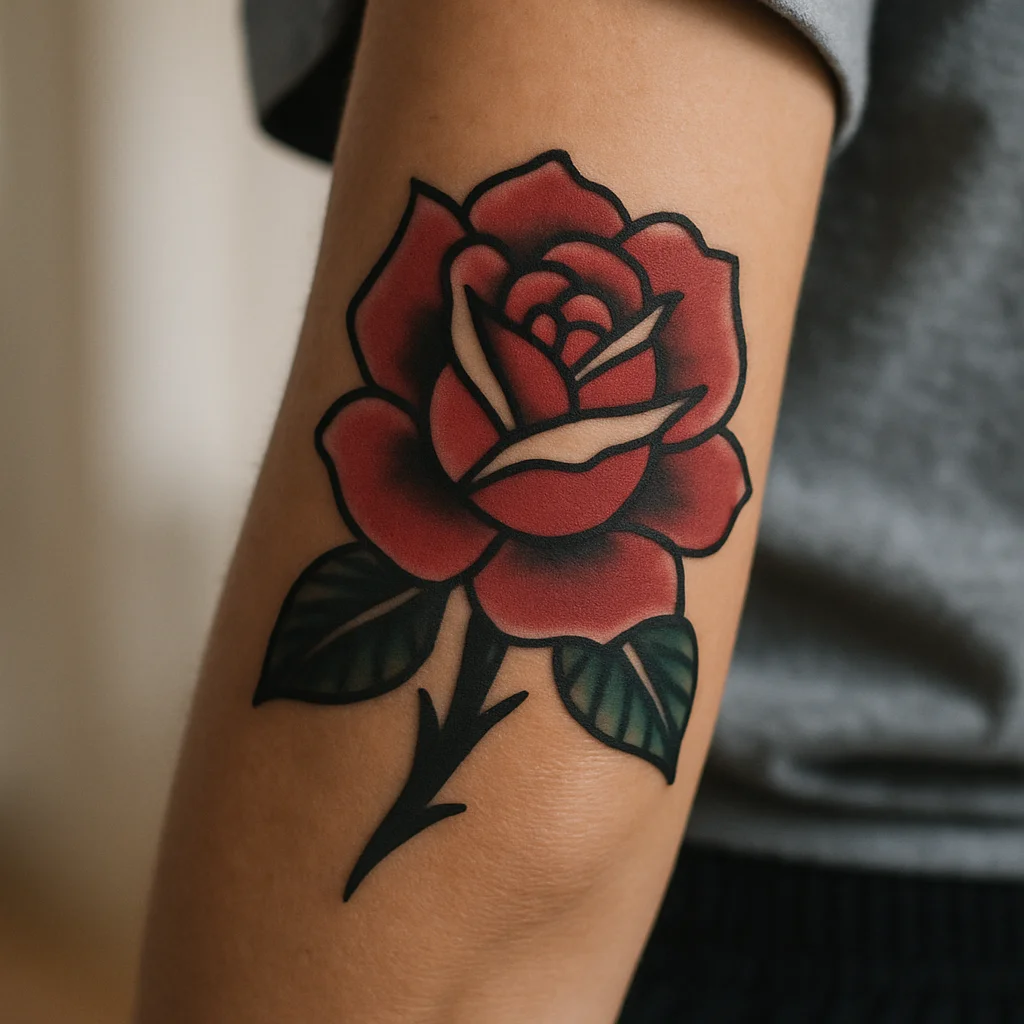
The Deep-Healing Timeline, Week by Week
Surface milestones get covered everywhere, so here is the same stretch of time viewed from the dermis down. If you want the visual, scab-by-scab version, our day-by-day healing stages guide maps the outside; this maps the inside.
- Days 1–6: peak inflammation. Plasma, blood and lymph are still moving through the puncture channels. Swelling is doing most of the work of pushing debris out, which is why the tattoo feels hot and tight.
- Days 7–14: the epidermis is knitting shut and flaking begins. Below, fibroblasts are laying down new collagen and immune cells are gathering pigment particles and parking them in place. This is the stage where picking a scab genuinely pulls ink out.
- Weeks 3–5: the shiny, milky phase. Surface closed, dermis still swollen and disorganised. Lines can look softer than they did on day one — that is haze, not blowout.
- Weeks 6–10: the veil thins. Blacks deepen, colours come back, and the surface texture starts matching the skin around it. Most people say the tattoo "came back to life" somewhere in here.
- Months 3–6: collagen remodelling finishes. Any residual raised feel over heavy black or dense colour flattens. What you see at month six is what the tattoo actually looks like.
Small fine-line work often reaches that last stage closer to eight or ten weeks. A saturated backpiece or a full colour sleeve can genuinely take the full six months, and the last areas to settle are almost always the most heavily packed.
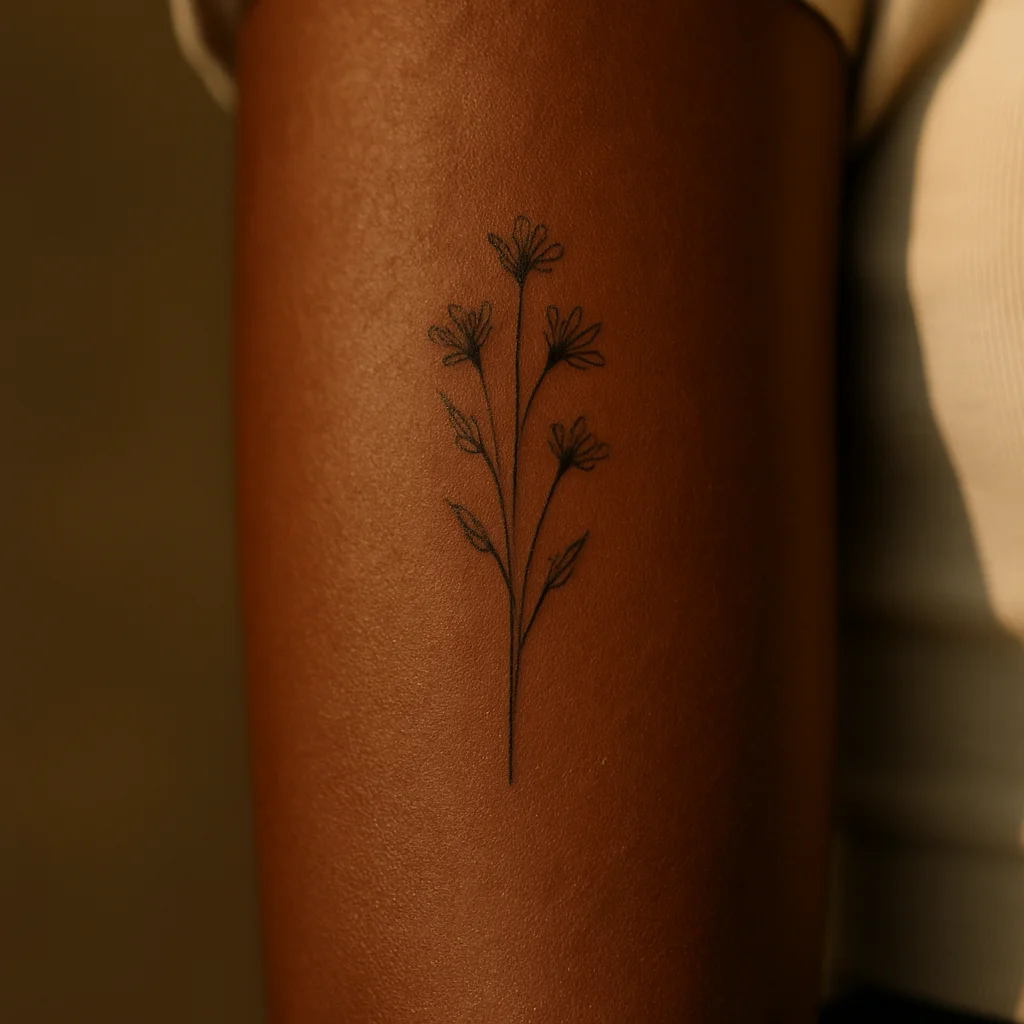
What Makes Deep Healing Faster or Slower
Two people can get the same design on the same day and finish healing weeks apart. These are the variables that actually move the needle.
Density of the work. A single-pass fine-line piece traumatises very little tissue. Solid blackwork, black-and-grey smooth shading and colour packing require repeated passes over the same skin, and that extra trauma is what pushes healing toward the four-to-six-month end. Heavy black over a bony area is the slowest combination there is.
Placement and circulation. Well-fed, low-friction areas — outer forearm, upper arm, thigh, shoulder — settle fastest. Hands, fingers, feet and ankles heal slowest because circulation is poorer and the skin moves and rubs constantly. Elbows, knees and ribs sit in the middle: fine blood supply, but constant stretching disrupts the new collagen.
Your body and habits. Sleep, hydration and protein all feed tissue repair. Smoking and nicotine constrict small vessels and reliably slow it down. Diabetes, autoimmune conditions, some medications and simply being older all lengthen the tail end. None of these ruin a tattoo — they just extend the window.
Artist technique. A heavy hand that overworks the skin creates more damage to repair, which shows up as prolonged raised lines and a longer settling period. Conversely, a light, efficient artist can put a big piece on you that feels sorted in ten weeks.
What you do in weeks 2–8. Sun exposure, soaking, scratching and hard gym friction all restart low-level inflammation and add time.
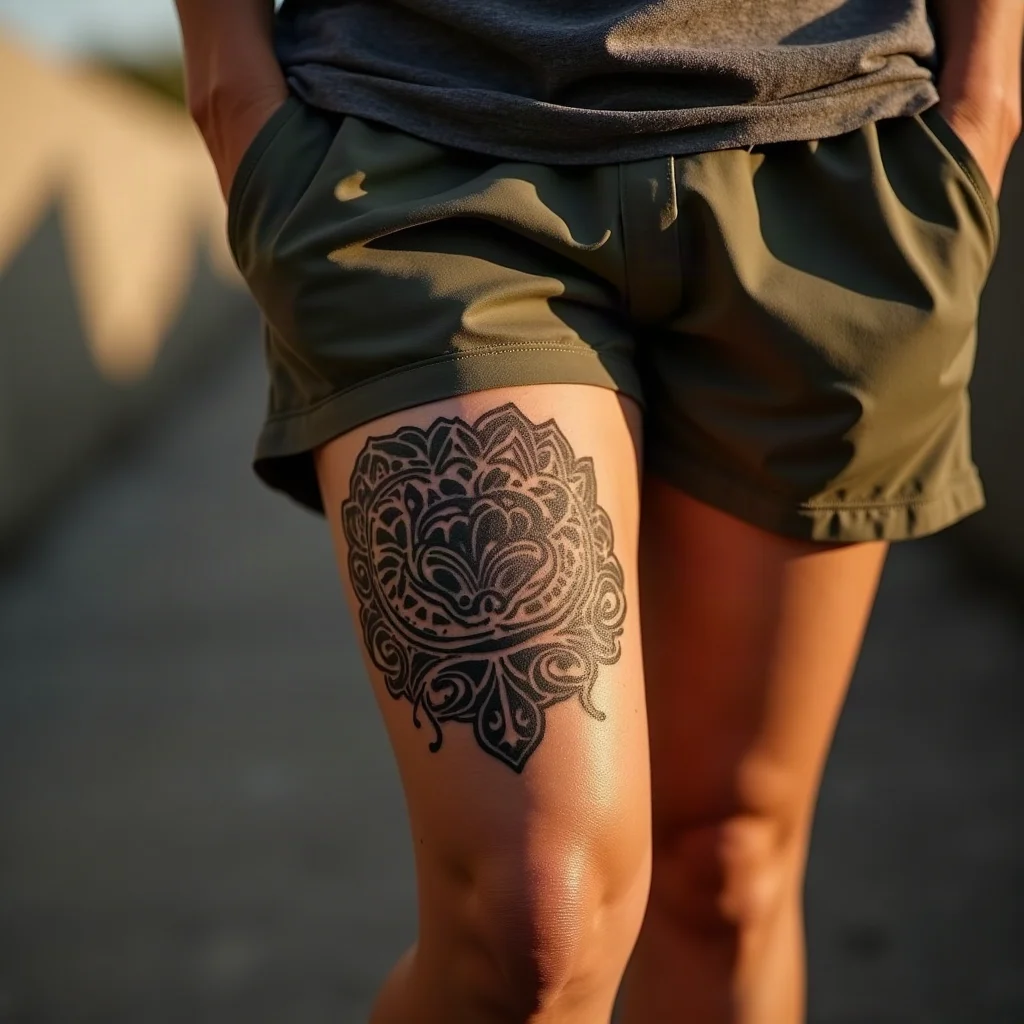
How to Tell It's Actually Healed Underneath
There is no scan for this, but there are four reliable checks. Do them in good light, ideally daylight from a window rather than an overhead bulb.
The shine test
Hold the limb at an angle so light rakes across the skin. If the tattooed area reflects differently from the skin beside it — glossier, waxier, slightly plastic-looking — the epidermis is still immature. When the tattooed patch reflects exactly like the surrounding skin, the surface is done and the dermis is close behind.
The touch test
Close your eyes and run a fingertip across the design and off the edge of it. Fully healed work is invisible to touch. Slightly raised lines or a subtle ridge over solid black areas mean collagen is still remodelling. Note that some people keep a permanent faint raise over heavy black, and a few get raised lines in heat or after exercise for years; that is normal reactivity, not incomplete healing.
Colour depth
Blacks should read as deep black rather than grey-blue, and colour should look sharp rather than pastel. If the whole piece still looks like it is behind frosted glass, you are pre-week-eight territory.
No sensation
No itch, no tightness, no tenderness when you press it, no reaction to a hot shower. Occasional itching in the first two months is normal; itching that persists past three months is worth mentioning to your artist or a doctor, especially if it is localised to one colour.
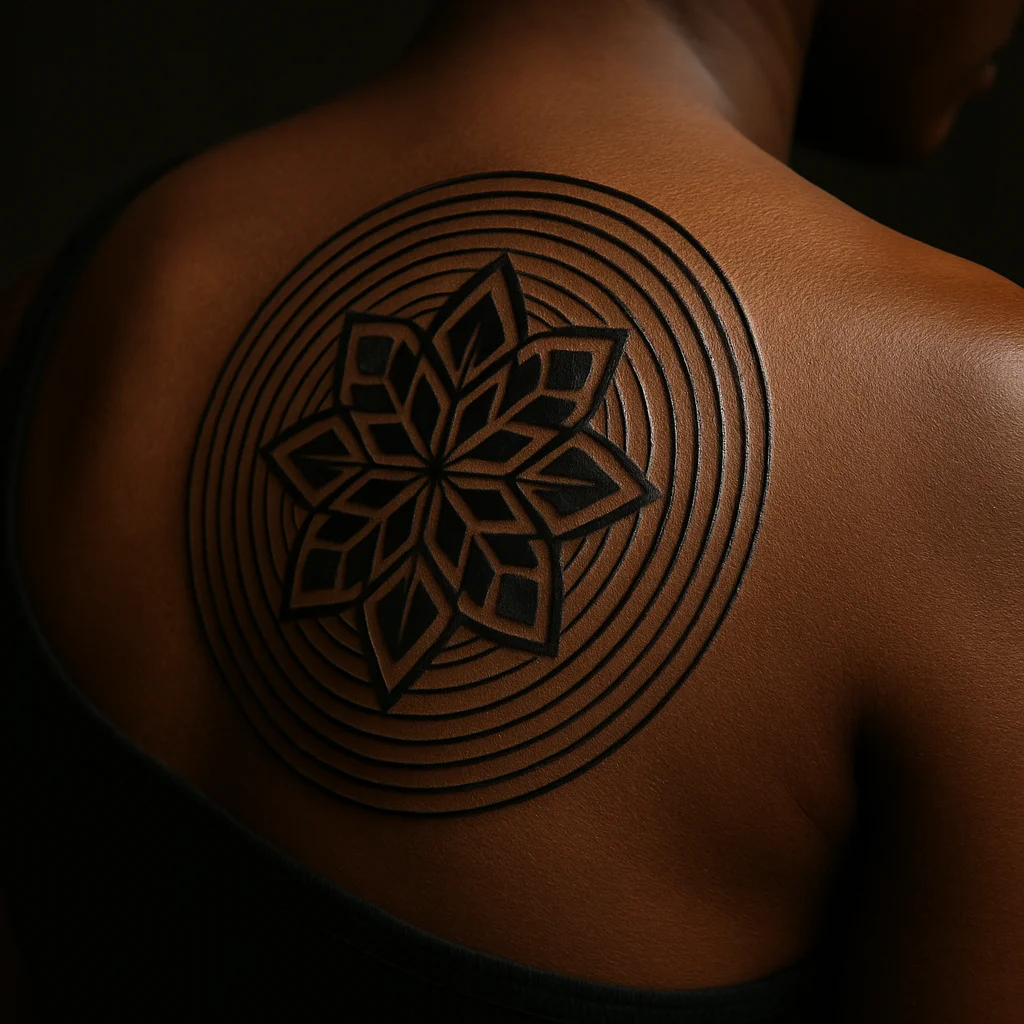
What to Postpone Until the Dermis Catches Up
Most aftercare rules are written for weeks one and two. These are the ones that apply to the deep-healing window afterwards.
- Soaking and swimming: baths, pools, hot tubs, lakes and the sea are off until the surface is fully closed and flaking has finished — realistically three to four weeks. Showers are fine from day one. If you are still in second skin, follow your artist's removal timing first.
- Direct sun: keep the tattoo covered for the first month, then use SPF 30–50 on it every time it is exposed for the next several months. UV during deep healing is the single most effective way to blur a crisp piece. After healing, sunscreen is a lifelong habit if you want the linework to stay legible.
- Tanning beds and self-tanner: beds are worse than sun, and self-tanner on unhealed skin can stain unevenly. Wait until the shine is gone.
- Touch-ups: a reputable artist will not touch up before four to six weeks, and many prefer to see you at two to three months so they are working on genuinely settled skin. Anything sooner risks re-traumatising tissue that was going to heal fine.
- Laser or cosmetic treatments over the area: minimum three months, and only after talking to the practitioner.
- Heavy friction: deadlifting against a fresh forearm piece, tight boots over an ankle tattoo, backpack straps on a shoulder. Not forbidden after week three, but expect a slower finish if the area is rubbed daily.
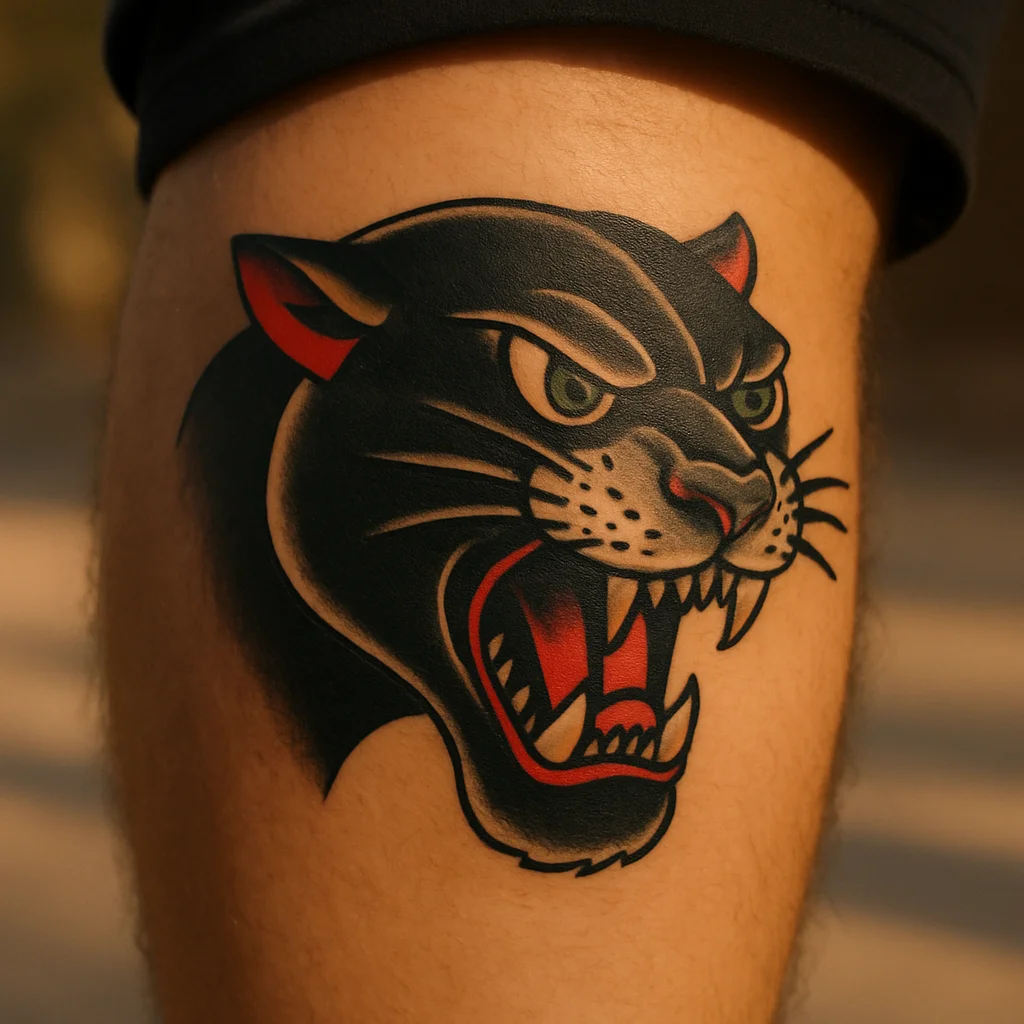
Aftercare for Months One Through Six
Once the flaking stops, aftercare stops being wound care and becomes skin maintenance. It is simpler, but skipping it is why some tattoos look tired at year three.
Moisturise, but stop smothering. Heavy ointment past week two traps moisture and can clog pores. Switch to a plain, fragrance-free lotion once or twice a day. Hydrated skin is more translucent, which literally makes the ink look sharper — this is why an old tattoo looks brighter after you moisturise it.
Sunscreen becomes the main event. From week four onward, SPF on exposed tattoos is the highest-value thing you can do. Fine-line and single-needle work is the most vulnerable, because there is less pigment per line to lose before it goes grey and soft.
Do not exfoliate the piece. No scrubs, no acids, no dry brushing over the tattoo for at least three months. Let the skin shed on its own.
Support it from the inside. Water, protein, sleep. If you smoke, cutting back during the first month genuinely helps.
When to get help: spreading redness, heat, swelling that increases after day four, yellow-green discharge, red streaking, fever, or pain that worsens rather than improves. Raised, itchy, bumpy skin confined to one colour weeks later is more likely a pigment sensitivity than an infection — either way, both are conversations with a doctor rather than an internet forum.
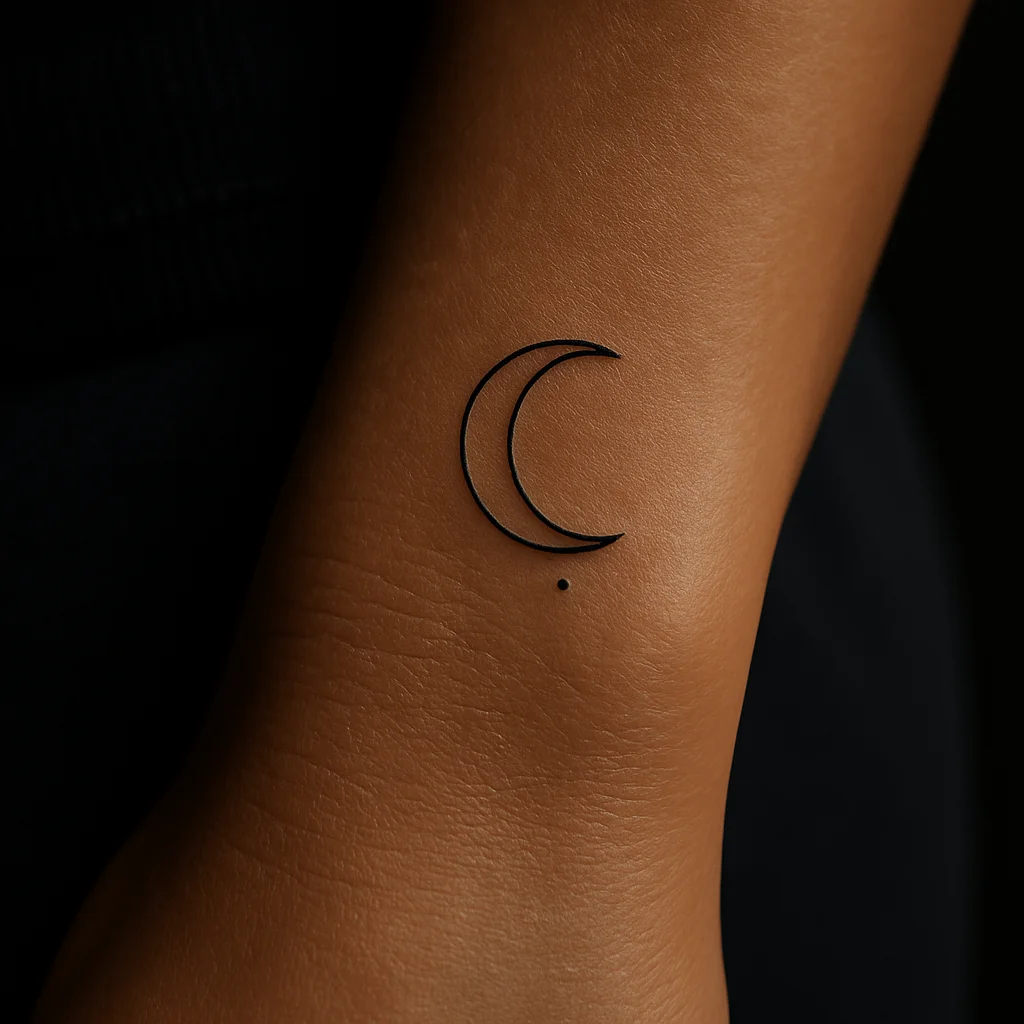
Touch-Ups, Costs and How to Brief Your Artist
Book the follow-up rather than waiting to see if you need one. Most artists want eyes on healed work anyway, and a five-minute check at the two-to-three-month mark tells you whether a gap in the linework is real or just skin that has not finished clearing.
On money: many artists include one touch-up within a set window — often three to six months from the session — at no charge, provided the aftercare was followed and the tattoo was not sun-fried. Beyond that window, or if the piece was on hands, feet or fingers where patchy healing is expected, expect to pay. Costs vary enormously by city and artist, but a short touch-up usually falls at or near the shop minimum, which in most markets sits in the low-to-mid three figures at the top end and considerably less in smaller studios. Hourly rates for larger rework run in the same range as the original session. Always ask about the touch-up policy before you book, not after.
When you message your artist, be useful:
- Say how many weeks post-session you are, not "a while ago".
- Send two photos: one straight-on in daylight, one at a raking angle so they can see texture.
- Name the specific spots you are worried about instead of "it looks faded".
- Mention anything relevant — a beach holiday, a course of medication, a healing scab you lost early.
Most of the time the answer is the least dramatic one: give it another month.
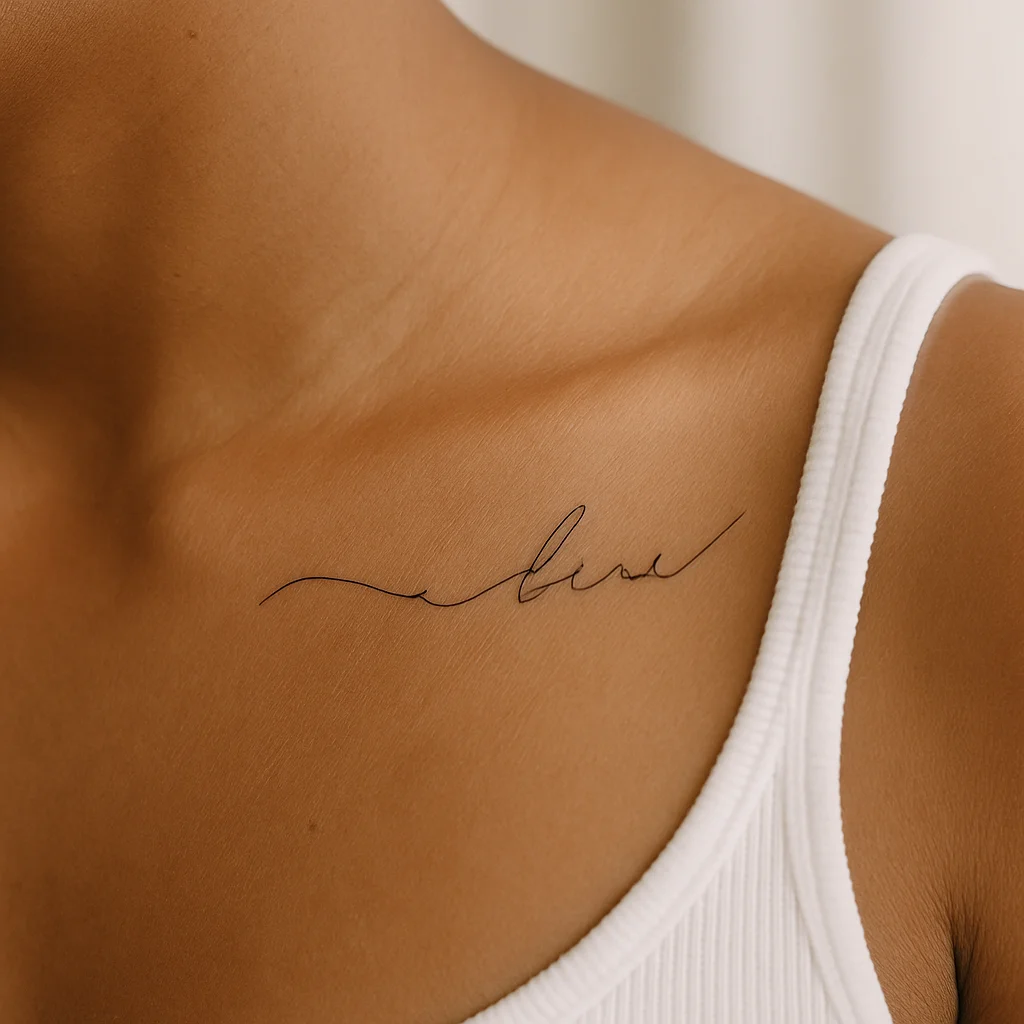
Frequently asked questions
How long does a tattoo take to fully heal underneath?
The surface closes in roughly two to three weeks, but the dermis where the ink sits keeps remodelling for about three to six months. Small fine-line pieces often feel fully settled by eight to ten weeks, while dense blackwork, colour packing and large-scale work can take the full six months. What you see at the six-month mark is the tattoo's true, permanent appearance.
Why does my tattoo look cloudy or shiny weeks after healing?
That milky veil is new, thin epidermis sitting over the ink like tracing paper. It usually appears around week three and clears between weeks six and ten as the skin thickens and normalises. The pigment has not faded — hold off on judging colour or booking a touch-up until the shine is gone.
When can I swim or sit in the sun after a tattoo?
Wait until all flaking has finished and the surface is fully closed before soaking, which is realistically three to four weeks for pools, baths, hot tubs and the sea. Keep the tattoo out of direct sun for the first month, then use SPF 30 to 50 on it whenever it is exposed. UV during the deep-healing window is the fastest way to blur crisp linework.
How soon can I get a touch-up?
Four to six weeks is the earliest most reputable artists will work on the same skin, and many prefer to wait two to three months so they are tattooing genuinely settled tissue. Going in earlier risks re-traumatising an area that would have healed fine on its own. Ask about the shop's touch-up policy and window before you book the original session.
Is a raised tattoo months later a bad sign?
A slight ridge over heavy black or dense colour is common while collagen finishes remodelling, and some people permanently get raised lines in heat or after exercise. That is normal reactivity. Persistent itching, bumps confined to one specific colour, or raising that comes with heat and discharge should be checked by a doctor.
The conversation
No comments yet. Got a thought about these designs? Start us off.
Want to weigh in? Join the community to comment, save designs and try them on your skin.