Fine Line Tattoo Ideas That Make a Quiet Statement
Fine line tattoos whisper rather than shout. Delicate botanical, celestial and script ideas, plus the honest truth about how thin lines age on skin.
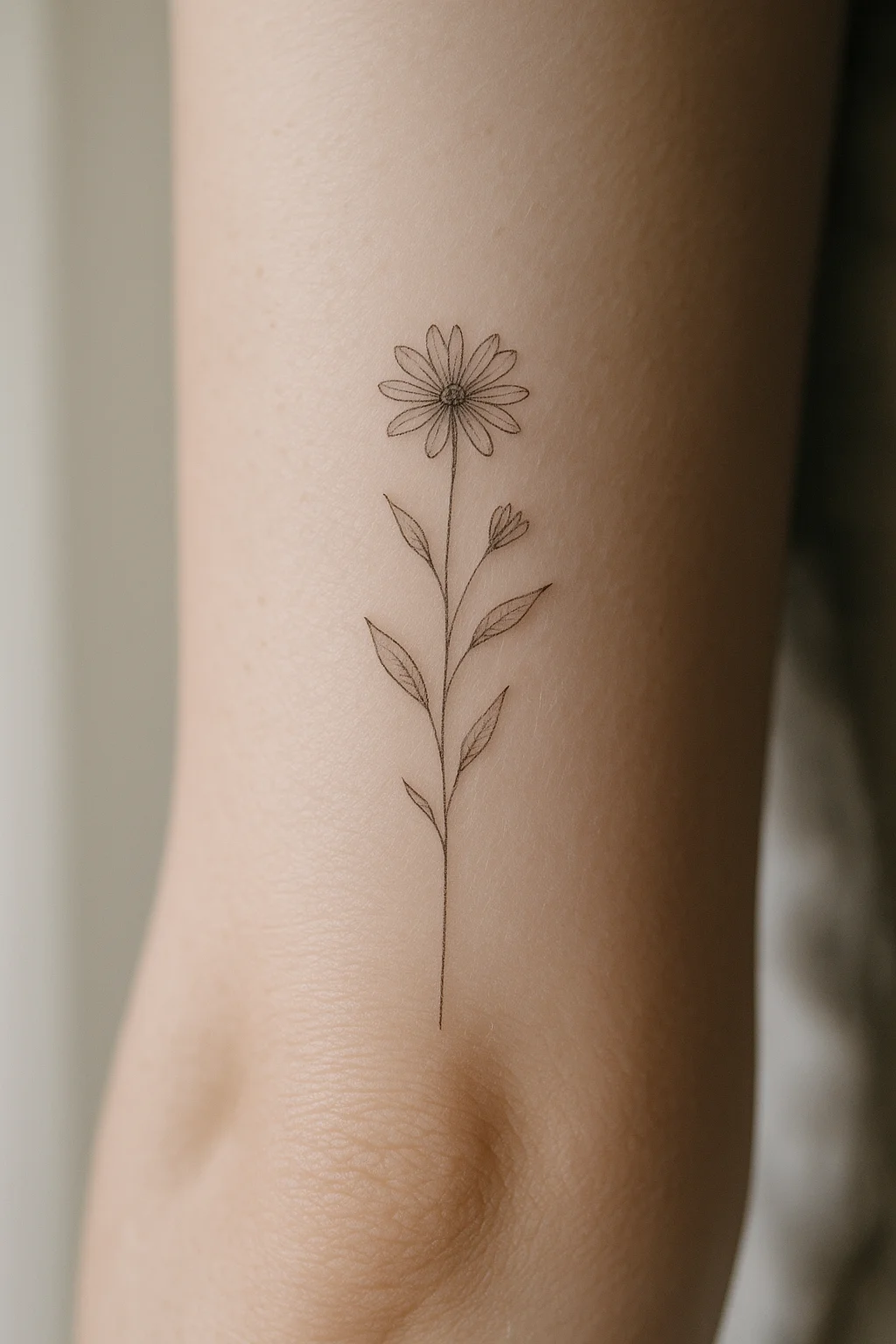
What fine line actually means
Fine line tattooing uses very thin needle groupings, sometimes a single needle, to draw with the delicacy of a pencil rather than a marker. The style spans botanical sketches, tiny script, airy geometric compositions and portraits that look breathed onto skin. Its rise tracked social media for a reason: it photographs beautifully.
Technically it is among the least forgiving styles in tattooing. There is no bold outline to hide a wobble and no packed colour to distract from uneven saturation. A fine line artist is drawing high-wire, and the portfolios show who has the balance. That should shape both your design choices and your artist search.
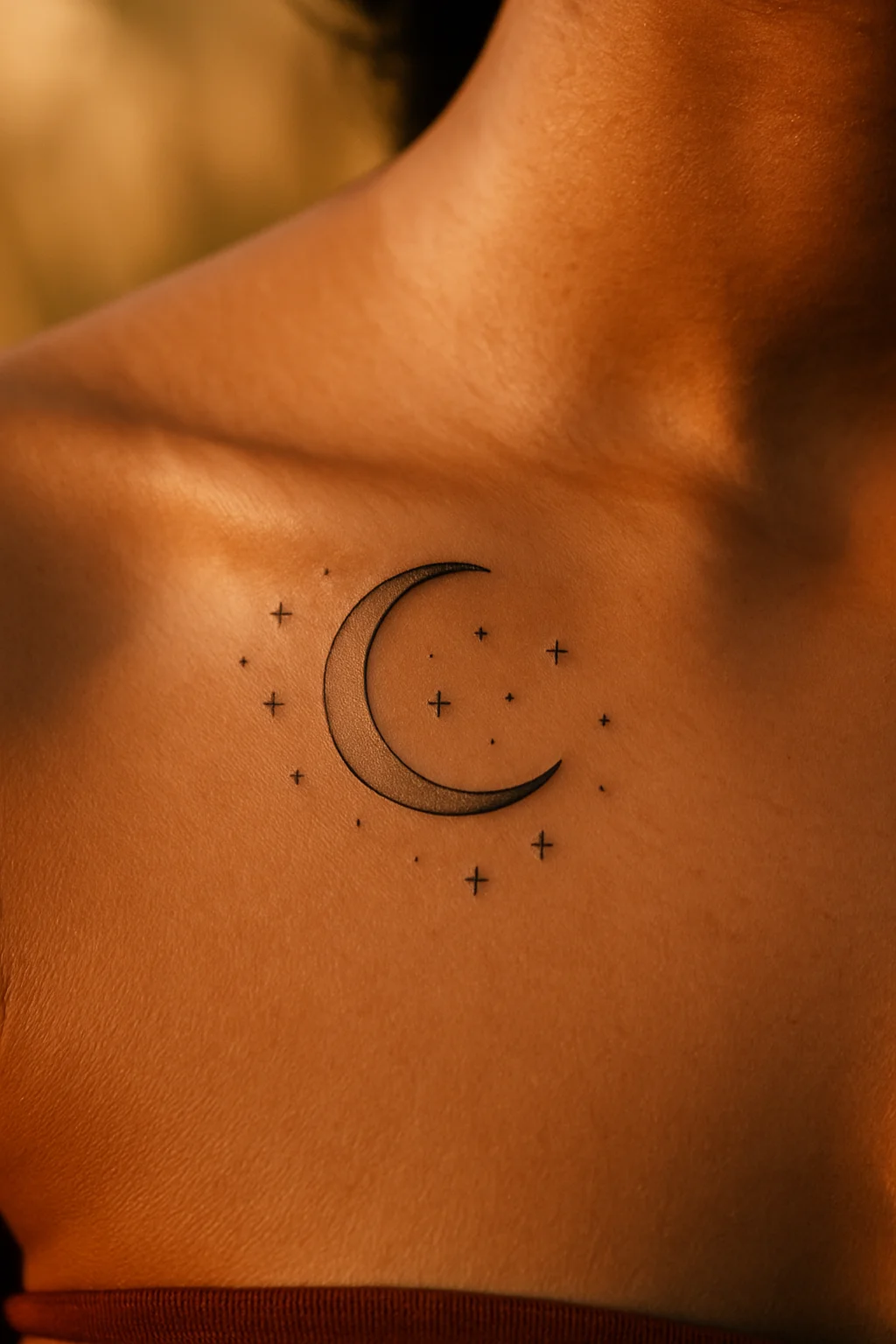
Designs that suit a whisper
The style flatters subjects that are already linear and light. Some directions that consistently work:
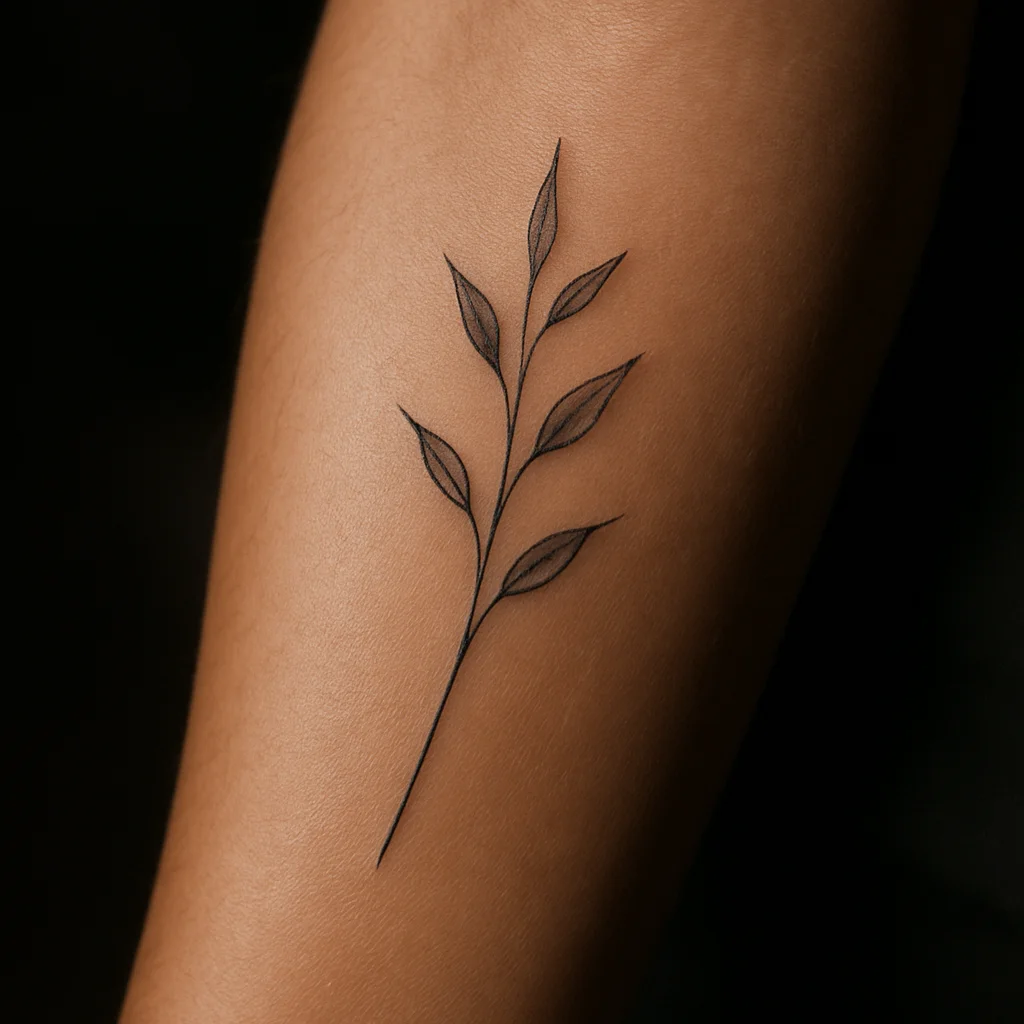
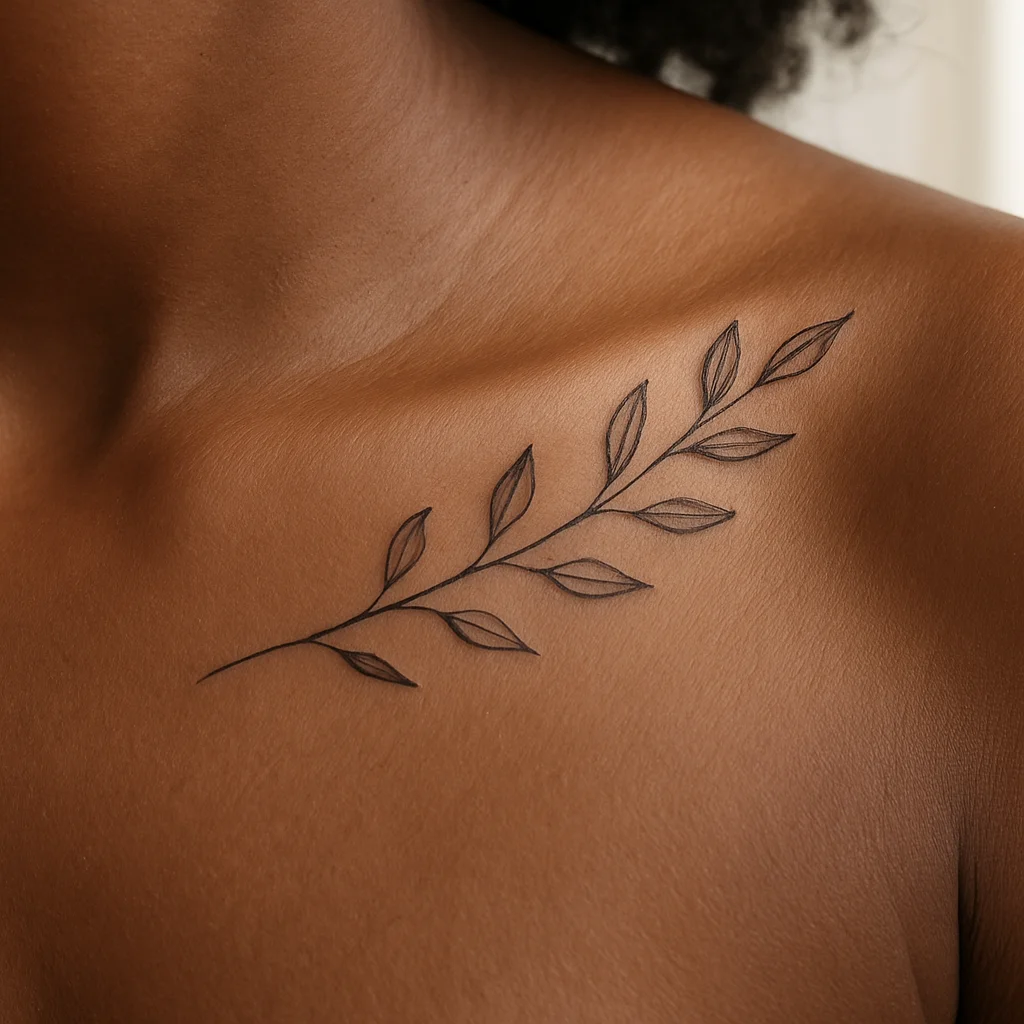
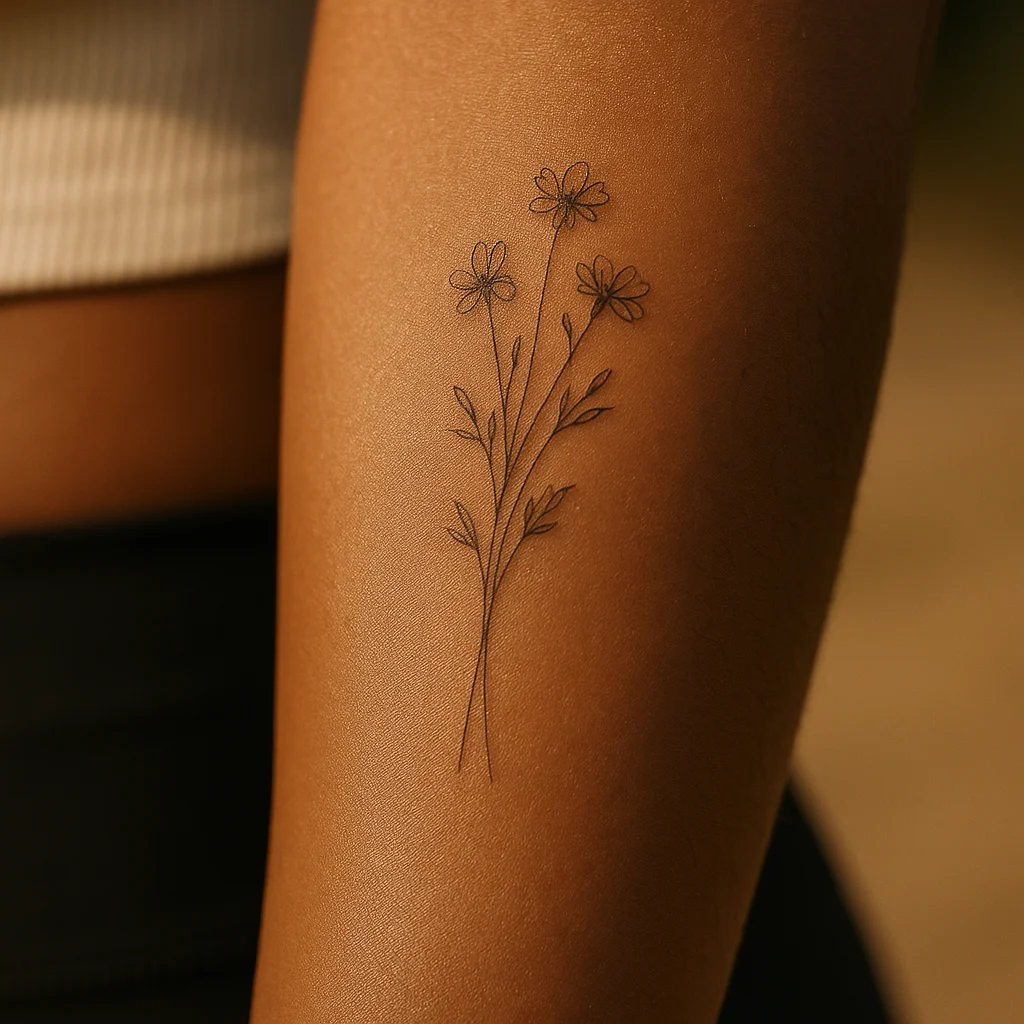
- Botanical: a single fern, olive sprig, wildflower stem or curling vine
- Celestial: crescent moons, small suns, comets and constellation dots
- Script: one word or a short line in a hand-drawn, slightly imperfect letterform
- Fauna: a swallow in outline, a butterfly with open wings, a tiny koi
- Objects: a paper crane, a key, an envelope, a lit match
- Abstract: one continuous line tracing a figure or a face in a single stroke
What fine line handles poorly is density: heavy shading, tight cross-hatching and detail packed into small curves. If your reference image looks intricate at phone size, it is probably too intricate for skin.
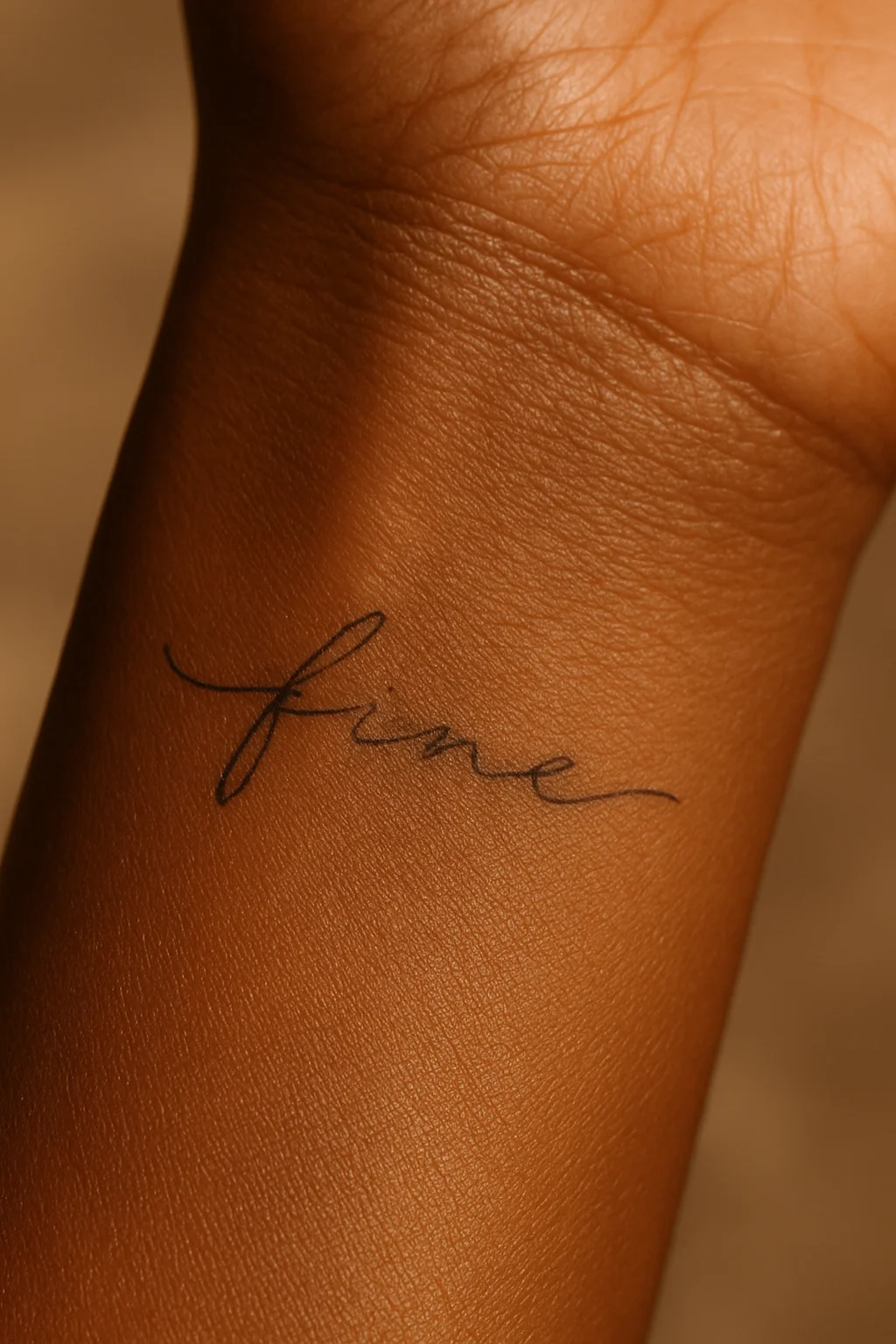
The honest truth about aging
Every tattoo softens as ink settles and skin renews; fine line simply starts with less ink in reserve, so the softening shows sooner. A well-made piece will hold its structure for many years, gently thickening and greying rather than vanishing. Poorly made or oversized-detail pieces can blur into suggestion within a decade.
Three factors decide which future you get. Skill: an experienced fine line artist places ink at consistent depth, which is most of the battle. Design: open spacing and honest sizing give lines room to spread without merging. Care: sun protection and moisturised skin slow every aging process ink is subject to. Choose all three deliberately and the whisper stays legible.
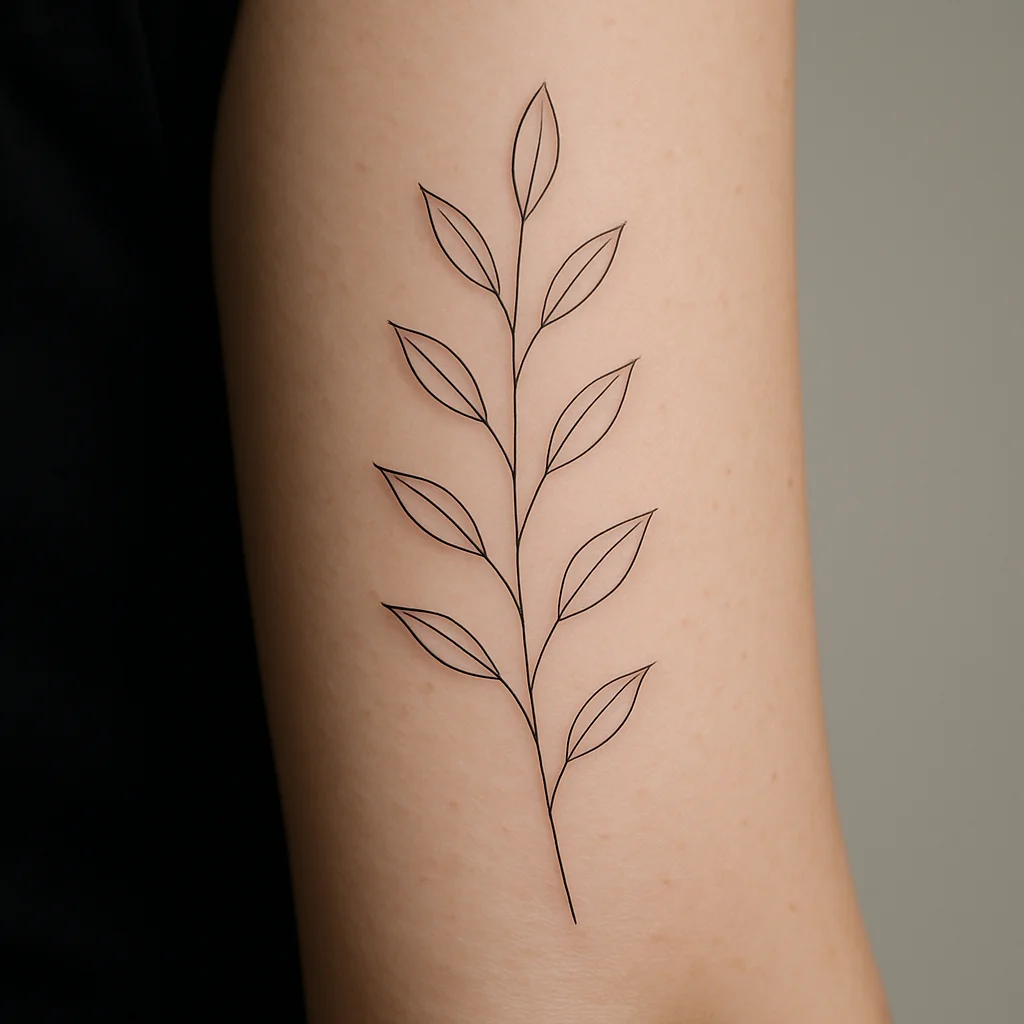
Choosing an artist who specialises
Fine line is a specialism the way watch repair is. Scroll a prospective artist's feed for healed work, ideally six months or older; crisp fresh photos prove very little. Consistent line weight around tight curves is the tell of a steady, practiced hand.
Expect real specialists to be booked out and to charge accordingly, and expect them to edit your idea. When an artist says a stem should lose two leaves or the script needs three more millimetres of height, they are protecting the piece's future, and your money, with knowledge you are paying for.
Placement and skin considerations
Fine work lasts longest on stable, low-friction skin: the forearm, upper arm, shoulder blade, calf and upper back. High-wear zones like fingers, the sides of the feet and the waistband blur every style, but they punish thin lines fastest. Ribs and collarbones are popular for delicate pieces and age reasonably, though the tattooing itself stings more there.
Skin type plays a role too. Very oily or heavily sun-exposed skin diffuses thin lines faster, and older skin with less collagen can hold delicate work surprisingly well but heals more slowly. A good artist reads your skin at consultation and adjusts line weight to it, which is one more reason the consultation is not a formality.
Frequently asked questions
Do fine line tattoos hurt less?
Slightly, for many people. Thinner needle groupings and shorter sessions mean less trauma overall, and there is rarely heavy packing or shading. Placement still dominates: a fine line rib piece will outsting a bold forearm one.
How often will a fine line tattoo need touch-ups?
A well-executed piece on good placement may never strictly need one. Realistically, many owners book a single refresh at the five-to-ten-year mark to re-crisp the lines. Sun-exposed or high-friction placements shorten that interval.
Can fine line work be done in colour?
Yes, though the classic look is black or soft grey. Muted colour washes can be lovely in botanical pieces. Very light pigments like pale yellow or blush fade fastest, so treat colour as an accent, not the structure.
The conversation
No comments yet. Got a thought about these designs? Start us off.
Want to weigh in? Join the community to comment, save designs and try them on your skin.