Tattoo Healing Day by Day: 10 Stages, Pictured
What a healing tattoo actually looks like on days 1, 4, 7, 14 and beyond, stage by stage, plus how placement, ink density and style change the timeline.
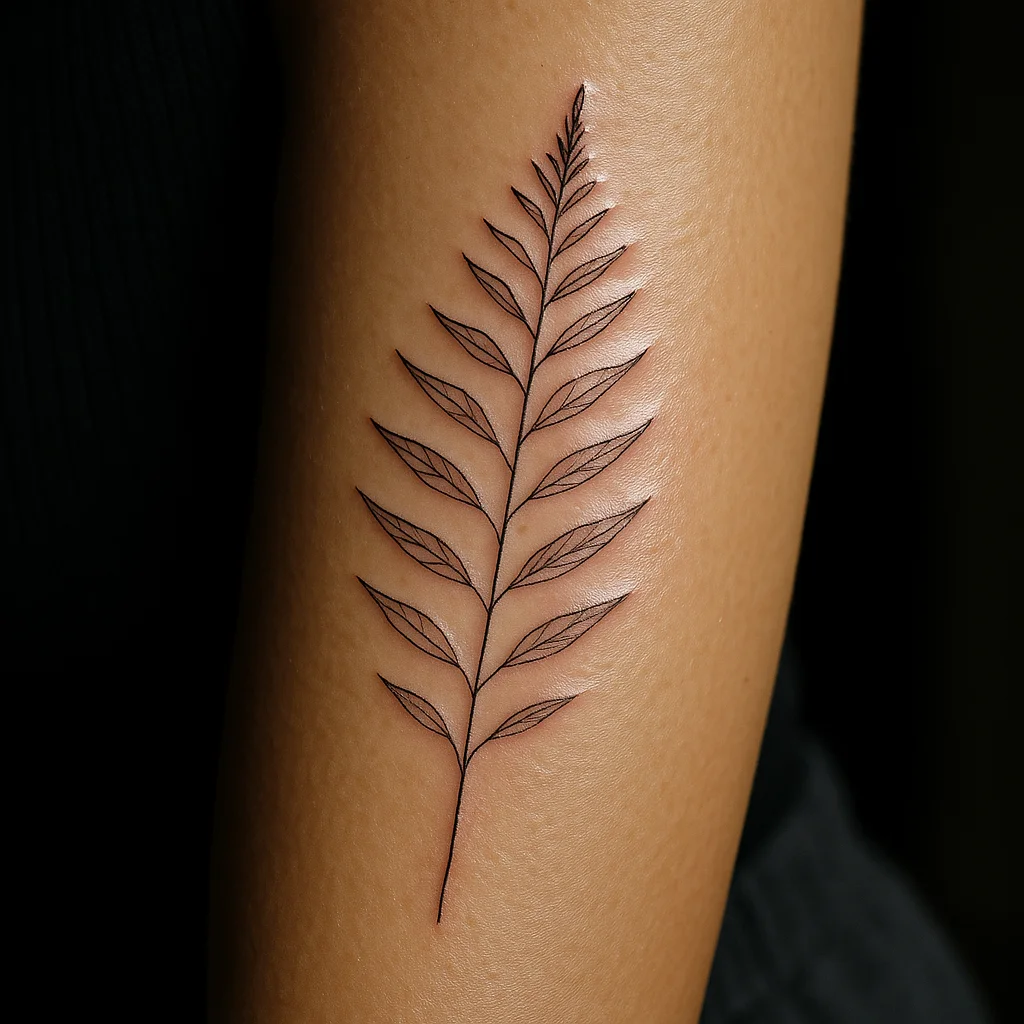
Two layers, two timelines
A tattoo heals on two clocks at once, and almost every panicked message an artist gets at 2am comes from confusing them. The surface — the epidermis, the part you can see and touch — closes over in roughly one to two weeks. The dermis, where the pigment actually sits, keeps remodelling for one to three months after that. So a tattoo can look finished at day 14 and still be quietly settling at week eight.
That gap explains the two things people search for most: why a tattoo looks glossy and perfect on day one, and why it looks dull, cloudy and slightly disappointing around week three. Nothing has gone wrong in either case. You are looking at fresh pigment through an open surface, then looking at the same pigment through a brand-new, slightly opaque layer of skin.
Photos mislead because no two heals look identical. Variables that genuinely change what you will see day by day:
- Skin tone. Redness reads as bright pink on pale skin and as a deeper, warmer flush or subtle darkening on brown and Black skin. Absence of visible redness does not mean absence of irritation.
- Ink density. A solid blackwork panel weeps more and scabs heavier than a single-needle sprig.
- The artist's hand. A heavy, over-worked pass leaves a thicker scab and a longer heal than a clean one.
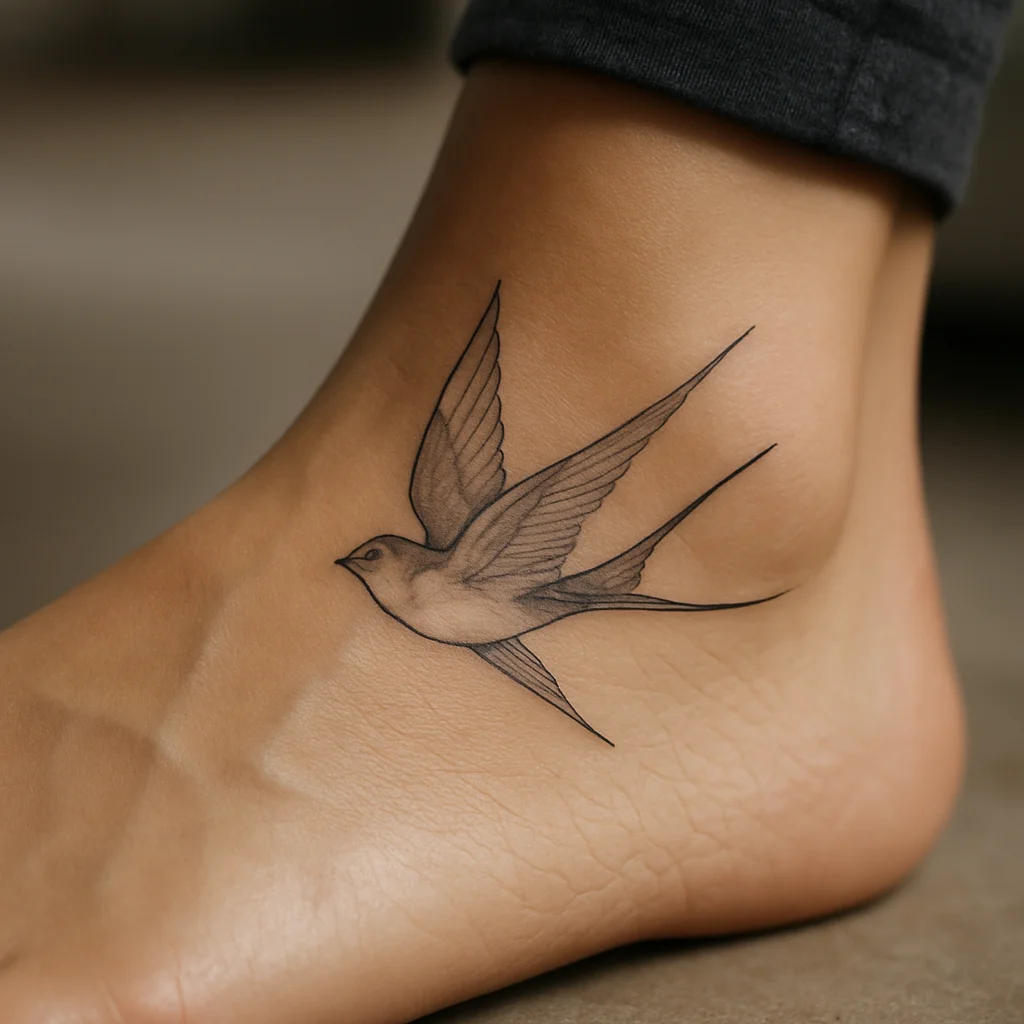
- Placement. Inner arm and ribs heal fast; ankles, feet and hands heal slowly and messily.
- Wrap choice. Adhesive second-skin film pools plasma and looks alarming through the plastic; traditional cling film and ointment gives a drier, flakier look.
Read the stages below as a range, not a schedule. If your day five looks like someone else's day eight, you are still fine.
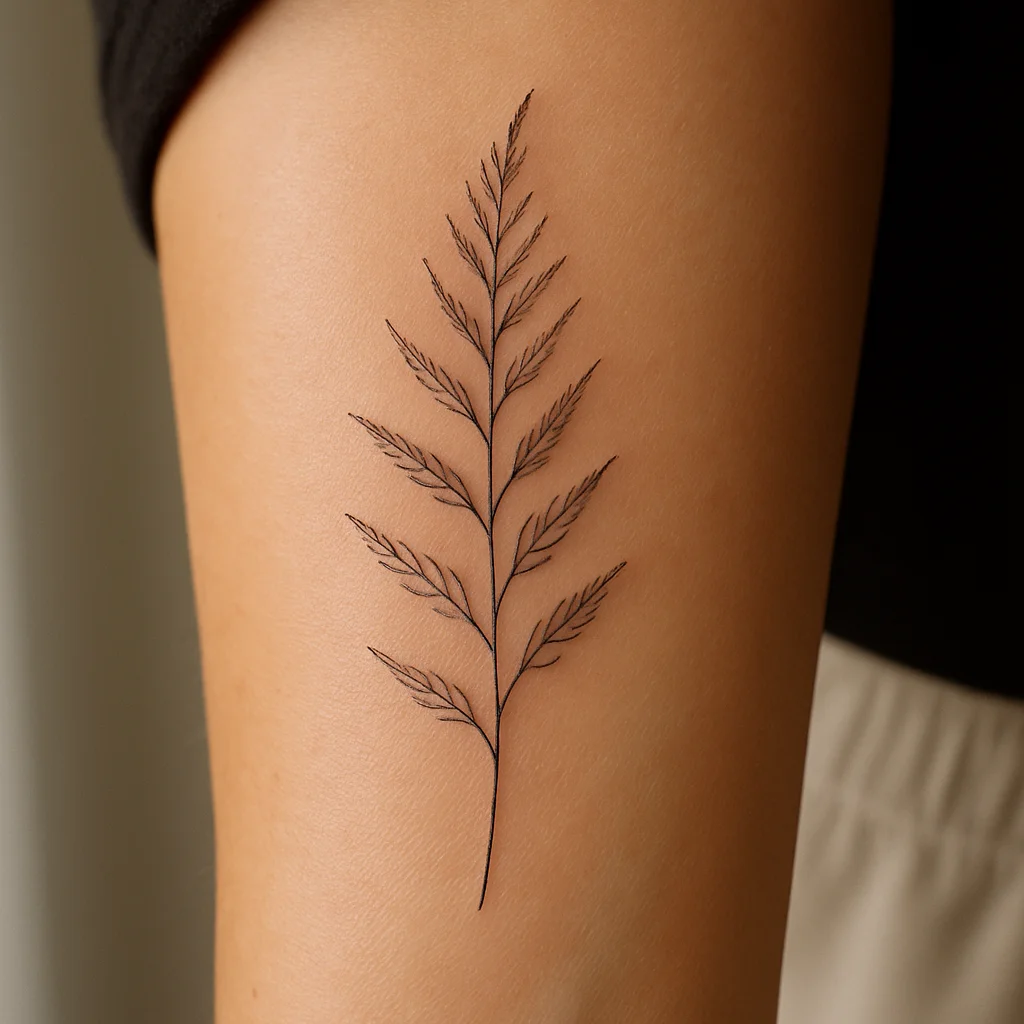
Days 1 to 3: the wet stage
1. Day 1 — brighter than it will ever look again
Straight out of the chair your tattoo is at peak contrast: pigment sits under an open surface with nothing between it and the light, so blacks look inky and colours look saturated. Expect a wet sheen of plasma and a halo of pink or darkened, warm-toned skin one to two centimetres past the outline. Under second-skin film you will see a puddle of cloudy fluid tinted with ink — that is plasma and excess pigment, not your tattoo leaking out.
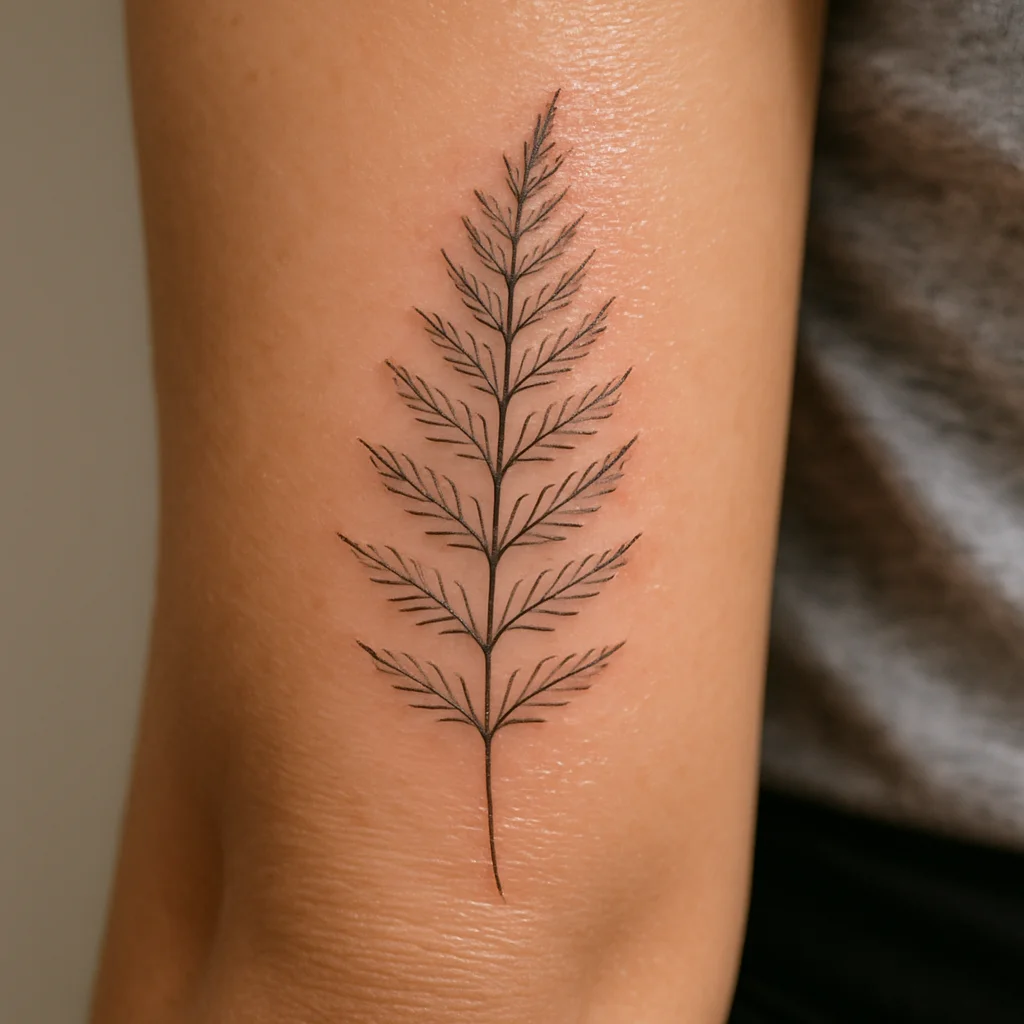
2. Day 2 — swelling and weeping peak
This is the sorest, puffiest day for most people, especially on the inner arm, ribs and anywhere over a joint. The skin feels hot and slightly raised, like a mild sunburn with an ache underneath, and any lining that crossed a bony area may look thicker than it did yesterday. If you are on ointment and a dry heal, this is the day you will wash off the most colour-tinted fluid; wash gently with unscented soap and lukewarm water, pat dry, and use a rice-grain of ointment for a palm-sized area.
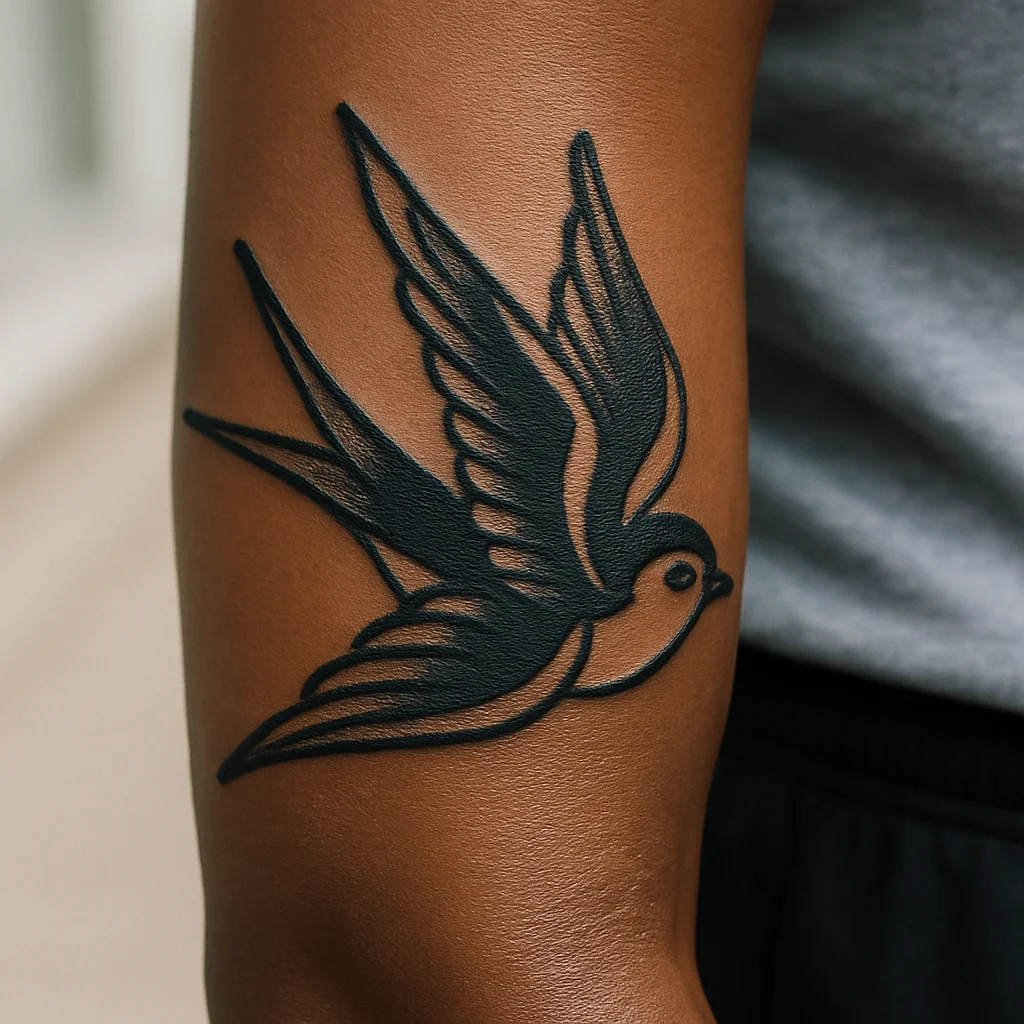
3. Day 3 — the surface tightens and the shine dies
The weeping stops, swelling drops noticeably, and the tattoo starts to look matte and slightly darker or duller as a thin protective layer forms. Dense black areas can feel tacky or faintly crusty at the edges. Tightness across the design is normal — resist the urge to stretch it, and never pick at anything that has started to lift.
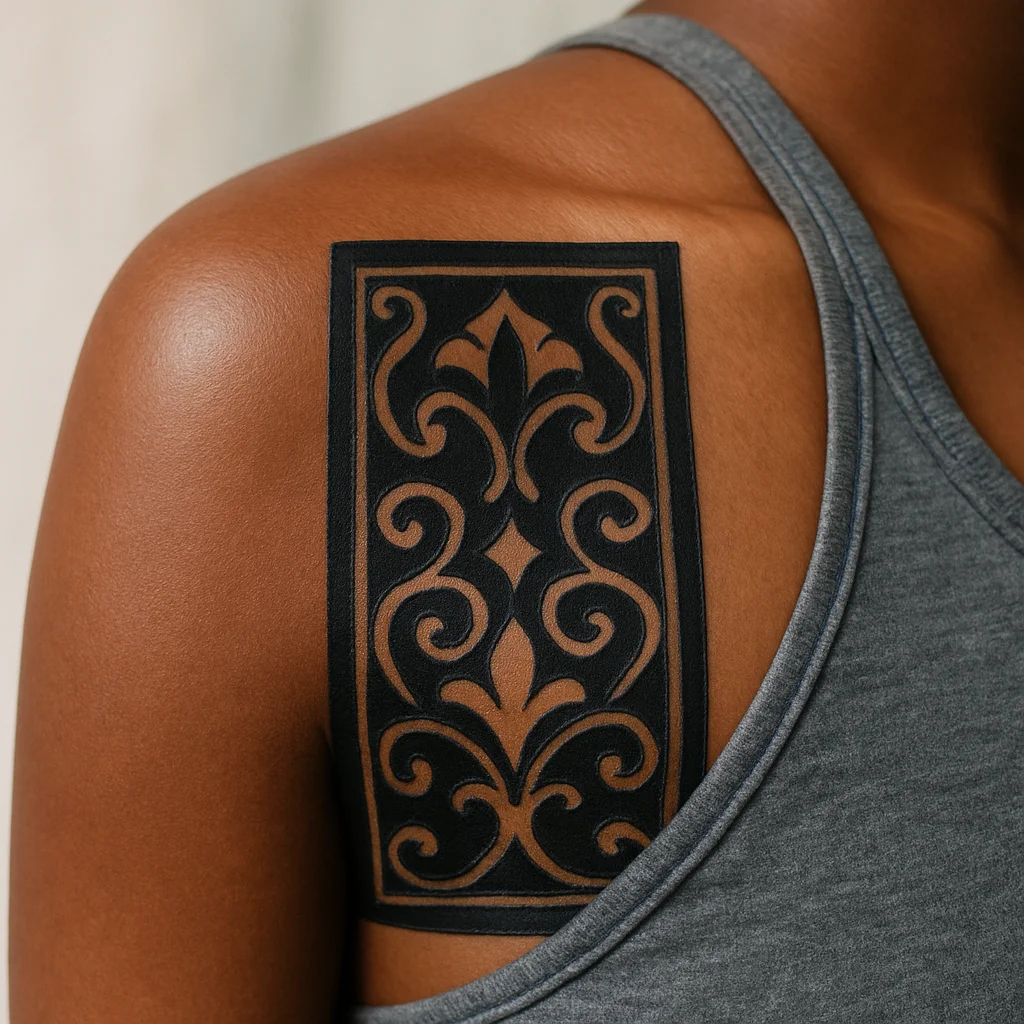
Days 4 to 14: flaking, itch, and the cloudy layer
4. Day 4 — the first flakes appear at the edges
Fine, translucent skin starts lifting where the lines are thinnest, usually at the outer edges of the design first. On small script or single-needle work the flake is barely more than dry-skin dust; on colour packing it comes off in tinted sheets that look terrifying in the shower. Keep moisturising thinly, twice or three times a day — over-greasing traps moisture and softens scabs into a gummy mess.
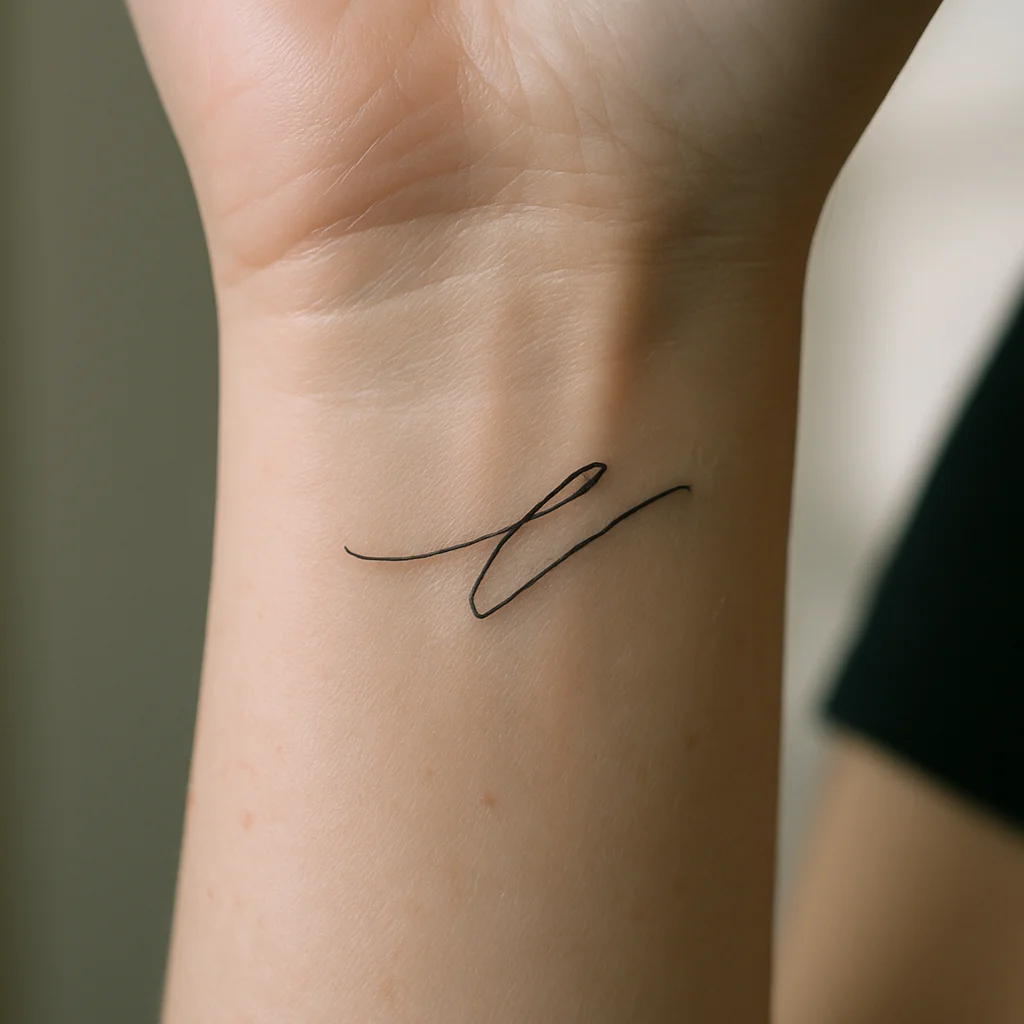
5. Days 5 to 7 — full peel and peak itch
The whole tattoo flakes at once, curling like cornflakes, and the itch arrives with it. This is the highest-risk window for self-sabotage: scratching or pulling a half-attached flake takes pigment with it and leaves a pale patch you will see forever. Slap the area lightly through clean hands or press a cool palm against it instead, and expect the design to look blotchy — some patches already peeled, some still covered.
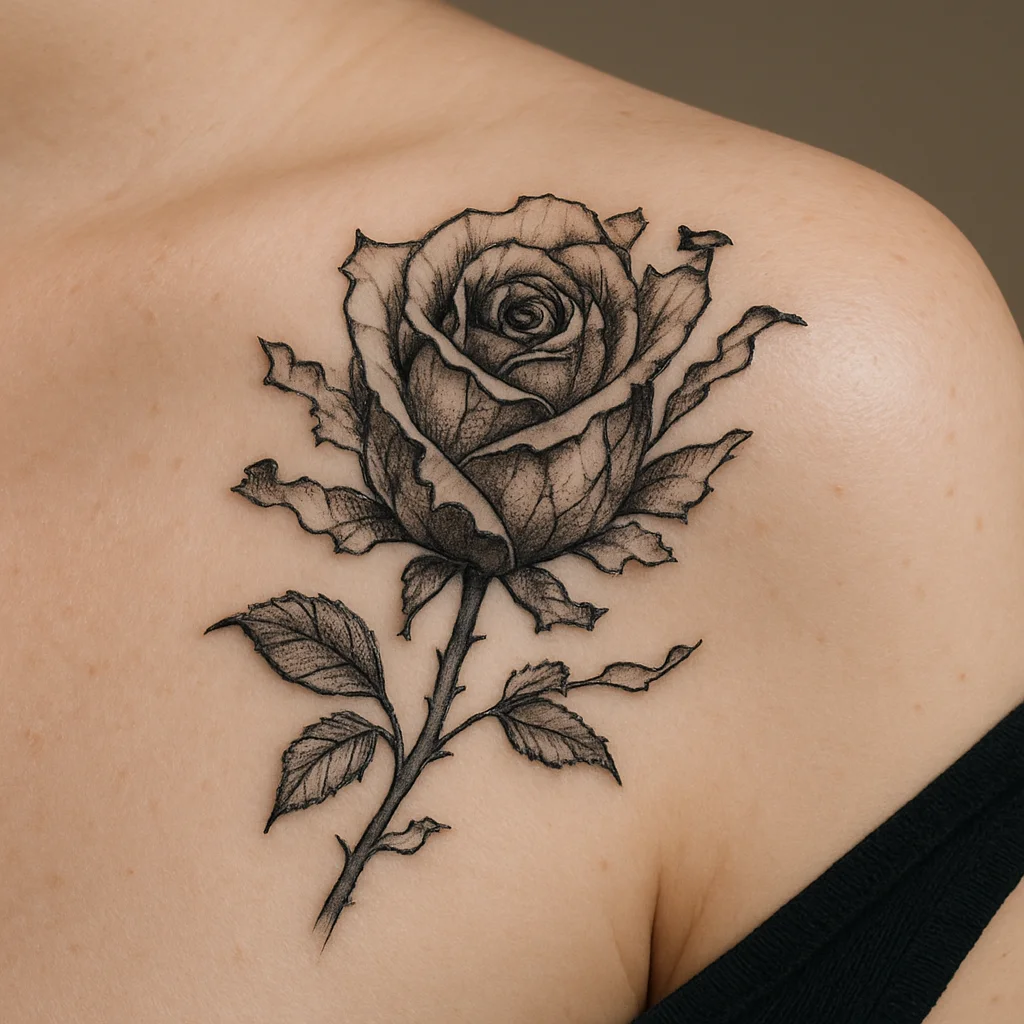
6. Days 8 to 10 — patchy shine and stubborn thick spots
Most of the surface has renewed and reads shiny in raking light, but heavy black fill, deep colour packing and any spot the artist worked twice will still carry thin scabs. A tattoo at this stage genuinely looks two-tone: crisp and dark where it has peeled, dull and slightly raised where it has not. Do not rush the last scabs off — they will release on their own within a couple of days.
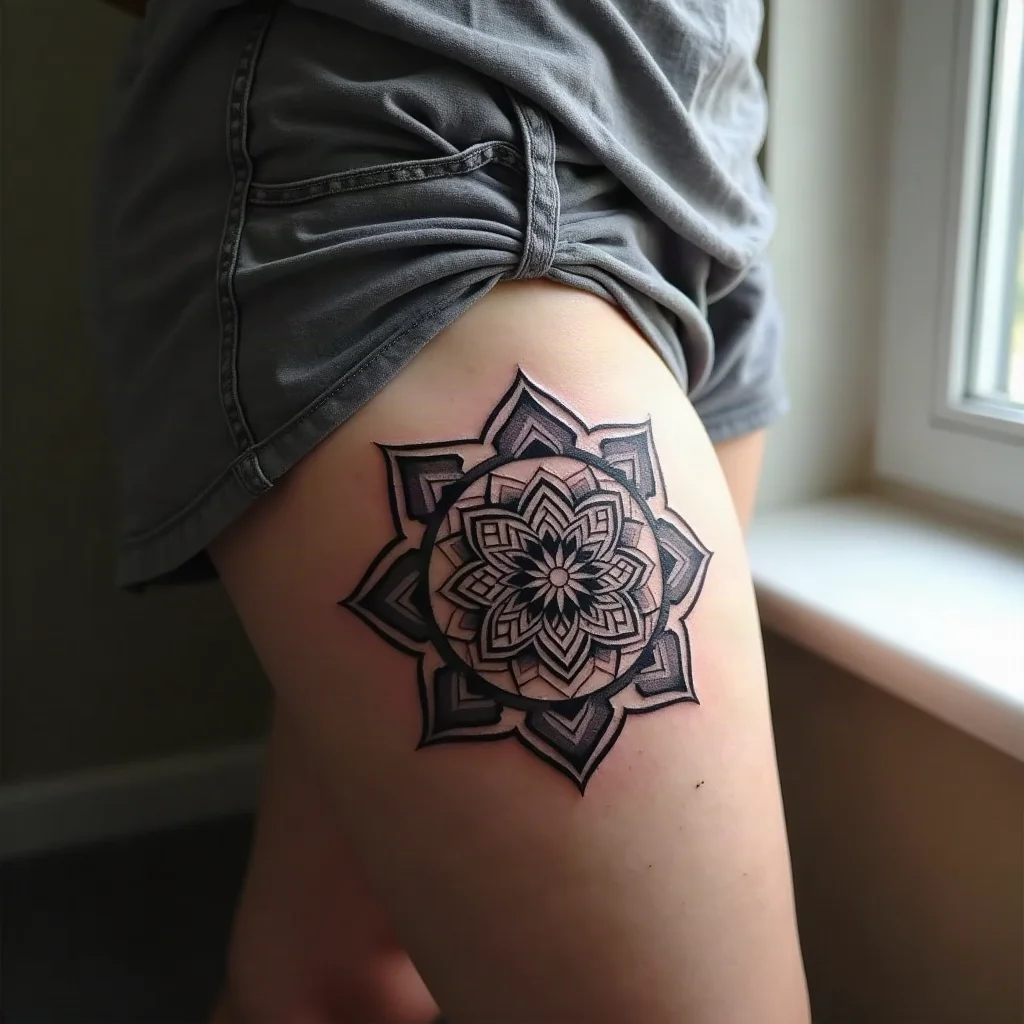
7. Days 11 to 14 — the itch fades, the milky look begins
Flaking is essentially done and the surface feels smooth to a fingertip, but the tattoo now looks softer and hazier than it did on day one. That is the new epidermis: fresh, thick, slightly opaque, sitting over your pigment like tracing paper. Fine-line work is most affected here, and this is the point at which people start convincing themselves their tattoo has faded.
Weeks 3 to 8: the slump and the settle
8. Week 3 — the murky window nobody warns you about
This is the flattest your tattoo will ever look. Lines appear grey-blue rather than black, colours look muted, and small details can seem to have merged. Nothing is lost; you are viewing pigment through skin that has not yet thinned and cleared. Take a photo, put it away, and do not book a touch-up now — no reputable artist will assess a tattoo at three weeks.
9. Weeks 4 to 5 — clarity comes back
The new epidermis thins and settles, and contrast returns almost visibly week to week. Texture evens out too: run a fingertip across the design and any slight raising over heavy black should be gone or nearly gone. Weather changes, exercise and hot showers can still make old lines flush pink temporarily — that is a normal vascular reaction, not an infection.
10. Weeks 6 to 8 — settled, and time to judge it honestly
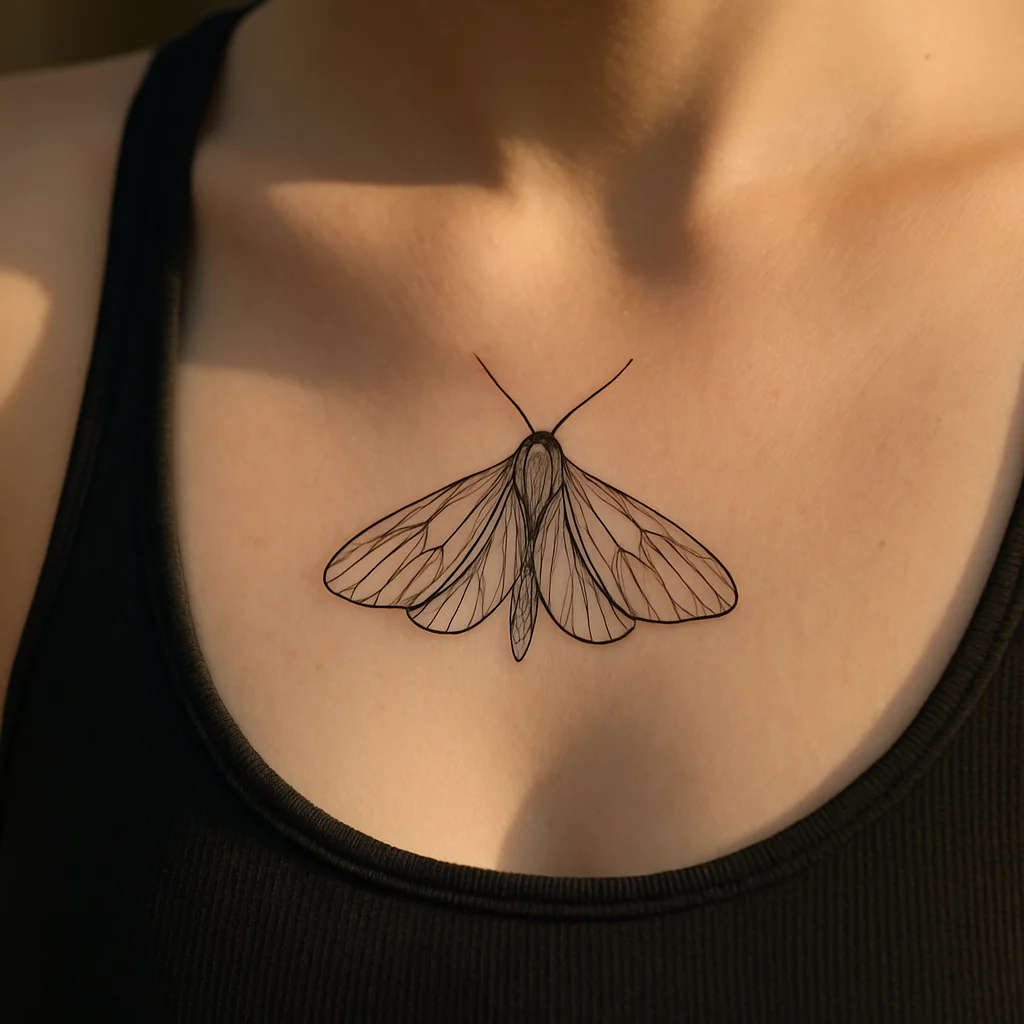
By now the surface matches the skin around it and the dermis has finished most of its remodelling. This is the right moment to look for genuine issues: a line that dropped out, a patchy area in solid fill, a soft spot where a scab was knocked. Photograph it in daylight and message your artist — most include one free touch-up within a few months, and even paid ones tend to be a shop-minimum job rather than full price.
Normal ugly versus actually wrong
Most of what looks alarming in a day-five photo is textbook. The short list of things that are fine: cloudy fluid under second-skin, ink-tinted flakes in the shower, itching, a raised feel over heavy black, patchy shine, and a dull week three. Add to that a temporary pink flush around old lines after a hot shower or a gym session.
The things worth acting on are different in character — they get worse instead of better, and they usually start after day three rather than before it:
- Spreading redness that expands past the original halo, especially with streaks running away from the tattoo.
- Increasing pain or heat after day three, when soreness should be receding.
- Thick yellow or green discharge, or a smell. Clear or straw-coloured plasma in the first 48 hours is normal; pus is not.
- Fever, chills or swollen glands — go to a doctor, not to your artist.
- An itchy raised rash confined to one colour, classically red pigment. That pattern suggests a pigment sensitivity and needs a medical opinion.
- Tiny pimple-like bumps across the whole piece, which usually means over-moisturising or a reaction to a scented product. Strip back to plain washing and a very thin balm.
Photograph anything suspicious in natural daylight, same angle, twice a day. A sequence of images tells your artist or GP far more than a single dramatic shot, and it stops you from making a 3am decision based on bathroom lighting.
Why your heal looks different from the photos online
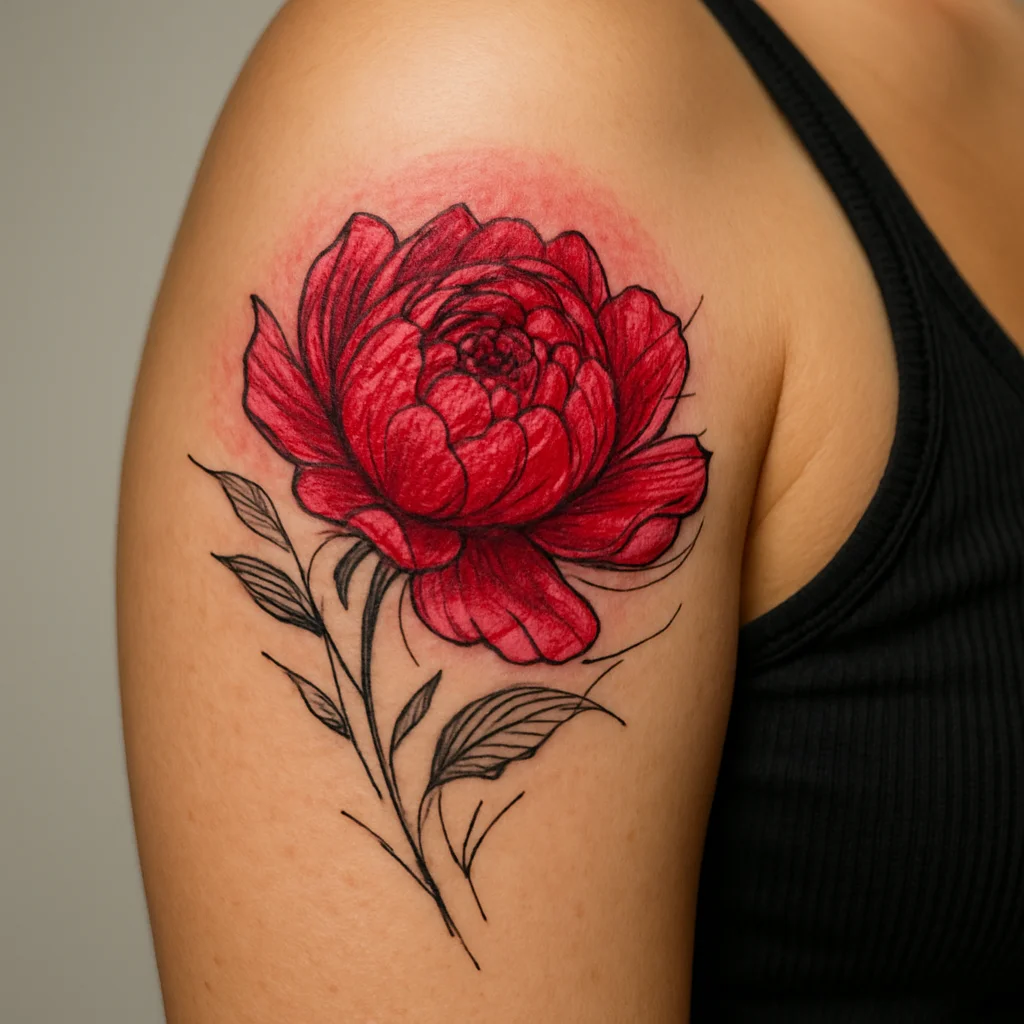
Two people can get the same design on the same day and be at visibly different stages by Friday. Placement is the biggest lever. Inner forearm, upper arm, thigh and ribs sit over well-supplied, low-movement skin and typically peel early and finish clean. Elbows, knees, ankles, feet and hands flex constantly, sit far from the heart and rub against shoes, cuffs and desks — they crack, scab thicker, and can run a week or two behind. Fingers and palms are their own category: expect patchy healing and plan for a touch-up from the start.
Style matters just as much:
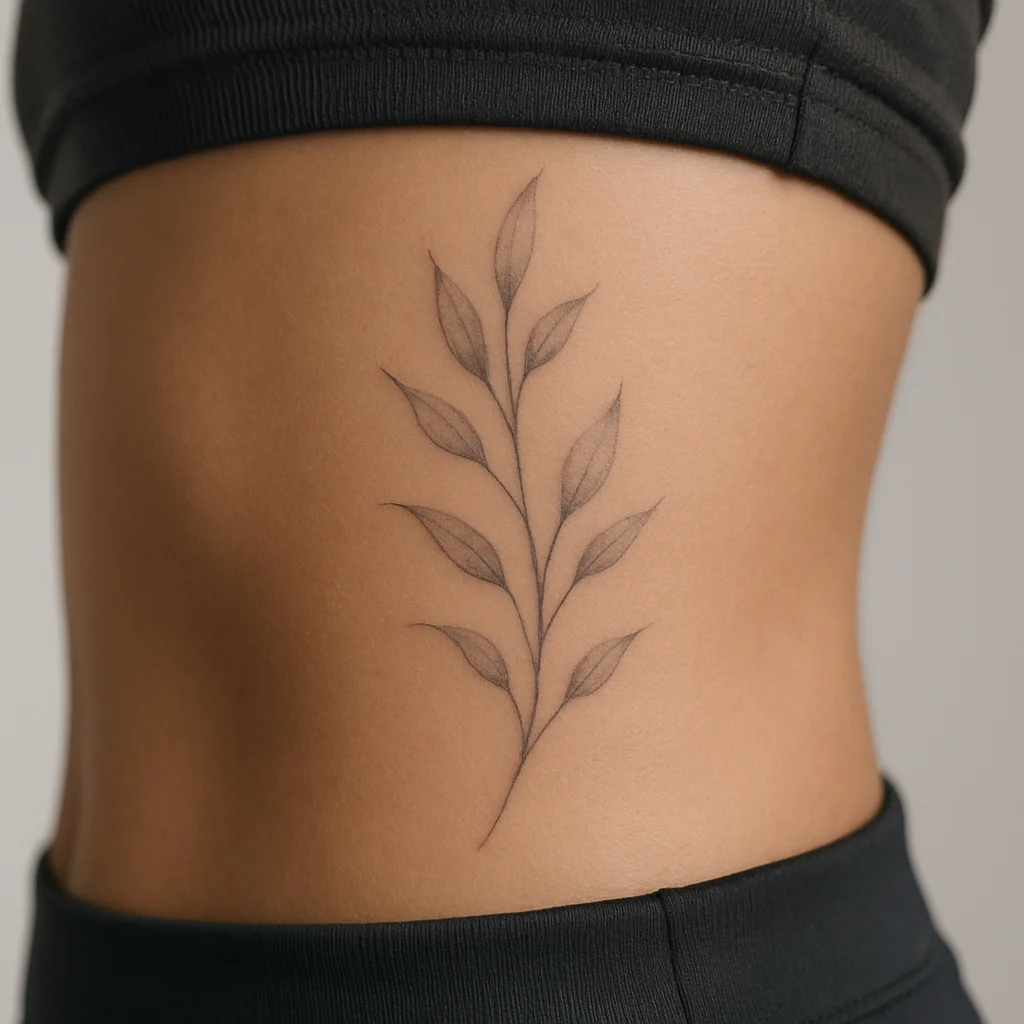
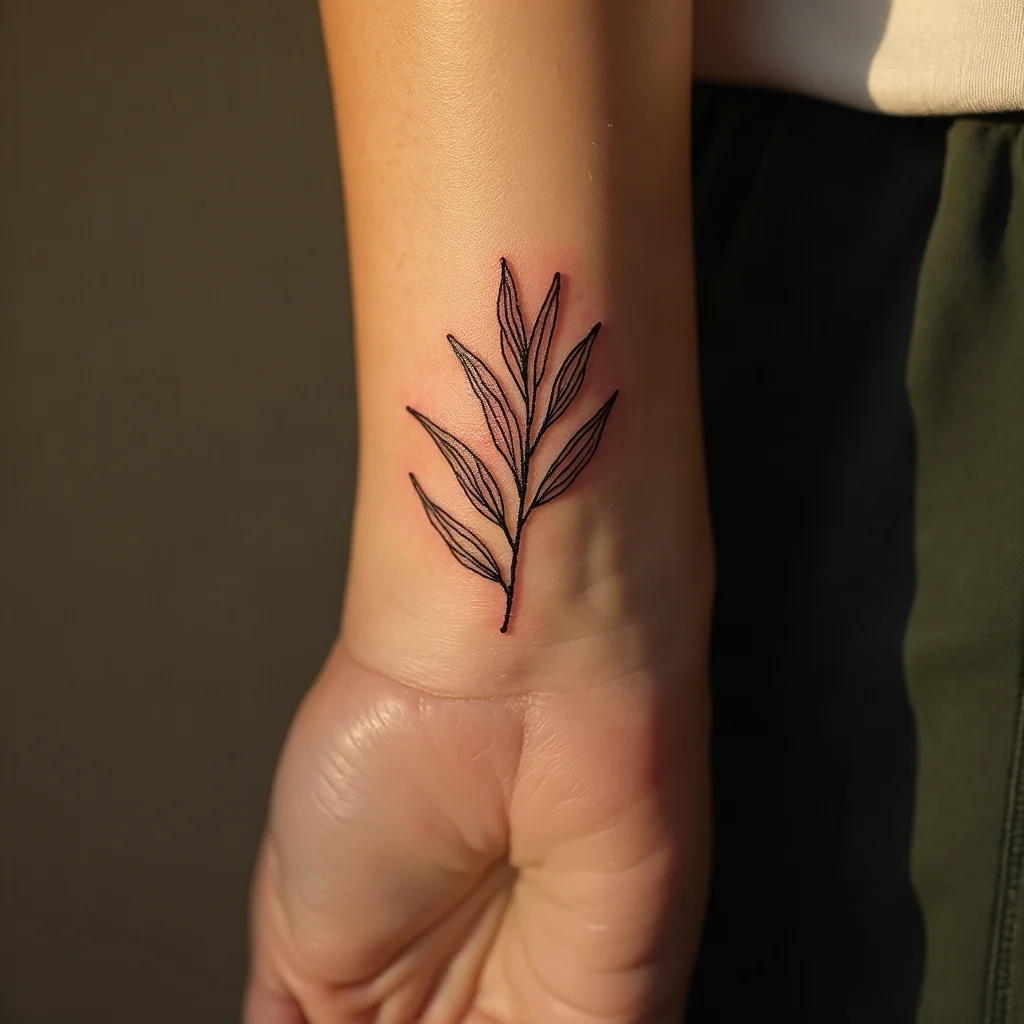
- Fine-line and single-needle heals fastest and flakes least, but shows the milky week-three phase most dramatically because there is so little pigment to see through the haze.
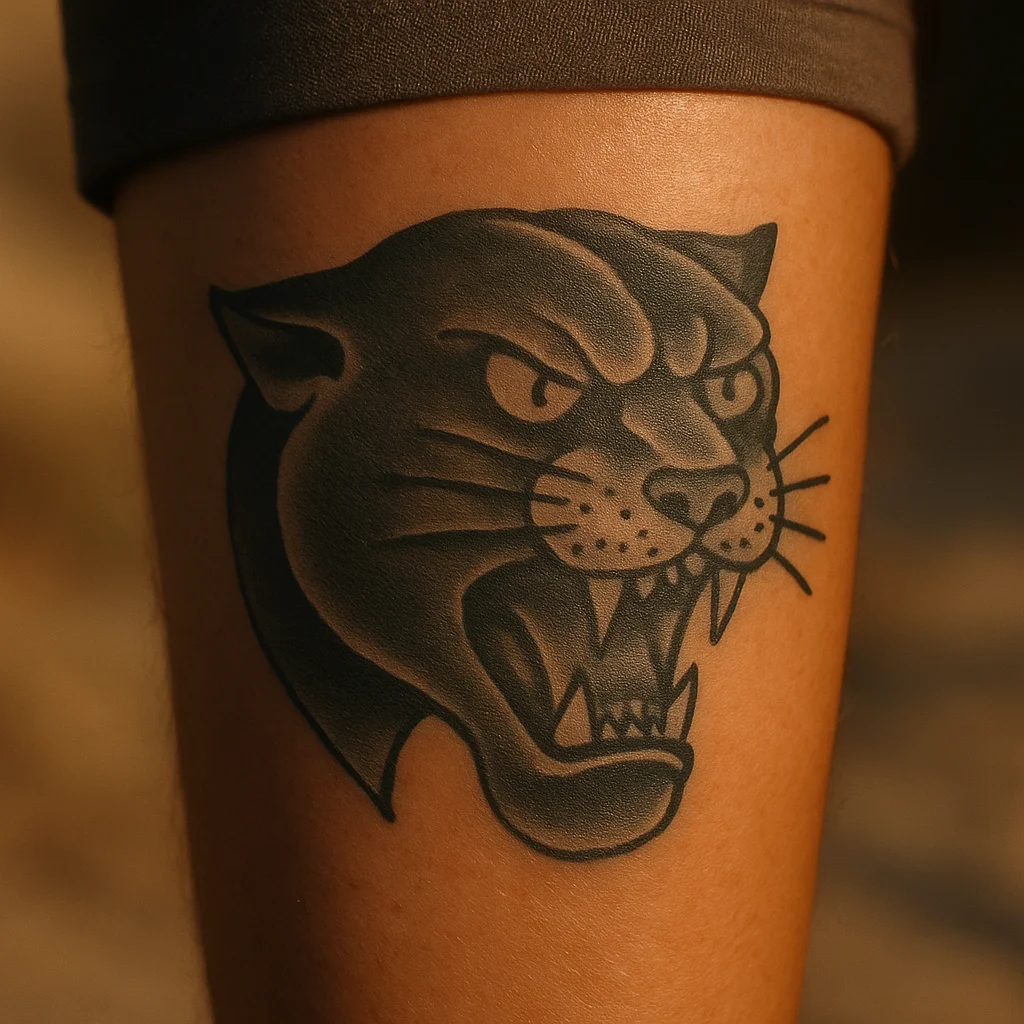
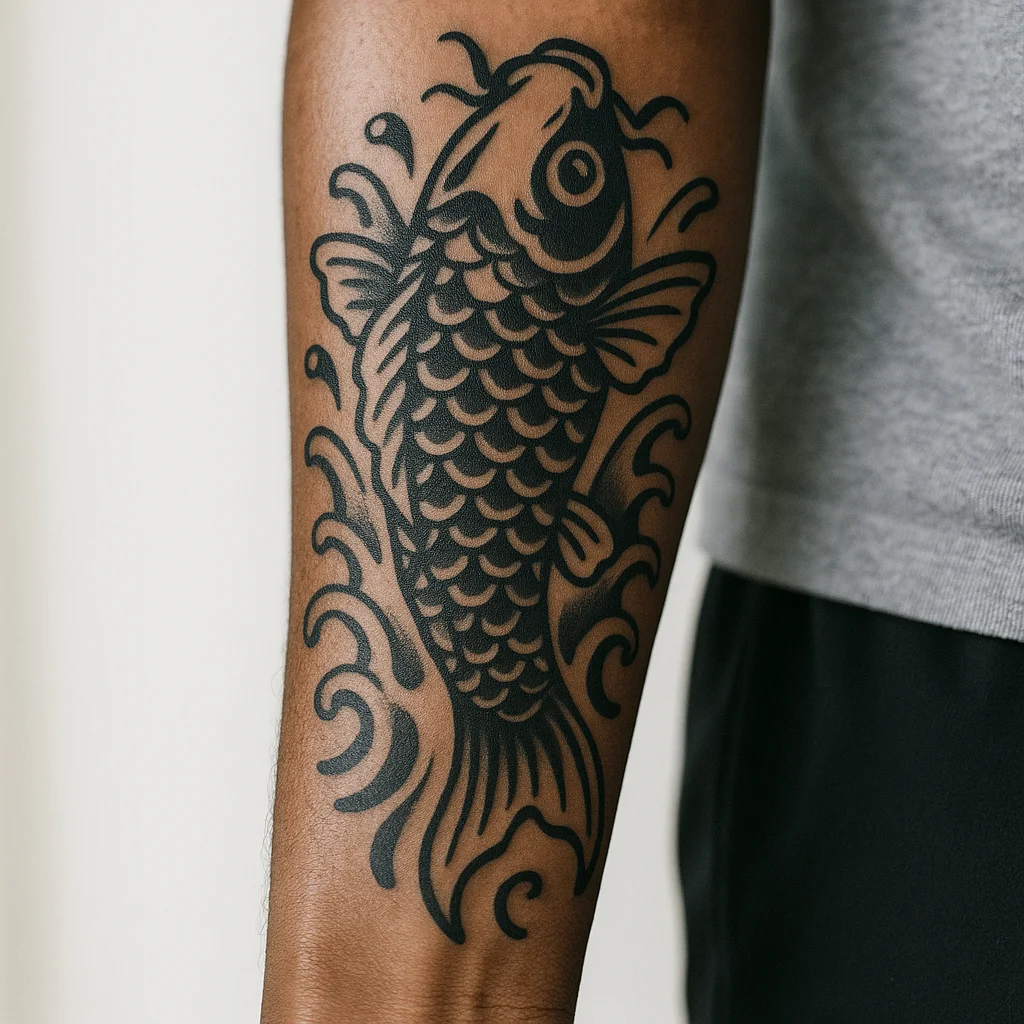
- Bold traditional weeps more in the first two days and peels in satisfying sheets, then holds contrast beautifully once settled — the outline does the heavy lifting.
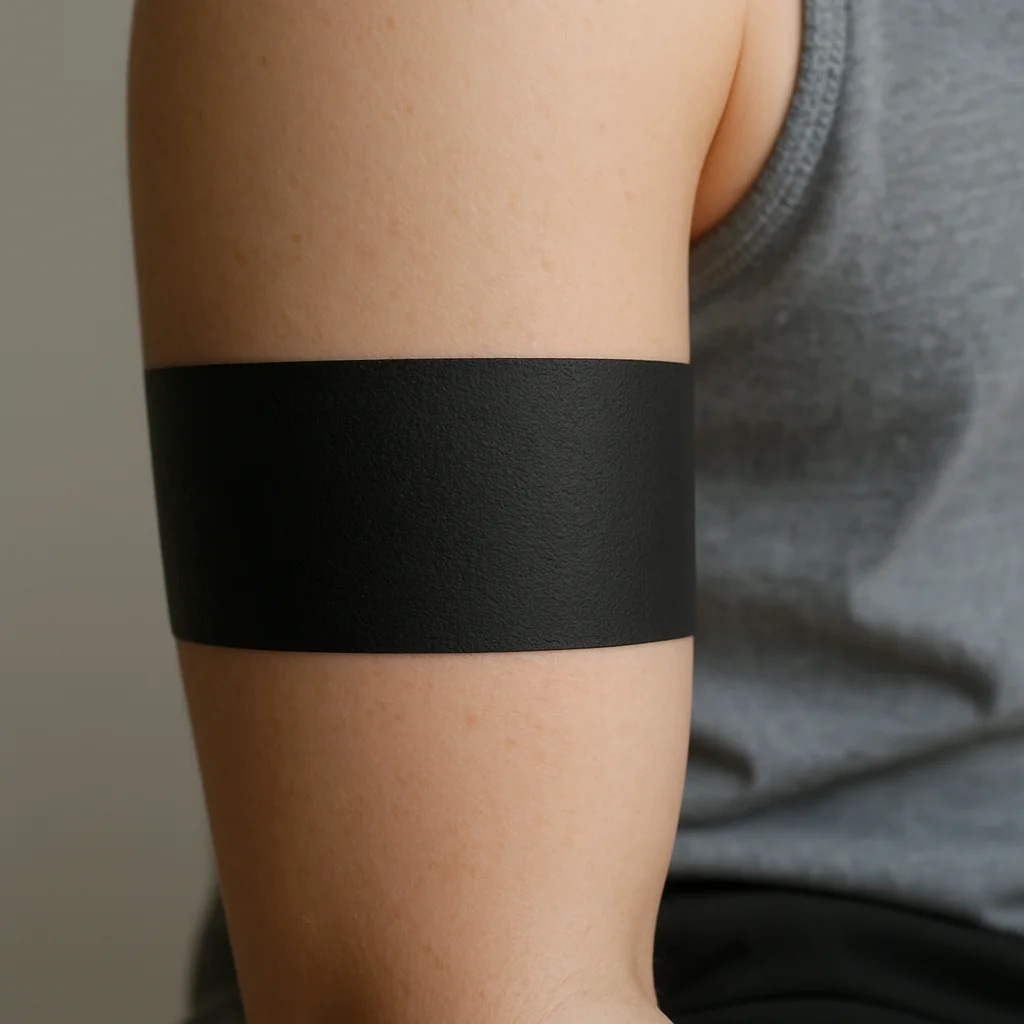
- Blackwork and heavy fill produces the thickest scabs and the longest raised-texture phase. Solid black can look scuffed or grey at week two and pull back to true black by week six.
- Colour realism and soft shading is the hardest to judge early; light grey wash and pastel tones look almost absent under new skin and reappear late.
Your own body matters too. Smoking, poor sleep, sunburn on the area, heavy drinking in the first 48 hours and certain medications all slow the surface heal. Sun is the one long-term factor most people underrate: once healed, a daily habit of SPF on exposed placements does more for how a tattoo looks at year ten than any product you use in week one. If you want the full routine rather than the timeline, our 30-day aftercare guide covers the washing, wrapping and product decisions in detail.
Documenting it properly, and what a touch-up costs
If you want a day-by-day record that is actually useful — to yourself, to your artist, or to a doctor — shoot it like a comparison, not a portrait. Same time of day, same spot near a window, no flash, no filters, phone roughly 30cm away and parallel to the skin. Flash flattens texture and hides the redness you might need to show; artificial warm light makes healthy skin look inflamed. Take one on day 1, then days 3, 5, 7, 10, 14, and once a week to week eight.
Keep a note with each shot: how it feels, what you washed with, what you moisturised with. When people report that a tattoo
Frequently asked questions
How long does a tattoo really take to heal?
The surface closes in roughly one to two weeks, which is when peeling finishes and the skin feels smooth again. The deeper layer keeps settling for another one to three months, which is why contrast improves noticeably between week three and week six. Judge the final result at about two months, not at two weeks.
Is it normal for ink to come off while peeling?
Yes. The flakes are dead epidermis stained with excess pigment that never settled in the dermis, so tinted skin in the shower is expected. What is not normal is a pale gap left behind after you have picked or scratched a scab off early. Let every flake release on its own.
Why does my tattoo look faded and blurry at three weeks?
You are looking at your pigment through a fresh, slightly opaque layer of new skin. This milky or cloudy phase peaks around week three and clears over the following two to three weeks as that layer thins. Fine-line work shows it most dramatically, so wait until week six before worrying.
When can I go back to the gym, swim or sunbathe?
Light movement is fine within a couple of days, but avoid heavy sweating and anything that rubs the area until peeling is done, usually around two weeks. Full submersion in pools, baths, lakes and the sea should wait until the surface is completely closed, generally two to three weeks. Keep the tattoo out of direct sun until it has settled, then use SPF on it for life.
When should I book a touch-up, and what will it cost?
Wait at least six to eight weeks so the artist judges the settled result rather than a healing one. Many artists include one free touch-up within a set window if you have followed aftercare; outside that, expect a shop minimum to an hourly rate for anything substantial. Hands, fingers, feet and elbows need touch-ups most often, so budget for one from the start.
The conversation
No comments yet. Got a thought about these designs? Start us off.
Want to weigh in? Join the community to comment, save designs and try them on your skin.