Tattoo Aftercare: What the First 30 Days Really Need
Healing is half the tattoo. A day-by-day aftercare walkthrough for the first thirty days: washing, moisturising, the peel, and the mistakes that blur ink.
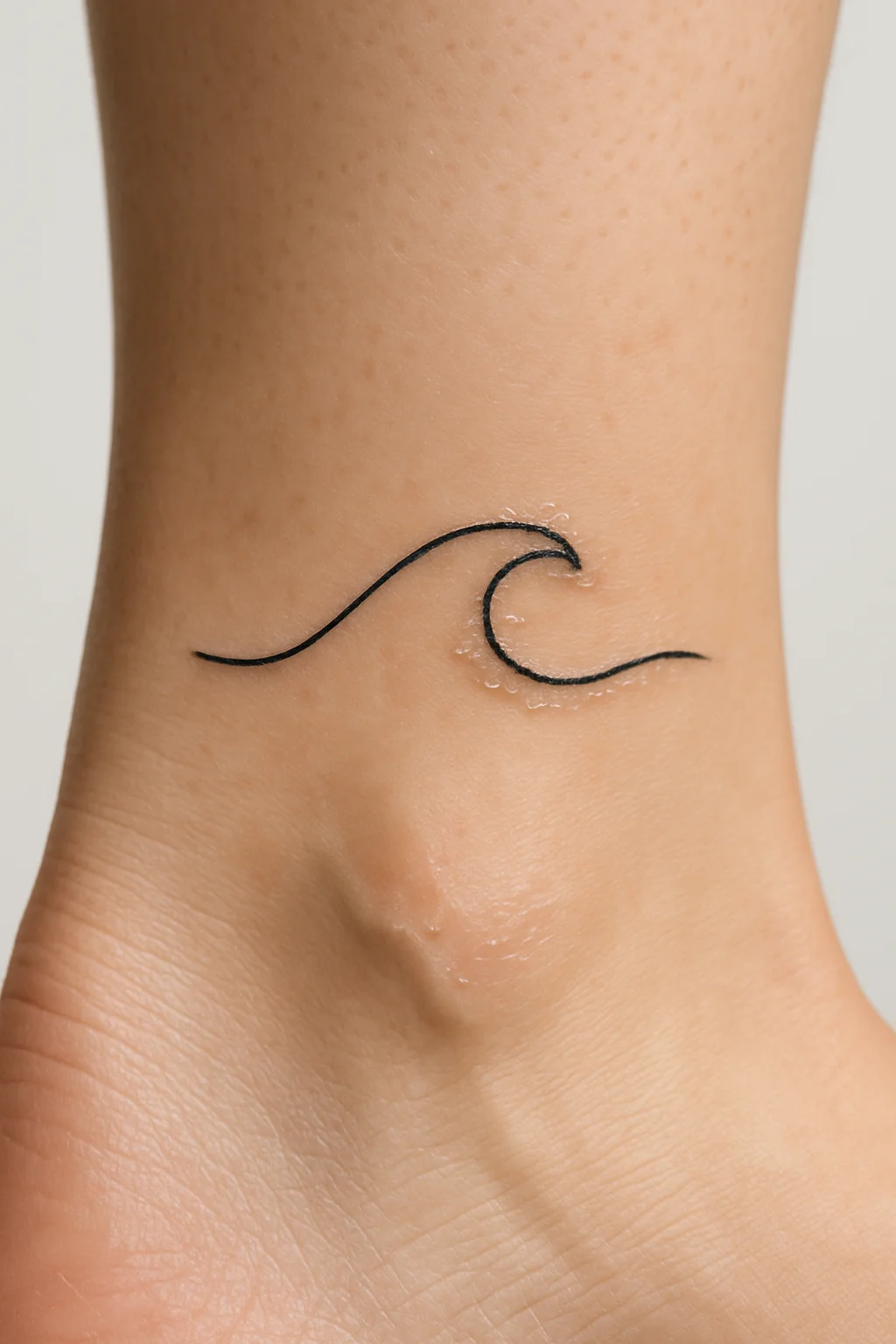
The first 24 hours: bandages and common sense
A finished tattoo is, medically speaking, a clean superficial wound, and the first day sets the tone for the whole heal. Your artist will cover it with either classic film and tape or an adhesive second-skin wrap. Follow their removal timing over anything you read online, including this: classic wraps usually come off after two to four hours, while second-skin products often stay on for several days.
When the wrap comes off, wash your hands, then wash the tattoo gently with lukewarm water and a fragrance-free soap. Do not scrub; let lather and water do the work, then pat dry with a clean paper towel. Expect weeping of ink and plasma, mild swelling and a sunburn feeling. That is the body doing its job, not a problem to solve.
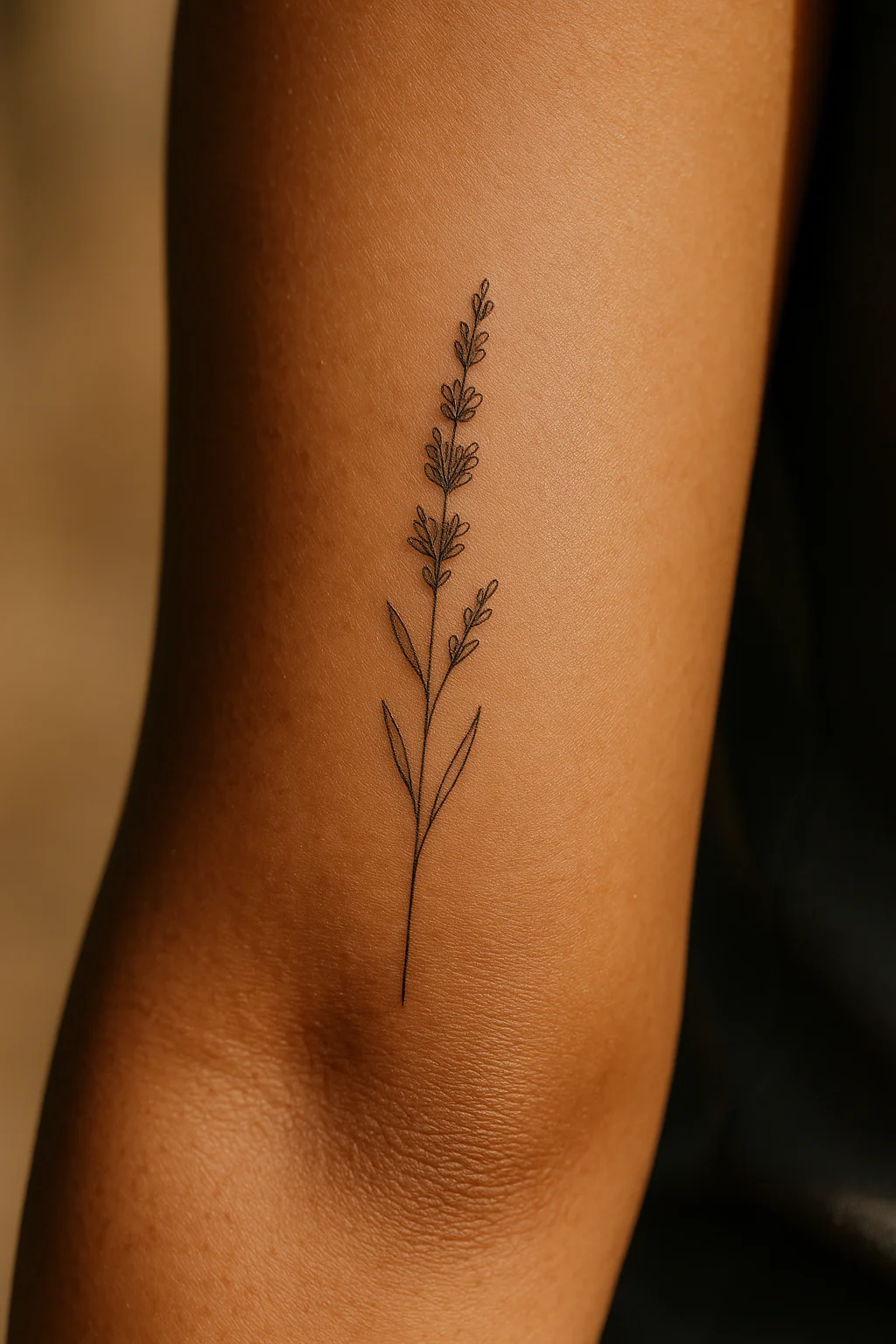
Days two to six: wash, moisturise, repeat
The routine for the first week is boring on purpose: wash the tattoo twice a day, morning and evening, and apply a thin layer of fragrance-free moisturiser or a dedicated tattoo balm afterwards. Thin is the entire secret. A suffocating slab of ointment traps moisture and bacteria; a barely-there film keeps skin supple while letting it breathe.
- Wash with clean hands only, never a cloth or sponge
- Pat dry with paper towel; regular towels harbour bacteria and lint
- Moisturise in a thin, nearly invisible layer, two to three times daily
- Wear loose, clean clothing over the area, ideally soft cotton
- Sleep on clean sheets, and avoid sleeping directly on the tattoo where possible
Showers are fine and encouraged; soaking is not. Skip baths, pools, hot tubs and the sea entirely for now. Submersion softens the healing surface and invites bacteria into an open door.
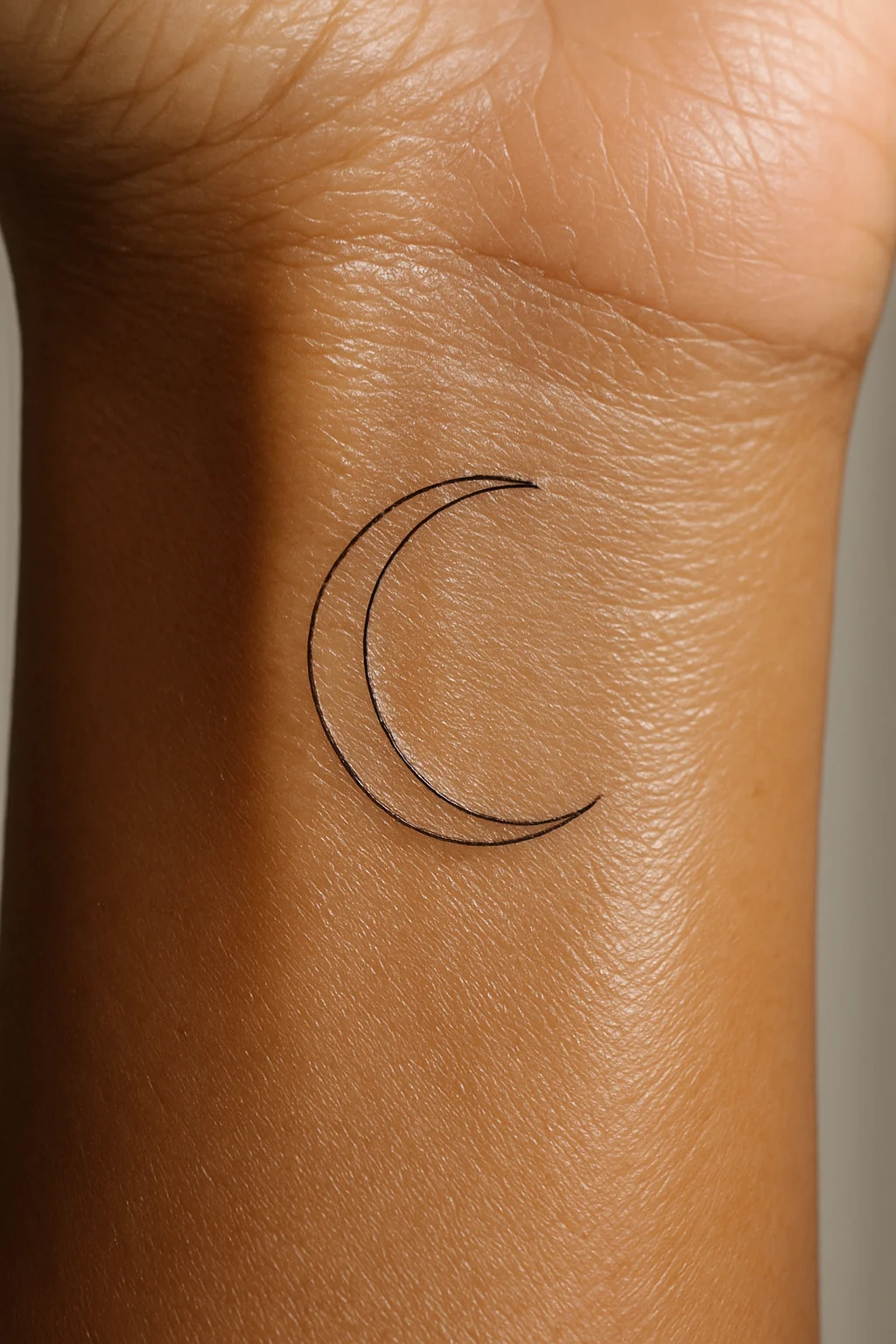
The peel: days seven to fourteen
Around the end of the first week, the tattoo peels like a sunburn, and this is where good heals are won or lost. Flakes of coloured skin will shed; this is surface skin the ink no longer needs, not your tattoo escaping. The itch can be genuinely maddening. Slap it gently, press a clean cool palm against it, moisturise, and do anything except scratch.
Absolutely do not pick. A flake pulled before its time takes healing skin with it, and that is how tattoos end up with pale patches and gaps that need touch-ups. Scabs, if any small ones form, get the same treatment: total diplomatic immunity until they leave on their own.
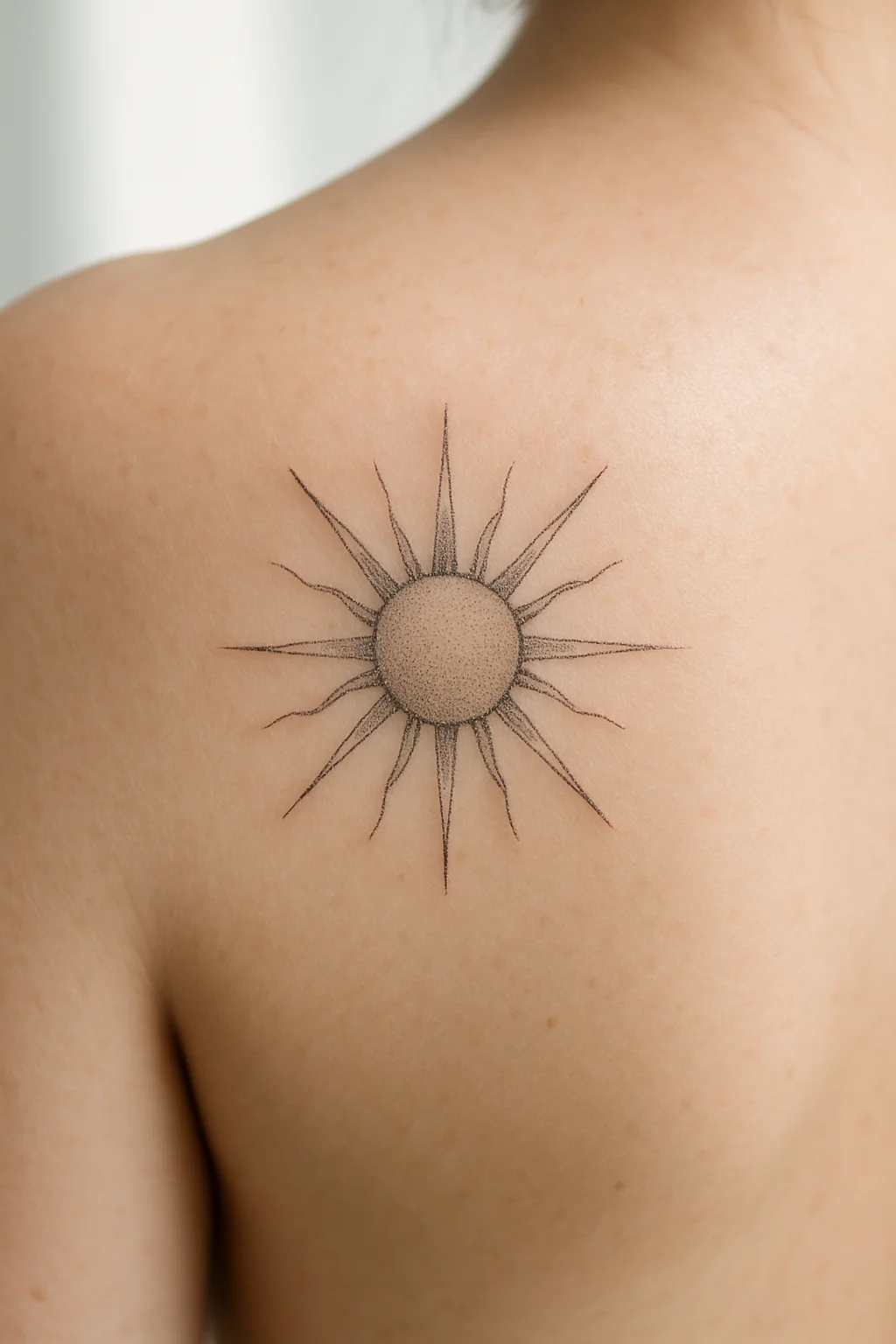
Weeks three and four: the long middle
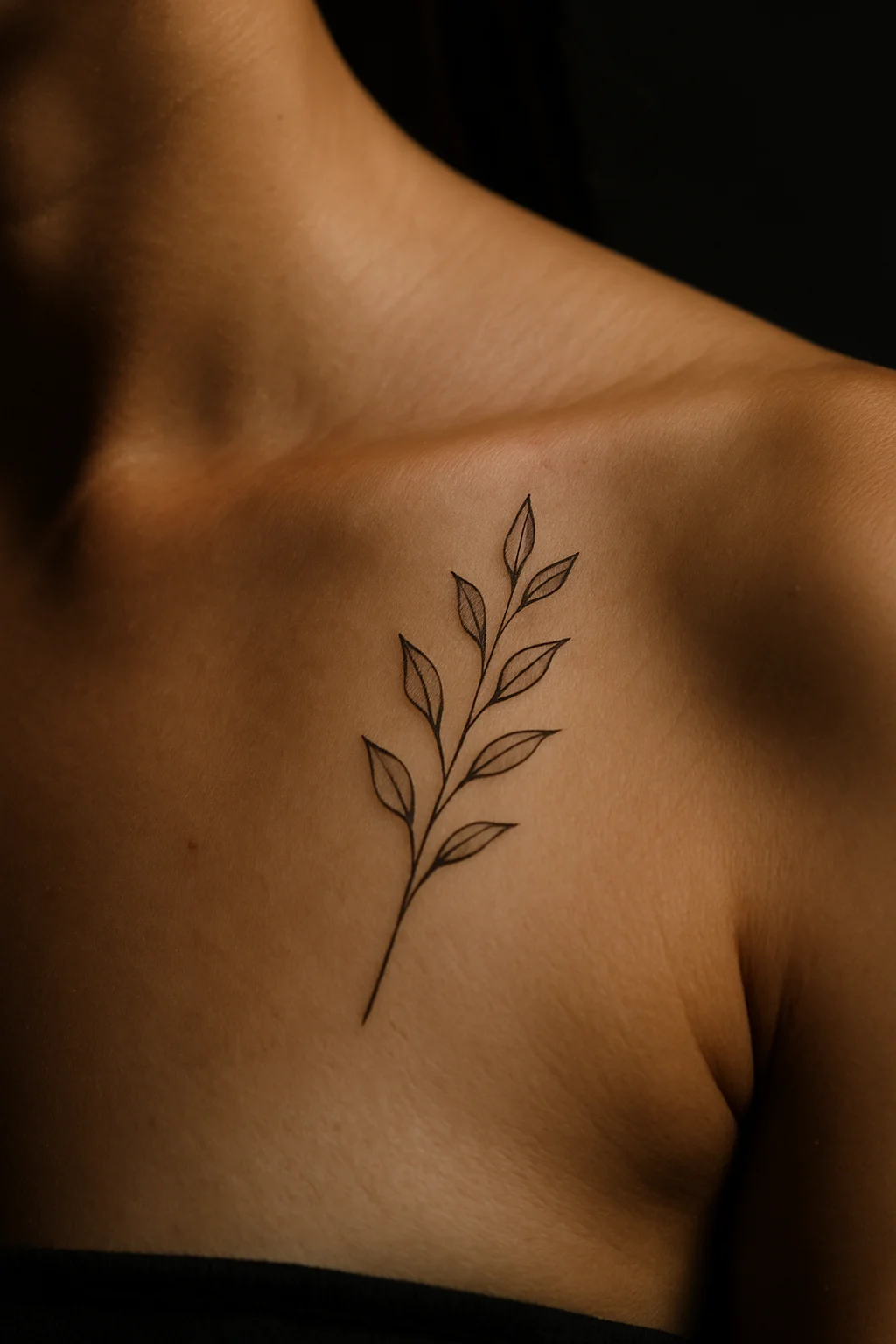
By week three the surface usually looks healed, and this is the most deceptive stretch of the process. Under the surface, deeper layers are still rebuilding, which is why the tattoo may look slightly cloudy or milky. Keep moisturising daily and keep the sun off it; that haze lifts on its own as the skin finishes its work, typically by weeks four to six.
You can return to swimming and proper exercise once the surface is fully closed, no scabs, no open shine, usually from week three onward. When the tattoo is fully settled, sunscreen becomes the lifetime habit that separates decade-old tattoos that look sharp from those that look like rumours. SPF 30 or higher, every time the piece sees real sun.
Mistakes that blur good ink
Almost every ruined heal traces back to a short list of avoidable habits:
- Picking and scratching during the peel
- Over-applying ointment until the skin cannot breathe
- Soaking in pools, tubs or the sea during the first two weeks
- Sunbathing on a fresh tattoo, or skipping sunscreen on a healed one
- Heavy gym sessions in the first days: sweat, friction and stretched skin
- Using scented lotions, exfoliants or petroleum-heavy products
- Ignoring genuine infection signs instead of calling a professional
On that last point: increasing redness after day three, heat, swelling that grows rather than shrinks, streaking, fever or foul-smelling discharge are reasons to contact a doctor promptly. True infections are rare with professional work, but they are not something to diagnose by forum.
Frequently asked questions
How long does a tattoo take to heal completely?
The surface closes in two to three weeks, but full healing through the deeper layers takes four to six weeks, sometimes longer for large or heavily saturated pieces. Treat the one-month mark as the earliest true finish line.
Which moisturiser should I use?
Any fragrance-free, gentle moisturising lotion or a purpose-made tattoo balm works well. What matters more than the brand is the amount: thin layers, several times a day, on clean skin. Avoid heavily perfumed lotions and pure petroleum jelly.
My new tattoo looks dull during healing. Is it ruined?
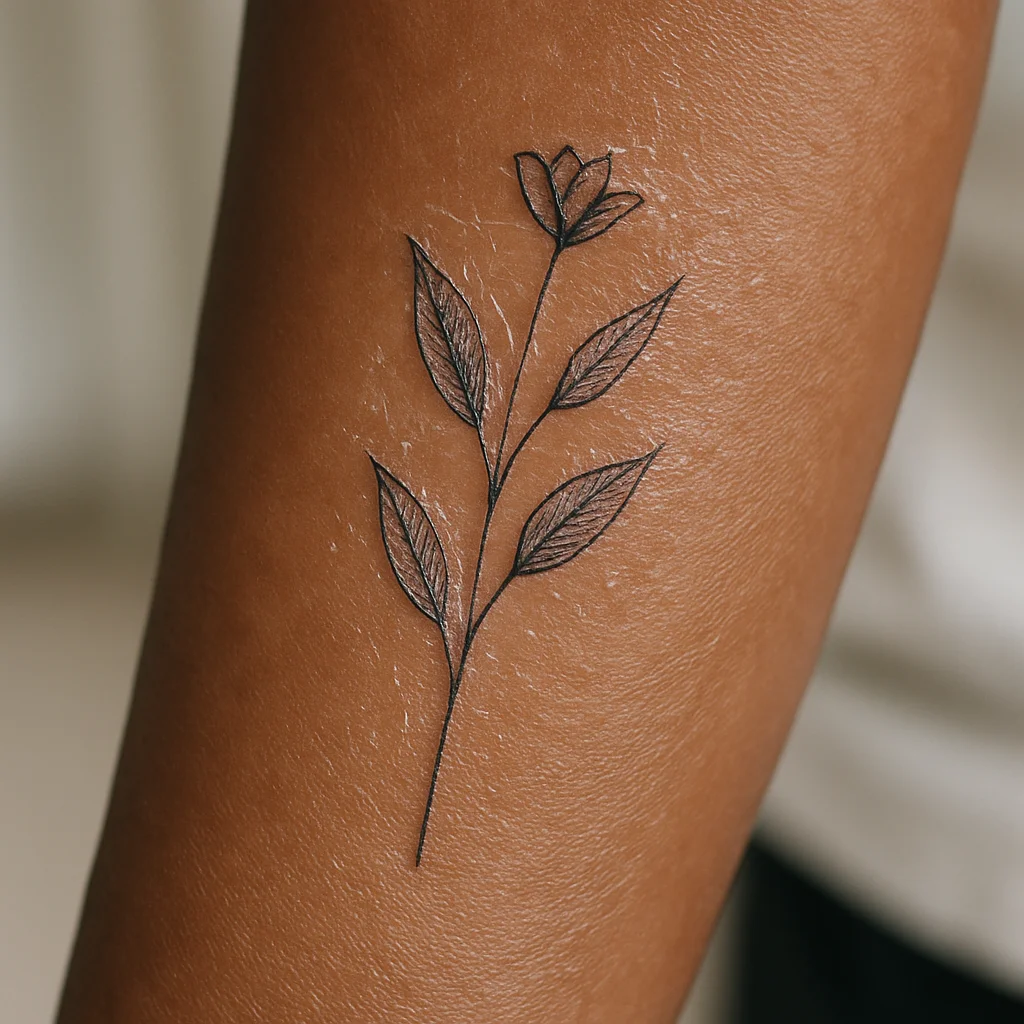
Almost certainly not. A milky or cloudy look during weeks two to four is the normal veil of new skin forming over the ink. The true colour and contrast return as healing completes. If dullness persists past six weeks, ask your artist to take a look.
The conversation
No comments yet. Got a thought about these designs? Start us off.
Want to weigh in? Join the community to comment, save designs and try them on your skin.