Can You Shower With a New Tattoo the Same Day?
A same-day shower won't ruin your tattoo, but a long hot one can. Here's exactly how to wash a few hours after you leave the studio, placement by placement.
The short answer, with the conditions attached
Yes, you can shower the same day you get tattooed. A short, lukewarm shower with clean hands and gentle soap is not just allowed, it's usually part of the plan. Your artist wants that first wash to happen within the first several hours, because plasma, excess ink and traces of ointment sitting on the skin under a wrap will turn gummy and slow you down.
The timing depends on what you were sent home in. With a traditional cling film or paper towel wrap, most artists say remove it after roughly two to six hours, then wash. With an adhesive film like Saniderm or Dermalize, you shower with the film on and leave it there for days. What almost nobody recommends is going to bed in a plastic wrap you were given at 4 p.m.
The real rules are about how, not when:
- Short. Five to ten minutes. Fresh tattoos are open wounds and prolonged soaking softens the forming scab.
- Lukewarm, never hot. Hot water opens pores, increases bleeding and stings badly on a fresh piece.
- No direct blast. Angle your body so the spray hits your shoulder or back and runs down over the tattoo instead of drilling into it.
- No soaking. Showers yes, baths no.
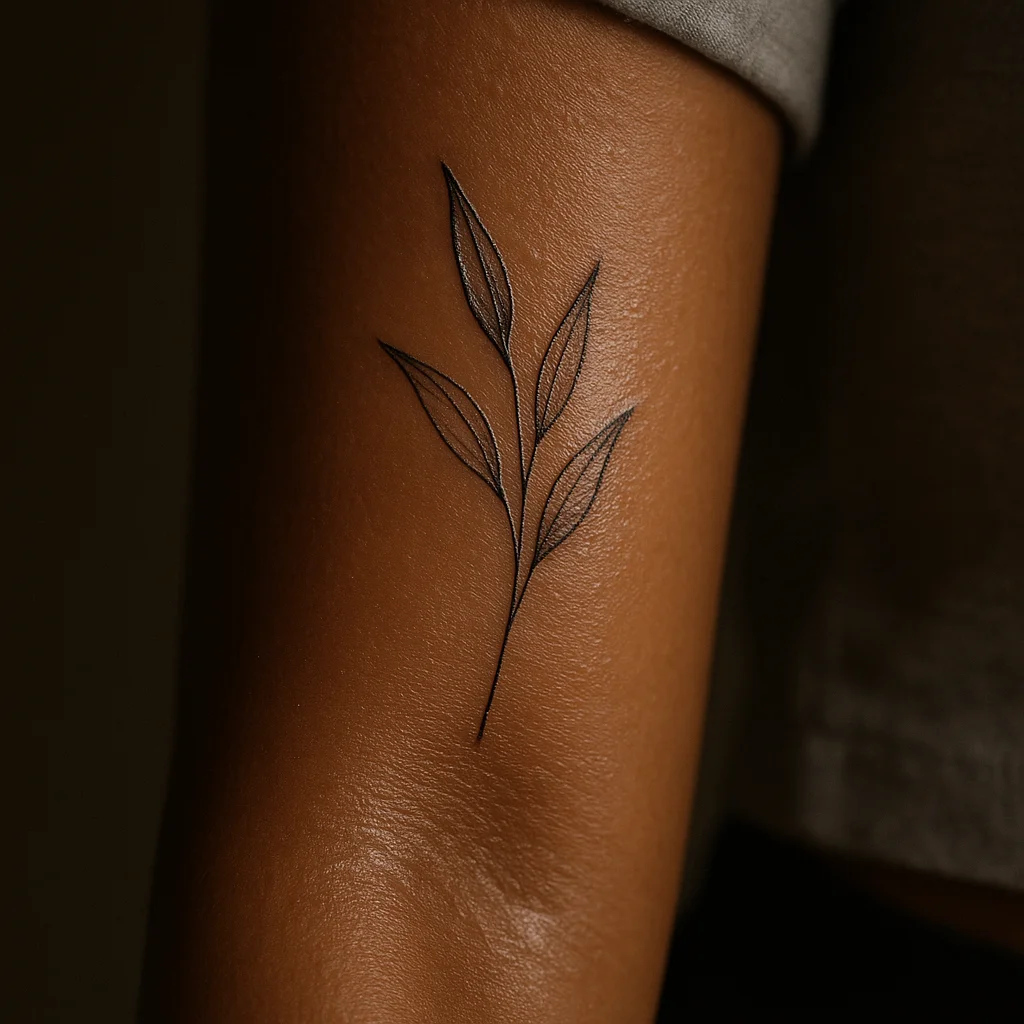
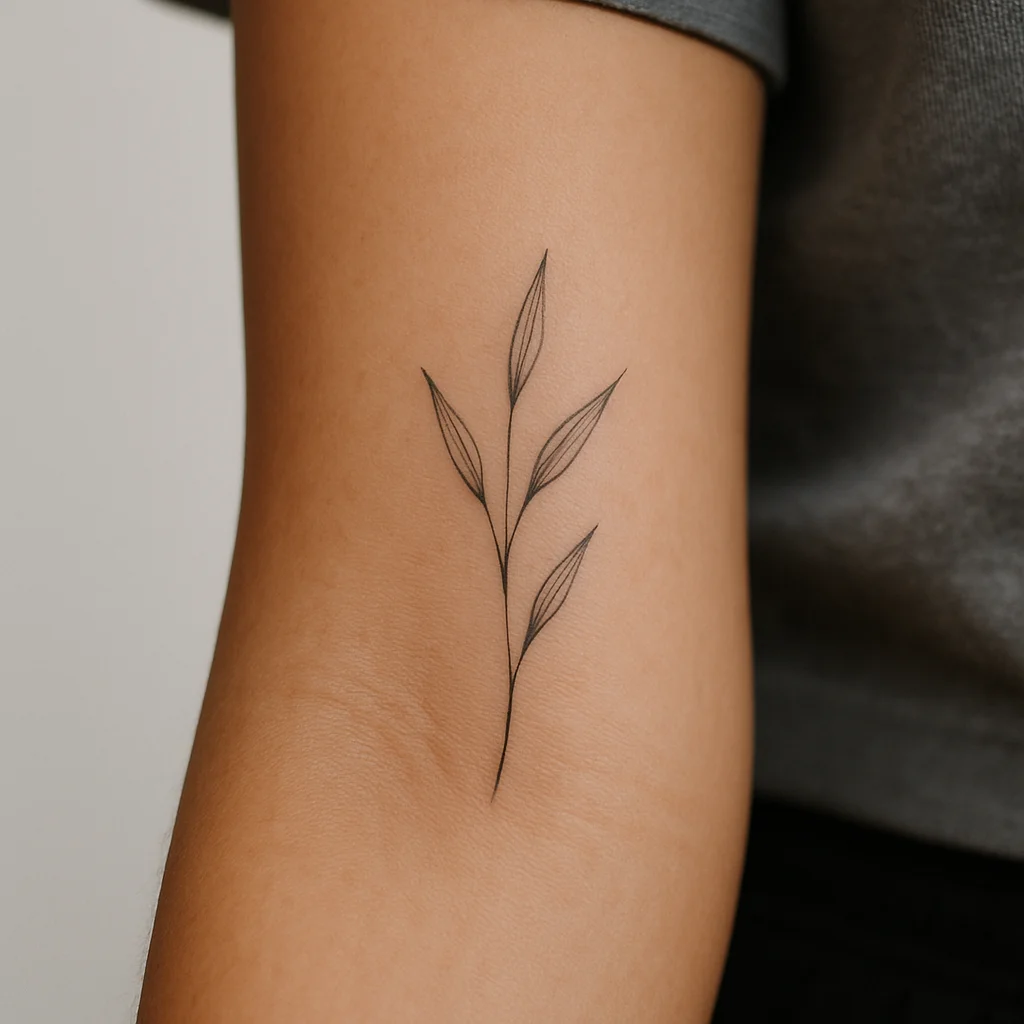
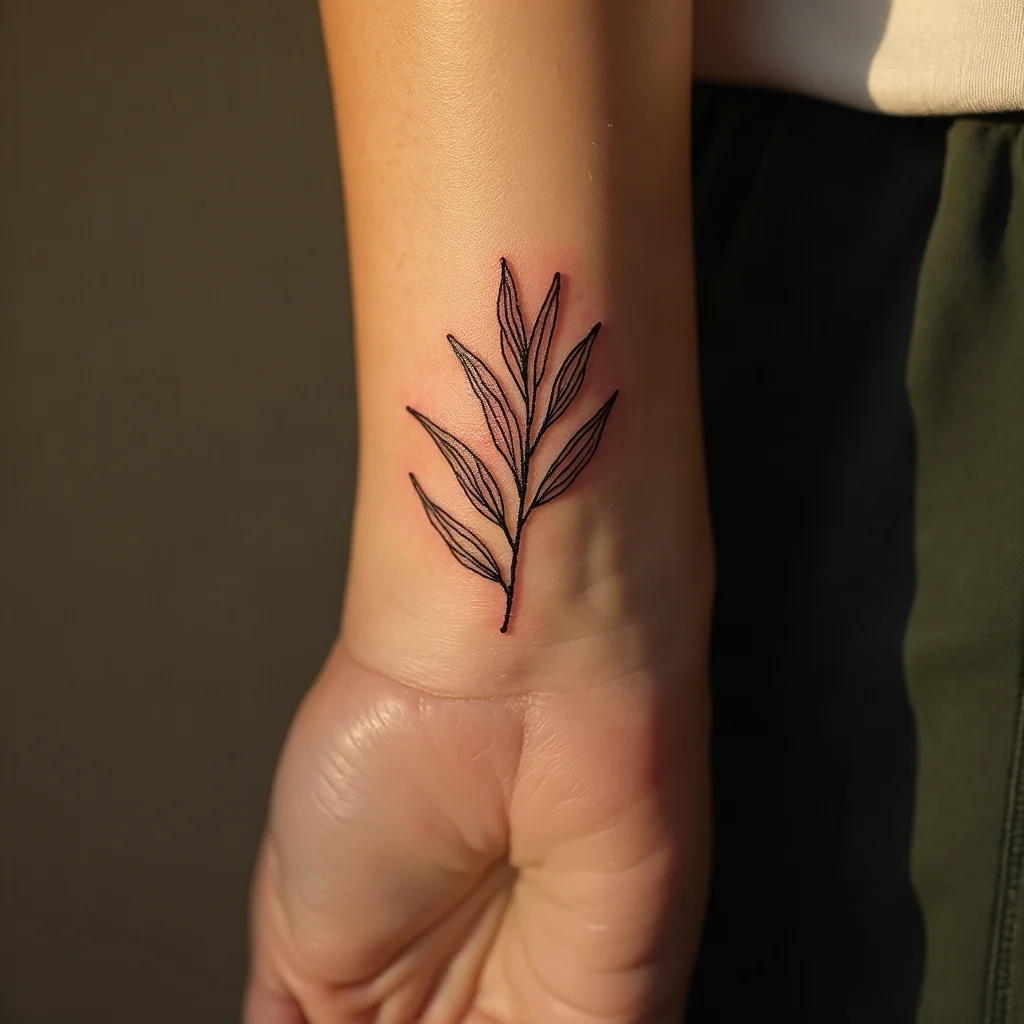
If you got something delicate that afternoon, say a fine-line botanical sprig on the inner forearm, gentle washing is what protects those hairline strokes. Skipping the wash to "be safe" is the mistake that leaves a crust sitting over your linework.
How to actually take that first shower
Think of it as a two-minute wash inside a normal shower routine. Order matters more than people expect.
- Wash your hands first with soap. Your fingertips are the only tool you should use on the tattoo.
- Do your hair and body first. Shampoo, conditioner and body wash all run downhill. Get the perfumed stuff rinsed off before you touch the tattoo, so residue isn't sitting on broken skin.
- Step out of the direct stream. Let lukewarm water sheet over the tattoo for maybe thirty seconds to loosen dried plasma.
- Lather gentle soap in your hands, then apply with flat fingertips in small circles. Fragrance-free, dye-free liquid soap only. No bar soap sitting in a wet dish, no loofah, no washcloth, no scrubbing.
- Rinse until the skin feels squeaky, not slippery. A slick film means soap or ointment is still there.
- Pat dry with a clean paper towel, or air dry for ten to fifteen minutes. Bath towels hold bacteria and catch on scabbing edges.
- Apply a very thin layer of the aftercare product your artist recommended, once the skin is fully dry.
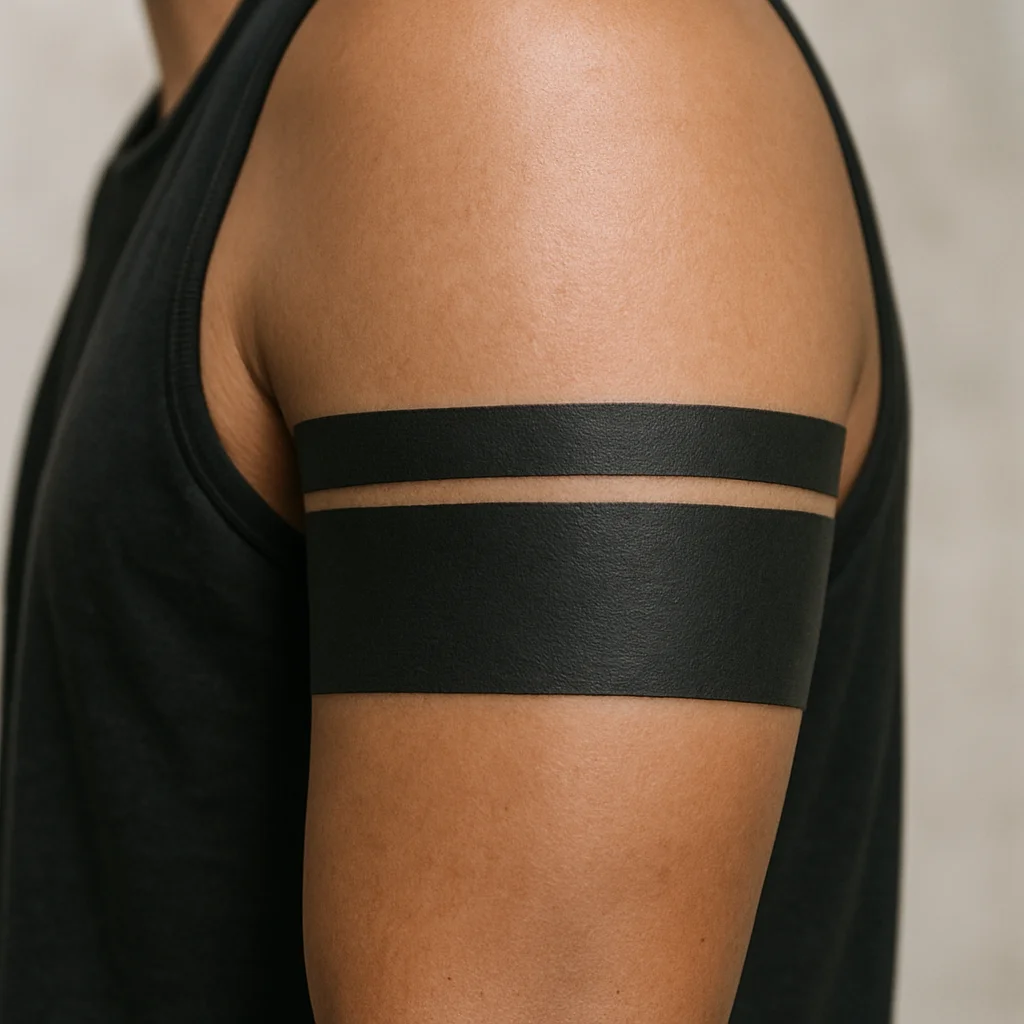
A solid blackwork band on the upper arm will weep noticeably more than a small script piece, and that's normal. Heavy saturation means more plasma, which means the first two or three washes will look cloudy in the water. That's fluid leaving, not ink pouring out.
One more thing: check your shower head. Hard, high-pressure jets are the enemy of a day-old tattoo. If your bathroom only has one setting and it's fire hose, use a cup of lukewarm water to rinse the area by hand instead.
Water that is off-limits, and for how long
Showers are fine because the water is clean and it leaves. Everything that involves sitting in water, or water other people have been in, is a different story. Until your tattoo is fully closed with no flaking, no shine and no tender spots, skip all of the following:
- Baths, hot tubs and jacuzzis — prolonged submersion plus heat plus bacteria. Typically off the table for two to four weeks.
- Swimming pools — chlorine is harsh on healing skin and can fade freshly settled ink.
- Ocean, lakes and rivers — natural water carries bacteria that healing skin has no defence against.
- Saunas and steam rooms — heavy sweating under a scab is a genuine infection risk.
- Long hot showers — the sneaky one. A twenty-minute steam session is basically a bath standing up.
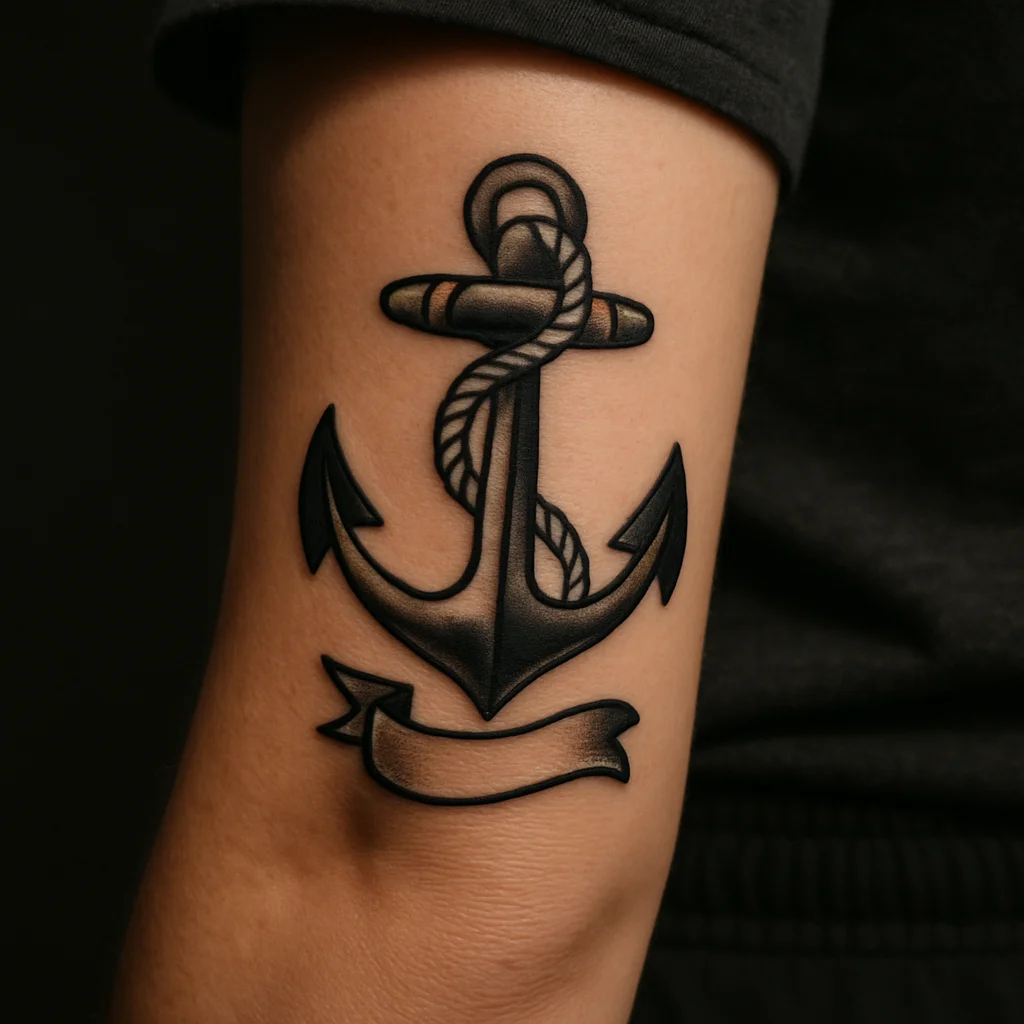
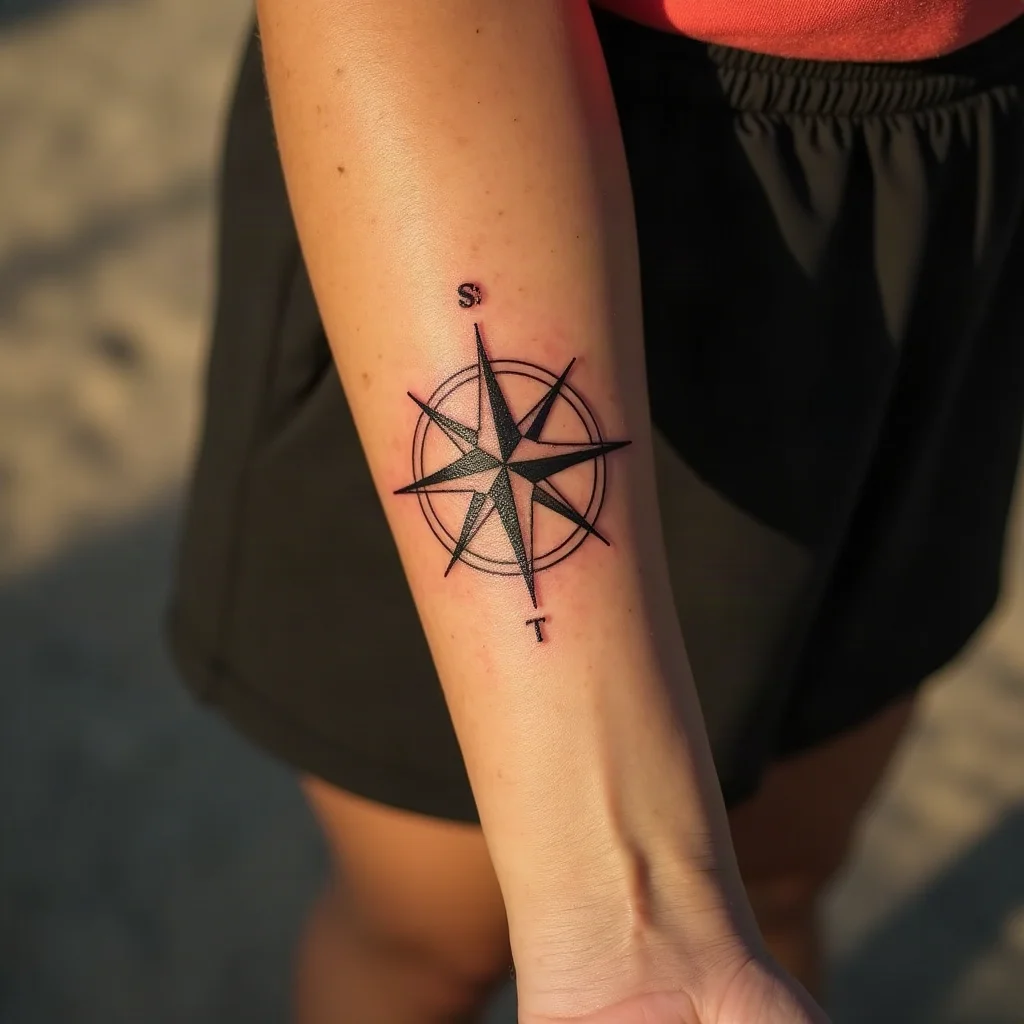
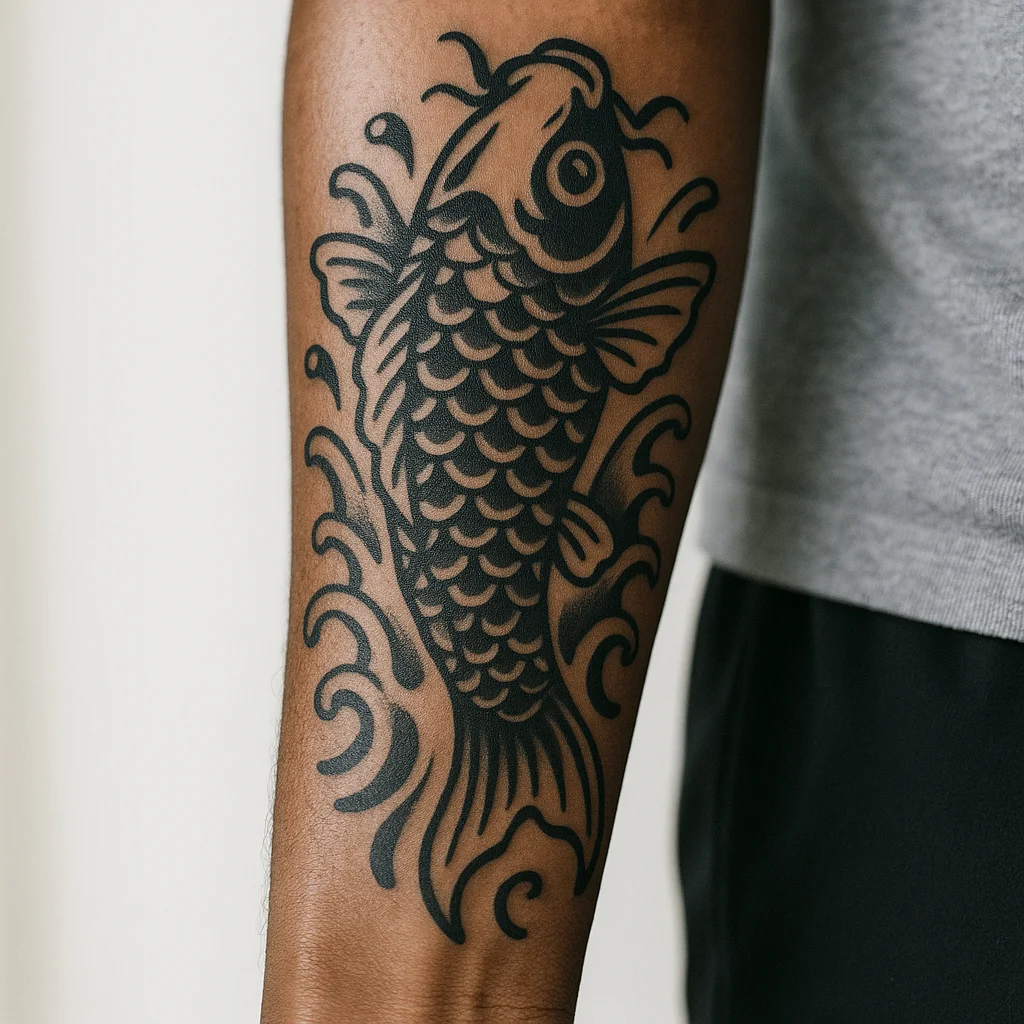
This is the part that ruins holidays. If you booked a traditional anchor and rope on the outer forearm two days before a beach trip, you're looking at a week or more of watching other people swim, or a genuinely risky heal. Bold traditional work with heavy black shading is especially unforgiving here, because those saturated areas take longer to seal than open linework.
The honest workaround: plan tattoos after water holidays, not before. If you're already committed, a waterproof adhesive film is not a licence to swim; it's a barrier that fails when it's soaked and peeled at the edges. Ask your artist directly and follow what they say, not what a forum says.
Placement changes the whole shower routine
Where you got tattooed decides how awkward the next two weeks are. A few real-world adjustments:
- Nape and scalp: shampoo runoff is the problem. Tip your head forward and rinse hair away from the tattoo, and switch to a fragrance-free shampoo for two weeks.
- Hands and fingers: you'll wash them twenty times a day regardless. Keep it lukewarm, pat dry every time, and re-moisturise lightly after each wash. Hand pieces need the most patience.
- Inner forearm: the easiest placement in the house. You can see it, reach it, and keep it out of the spray without contorting.
- Ribcage and side: water sheets straight down over it. Turn so the stream hits your back and let it run, don't face into it.
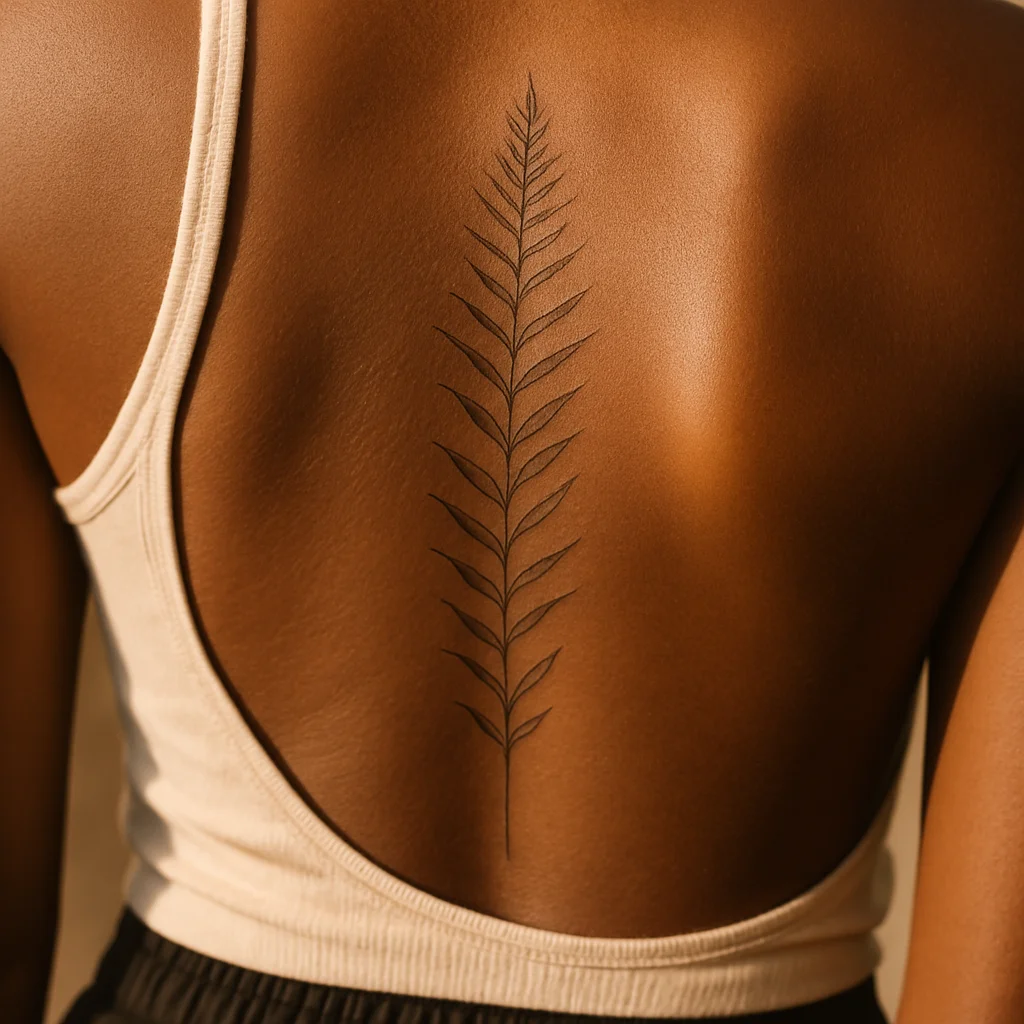
- Back and spine: you cannot see or reach it. Shower with your back to the wall, and get someone to check and apply aftercare, or use a mirror. A long fine-line fern down the spine is beautiful and completely impossible to wash blind.
- Thigh and inner thigh: friction is the real enemy. Dry thoroughly, then loose shorts, no leggings.
- Feet and ankles: lowest point, last to dry, closest to the bathroom floor. Dry between the toes, wear clean socks and open shoes.
- Chest and collarbone: the shower head aims right at it. Duck under and to the side.
If you're still choosing where to put a piece and you know your shower situation is bad — shared bathroom, one brutal pressure setting, no one to help you reach your back — a forearm placement makes the healing week dramatically simpler.
Showering with second skin versus a plastic wrap
The two aftercare systems give opposite instructions, which is why the internet feels contradictory.
Cling film or paper towel: it comes off within a few hours, you wash, and from then on the tattoo is open to air. You'll be washing it twice a day and moisturising lightly for the next couple of weeks. This route is more hands-on, and it's the one most artists still use for large or heavily worked pieces that need to breathe.
Adhesive second skin: you shower with it on, from day one. Water beads off the film, so a normal lukewarm shower is genuinely fine. Do not soap the film itself, don't pick at the edges, and dry the outside of it afterwards with a paper towel so the adhesive border doesn't lift. Fluid pools under it and looks alarming, murky yellow or inky — that's plasma, not infection. If the seal breaks and water gets under, remove it in the shower under warm running water, wash gently, and either re-apply a fresh piece or continue with open-air healing. Our guide on how long to leave second skin on a tattoo covers the timing in detail.
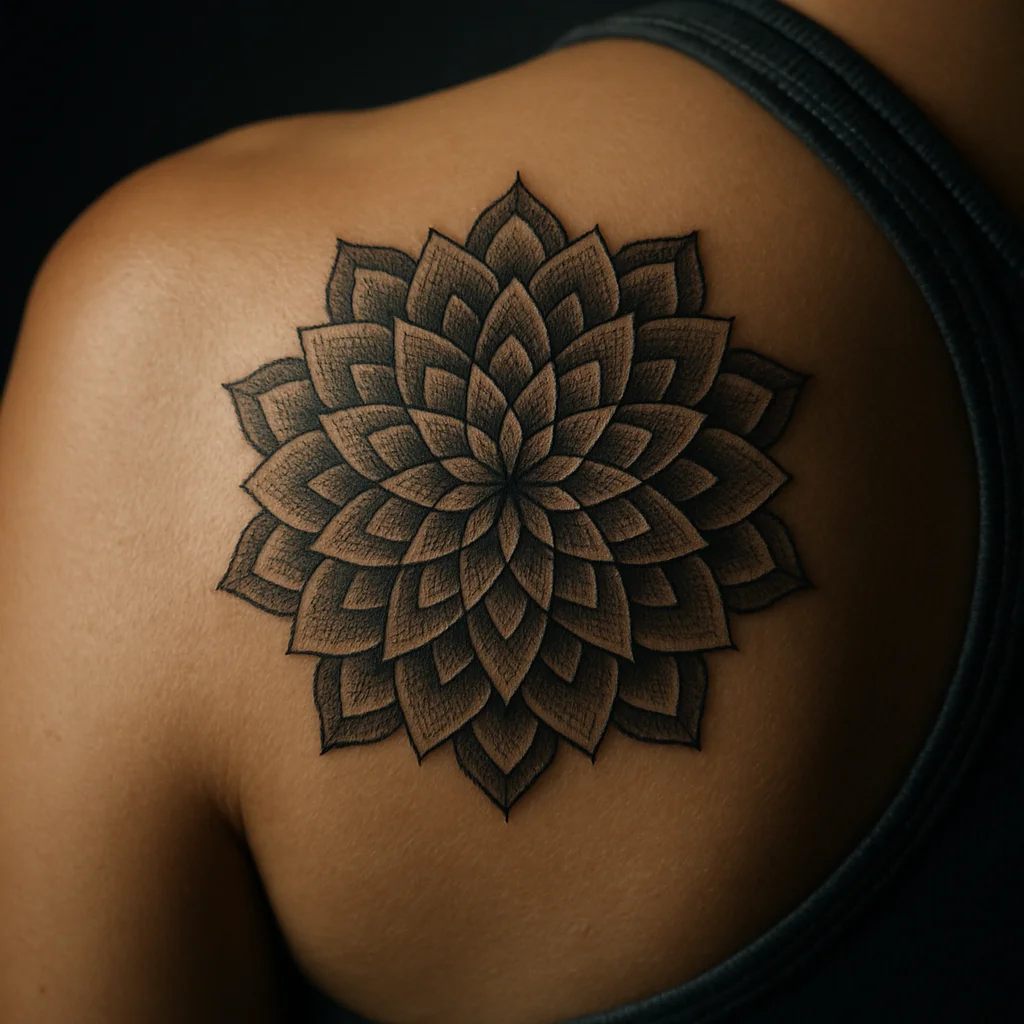
Second skin shines on placements you can't easily reach, like a geometric mandala on the shoulder blade, because it protects the area for days without you needing to touch it. It's less reliable on high-movement spots — elbow ditch, back of knee, ribs — where sweat and stretching break the seal early.
Week-by-week water timeline and warning signs
Roughly what to expect, keeping in mind that heavy colour packing and large pieces sit at the slower end of every range:
- Day 0 (same day): wrap off after a few hours, first short lukewarm wash, thin aftercare layer.
- Days 1–4: two gentle washes a day. Peak weeping and tenderness. No soaking, no gym-shower marathons.
- Days 5–14: flaking and itching. Keep washing, never pick, and don't let hot water sit on it. Ink may look dull and patchy — normal.
- Weeks 2–4: surface skin closed, deeper layers still settling. Most artists clear baths, pools and the sea somewhere in this window once there's no flaking or scabbing left.
- Week 4 onward: normal showers, normal swimming, plus sunscreen forever.
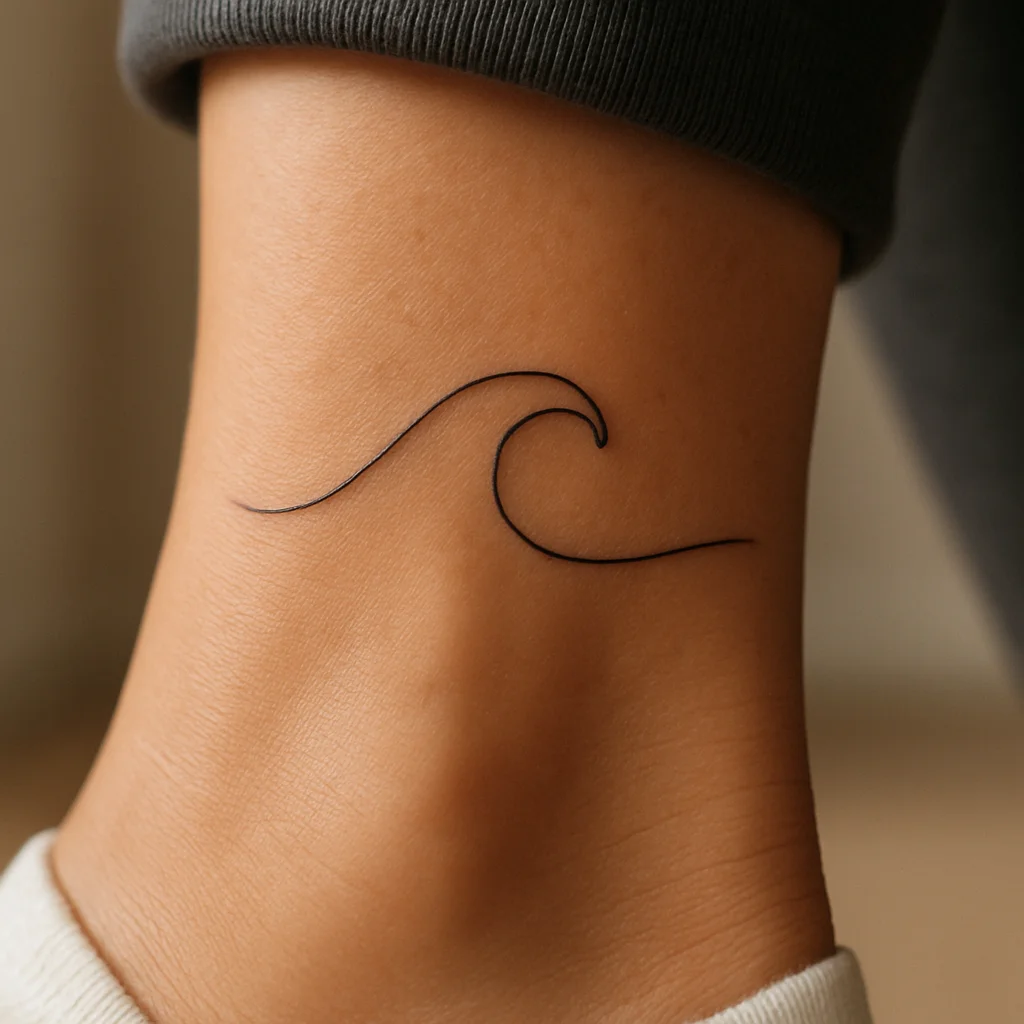
Someone who booked a minimalist wave on the ankle for a summer trip usually gets the green light for swimming faster than someone with a full colour thigh piece — small, lightly worked tattoos close quickly. Ask your artist, not a calendar.
Signs the water or the wound is going wrong: spreading redness beyond the tattoo's edges, heat, swelling that increases after day three, throbbing pain, a bad smell, thick yellow-green discharge, or fever. Fluid weeping in the first days is expected; pus is not. If you're comparing what you see against what's normal, check our breakdown of the signs of an infected tattoo, and see a doctor rather than waiting it out — early antibiotics save both your health and your linework.
Frequently asked questions
How many hours after getting a tattoo can I shower?
With a standard cling film or paper towel wrap, most artists want the wrap off within about two to six hours, and that first gentle wash can happen right then. With adhesive second skin, you can shower whenever you like because the film stays on. Either way, keep it short, lukewarm and out of the direct spray.
Can I use normal soap and shampoo on a new tattoo?
Use a fragrance-free, dye-free liquid soap on the tattoo itself and apply it with clean fingertips only. Regular shampoo and body wash are fine elsewhere, just wash your hair and body first so the runoff is rinsed away before you clean the tattoo. Avoid exfoliants, scrubs, loofahs and anything with alcohol or strong fragrance for a couple of weeks.
Is hot water bad for a fresh tattoo?
Yes. Hot water increases blood flow and bleeding, stings on broken skin, and long steamy showers soften the forming scab in the same way a bath would. Lukewarm and brief is the rule for the first two weeks. Save the long hot shower for after the flaking has finished.
What if my tattoo gets soaked by accident?
Don't panic. Step out, rinse it briefly with lukewarm water, wash gently with fragrance-free soap, pat dry with a paper towel and apply a thin layer of aftercare. One accidental soaking is rarely a disaster; repeated submersion is what causes fading, prolonged healing and infection risk.
When can I take a bath or go swimming again?
Usually somewhere between two and four weeks, once the surface is fully closed with no scabbing, flaking or tender spots. Small, lightly worked pieces close faster than large colour-packed ones. Confirm with your artist, who can look at your specific tattoo and tell you where you actually are in the heal.
The conversation
No comments yet. Got a thought about these designs? Start us off.
Want to weigh in? Join the community to comment, save designs and try them on your skin.