Infected Tattoo? 9 Warning Signs to Watch For
Redness, weeping and swelling are all part of normal healing, which is exactly why infections get ignored for days. Here are the nine signs worth acting on, and what separates each one from a tattoo that's just doing its job.
What Normal Healing Actually Looks Like
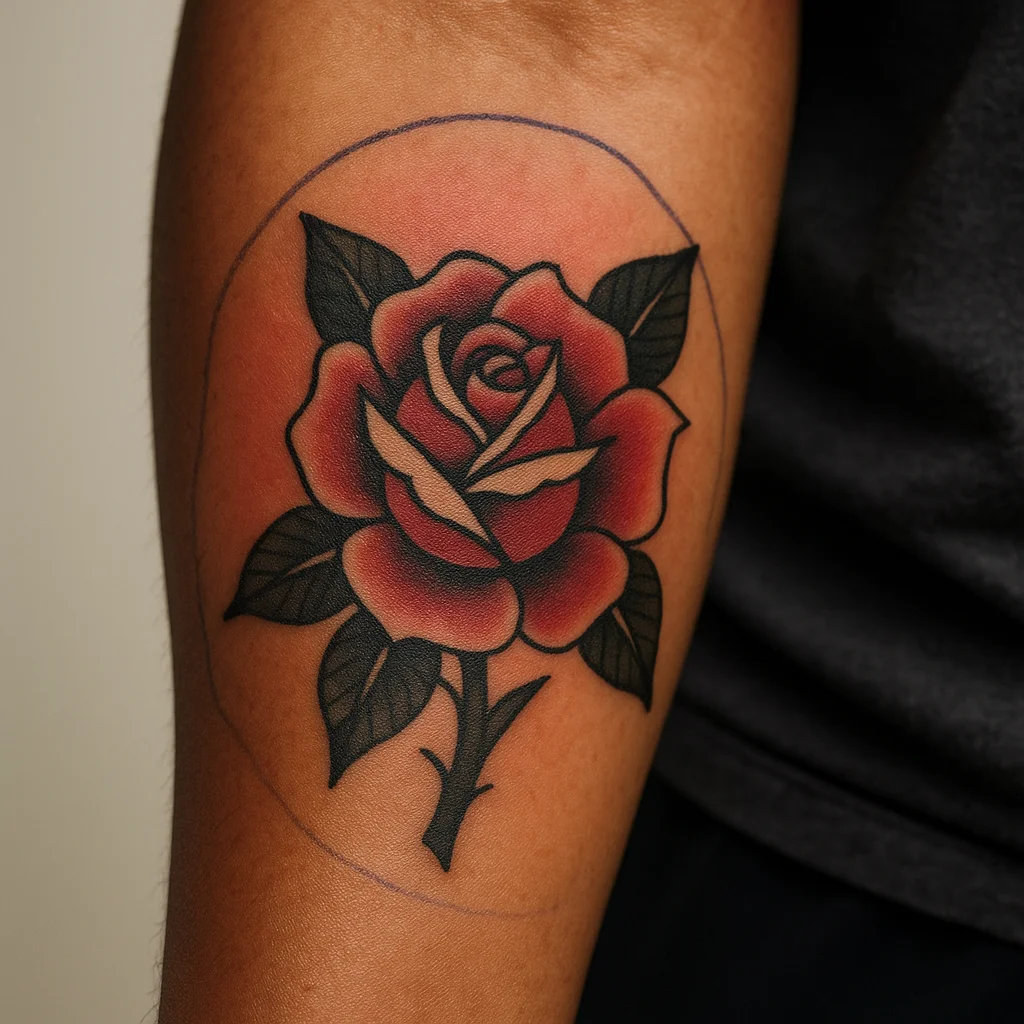
A fresh tattoo is a controlled wound. For the first two or three days it will be red at the edges, puffy, hot-ish to the touch, and it will weep a thin, straw-coloured or lightly blood-tinged fluid. That fluid is plasma, not pus. By day four the weeping stops, the surface tightens, and by day five to seven you are peeling like a mild sunburn. Itch replaces soreness. Colour looks cloudy and dull under the healing layer.
The single most useful thing you can do is track direction. Normal healing gets better every day. Redness shrinks, tenderness drops, swelling drains. An infection reverses that curve: things that were improving on day three start getting worse on day five. If you want a baseline for what each day should look like, our day-by-day tattoo healing guide is a useful yardstick to hold your own arm against.
Two more things worth knowing before you panic. Colour-packed areas and heavily worked black stay angry longer than light linework, so a solid black panel can look inflamed for four or five days while a single-needle piece next to it looks calm. And bruising, especially on soft placements like the inner arm, ribs and ankle, can spread as a blue-green shadow that has nothing to do with infection. None of the following signs are a diagnosis. They are the points where you stop watching and start acting.
Signs 1-5: The Local Red Flags
1. Redness that spreads past the tattoo's edge
A thin pink halo hugging the linework for 48 to 72 hours is expected. What is not expected is redness pushing outward into untattooed skin on day four, five or six, with a soft, blurred border rather than a crisp one. Take a ballpoint pen, draw a line at the outer edge of the redness, note the time, and check again in six to twelve hours. If the redness has marched past your pen line, that is spreading cellulitis until a clinician tells you otherwise.
2. Swelling that peaks late instead of early
Swelling should be at its worst in the first 24 to 48 hours and shrink from there, faster if you elevate the limb. Late swelling, meaning the area is puffier on day five than it was on day two, is the classic missed sign. Watch gravity-dependent spots especially: an ankle or top-of-foot piece that balloons after you have been on your feet all day is usually just fluid, but if it stays tight and tender overnight while elevated, take it seriously.
3. Heat you can feel from a hover
Compare the tattooed area with the same spot on your other side using the back of your hand. Fresh work runs slightly warm. Infected tissue runs noticeably hotter than the surrounding skin and stays hot rather than cooling as the day goes on. Heat plus spreading redness is a stronger combination than either sign alone.
4. Pain that escalates instead of fading
Day one feels like sunburn. Day three should feel like a bruise. Day five should mostly feel itchy. If soreness turns into a deep, throbbing ache, if the skin becomes too tender to touch when it was fine yesterday, or if pain wakes you at night in the second week, your body is telling you something is happening under the surface. Pain out of proportion to how the tattoo looks is a red flag on its own.
5. Discharge that is not clear plasma
Plasma is thin, clear to amber, and dries into a light glossy film. Infection produces something thicker and opaque: yellow, green, grey or milky, sometimes crusting into heavy honey-coloured scabs, sometimes with a genuinely bad smell. Sniff test aside, texture is the tell. If your wrap or paper towel comes away with cloudy sludge rather than watery fluid after day three, stop rewrapping and get eyes on it.
Signs 6-9: Stop Waiting and Call Someone
6. Pustules, blisters or bumps sitting on the linework
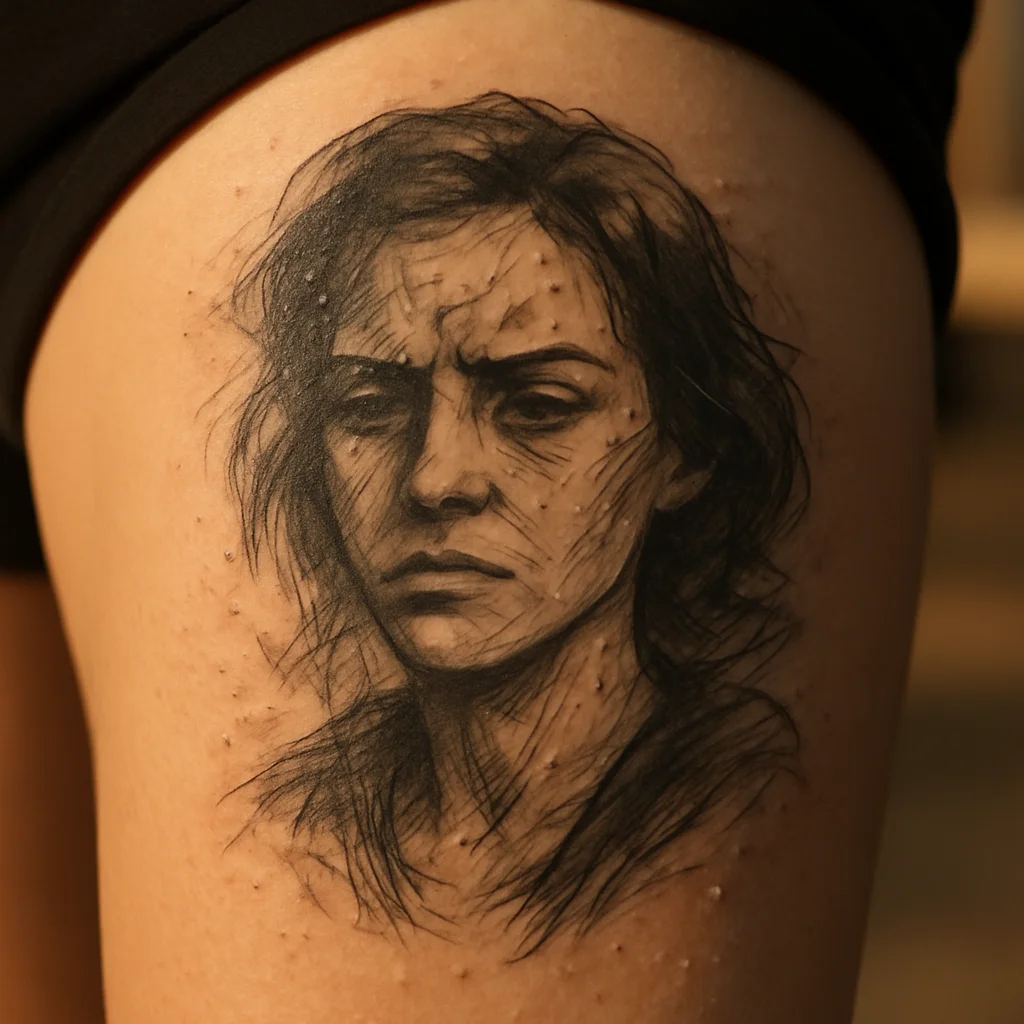
Small fluid-filled bumps that follow your lines, or white-headed spots clustered over one area, point to a bacterial infection seeded in the needle tracks. Do not squeeze them, do not lance them, and do not smother them in thick ointment, which traps moisture and makes it worse. Photograph them in daylight so you have a timestamped record, and get them looked at within a day rather than a week.
7. Red streaks running away from the tattoo
Thin red lines travelling from the tattoo toward your armpit, groin or the crease of your elbow or knee suggest the infection is tracking through the lymphatic system. Tender, swollen glands in the same direction back that up. This is not a wait-and-see sign. Same-day urgent care or emergency care, not a message to your artist.
8. Fever, chills, body aches or nausea
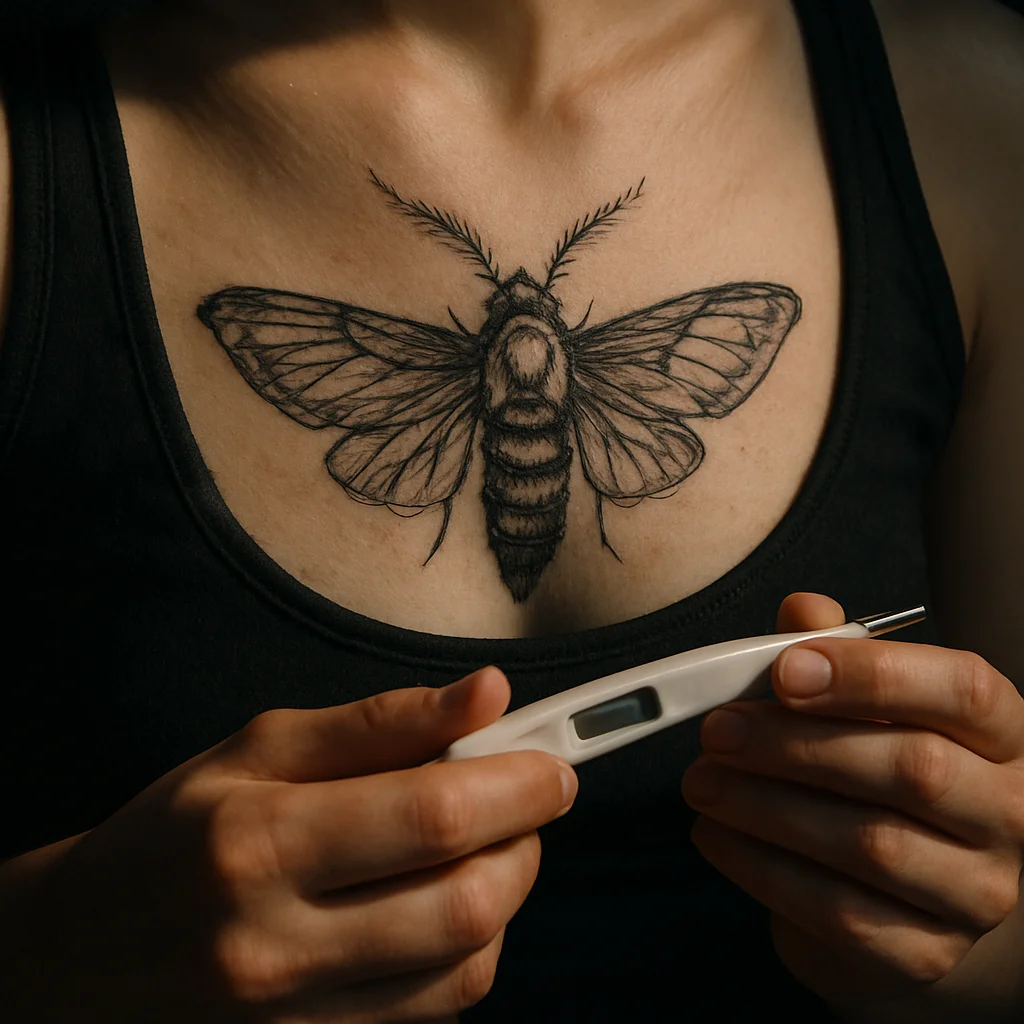
A tattoo is a skin event. Once you have a temperature, shivers, sweats, a racing heart or that flattened flu feeling, the problem is systemic and needs antibiotics decided by a clinician, not by the internet. Take your temperature rather than guessing, note when it started relative to the session, and bring that number with you.
9. A wound that never closes, or a rash that shows up weeks later
Most tattoos are surface-healed by two to three weeks. If an area is still open, weeping or crusting past that, or if you can feel a firm, painful lump under the skin, an abscess may be forming. Separately, watch for a delayed reaction: clusters of small red or purple bumps, often concentrated in grey-wash or one specific ink, appearing two to six weeks after the session. These atypical infections and ink reactions are slow, stubborn, and need a doctor who will consider a swab or biopsy rather than another round of generic cream.
Things That Look Alarming and Usually Aren't
Half the panicked photos artists get sent are normal healing behaving badly on camera. Knowing the impostors saves you a clinic bill and a lot of 2 a.m. searching.
- Ink in the plasma. Coloured fluid pooling under a second-skin bandage looks horrifying and is almost always excess pigment and plasma. Cloudy is expected under film; foul-smelling and thickening is not. Our guide on how long to leave second skin on covers when to change it.
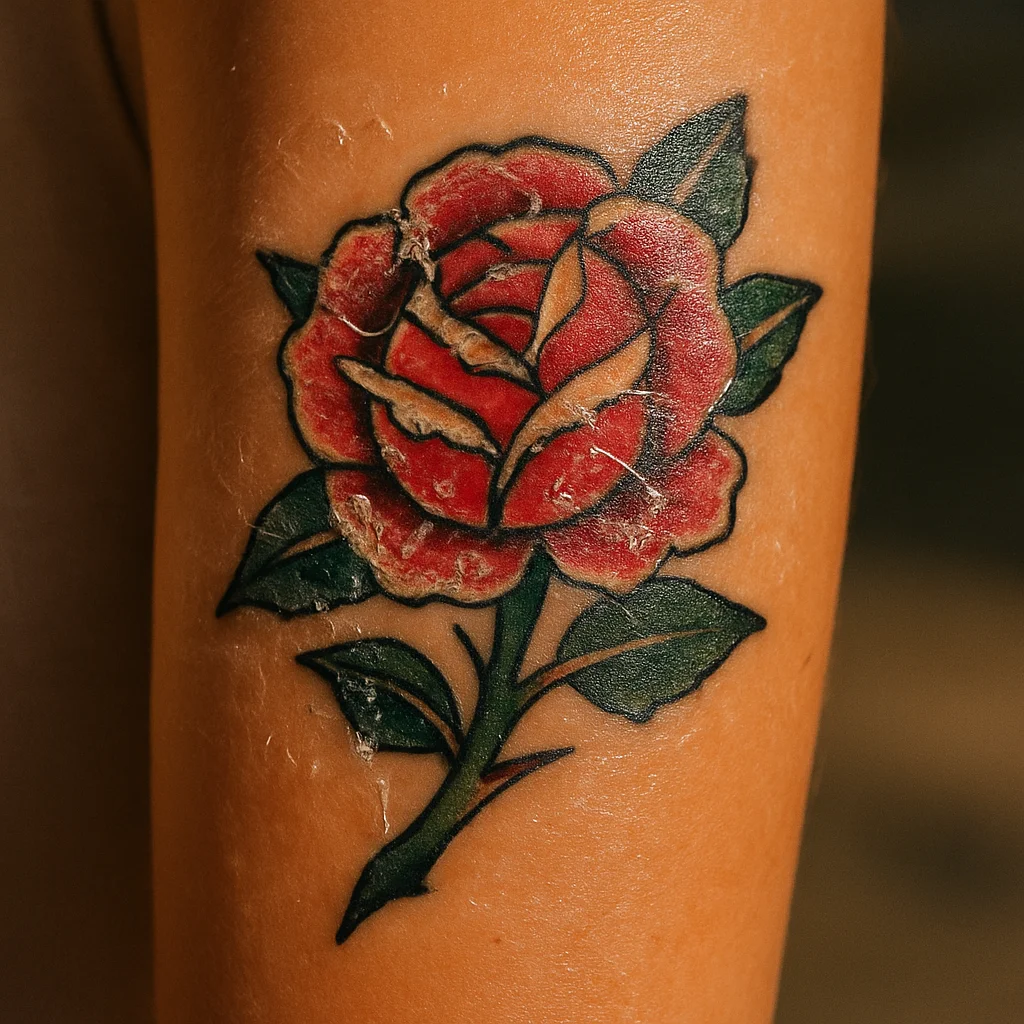
- Heavy peeling and flaking. Sheets of coloured skin coming off between days five and ten are normal. Let them fall; picking them off is how you get patchy lines and an entry point for bacteria.
- Ferocious itching. Itch is a healing signal. Slap, don't scratch, and use a thin layer of fragrance-free lotion.
- Bruising and yellow-green shadows. Common on ribs, inner arm, ankle and anywhere the artist worked hard. Bruises change colour over days and are not tender in a spreading way.
- Raised lines that come and go. Some healed tattoos puff up in heat, after workouts or in the shower. Transient raising is usually a histamine response, not infection.
- Contact irritation. A rash that stops exactly at the edge of where your bandage adhesive sat is an adhesive reaction, not an infected tattoo.
The simplest filter: infections get worse day over day and come with heat, spreading redness and thick discharge. Impostors stay put or improve.
Placement Changes Your Risk
Not every spot heals the same way, and the higher-risk placements deserve closer daily checks.
- Hands, fingers and feet touch everything, sweat, and sit far from strong circulation. Foot and ankle pieces also swell from standing. If you work in food service, healthcare, mechanics or the gym, these are the placements that most often get infected, and gloves over a fresh hand tattoo trap moisture unless you change them constantly.
- Ankles and lower legs heal slowly, especially for anyone with circulation issues or diabetes. Elevate at the end of the day and avoid tight socks over the wound.
- Ribs, waistband, bra line and inner thigh get friction from clothing and skin-on-skin contact. Loose cotton and no leggings for the first week make a real difference.
- Armpits, groin and behind the knee stay warm and moist, which is exactly what bacteria want.
- Scalp, neck and face heal fast because blood supply is excellent, but hair products, pillowcases and hats introduce the problems.
Two behaviours cause more infections than anything else, regardless of placement: submerging a fresh tattoo (pools, hot tubs, lakes, baths, the sea) and re-wrapping dirty skin in plastic. Showers are fine, soaking is not, for at least two to three weeks. Add pets on the bed, gym benches, sauna sessions and unwashed hands to the list of avoidable risks.
What to Do at the First Red Flag
Move in this order, and don't skip step one because you feel silly.
- Photograph it in daylight, same angle, twice a day. Include a pen line around the redness. Clinicians make faster decisions with a 24-hour progression than with a description.
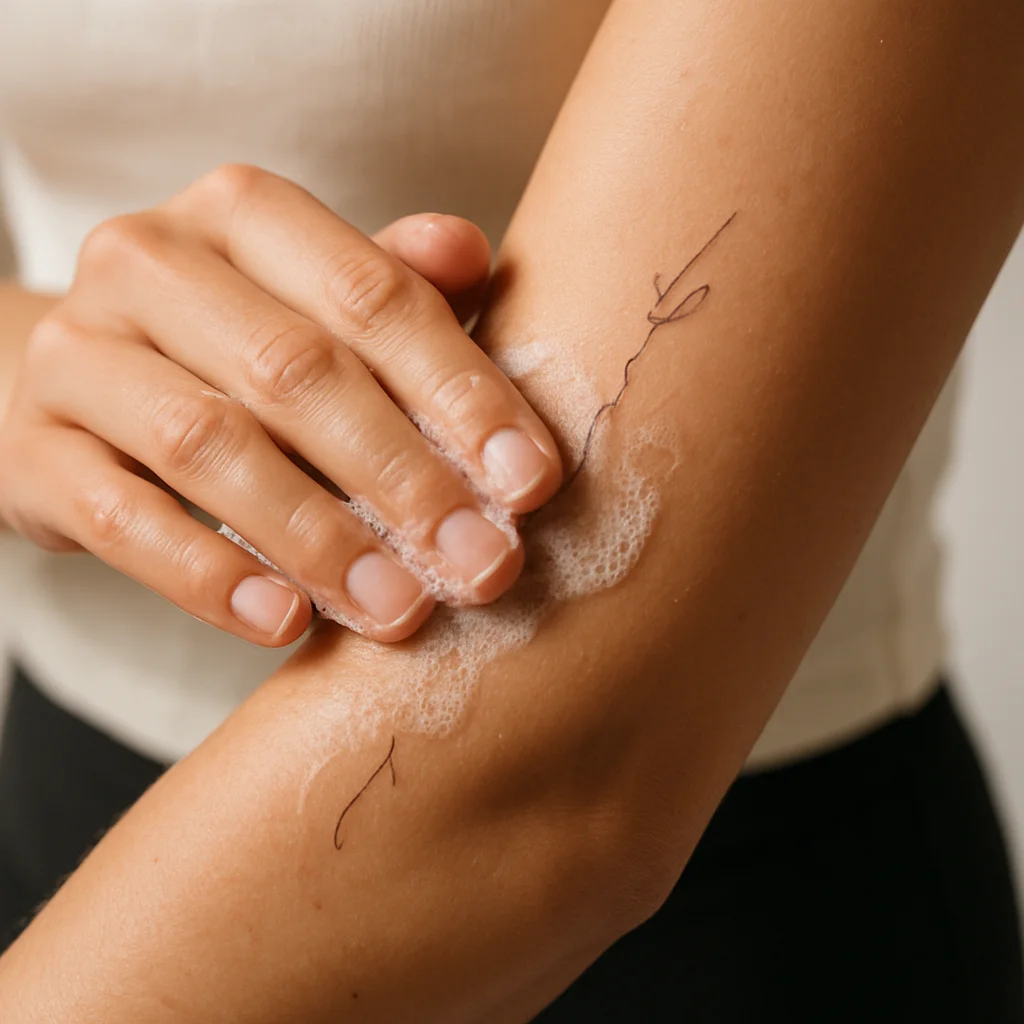
- Clean it gently. Lukewarm water and unscented liquid soap with clean hands, twice daily, patted dry with a fresh paper towel. Do not scrub, do not use alcohol, hydrogen peroxide or witch hazel, and stop using thick petroleum-based ointment while the area is angry.
- Uncover it. No cling film, no reapplying second skin over suspected infection. Air and clean clothing.
- Message your artist. They have seen hundreds of heals and can often tell you within one photo whether it is normal. They are not, however, the people who prescribe antibiotics.
- See a clinician if you have spreading redness, thick discharge, escalating pain, or anything from signs 6 to 9. Red streaks, fever or an area you cannot bear to touch means same-day care.
On cost, a walk-in or urgent care visit for a skin infection is usually in the modest tens to low hundreds depending on your country and insurance, and a course of oral antibiotics is typically cheap. Compare that with the price of a cover-up or reworking a scarred patch, which can run into several hundred and sometimes cannot fully fix the damage. Never buy leftover antibiotics from a friend or online. And do not let anyone talk you into laser or a touch-up until the skin has been fully settled for at least two to three months.
Tell your artist afterwards either way. A responsible studio wants to know, and any reputable shop will hold your touch-up slot until you are cleared to sit again.
Stacking the Odds Before You Sit
Most infections are prevented at the booking stage, not the aftercare stage. Ask a few unglamorous questions and watch what the artist does with their hands.
- Single-use everything. Needles and cartridges opened in front of you, fresh ink caps, disposable razors, barrier film on the machine, grips, cables, lamp and chair.
- Clean water source. Rinse cups filled with distilled or sterile water, not tap water topped up from the sink. Water contamination is a common thread in delayed, stubborn infections.
- Hand hygiene and glove changes. Gloves should come off and go back on every time the artist touches their phone, a drawer or your bag.
- Visible licensing and a hard surface studio. Non-porous benches, sharps containers, no carpet, no pets in the working area.
Your side of the deal: arrive well-fed, hydrated, sober and with clean skin, wear clothing that will not rub the finished piece on the way home, and tell your artist about diabetes, autoimmune conditions, immunosuppressant or blood-thinning medication, eczema and any history of MRSA before the machine turns on. If you are prone to slow healing, ask for smaller sessions with more recovery time between them.
Then follow the plan you were given rather than the one your friend swears by. Clean, dry, lightly moisturised, out of the sun and out of the water, checked once a day with your eyes rather than your worry. Healing that is going well is boring, and boring is exactly what you want.
Frequently asked questions
How soon after getting tattooed can an infection appear?
Most bacterial infections show up between day two and day ten, right when normal healing is also at its messiest. A smaller group of stubborn infections and ink reactions appear later, typically two to six weeks in, as clusters of bumps or a patch that never closes. Any time your symptoms get worse day over day instead of better, treat that as the warning, regardless of the calendar.
Is redness around a new tattoo always a sign of infection?
No. A thin band of pink hugging the linework for the first 48 to 72 hours is standard inflammation, and heavily packed colour or black can stay flushed a little longer. Worry when the redness expands into untattooed skin after day three, has a soft blurred edge, and comes with heat or throbbing pain. Draw a pen line at the edge and recheck in six to twelve hours to see if it is moving.
Should I use antibiotic ointment on a healing tattoo?
Not routinely. Thick antibiotic ointments can trap moisture, clog the wound and cause contact allergies, and they will not treat a genuine infection that has gone deeper than the surface. Stick to gentle washing and a thin fragrance-free lotion, and if you actually suspect infection, get a clinician to decide on oral antibiotics rather than self-treating.
Will an infection ruin how the tattoo looks?
Caught early and treated properly, most tattoos heal with only patchy ink loss that a touch-up can fix. Infections that go untreated can scar, and scarred skin holds pigment unevenly, which limits what an artist can repair. Wait until the area has been fully settled for a couple of months before booking any rework.
Can I still shower with a tattoo I think might be infected?
Yes, and you should keep it clean. Short lukewarm showers with unscented liquid soap, clean hands, and a pat dry with a fresh paper towel twice a day is the right routine. What you must avoid is soaking it in baths, pools, hot tubs or natural water, and rewrapping it in film while it is inflamed.
The conversation
No comments yet. Got a thought about these designs? Start us off.
Want to weigh in? Join the community to comment, save designs and try them on your skin.