First Tattoo Ideas: Design, Placement and Pain
Your first tattoo should not be a leap of faith. This starter guide covers choosing a design, vetting an artist, pain, sizing and healing without regret.
Choosing a design you will still like at fifty
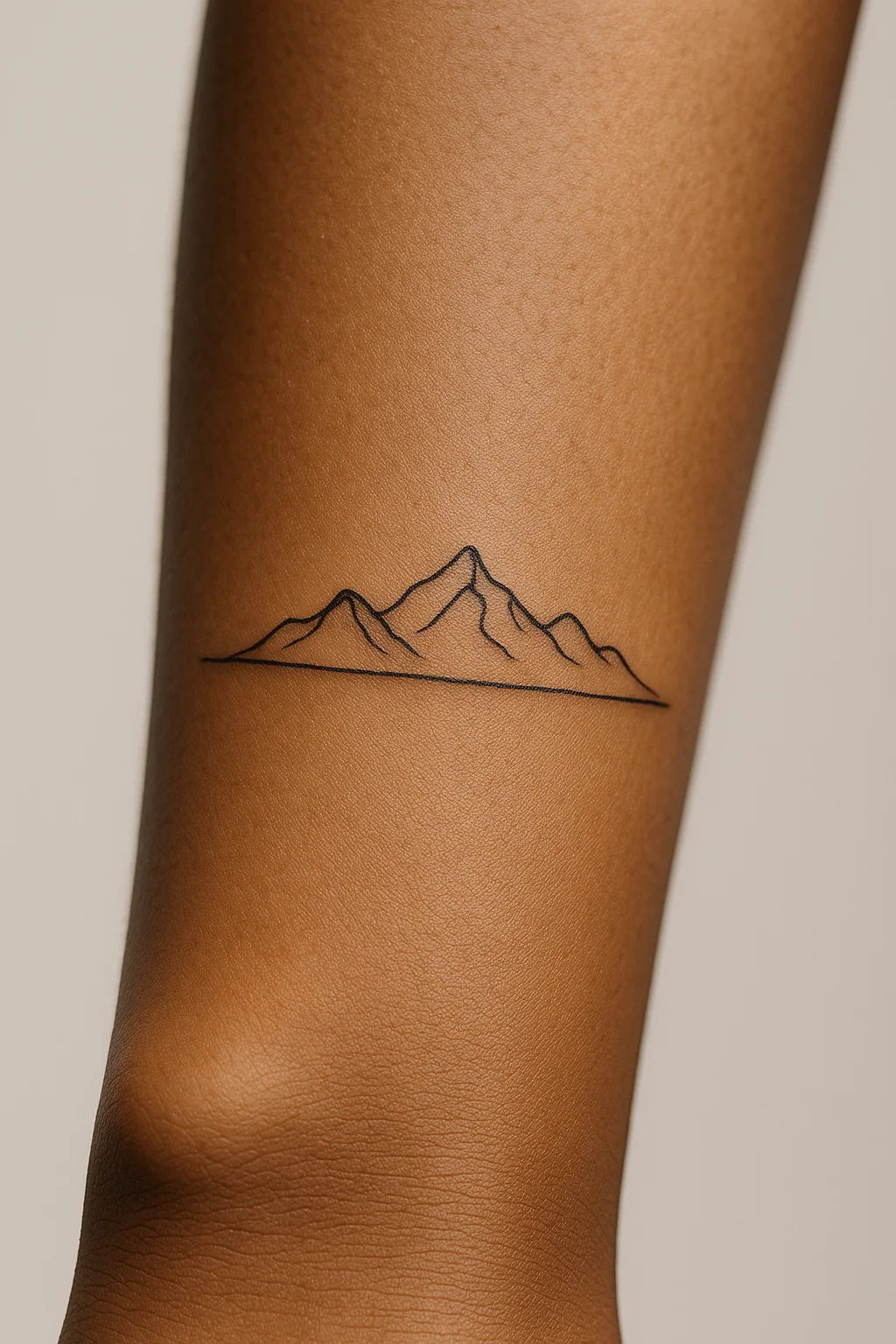
The best first tattoos tend to share a quality: they were chosen slowly. A useful test is the twelve-month rule. Save the idea, look at it monthly, and if it still feels right after a year of moods, jobs and playlists, it has probably earned its permanence. Trends are the enemy here; by definition they describe what everyone wants right now, not what you will want in 2046.
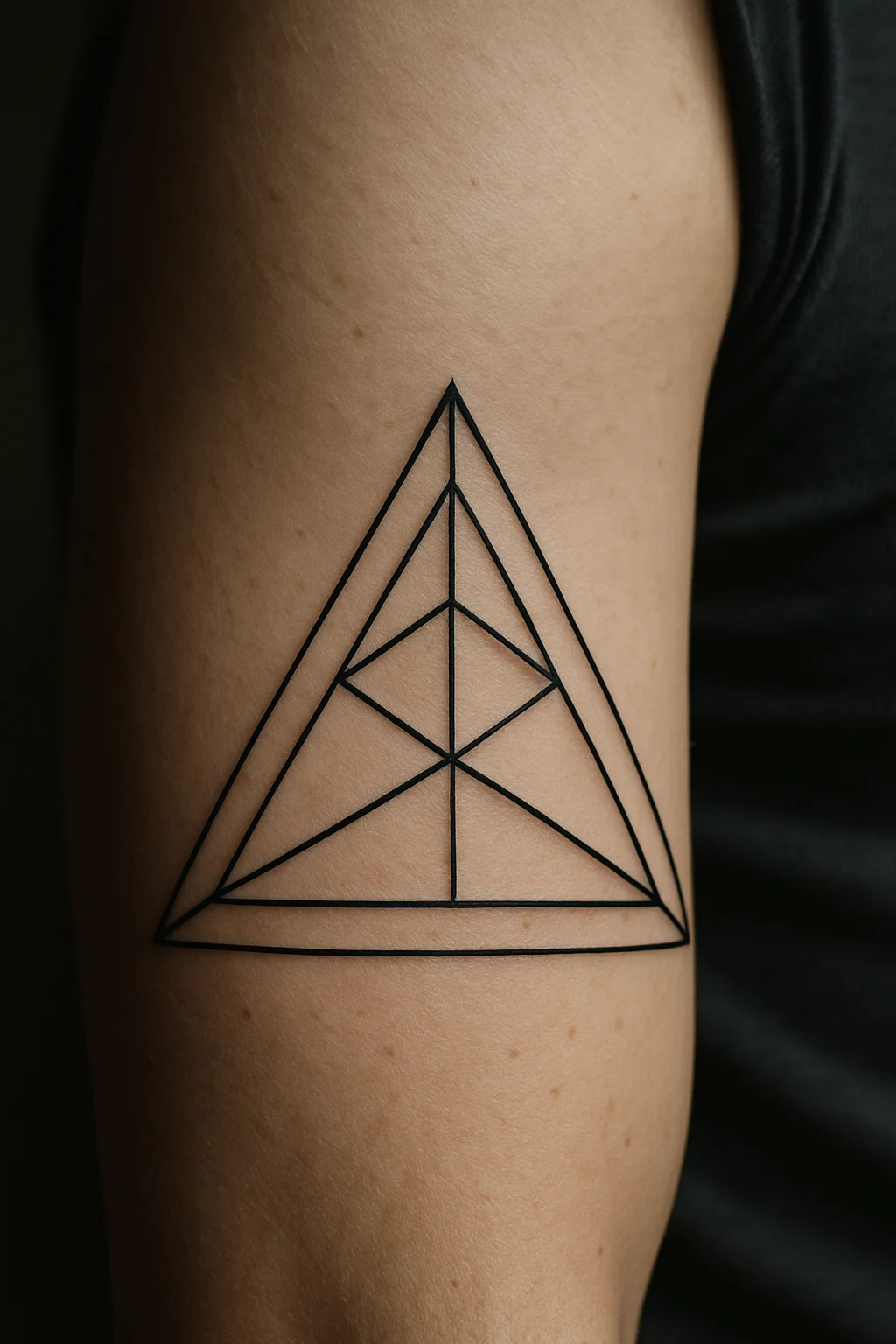
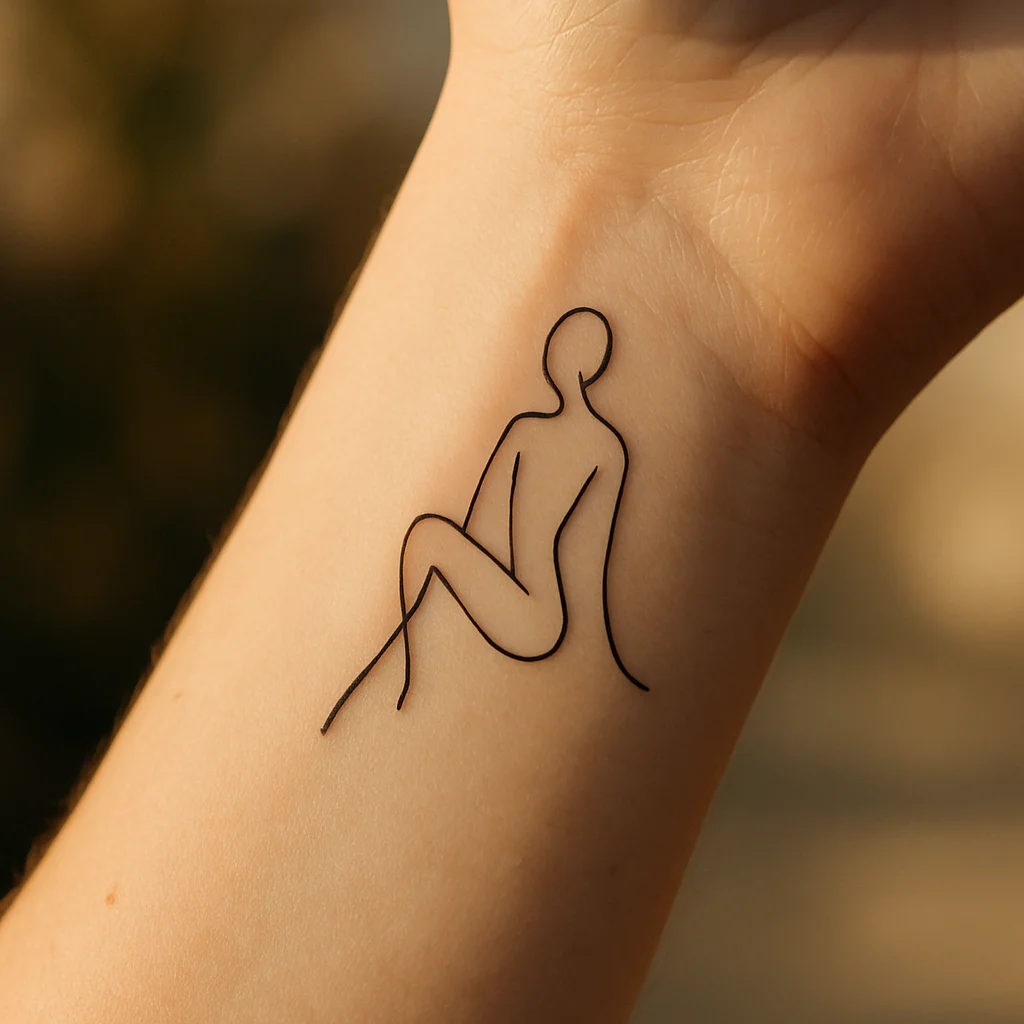
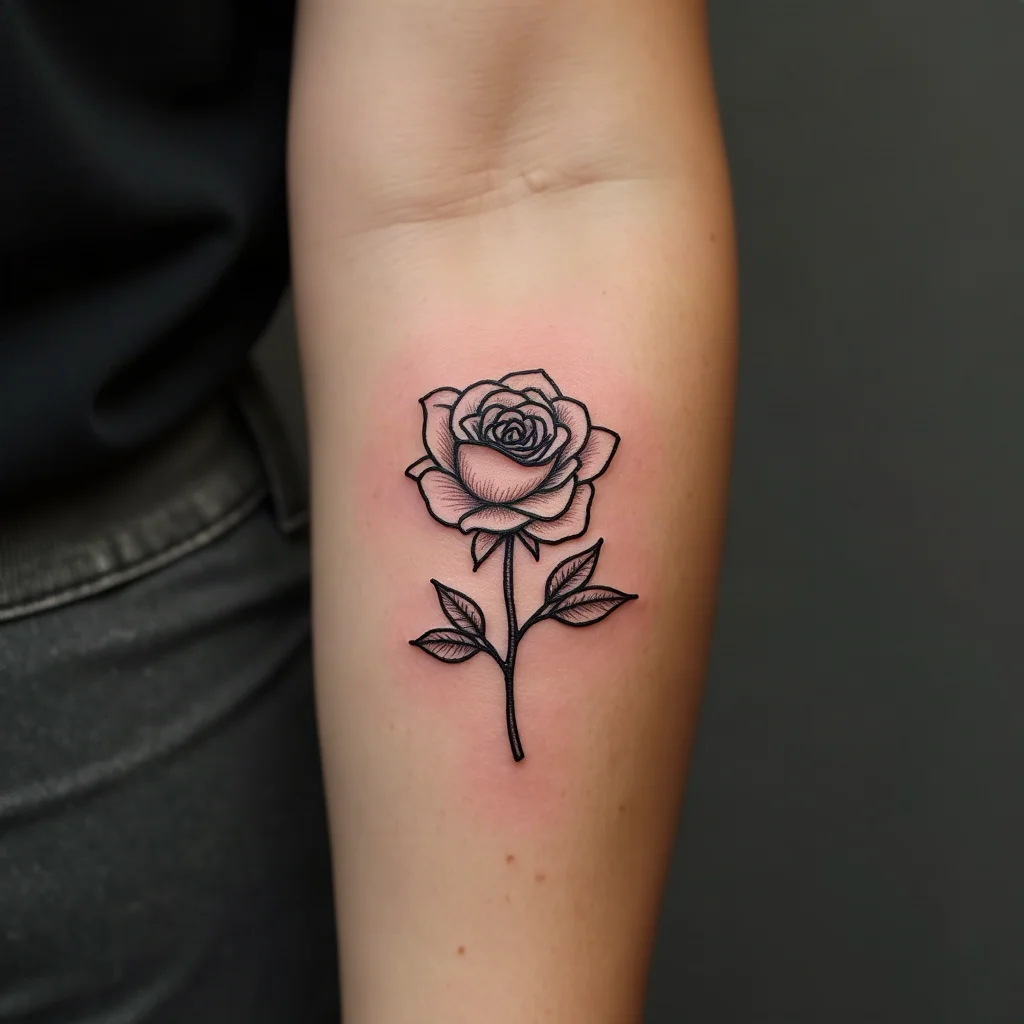
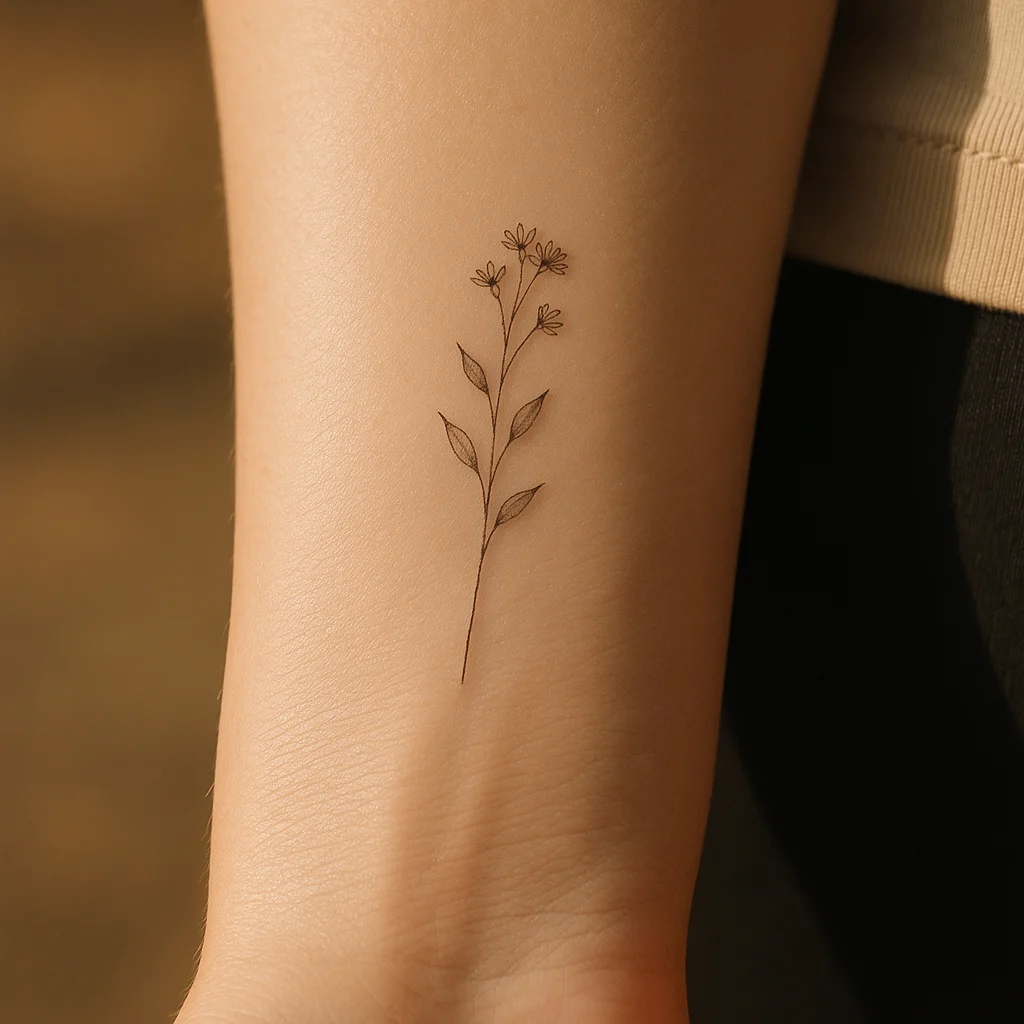
Motifs with personal weight age better emotionally than decorative ones. A symbol tied to a person, a place or a hard-won lesson keeps meaning even when fashion moves on. If nothing personal comes to mind, lean toward the classics: botanical line work, small traditional flash, simple geometry. They have already survived decades of changing taste, which is the only aging test that matters.
Where a first tattoo hurts least
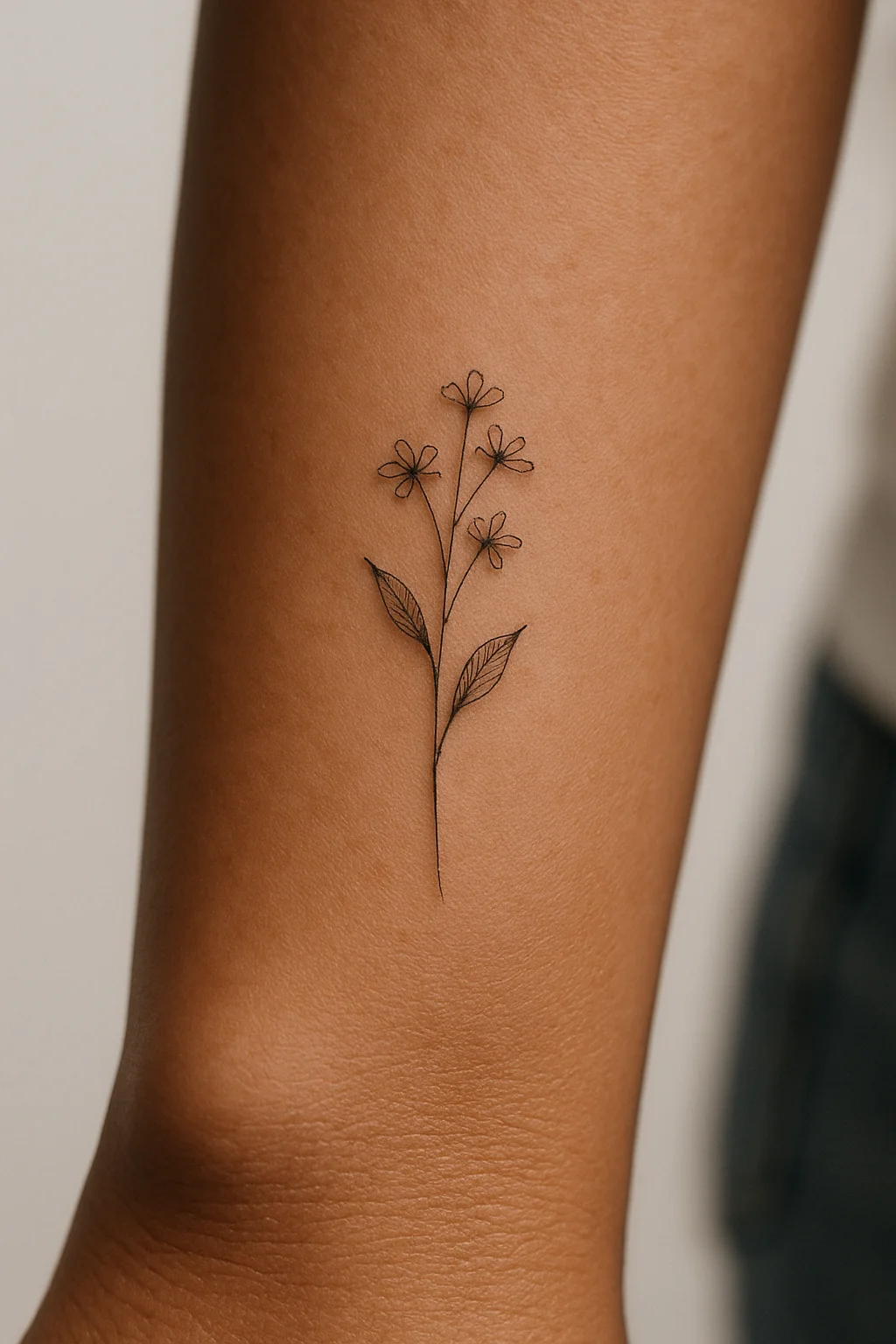
Pain is real but wildly overdramatised online. Most people describe tattooing as an annoying scratch with occasional hot moments, entirely bearable for an hour or two. Location changes everything, because skin close to bone or dense with nerve endings complains loudest.
- Gentle: outer forearm, upper arm, shoulder, calf, upper back
- Moderate: inner forearm, thigh, upper chest, back of the neck
- Spicy: ribs, sternum, spine, ankle bone, inner bicep, behind the knee
- Save for later: hands, fingers, feet, elbow ditch, throat
For a first piece, the outer forearm or upper arm is the sweet spot: mild pain, easy healing and a good view of the process. Eat properly beforehand, skip alcohol the night before and bring water. Fainting at appointments is almost always about blood sugar, not toughness.
Finding and vetting the right artist
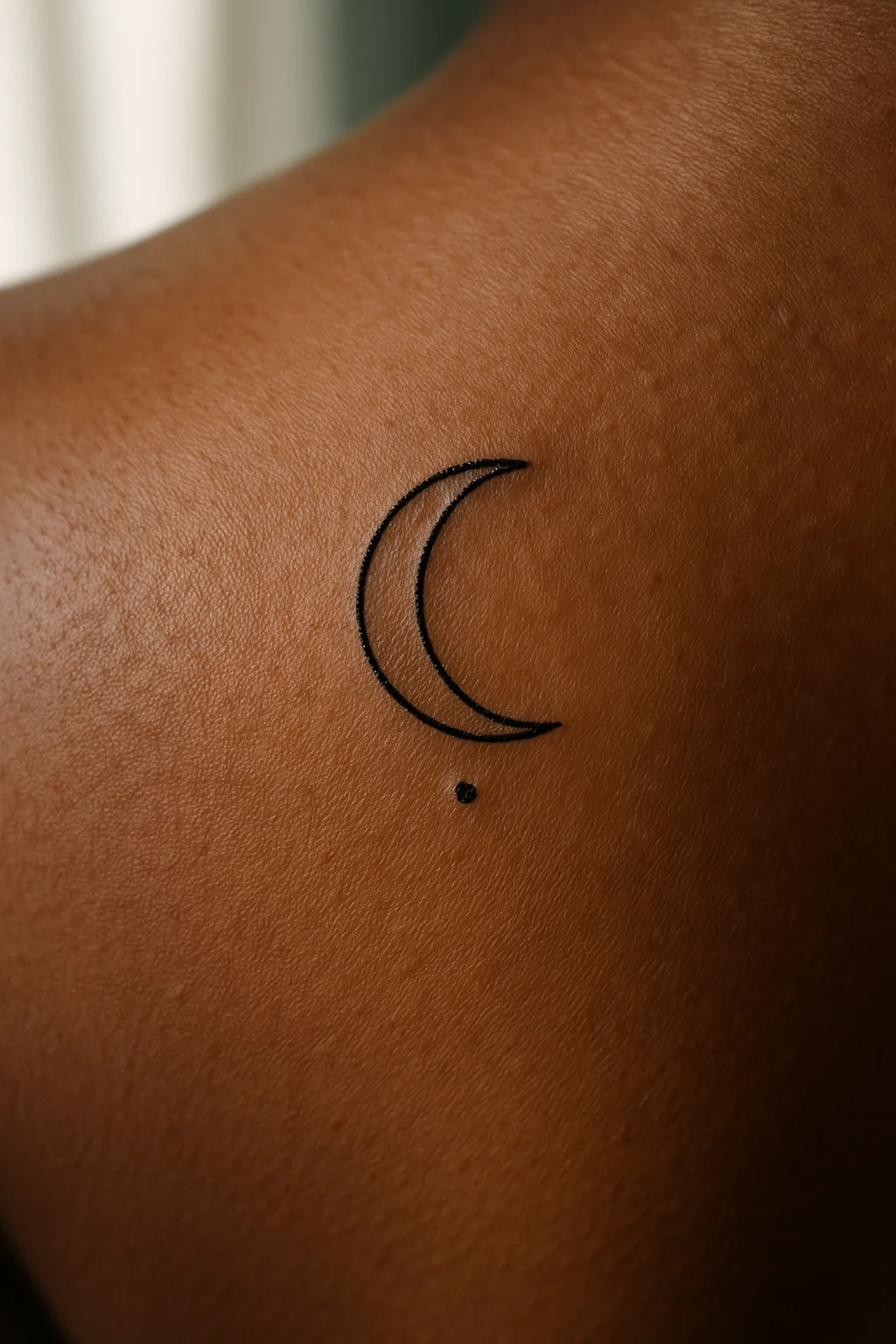
Your artist matters more than your idea. Start by browsing local studios' portfolios and note who already works in the style you want; a wonderful realism artist may be the wrong person for delicate script. Healed photos are the gold standard, since fresh tattoos always look sharp. Look for clean, consistent lines and smooth saturation in work that is months old.
Then visit the studio. It should feel closer to a clinic than a bar: single-use needles opened in front of you, gloves, wrapped equipment, and an artist happy to answer hygiene questions without bristling. A professional will also tell you when your idea will not work at the size you want. Treat that honesty as a green flag, not an obstacle.
What happens at the appointment
Expect paperwork, a stencil and more preparation time than tattooing time for a small piece. The artist will shave and clean the area, position the stencil and have you check it in a mirror. Speak up here; moving a stencil costs nothing, moving a tattoo is impossible. The first minute of needle work tells you what the whole session will feel like, and most people relax visibly once it starts.
Sessions for small first tattoos commonly run fifteen to forty-five minutes of actual tattooing. You will leave with a wrap, simple instructions and mild sunburn-like soreness that fades within days. The strange pride of walking out with new permanent art is, as best anyone can tell, universal.
Budgeting, booking and deposits
Good tattooing is skilled labour on a medical-adjacent standard of hygiene, and it is priced accordingly. Most shops have a minimum charge between 80 and 150 dollars even for tiny pieces. Custom work is quoted per piece or per hour, with hourly rates typically between 120 and 250 dollars depending on the city and the artist's reputation.
Deposits of 50 to 100 dollars are standard, come off your final price and are forfeited if you no-show. Tipping 15 to 20 percent is customary in North America and appreciated everywhere. If a price feels impossibly cheap, ask yourself which part of the sterile-equipment budget made it possible.
Frequently asked questions
How much should a first tattoo cost?
Plan on 100 to 250 dollars for a small, simple custom piece at a reputable studio, including the shop minimum. Complex or larger designs scale up quickly, and a good artist will quote you before any needle touches skin.
Should my first tattoo be somewhere hidden?
There is a case for it: a placement you can cover gives you freedom in conservative workplaces and privacy while you get used to being tattooed. The upper arm and shoulder hide under a t-shirt yet show when you choose.
Can I bring a friend to the appointment?
Most studios welcome one calm companion; call ahead to confirm. Leave the entourage at home. A quiet supportive friend helps; an audience providing live commentary does not.
The conversation
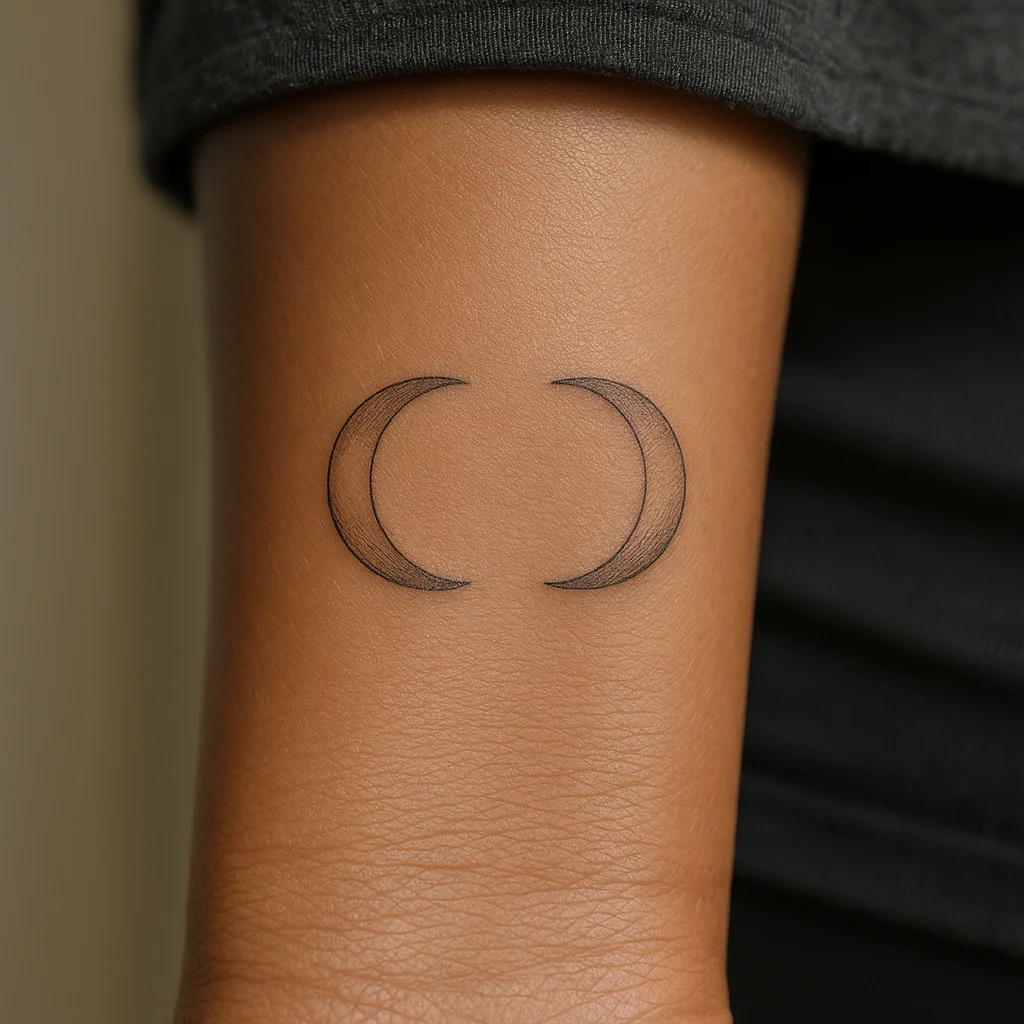
No comments yet. Got a thought about these designs? Start us off.
Want to weigh in? Join the community to comment, save designs and try them on your skin.