Dad Memorial Tattoos: 30 Ideas That Feel Like Him
A memorial tattoo for your dad works best when it comes from something that was actually his: his handwriting, his watch, the lure in his tackle box. Here are 30 ideas, sorted by what you're carrying forward, with practical advice on sourcing, sizing and cost.
Start With Something That Was Actually His
The memorial tattoos that hold up over decades almost never start with a search for "dad tattoo." They start with an object, a phrase, or a handful of letters that already existed in the world before he died. That specificity is what stops the piece from sliding into generic territory — anyone can get a clock and a rose, but only you have the way he crossed his sevens.
Before you talk to an artist, spend an evening gathering source material. Practical places to look:
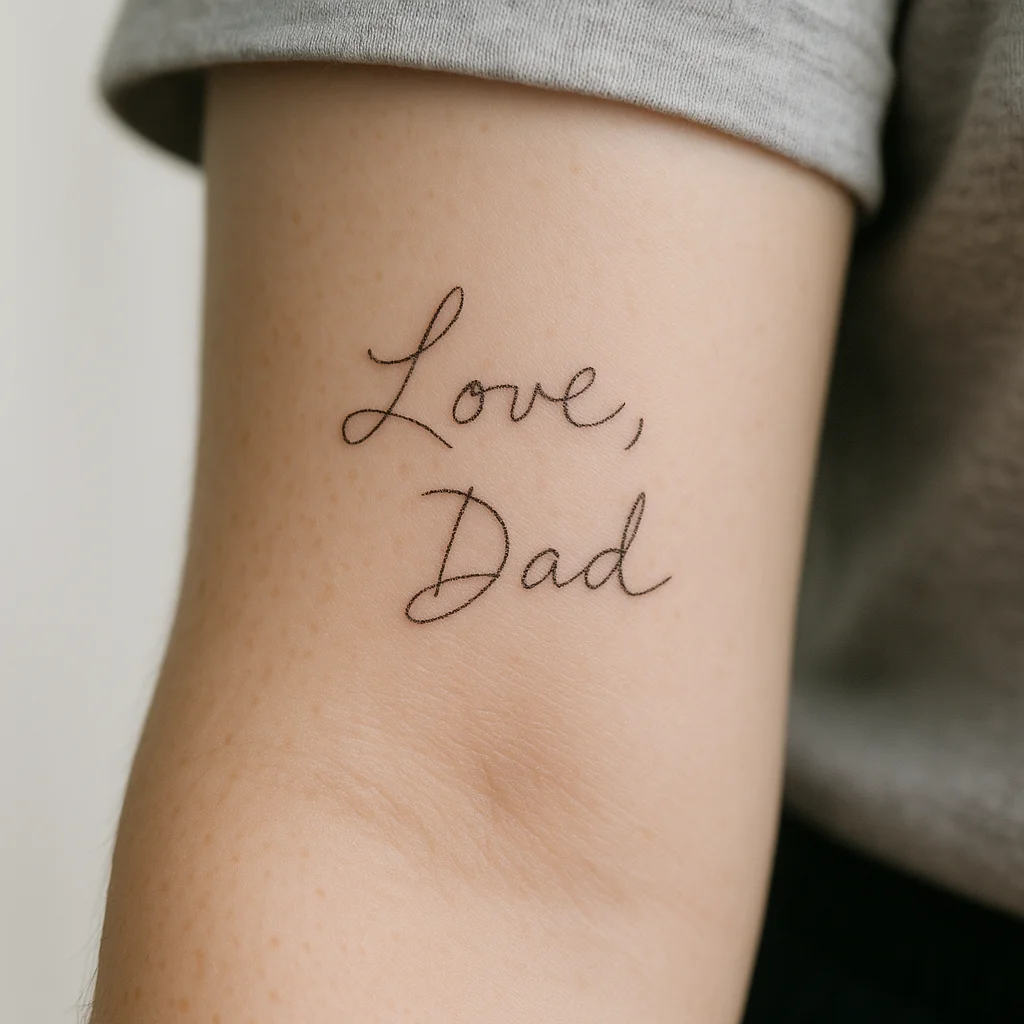
- Cards and notes. Birthday cards, sticky notes on the fridge, a signed cheque, the back of a photograph, a shopping list. Sign-offs like "Love, Dad" or "Pop" are gold because they are short and already stylised.
- Phones and voicemail. A saved voicemail can be turned into a soundwave; a text message can be typeset in his actual thumb-typed punctuation.
- Documents. A passport signature, an old work ID, a dedication in a book he gave you.
- Objects. His watch, his ring, his reading glasses, the mug nobody else was allowed to use, the tools in his shed.
- Photos of his hands. Hands age-mark a person more distinctly than faces do, and they tattoo beautifully at small sizes.
Scan whatever you find flat, at high resolution, in daylight rather than under a yellow lamp — a phone photo taken at an angle forces the artist to guess at proportions. Never trace over faded handwriting with a pen to "help." You will smooth out exactly the wobble that made it his. A good artist will clean up bleed and thin strokes digitally while keeping the character intact, and will show you the stencil at true size before anything permanent happens.
One more thing worth saying out loud: there is no deadline. Some people book within a month because they need to do something with their hands; others wait three years until the idea settles. Both are normal, and grief does not expire.
His Handwriting and His Words
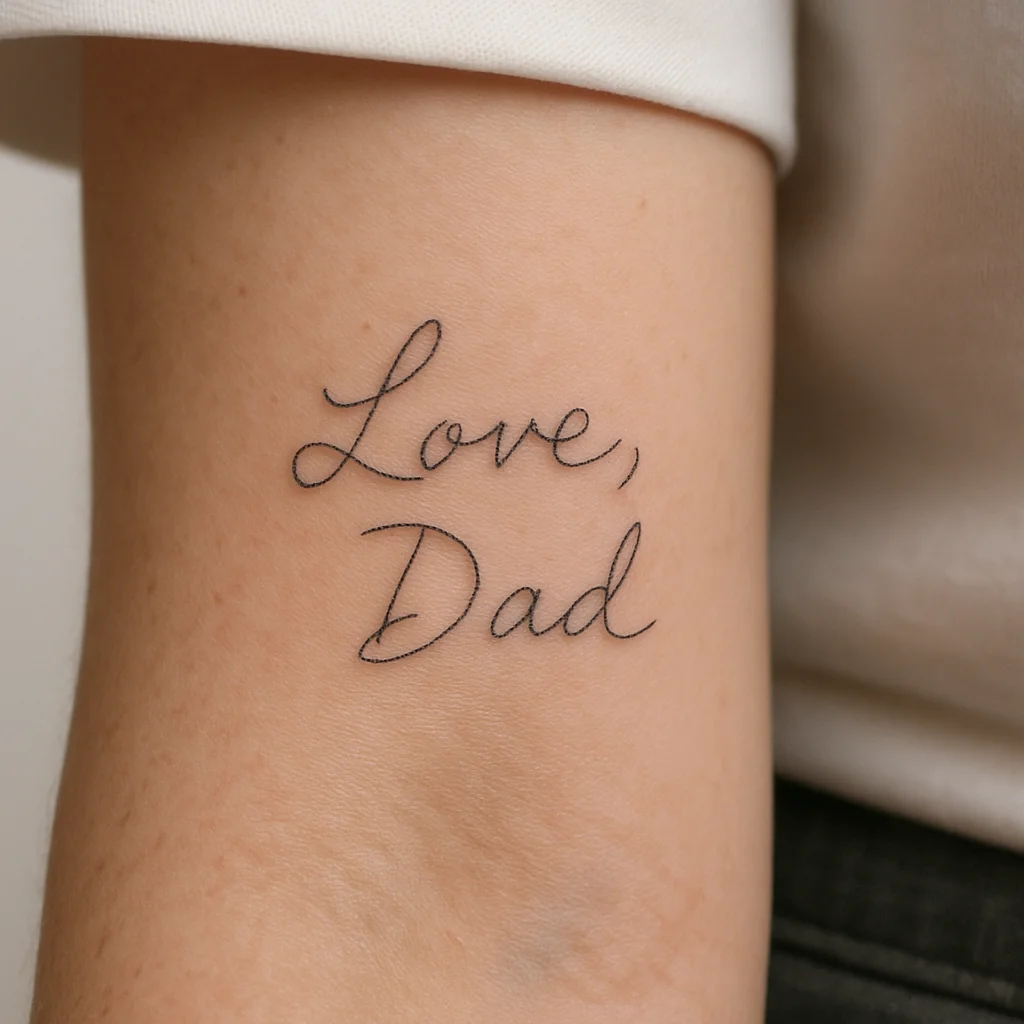
1. "Love, Dad" from a birthday card
The classic for a reason: two words, his loops, his pressure. Scanned from a real card it lands somewhere between two and four inches wide and reads clearly for life. The inner forearm keeps it private-facing so you see it the right way up when you look down.
2. His signature, scaled small
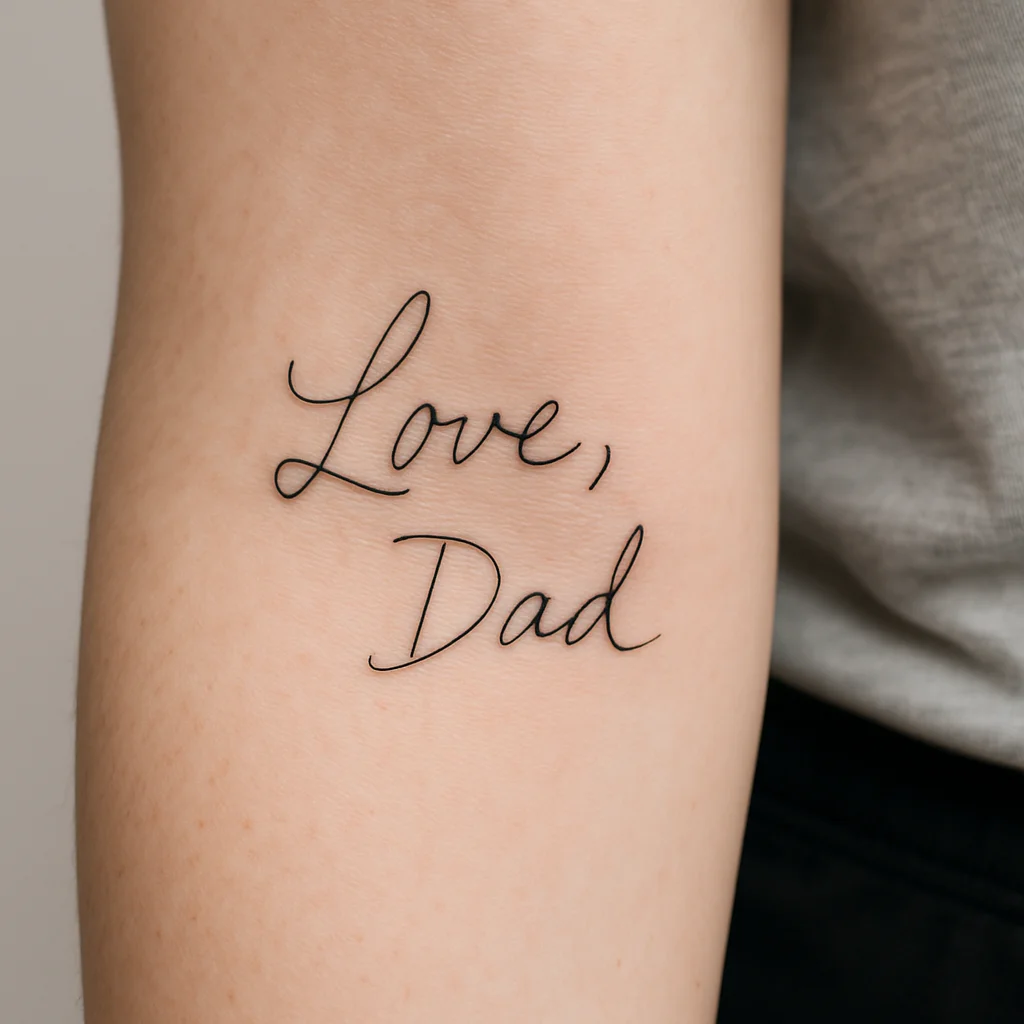
A signature is already a designed object — he practised it thousands of times. Keep it under two inches on the inner wrist and ask the artist to preserve the flourish rather than tidy it. If his signature is very fine, add a hair of weight to the strokes so it survives twenty years of skin movement.
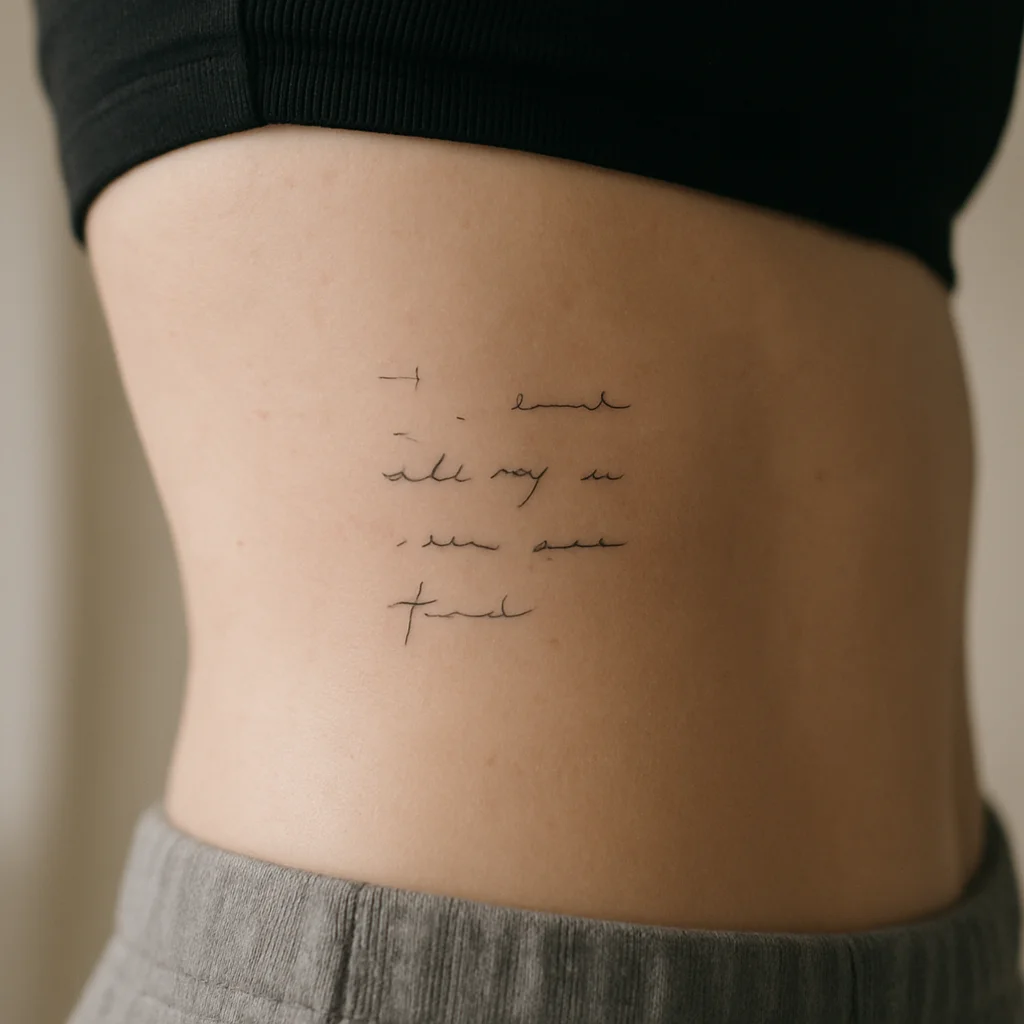
3. The phrase he said constantly
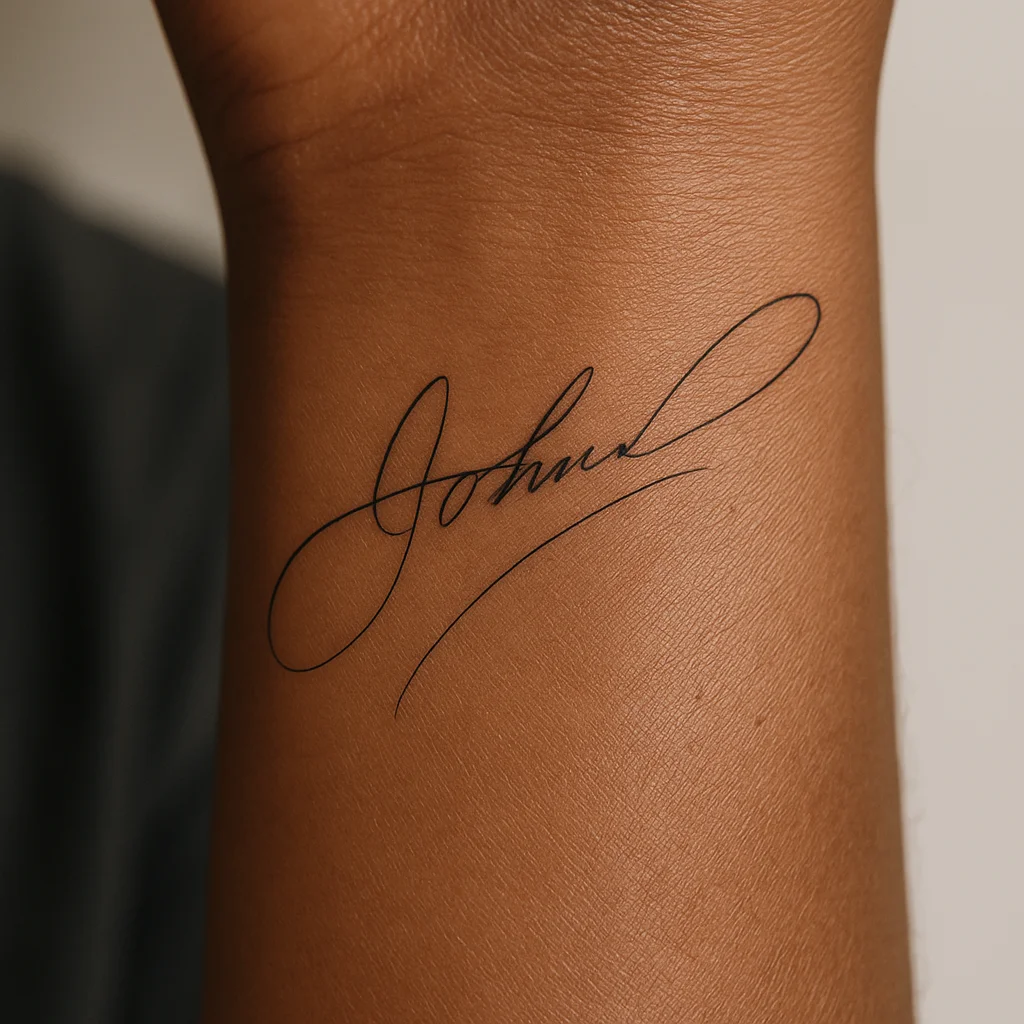
"Right then." "Steady on." "Call me when you land." A phrase in his own print along the ribcage runs long and thin, following the line of the ribs. Expect it to be one of the sharper sits on the body, but the length-to-height ratio suits this placement better than almost anywhere else.
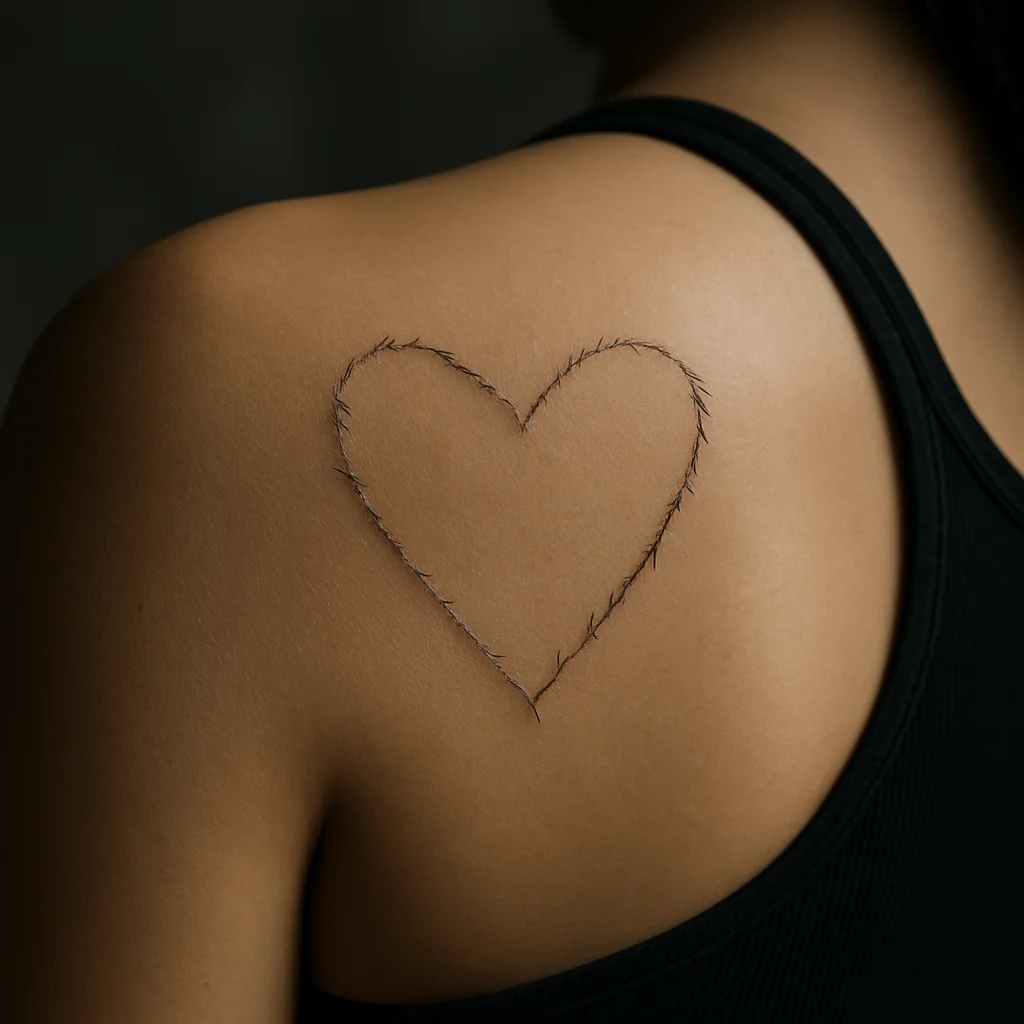
4. Handwriting shaped into a heart or mountain
Take a longer line of his writing and have the artist bend it into a simple silhouette — a heart, a wave, the ridge of the hill he walked. It reads as a shape from across the room and as his words up close. The shoulder blade gives you a flat, generous canvas for this.
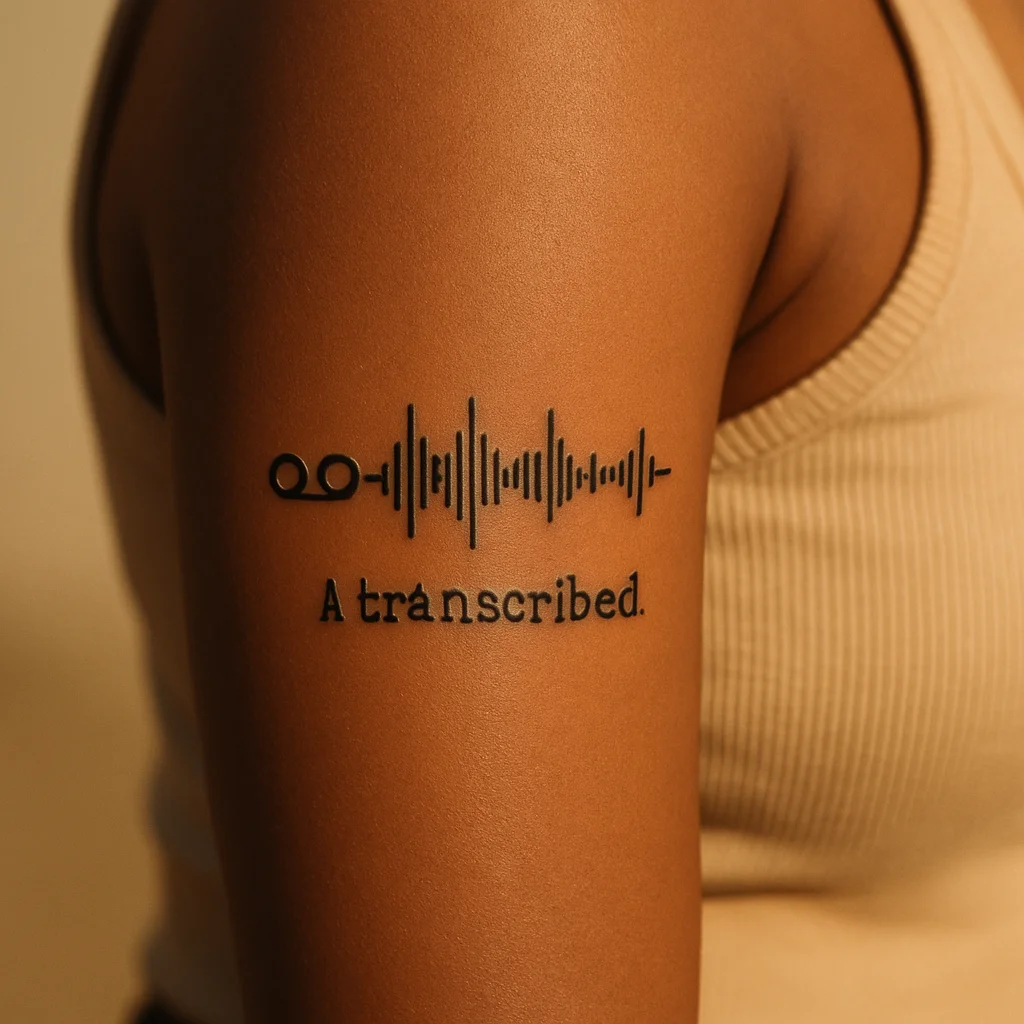
5. Voicemail soundwave with the words beneath
Export the waveform of a saved message, crop to the three seconds that matter, and set the transcribed line underneath in his handwriting or a clean serif. Keep bars chunky enough not to blur — hair-thin waveform spikes are the first thing to go mushy. The upper arm handles the horizontal format well.
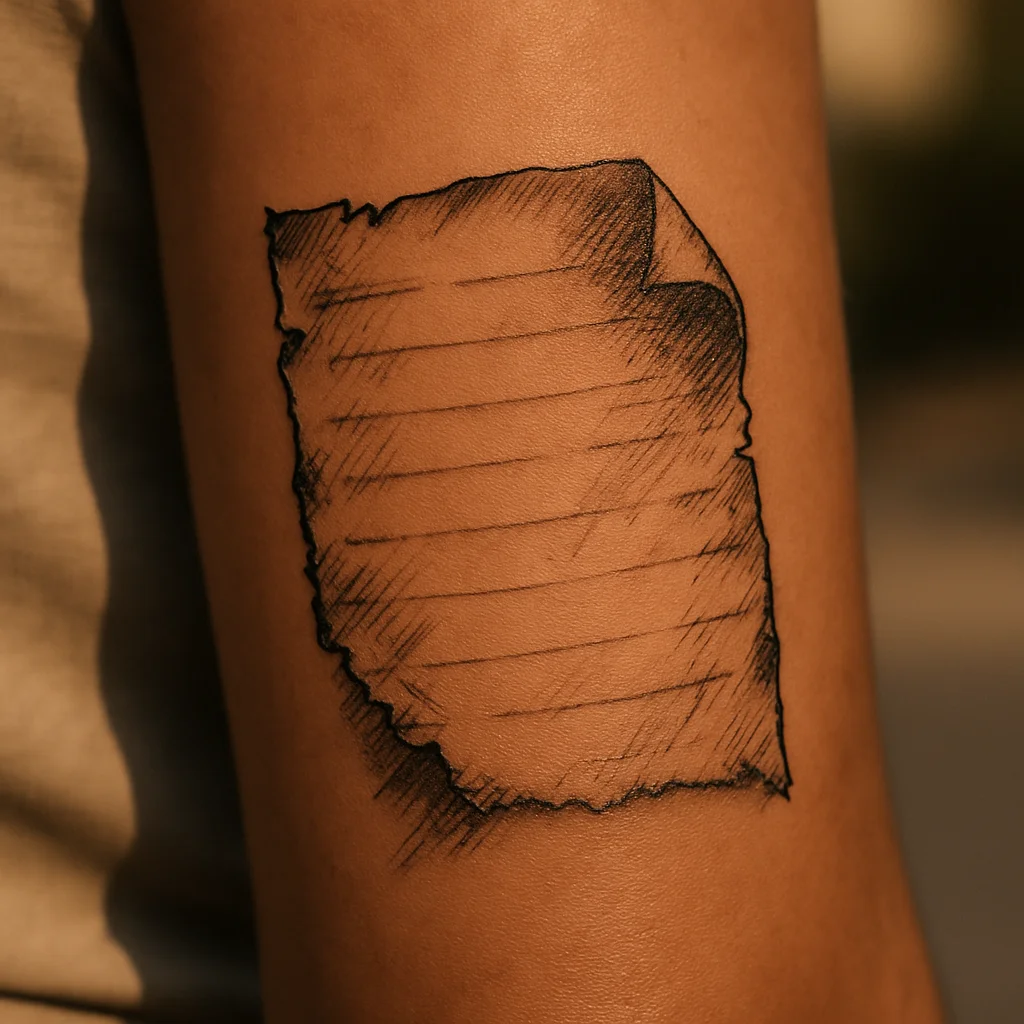
6. A torn note, rendered as an object
Instead of floating text, tattoo the note itself: the torn paper edge, the faint rule lines, a slight curl at the corner. Illustrative shading makes it feel like something you could pick up. Four to six inches on the outer forearm gives the paper enough room to look like paper.
Objects He Actually Owned
7. His watch, stopped at a time that matters
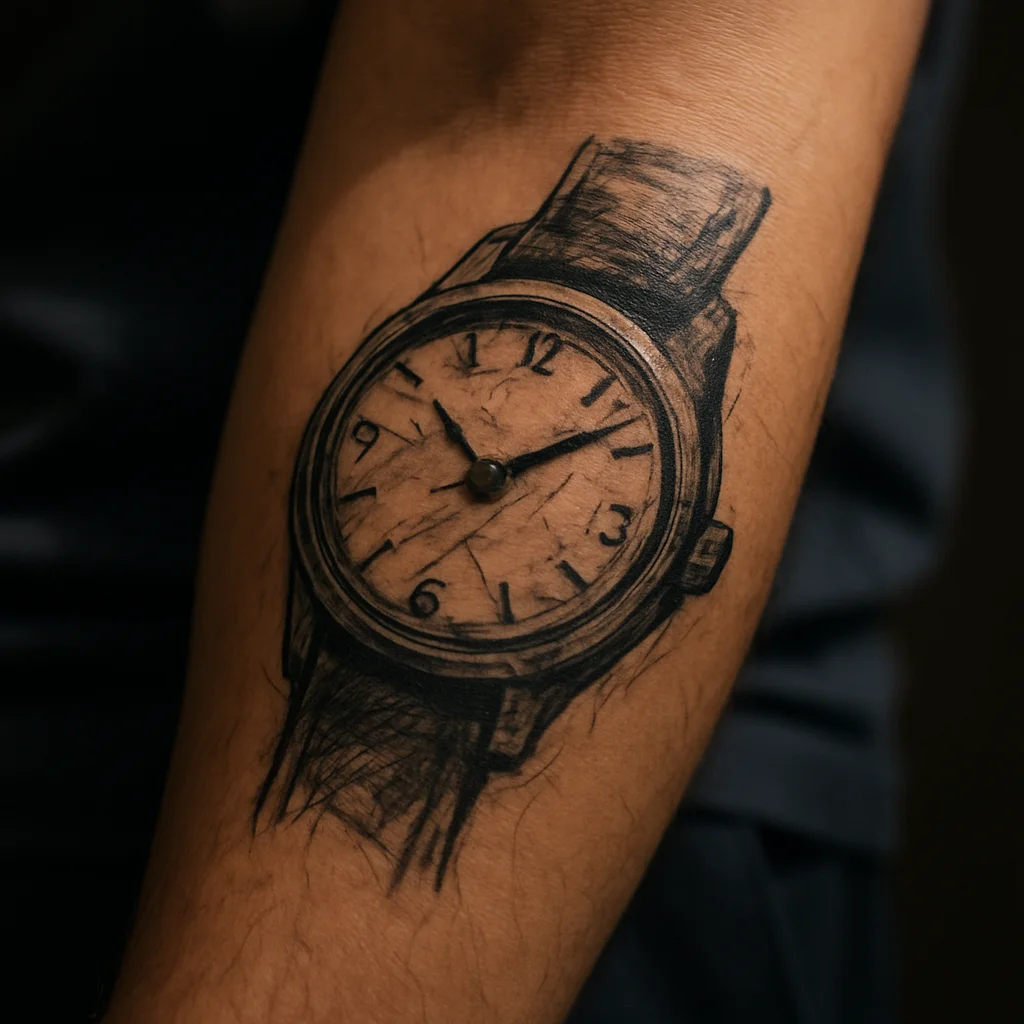
Not a generic pocket watch — his: the scratched crystal, the specific bracelet, the date window. Set the hands to the hour you were born, or the hour he went. Detailed watches need four inches minimum on the inner forearm, otherwise the dial fills in and becomes a grey circle within a decade.
8. His wedding ring on a fine chain
A single band, drawn at actual diameter, hanging from a delicate chain that follows the collarbone. It suits people who now wear the real ring on a chain and want the tattoo to echo it. Keep the chain links slightly larger than looks correct on paper — they close up as they heal.
9. His reading glasses, folded
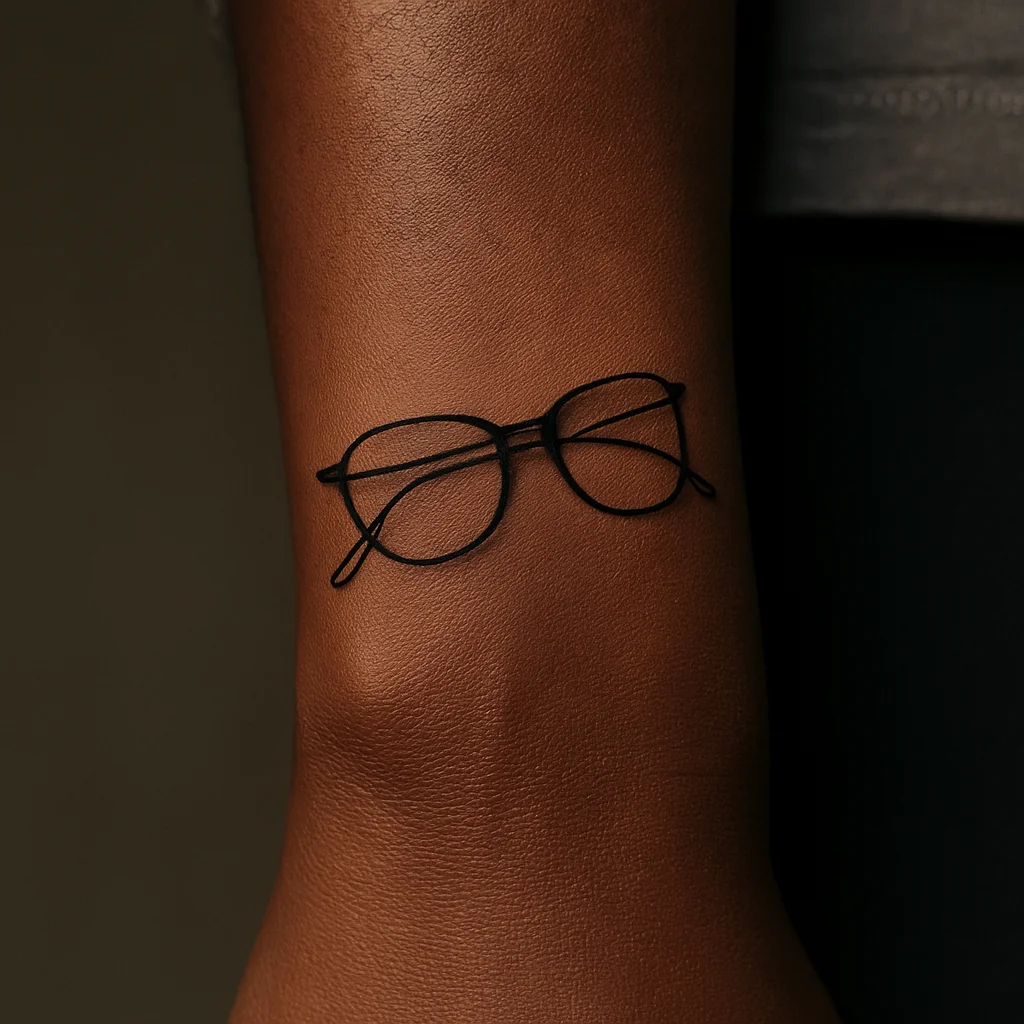
Folded glasses are an instantly readable silhouette and carry a surprising amount of him: the shape he chose, the way one arm never quite sat straight. Two inches on the inner wrist in a clean minimalist line is enough. It's a good option if you want something quiet that only people who knew him will decode.
10. The car or truck he drove
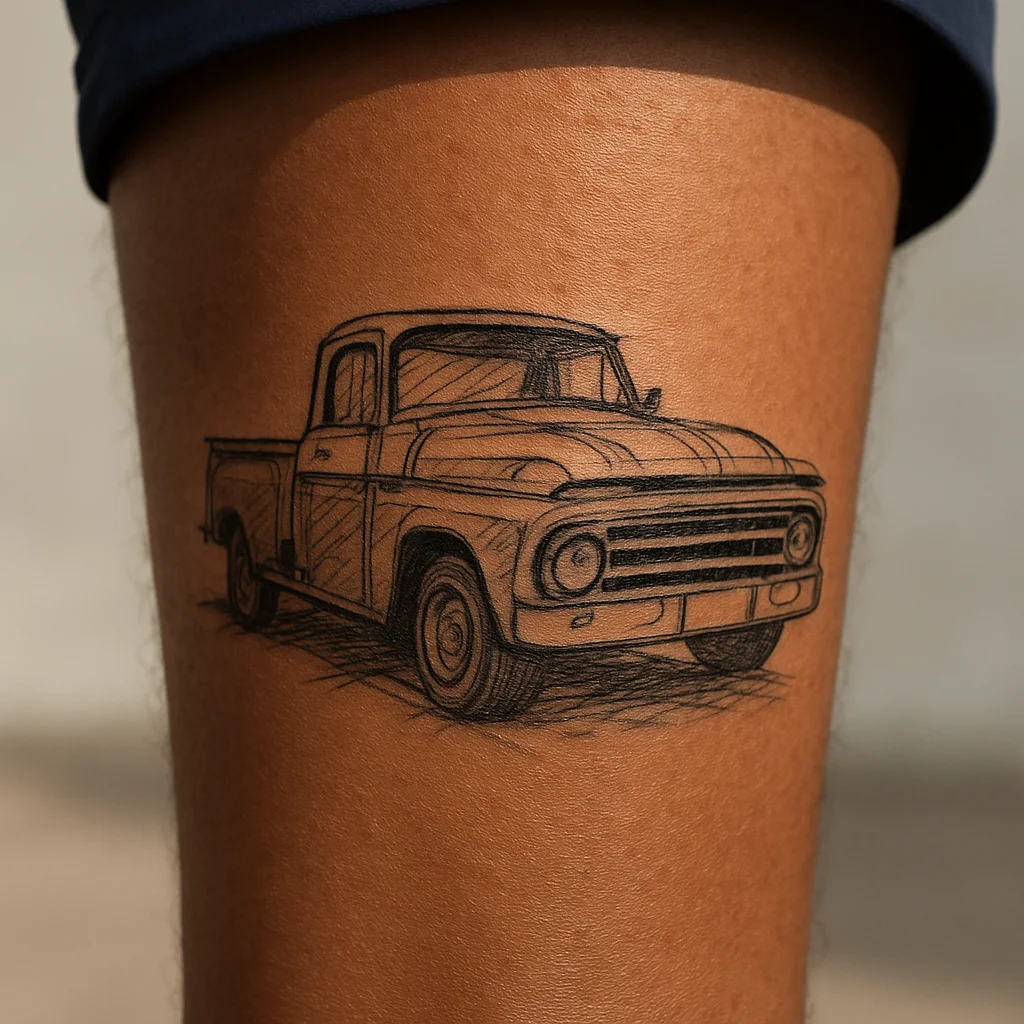
Three-quarter view, illustrative shading, number plate included if you want the detail. This wants real estate — the calf takes a six-to-eight inch vehicle comfortably and ages well because the area stays out of direct sun most of the year.
11. His hand over yours
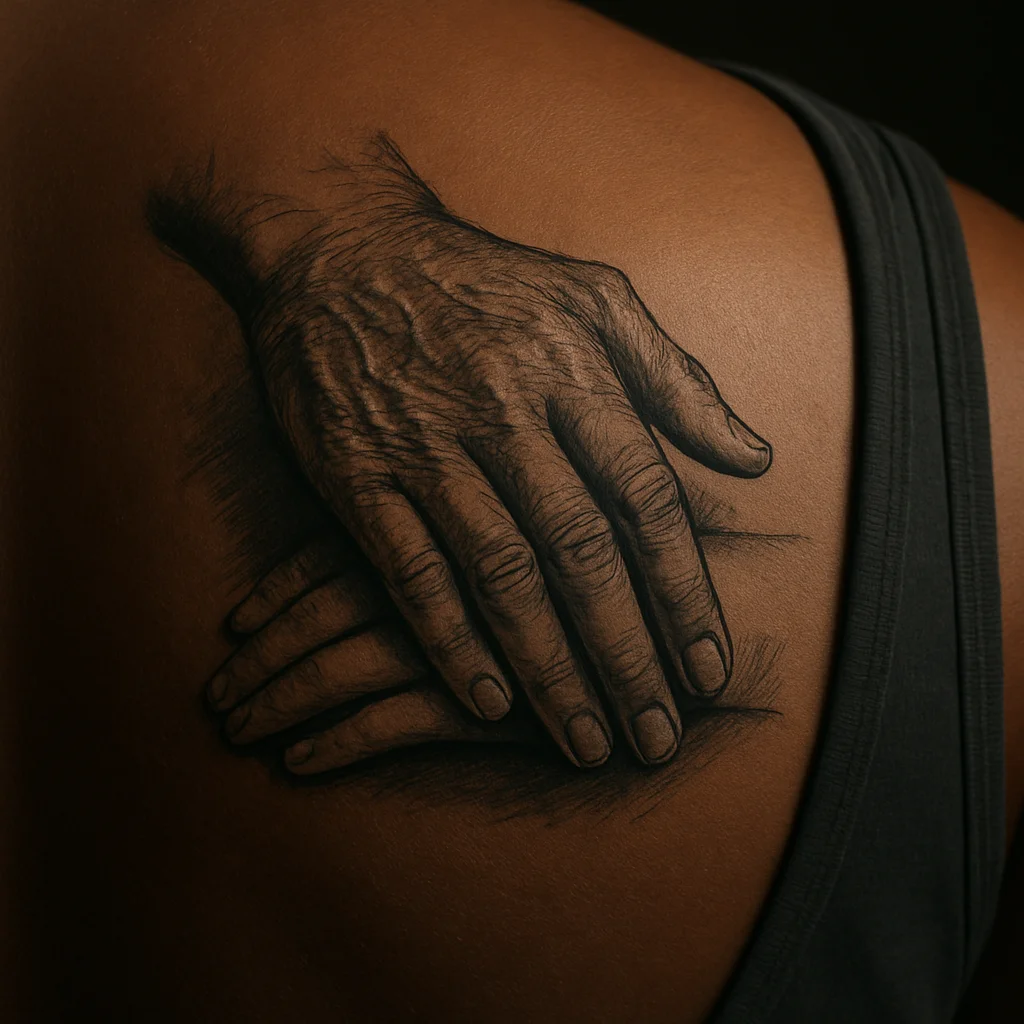
Worked from an actual photograph, hands carry age, knuckle shape and the watch strap tan line. A hand study reads as a portrait without the risk that comes with faces. The upper back gives an artist the space to render skin texture properly at scale.
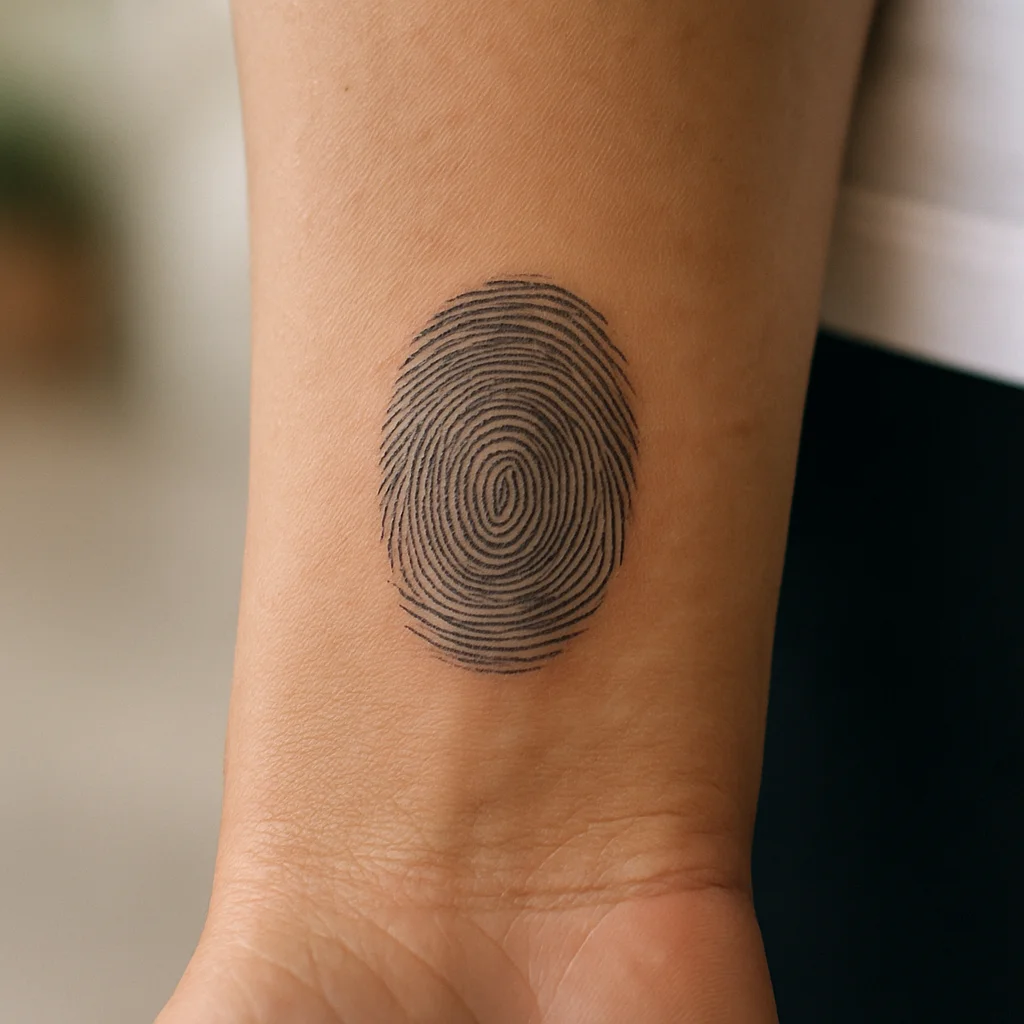
12. His fingerprint, kept as a fingerprint
Many funeral homes take a print, and older documents sometimes carry one. Resist the urge to turn it into a heart unless you love that version — the honest oval whorl is stronger. Print detail needs at least an inch and a half on the inner wrist, and ask for slightly fewer ridges than the source so it stays legible.
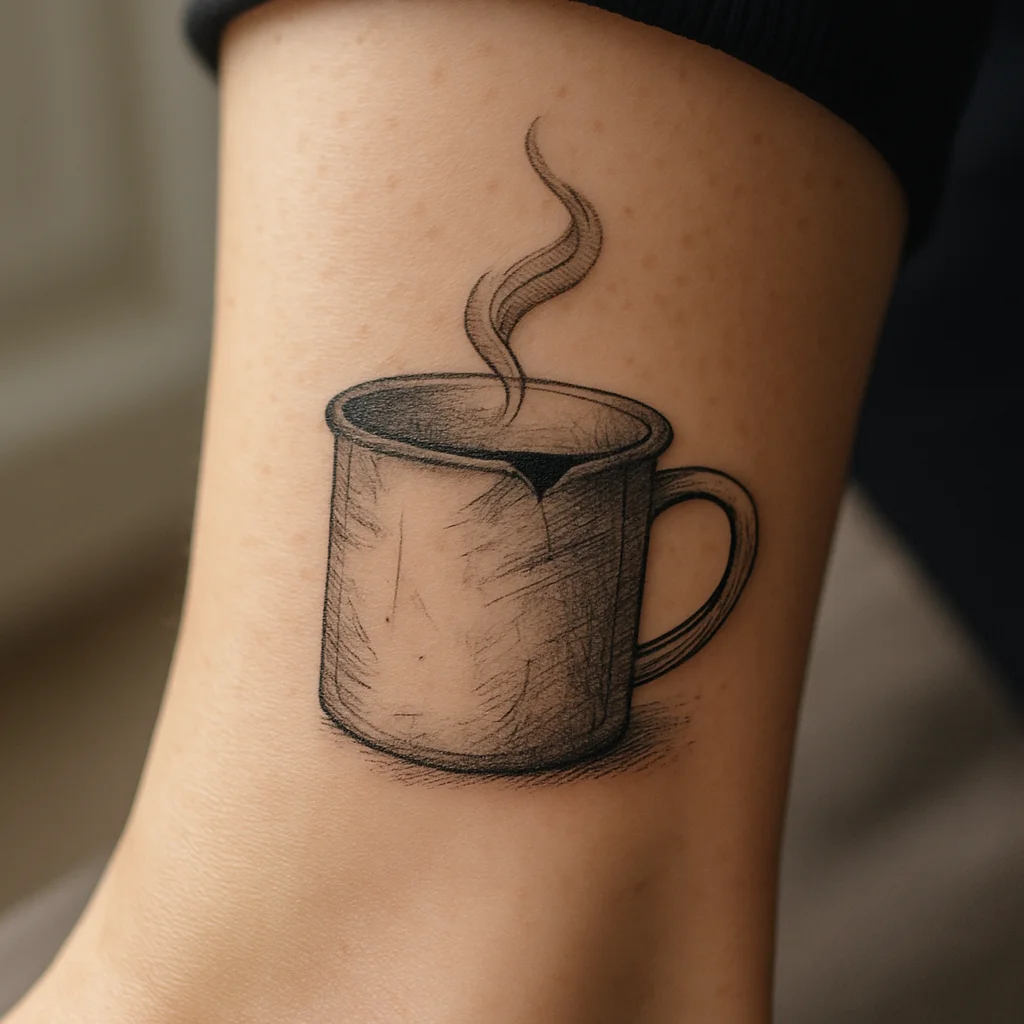
13. His mug, his chair, his boots
The domestic object nobody else would think to tattoo. A chipped mug with steam, a pair of worn work boots with the laces undone, the armchair that was permanently his. Small and illustrative on the ankle, three inches, and it will make you laugh as often as it makes you cry.
His Trade, His Hobbies, His Obsessions
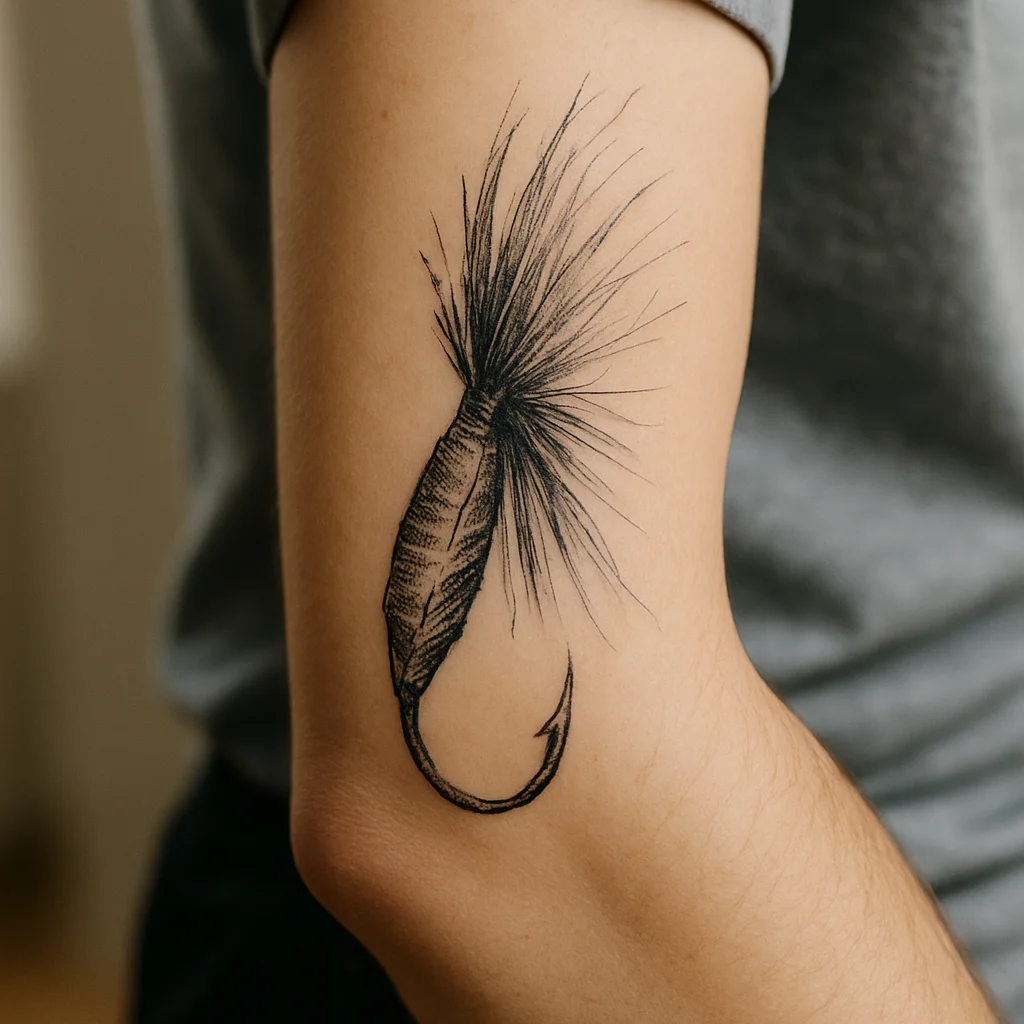
14. The lure from his tackle box
One specific spinner or fly, drawn at close to life size with the hook line crisp. Anglers recognise the pattern instantly, which is exactly the point. Three to four inches on the outer forearm, illustrative with a touch of colour on the feather if he fished wet flies.
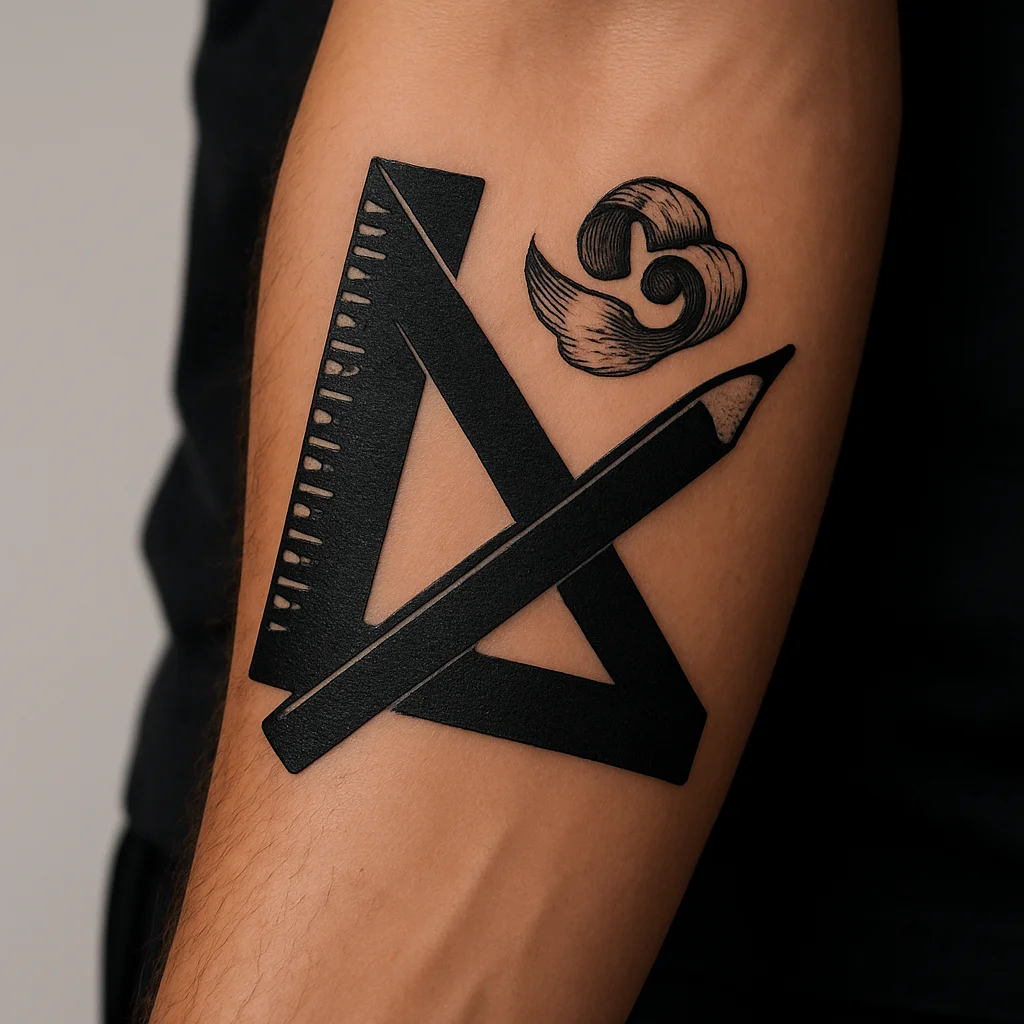
15. Carpenter's square, pencil and a shaving of wood
For the dad whose hands were always building something. A bold blackwork square with a flat carpenter's pencil crossing it makes a strong graphic on the inner forearm and holds its shape better than a full toolbox scene. Add a curl of shaved timber for softness.
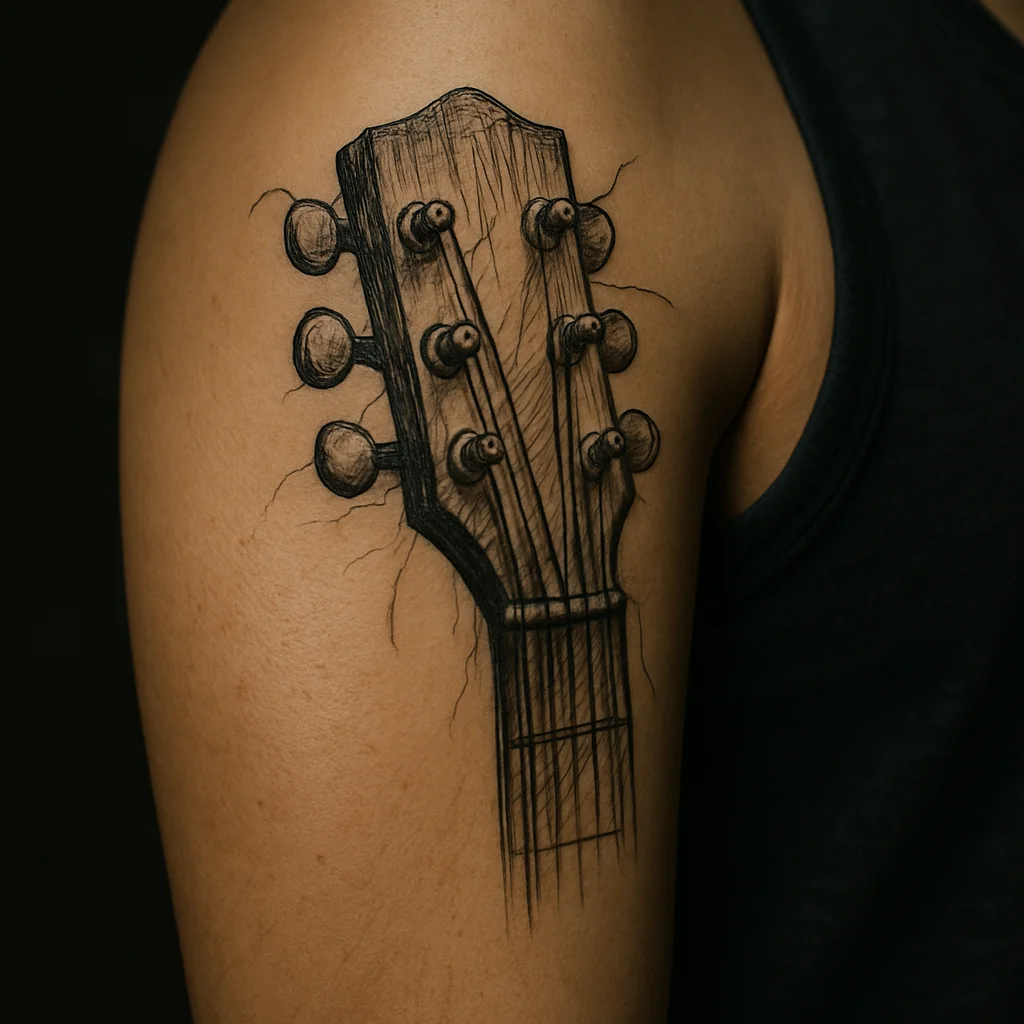
16. The headstock of his guitar
Not a whole guitar — just the headstock, with the logo, the tuners and the string ends he never trimmed. It's an unusual crop that signals real familiarity. Five inches vertically on the upper arm, illustrative with restrained shading.
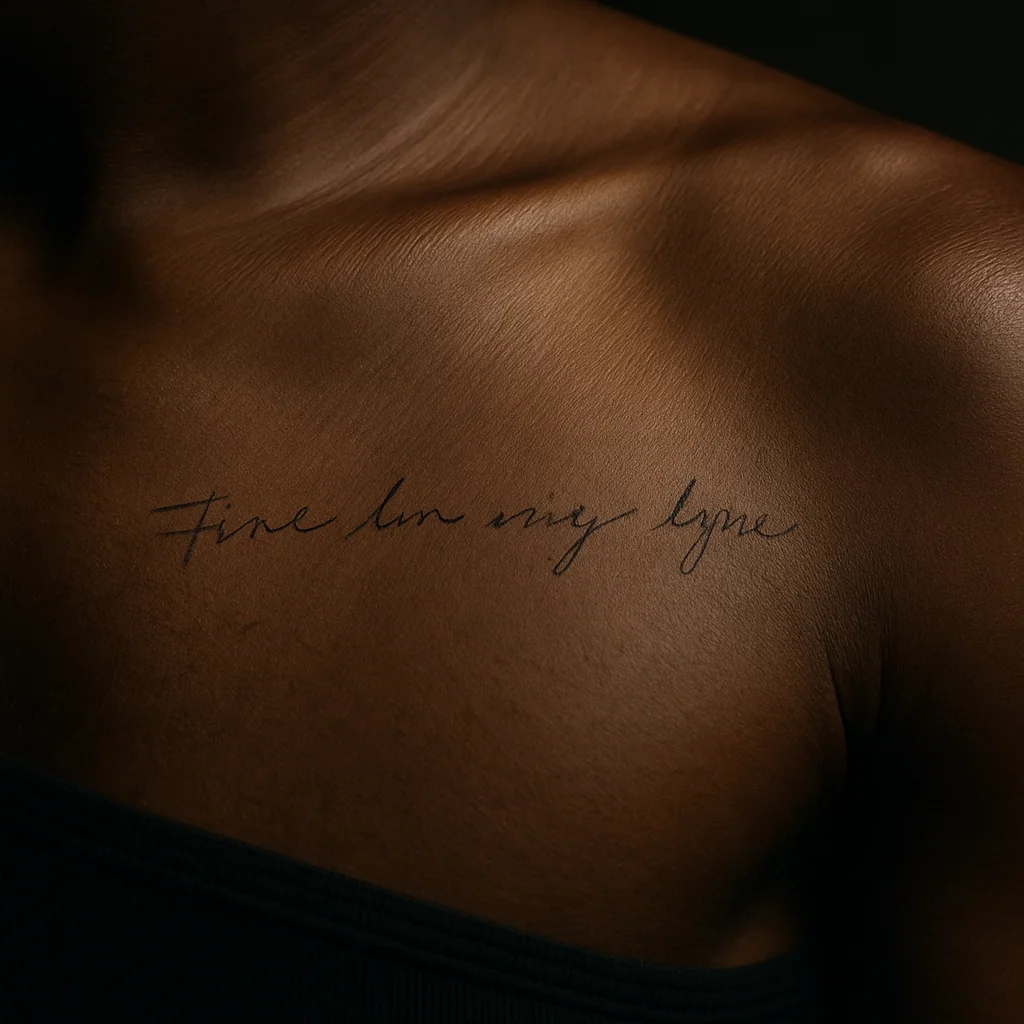
17. A lyric from the record he wore out
Set a single line from the song that was unmistakably his across the chest, either in his handwriting or in the album's own typeface. Keep letter height above a quarter inch. Chest text sits well on the pectoral curve but needs an artist who can keep a straight baseline on a moving surface.
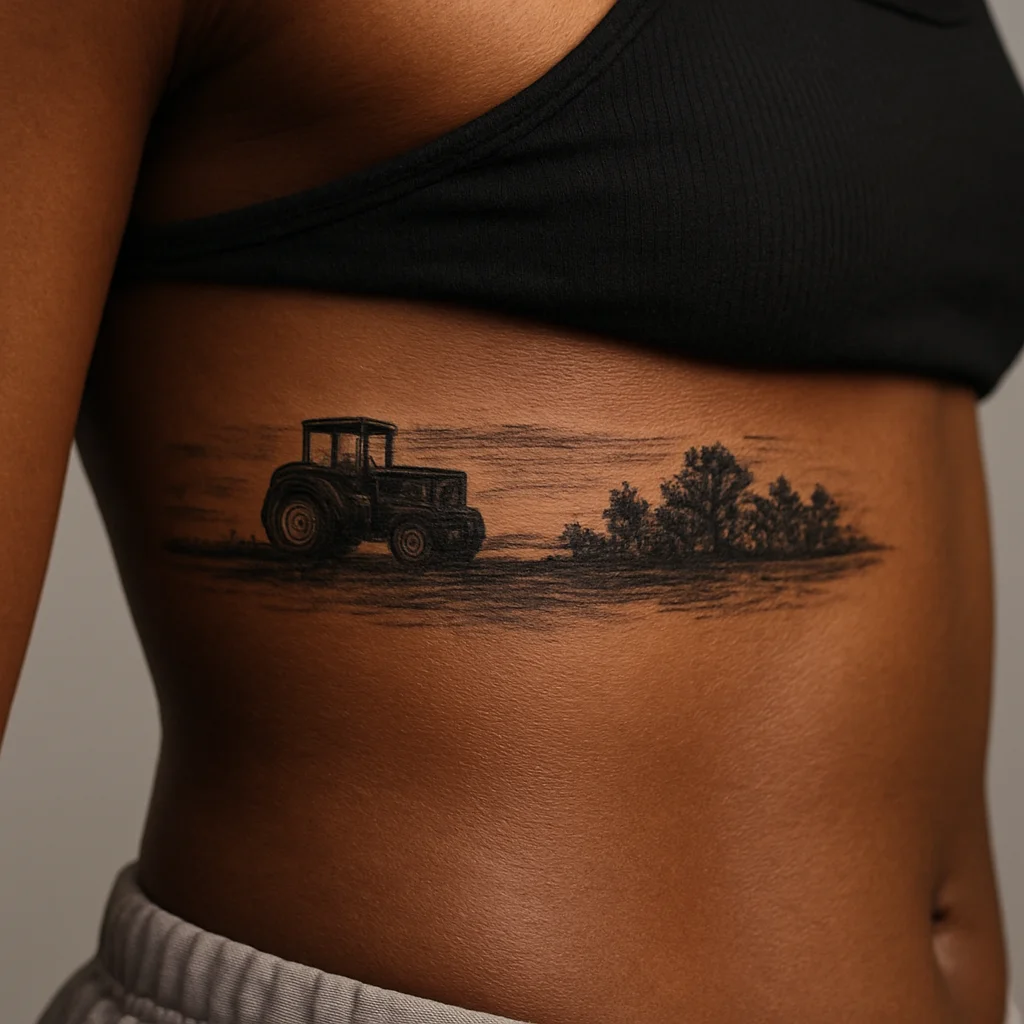
18. His work landscape in a horizon band
A narrow rectangular panel holding whatever he looked at all day: a tractor and treeline, a rig at dusk, a city skyline from the cab of a bus. Framing it as a band on the ribcage keeps it graphic and stops it from becoming a busy scene that blurs.
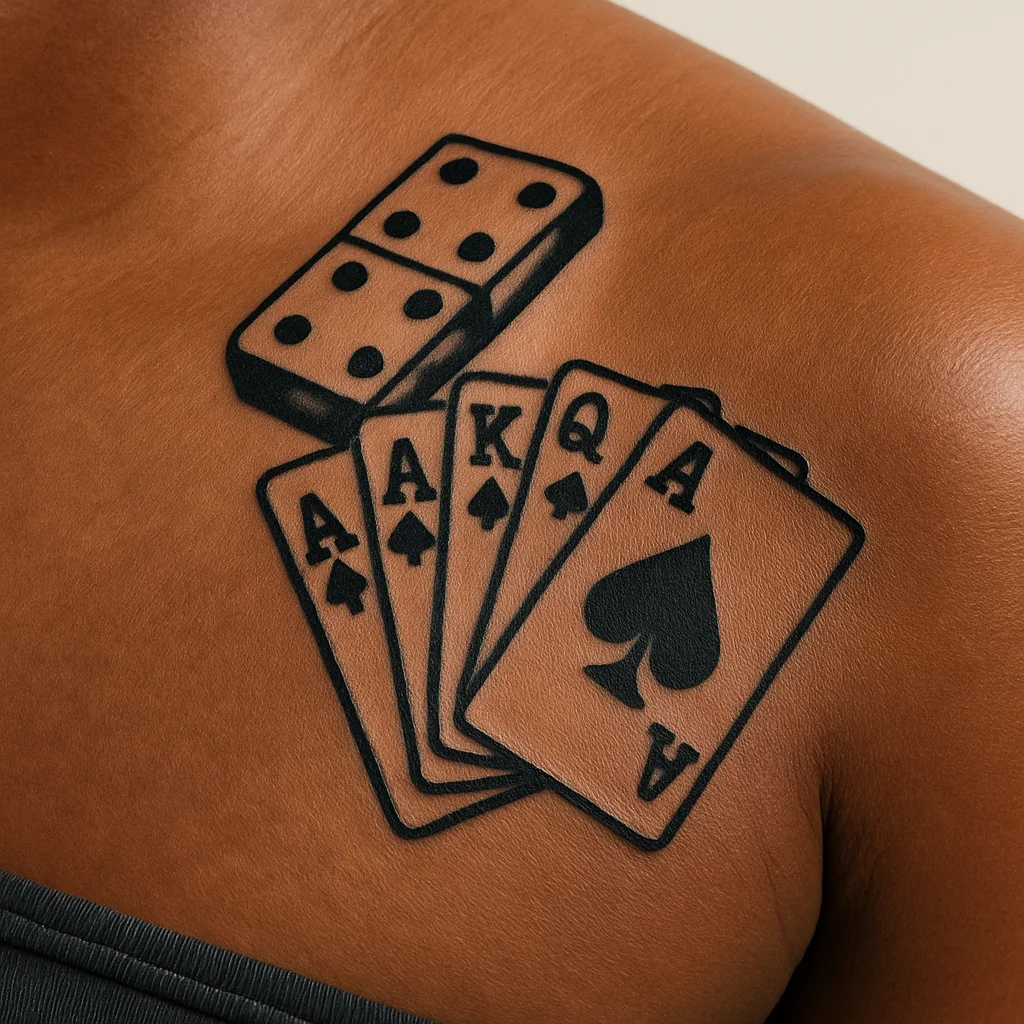
19. His card game, frozen mid-hand
Two dominoes, a cribbage board, or the hand he claimed he won with. Traditional styling with bold outlines and a limited palette suits this best and will still read at ten feet in thirty years. The shoulder gives it a rounded field to sit in.
Dates, Numbers and Places
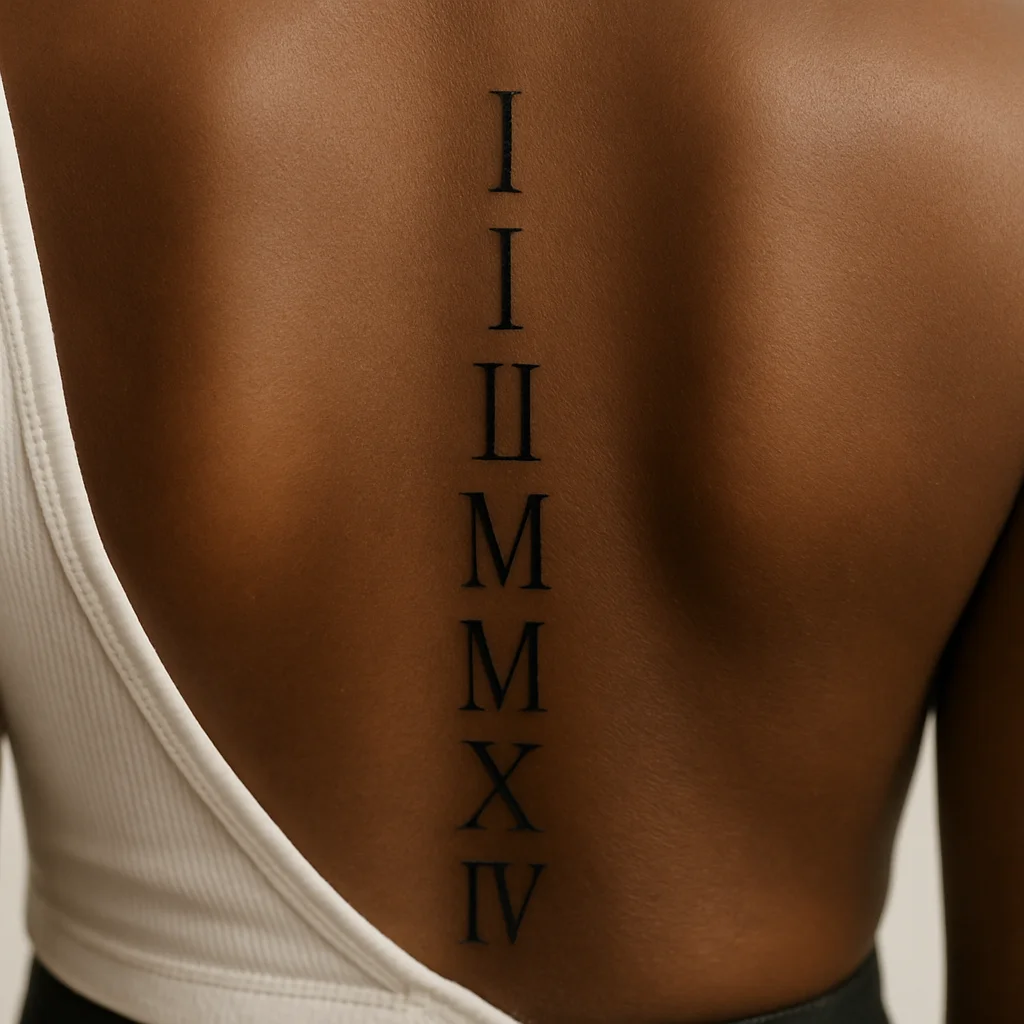
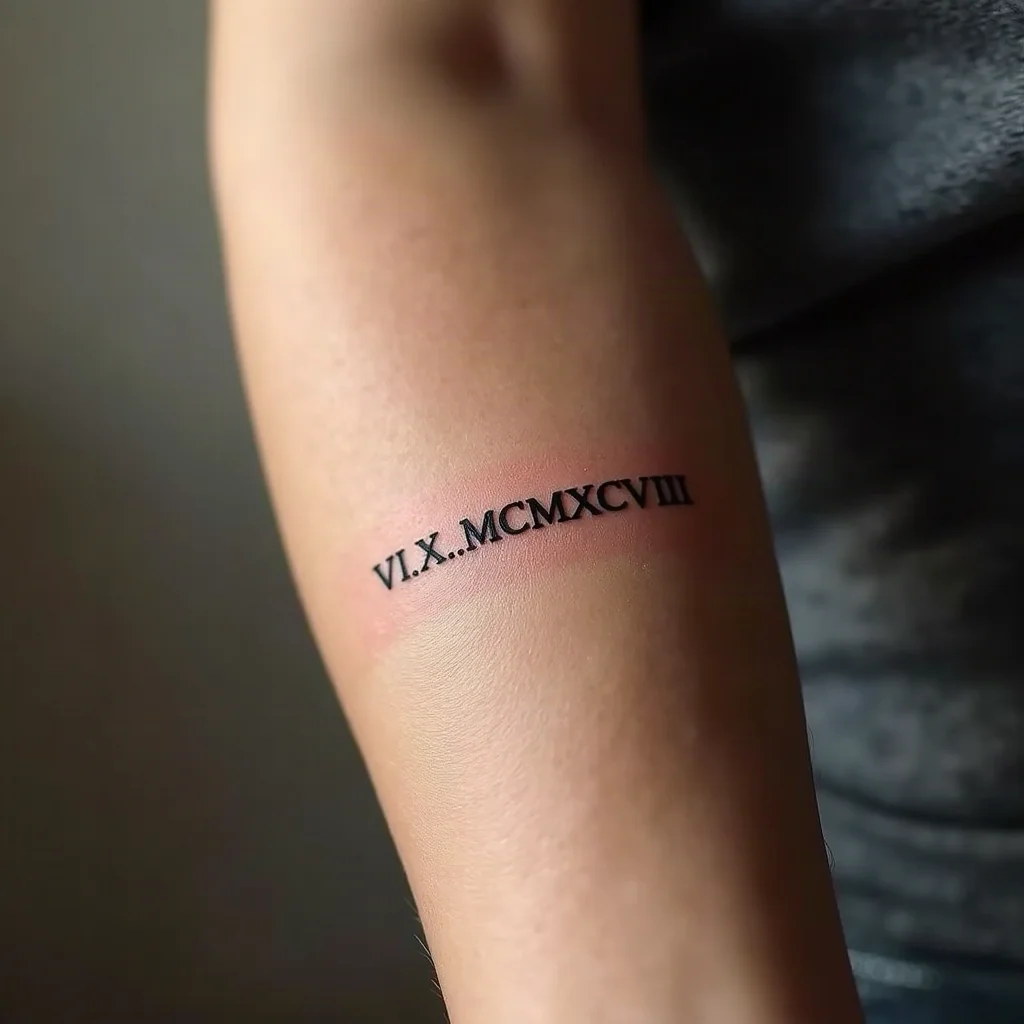
20. His birth date in Roman numerals down the spine
Roman numerals suit the spine because they stack into a naturally vertical column. Keep the character height consistent and the spacing generous — cramped numerals turn into a solid bar over time. Expect a bony, buzzy sensation over the vertebrae themselves.
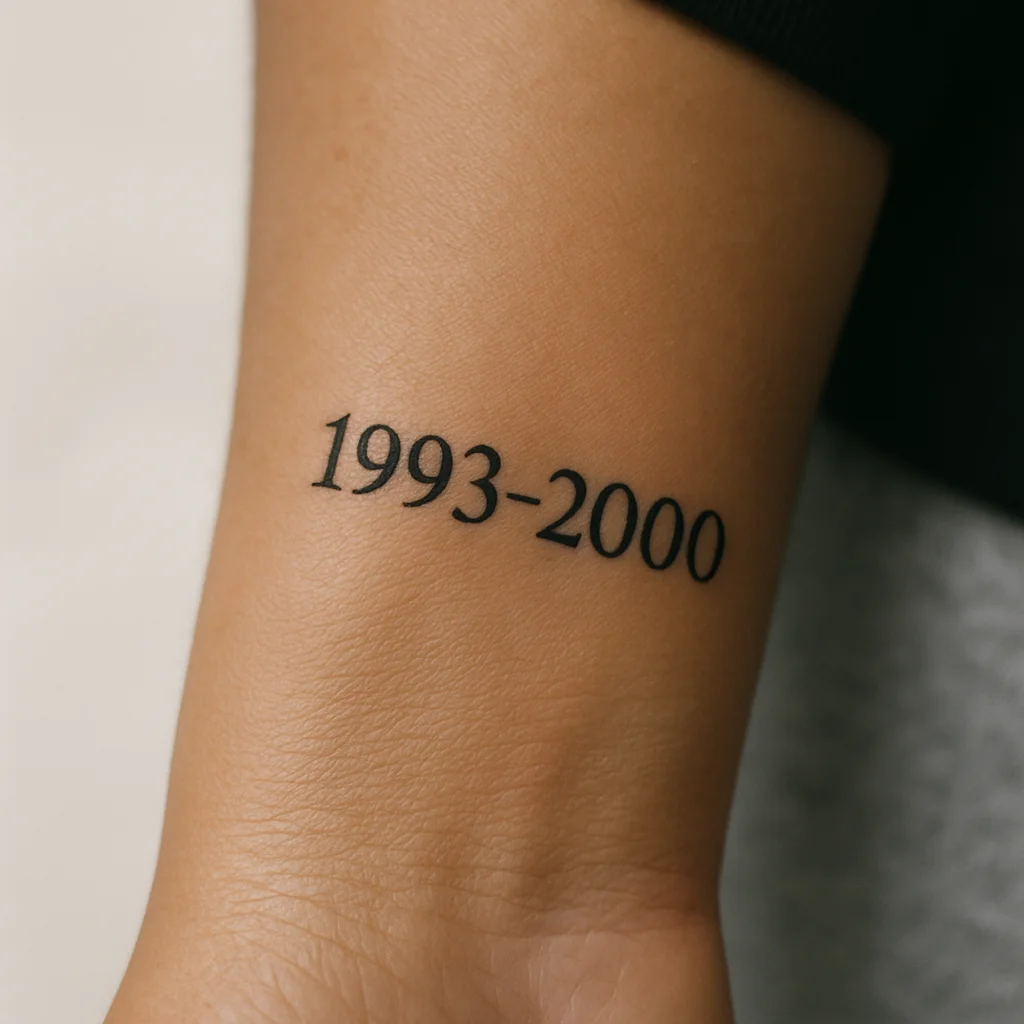
21. Two dates joined by a dash
The dash between the years is the whole life, and plenty of people find that more moving than either number. Small and horizontal along the side of the wrist, an inch and a half wide, in a simple serif or in his own numerals if you have them written down.
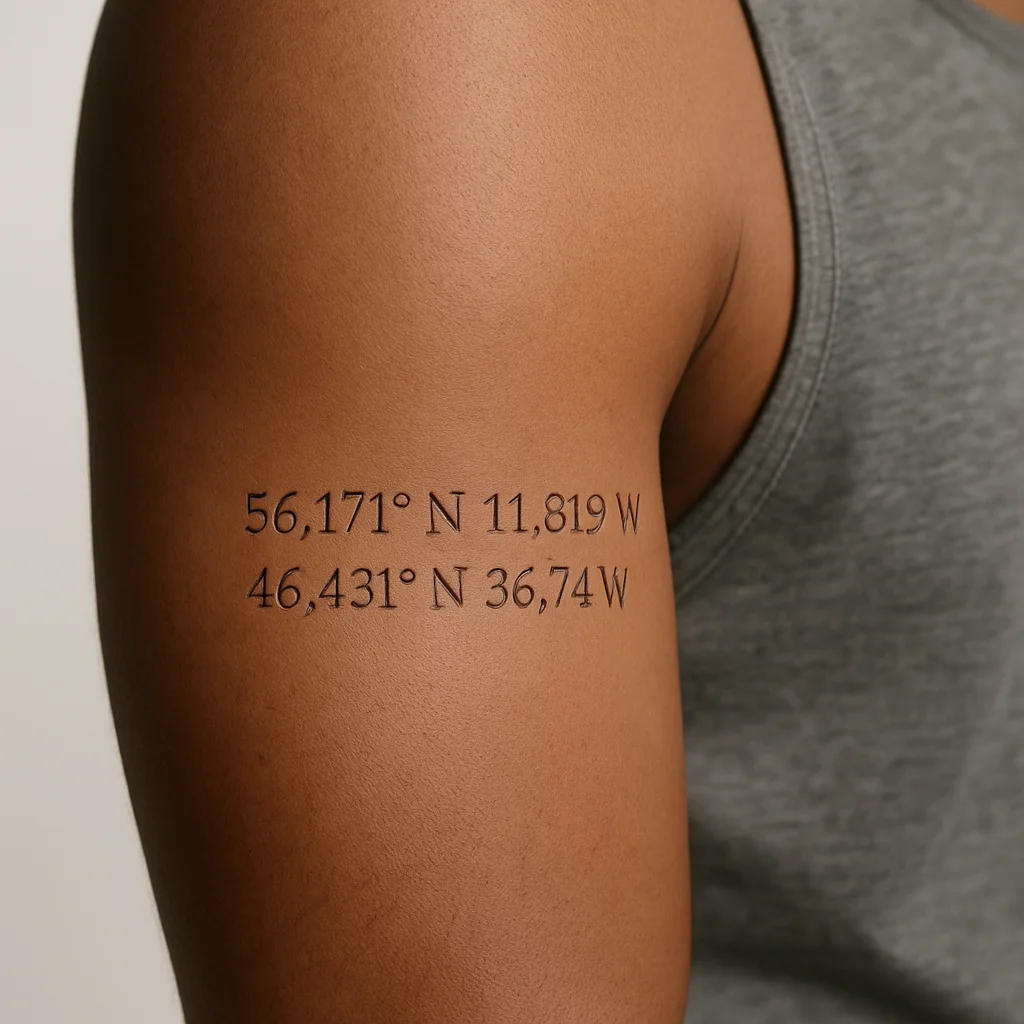
22. Coordinates of the house you grew up in
Latitude and longitude of the family home, the lake, or the workshop, set in a single clean line on the inner bicep. It needs width, so the upper arm or inner forearm beats the wrist here. Double-check the decimals with your artist before stencilling — this is the design most often tattooed with a typo.
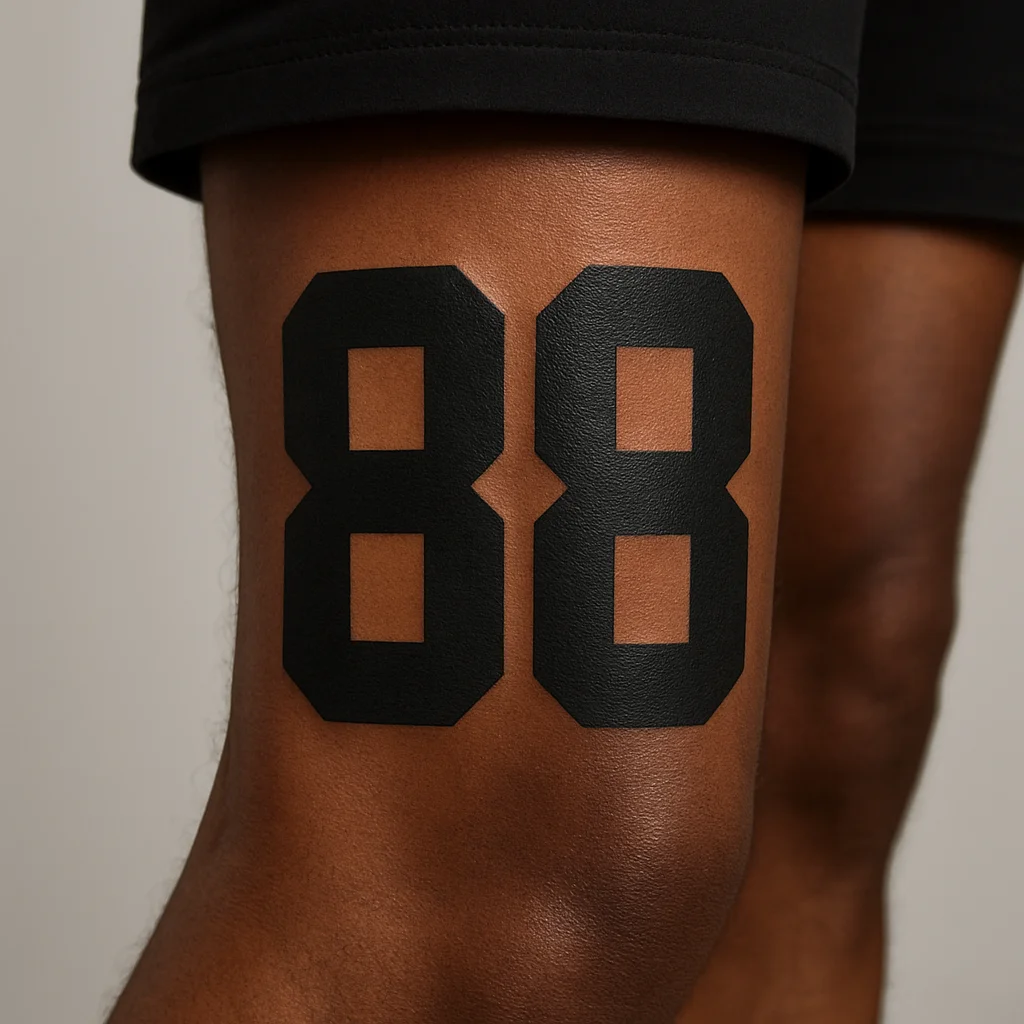
23. His number
The jersey number he wore, the door number of the house, the engine number of the boat. Two digits done large and confident on the calf is a bolder, more masculine read than script, and it holds up under sun exposure better than fine detail.
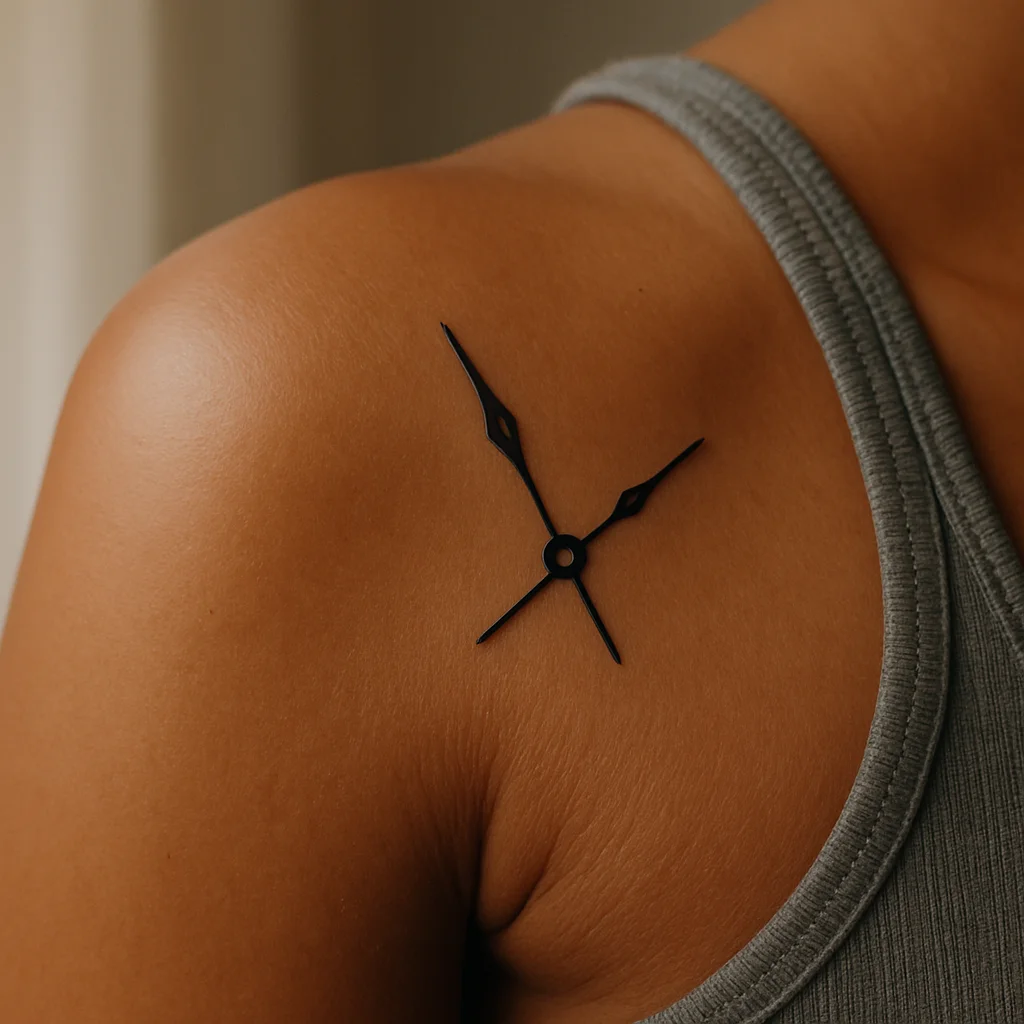
24. Clock hands with no clock
Just two hands, frozen at the hour, floating without a dial. It's a subtler version of the memorial clock and avoids the crowded Roman-numeral faces that date quickly. Three inches on the shoulder blade, minimal linework, with the hour hand slightly heavier than the minute hand.
Nature, Faith and Symbols That Still Feel Personal
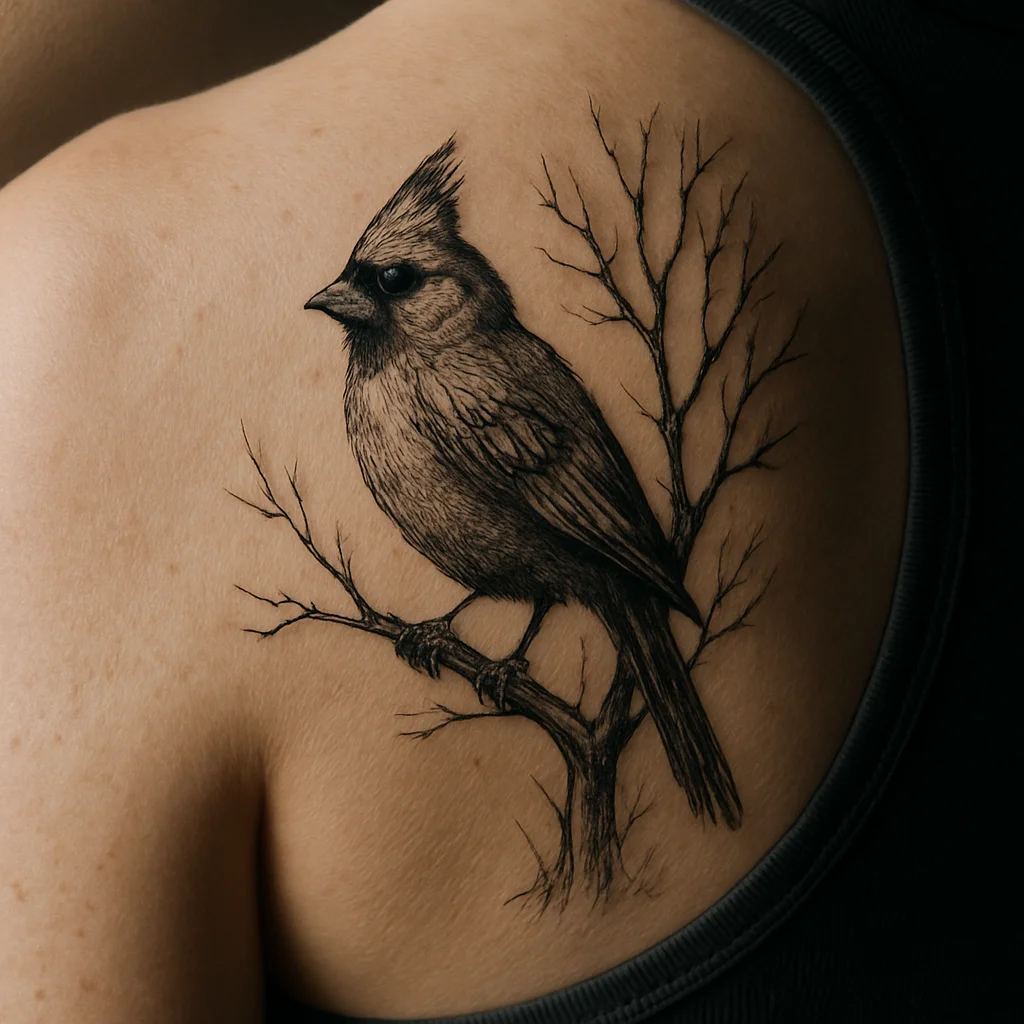
25. A cardinal on a bare branch
The visiting-bird symbolism is well worn, but it stays popular because people genuinely see the bird and think of their dad. Make it yours by using the species that actually turned up in his garden — a robin, a magpie, a jay — and giving the branch the shape of the tree outside his window. Six inches on the upper back.
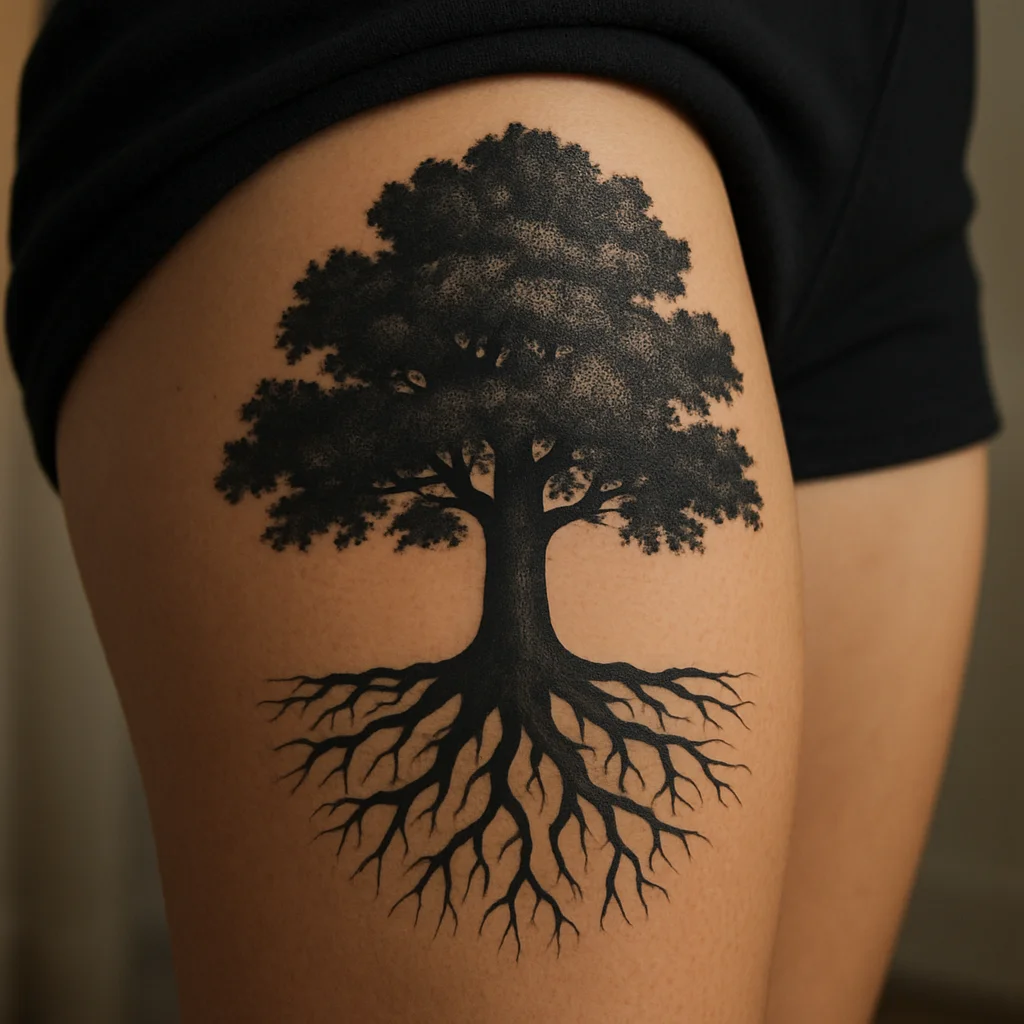
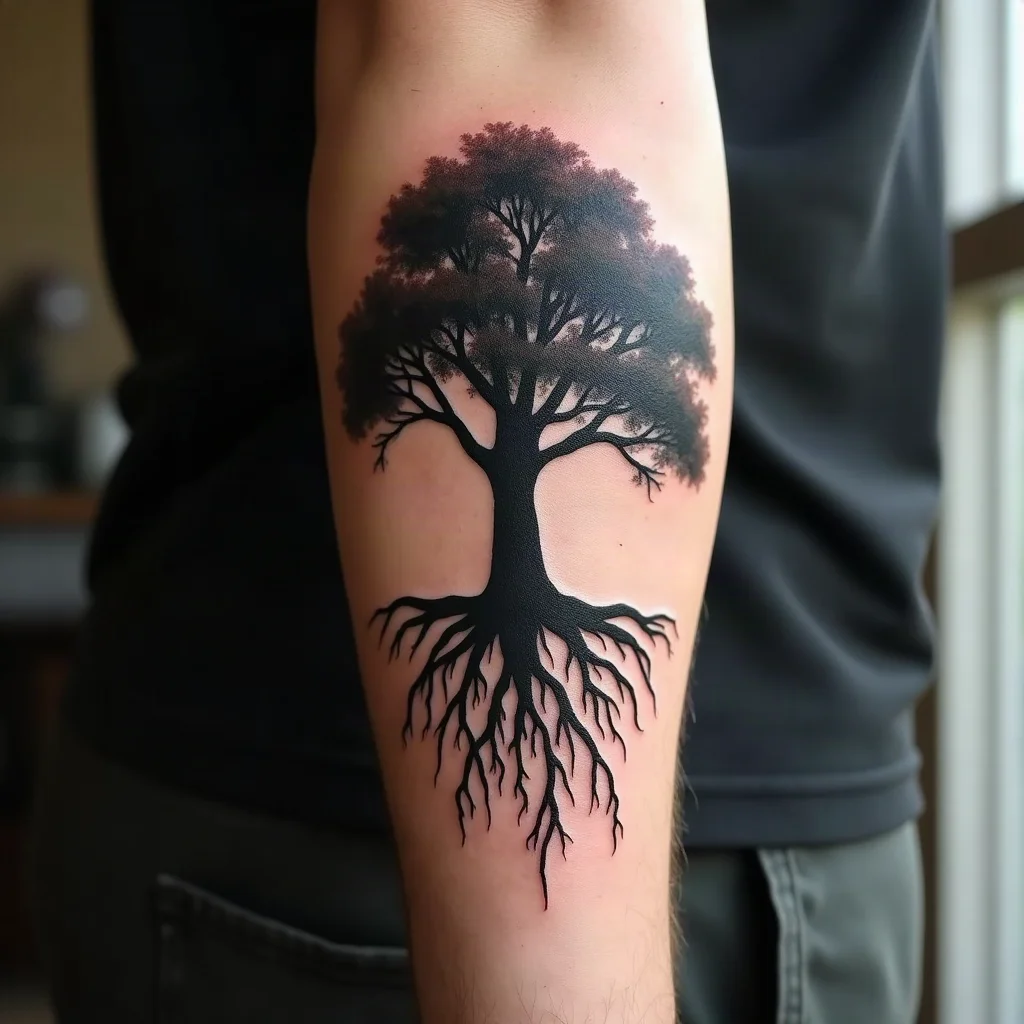
26. An oak with visible roots
Trees work as father symbols without being sentimental, especially when the root system is drawn as carefully as the canopy. The thigh takes a tall vertical tree at eight inches or more and hides beautifully under clothing while healing. Ask for open space between branches so the canopy doesn't solidify.
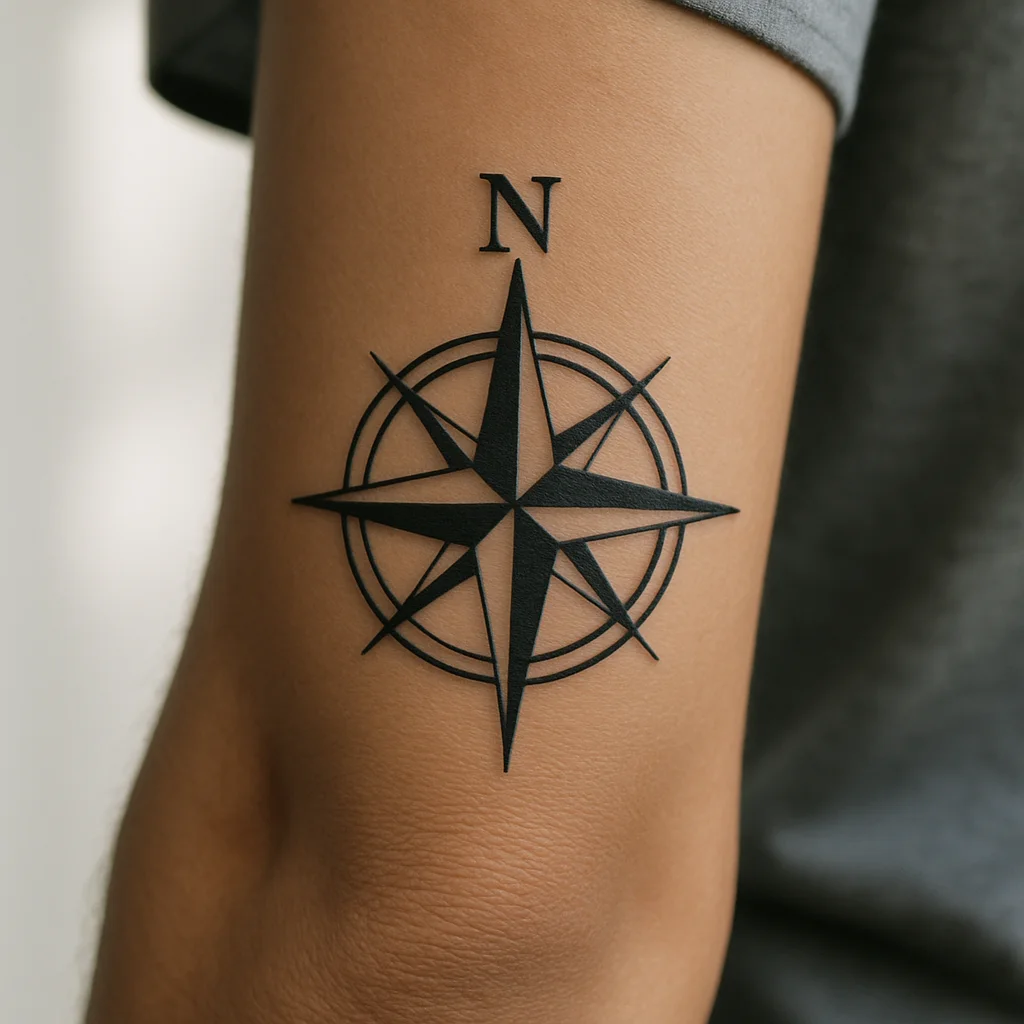
27. A compass with his initials at north
Straightforward, masculine, and endlessly customisable — swap the fleur-de-lis for his monogram, or set the needle pointing towards the town he was from. Geometric styling with clean radial lines keeps it sharp. Four inches on the outer forearm.
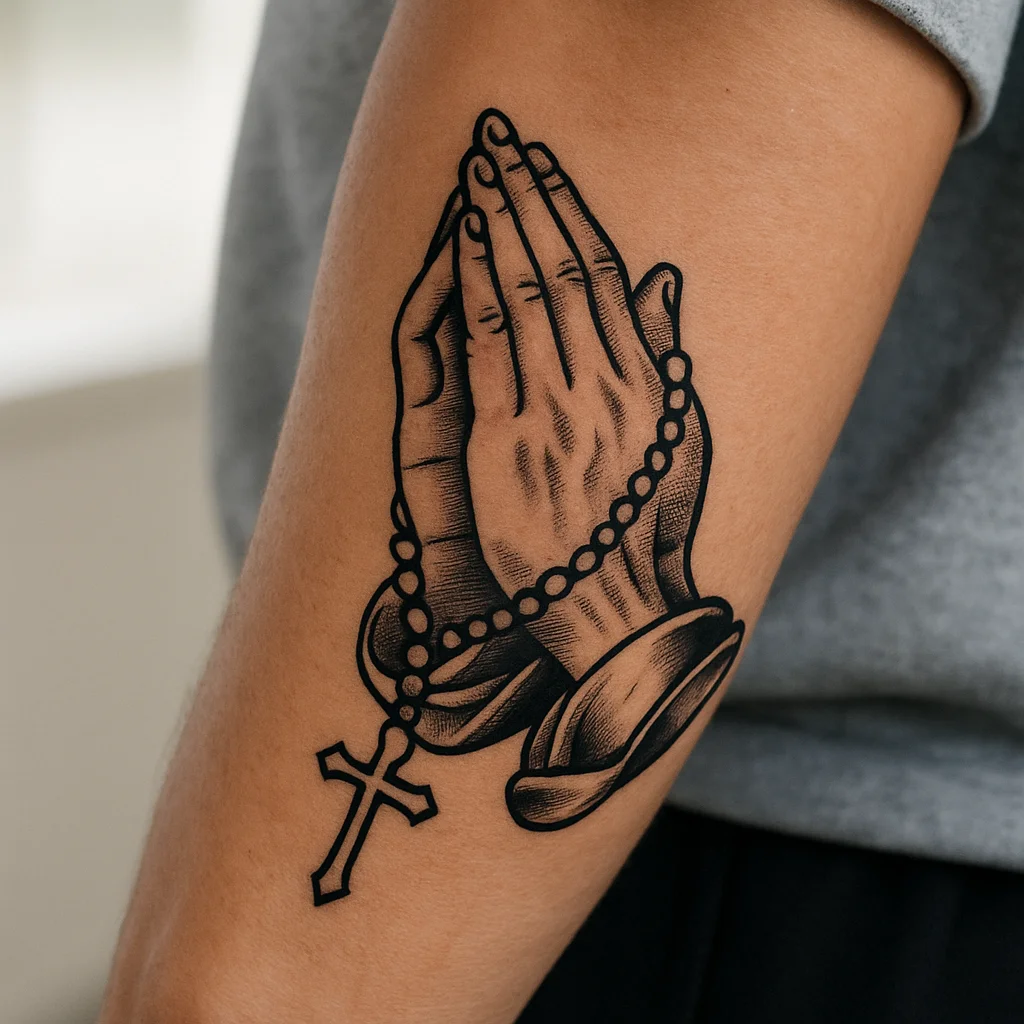
28. Praying hands or a rosary loop
If faith was his, not just yours, this carries real weight. Bold traditional linework with heavy shading in the palms ages far better than soft realism, and the inner forearm is the classic spot for a reason: it curves with the muscle and reads upright to the wearer.
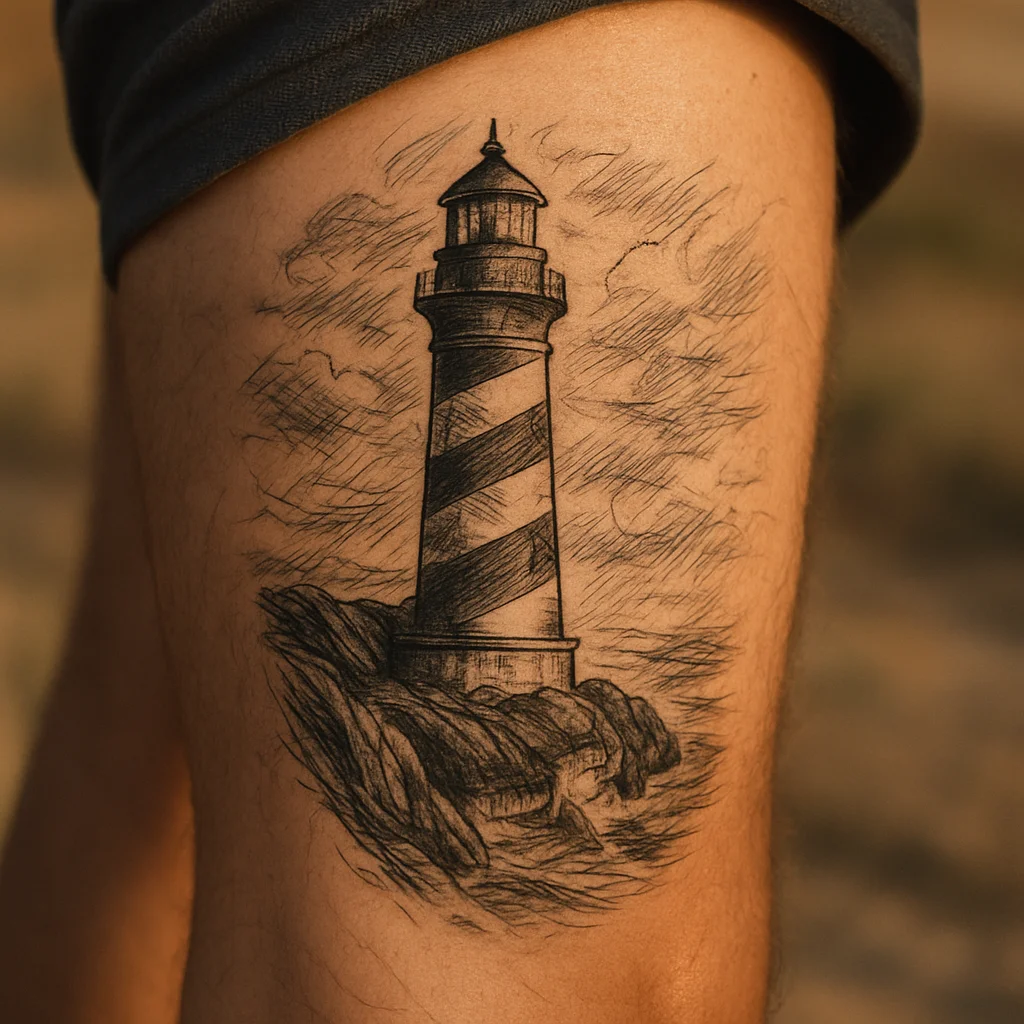
29. A lighthouse on a headland
For the dad who was the fixed point everyone navigated by. Give it a real lighthouse rather than a stock one — the striping and lantern shape differ enormously between coasts. The calf suits its vertical proportion and gives room for a rocky base and a little weather.
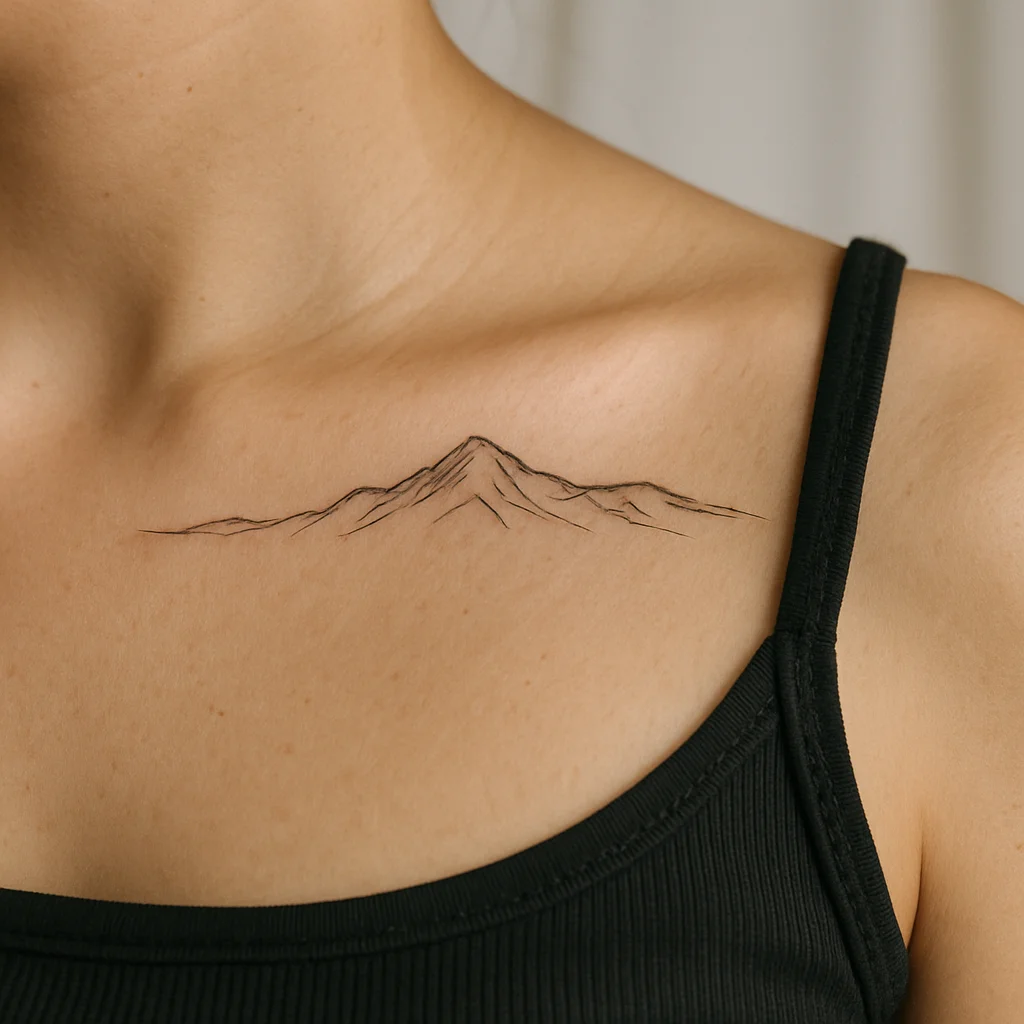
30. The ridge line he walked
A single-stroke horizon of the hills, coast or skyline you associate with him, three to five inches across the collarbone. It's the quietest idea on this list and often the one people keep adding to later — a small date beneath, a bird above. Ask the artist to trace the outline from a real photograph so the profile is genuinely that place.
Placement, Pain, Cost and the Ashes Question
Where it goes changes how you live with it. The inner forearm and inner wrist face you, which matters if the tattoo is for your own comfort rather than for showing people. The chest and ribs put it close to the heart and out of sight under a shirt. The upper back and shoulder blade give the most space and the least distortion over the years, which is why portraits, trees and larger scenes belong there. Avoid hands, fingers and feet for delicate handwriting — those areas rub, fade and blow out faster than anywhere else, and a faded signature is a genuinely painful thing to look at.
Pain, honestly. Outer arms, thighs and calves are the mildest. Inner forearm and upper back are moderate. Ribs, sternum, spine and the inside of the bicep are where most people go quiet. A short handwriting piece is usually thirty to sixty minutes; a six-inch illustrative object runs two to four hours; a hand study or portrait can be a full day or two sessions.
Cost. Most studios have a minimum charge that covers anything up to roughly palm size, and everything larger is priced by the hour or as a flat piece rate. A small signature or date typically lands at or just above that minimum. A mid-size illustrative object sits in the low hundreds, and a large realistic hand study or portrait can reach four figures with a well-known artist. Realism is where paying more genuinely buys you a better result — a cheap portrait of your father is a false economy. If you want the fuller breakdown, our guide to
The conversation
No comments yet. Got a thought about these designs? Start us off.
Want to weigh in? Join the community to comment, save designs and try them on your skin.