Sleeve Tattoo Ideas: Planning an Arm That Flows
A good sleeve is planned like a mural, not collected like stickers. Themes, flow, background glue and honest budgets before you commit an arm to ink.
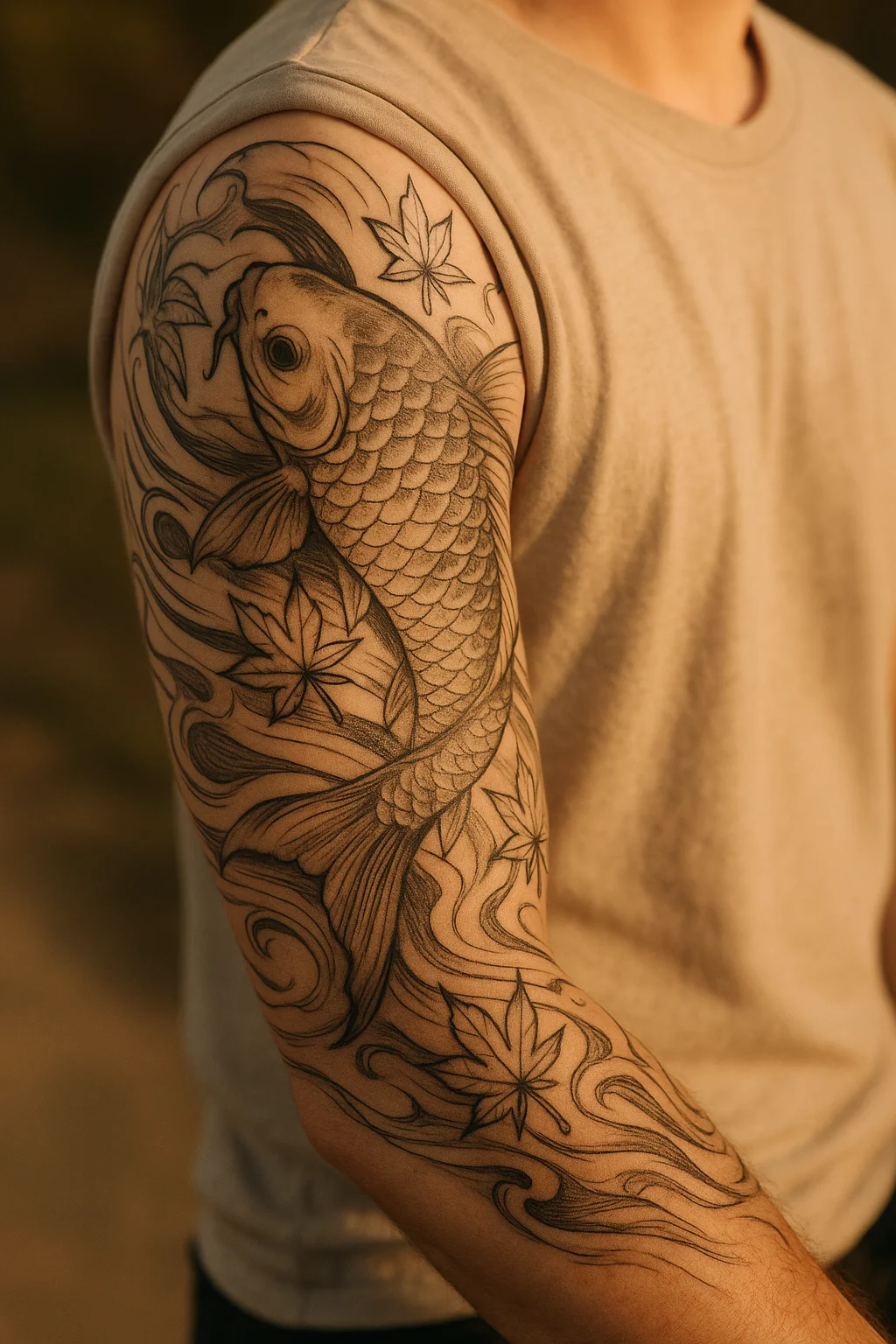
Decide the destination before the first piece
The most common sleeve regret is not a bad tattoo; it is a good tattoo in the wrong place. Sleeves collected one impulse at a time end up as a fridge door of unrelated magnets, with awkward gaps no artist can convincingly bridge. The fix is to decide early what the arm is becoming, even loosely: a theme, a palette, a style, and roughly where it starts and stops.
You do not need every design chosen up front. A one-page brief such as "Japanese-inspired, black and grey, water as the connecting element, wrist to mid-bicep" gives you and your artist a map. Individual pieces can then be planned like chapters instead of stickers, each leaving intentional room for what comes next.
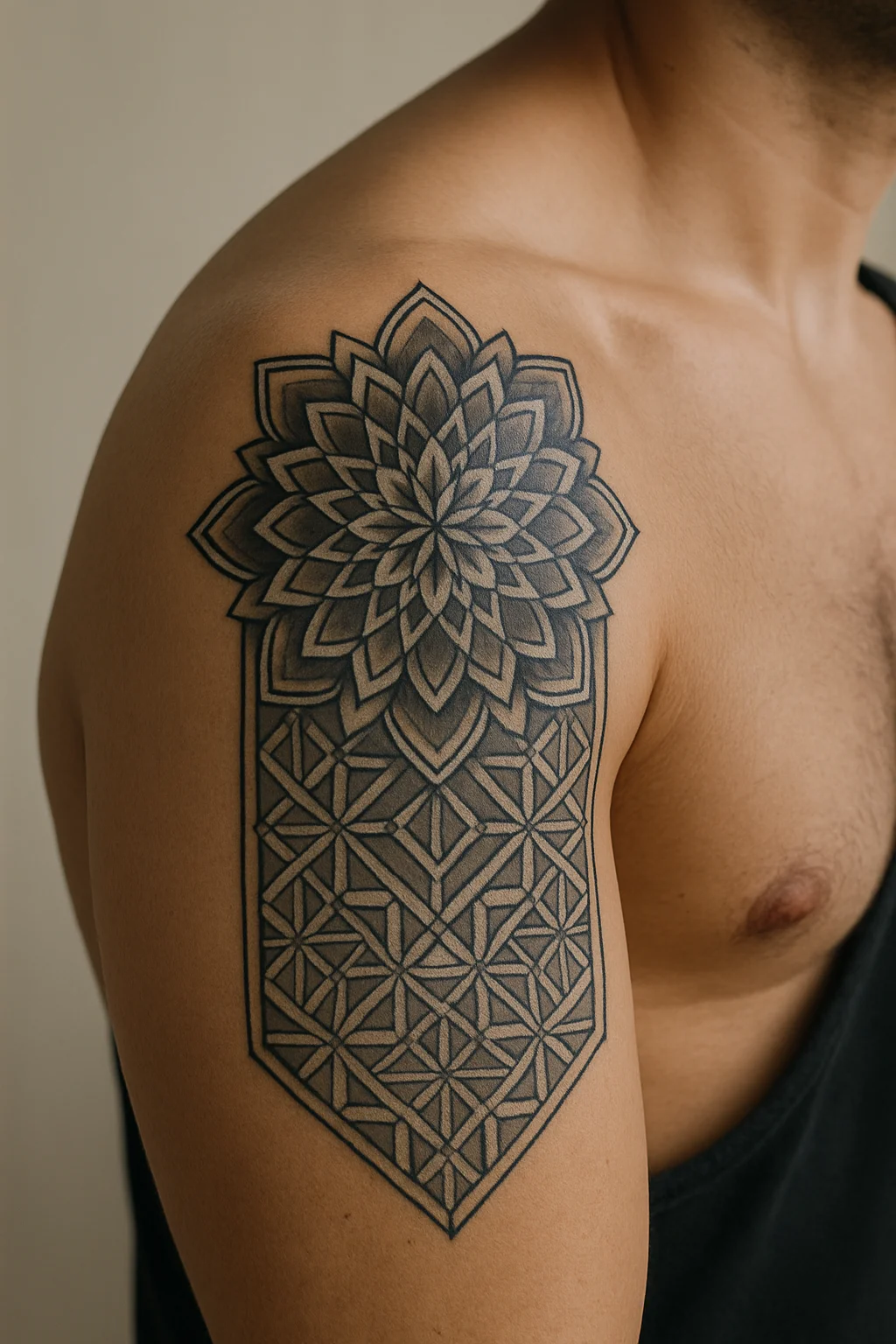
Themes that can carry a full arm
A sleeve theme needs range: big anchor images, medium supporting elements and small filler that shares the same world. Some proven directions:
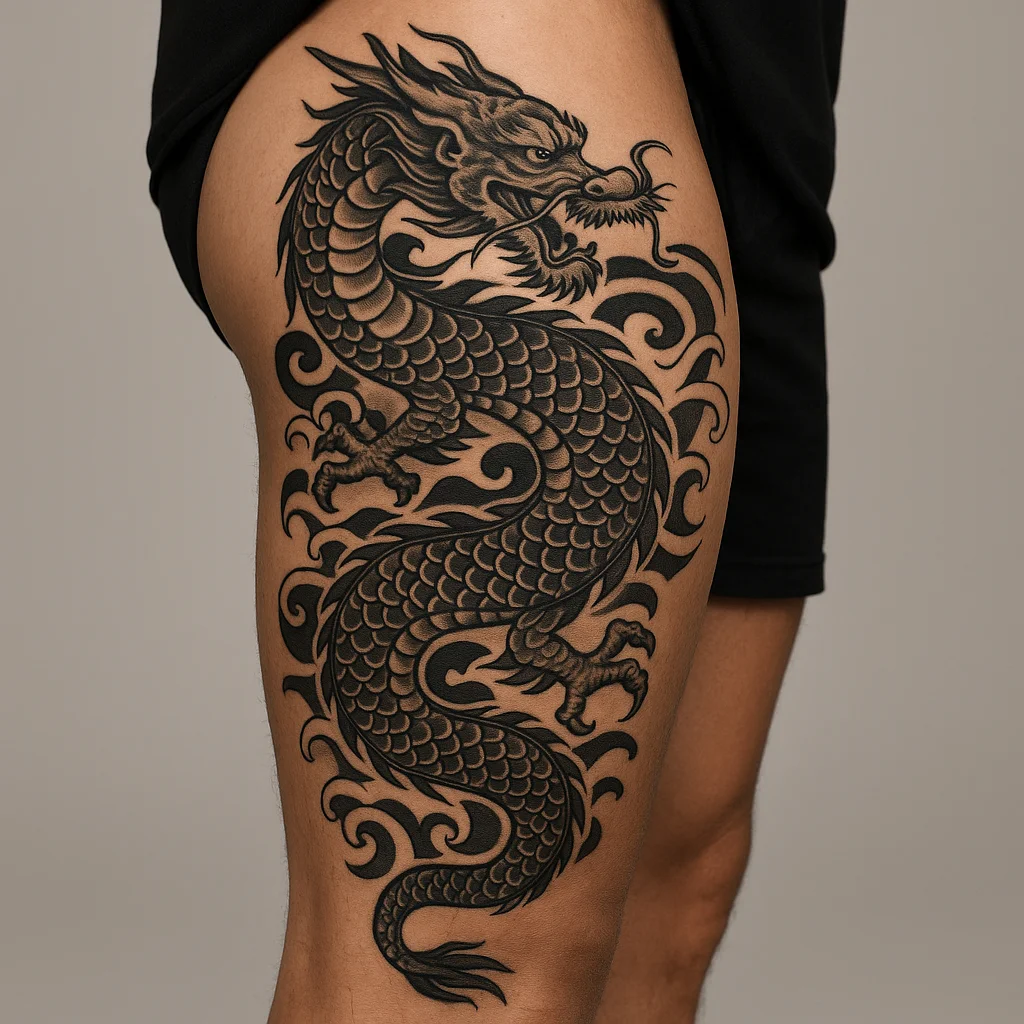
- Japanese-inspired: koi, dragons, chrysanthemums, waves and wind bars
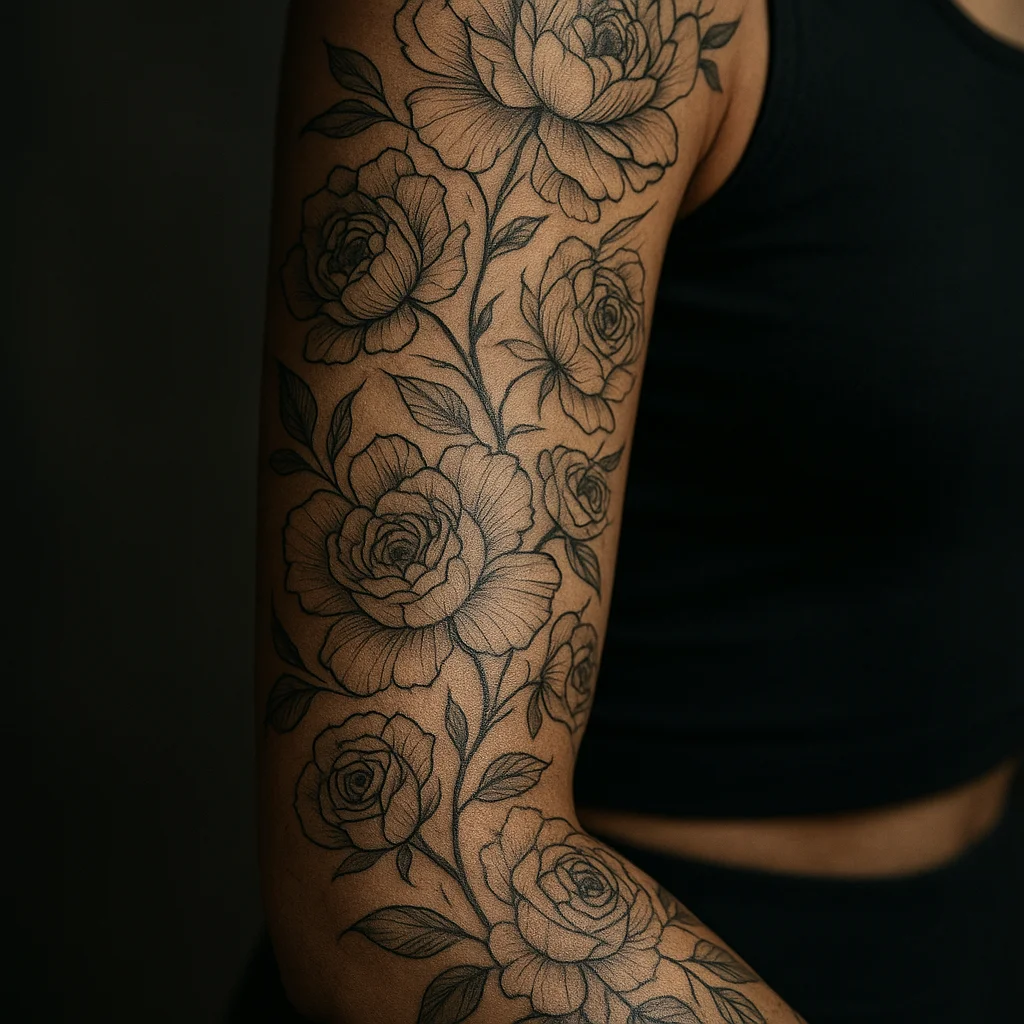
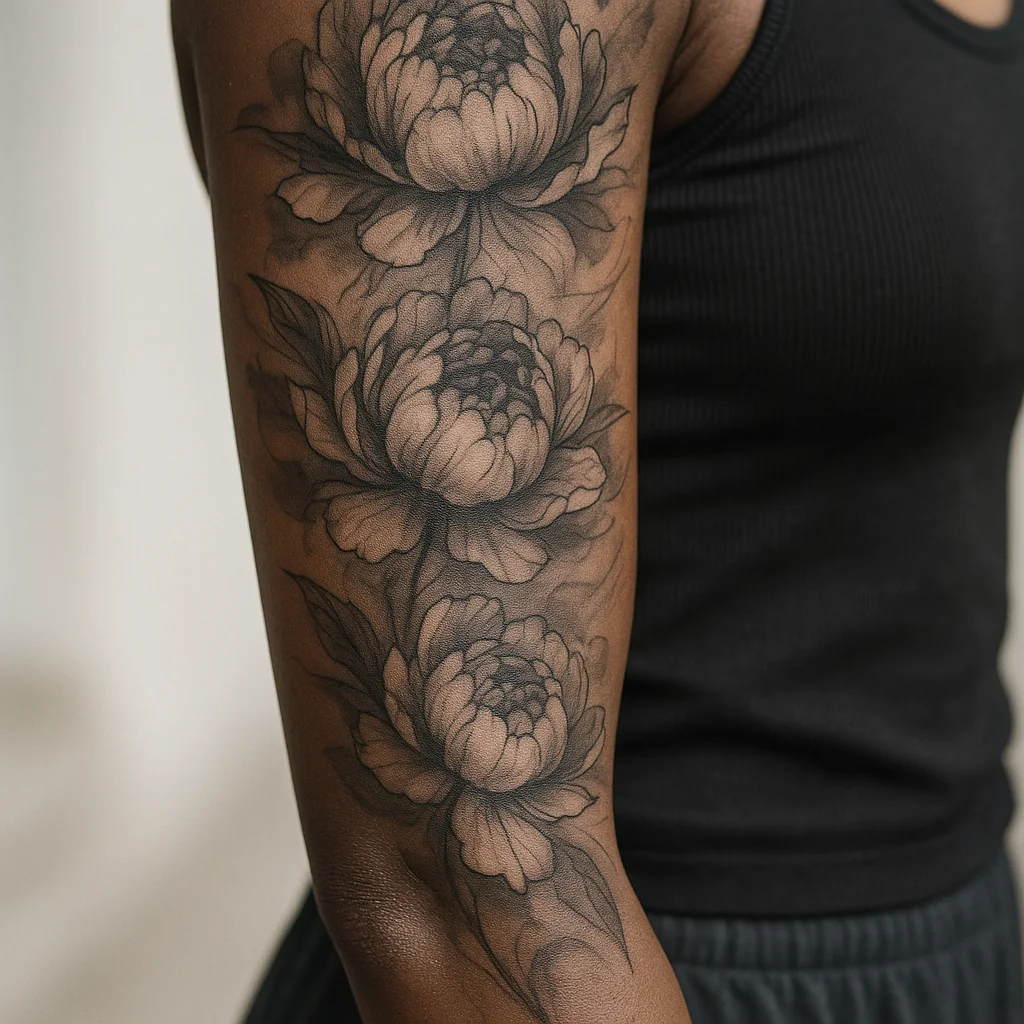
- Blackwork botanical: ferns, peonies and vines wrapping the arm's contour
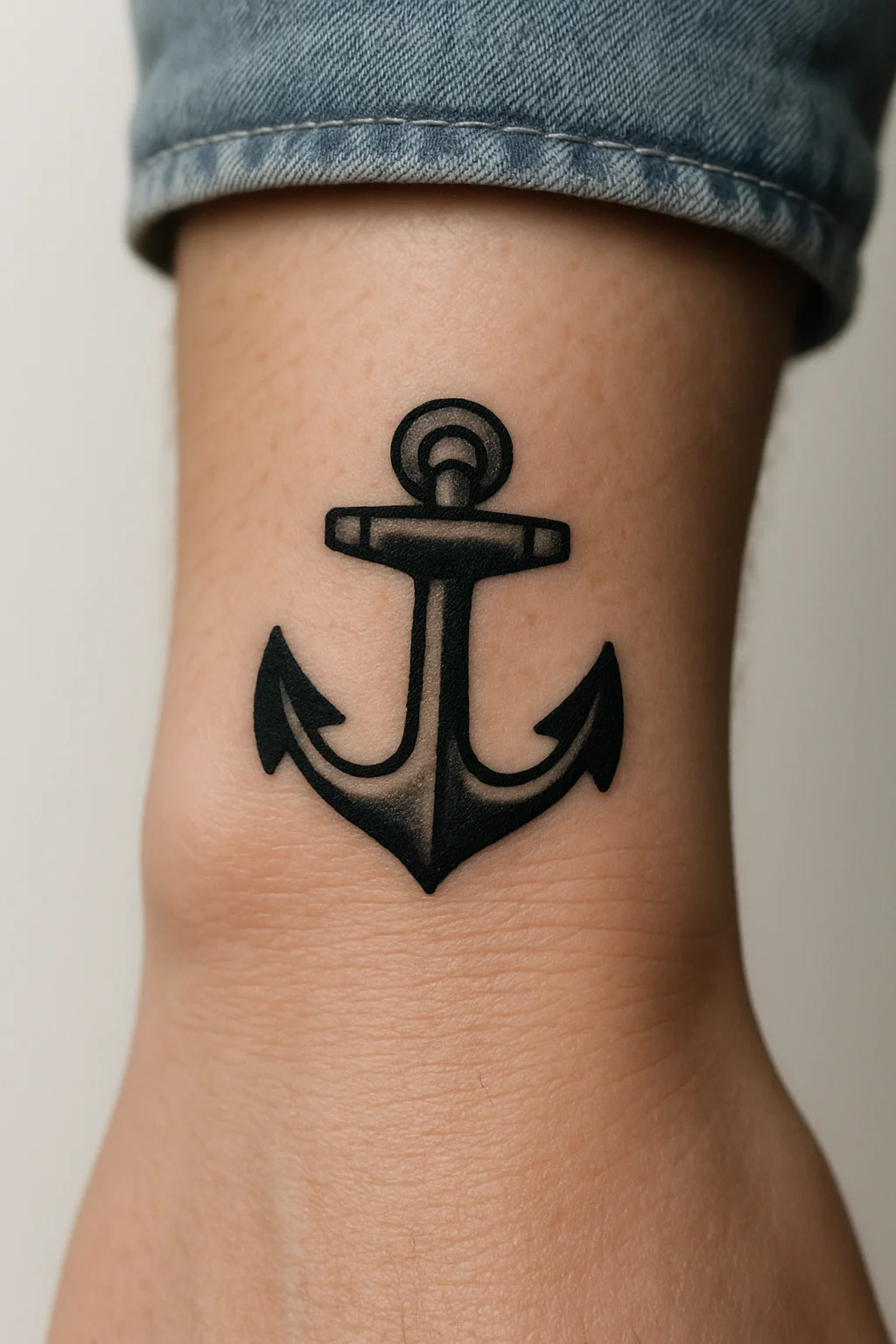
- Nautical: ships, compasses, swallows, rope and rolling swells
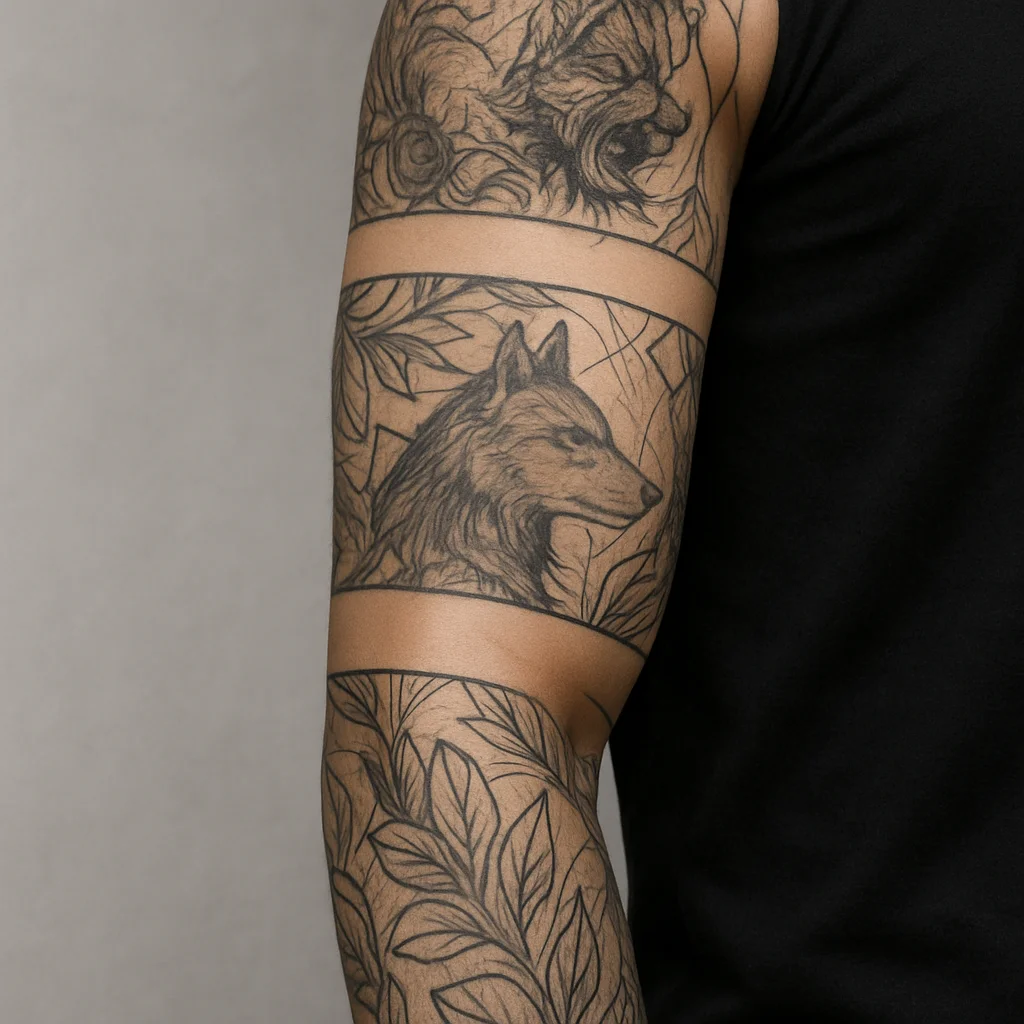
- Woodland: wolves, pines, mountains and a moon at the shoulder
- Ornamental: mandalas, filigree and dotwork geometry flowing as one pattern
- Mythology: one pantheon told across the arm, gods above and monsters below
Notice what these share: repeatable supporting elements. Water, foliage, rope, clouds and geometric pattern all stretch and bend, which is exactly what a composition needs to travel around a cylinder.
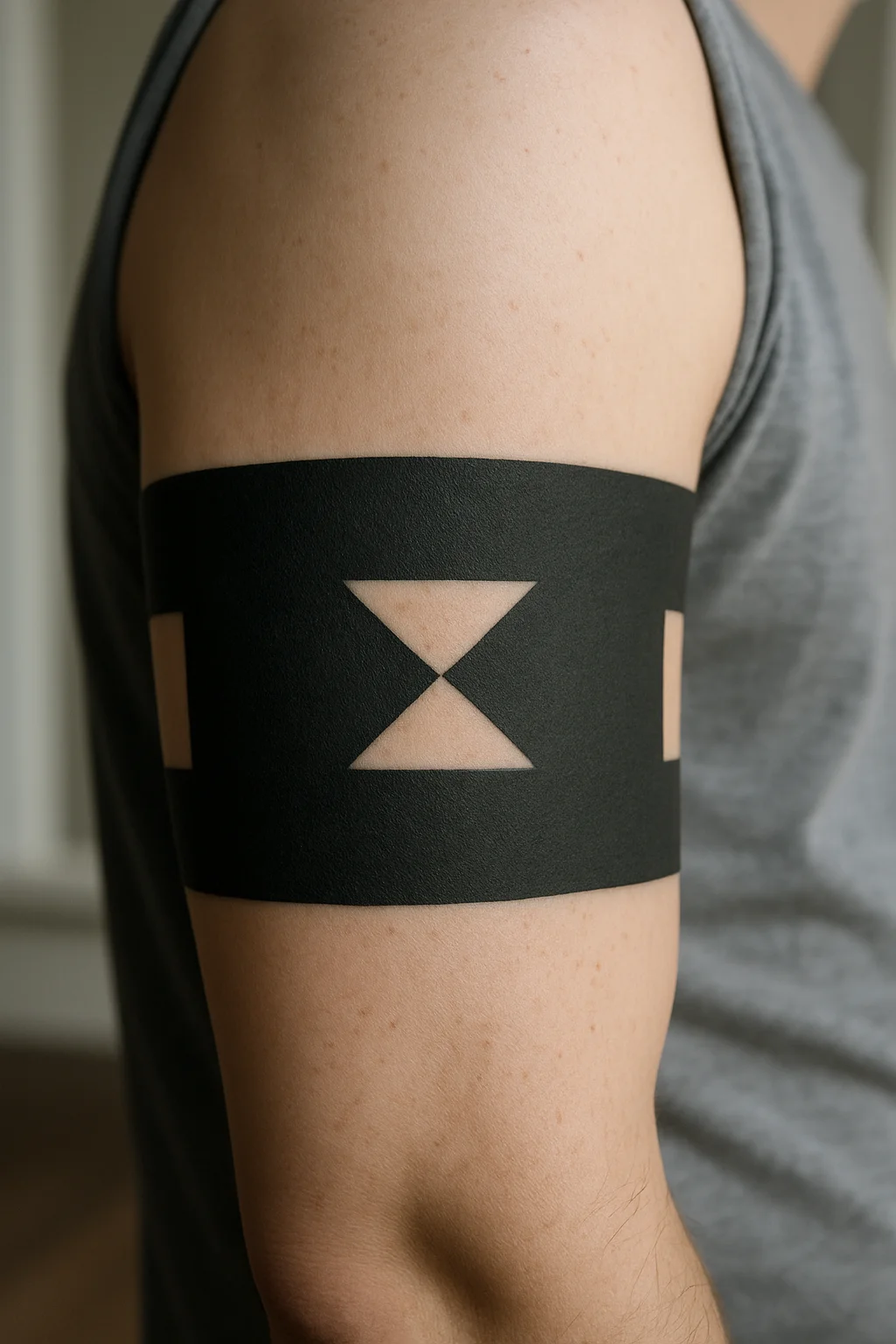
Flow: designing for a limb that moves
An arm is not a flat canvas; it is a tapering cylinder that rotates. Strong sleeves put focal images on the broad, visible planes, the outer forearm and outer bicep, and let transitional elements handle the twisting inner surfaces. Designs should follow the muscle's long lines rather than fight them, which is why diagonal and spiral compositions almost always beat horizontal bands.
Think about resting pose too. When your arm hangs naturally, the elbow pit is hidden and the outer line from shoulder to wrist is what the world sees. Good artists design for that view first and check the stencil with your arm relaxed, bent and raised before any ink goes in.
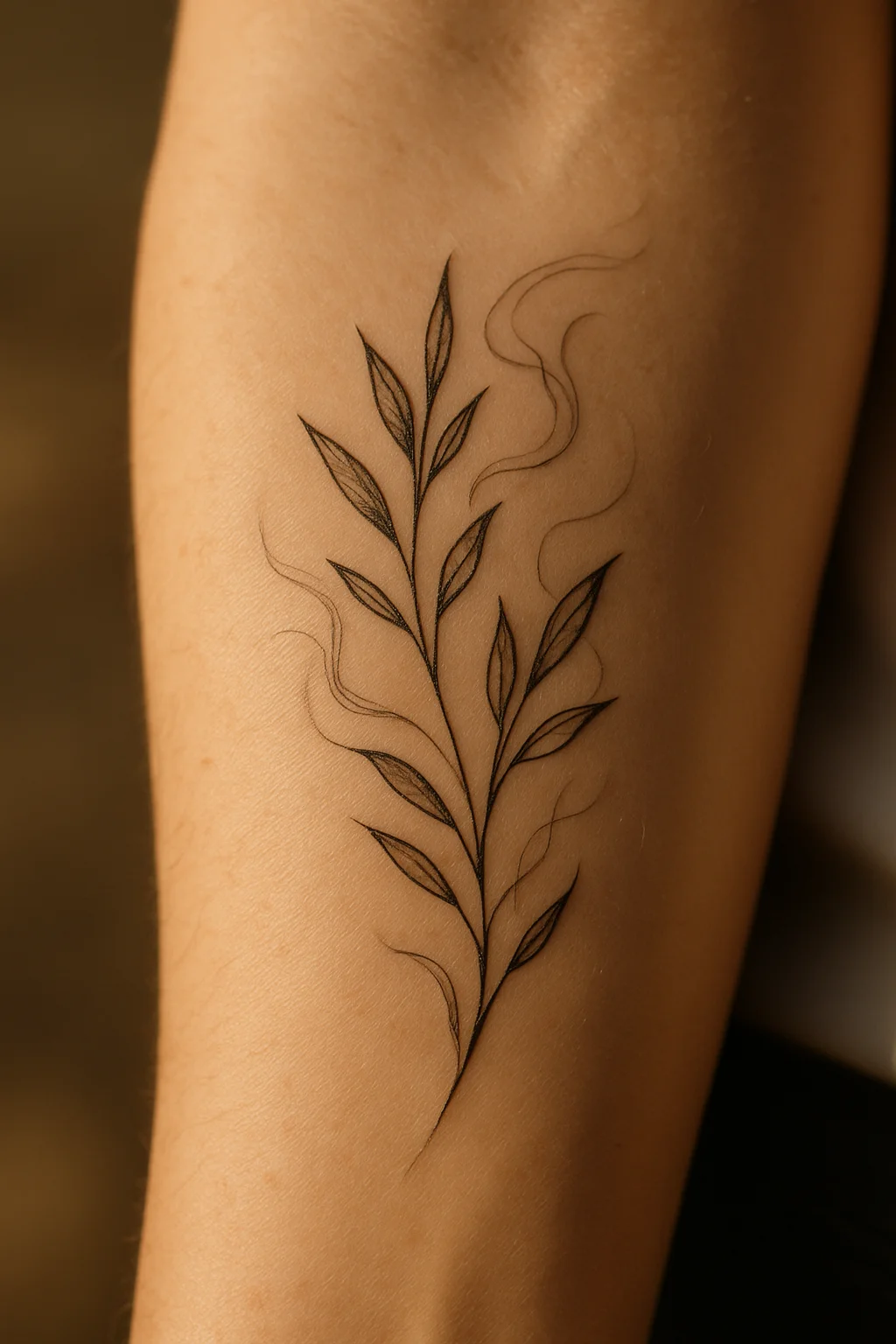
Background is the glue
Compare a professional sleeve with a patchwork arm and the difference is rarely the main images; it is the background. Smoke, water, clouds, whip shading and dot fades occupy the space between focal points, knit them into one composition and give the eye somewhere to rest. Plan background from the start rather than as a rescue operation, because retrofitting it around healed pieces limits every choice.
Background is also the budget item people forget. Filling and shading an arm can take as many hours as the feature pieces themselves. If money is tight, a smarter sequence is to complete one section fully, shoulder to elbow, say, rather than scattering outlines everywhere and living for years with an unfinished look.
Timeline, sittings and budget
A full sleeve is a season of your life, not an appointment. Typical builds run 15 to 30 hours of tattooing across four to ten sittings, with two to six weeks of healing between them. Half sleeves land around 8 to 15 hours. At common hourly rates of 150 to 250 dollars, a full custom sleeve in a major city usually totals between 2,500 and 6,000 dollars, sometimes more for top-tier names.
Protect the investment as you go. Book sittings in the same season where possible so healing conditions stay consistent, keep sun off fresh sections, and resist the urge to squeeze unrelated small tattoos into future sleeve territory. Empty skin is the one material your artist cannot manufacture.
Frequently asked questions
How many sessions does a full sleeve take?
Most full sleeves take four to ten sessions of two to five hours each, spread over several months. Dense colour work and large-scale realism sit at the high end; open blackwork and ornamental styles can be quicker.
Can I turn existing tattoos into a sleeve?
Usually yes. A skilled artist can bridge existing pieces with background and new elements, provided the styles are compatible. Expect some old work to be reworked or partially covered to make the composition sing.
Should I start a sleeve at the shoulder or the wrist?
Artists disagree, but many prefer starting with the largest anchor piece, often at the shoulder or forearm, then building around it. What matters more is that the whole layout is sketched, at least roughly, before the first session.
The conversation
No comments yet. Got a thought about these designs? Start us off.
Want to weigh in? Join the community to comment, save designs and try them on your skin.