26 Small Mother-Daughter Tattoos That Actually Match
Small matching tattoos work best when the pair has a logic to it, not just a shared motif. Here are 26 tiny mother-daughter designs sorted by how they relate, with real placement, sizing and cost guidance for booking the appointment together.
Decide how you want to match before you pick a motif
Most mother-daughter pairs walk into a studio with a picture saved and no plan for how the two tattoos relate to each other. That is the part worth deciding first, because it changes everything about size, placement and how the pair reads in twenty years. There are really three routes.
- Identical: the same design, same size, ideally the same spot. Simple, instantly readable as a pair, and the easiest to book in one sitting.
- Split: one image divided across two people, so the halves only complete each other when you stand side by side. Highest emotional payoff, but each half has to look intentional on its own.
- Complementary: two different but related motifs in the same line weight and style. This is the grown-up option, and the one that survives changing taste best.
Then talk honestly about scale. Small in tattoo terms means roughly 2.5 to 6 cm, and at that size detail is your enemy. A tiny design needs air between its lines, because ink spreads a fraction over decades and anything crowded turns into a smudge. Ask your artist to show you a healed photo of their smallest work, not a fresh one.
One more conversation: whether both of you actually want the same placement. A mother with a client-facing job and a nineteen-year-old daughter often have different visibility needs, and that is fine. Matching does not mean identical placement, it means shared language. If you want the pair to read as a set from across a room, keep the line weight and the size within a hair of each other and let the body part differ. For more on which tiny designs survive the years, our guide to small tattoos that age beautifully is a good companion read.
Identical pairs: same design, same size
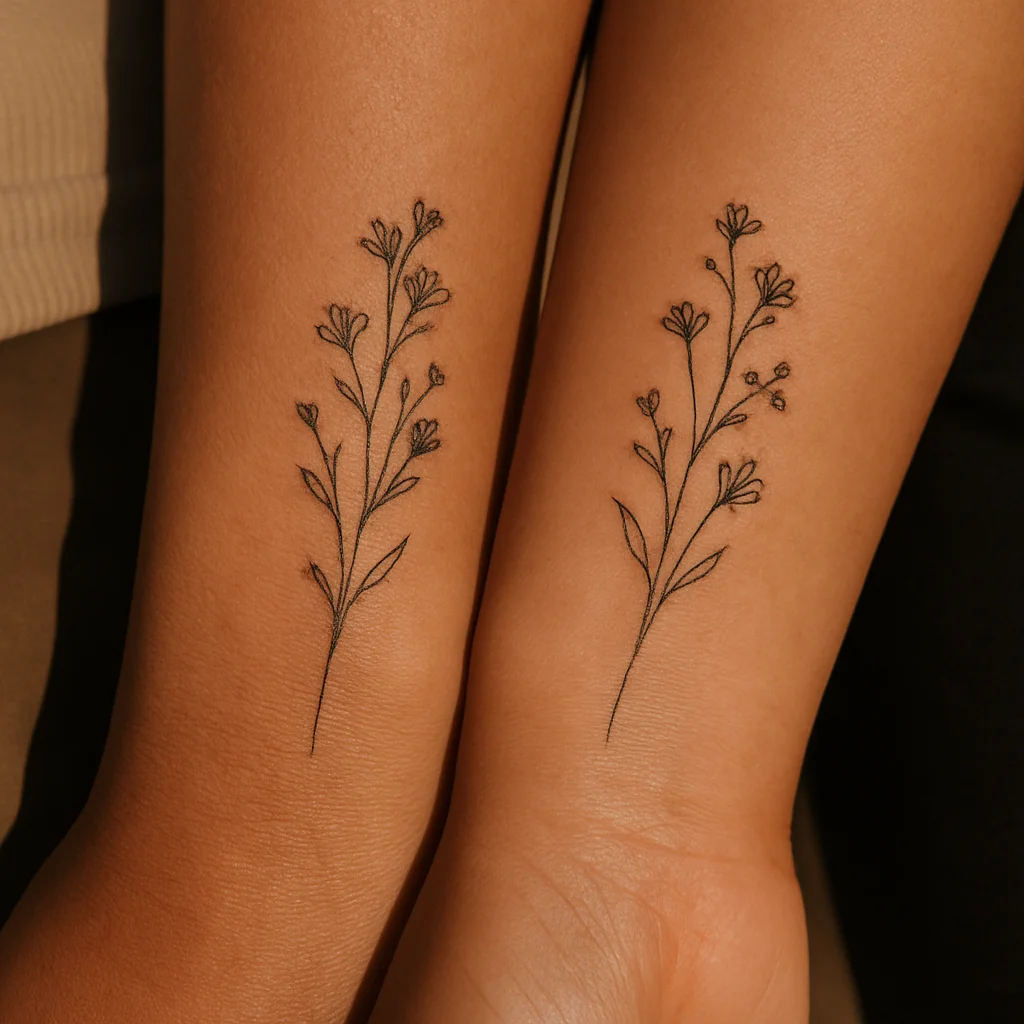
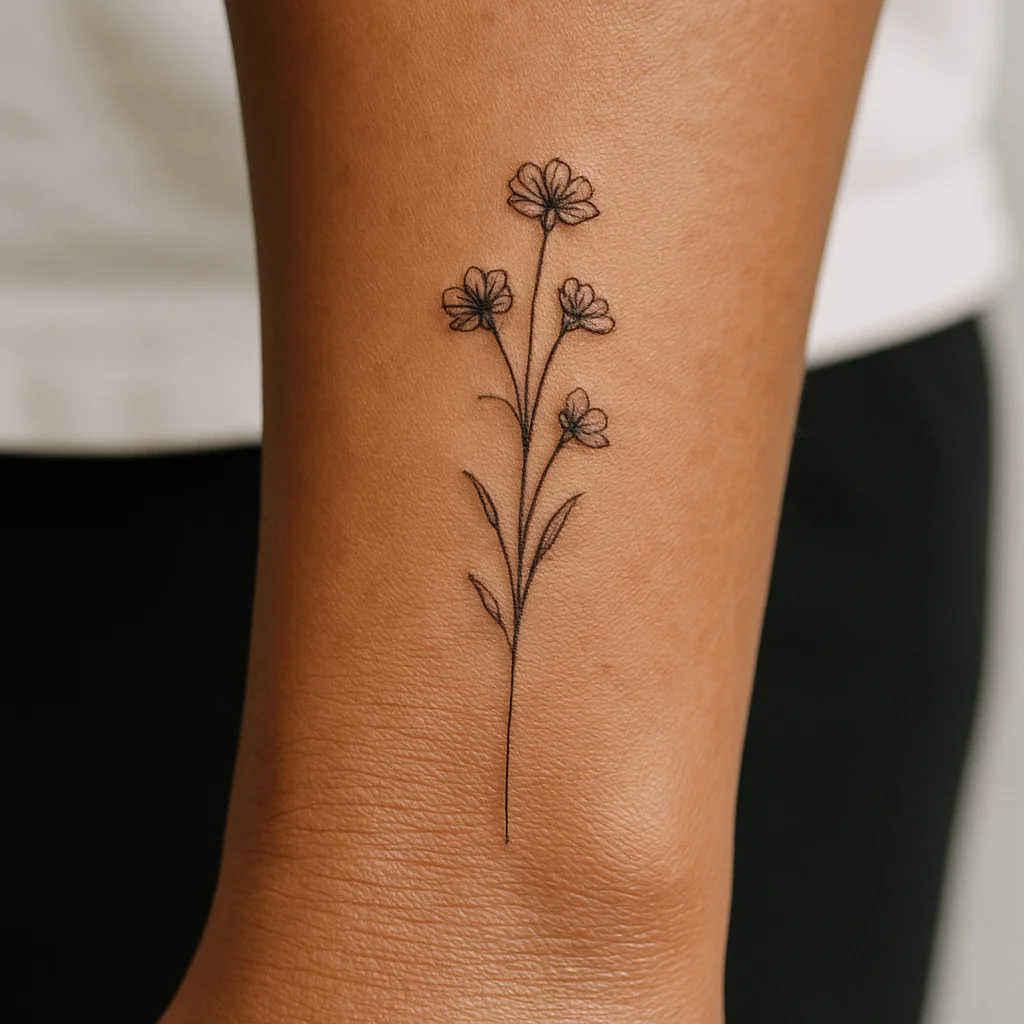
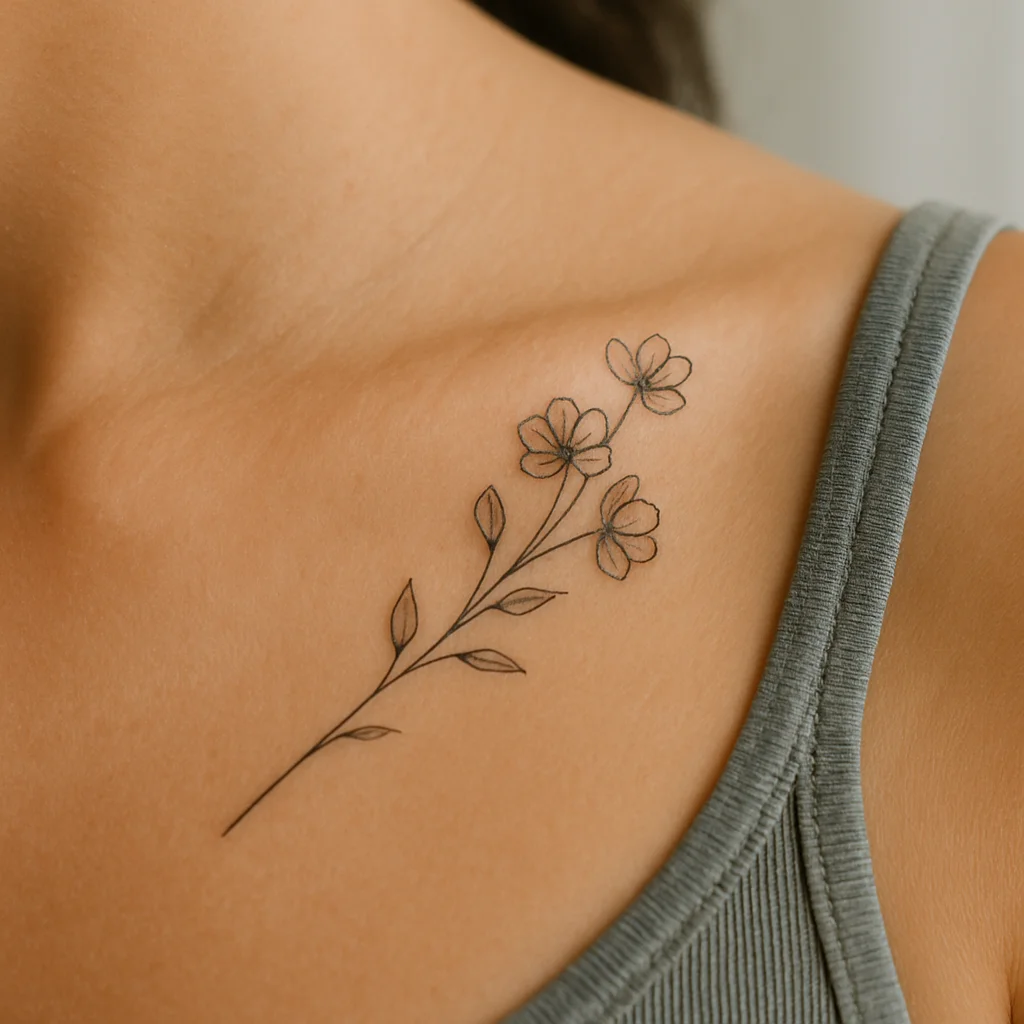
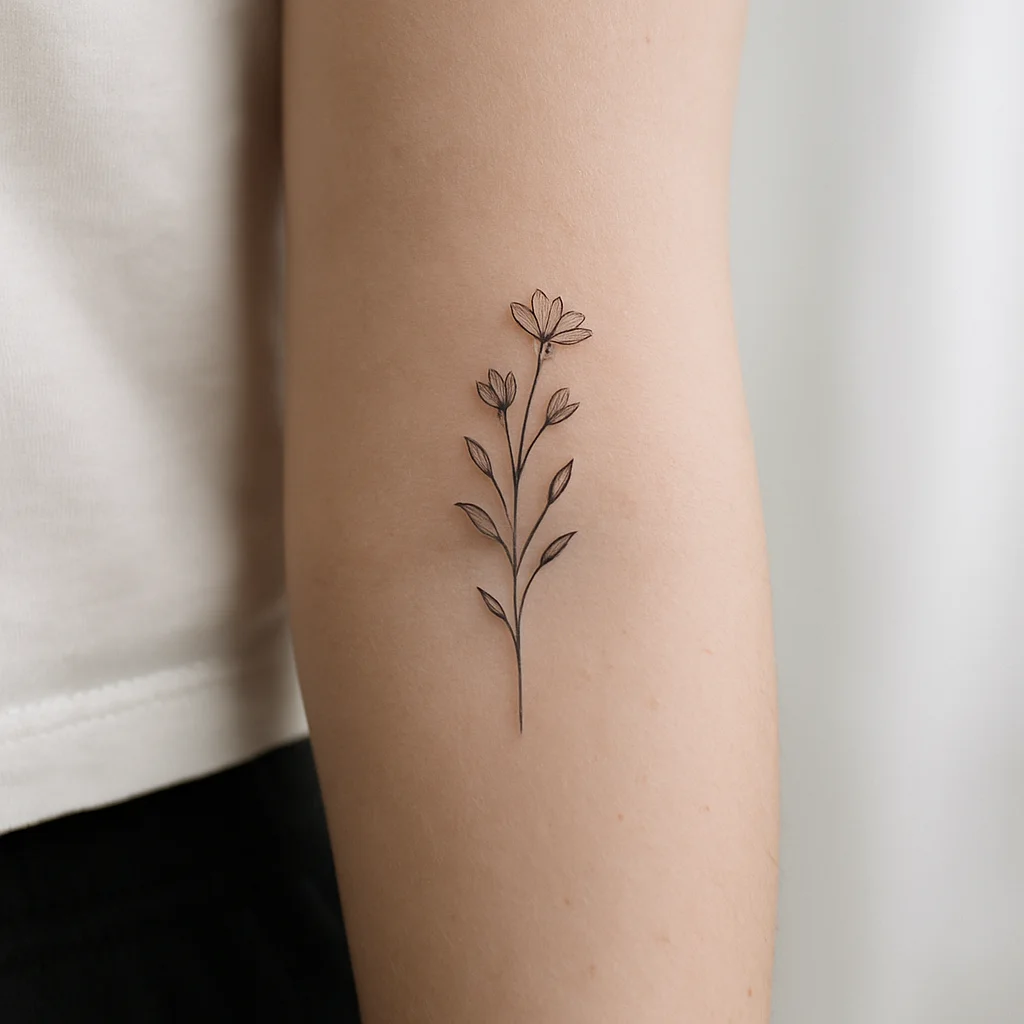
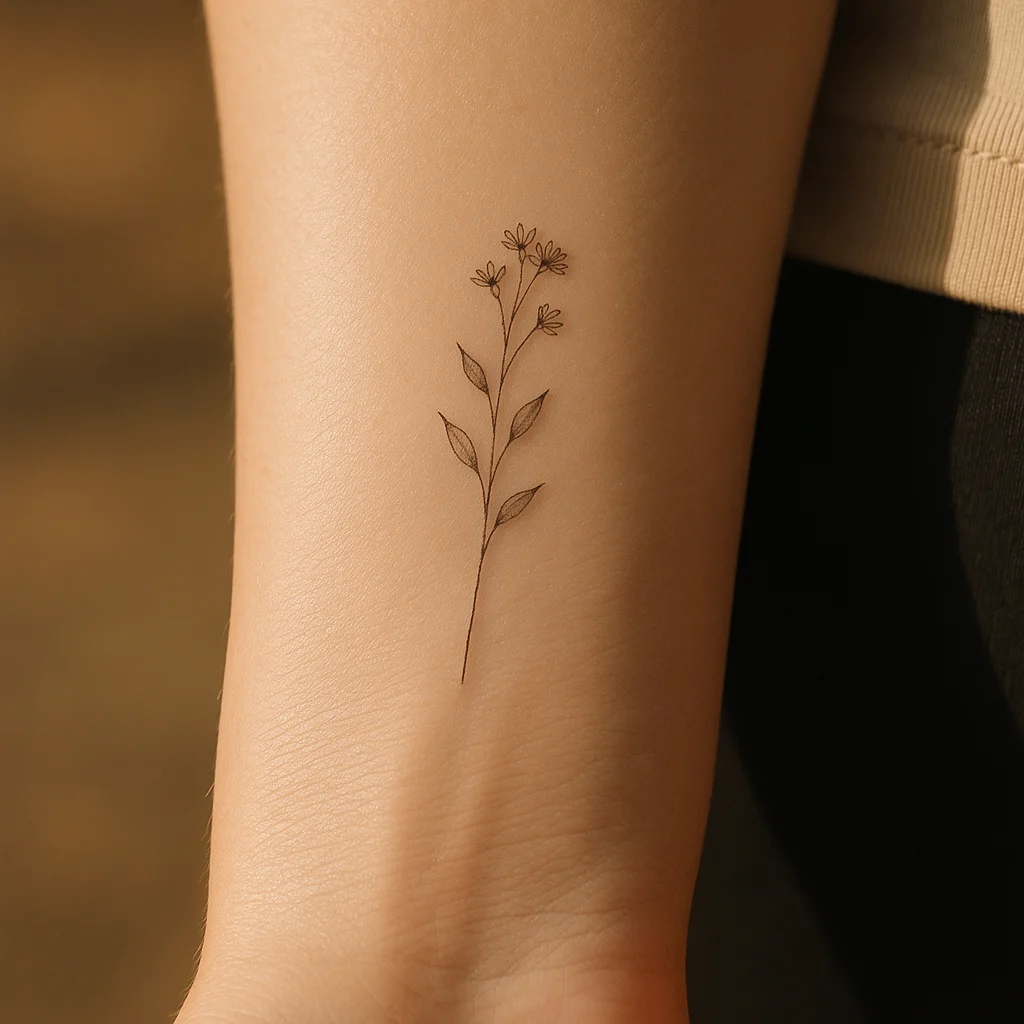
1. Single-needle wildflower stem
One thin stem, three or four small blooms, nothing shaded. At about 4 cm on the inner wrist it stays legible for decades because the negative space between petals does the work. Pick a flower with meaning to both of you rather than the prettiest thing on the artist's flash sheet.
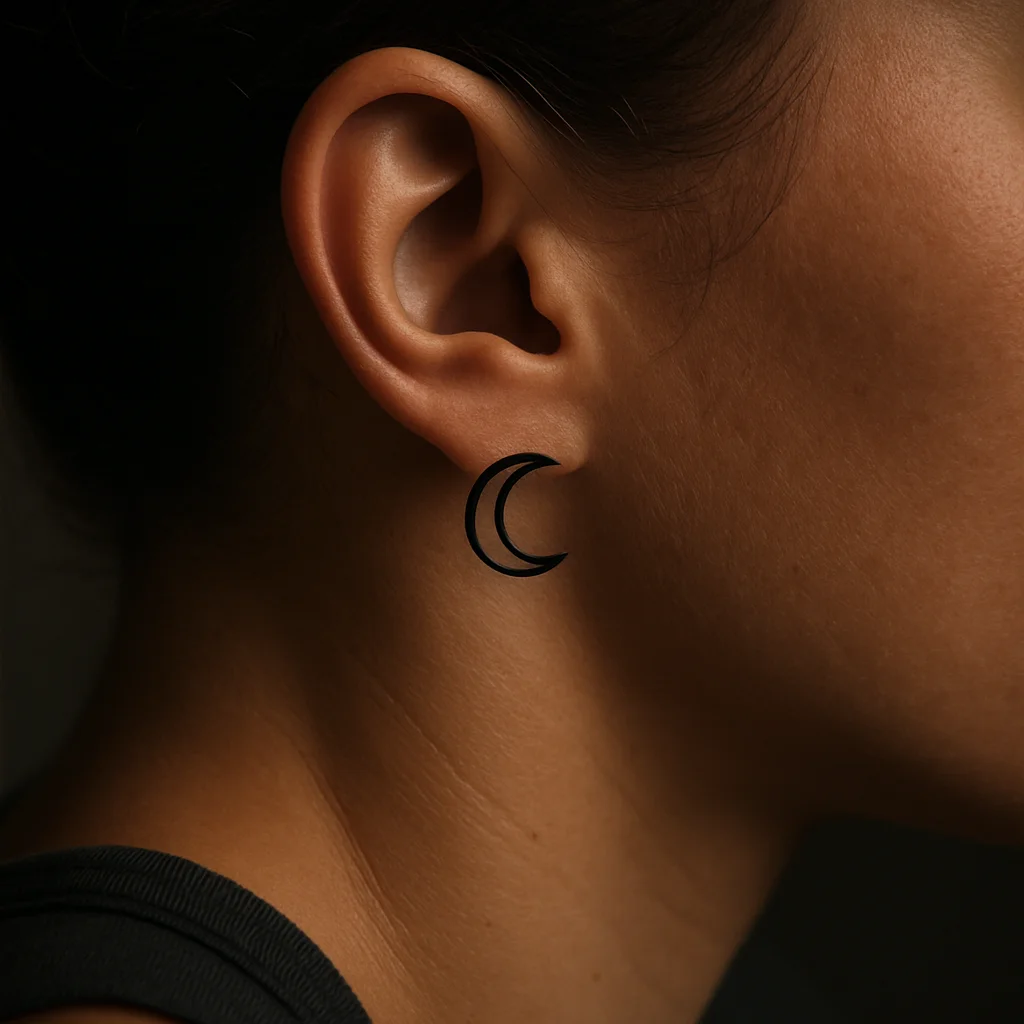
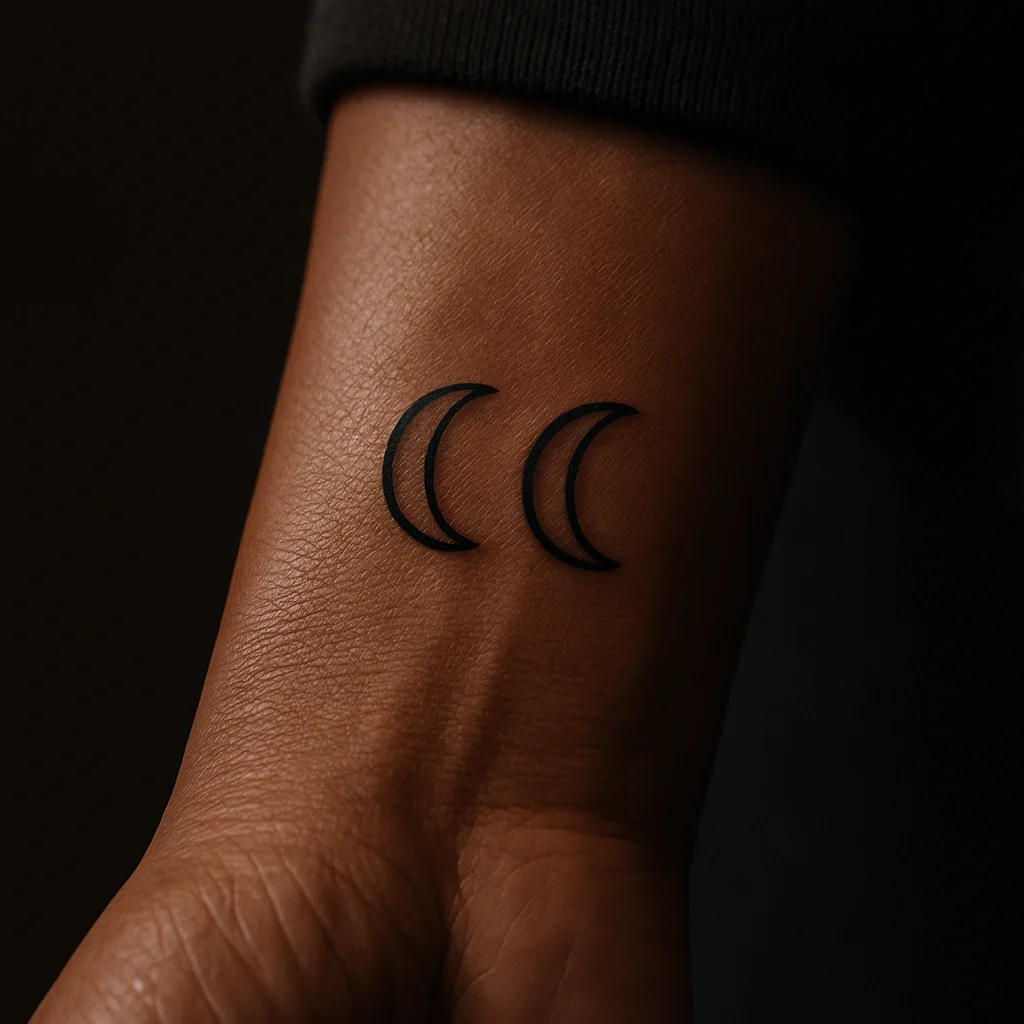
2. Crescent moon behind the ear
A 2 cm open crescent tucked behind the ear is the most discreet matching option there is, and it hurts less than people expect because the needle is mostly over soft tissue rather than bone. Ask for a slightly thicker line here than you would on the forearm, since skin behind the ear is thin and fine lines can fade faster. Good for mothers who need to keep work-visible skin clear.
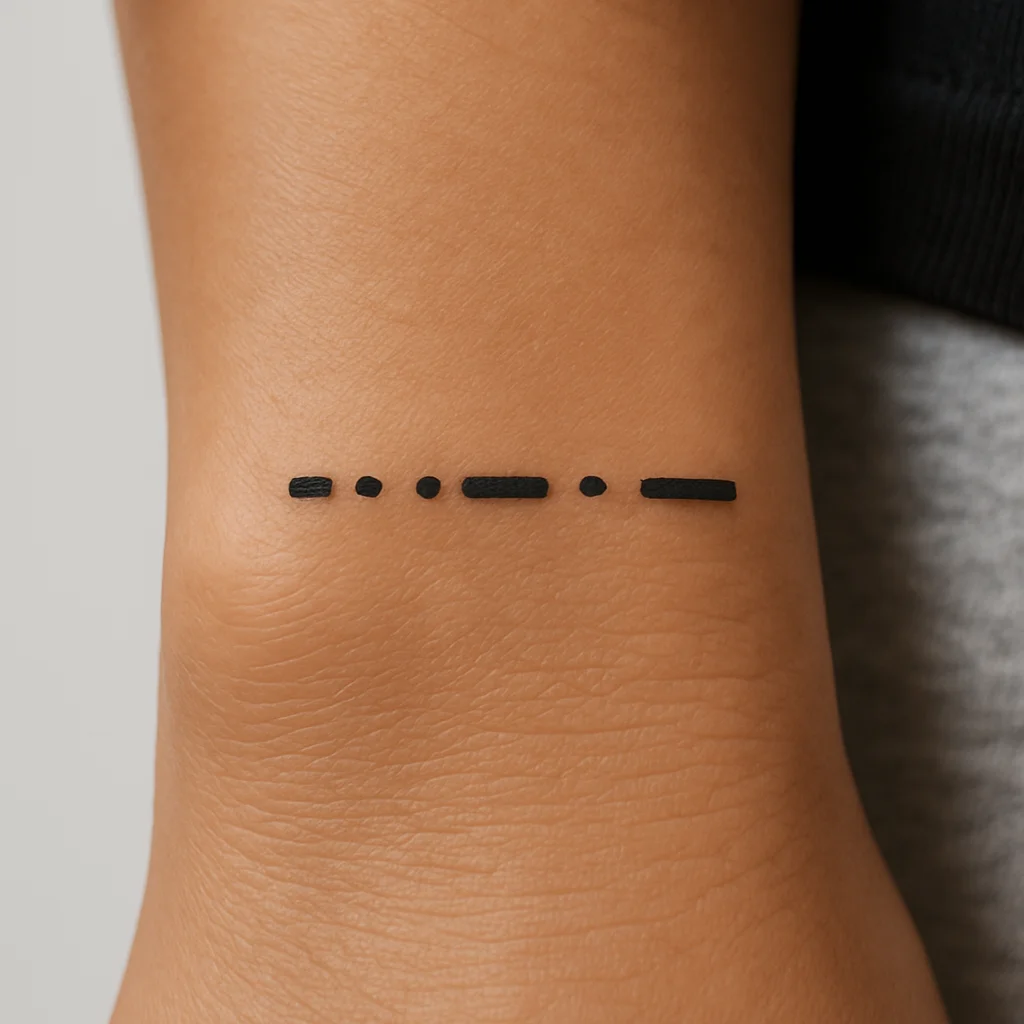
3. Morse code initials
Each other's initial rendered as a row of dots and dashes along the side of the wrist. It reads as abstract punctuation to everyone else, which is exactly the appeal. Insist on generous spacing between the marks, because dots that sit too close will bleed into a single line as the tattoo settles.
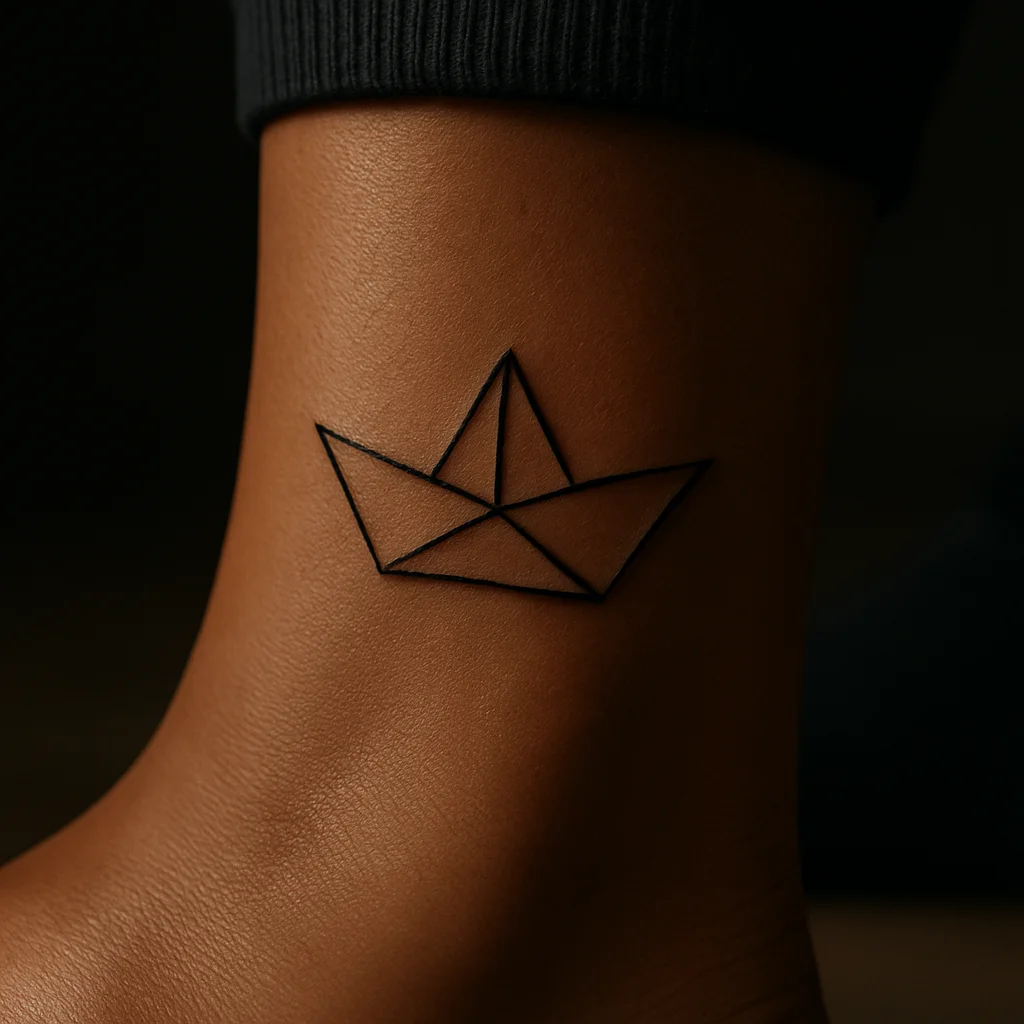
4. Tiny paper boat
A folded paper boat in five clean lines, 3 cm across, on the outer ankle. It carries the childhood-and-launching-out idea without spelling anything out, and the geometry stays crisp because there is no fine detail to lose. Ankle bone stings, so expect a sharp but short session.
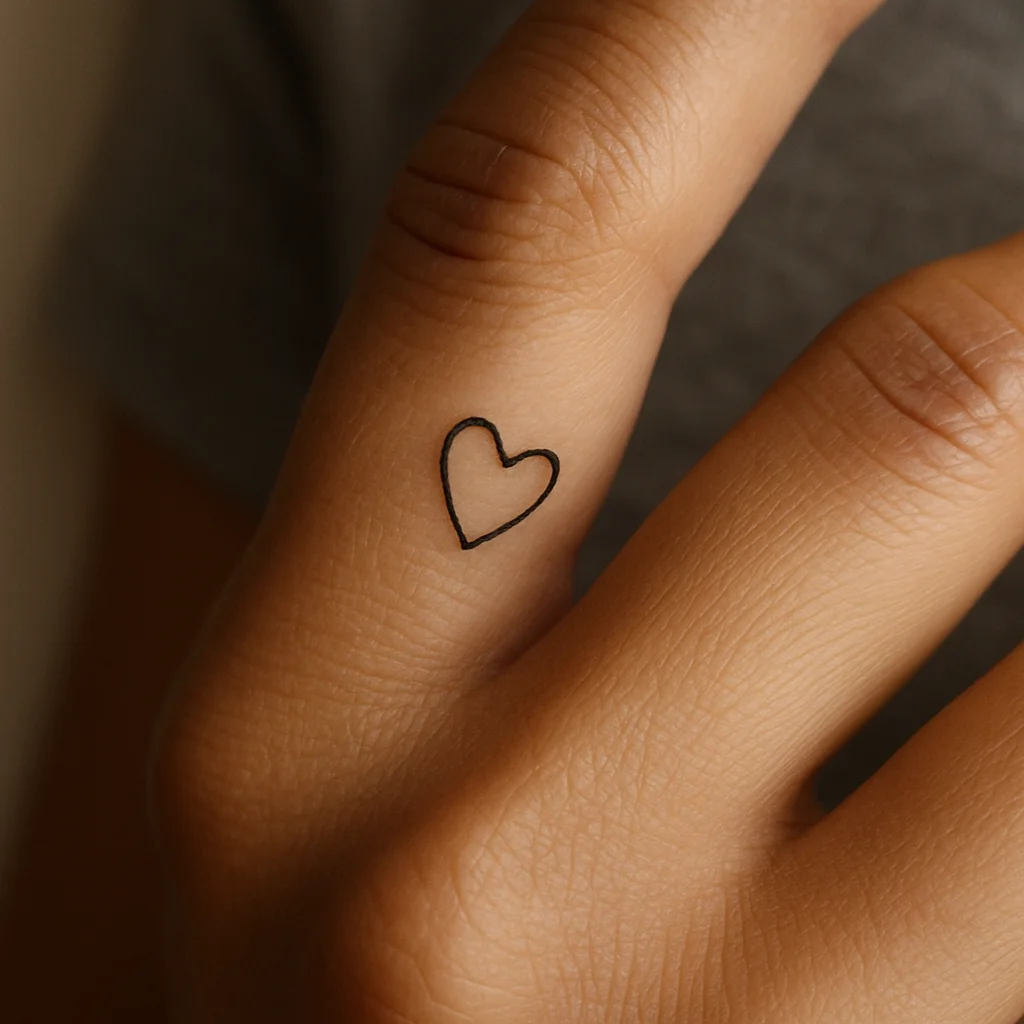
5. Heart outline on the finger
A lentil-sized open heart on the side of the middle or ring finger. Be clear-eyed: finger ink fades faster than anywhere else and most people need a touch-up within a year or two. If you both accept that as part of the deal, it is a lovely everyday pair.
6. Birth-month flower sprig
Both of you get the mother's birth flower, or both get the daughter's, at matching 4 cm scale along the collarbone. The bone underneath makes this a spicier spot than the forearm, but the curve of the collarbone flatters a single vertical stem beautifully.
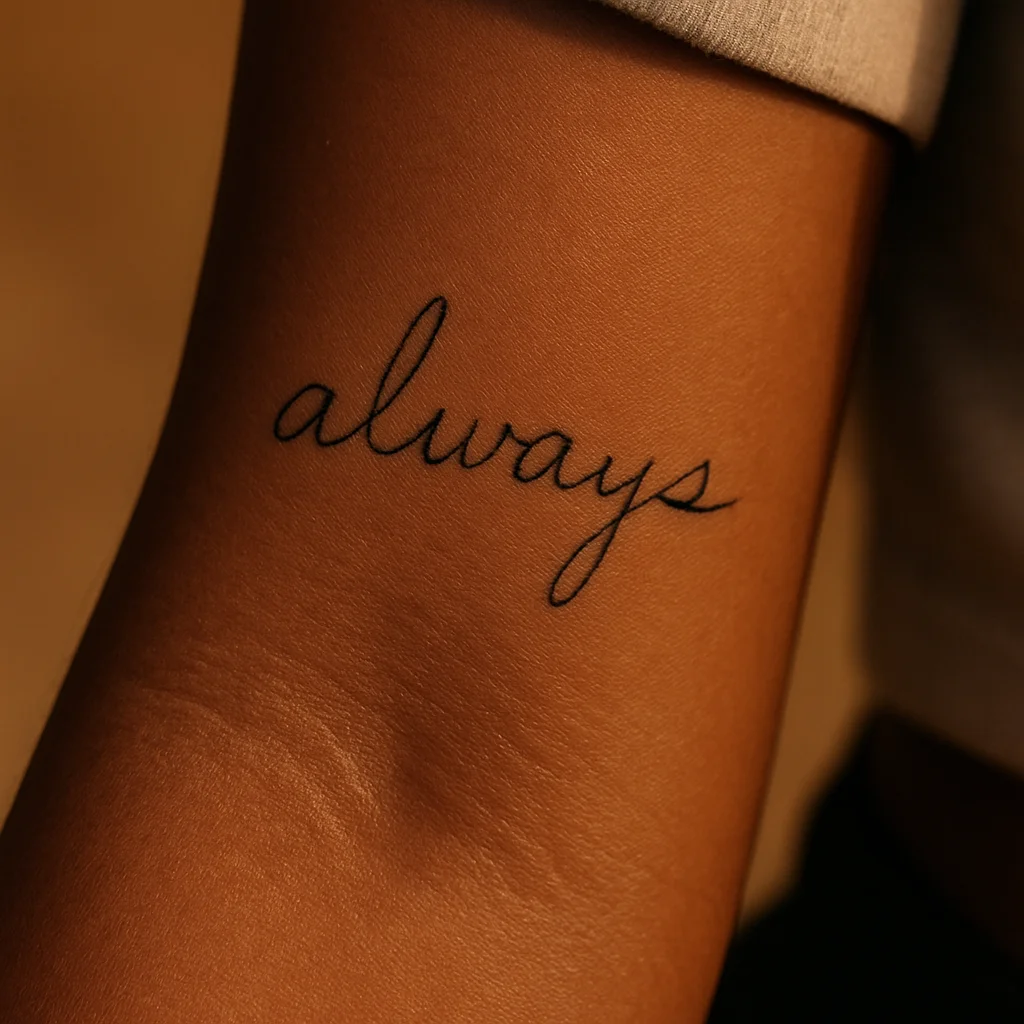
7. One word in mum's handwriting
Take a word she has actually written — "always", "onwards", a family nickname — scan it, and have the artist trace it at roughly 5 cm on the inner forearm. Handwriting is the one tiny tattoo where irregularity is the point. Ask the artist to slightly thicken the thinnest hairlines so the word does not drop out over time.
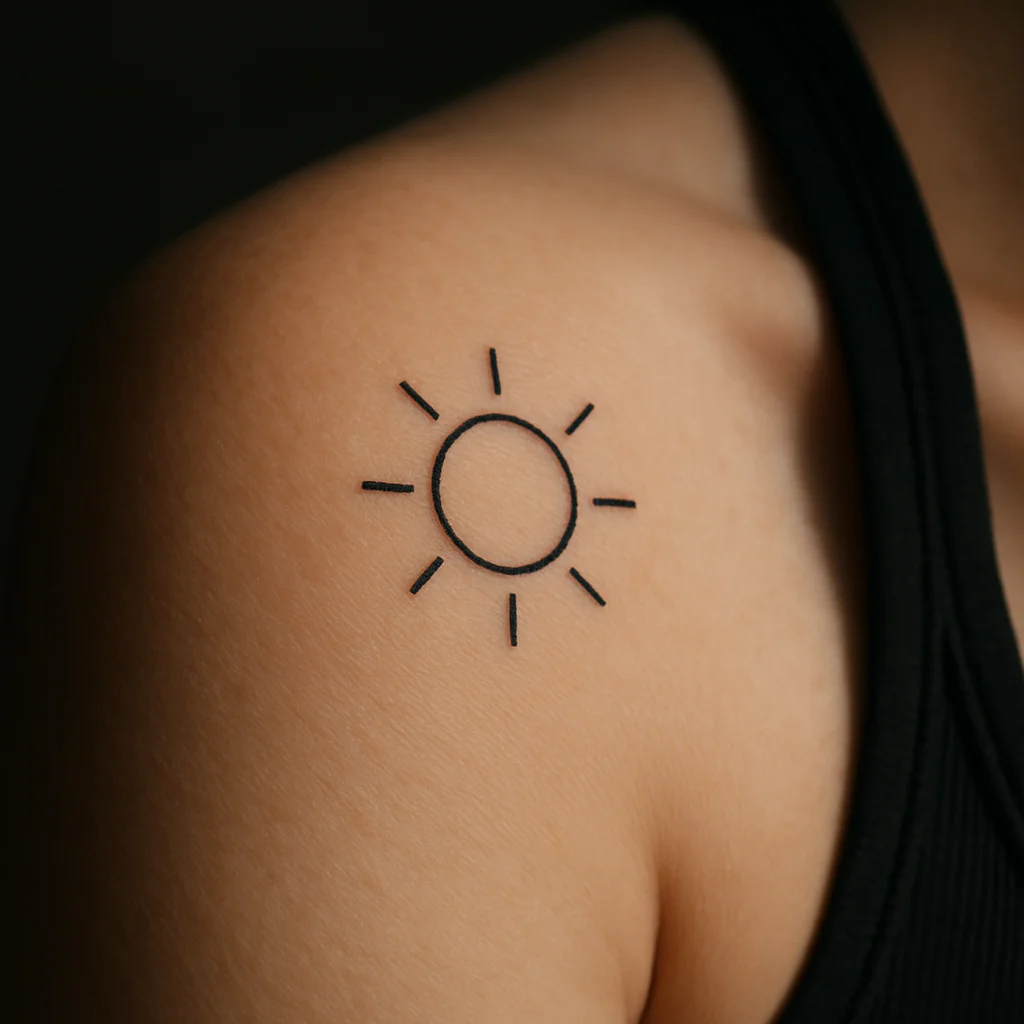
8. Micro sun with six rays
A small open circle with six short rays, about 3 cm, sitting on the shoulder cap. It is cheerful without being twee, and the shoulder is one of the most forgiving spots on the body for both pain and long-term crispness.
Split pairs: one image across two people
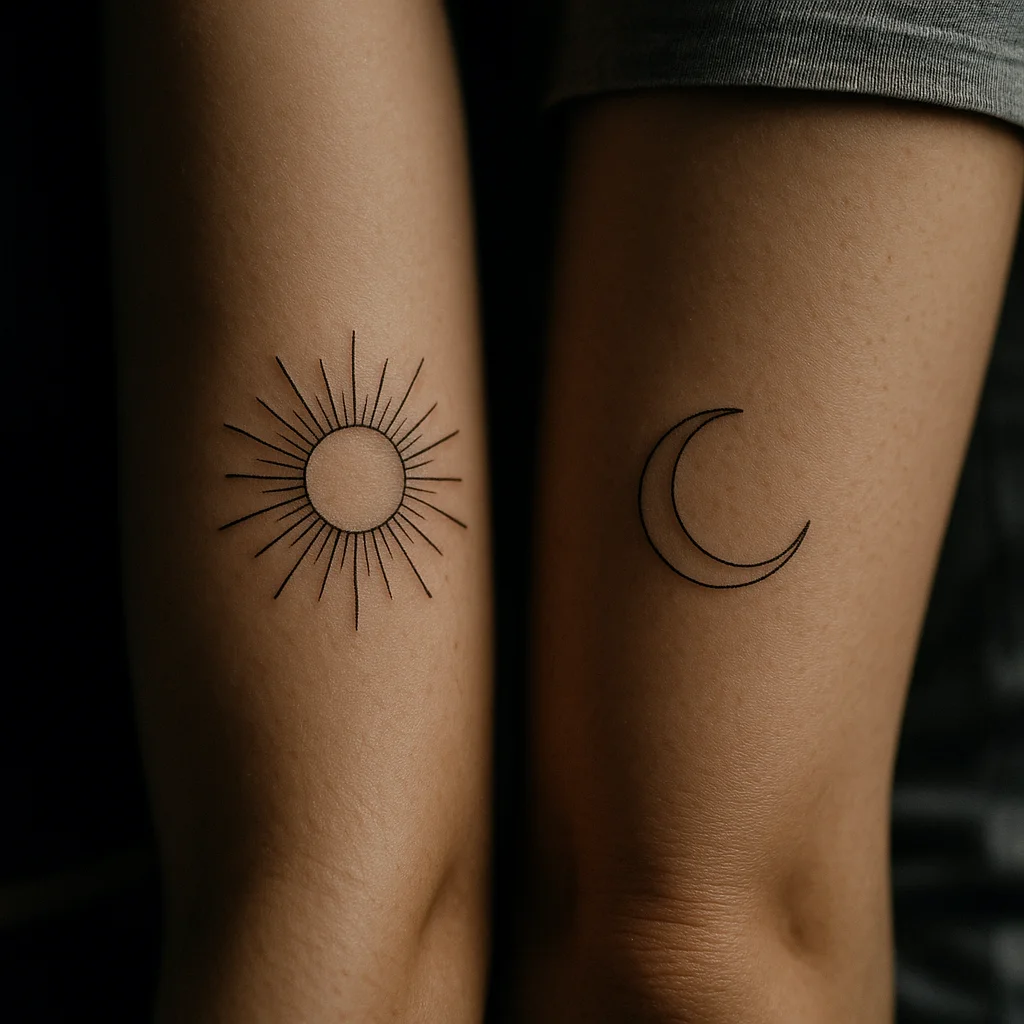
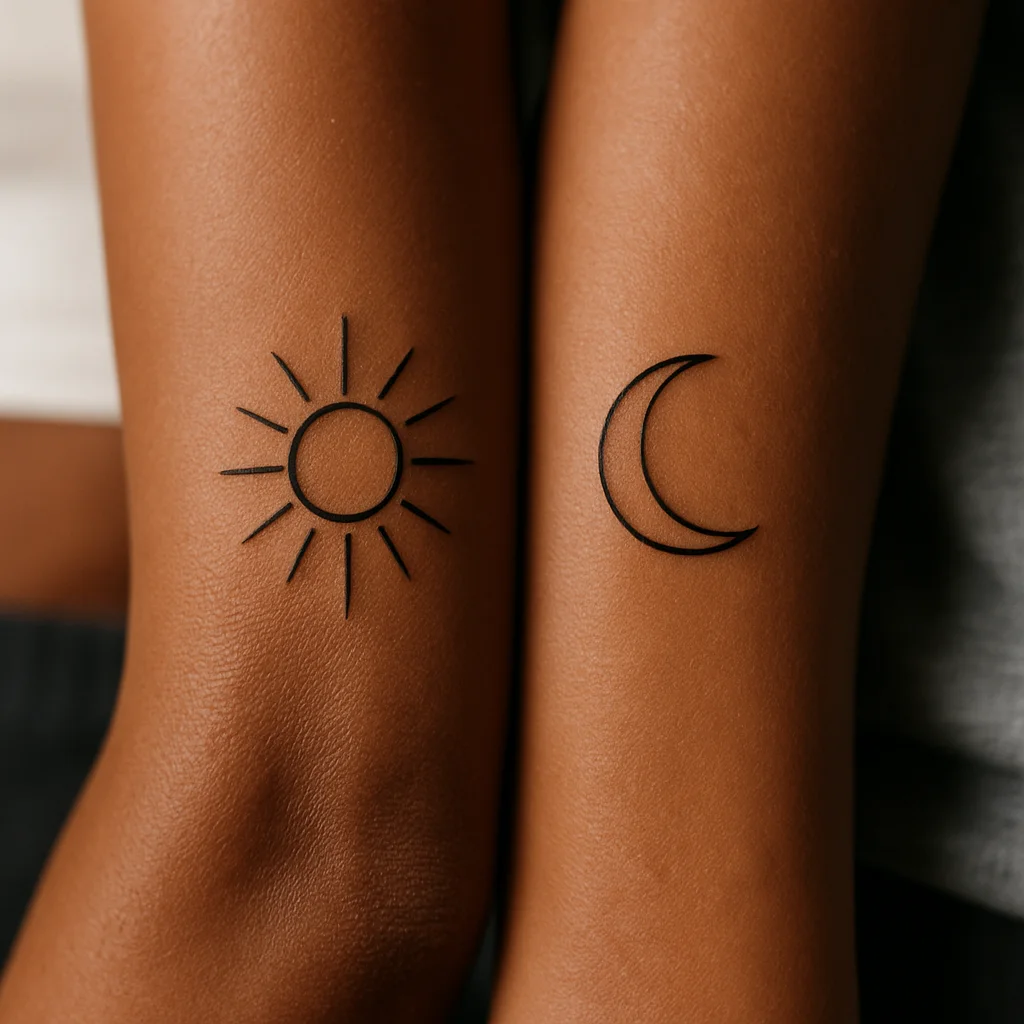
9. Sun and moon
Mother takes a simple rayed sun, daughter takes the crescent, both at the same 4 cm scale and line weight. Held next to each other they read as one sky. Because each half is a complete symbol on its own, this pair never looks unfinished when you are apart — which is the test every split design should pass.
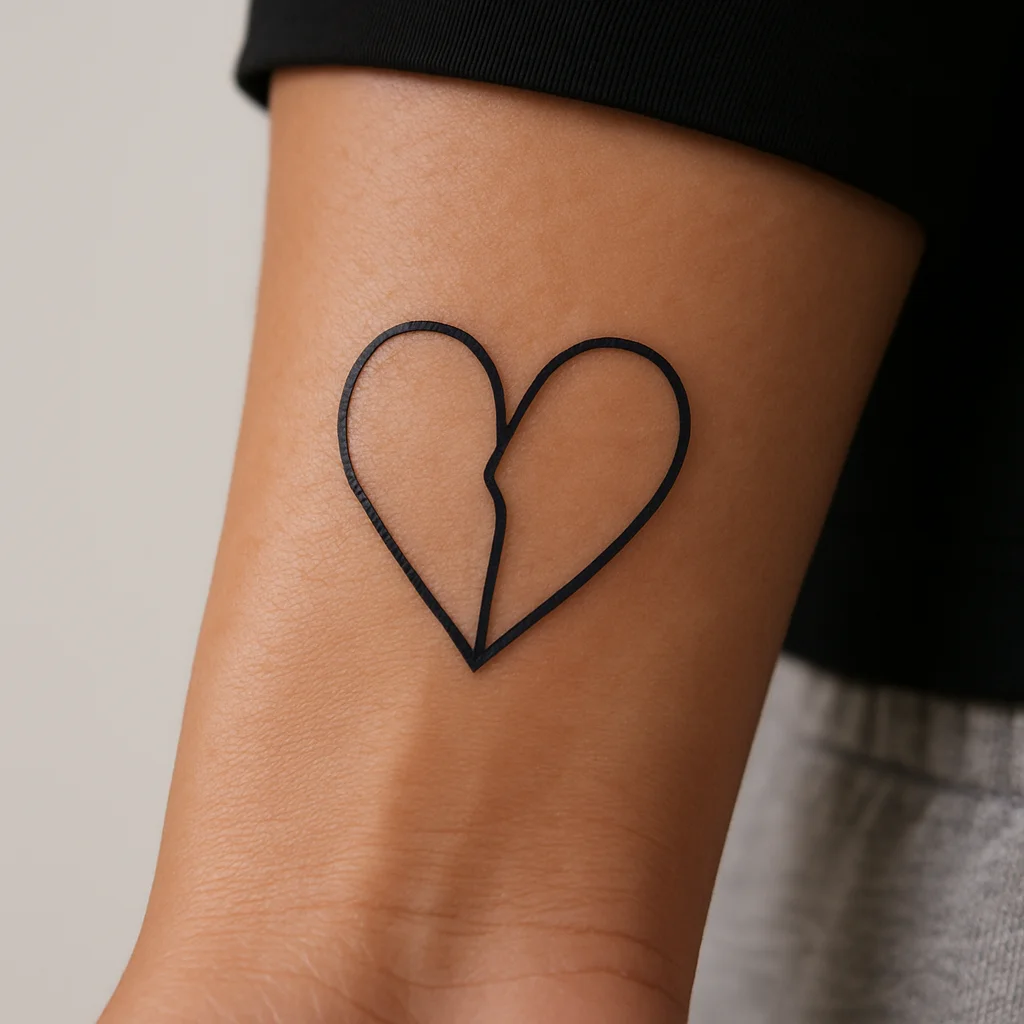
10. Two halves of one heart
Not a broken heart: a heart outline cleanly bisected, one half on each of you, drawn so the cut edge is a deliberate straight line rather than a jagged tear. On the side of the wrist the halves meet when you hold hands. Keep it under 3 cm or the open edge starts to look like an error.
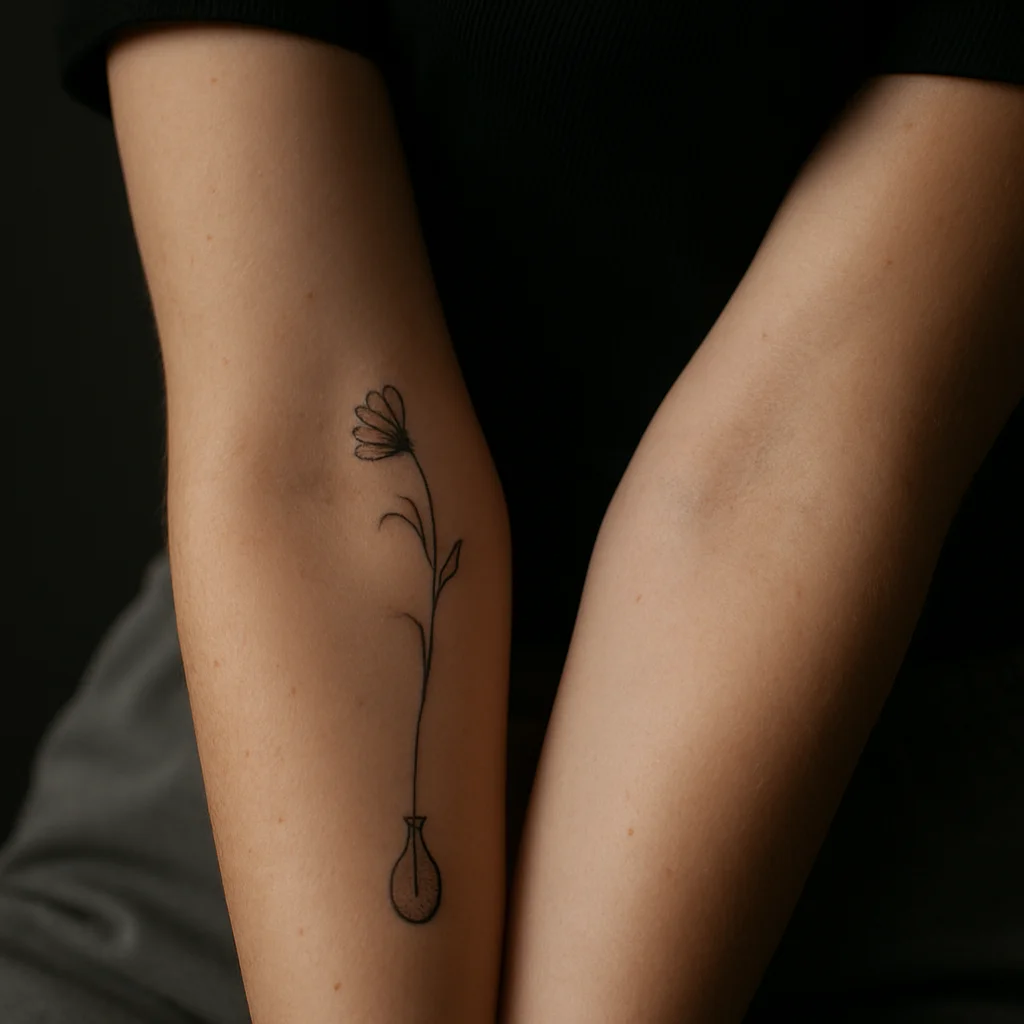
11. Stem and vase
The daughter wears a single long-stemmed flower, the mother wears the small vessel it sits in, positioned so the stem visually drops into the vase when your forearms sit side by side. It is a quieter way of saying "I hold you" than any script. Works best on matching inner forearms so the alignment actually lines up.
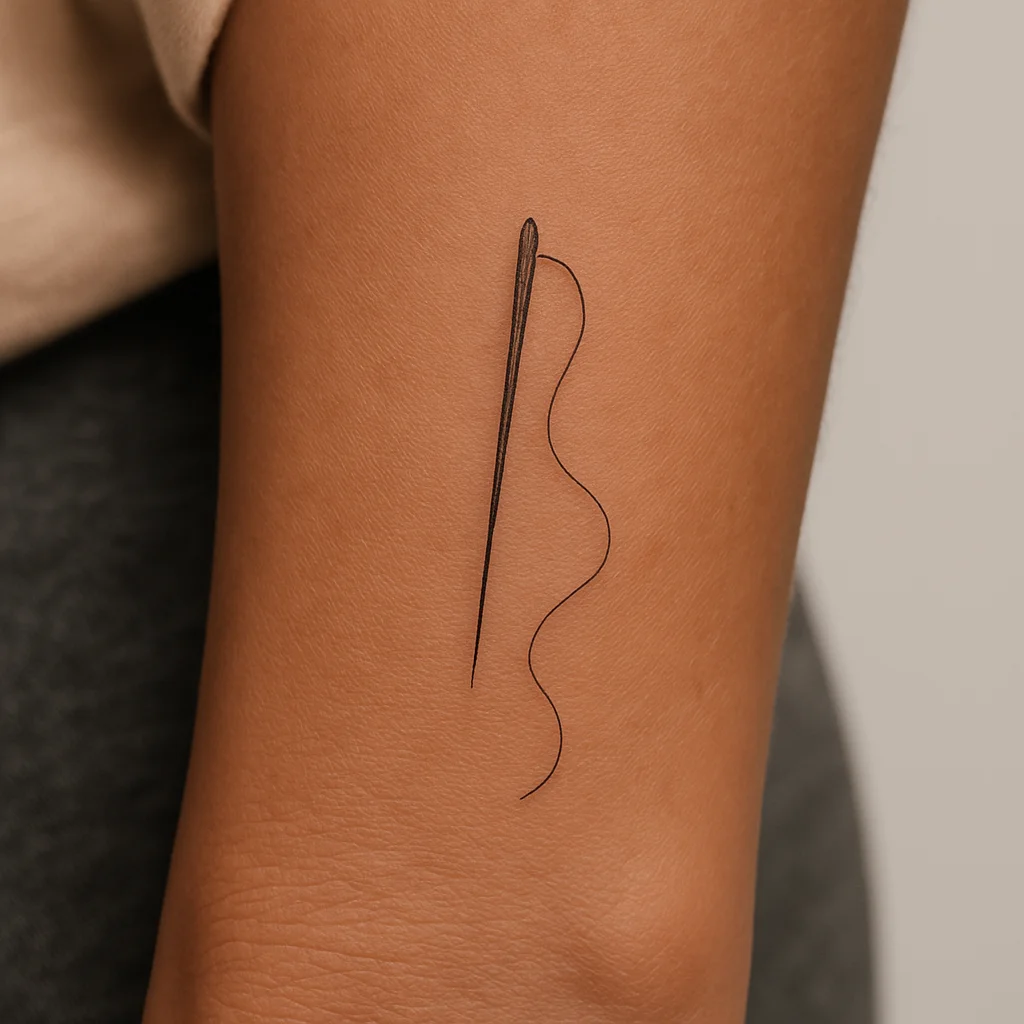
12. Needle and thread
A tiny threaded needle on one wrist, and the loose trailing thread continuing on the other — a lovely pick for families who sew, mend or make. The trailing thread needs a confident single line, so book an artist who works single-needle rather than a generalist. Around 4 to 5 cm each.
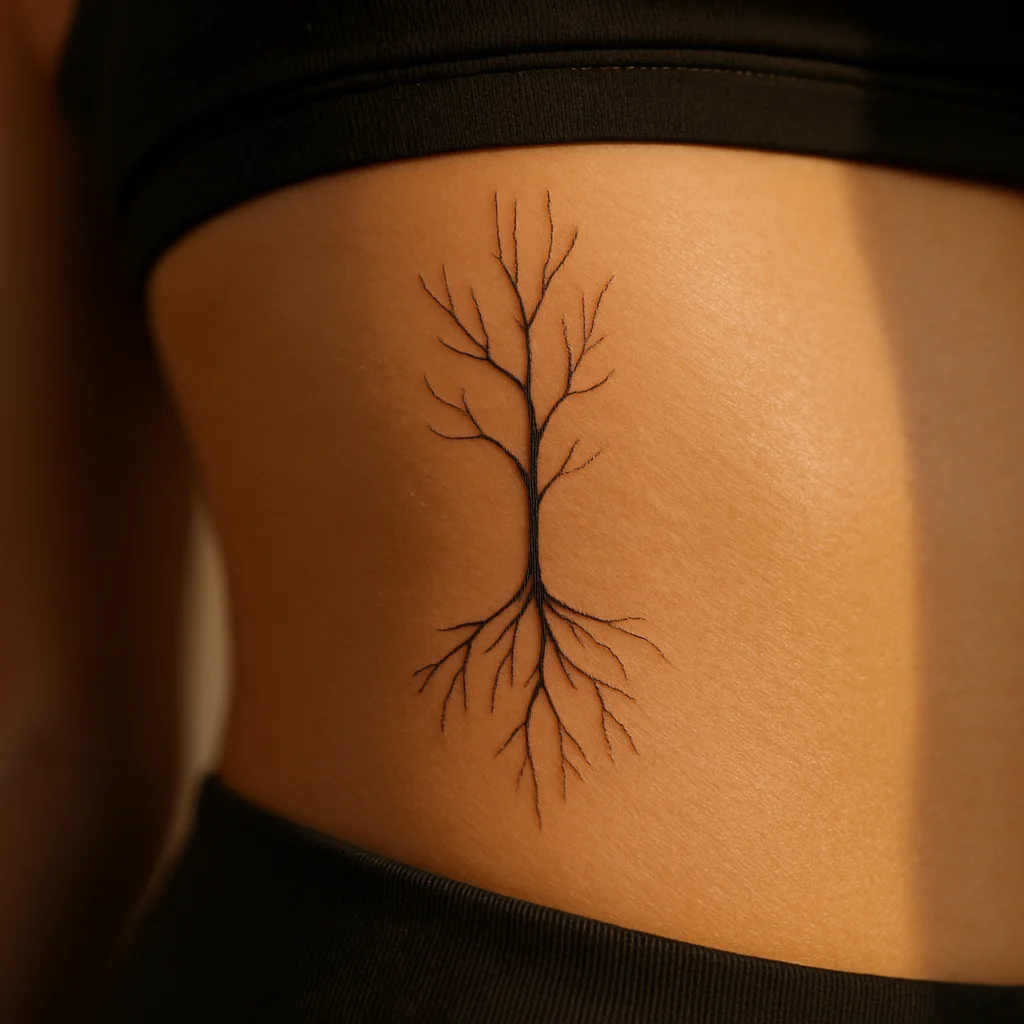
13. Roots and branches
Mother takes a spare root system, daughter takes the bare branches, both drawn in the same twiggy line weight along the ribcage. Ribs are genuinely one of the sorer areas, so keep each piece small and be realistic about sitting still. The pair reads as one tree only when you know to look.
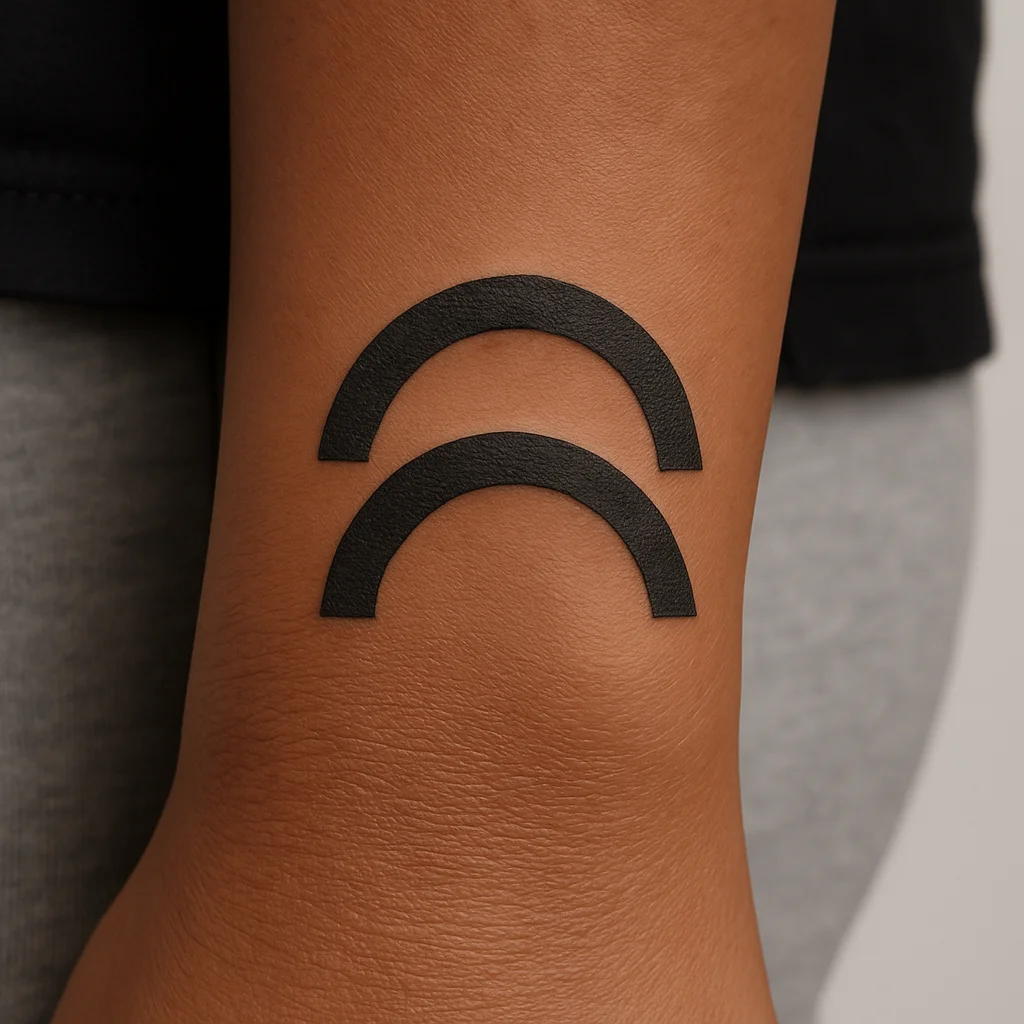
14. Two interlocking arcs
A grown-up version of puzzle pieces: two curved shapes, one convex and one concave, that nest together without the cartoon jigsaw tab. At 2.5 cm on the side of the wrist they look like abstract minimalist marks to strangers. Ask for a slightly weighted line so the shapes hold their edges.
15. Key and keyhole
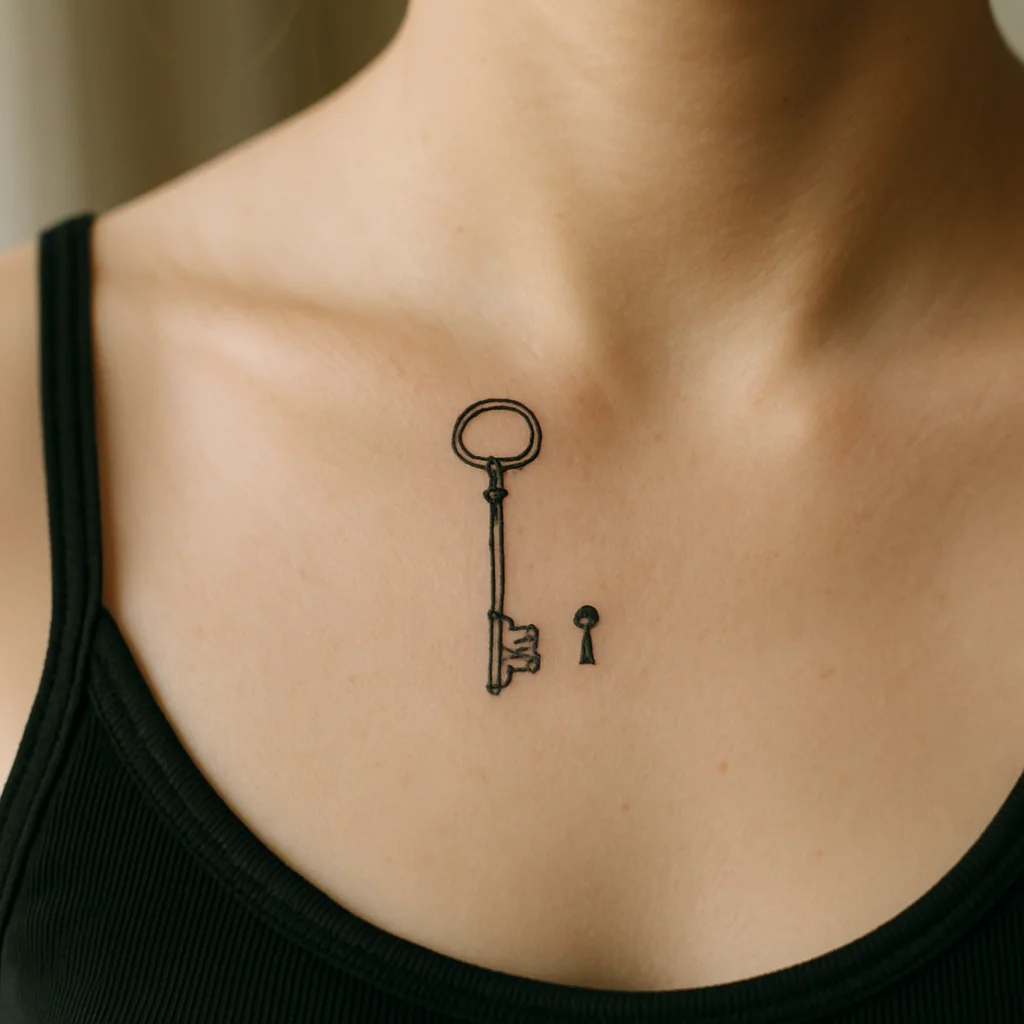
A slim skeleton key on the collarbone for one, a small keyhole for the other. Keep the key stripped back — a shaft, two teeth, a simple loop — because ornate keys collapse into mush at small scale. Placement on the collarbone keeps both pieces vertical, which suits the shapes.
16. Half a mountain range each
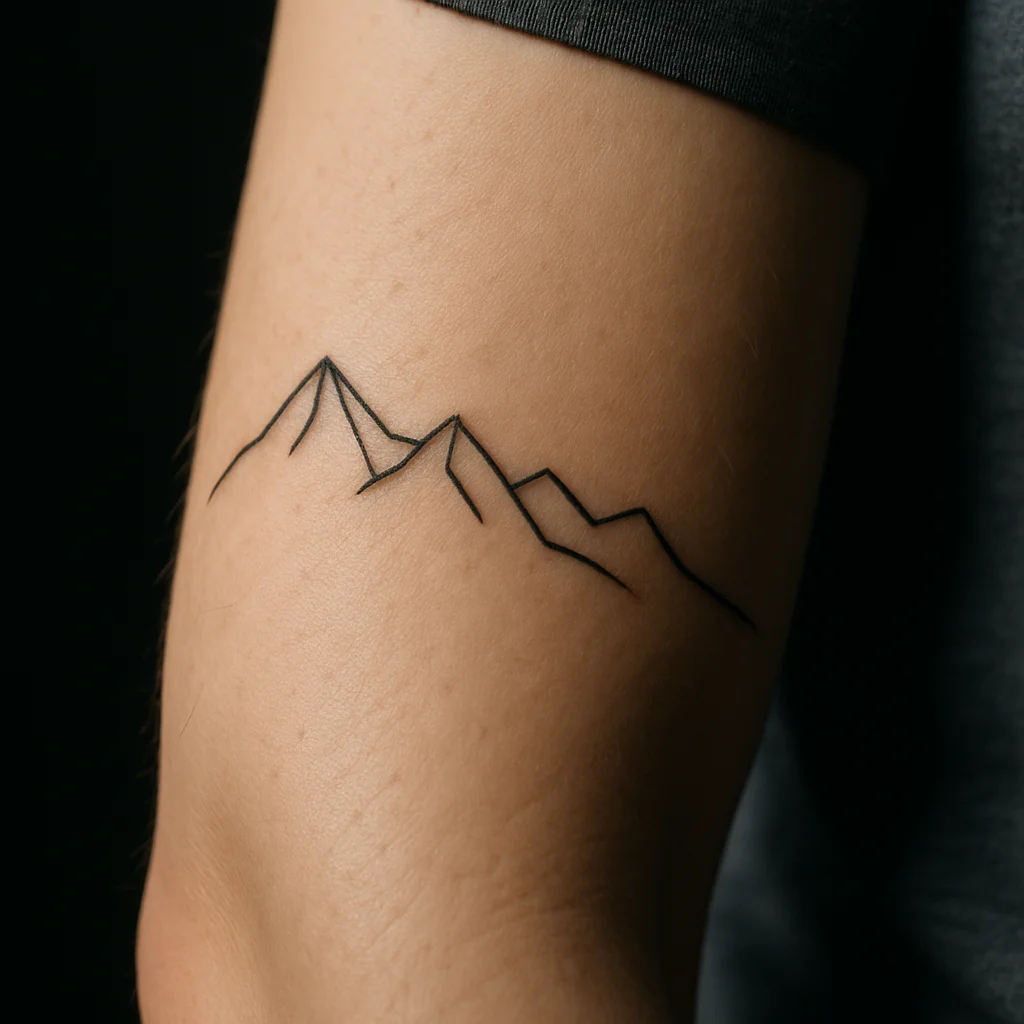
One continuous ridgeline drawn once, then split down the middle, so the two outer forearms complete the horizon when your arms rest together. Peaks are all straight lines and angles, which is why this pair still looks sharp after a decade. Roughly 5 to 6 cm per half.
17. Split constellation
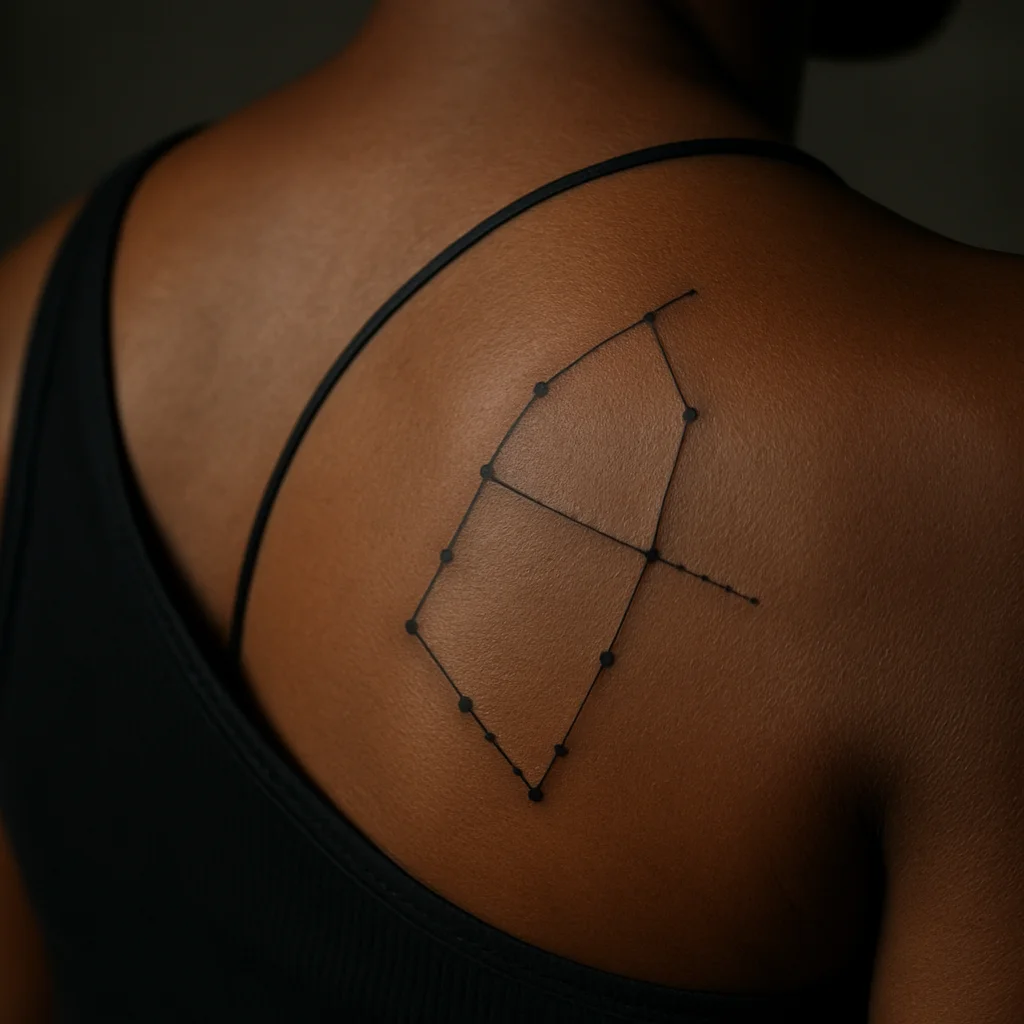
Choose a constellation that means something — a shared birth sign, the stars over a place you both love — and divide the stars between you, mother taking the brightest points, daughter the rest. On the shoulder blade the dots sit on flat, sun-protected skin, which helps them stay round. Ask for dots of varying size rather than uniform pinpricks; it stops it looking like a dropped-ink accident.
18. Mother bird and fledgling
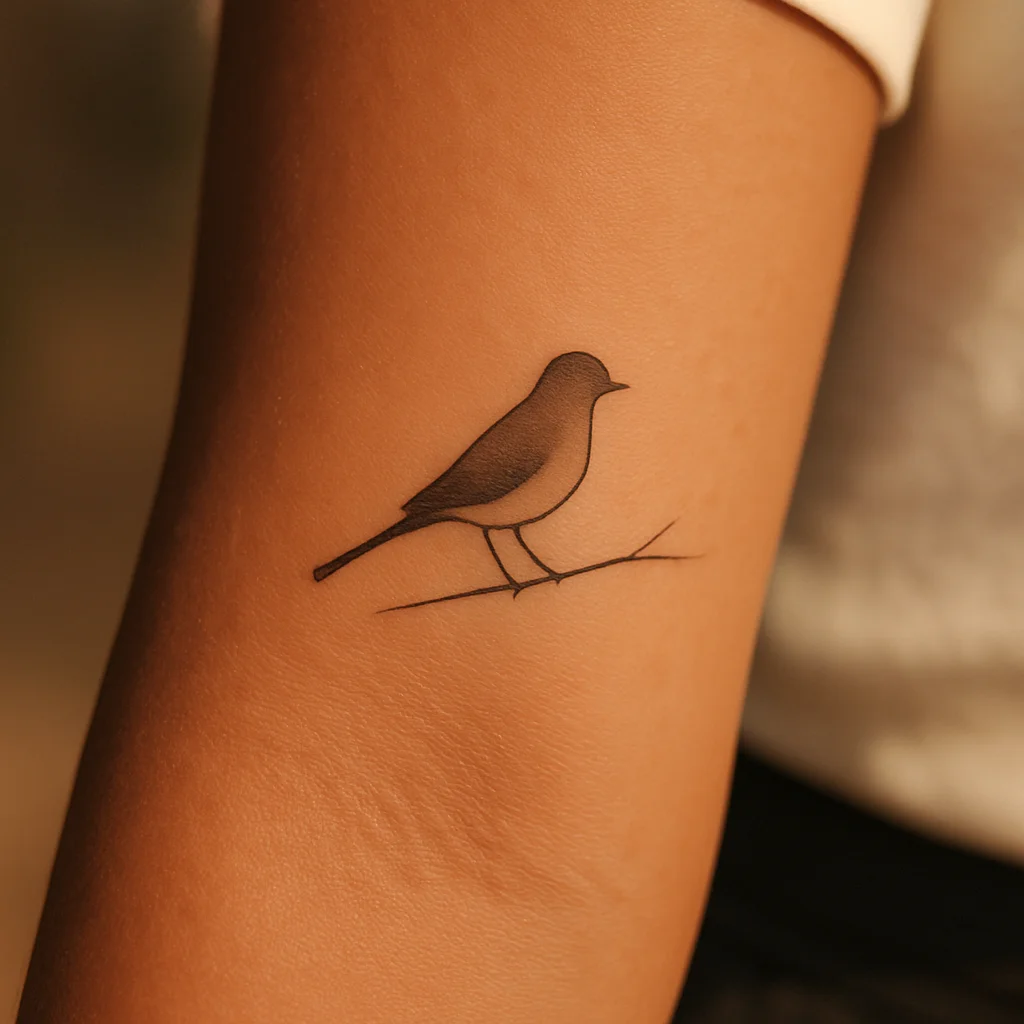
A single fine branch line with an adult bird on one person and a small fledgling on the other, drawn at the same scale so the birds look like family. Inner forearm for one, ankle for the other works if you keep the branch angle identical. Sweet without tipping into greeting-card territory, provided the birds stay minimal silhouettes.
Complementary pairs for people with different taste
19. Coordinates in small type
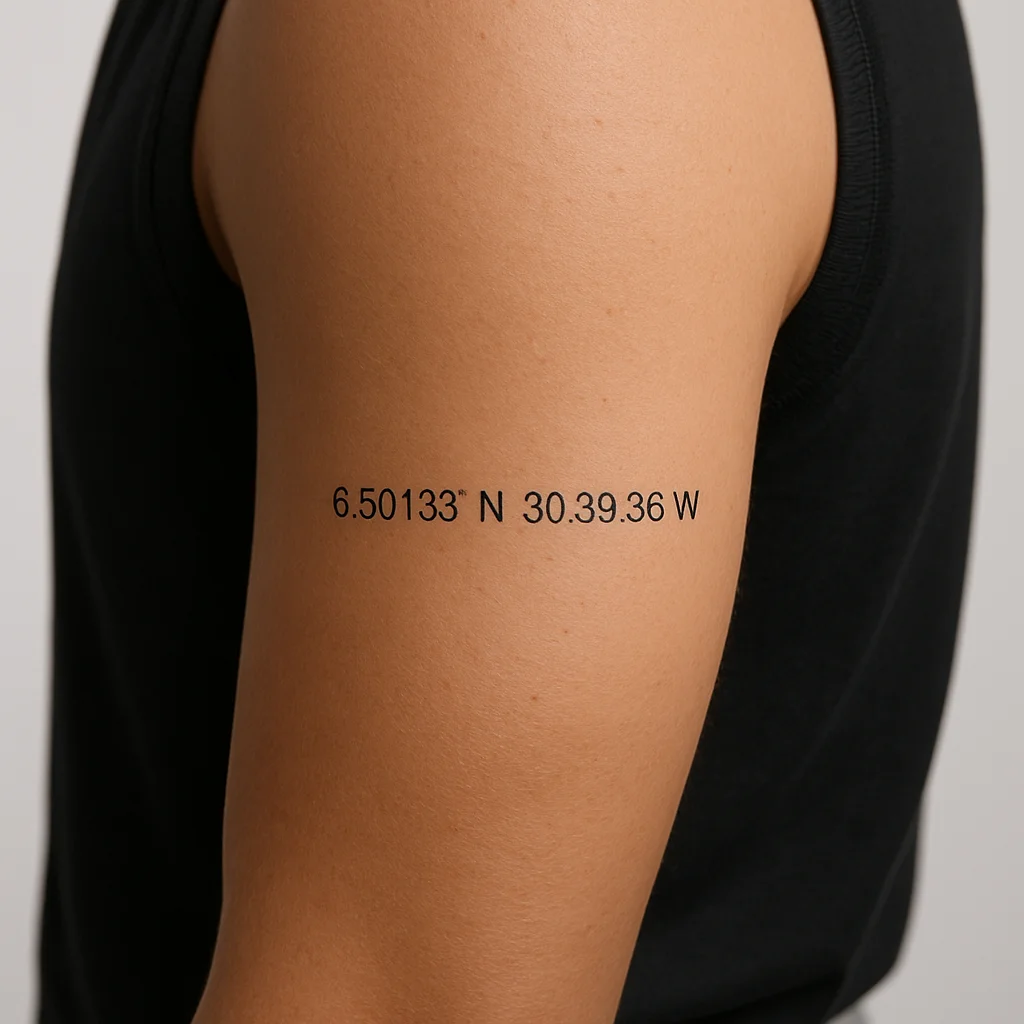
The latitude and longitude of a shared place — the house you grew up in, the hospital, the town you always go back to — set in a tiny clean sans-serif on the upper arm. Numbers need breathing room, so cap the string at one line and let the artist size it around 6 cm wide. It reads as private code to everyone but you two.
20. Teapot and teacup
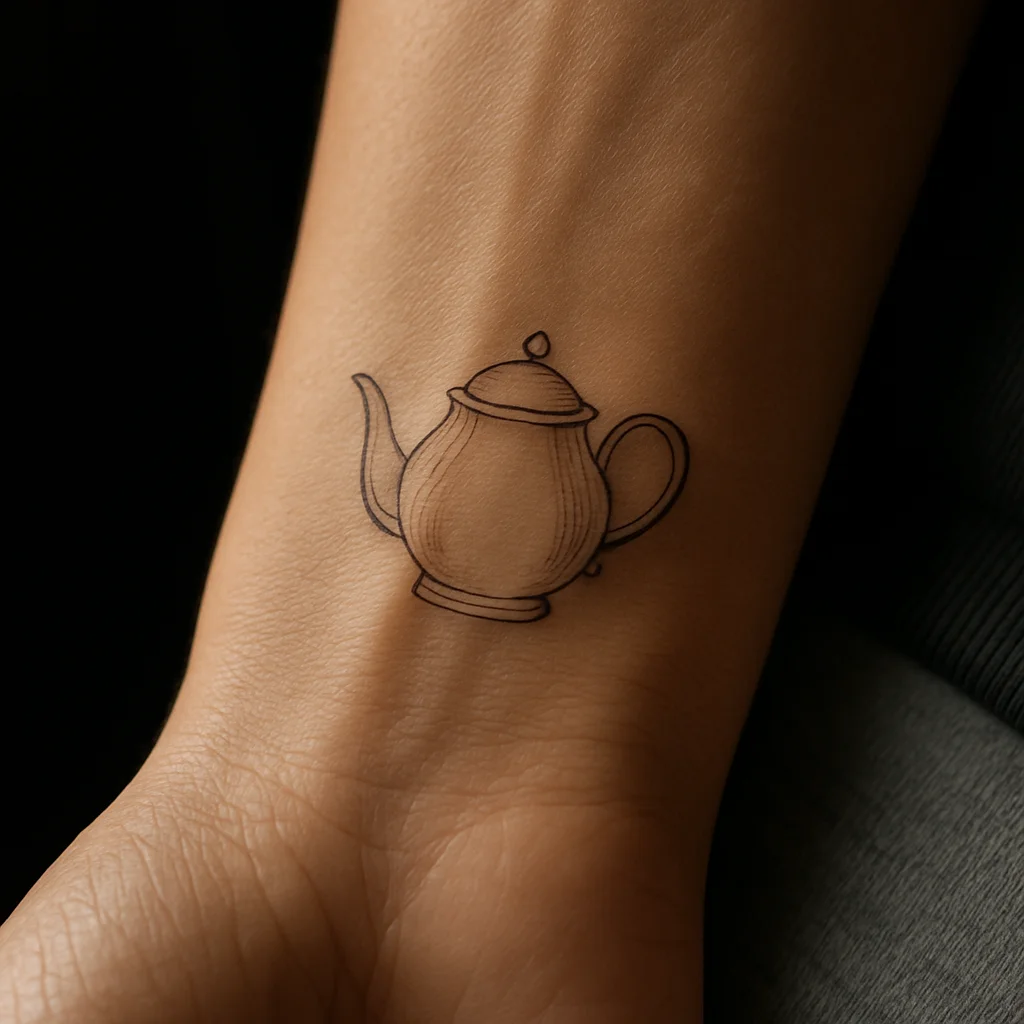
One takes a small pot, the other a cup, both drawn in the same delicate line. It is a nod to a shared ritual rather than a grand statement, and the shapes are simple enough to stay crisp at 3 cm. Inner wrist keeps them visible to you all day.
21. Two different birth flowers
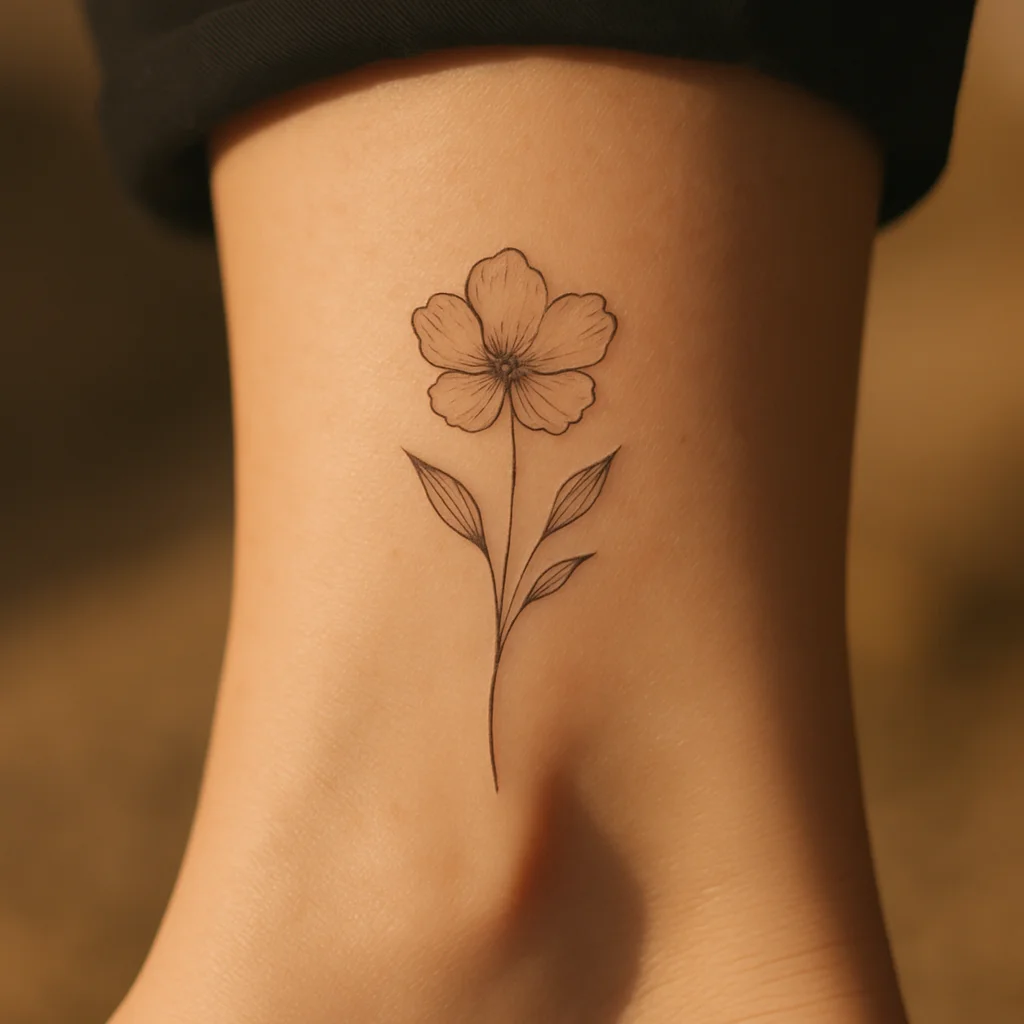
Rather than sharing one flower, each of you wears your own birth flower, drawn by the same artist in identical line weight and size on matching ankles. This is the pair that ages best for people whose taste diverges, because the match lives in the drawing style, not the subject.
22. Dandelion and drifting seeds
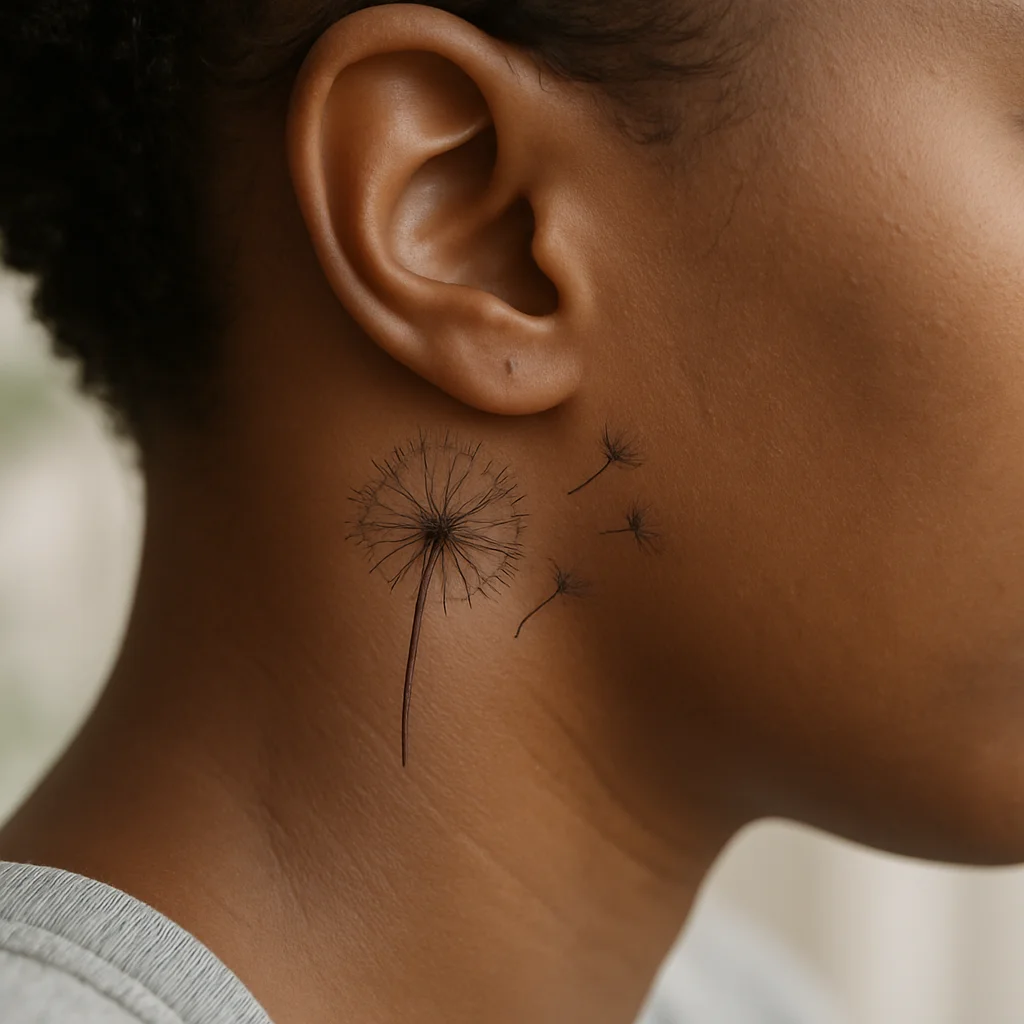
Mother gets the dandelion head with a few seeds lifting off; daughter gets three seeds in flight. Behind the ear it becomes a whisper of a tattoo, about 2.5 cm, though the seeds must be spaced or they will blur together. A gentle way of framing growing up and leaving home.
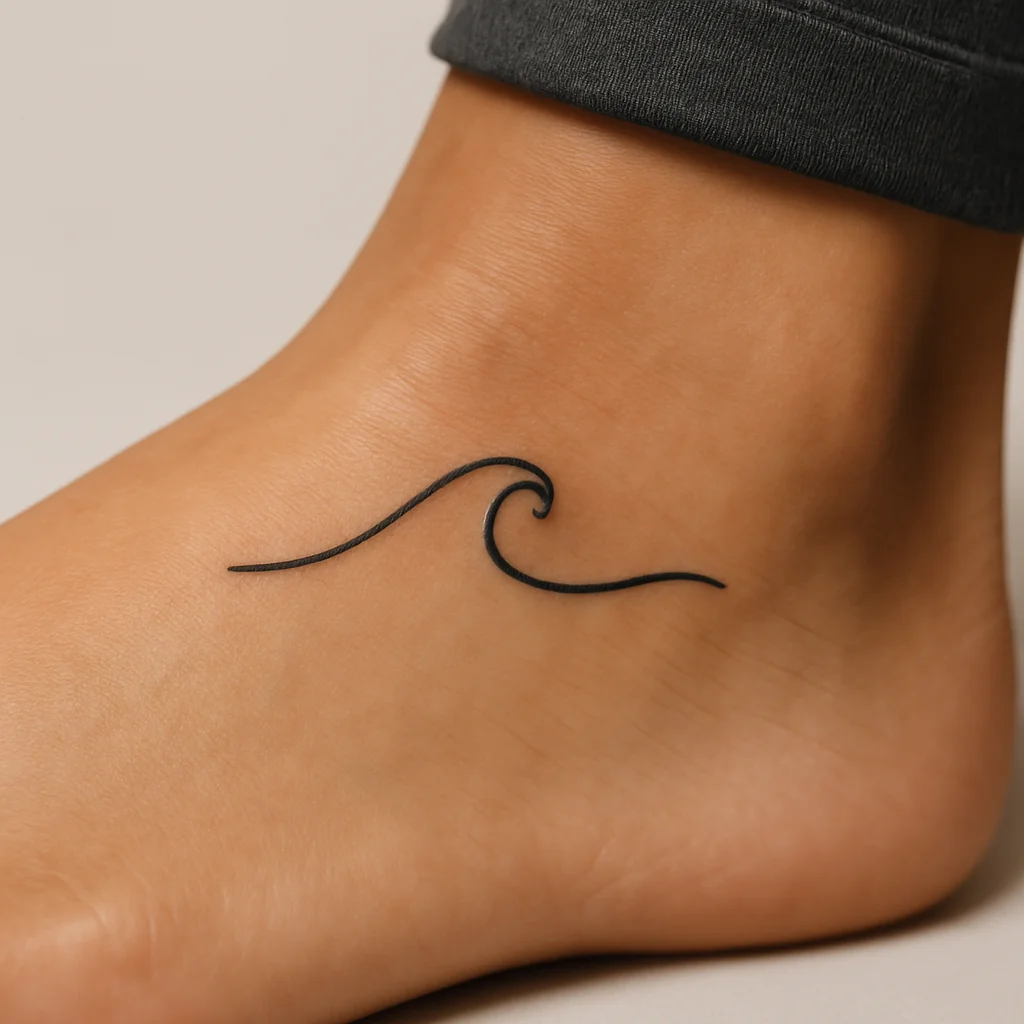
23. A single mirrored wave
One curling wave line each, drawn as mirror images so they face each other when your feet sit side by side. The top of the foot is a bony, tender spot — short session, sharp sensation — but the flat expanse suits a long, low horizontal line. Expect to keep it out of shoes for a few days.
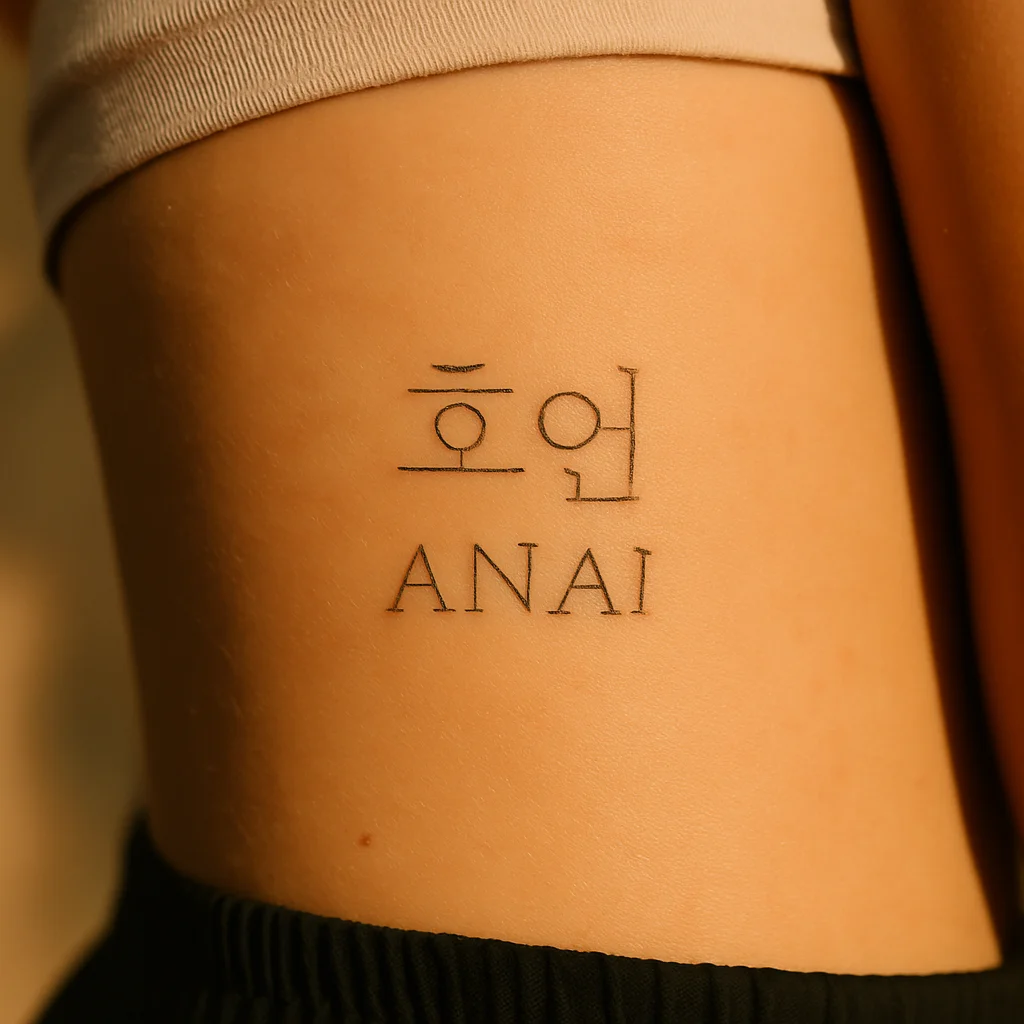
24. One word in two alphabets
The same word written in the family's two languages, or in a grandmother's script alongside its English form, running down the side of the ribcage. Have a native speaker check the lettering before the stencil goes on. Keep it to one word — long sentences at small scale are the most common tiny-tattoo regret.
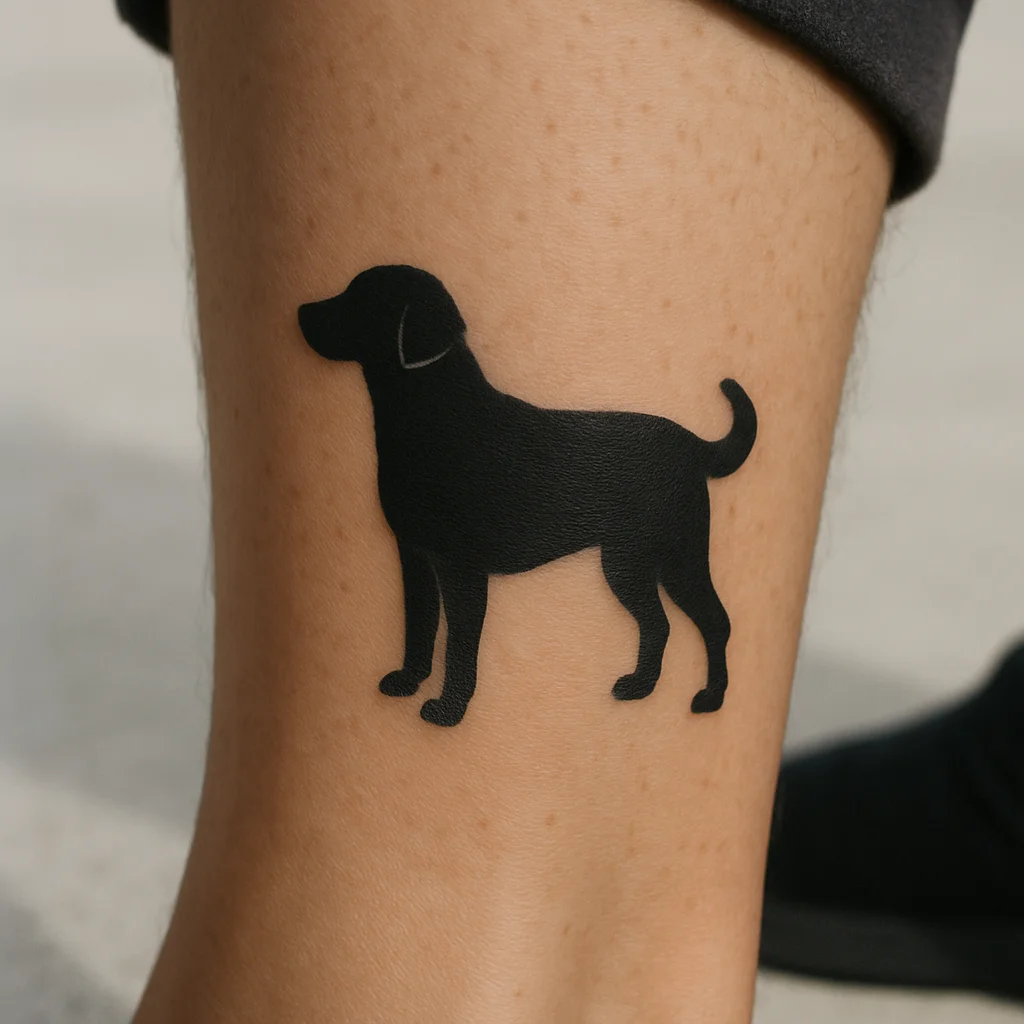
25. The family pet in miniature
A 3 cm silhouette of the dog or cat you both grew up with, one of you taking the profile and the other the paw print. Silhouettes hold up far better than tiny portraits, which need constant touch-ups at this scale. Calf is roomy, low pain and easy to cover.
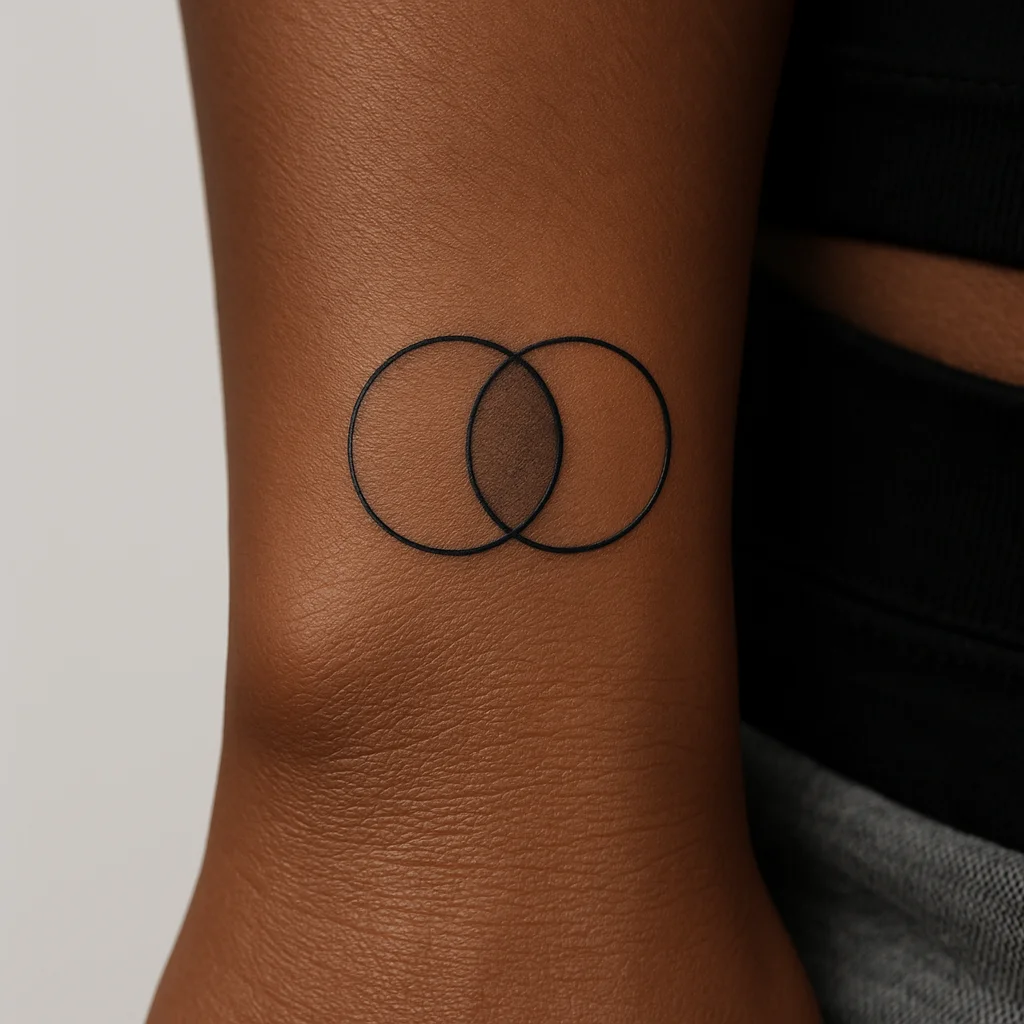
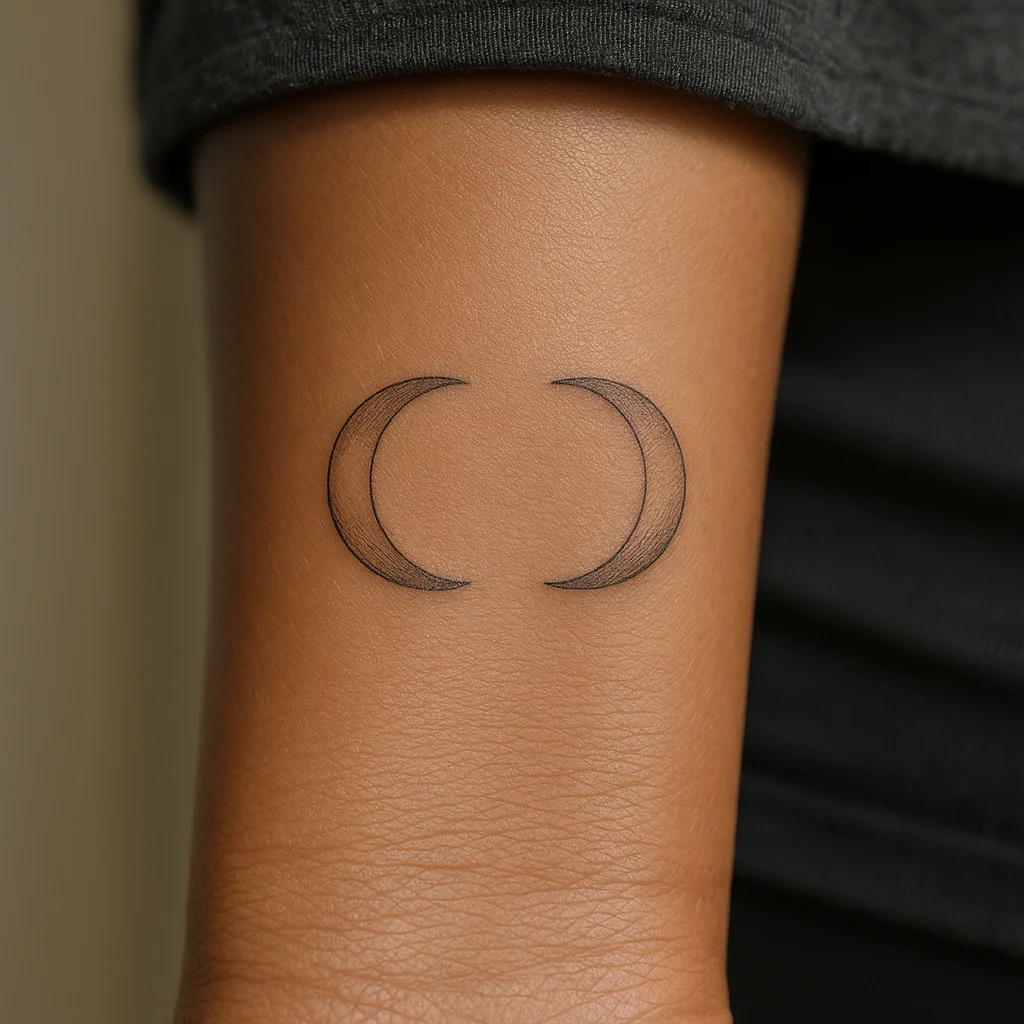
26. Two overlapping circles
Two thin circles with the overlapping lens lightly shaded, one set on each of you, about 2.5 cm on the side of the wrist. Abstract enough to sit alongside anything else you get later, and about as future-proof as a matching tattoo gets. If you want a whisper of colour, a single soft tone in the lens is enough.
Placement, pain and how tiny pairs hold up
Small matching tattoos live or die on placement, and the friendliest spots for delicate work are the ones that get the least sun, friction and stretch. Inner forearm, upper arm, shoulder blade and calf are the reliable performers: flat, low-movement, easy to keep covered while healing. Wrists and ankles are the classic mother-daughter choices for a reason — you see them constantly — but they take more sun and more knocks, so expect to want a touch-up somewhere down the line.
The spots that ask the most of you: fingers, feet and behind the ear. Thin skin and constant contact mean faster fading, and fine detail simply cannot survive there long-term. Choose them for the joy of the location, not for a design you need to last untouched.
On pain, be straight with each other before booking. A 3 cm outline anywhere takes minutes, so the worst case is short. Softer rides: outer and inner forearm, upper arm, shoulder, calf, thigh. Sharper: wrist, ankle bone, collarbone, ribs, top of the foot, spine. If it is a first tattoo for either of you — often the mother, in our experience of studio waiting rooms — pick a fleshy spot for that person and let the other take the bonier placement.
Ageing rules that apply to every design above:
- Minimum stroke: hairline-thin work looks stunning at two weeks and can go patchy at ten years. Ask for the artist's judgement on the thinnest line they will commit to at your chosen size.
- Leave gaps: at least a needle's width of clear skin between any two lines.
- Skip micro-lettering under about 3 mm cap height.
- Sunscreen is the single biggest factor in how the pair looks in a decade, especially on wrists and feet.
Booking it together: cost, timing and healing
Two small tattoos in one appointment is one of the easiest things to book, and most studios love it. Practical notes from the chair:
- Cost: expect to pay the studio minimum for each piece rather than a bulk deal. Minimums vary widely by city and artist reputation, and a tiny simple design usually lands at or just above that floor. Two small matching pieces in one sitting typically comes in around the price of one medium tattoo. Custom drawing time, split designs that need aligning, and traced handwriting can nudge it up.
- Time: the tattooing itself is often 15 to 30 minutes each. Budget two hours at the studio anyway, for paperwork, stencil placement and the inevitable back-and-forth about millimetres.
- Who goes first: the more nervous person, before the anticipation builds. Watching a calm five-minute session does more for nerves than any reassurance.
- Split designs: bring it up when you book. The artist will want to stencil both of you and have you stand together before any needle touches skin, so the halves genuinely align.
Brief the artist properly and you will get a better result: send reference images, say clearly whether you want identical, split or complementary, name your size in centimetres, and flag any future plans for that area. If the daughter is thinking about a sleeve one day, the artist will place her half where it can be built around rather than in the middle of a blank canvas.
Healing for pieces this small is simple but not optional. Keep it clean, thin layers of ointment, no soaking, no scratching, and no sun for the first few weeks — that last one matters most for fine lines. Both of you should treat it the same way, since inconsistent healing is the fastest route to a mismatched pair. Our 30-day aftercare guide covers the full timeline. Book the touch-up check together too, around the two-month mark, so any patchy spots get fixed by the same hand on the same day.
Frequently asked questions
How small can a matching mother-daughter tattoo go?
Around 2.5 cm is a sensible floor for anything with more than a few lines, and simple shapes like a crescent, a heart outline or a row of dots can work smaller. Below that, lines sit too close together and blur as the ink settles. If you want tiny, strip the design down rather than shrinking a detailed drawing.
Do we have to get them in the same place on our bodies?
No. The pair reads as a set if the size, style and line weight match, even when the placements differ. Split designs are the exception: halves that are meant to line up when you stand together should sit on the same body part at the same angle.
How much will two small matching tattoos cost?
Most studios charge their shop minimum per piece, so two tiny designs usually total roughly what one medium tattoo would cost. Rates swing a lot by city and artist, and custom drawing, traced handwriting or aligned split designs can add to it. Ask for a quote with both pieces described when you enquire.
What if one of us has never been tattooed before?
Give that person the fleshier placement — inner forearm, upper arm, shoulder or calf — and have them go first before nerves build. A small outline takes minutes, so even a sharp spot is over quickly. Eat beforehand, skip alcohol the night before, and tell the artist it is a first tattoo so they talk you through it.
Will fine-line matching tattoos fade quickly?
Fine lines soften over time, and how fast depends mostly on placement and sun exposure. Fingers, feet and behind the ear fade quickest; inner arm, shoulder blade and calf hold up longest. Daily sunscreen and a touch-up every several years keeps a delicate pair looking sharp.
The conversation
No comments yet. Got a thought about these designs? Start us off.
Want to weigh in? Join the community to comment, save designs and try them on your skin.