Tattoo Removal Cost Per Session: 8 Real Examples
Laser removal is priced per session, not per tattoo, and that one detail decides whether you spend a few hundred dollars or a few thousand. Here's what drives the number, with eight real tattoos costed out session by session.
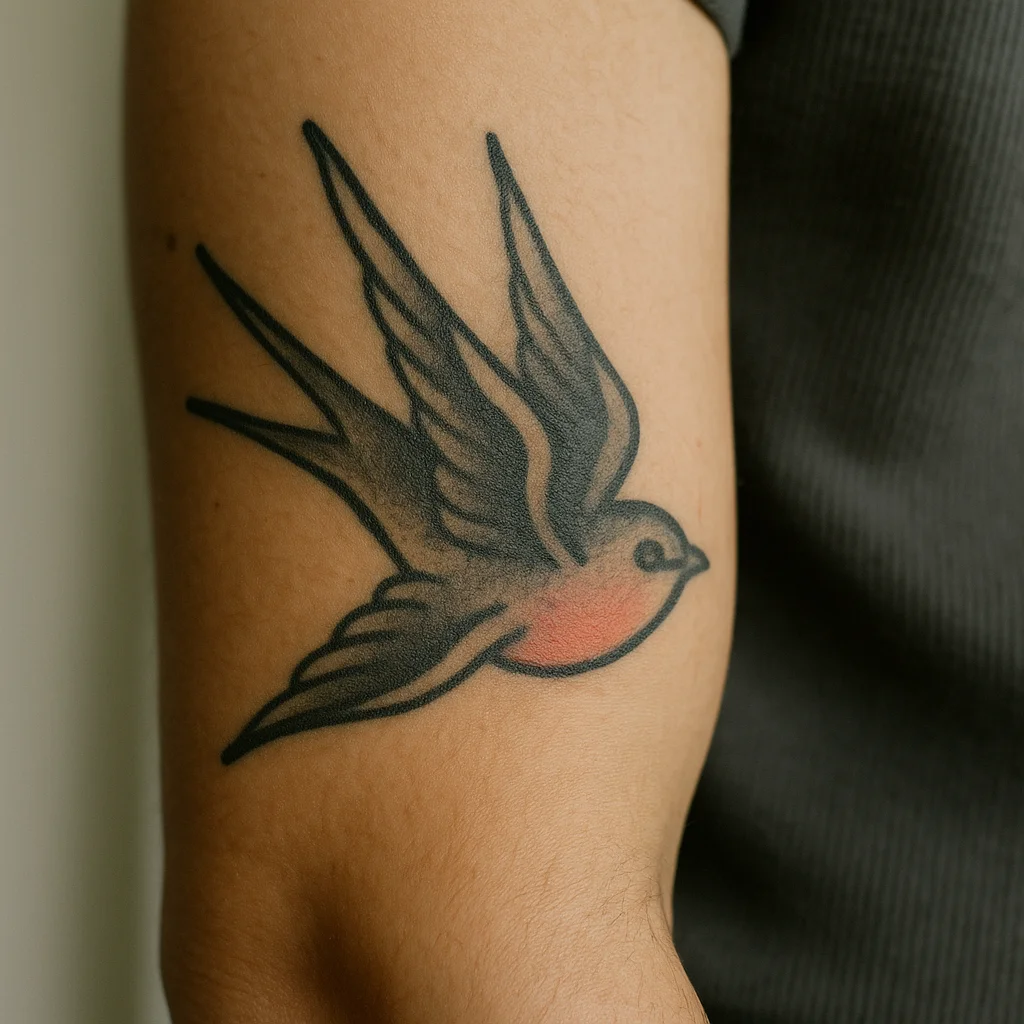
What a Removal Session Actually Costs You
Almost every clinic prices laser removal per session, and almost every clinic has a minimum. That minimum is what makes tiny tattoos feel expensive: a coin-sized dot and a business-card-sized piece can cost the same for the first visit, because you are paying for the room, the machine time and the operator, not the square inch.
Three pricing models dominate. Size tiers are the most common — extra small (up to about a credit card), small, medium (palm), large (hand-span or bigger) — with each tier carrying a fixed per-session fee. Flat-rate minimums cover any small work in a single visit. Package pricing bundles six to ten sessions at a discount, usually 10–25% off the per-session rate, paid upfront.
In the US, a single session commonly lands between roughly $75 and $150 for something tiny, $200–$400 for a mid-sized piece, and $500 upwards for a back panel or a full sleeve — and big pieces are often split into sections treated on different days, each billed separately. UK and European clinics run similar shapes in local currency, typically from around £60–£90 at the small end into the £250–£400 range for large work. Dermatology clinics and specialist laser practices usually sit at the top of those ranges; med spas and tattoo studios with an in-house laser tend to sit lower.
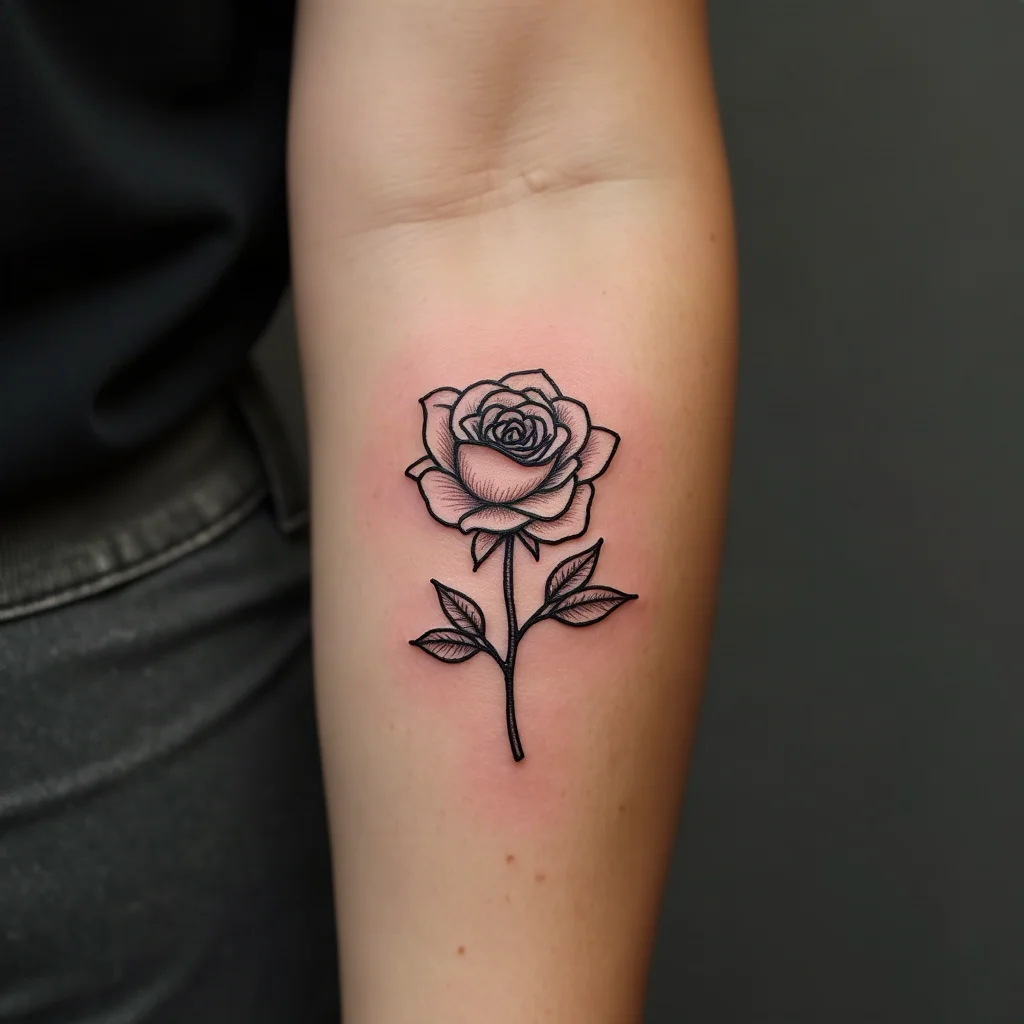
Ask early whether a consultation and patch test is free or billed separately, and whether spot touch-ups on stubborn fragments count as a full session later on. That single question changes a lot of totals. A palm-sized black rose on the shoulder blade might be a mid-tier session forever, or drop to a cheap spot treatment once only two petals remain.
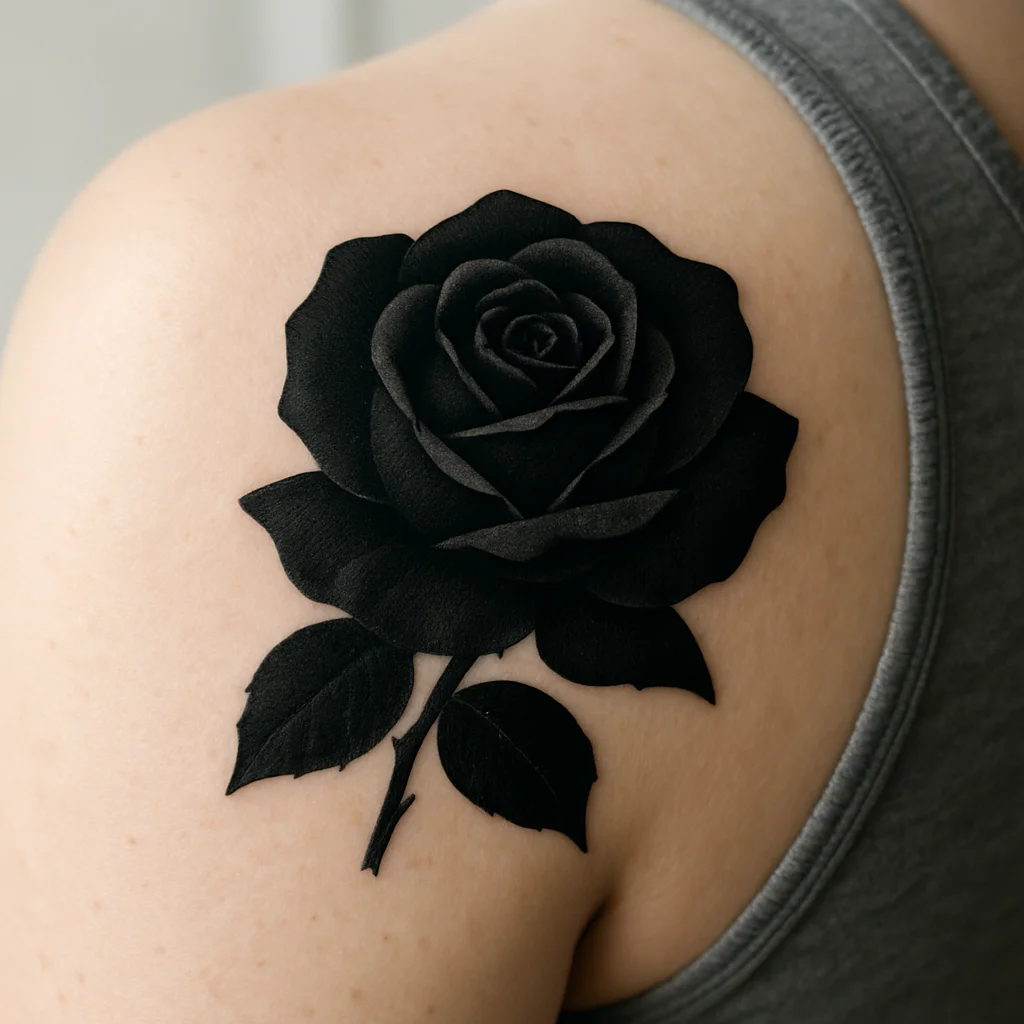
8 Real Tattoos and What Their Sessions Cost
These are the kinds of pieces that walk into removal consults every week. Ranges are per session at typical private-clinic pricing; session counts assume laser removal aiming at full clearance unless stated.
1. Coin-sized black star on the inner wrist
Tiny, single-needle, solid black — the cheapest possible tattoo to remove and still subject to the clinic minimum, usually $75–$150 per session. Expect 5–8 visits for near-total clearance because thin black lines break down predictably. Wrists have decent lymphatic drainage, so fading tends to be steady rather than stubborn.
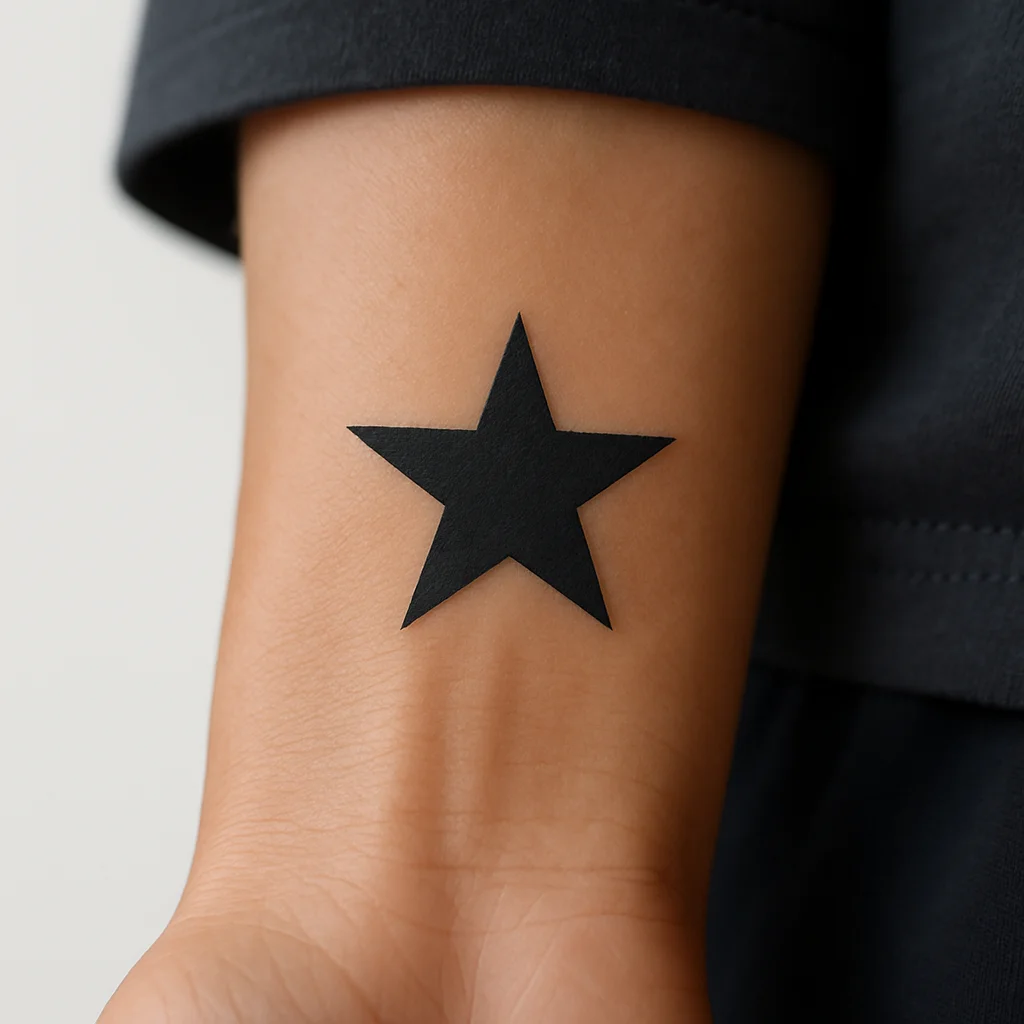
2. Fine-line script name across the collarbone
Hairline lettering sounds easy, and mostly it is: thin lines carry little pigment. Sessions land around $100–$200 at small-tier pricing, with 6–10 visits typical. The catch is the collarbone itself — thin skin over bone stings sharply, so budget for numbing cream if the clinic charges for it.
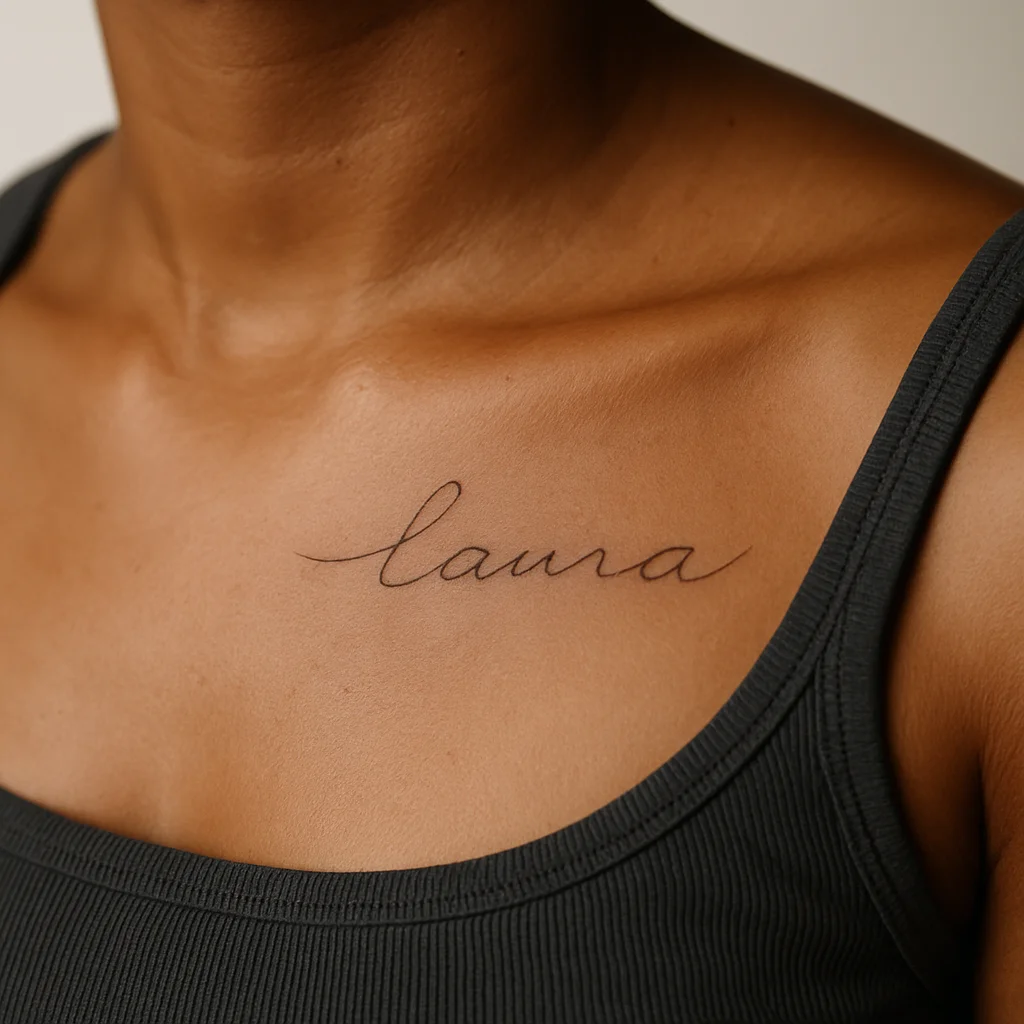
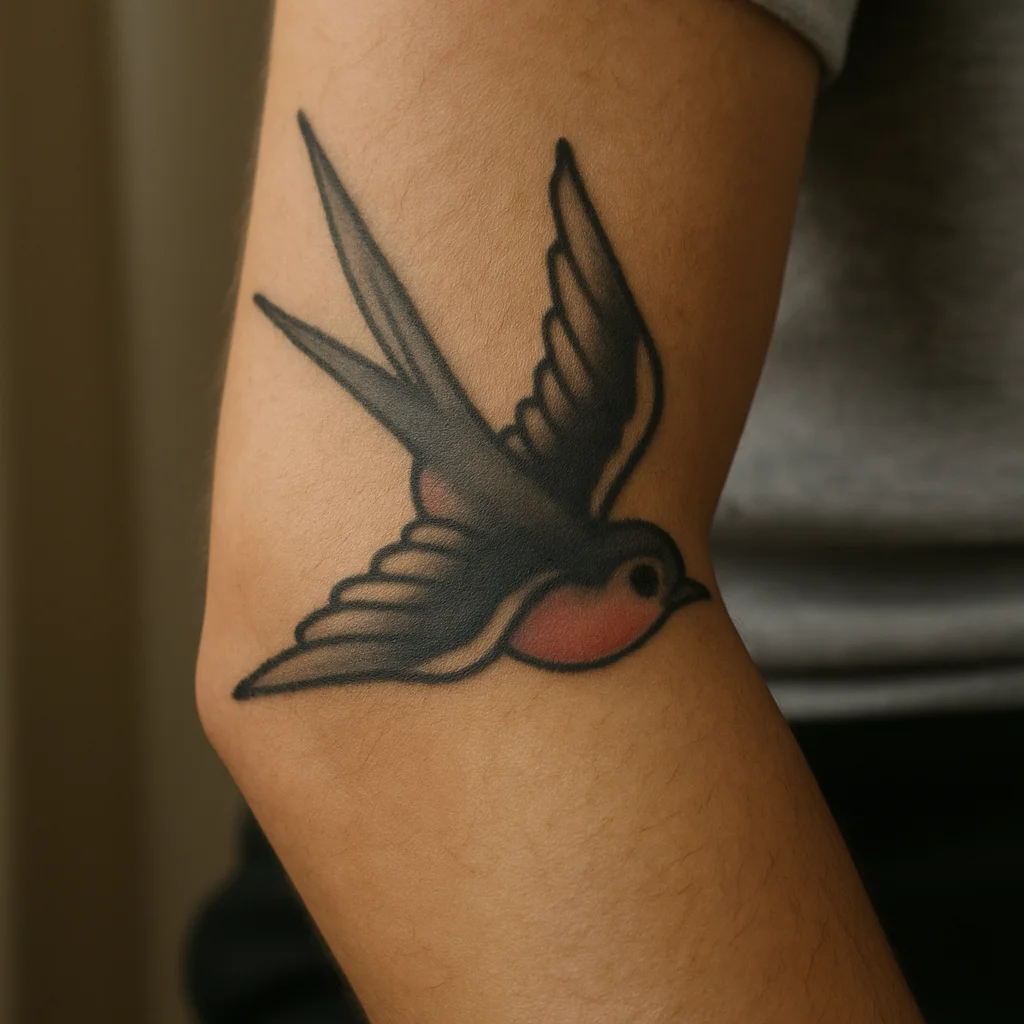
3. Faded old-school swallow on the outer forearm
Twenty-year-old traditional work with black outlines and a faded red chest is a favourite of laser technicians: the ink has already migrated and softened. Sessions usually run $175–$300, and red pigment responds well to the standard wavelengths. Six to ten sessions is a realistic window, sometimes fewer if the piece was lightly packed.
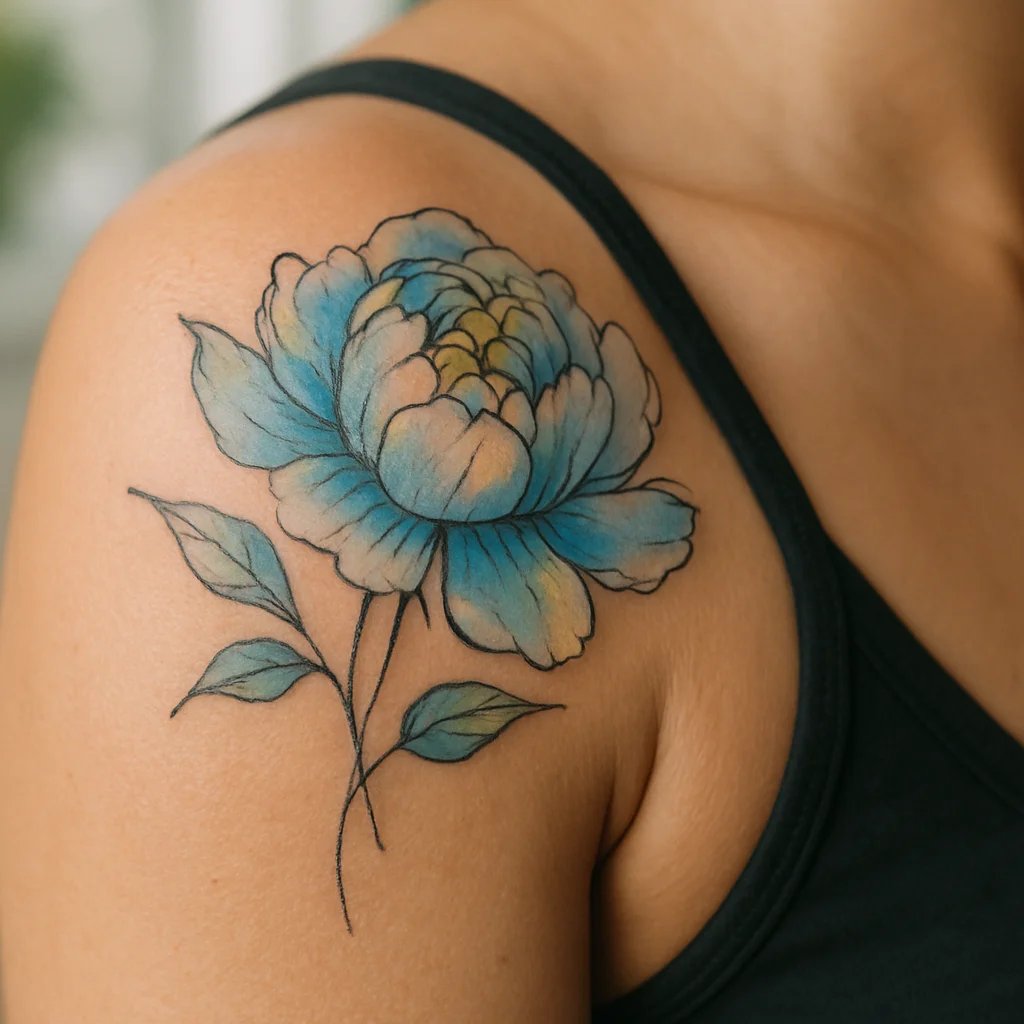
4. Watercolour peony in pastel blues and yellows on the shoulder
The hardest colour case on this list. Light blues, teals, yellows and pastel blends need specific wavelengths and often more passes, so sessions sit at $250–$400 and 10–15 visits is not unusual. Ask directly whether the clinic owns a laser with the wavelengths that address those tones — plenty do not.
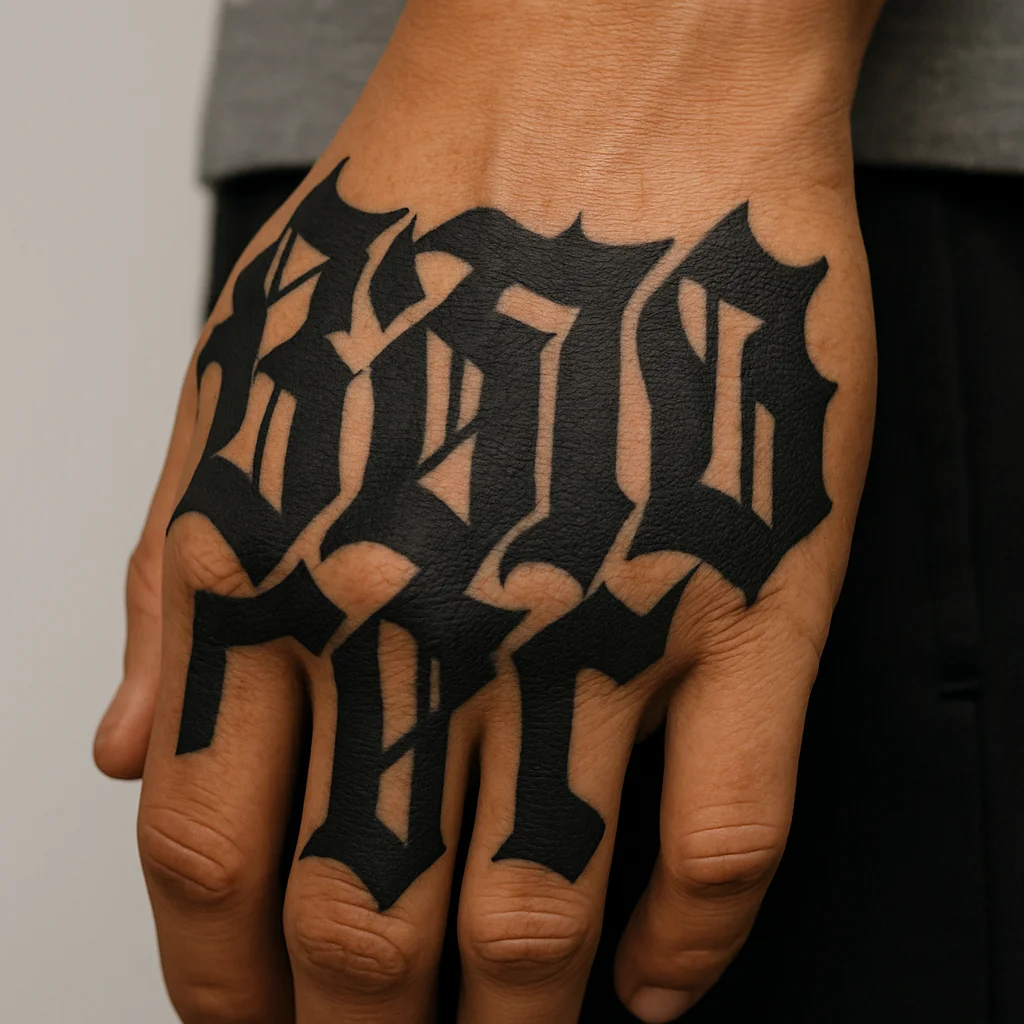
5. Gothic lettering across the back of the hand
Dense black letters over bone and tendon, in a spot with slower circulation and thinner skin. Sessions typically run $150–$275, but hands and feet are notorious for needing extra visits, often 10 or more. Healing needs care too: hands move constantly, so blistering is more disruptive here than almost anywhere.
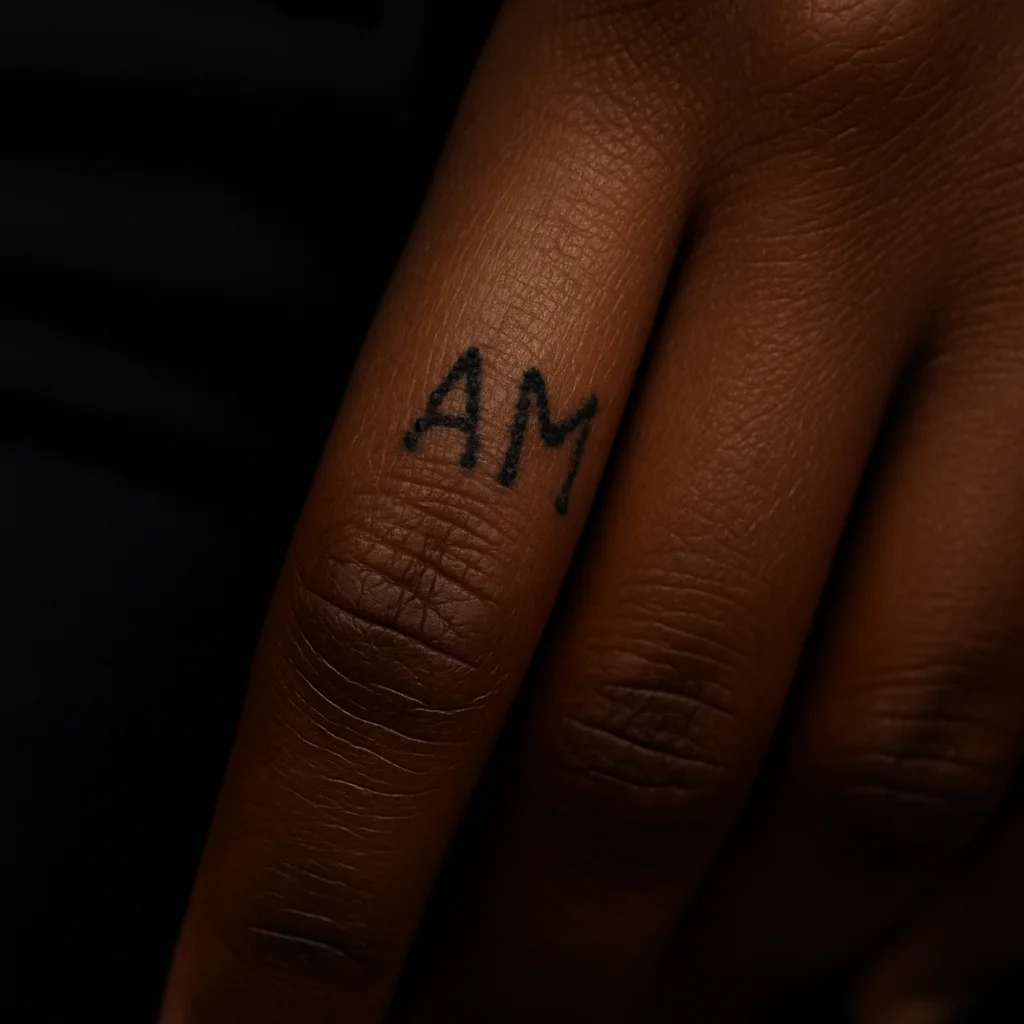
6. Stick-and-poke initials on a finger
Homemade ink sits shallow and unevenly, which usually means fast results — sometimes 3–5 sessions at the clinic minimum of $75–$150. The trade-off is unpredictability: hand-poked pigment can be patchy in depth, so one corner may clear in two visits while another lingers. Fingers also fade fast on their own, so a technician may advise waiting.
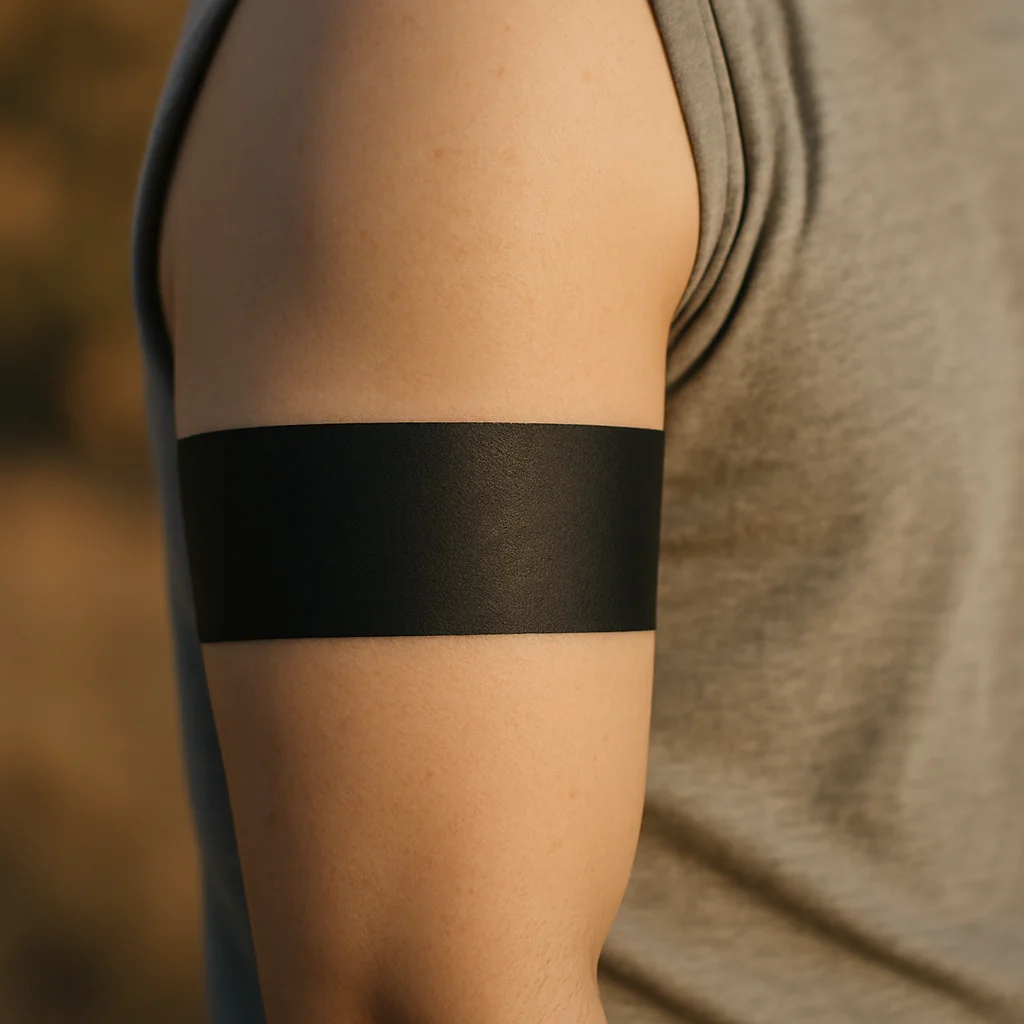
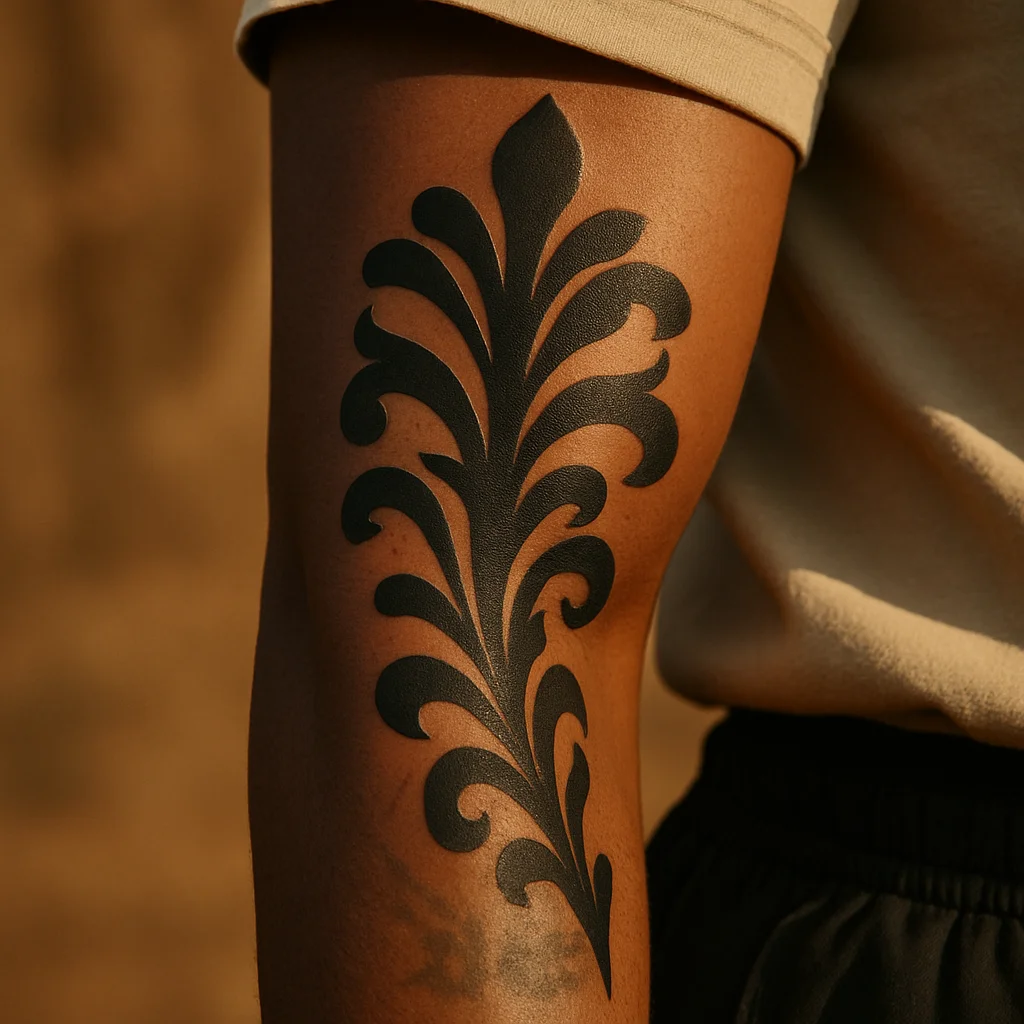
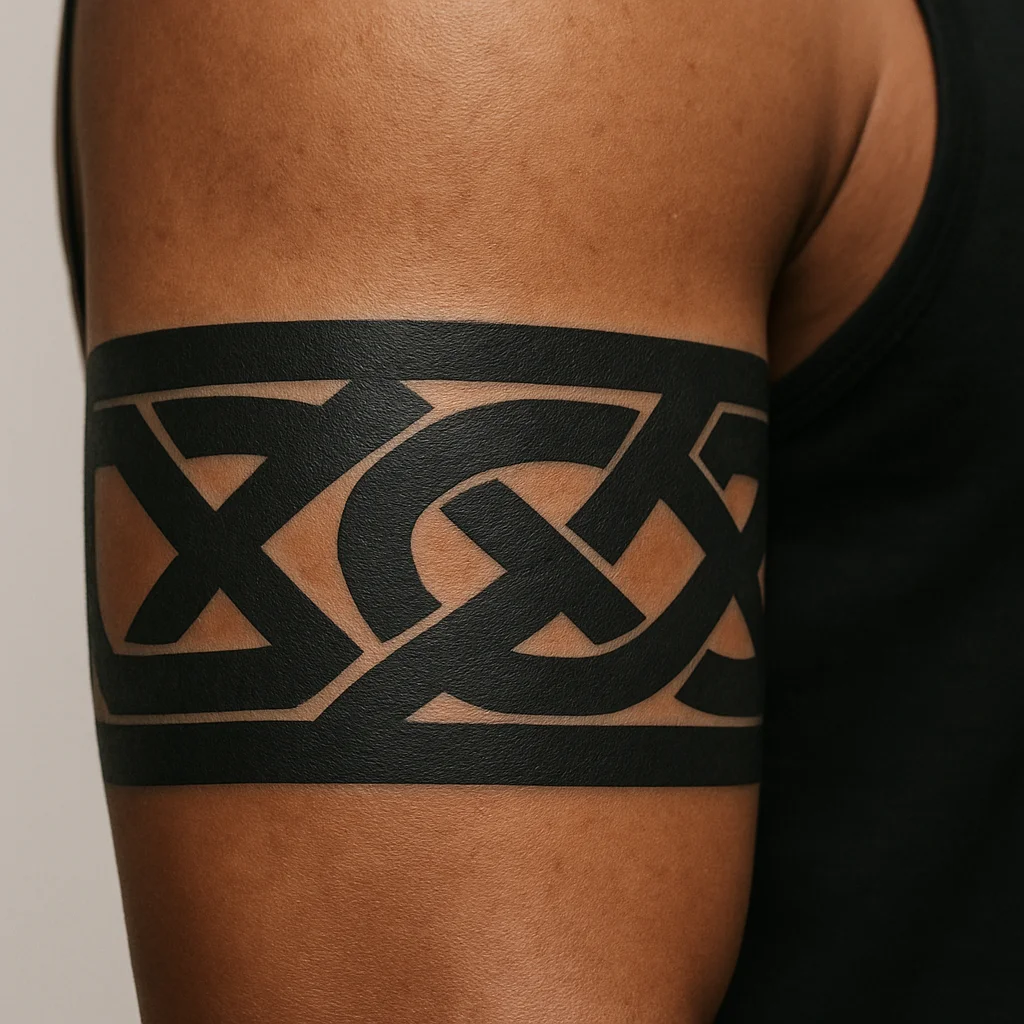
7. Solid blackout band on the upper arm
Heavy saturated black across a full band is the most expensive per-session case most clinics see, commonly $350–$600, and often treated in halves on separate days. Full clearance is rarely promised; 12–20 sessions with a realistic goal of significant lightening is the honest conversation. Many people stop once it fades enough to be reworked into something new.
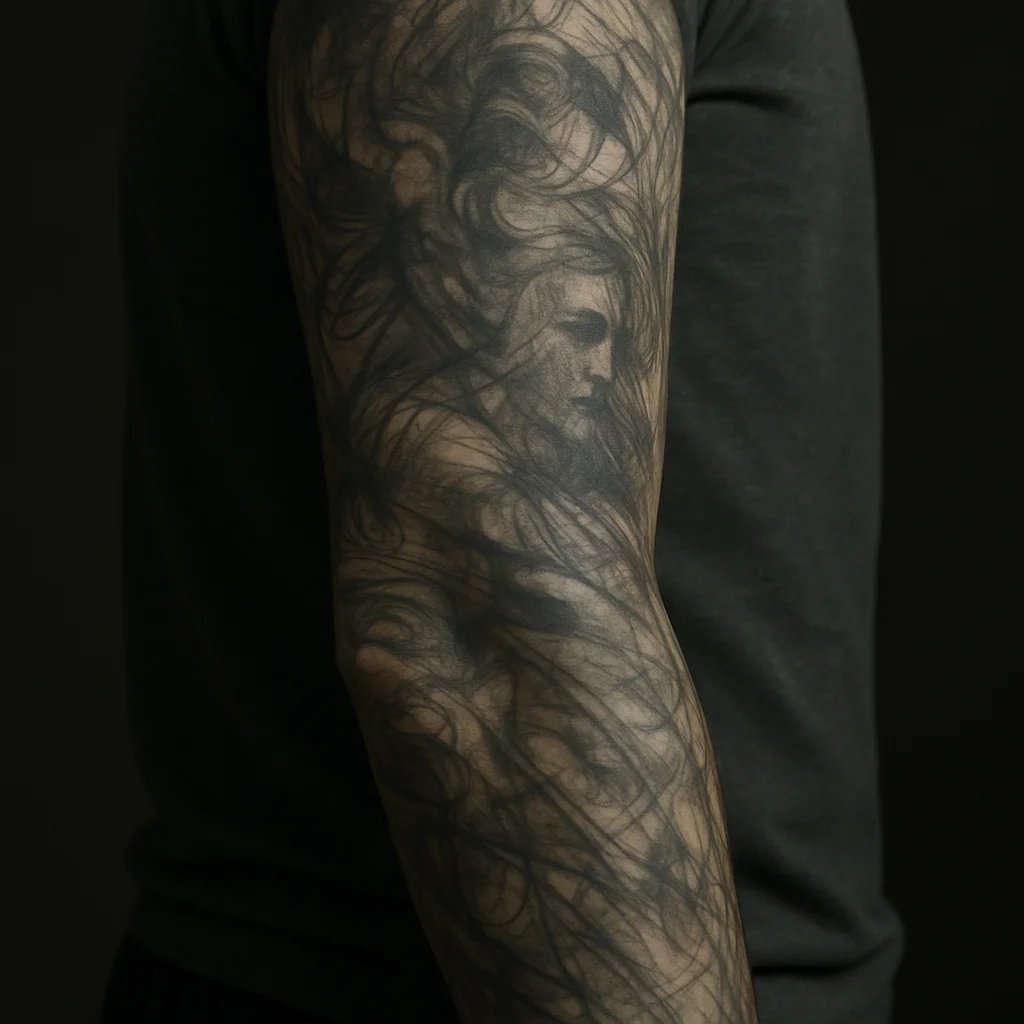
8. Black and grey half sleeve being faded for a cover-up
Here you are not buying removal, you are buying room. Three to five sessions at $400–$700 each will usually knock a dense half sleeve back far enough for a new design to sit on top cleanly. Compared with total clearance this is a bargain, and it is why so many artists send clients for a few laser visits before starting a rework.
What Moves the Price Per Session
Two tattoos the same size can cost wildly different amounts to clear, because the per-session fee is only half the equation — the other half is how many sessions the ink demands.
- Ink colour. Black and dark blue absorb light broadly and clear fastest. Reds respond reasonably well. Greens, teals, light blues, yellows and pastel blends are the stubborn crowd and may need a laser with a wider set of wavelengths. White and skin-tone ink can oxidise and darken before it lifts.
- Density and layers. A cover-up over a cover-up is two or three tattoos stacked in the same skin. Technicians price these higher and quote more sessions, and they should say so upfront.
- Laser technology. Picosecond platforms typically shatter pigment in fewer visits than older nanosecond Q-switched machines, at a higher price per visit. Fewer, dearer sessions often beats many cheap ones on total cost.
- Skin tone. Deeper skin tones need conservative settings and longer wavelengths to protect pigment in the surrounding skin, which usually means a slower, more patient schedule.
- Placement and circulation. Your body carries away the fragmented pigment, so well-perfused areas like the chest, upper back and upper arm clear faster than ankles, feet, hands and the lower calf.
- Your physiology. Smoking, dehydration and poor sleep genuinely slow clearance. Nothing to buy here, but it affects how many sessions you pay for.
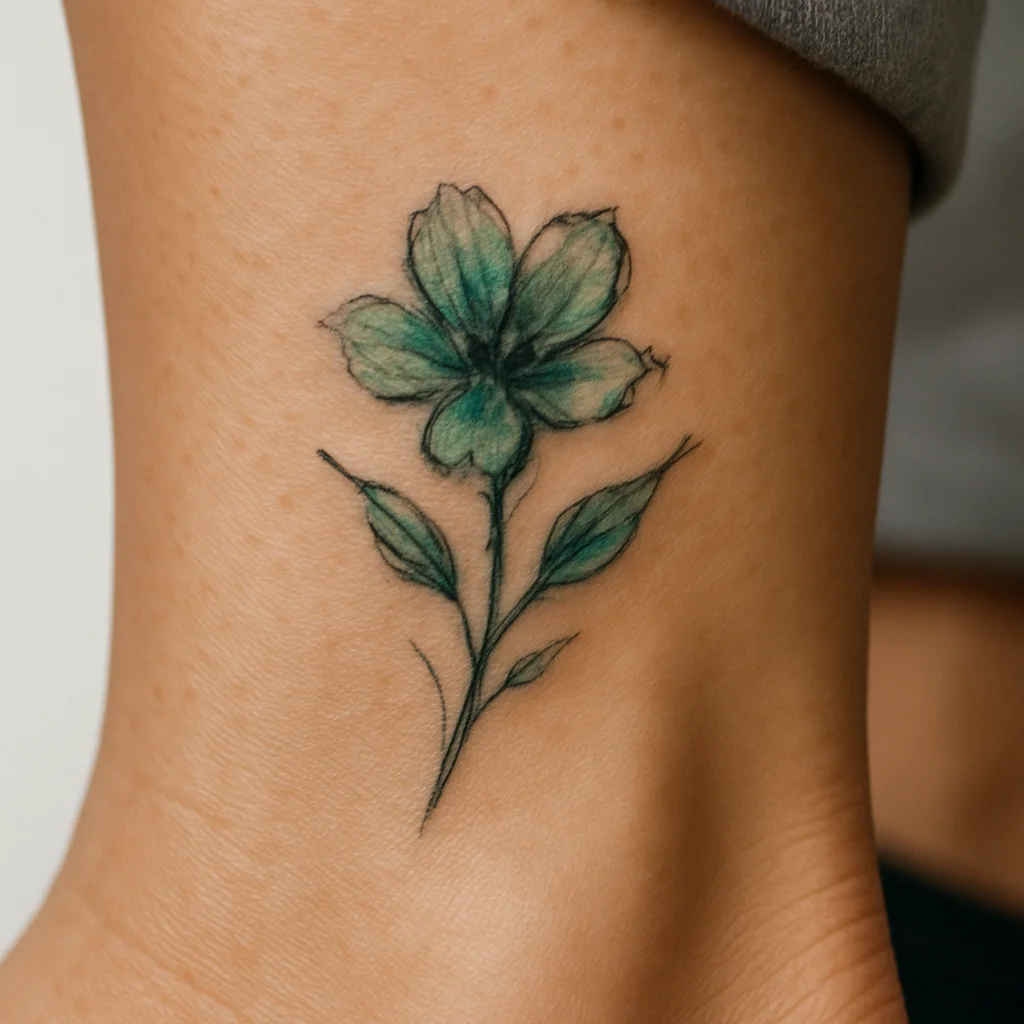
The clearest example: a small green-and-teal floral on the ankle can easily out-cost a much larger black piece on the shoulder, purely on colour and circulation. Bring photos in natural light to the consult and ask for a session range, not a single number.
Sessions x Price: Doing the Real Math
Per-session pricing only becomes meaningful once you multiply it. Professional, well-packed black work commonly takes 6–12 sessions for near-complete clearance; multi-colour pieces can push past 15. Sessions are spaced 6–8 weeks apart minimum, sometimes 10–12 for hands, feet and darker skin tones, because the fading happens between visits, not during them. That makes removal a one-to-two-year project for most people.
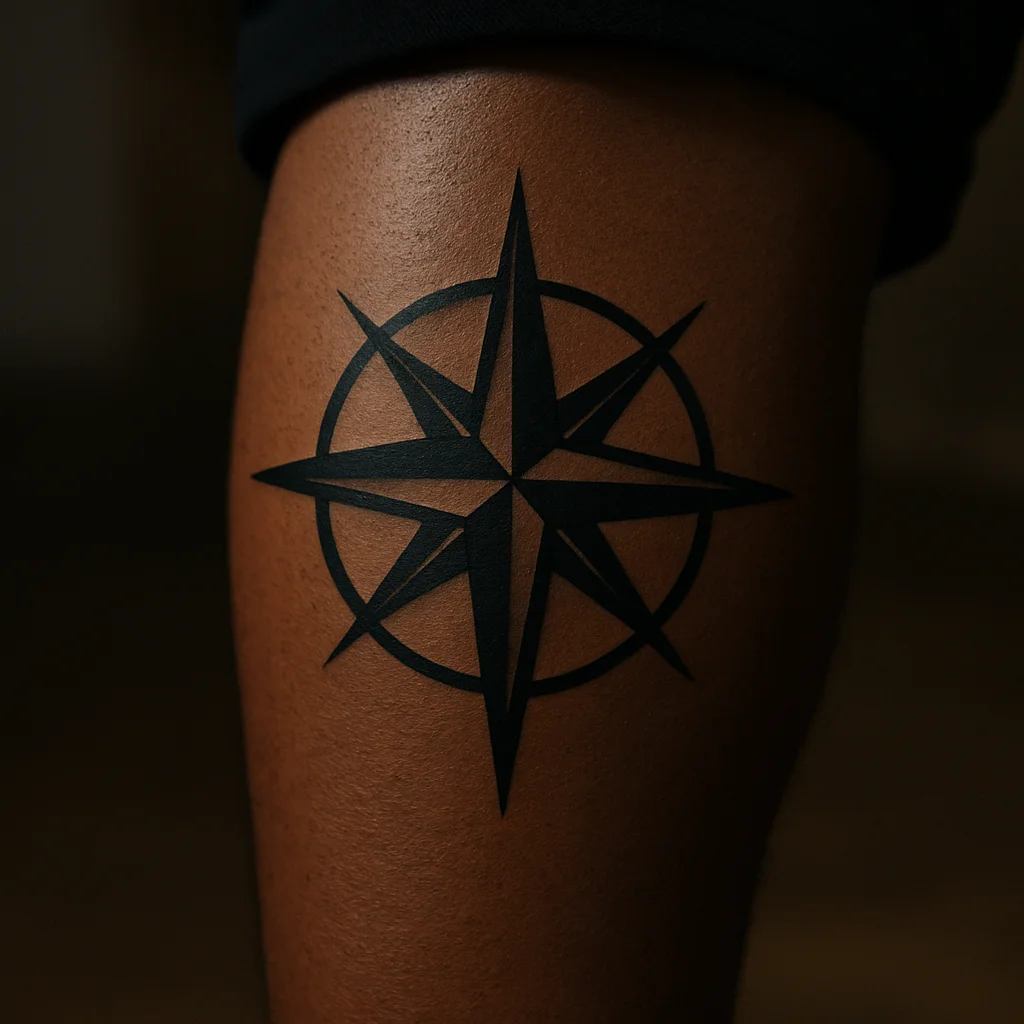
Run the numbers on a fist-sized black compass on the calf. At a small-to-mid tier of, say, $150–$225 per session and 8–10 sessions, you are looking at a realistic total in the low-to-mid four figures once you allow for a couple of extra spot treatments at the end. The blackout band from the list above, treated in halves, can move into five-figure territory for full clearance — which is exactly why so many people redefine the goal as lightening.
Three budgeting habits save real money:
- Ask for the range, in writing. A good clinic quotes "8–12 sessions, reassessed at session four," not a guarantee.
- Compare package price against pay-as-you-go honestly. Packages are cheaper per visit but you lose flexibility if you decide to stop at 60% faded — which many people do.
- Decide what "done" means before you start. Clearance for bare skin, or enough fade for a rework? The second goal can cost a third of the first.
If you're already sketching what goes on top, price the new work at the same time — our breakdown of what a full sleeve really costs is a useful reality check when removal and rework land in the same year.
When Fading, Cover-Up or Excision Beats Full Removal
Full clearance is the most expensive option on the menu, and often not the one you actually need.
Fading for a cover-up is the best-value route by a wide margin. Three to five sessions is usually enough to drop a dark piece into a grey ghost that a skilled artist can bury under new blackwork or bold traditional shapes. You pay a fraction of a full-clearance course and end up with a tattoo you like instead of blank skin.
A straight cover-up with no laser works when the original is small, light or already faded. Expect to pay tattoo shop rates — typically an hourly or day rate — and expect the new design to be larger and darker than the old one. Heavy black script over a delicate faded rose is a classic solve, and it costs less than a single removal course.
Surgical excision can make sense for a genuinely tiny tattoo: one procedure, one bill, a permanent thin scar. It is a medical decision, priced as minor surgery, and only worth discussing with a doctor for small pieces on skin with enough slack.
Saline lightening is offered mainly for cosmetic work and small, shallow hand-poked pieces. It is tattooed rather than lasered, priced per session in a similar range to small laser visits, and results vary a lot by practitioner.
One rule holds across all of them: never let a cover-up artist rush you past a few laser sessions to save time. The extra fade is what stops the old ink shadowing through in five years.
Pain, Aftercare and the Costs Nobody Quotes
The session fee is rarely the whole bill. Budget for these:
- Numbing. Some clinics include topical anaesthetic or cold-air cooling; others charge a modest add-on per visit. Over ten sessions that adds up, so ask.
- Consultation and patch test. Often free, sometimes credited against the first session, occasionally billed.
- Aftercare supplies. Non-stick dressings, a bland ointment and a good mineral sunscreen. Small money, but you will be buying them repeatedly for a year or more.
- Final spot treatments. Ask whether the last visits, when only fragments remain, drop to a lower tier.
On pain: honestly, most people find laser sharper but far shorter than tattooing. It reads as hot grease flicks and a hard rubber-band snap, and a small piece is over in under a minute. Bone-close and thin-skinned areas hurt most — ribs, sternum, collarbone, inner arm, ankle, hands and feet. Fleshy zones like the outer thigh, shoulder and upper back are the easiest sittings, exactly as they are for getting tattooed.
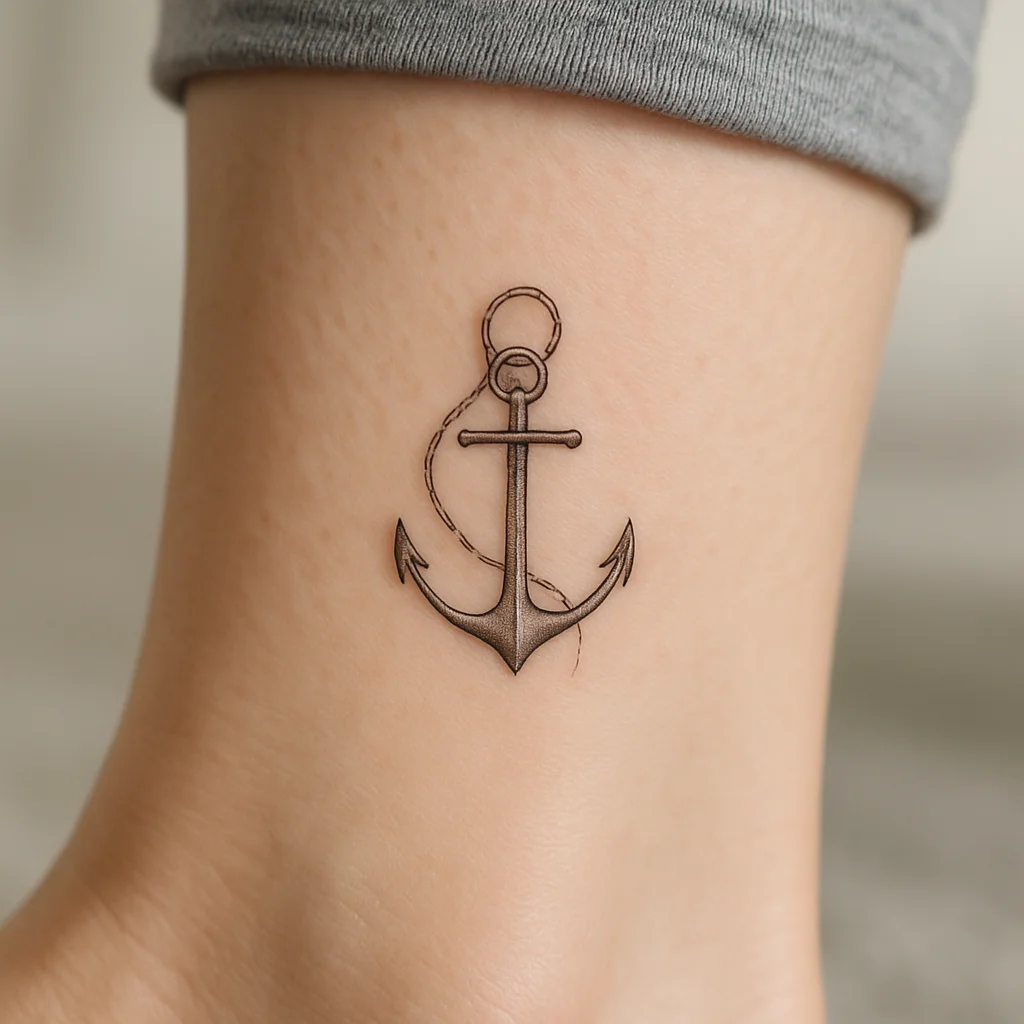
Aftercare is simple and non-negotiable. Expect redness, swelling and frosting immediately, sometimes blistering over the next 48 hours. Keep it clean and covered, do not pick blisters, skip the gym, sauna and pool for a few days, and keep the area out of the sun for the whole treatment course — tanned skin is a reason clinics postpone sessions, and postponed sessions stretch your timeline and your budget. A small fine-line anchor on the ankle can take an extra month simply because a beach holiday landed mid-course.
Questions That Get You an Honest Quote
Removal quotes vary because clinics vary. Walk in with these questions and you'll spot the difference fast.
- Which laser do you use, and which wavelengths? If your tattoo has greens, teals or pastels, this is the deciding question.
- Who operates the machine, and what's their training? Ask how many sessions a week they run and whether a medical professional supervises.
- Can I see before-and-afters of ink and skin like mine? Same colours, same density, similar skin tone. Generic galleries of easy black outlines tell you nothing.
- What size tier does my tattoo fall into, and does that change as it fades?
- How many sessions, as a range, and when do we reassess? Session four is a normal checkpoint.
- What happens if it needs more sessions than quoted in a package? Some clinics continue at a reduced rate; get it in writing.
- What's your policy on scarring or hypopigmentation? A straight answer here says everything about the practice.
Bring a clear daylight photo, note the year you got the tattoo and, if you know it, whether it's a cover-up. Say plainly whether you want bare skin or a canvas for new work — the answer changes the plan, the session count and the number at the bottom of the quote. And if a clinic promises full clearance in three sessions for a dense black tribal band, walk out. Nobody credible sells certainty on ink they haven't tested yet.
Frequently asked questions
Why does a tiny tattoo still cost so much per session?
Almost every clinic sets a minimum session fee that covers room time, machine time and the operator, so a dot and a credit-card-sized piece often fall into the same lowest tier. The saving on a small tattoo comes from the number of sessions, not the price of each one. Small black pieces frequently clear in five to eight visits rather than ten-plus.
Is buying a session package cheaper than paying as you go?
Usually yes, often 10-25% off the per-session rate, but you pay upfront and lose flexibility. Many people stop treatment early once the tattoo has faded enough to cover up, and an unused package can be hard to refund. If you're unsure of your end goal, pay for the first three or four sessions individually and reassess.
How far apart do sessions need to be?
Six to eight weeks is the standard minimum, and hands, feet, lower legs and deeper skin tones often do better at ten to twelve. The fading happens between appointments as your body clears the fragmented pigment, so rushing the schedule adds risk without adding results. Plan on a one-to-two-year timeline for a full course.
Is laser removal cheaper than a cover-up tattoo?
Full clearance almost always costs more than a cover-up, sometimes several times more. The cheapest good outcome is usually a hybrid: three to five fading sessions followed by new work on top, which costs far less than clearing the skin completely. Talk to both the laser technician and the tattoo artist before deciding.
Does health insurance cover tattoo removal?
For a tattoo you simply no longer want, no - it's treated as a cosmetic procedure and paid out of pocket. Rare exceptions exist for medical complications such as an allergic reaction to pigment, and some regions run subsidised programmes for gang or trafficking-related tattoos. Ask the clinic whether any local scheme applies to you.
The conversation
No comments yet. Got a thought about these designs? Start us off.
Want to weigh in? Join the community to comment, save designs and try them on your skin.