Do Tattoos Hurt? 15 Real Pain Scenarios
Tattoo pain is not one feeling but several, and knowing which one is coming makes it far easier to sit through. Here is what the needle really feels like, broken into six sensations and fifteen real session scenarios.
What the needle is actually doing
A tattoo machine drives a grouped cluster of needles between roughly 50 and 150 times a second, puncturing about 1 to 2 millimetres into the skin so pigment lands in the dermis. That depth matters: too shallow and the ink sheds with the epidermis, too deep and it blurs. The sensation you feel is thousands of tiny, repetitive punctures in the layer of skin that carries most of your nerve endings.
So yes, tattoos hurt. But almost nobody describes it as unbearable, and most people are surprised by how manageable the first twenty minutes feel. The honest answer is that it is a low-to-moderate, constant, hot scratching that becomes tiring long before it becomes agonising. Fatigue, not intensity, is what ends most long sessions.
Three things drive how much it hurts:
- Where you sit. Thin skin over bone, and skin near nerve clusters or lymph-heavy areas, hurts more than padded muscle.
- What the artist is doing. Lining, shading, colour packing and whip shading each feel completely different on the same square inch of skin.
- Your state that day. Sleep, food, hydration, caffeine, hangovers and plain nerves shift your pain threshold more than most people expect.
If you are choosing a first placement primarily to keep things easy, our tattoo pain chart of the 12 least painful placements is the map. This article is about the feeling itself.
The 6 sensations people actually describe
Ask ten tattooed people what it felt like and you will get six recurring answers. Learning the vocabulary helps, because when you can name what you are feeling you stop bracing against it.
1. The cat scratch
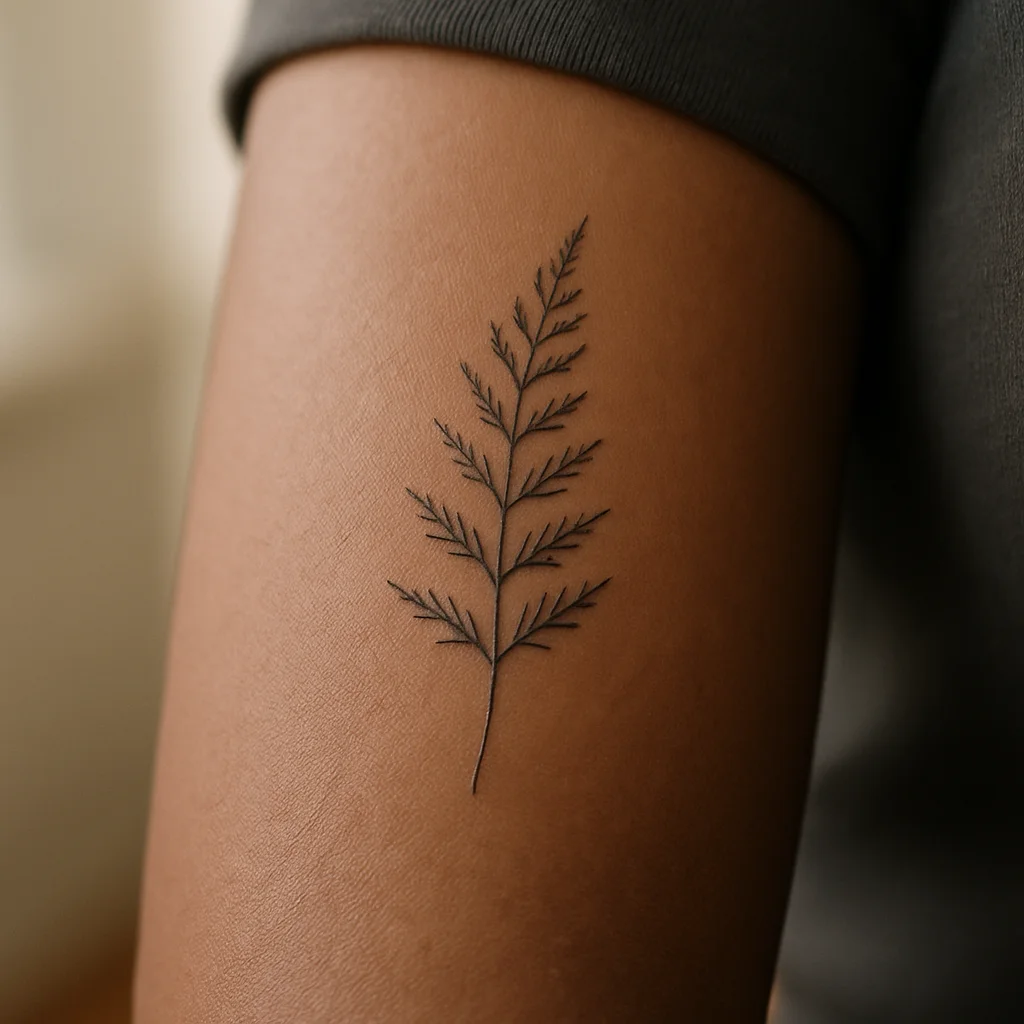
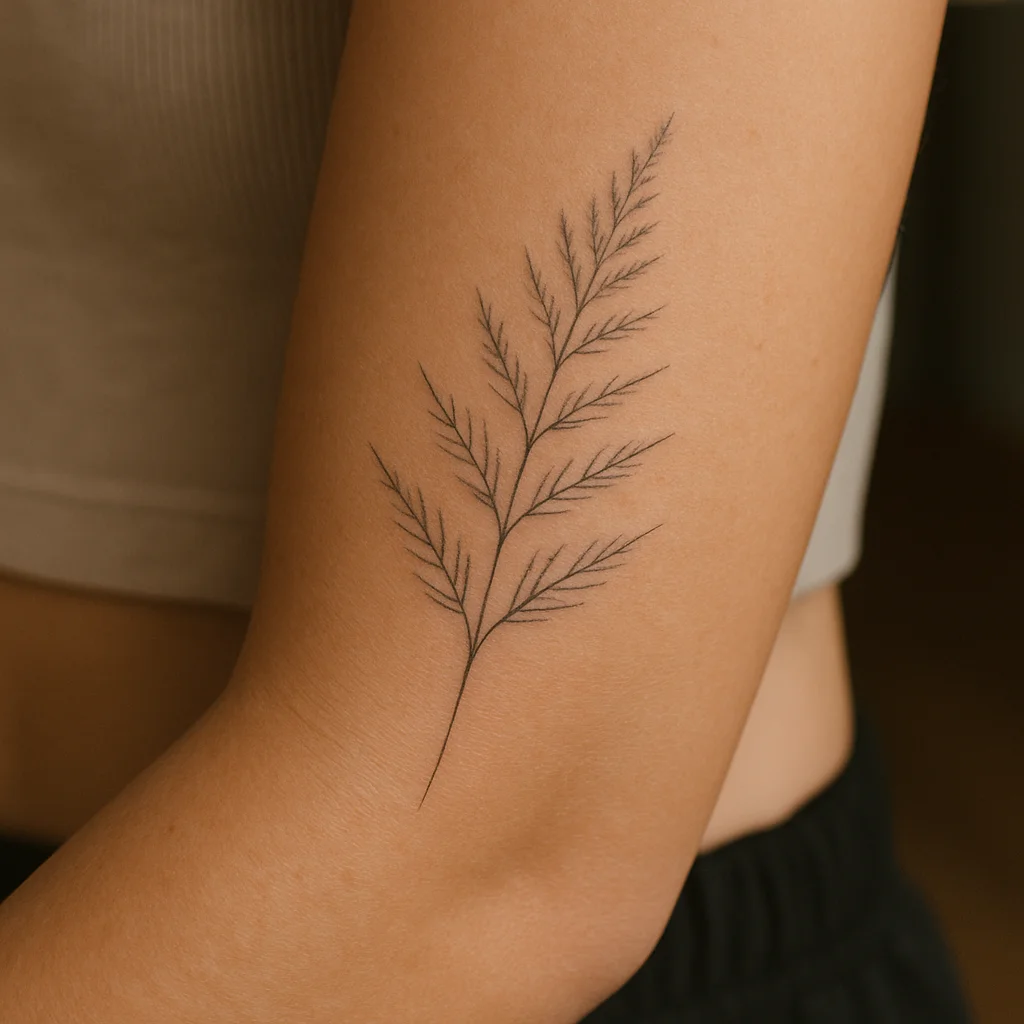
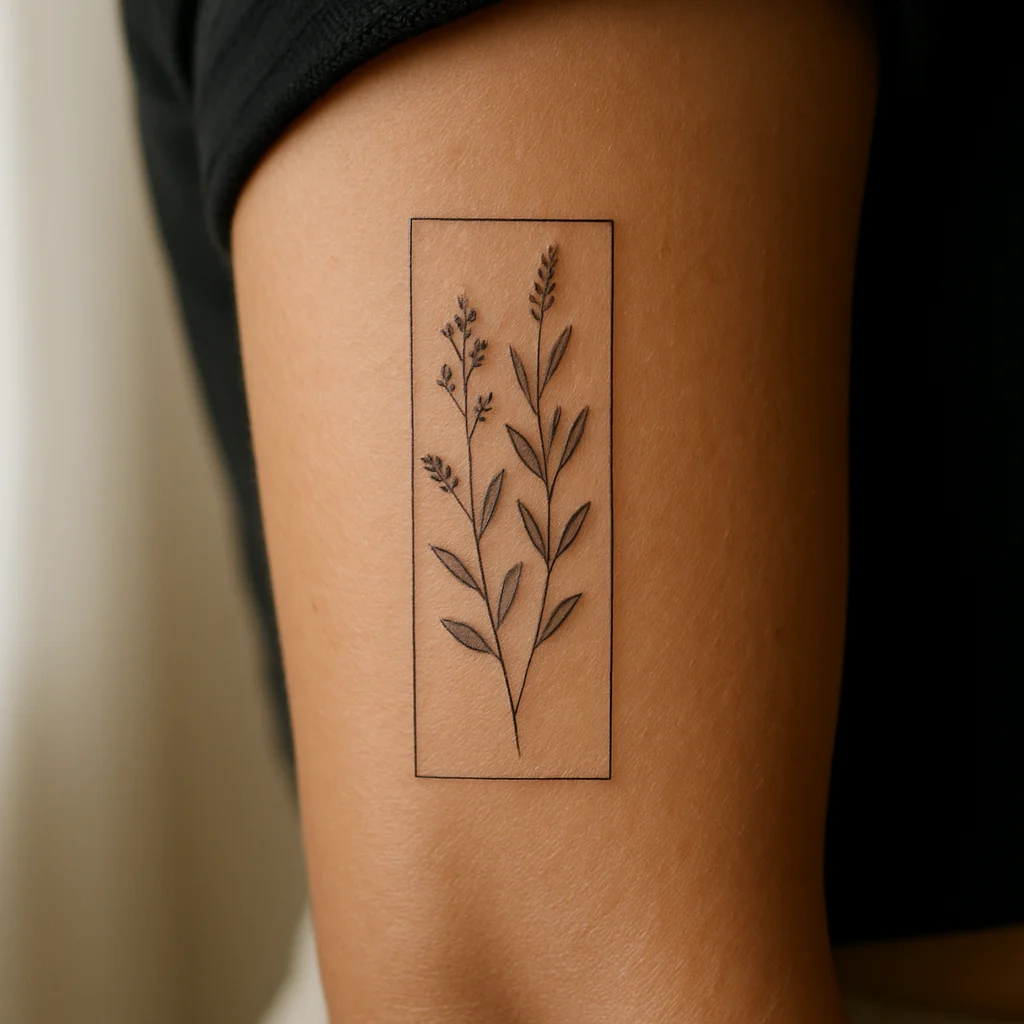
This is the classic outlining sensation: a hot, dragging scratch, like a cat claw pulled slowly across sunburn. Fine-line work with a single needle or a tight three-liner on padded skin, such as a delicate fern on the inner forearm, sits squarely here. Most people rate it a 3 or 4 out of 10 and are visibly relieved after the first line.
2. The hot scrape of solid black
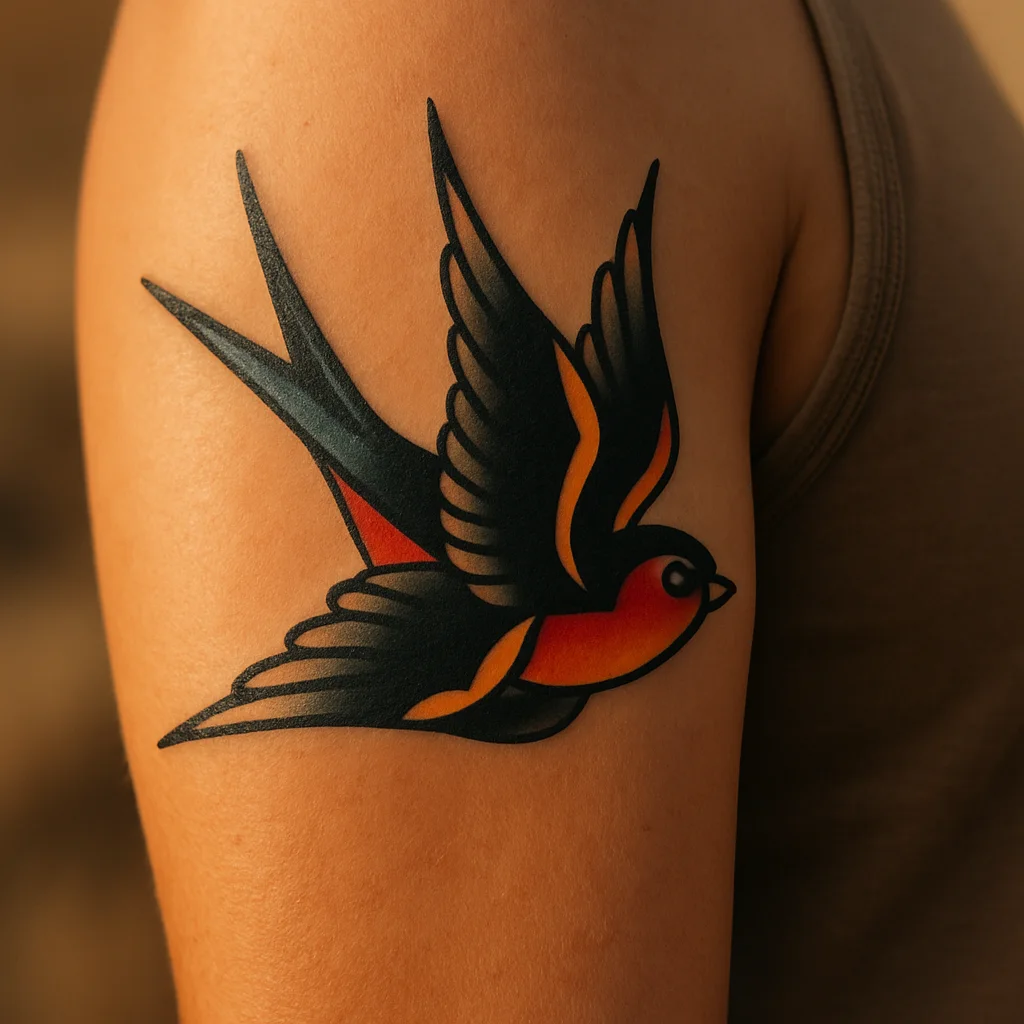
Packing colour or solid black feels broader and warmer than lining, less like a scratch and more like being sanded. A traditional swallow on the upper arm goes quickly on outline and then dulls into a repetitive scraping while the artist works the fill. It rarely spikes, but it accumulates, and the skin feels genuinely hot afterwards.
3. The stipple sting
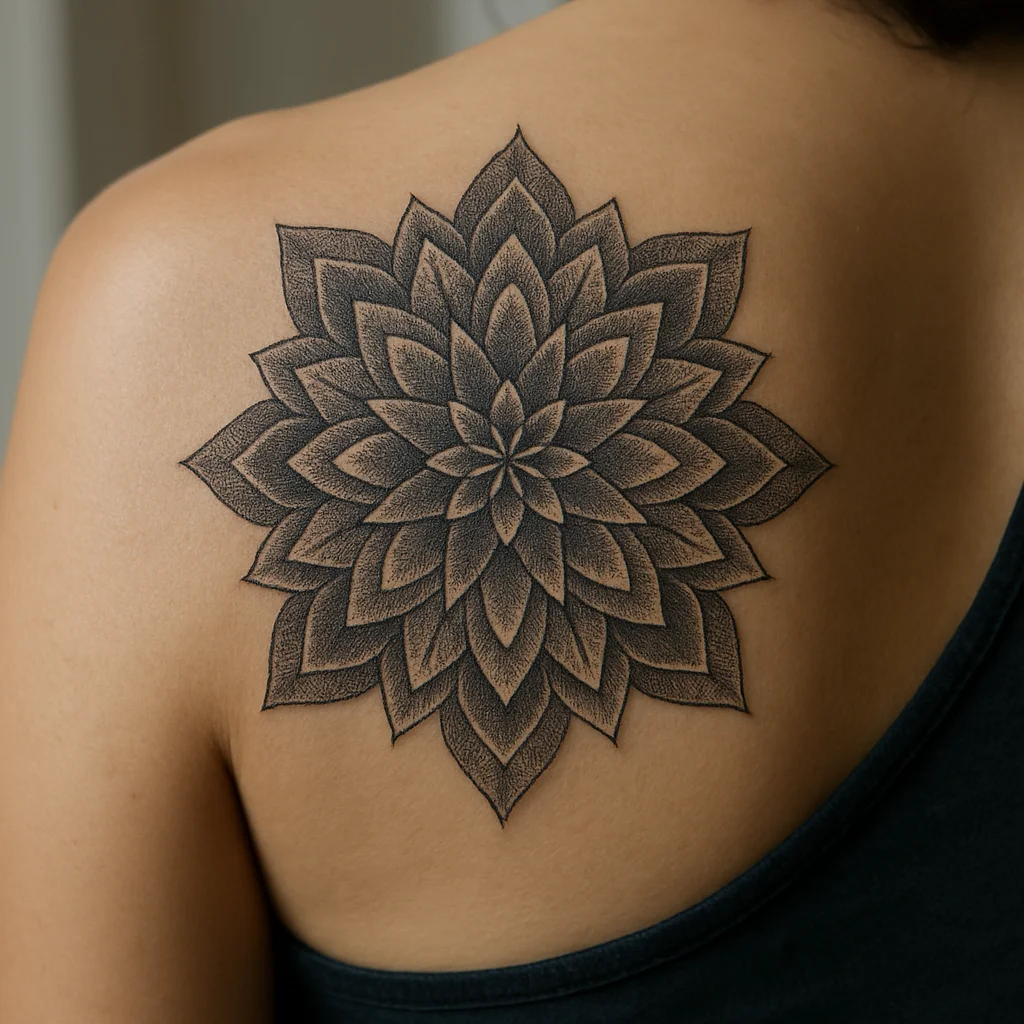
Dotwork and whip shading land as separate little stings rather than a continuous drag, closer to a bee sting repeated with rhythm. A geometric mandala on the shoulder blade delivers this in waves as the artist steps across the pattern. Many people find it the easiest to sit through because there are natural micro-pauses.
4. The bone buzz
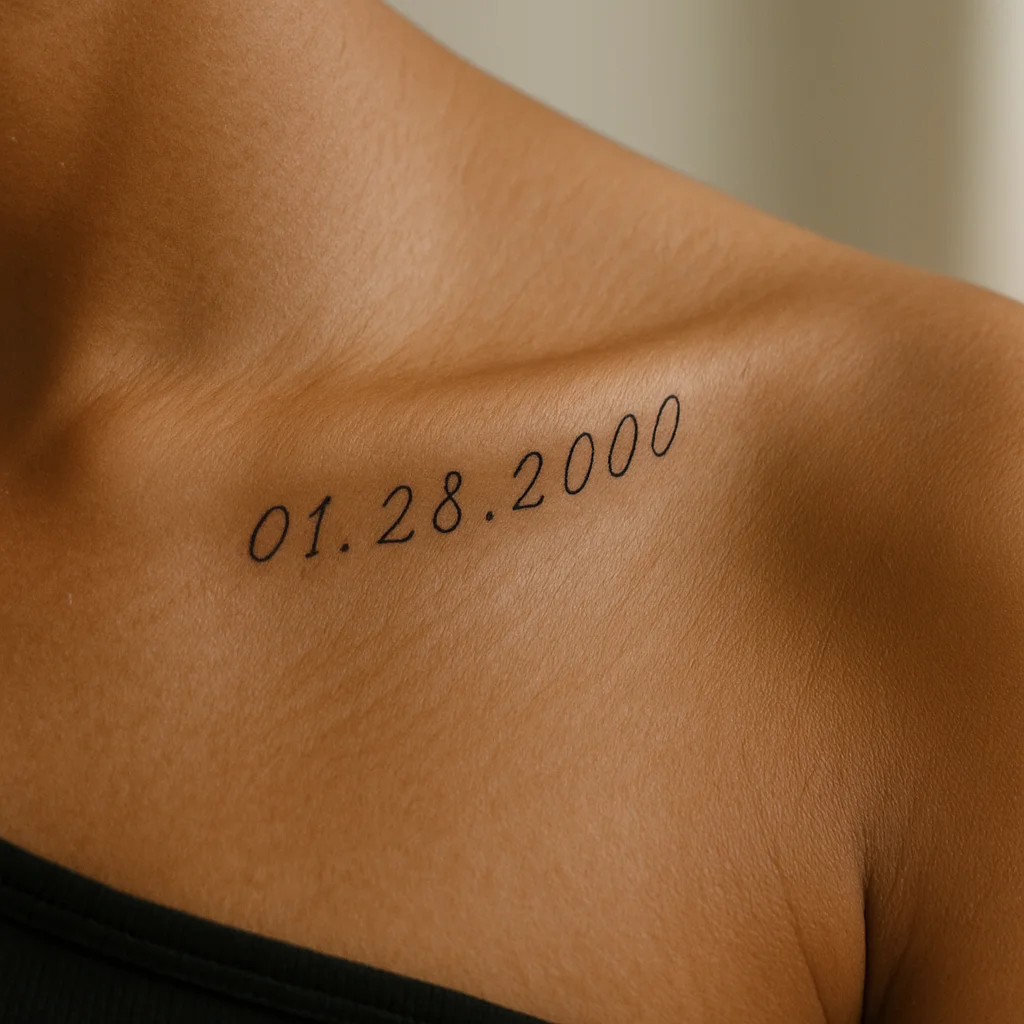
Over the collarbone, shins, ankles, elbows, ribs and spine, the vibration transmits into bone and produces a deep, rattling ache underneath the surface sting. A thin script date across the collarbone is a small tattoo that feels much bigger than it is. It is not sharp, it is resonant, and it is the sensation most first-timers underestimate.
5. The nerve zing
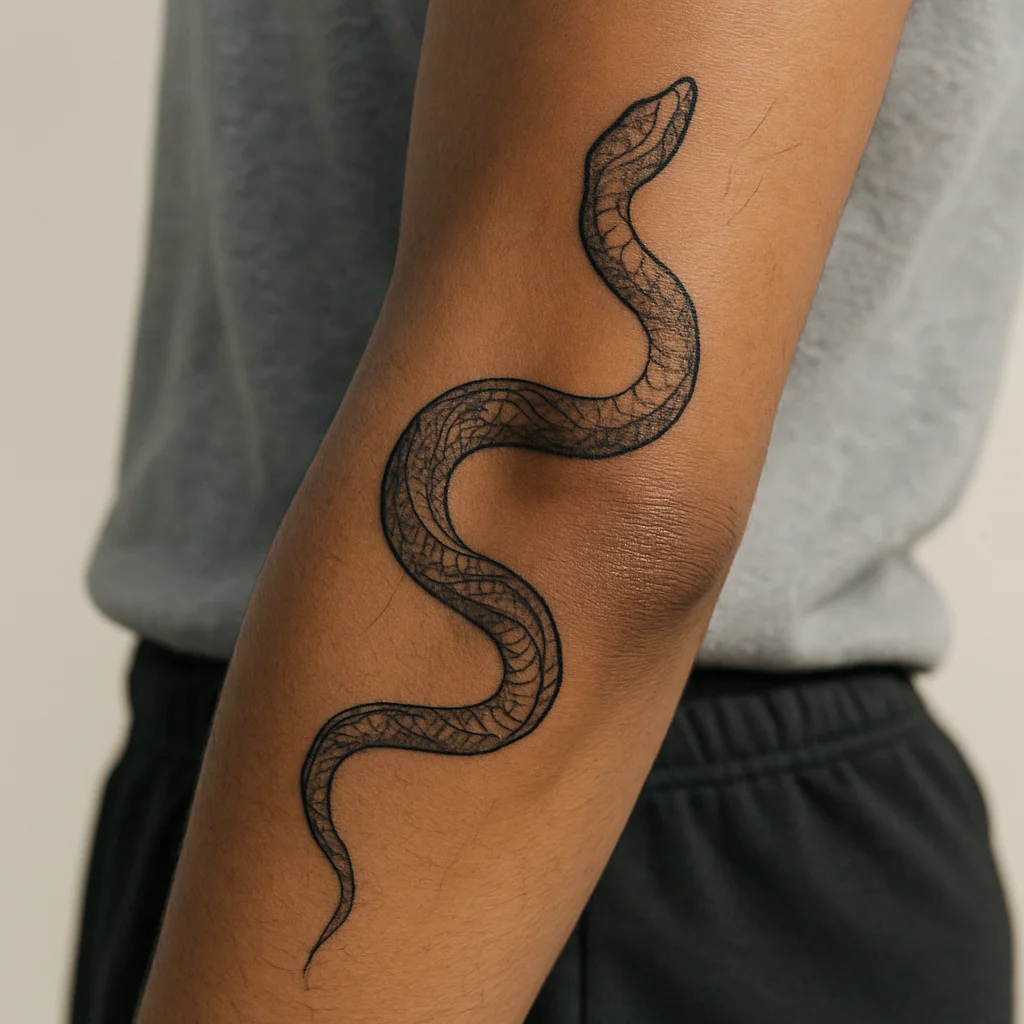
Occasionally the needle passes near a superficial nerve and you get a bright electrical flash that shoots down a limb. The inner elbow ditch, where a snake body might curve through on its way up the arm, is the usual suspect, along with the inner bicep and the back of the knee. It lasts a second, it is startling rather than damaging, and telling your artist lets them adjust angle or take a short break.
6. The hour-four grind
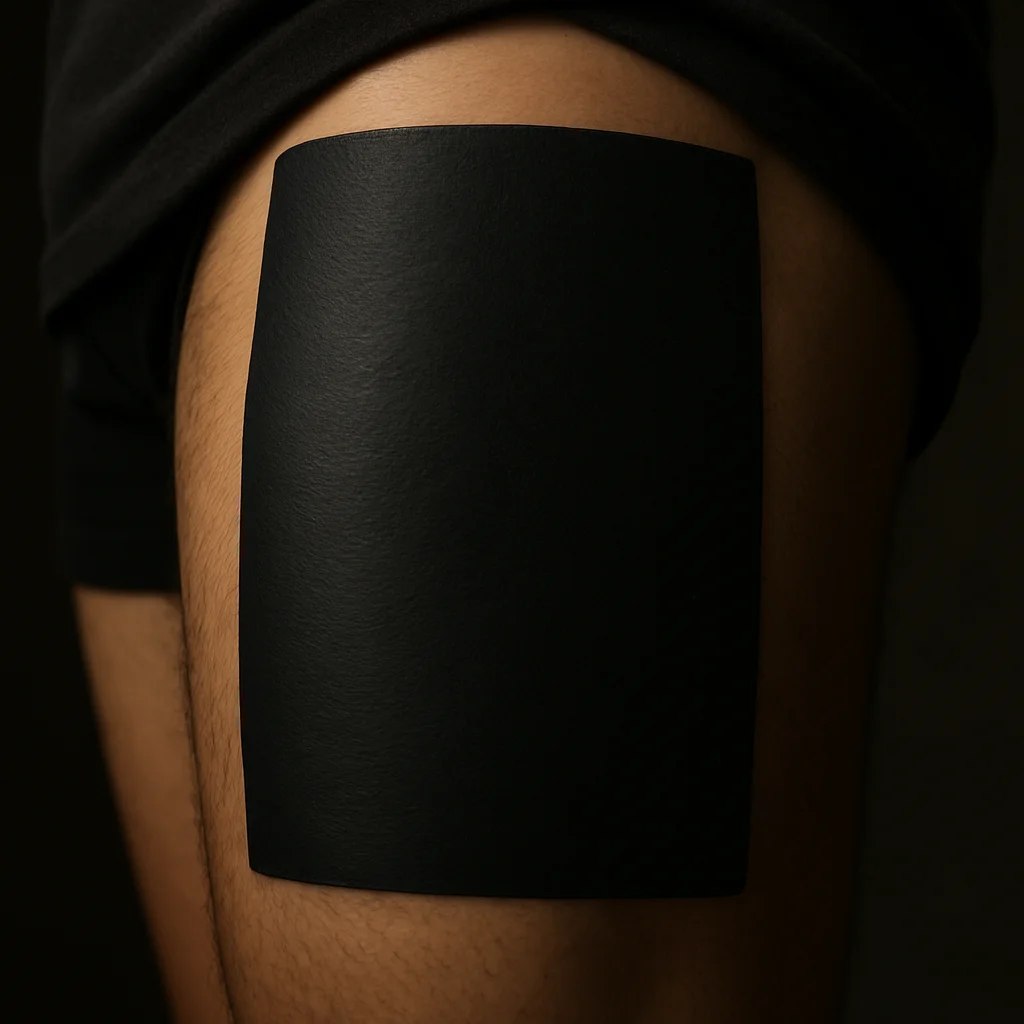
In long sessions the sharp sensations fade and are replaced by a heavy, bruised, grinding ache across the whole worked area. Large blackwork fill on the thigh is where most people first meet this. It is the pain that ends sessions, and it is a signal to book a second sitting rather than push through badly.
9 real session scenarios, honestly rated
Pain is easier to plan for when it is attached to a real piece: a size, a placement and a duration. These nine are the sittings people ask about most.
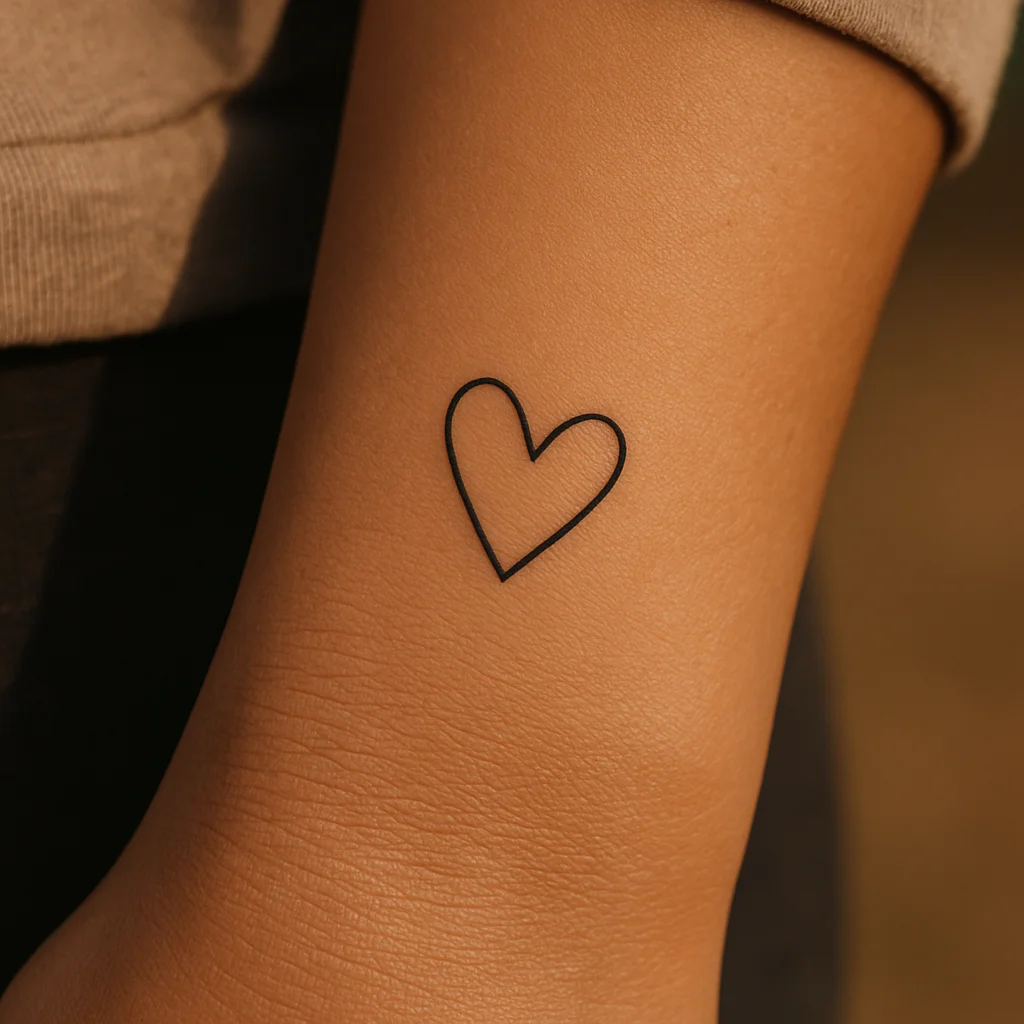
7. A minimalist heart on the inner wrist, 20 minutes
Two or three thin curves, no fill, done before you have settled into the chair. The wrist is thin-skinned and tendon-heavy, so it stings sharply, but the whole thing is over inside a coffee break. This is the classic low-commitment first tattoo, usually priced at the shop minimum.
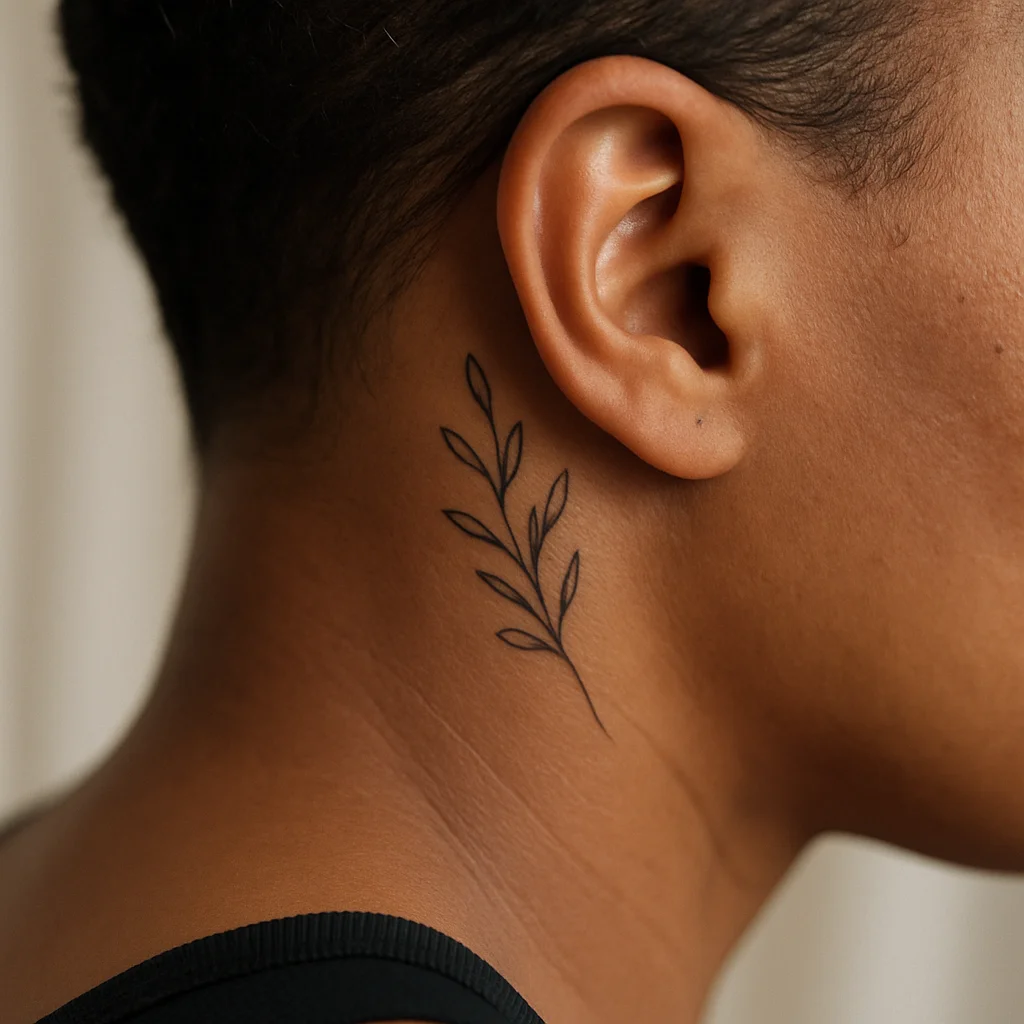
8. A fine-line sprig behind the ear, 30 minutes
Small, but not gentle. The skull sits directly under thin skin, the buzzing is loud right beside your ear, and the vibration is more distracting than the sting. Worth it for how discreet the placement is; not worth it if noise sensitivity is an issue for you.
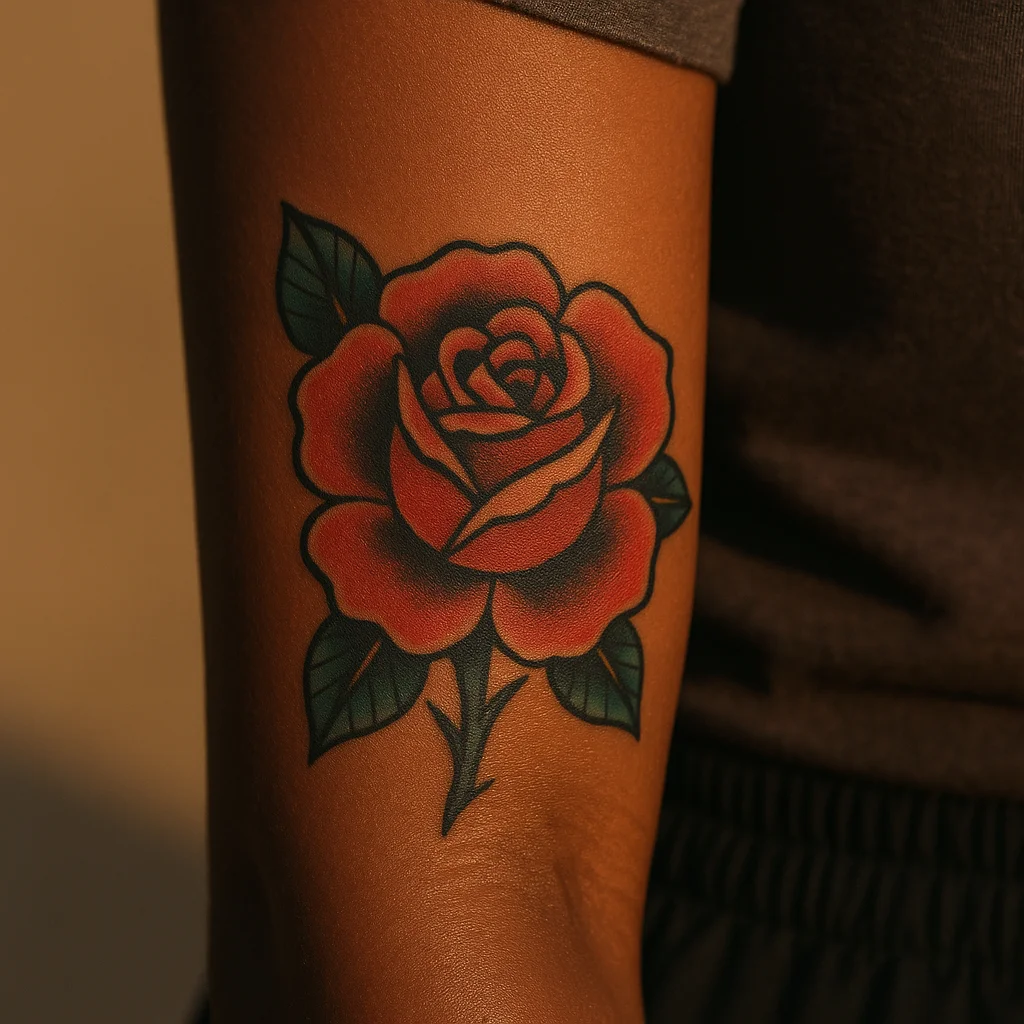
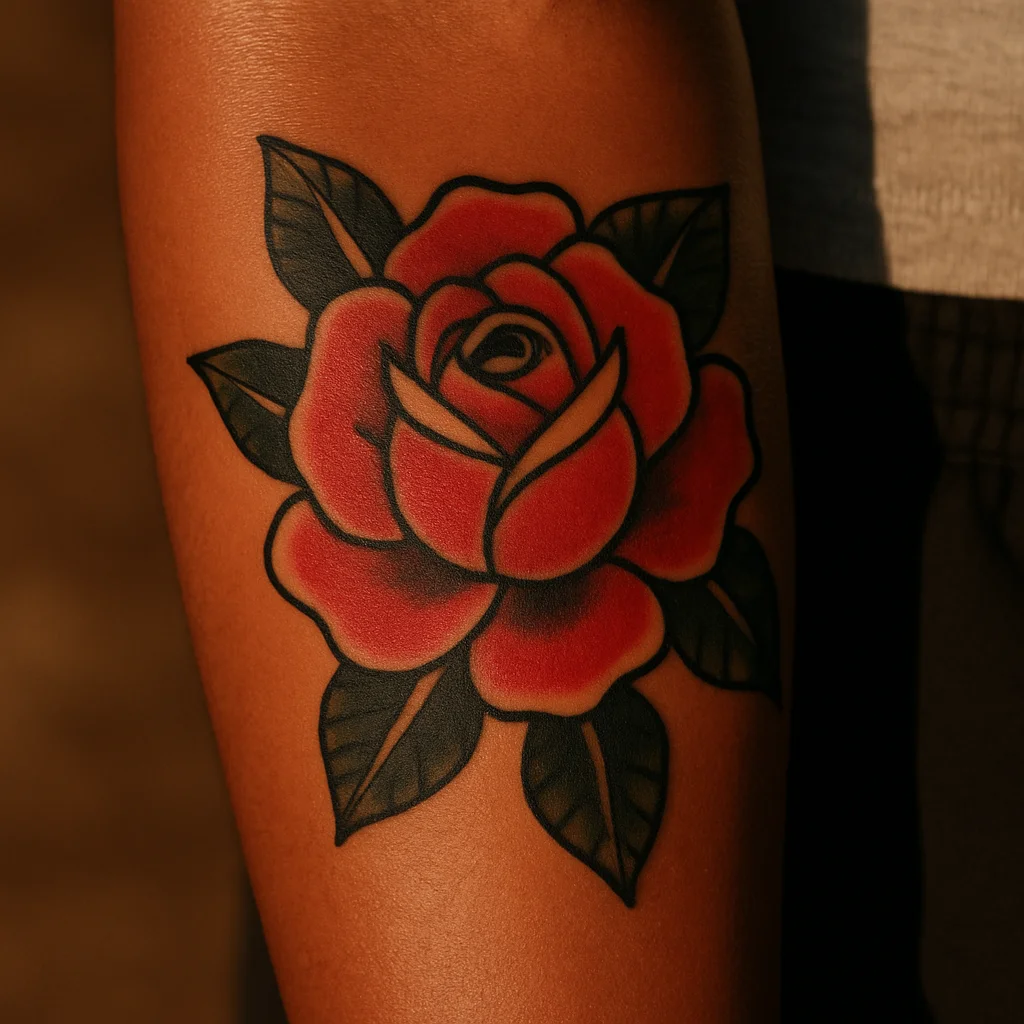
9. A palm-sized traditional rose on the outer forearm, 2 hours
Bold outline, black shading, one or two colours. The outer forearm is padded, easy to reach and one of the most tolerable spots on the body, so this often becomes someone's second tattoo. Expect a 3 to 4 out of 10 throughout, with a hot, tender arm for the evening.
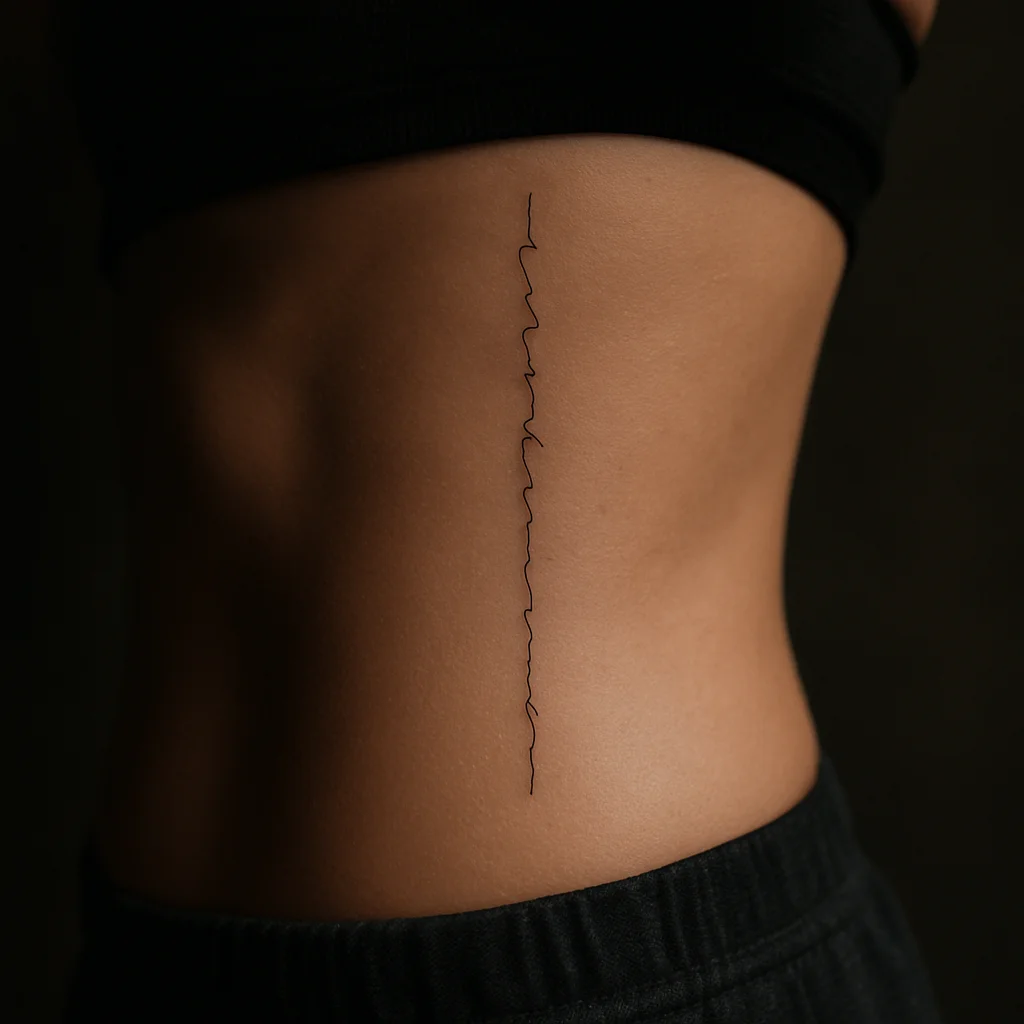
10. A script line down the ribcage, 90 minutes
Thin skin, bone directly beneath, and a chest that keeps moving as you breathe. Ribs are consistently reported among the sharpest placements, and the involuntary flinching is as tiring as the sting. Ask for it to be split if it runs long, and eat properly beforehand.
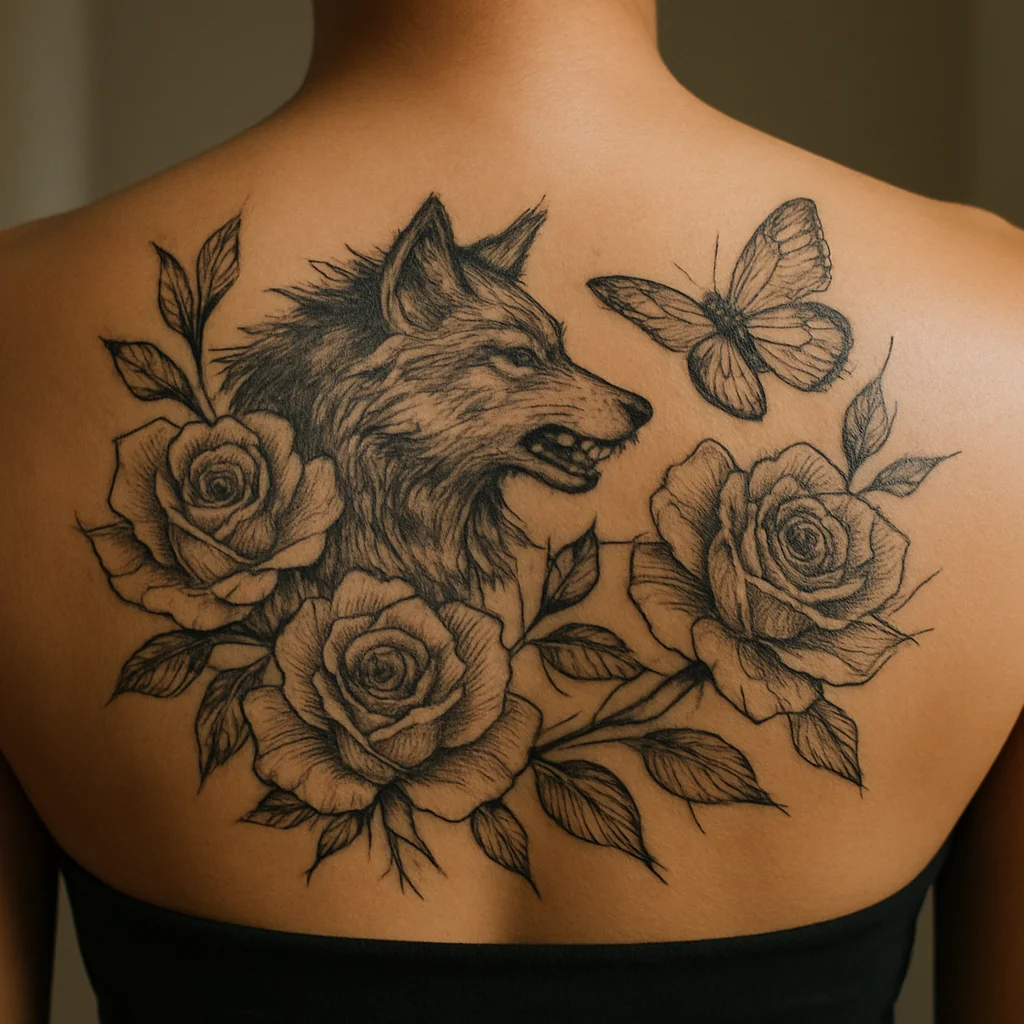
11. An illustrative back piece session, 4 to 5 hours
The upper back over the shoulder blades is broad and muscular, so the first two hours are surprisingly easy. Trouble starts near the spine and along the shoulder ridge, and then the hour-four grind arrives. Big backs are almost always multi-session projects billed by the hour or by the day.
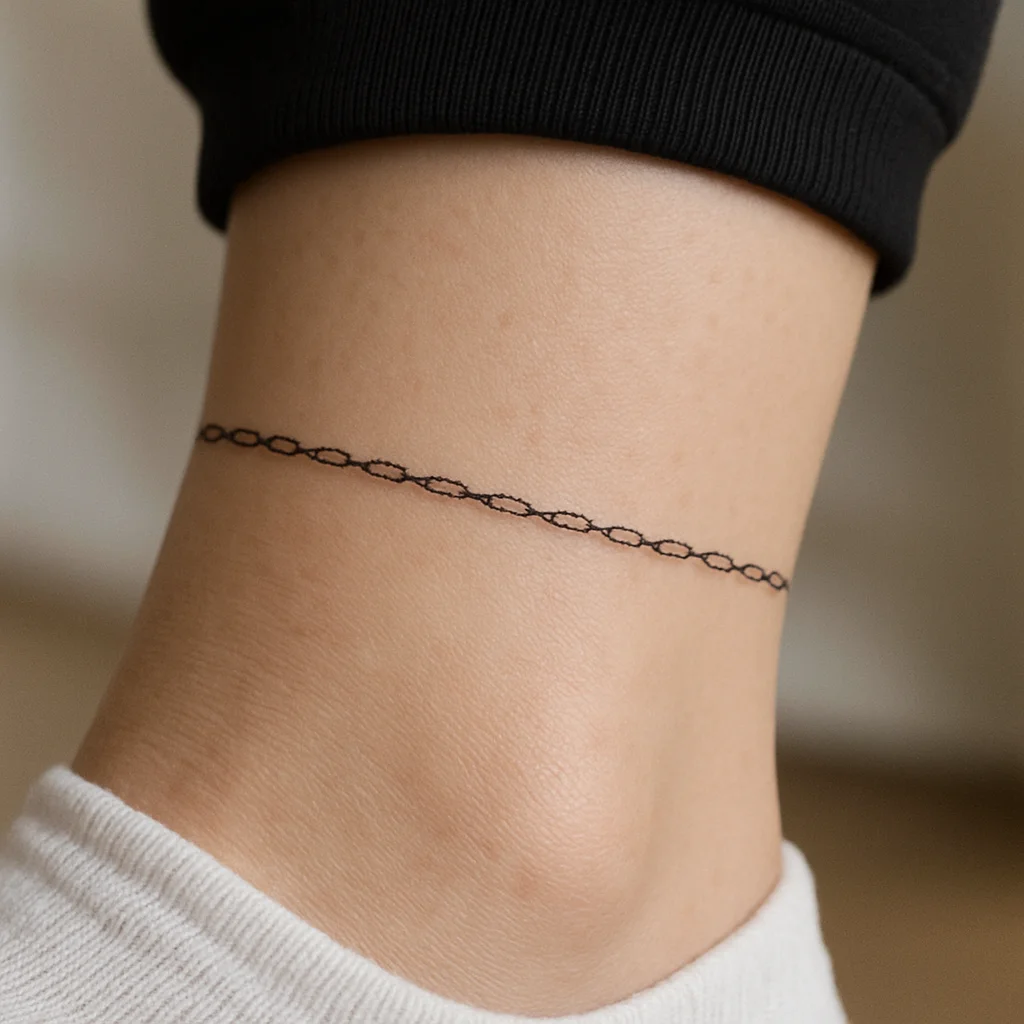
12. A fine-line chain bracelet around the ankle, 1 hour
Wrapping a line all the way around means crossing the ankle bones, and that is where a mild tattoo turns into a wince. The soft inner and back sections are fine; the outer bone is a 7. Sitting still with a foot propped up is the second challenge.
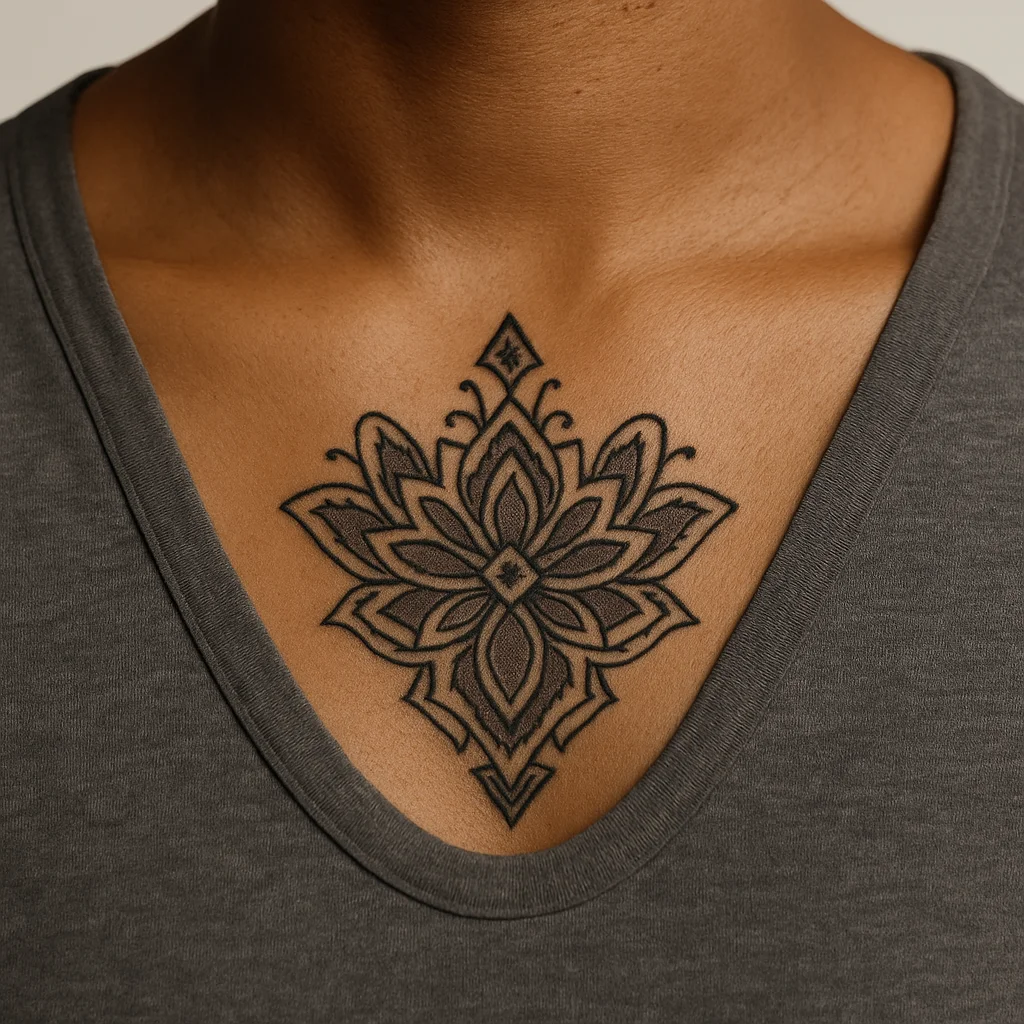
13. An ornamental sternum piece, 3 hours
Geometric ornamental work centred on the sternum is one of the most talked-about pain placements, and the reputation is earned: bone right beneath skin, plus every breath moving the canvas. Most people describe it as very sharp but oddly rhythmic and easier to zone into than ribs. Budget a full sitting and a driver home if you tend to go lightheaded.
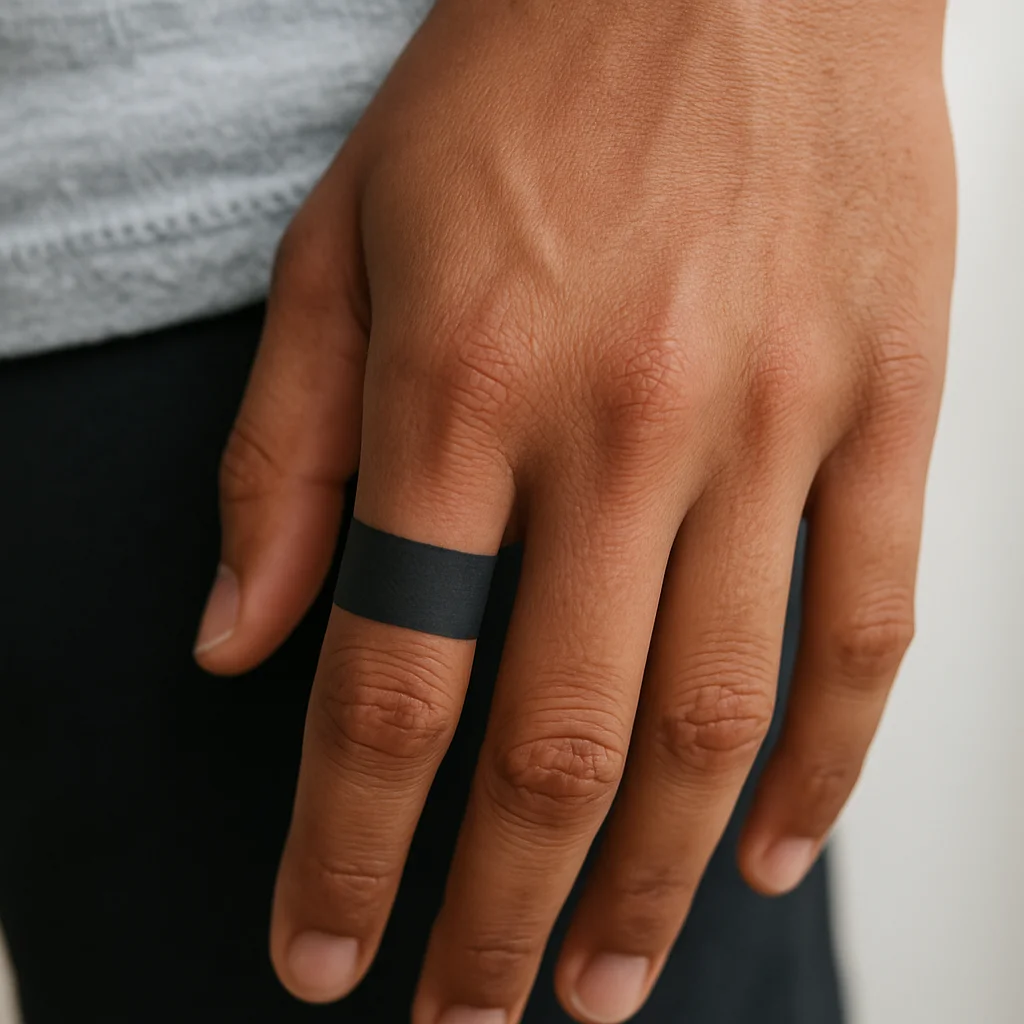
14. A single band ring on a finger, 15 minutes
Fast, sharp and bony, with almost nowhere for the needle to sit comfortably. The pain is intense but genuinely brief, which is why fingers are popular for impulse pieces. Be aware that finger tattoos fade and often need touch-ups, so factor in repeat sittings.
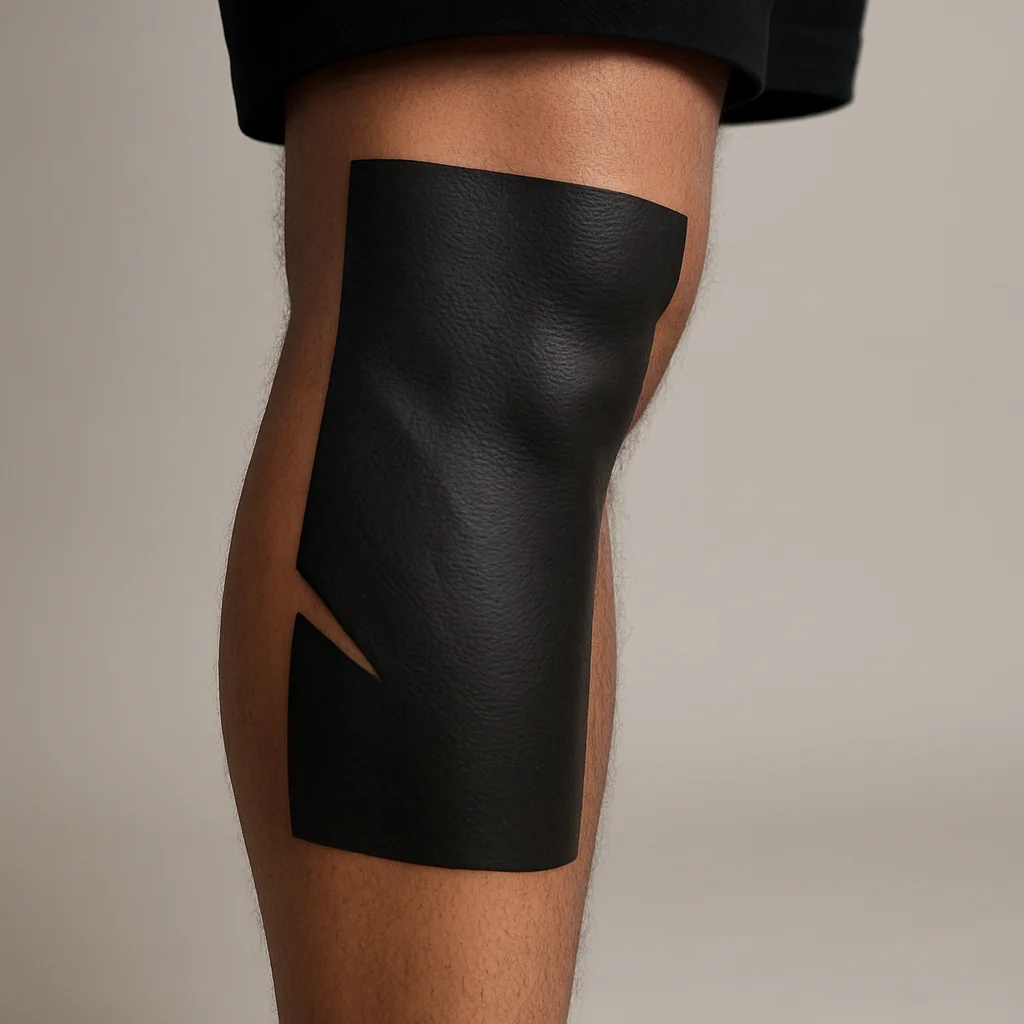
15. A blackwork calf panel, 3 hours
The calf muscle itself is meaty and forgiving, easily a 4, but the sides near the shin and the back of the knee are a different story. Heavy black fill turns hot and raw in the final hour. Legs also swell more than arms, so expect a tight, sore calf for a day or two afterwards.
How pain moves through a session
Tattoo pain is not a flat line. It has a shape, and knowing that shape stops you from panicking at the wrong moment.
Minutes 0 to 10. Adrenaline is high and your body is running on anticipation. The first line often feels sharper than it is because you are braced. Breathe out slowly through the first pass and the reading drops almost immediately.
Minutes 10 to 90. This is the window most people call easy. Endorphins are up, the area is partly numbed by its own inflammation, and many clients chat, scroll or doze. Short pieces finish entirely inside this window, which is why small tattoos rarely traumatise anyone.
Hour 2 to 3. Endorphins taper and blood sugar dips. The sensation shifts from sharp to raw, especially anywhere the artist has already worked over twice. This is where a ten-minute break, a sugary drink and something to eat genuinely change the rest of the sitting.
Hour 3 and beyond. Now it is endurance. Skin that has been tattooed, wiped and re-tattooed becomes hypersensitive, and re-entering a finished area feels far worse than fresh skin. Good artists plan around this by moving to a new zone.
Watch for lightheadedness, cold sweats, ringing ears or tunnel vision. That is a vasovagal response, it is common, it is not weakness, and it is fixed by lying flat, sugar and a pause. Tell your artist the moment you feel it rather than trying to be stoic.
What actually reduces the pain
Most of the useful levers are pulled before you sit down.
- Sleep and eat. A full night's sleep and a real meal within two hours of your appointment do more than any product. Low blood sugar is the single most common cause of a session going badly.
- Skip alcohol, load water. Alcohol the night before thins blood, increases bleeding and makes ink harder to hold. Hydrated skin takes pigment better and feels less raw.
- Ask about numbing cream first. Lidocaine-based products can genuinely help on ribs, sternum, knees and feet, but they change skin texture and some artists refuse them. Ask when you book, use the exact product and timing your artist specifies, and never apply it to broken skin.
- Bring supplies. Snacks, an electrolyte or soft drink, headphones, a hoodie for the chill that comes after two hours, and loose clothing that exposes the area without pressing on it afterwards.
- Split the work. Two three-hour sittings almost always produce cleaner lines than one six-hour marathon. Hourly rates vary widely by city and artist, and shop minimums cover the smallest pieces, so ask upfront how a split affects the total quote rather than assuming it doubles.
- Breathe deliberately. Long exhale on the needle, slow inhale on the wipe. Holding your breath tightens the skin and amplifies everything.
When you brief your artist, say plainly that you are worried about pain and ask two questions: which parts of this design will be the worst, and where can we take breaks. A good artist will map the session for you, start on the easier zone to let you settle, and tell you honestly whether your chosen placement is a sensible first tattoo.
The soreness after: days one to ten
The needle stops, and a second, milder kind of pain begins. For the first 24 to 48 hours the area feels like a genuine sunburn: hot, tight, tender to touch and sore if clothing drags across it. Larger pieces on legs and arms often swell and bruise, and a tattoo near a joint can feel stiff the next morning. Ibuprofen is usually fine once the session is over, though ask your artist about anything you plan to take beforehand, since blood thinners increase bleeding during the tattoo.
By day three or four the soreness fades and the itch arrives. Flaking skin and light peeling are normal, and scratching is the fastest way to pull ink out. Slap the area gently through clothing if you must, keep it lightly moisturised with a thin layer of whatever your artist recommends, and stay out of pools, baths and direct sun. Sleeping on a fresh piece is the underrated annoyance: plan your placement around which side you sleep on.
Pain that intensifies after day three, rather than easing, deserves attention. Spreading redness, heat that keeps building, yellow-green discharge, a bad smell or fever are not part of normal healing, and you should read up on the warning signs of an infected tattoo and contact your artist or a doctor. Ordinary healing gets a little better every day; anything that reverses that trend is worth a phone call.
Frequently asked questions
Where do tattoos hurt the most?
Anywhere with thin skin over bone or dense nerve endings: ribs, sternum, spine, knees, elbows, ankles, feet, hands, fingers, armpit and the inner bicep. Padded, muscular areas such as the outer forearm, upper arm, thigh and calf are far more tolerable. Size matters less than location, which is why a tiny finger band can outrank a large forearm piece for sheer sharpness.
Does a small tattoo hurt less than a big one?
It hurts for less time, which is not quite the same thing. A small tattoo on a bony spot can be more intense minute to minute than a large piece on a fleshy one. What big tattoos add is fatigue, raw re-worked skin and the hour-four grind, all of which come from duration rather than intensity.
Can I use numbing cream for a tattoo?
Often yes, but always clear it with your artist before your appointment. Lidocaine-based creams can alter how skin takes ink and some artists decline to work over them, while others recommend a specific product for ribs, sternum or feet. Follow the timing instructions exactly, apply only to intact skin, and expect the effect to wear off partway through a long session.
How bad is the pain on a scale of one to ten?
Most people put a forearm or upper arm tattoo around 3 to 4 out of 10, a thigh or calf around 4 to 5, and ribs, sternum, spine or ankle bone around 7 to 8. Very few describe any placement as a 10. The common verdict is that it is entirely bearable but becomes tiring after a couple of hours.
What happens if I need to stop mid-session?
You ask, and the artist stops. Breaks are completely normal, and finishing a piece across two appointments is standard practice for anything large. Pushing through while shaking, sweating or flinching produces worse line quality, so calling a pause is genuinely in the tattoo's interest as well as yours.
The conversation
No comments yet. Got a thought about these designs? Start us off.
Want to weigh in? Join the community to comment, save designs and try them on your skin.