Father and Son Tattoos: 28 Ideas That Pair Up
Matching with your dad or your son works best when you decide what "matching" actually means first. Here are 28 paired designs sorted by four approaches, with placement, sizing and booking advice for two very different bodies.
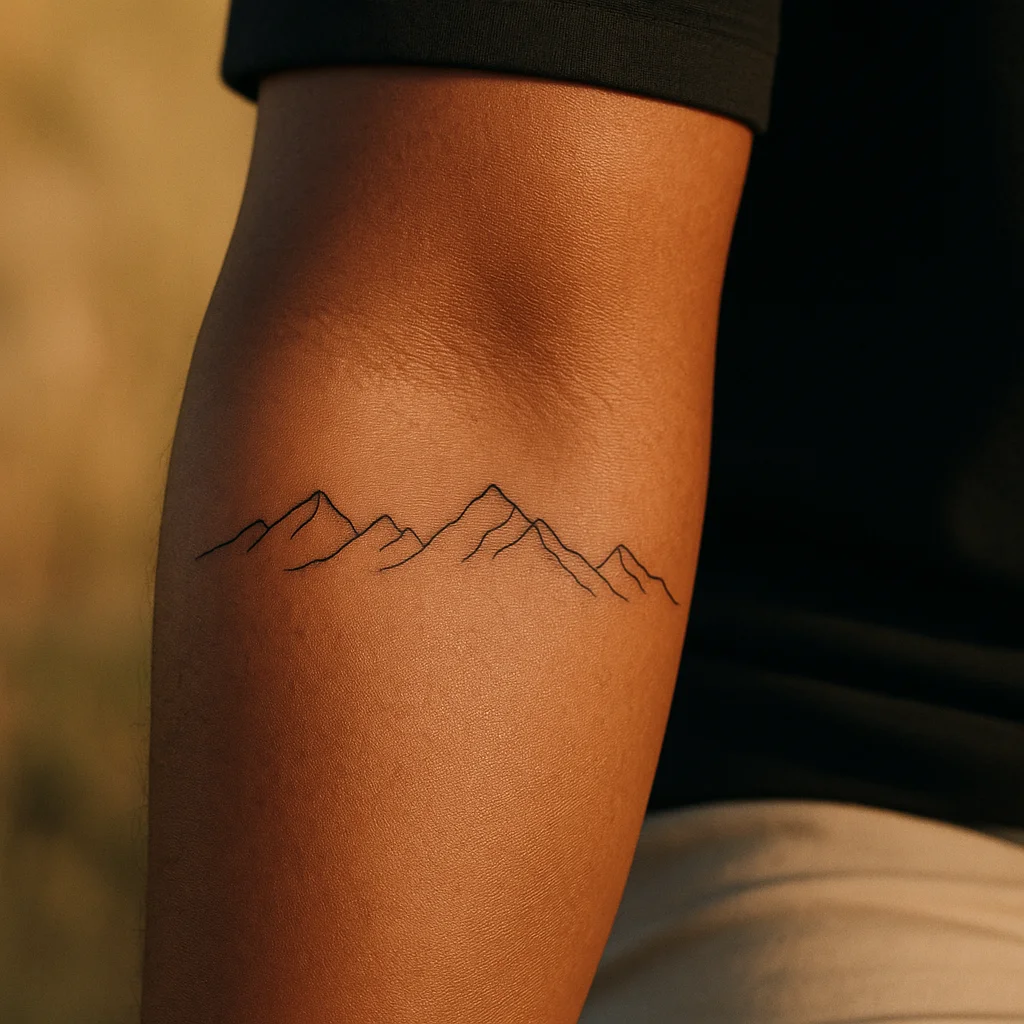
Matching Doesn't Have to Mean Identical
Most father-and-son pairs walk into a studio assuming they need the exact same tattoo in the exact same spot. That works, but it's only one of four approaches, and it's usually not the one that suits two people with different jobs, different pain tolerances and thirty years of age between them.
Before you look at designs, agree on which of these you're doing:
- Identical. The same drawing, same size, same placement. Cleanest read, strongest visual link, and the easiest for an artist to price and execute in one sitting.
- Split or interlocking. One design cut in two, so each piece stands alone but reads as complete when your arms are side by side. Great for photos, and it means neither of you is carrying a design that feels borrowed.
- Scaled. Same subject, two sizes or two life stages: lion and cub, oak leaf and acorn. This is the most forgiving option when one of you wants something big and the other wants something you can hide under a watch strap.
- Written. Handwriting, dates, coordinates, fingerprints. Nothing beats it for meaning, and it's the option that survives changing taste best because it was never a trend.
One more decision: who chooses the drawing. The healthiest version is that one of you picks the subject and the other picks the placement and size. It stops the tattoo from feeling like a gift someone had to accept.
Identical Pairs: Same Design, Same Ink
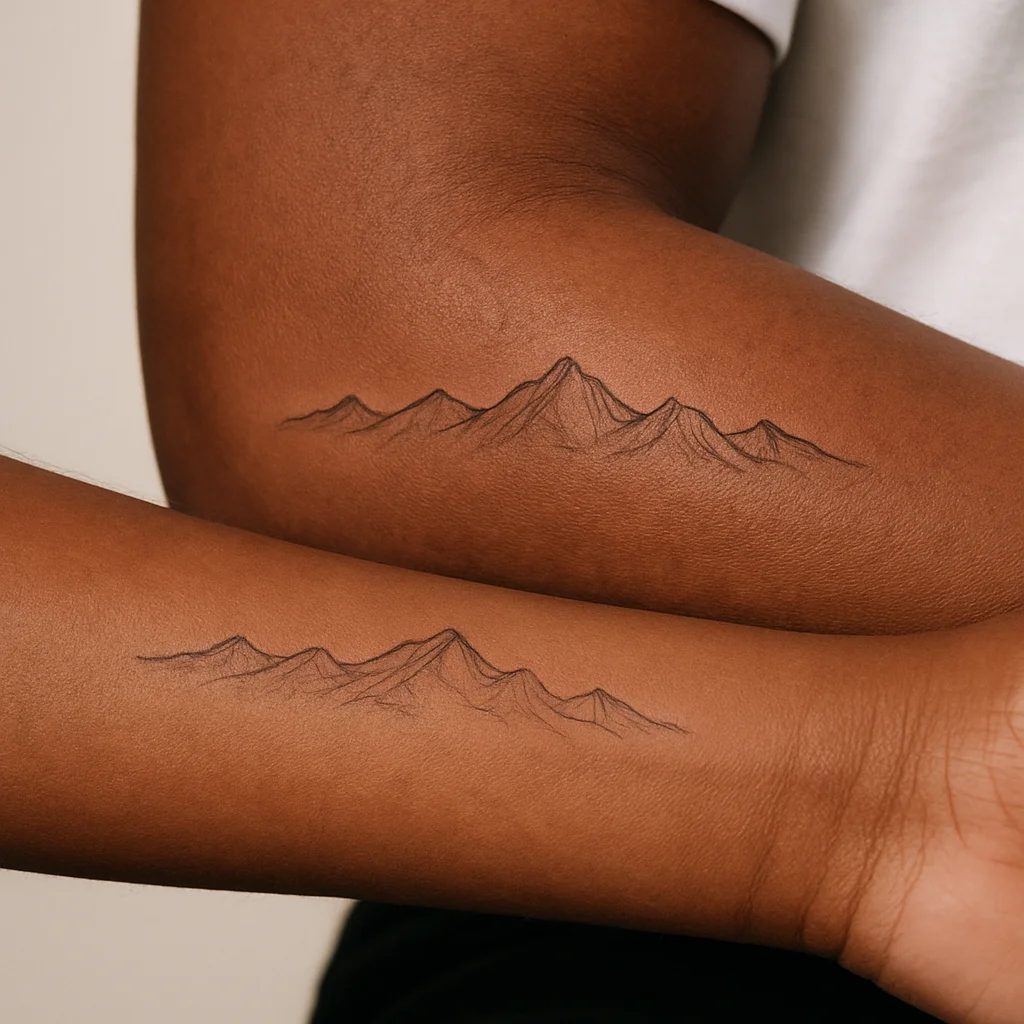
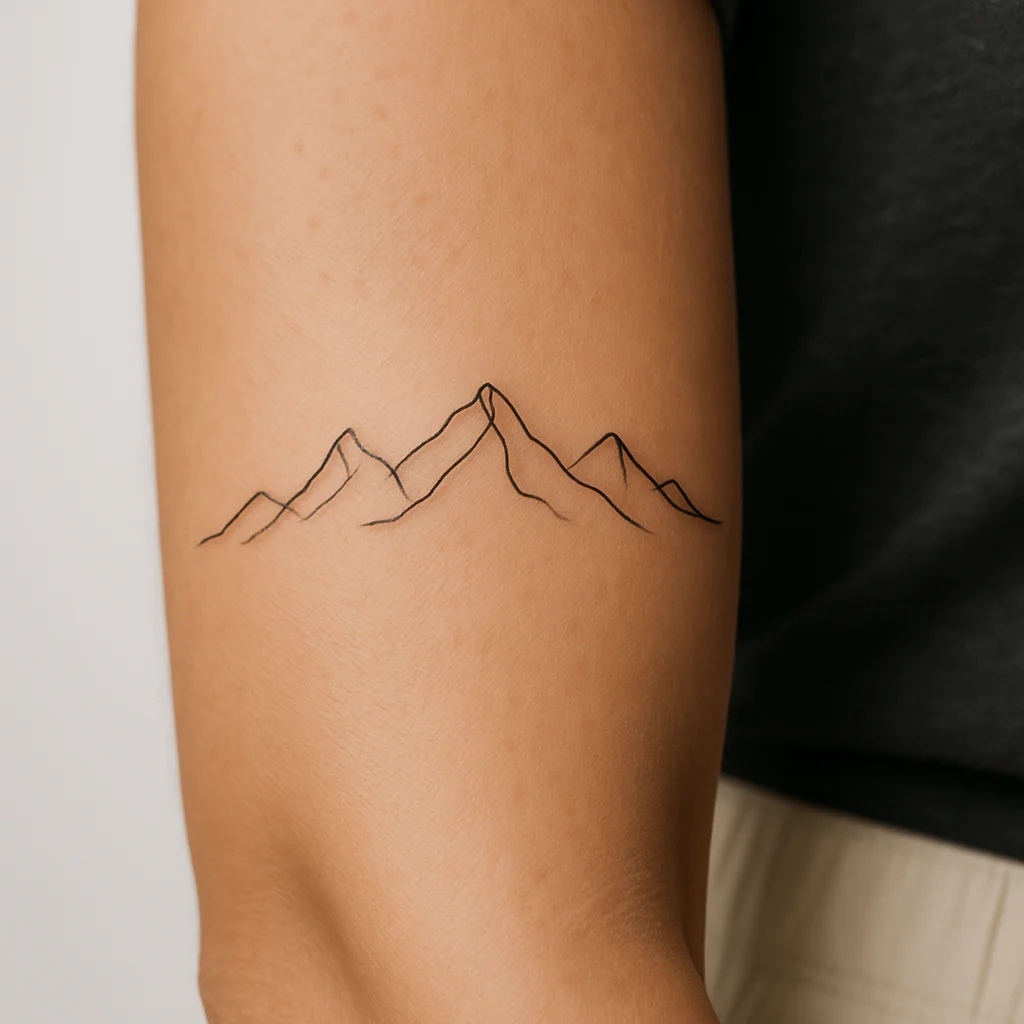
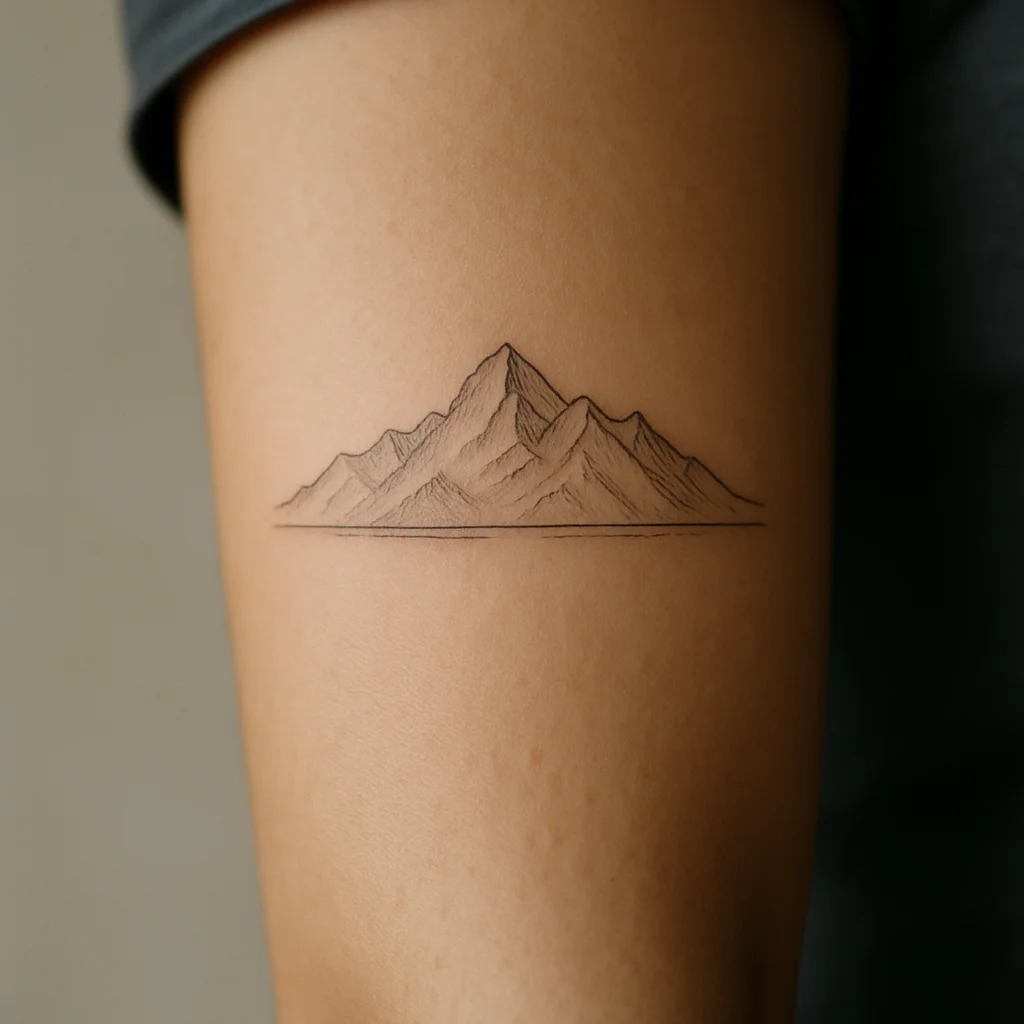
1. Matching mountain-range strip
A single horizon of three or four peaks, drawn in one continuous line, sitting about three to four inches wide along the outer forearm. It suits pairs who hike, camp or road-trip together, and it ages well because the linework is simple and evenly spaced. Ask for slightly thicker lines than the Instagram version if either of you works outdoors.
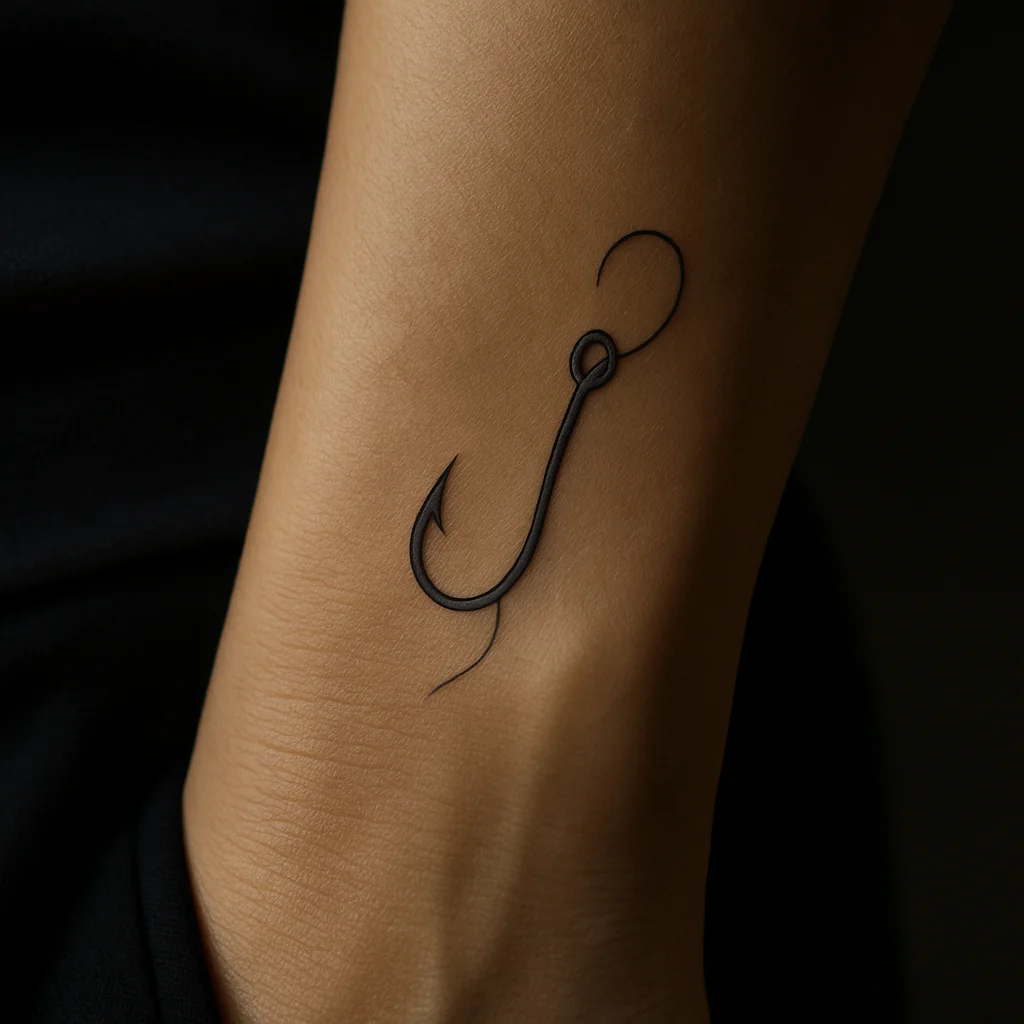
2. Fish hook and line, inner wrist
A small barbed hook with a loose curl of line trailing off it, no more than an inch and a half tall. This is the classic dad-and-son fishing tattoo without the cluttered rod-and-reel scene, and it hides completely under a watch. The inner wrist stings more than it looks like it should, so warn a first-timer.
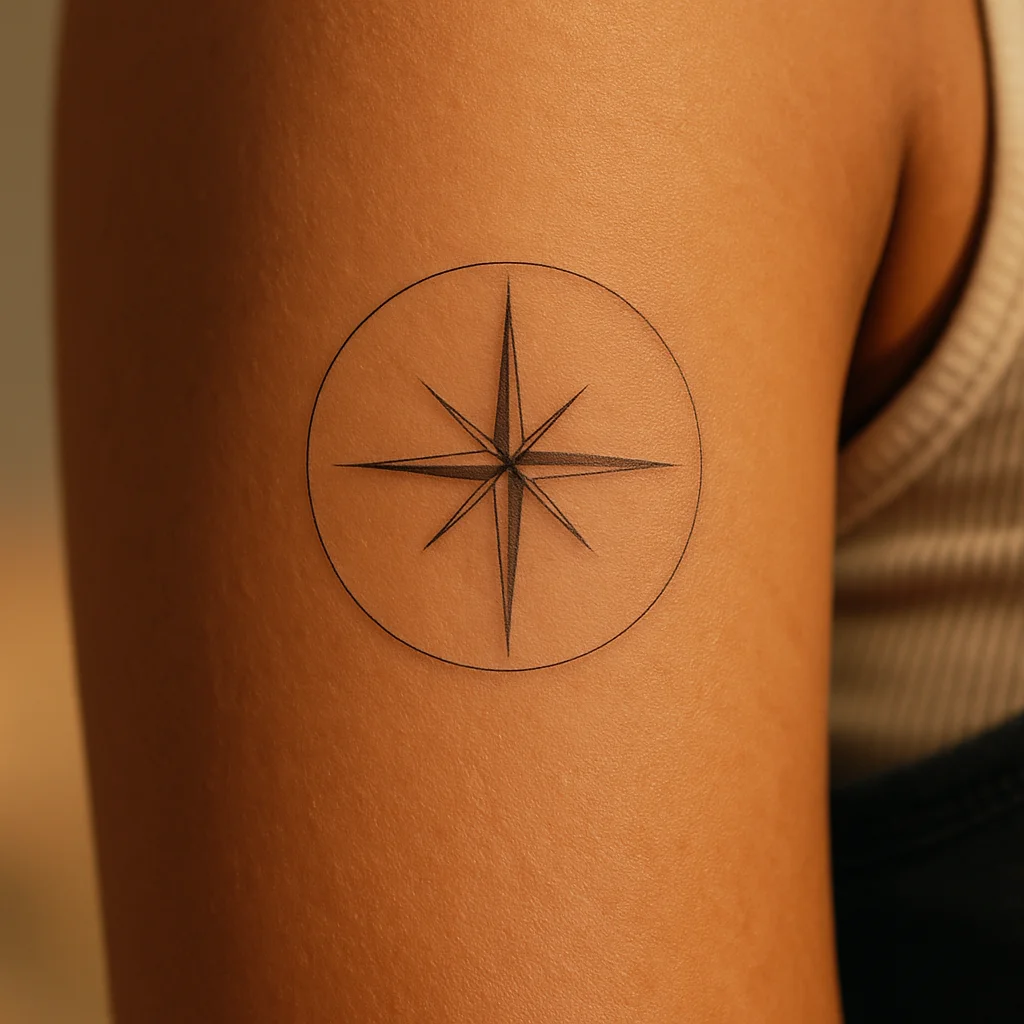
3. Twin compass roses
A four-point compass with a fine ring around it, placed on the outer upper arm where the skin is flat and forgiving. Around two to three inches keeps the points crisp for decades. It reads as "you gave me direction" without a word of text.
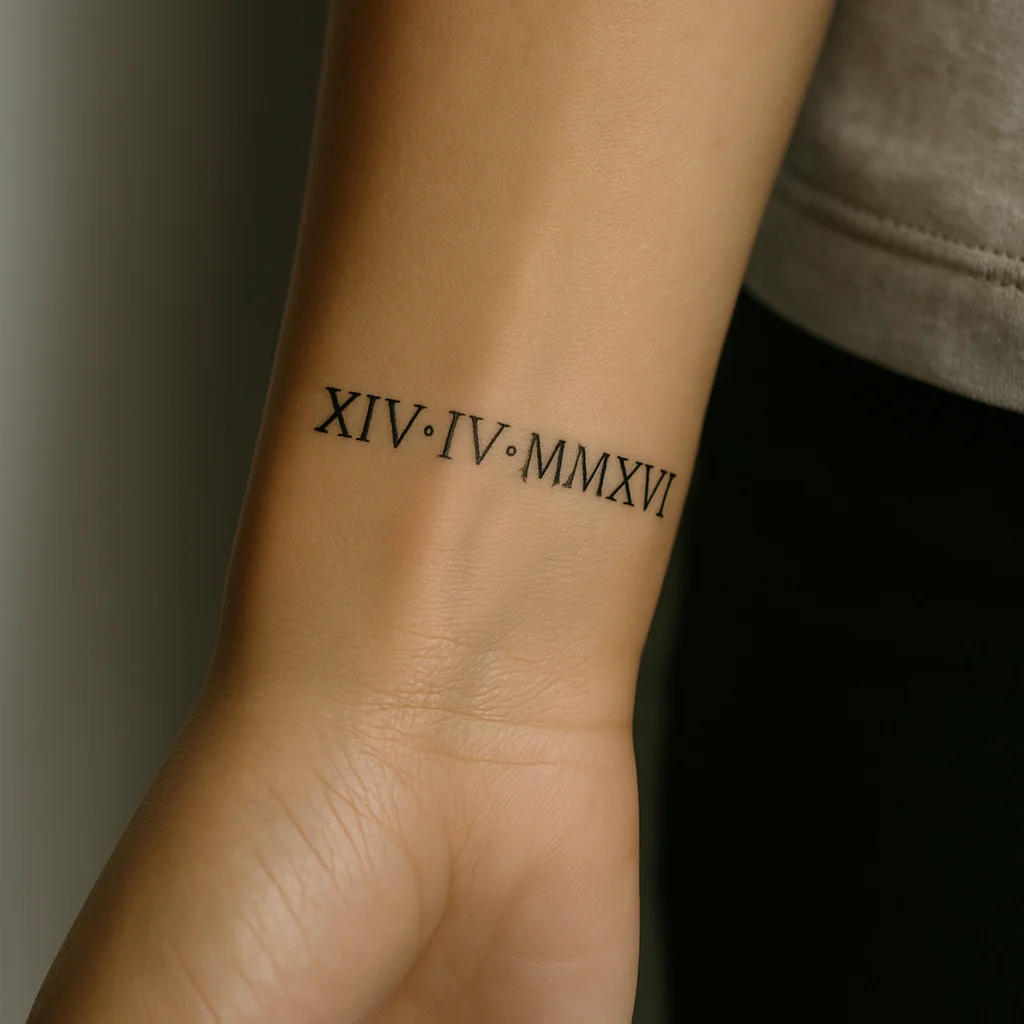
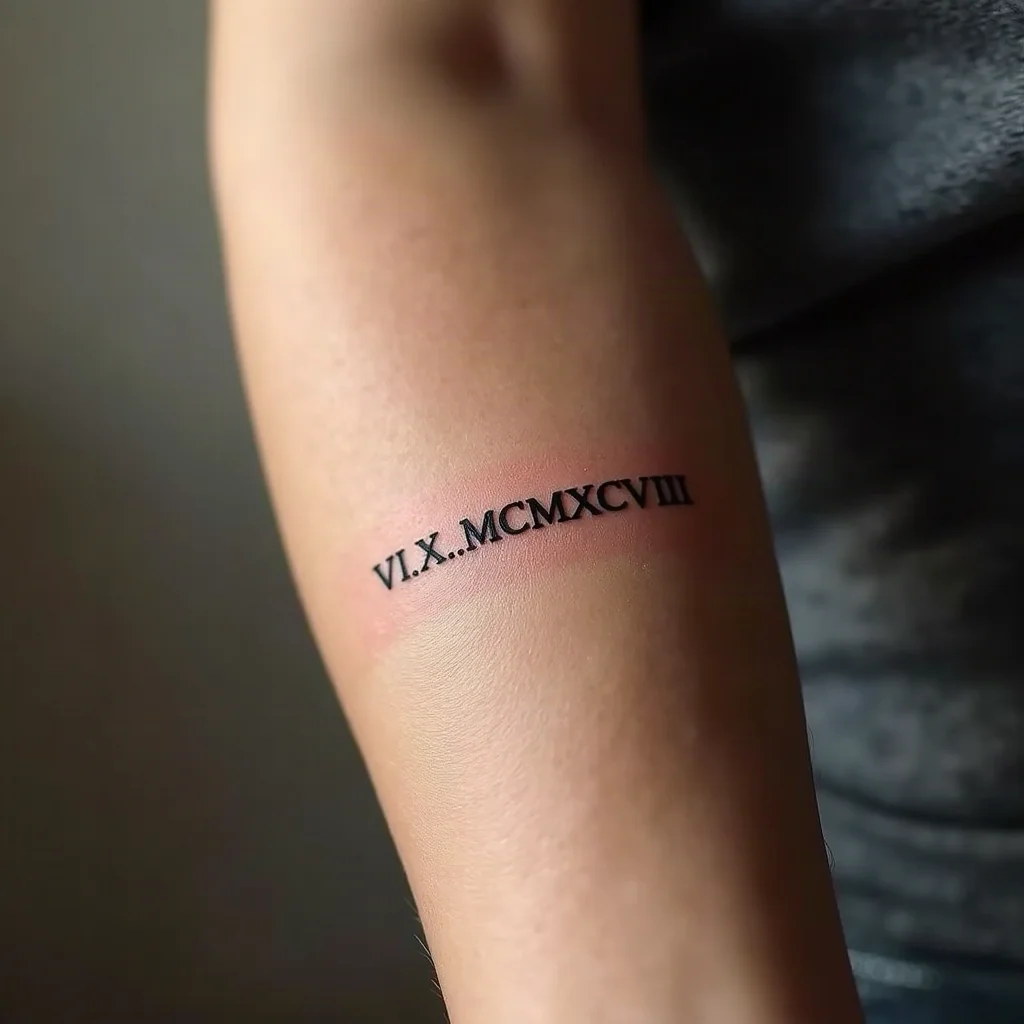
4. Shared date in Roman numerals
The date that matters to both of you — a birth, an adoption day, the day you got the workshop finished — set in clean Roman numerals along the side of the wrist. Keep it to one line and resist tiny serifs, which blur first. Two inches long is plenty.
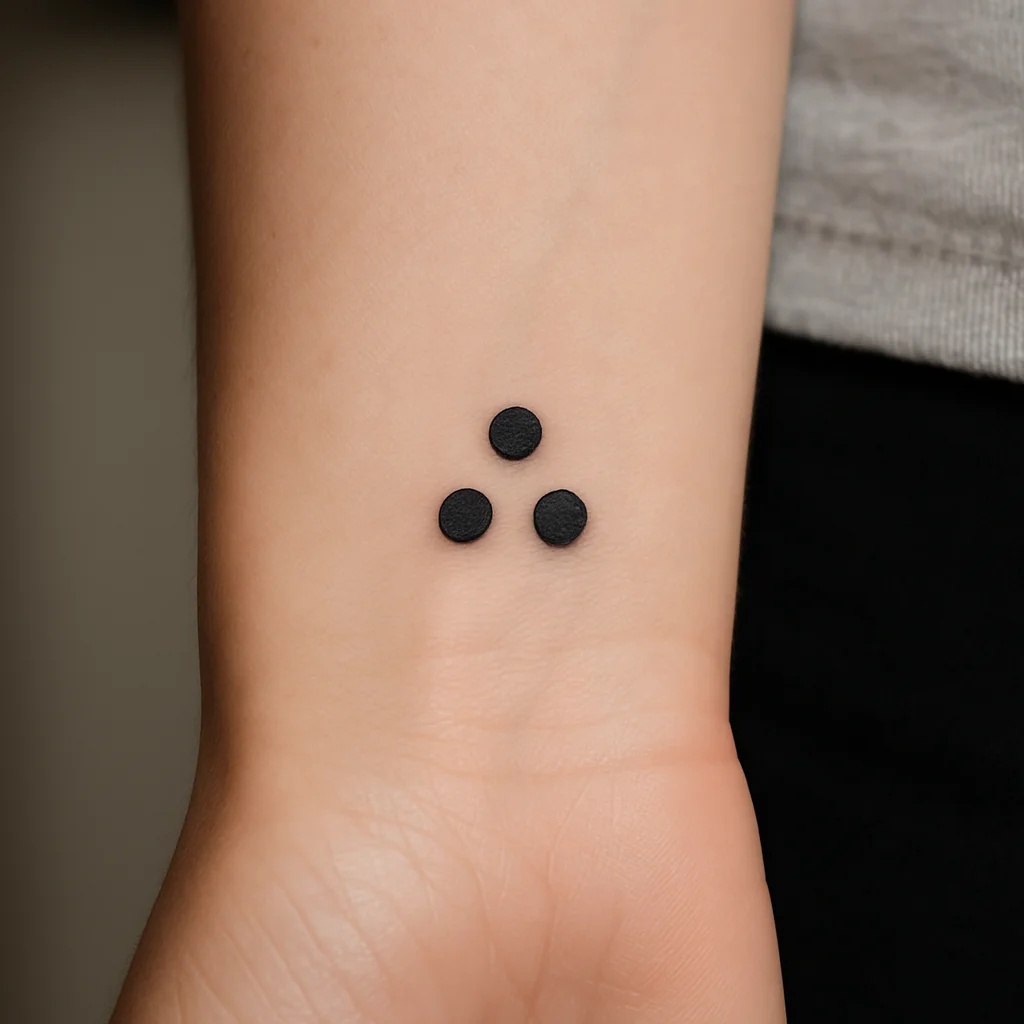
5. Three-dot triangle
Three solid dots in a small triangle, one for each of you and one for what you have in common, tucked on the side of the wrist or the base of a finger. It's the most discreet match on this list and takes about ten minutes each. Fingers fade fast, so the wrist version lasts far longer.
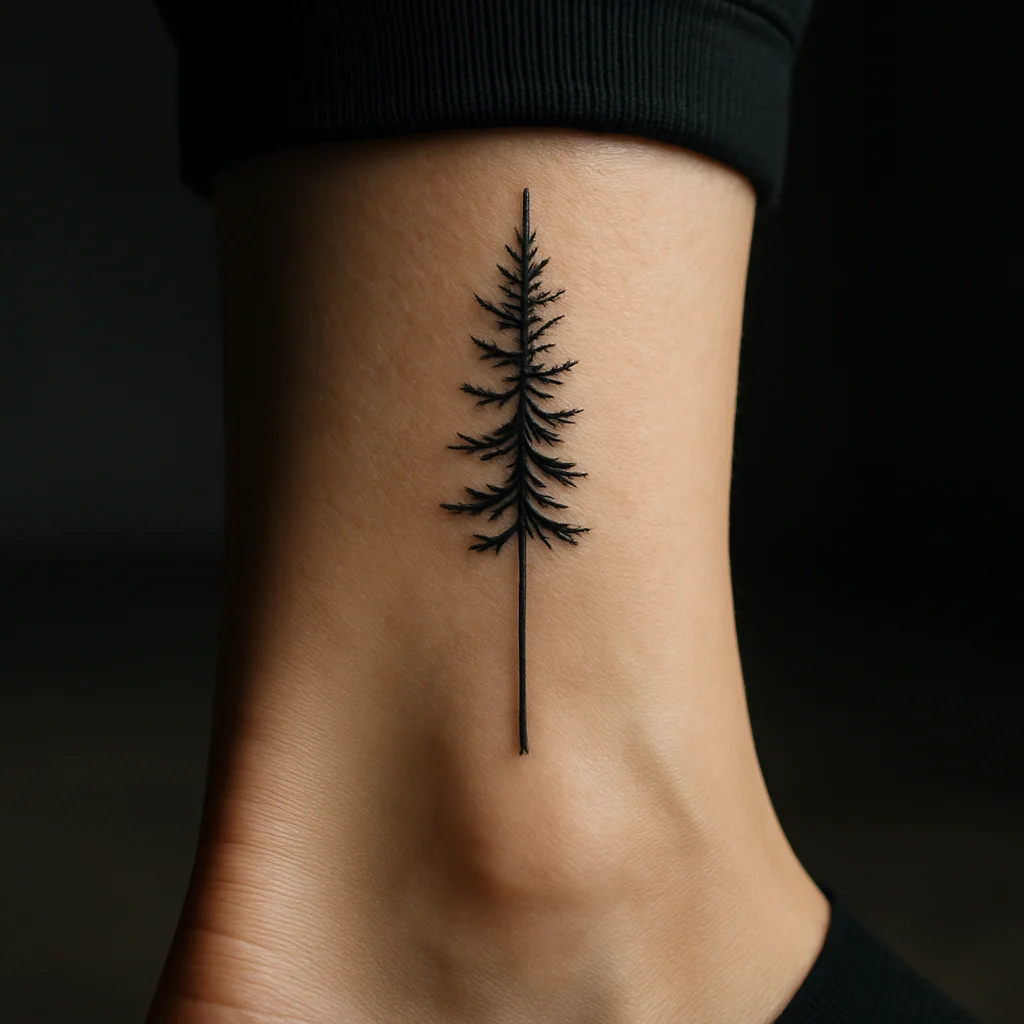
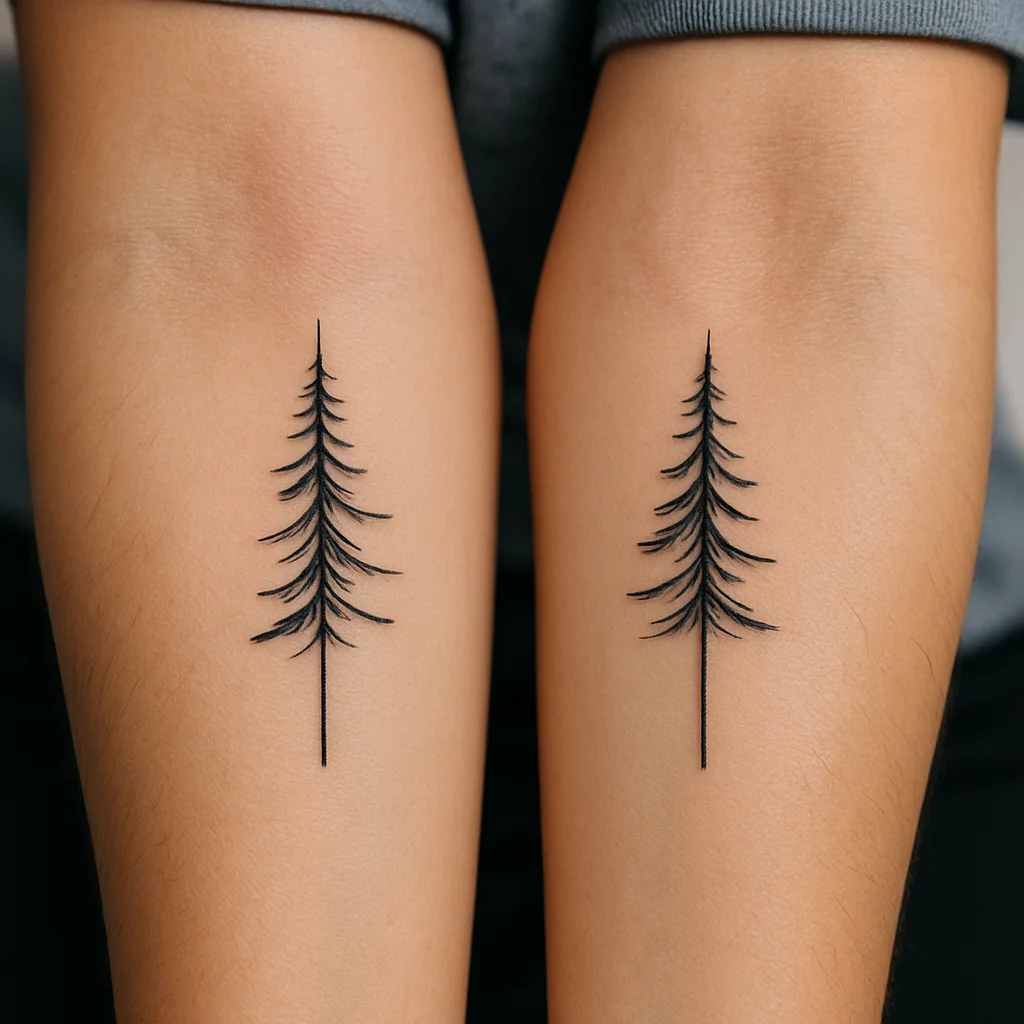
6. Identical pine trees
A single slim conifer, two to three inches tall, inked on the outside of the calf or above the ankle. Pines carry the same steady, weathering-together idea as a mountain range but sit better on a narrow limb. Ask for a solid trunk rather than a dotted one if you want it readable at arm's length.
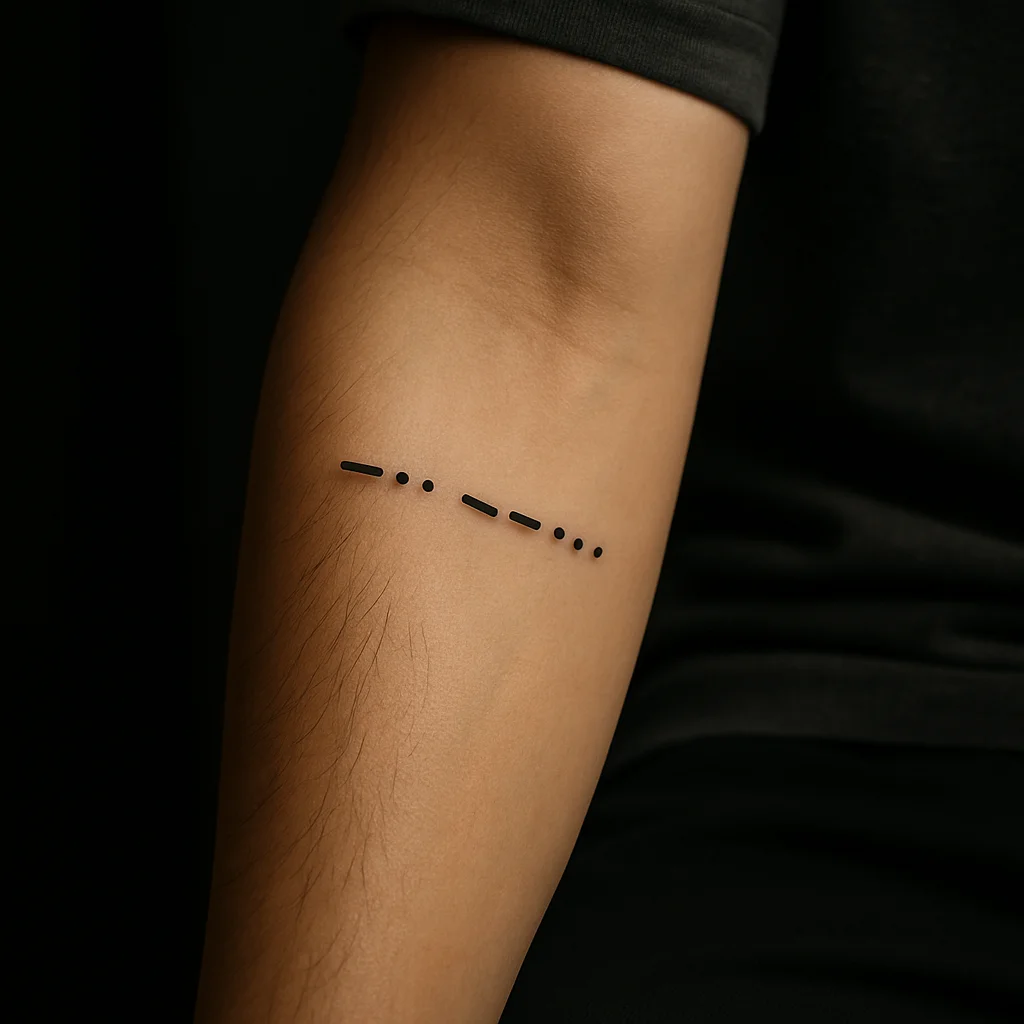
7. One word in Morse code
Take a word you both use — a nickname, a family surname, "steady" — and have it inked as a row of dots and dashes on the outer forearm. It's abstract enough that strangers never ask, which some men prefer. Spacing is everything here, so have the artist stencil it long and check the gaps before the needle touches skin.
Split Designs That Only Finish Side by Side
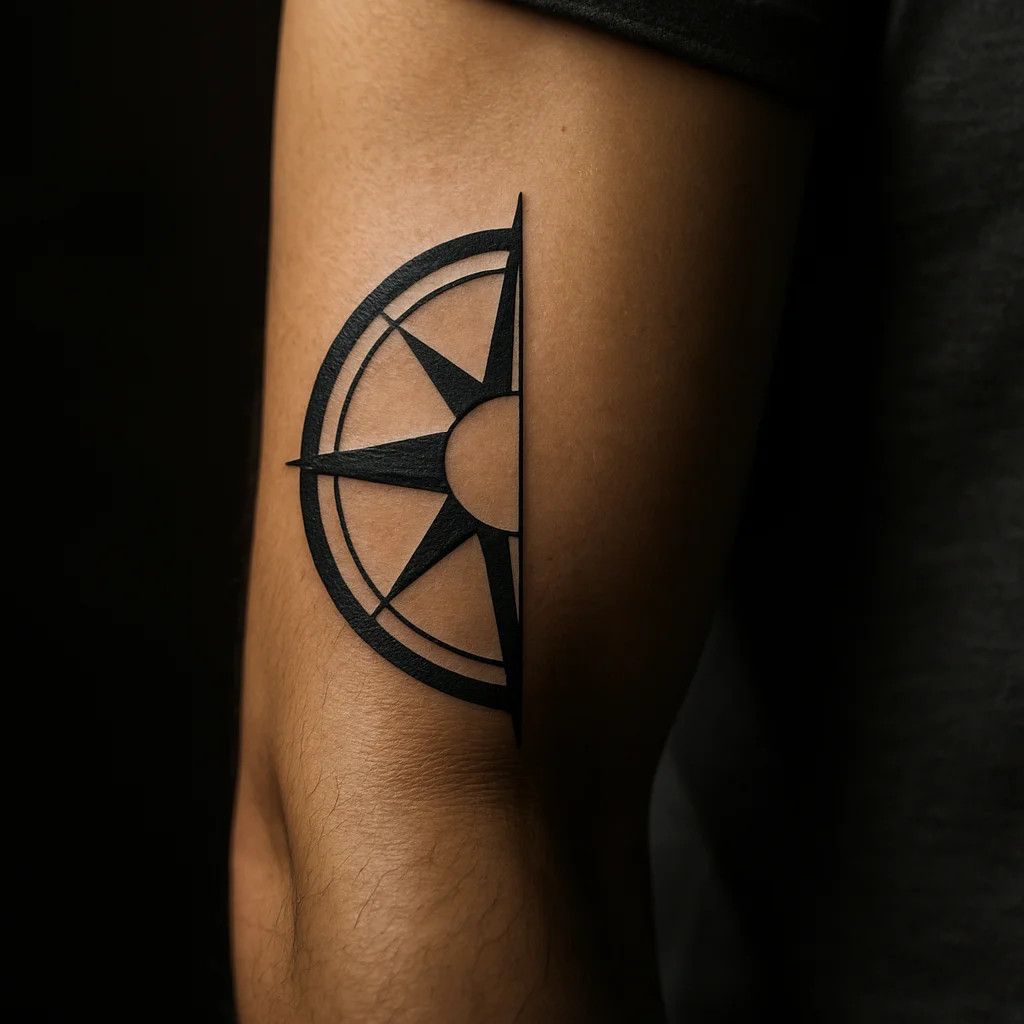
8. Compass cut in two
The father takes the outer ring with the cardinal letters; the son takes the needle and the star at its centre. Apart, each is a clean geometric piece; held together, forearm to forearm, the compass completes. Ask the artist to draw both on one sheet so the scale genuinely matches.
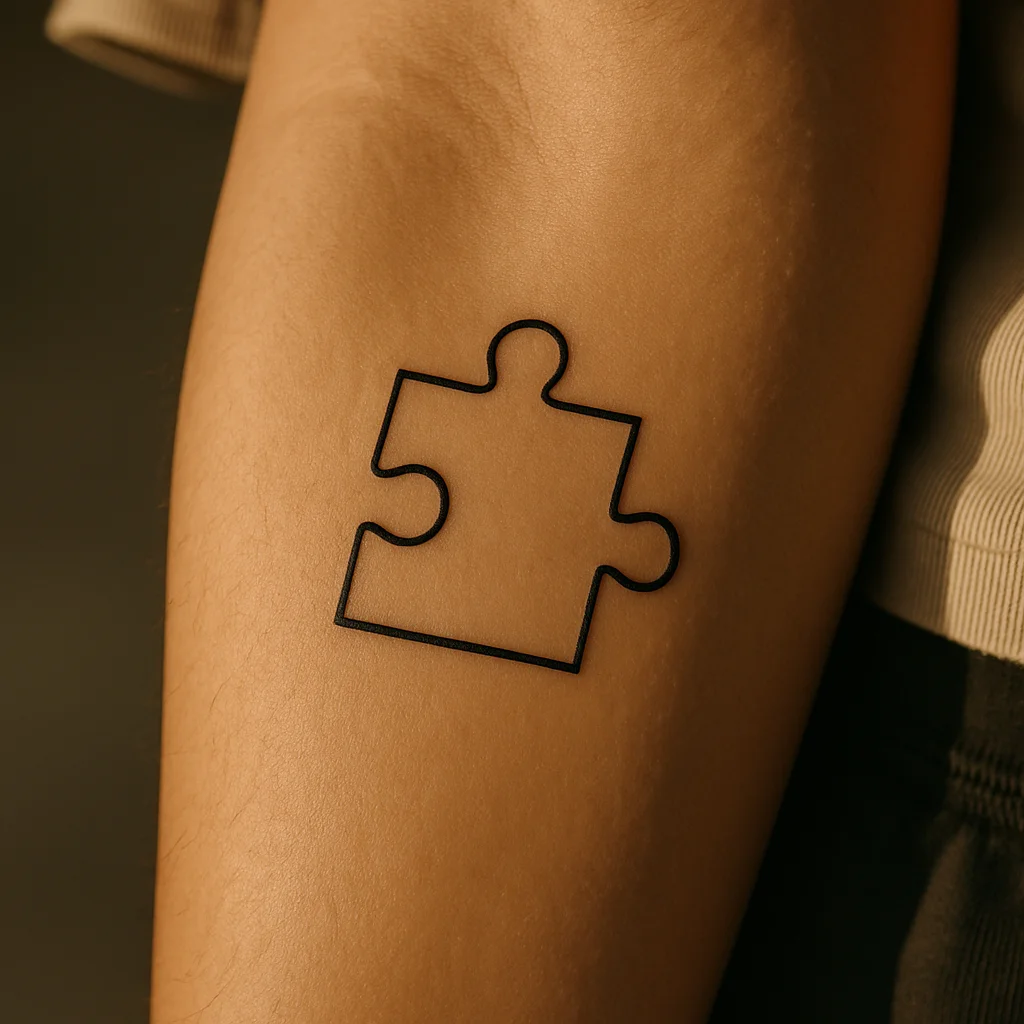
9. Puzzle-piece pair
One piece with a tab, one with the notch, each about an inch and a half, placed on the inside of the forearm near the wrist. Keep the outline bold and the inside empty or lightly shaded — heavily detailed puzzle pieces turn into grey blobs in ten years. It's a cliché done badly and quietly moving done well.
10. Peaks and their reflection
Dad wears the mountain range above the waterline; the son wears the mirrored reflection below it. Stack them so the two forearms meet at the water's edge and the image resolves into one lake scene. This one photographs beautifully and works at four to five inches each.
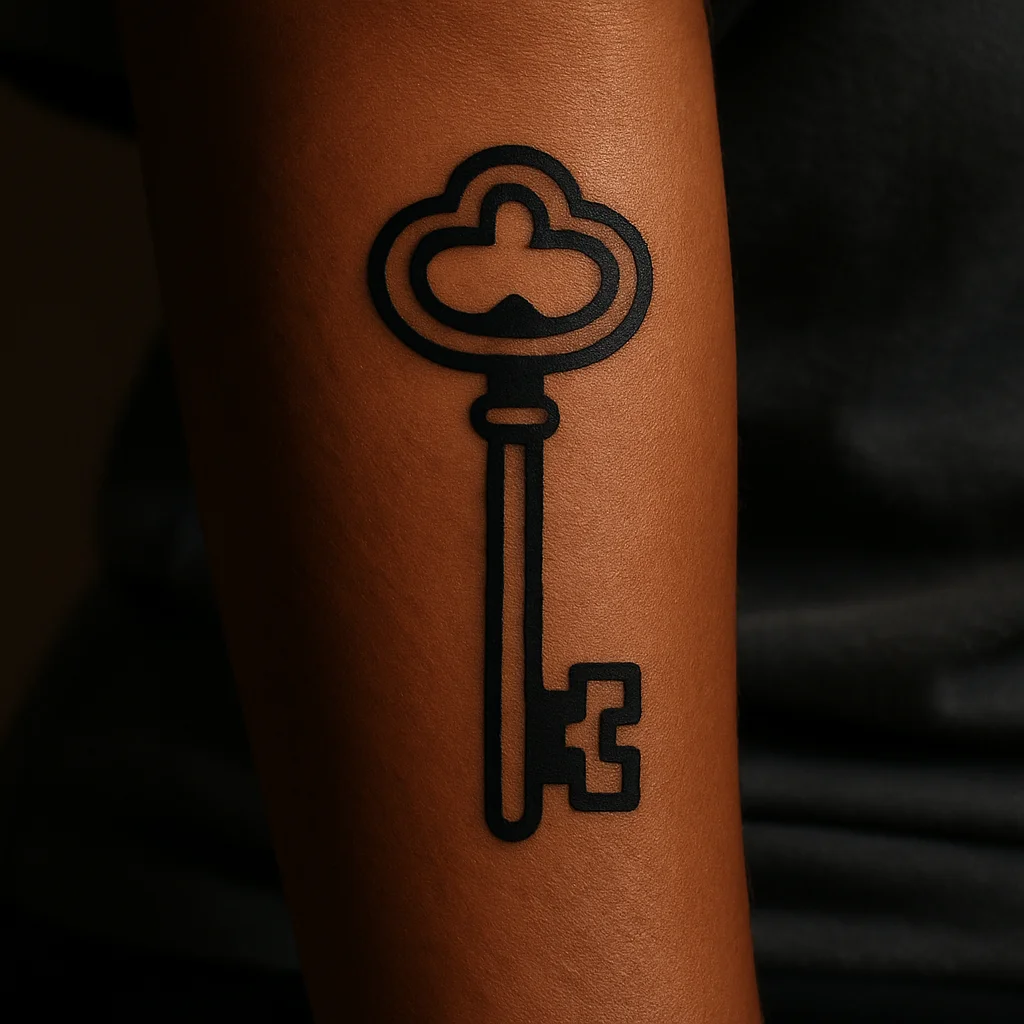
11. Key and lock
A simple skeleton key on one arm, a small padlock or keyhole plate on the other, both in a slightly traditional line weight with minimal shading. It suits pairs who like a bit of old-school character rather than hairline fine line. Two to three inches each on the inner forearm.
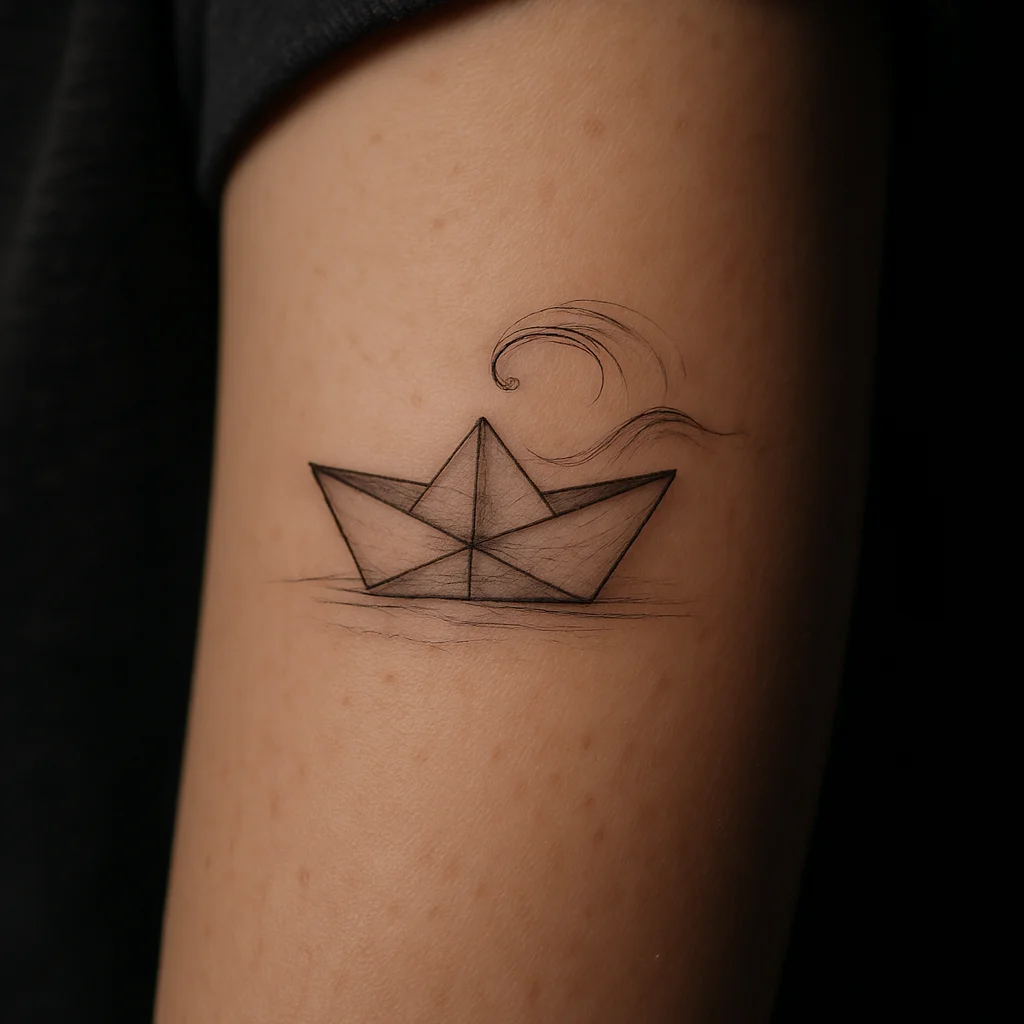
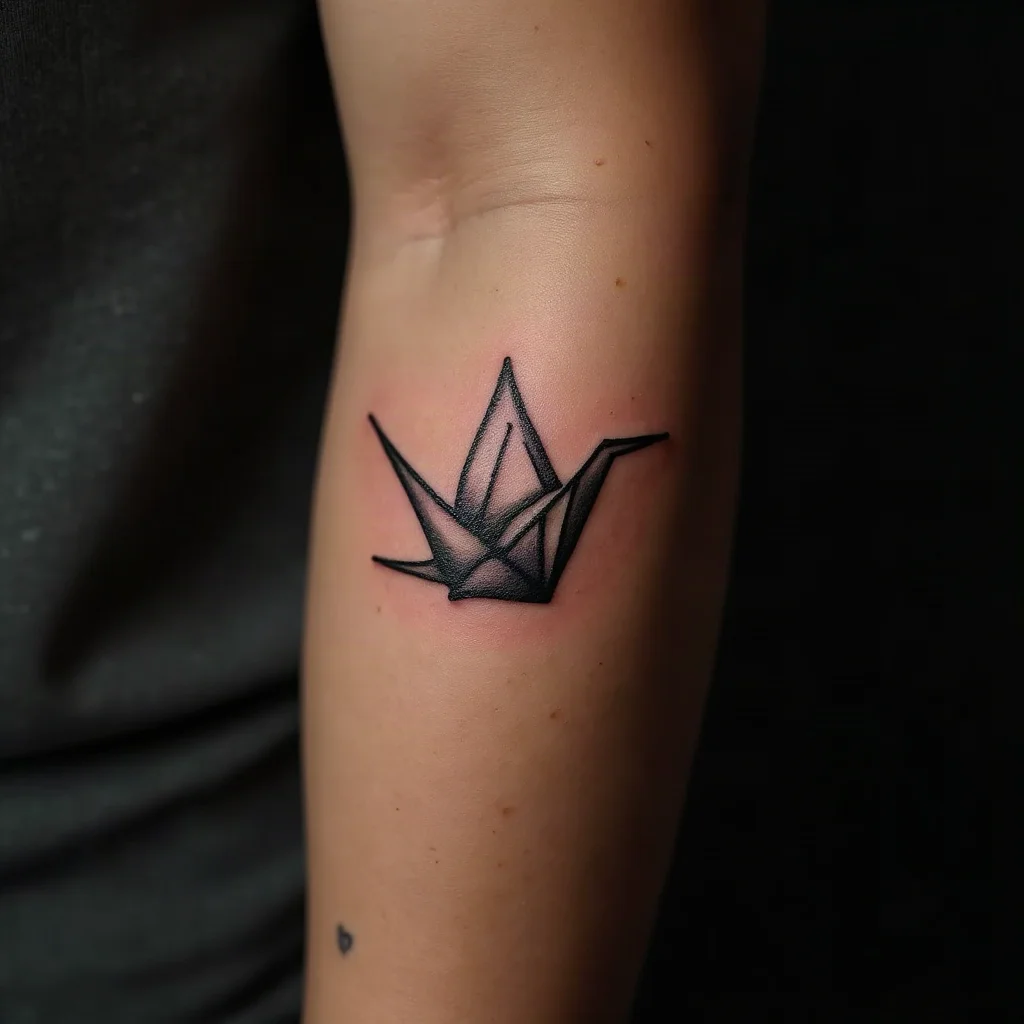
12. Paper boat and its wave
The son gets a folded paper boat, the father gets the single curling wave it sits in. Placed on the inner forearms, the boat drops into the wave when you line your arms up. It's a gentler alternative to full nautical imagery and reads well small.
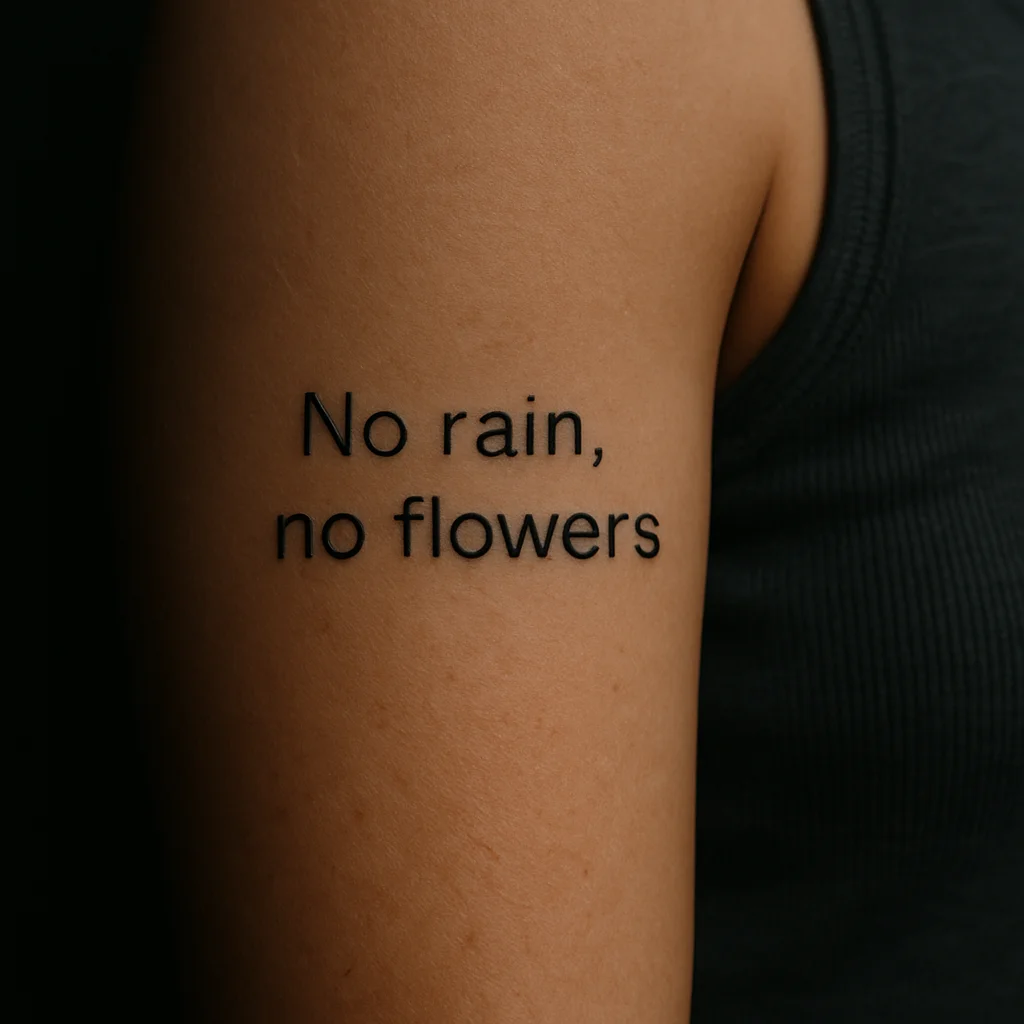
13. Two halves of one line of text
Split a phrase you both say — "hold the line" / "we hold it together", or the two halves of a lyric — with one clause on each inner bicep or forearm. Use the same font, same size, same baseline, ideally inked back to back in one session. Sans-serif at around a quarter-inch cap height stays legible longest.
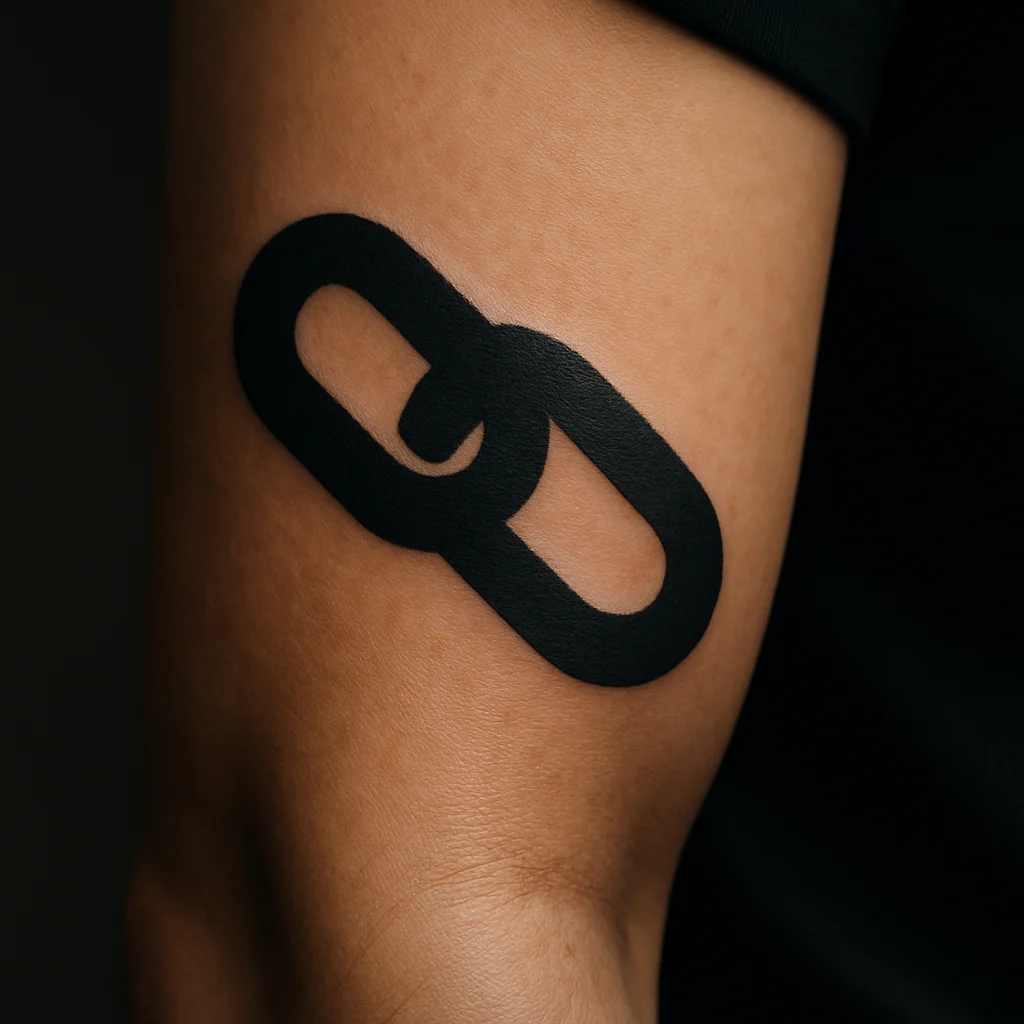
14. Interlocking chain links
Two solid black links, each open at one edge, drawn so they hook into each other when your forearms touch. Blackwork holds up superbly on a design this simple, and it flatters older skin because there's no fine detail to spread. Around two inches each, angled with the arm rather than straight across it.
Scaled Pairs: The Big One and the Little One
15. Lion and cub
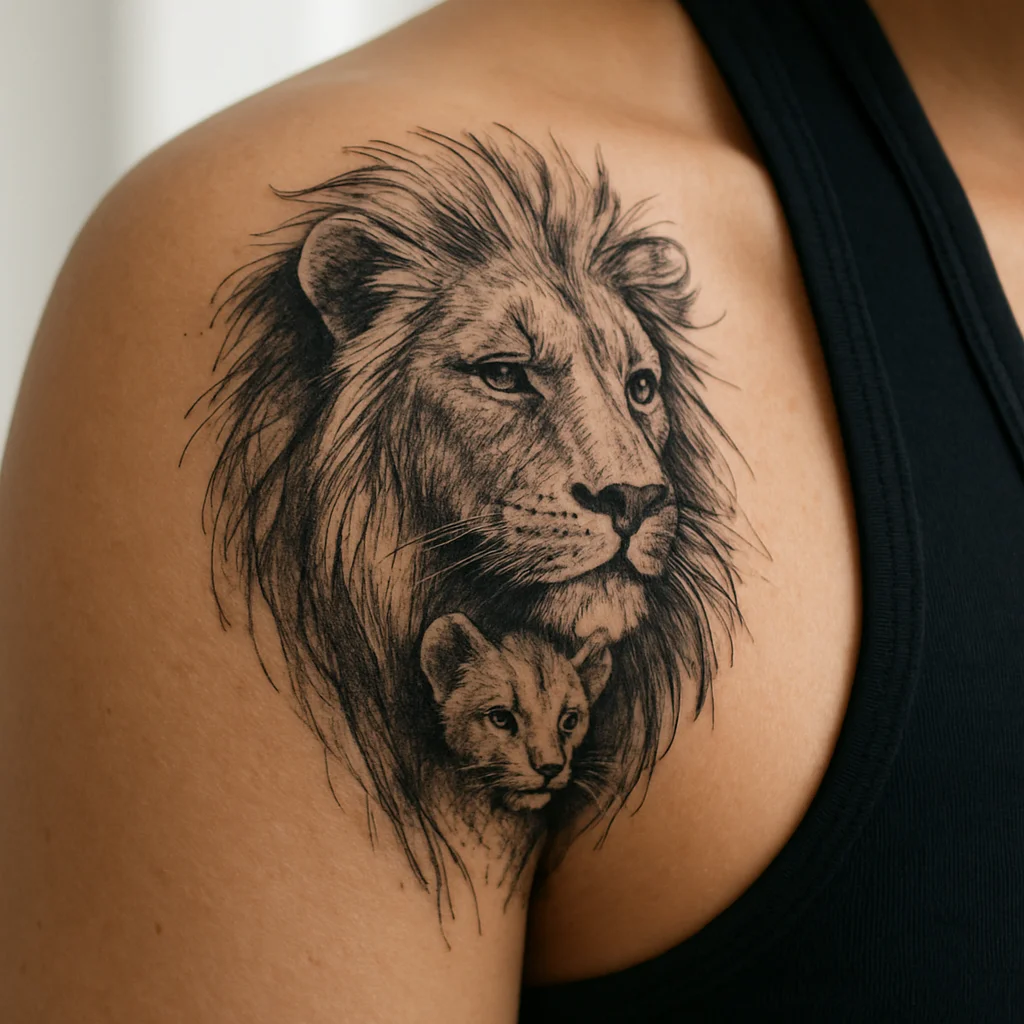
The father takes a maned lion head, five to seven inches, on the outer upper arm or shoulder; the son takes a cub in the same illustrative hand at half the size. Book the same artist so the drawing style matches — two lions by two artists never look related. Expect a two to four hour sitting for the larger head.
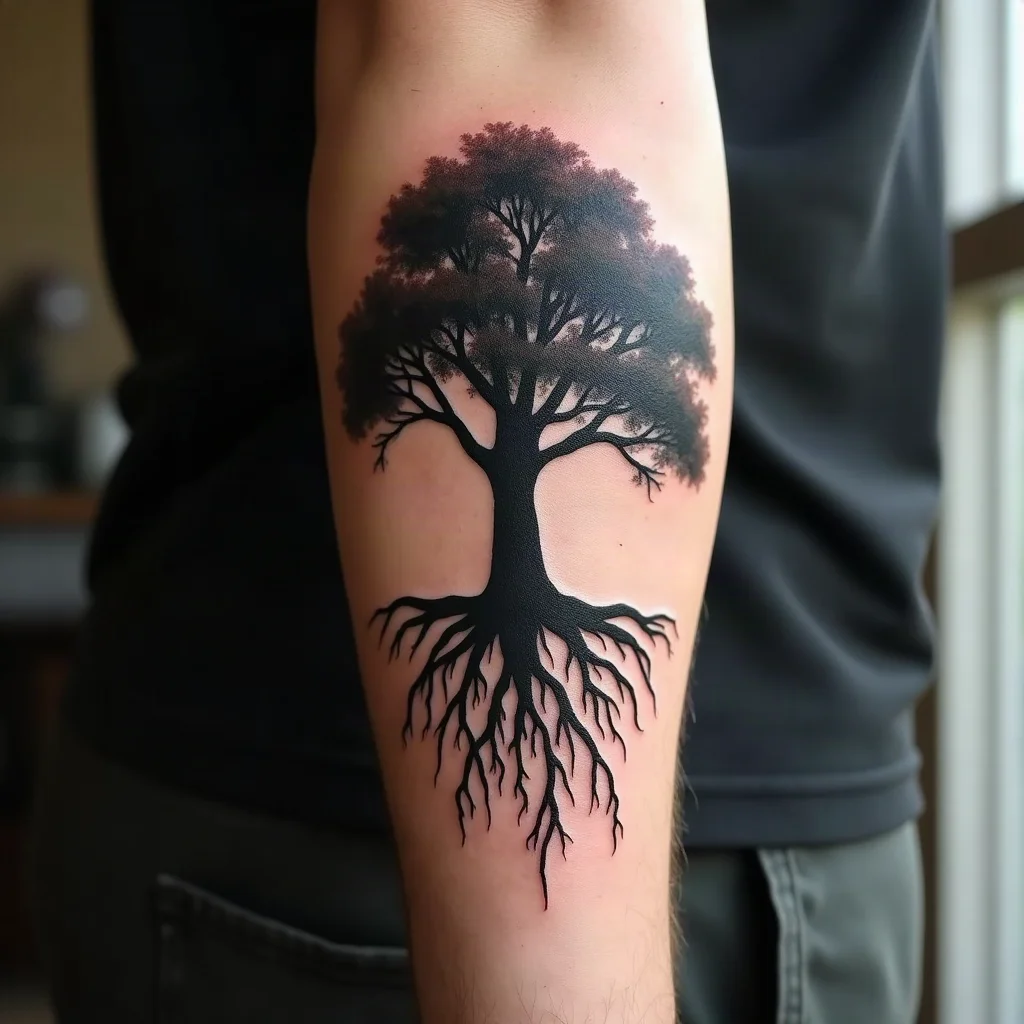
16. Oak with roots, and an acorn
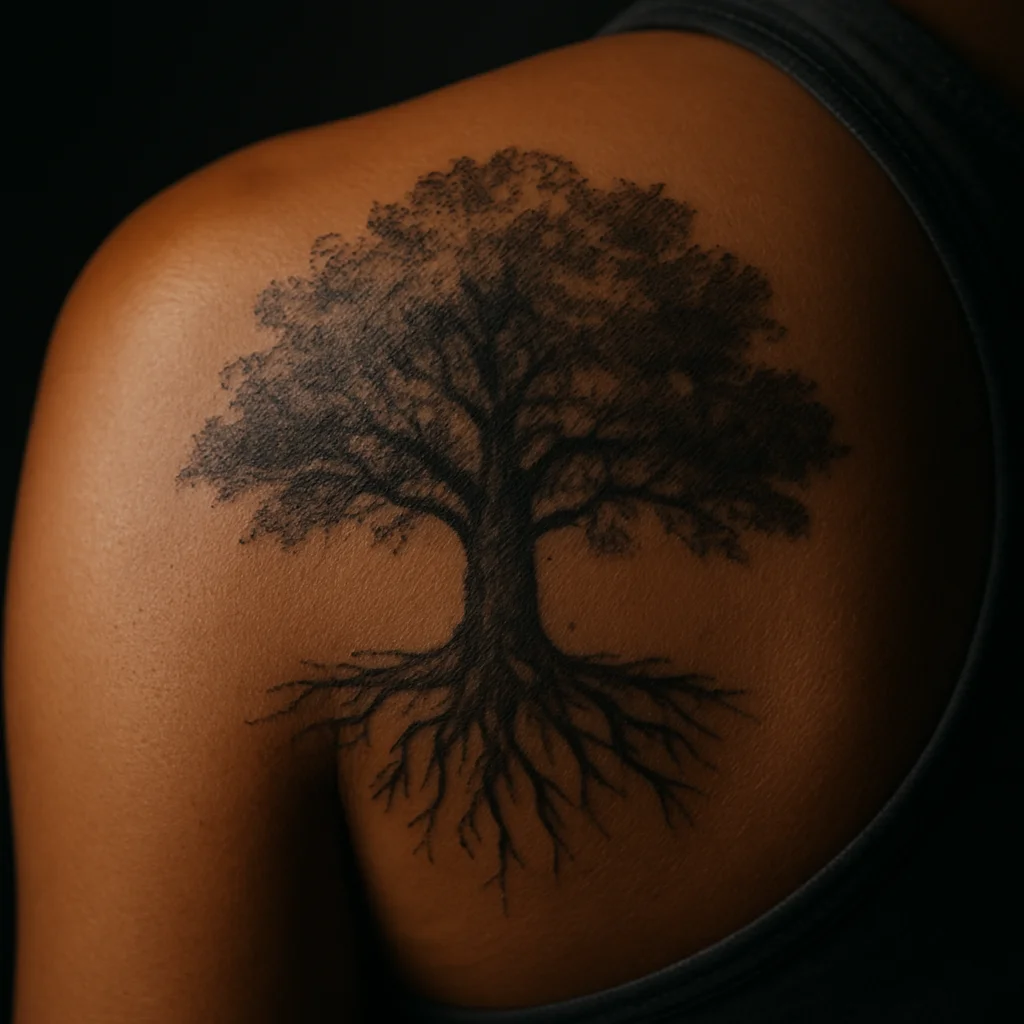
A broad oak with exposed roots across the father's shoulder blade, and a single acorn, an inch tall, on the son's inner forearm or wrist. The metaphor does the talking and neither piece looks like a matching tattoo to a stranger. Roots read best with real black weight, not scratchy lines.
17. Wolf and pup silhouettes
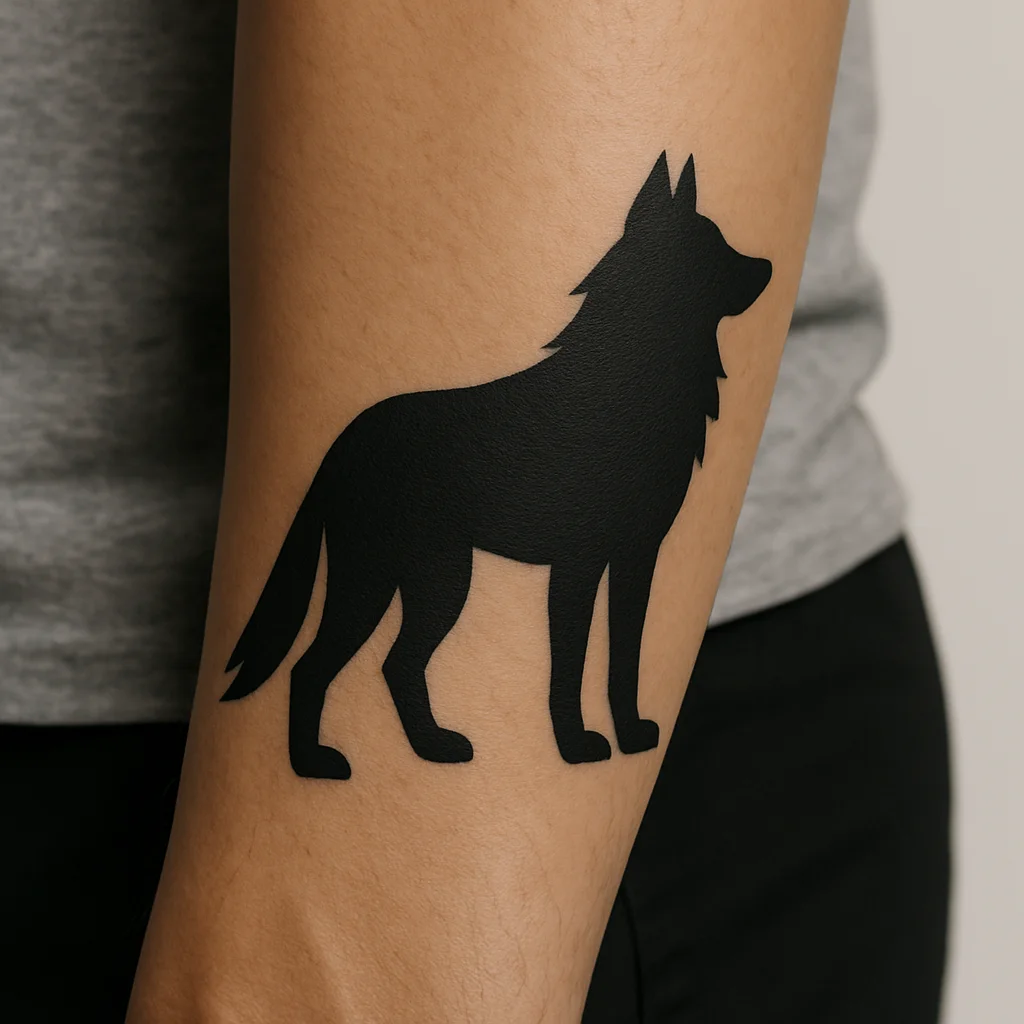
Two solid blackwork silhouettes, one standing wolf at about four inches and one pup at two, both facing the same direction. Placed on the outer forearms, they're bold enough to still look sharp in twenty years. Good pick for pairs who want something masculine without heavy realism.
18. Elephant and calf, trunk to tail
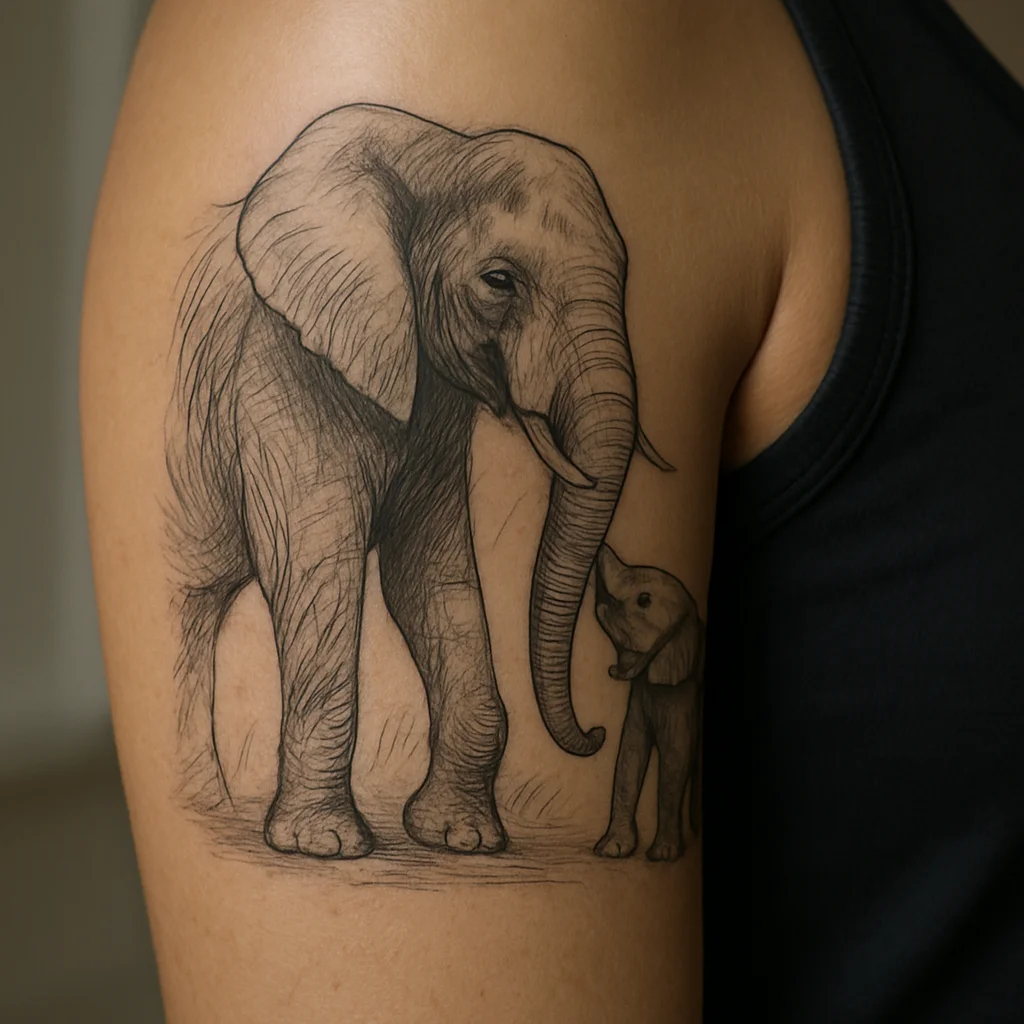
Dad wears the adult elephant, the son wears the calf with its trunk raised as if reaching. Sized around four inches and two inches, they work on the calf, upper arm or shoulder. Keep shading soft and simple; the emotional read comes from the posture, not the detail.
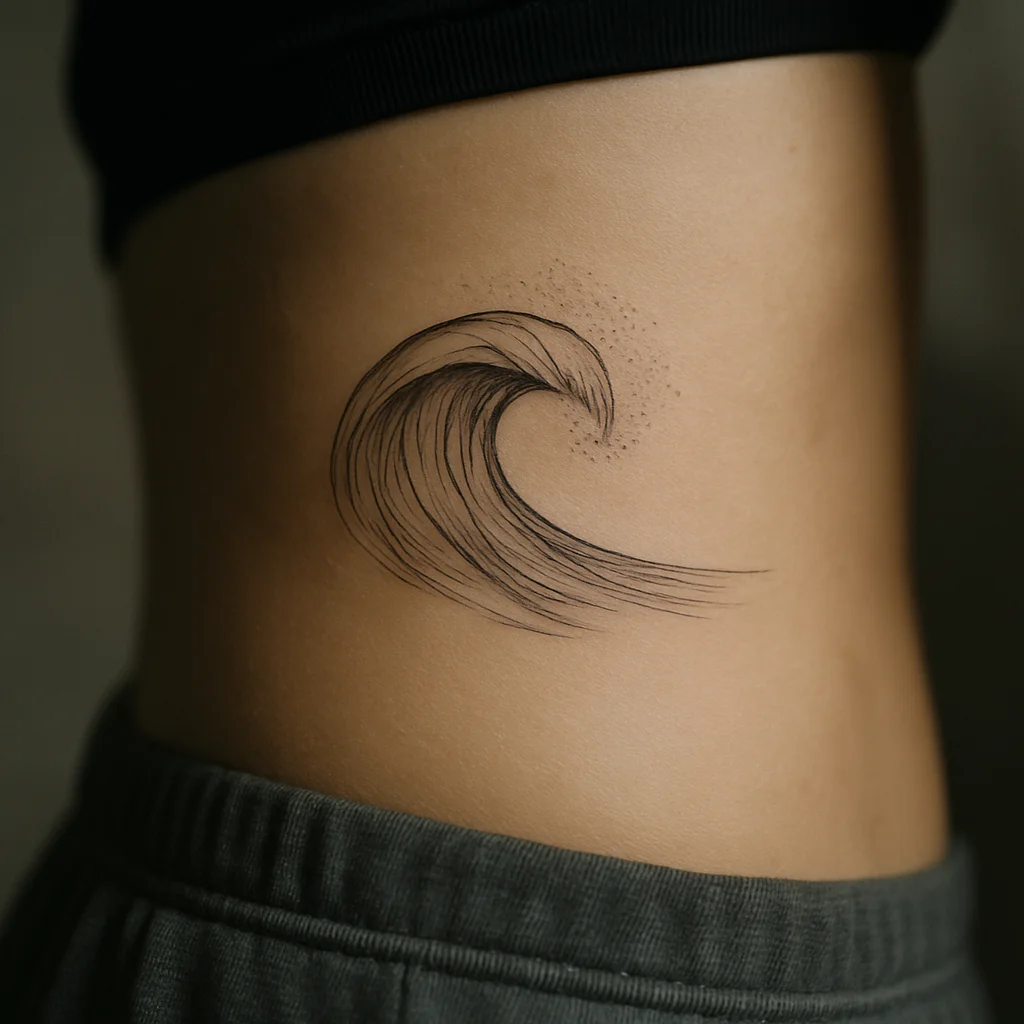
19. Big wave, little wave
One rolling wave with a curling lip for the father, a single small swell for the son, both in fine-line with dotwork spray. Ribcage and forearm are both good homes, though the ribs bite. This one suits surfers, swimmers and anyone who spent childhood summers in the water together.
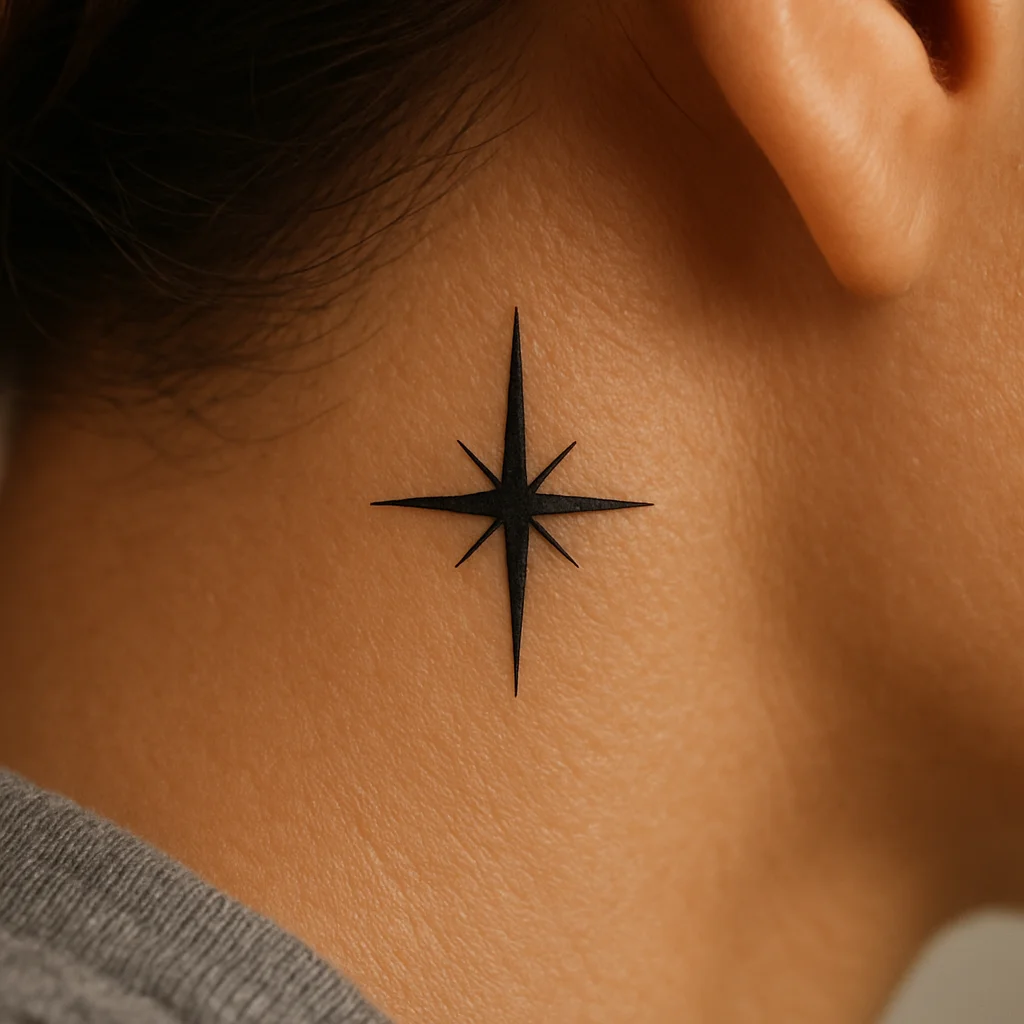
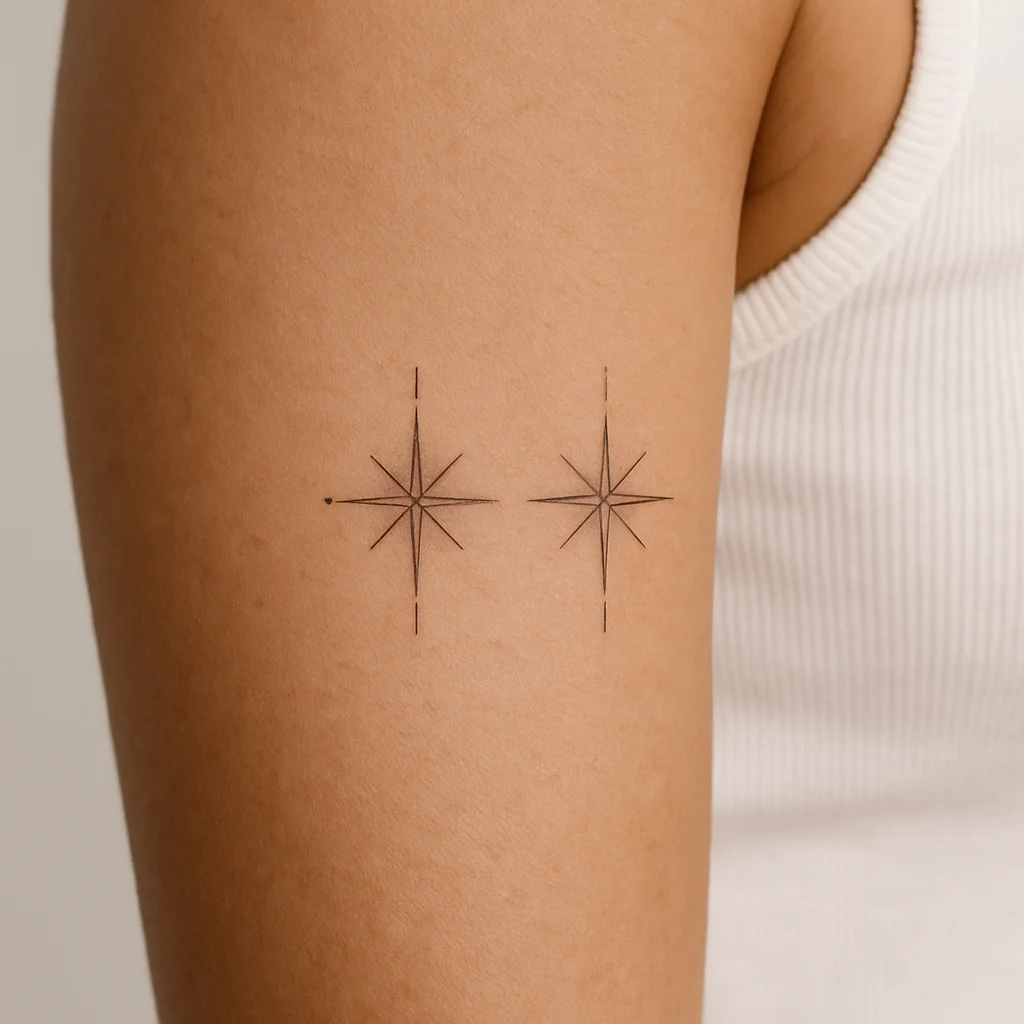
20. Full compass and a single north star
The father carries a detailed compass rose on the upper arm; the son carries just the small four-point star from its centre, behind the ear or on the wrist. It's a scaled pair with a built-in message about who's pointing where. The star takes fifteen minutes; the compass takes an hour or two.
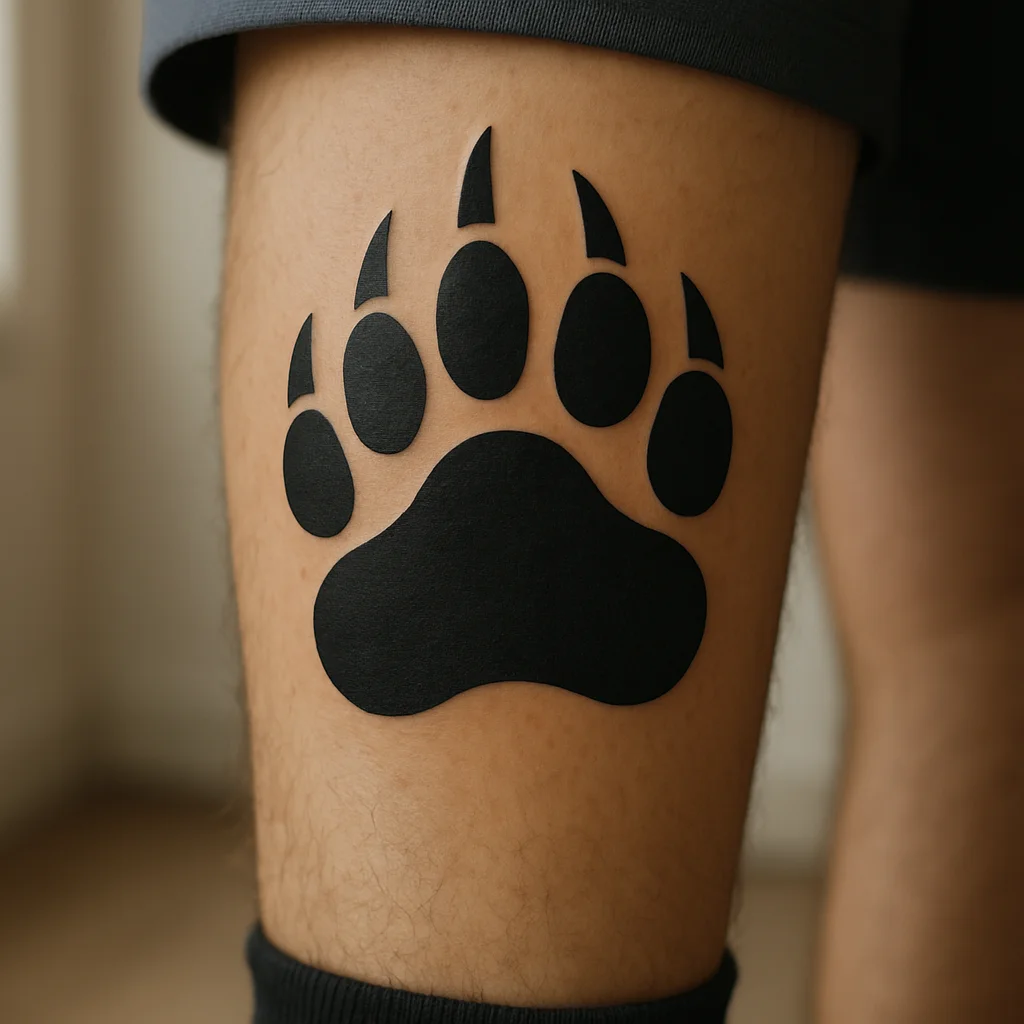
21. Bear paw and cub paw
Two solid paw prints, one broad and one small, positioned identically on each of you — outer forearm, calf or shoulder. Solid black fills age better than any other option in this list, which makes it a smart choice for skin that already sees a lot of sun. Ask for slightly rounded toe pads so it doesn't read as a stamp.
Handwriting, Dates and Words
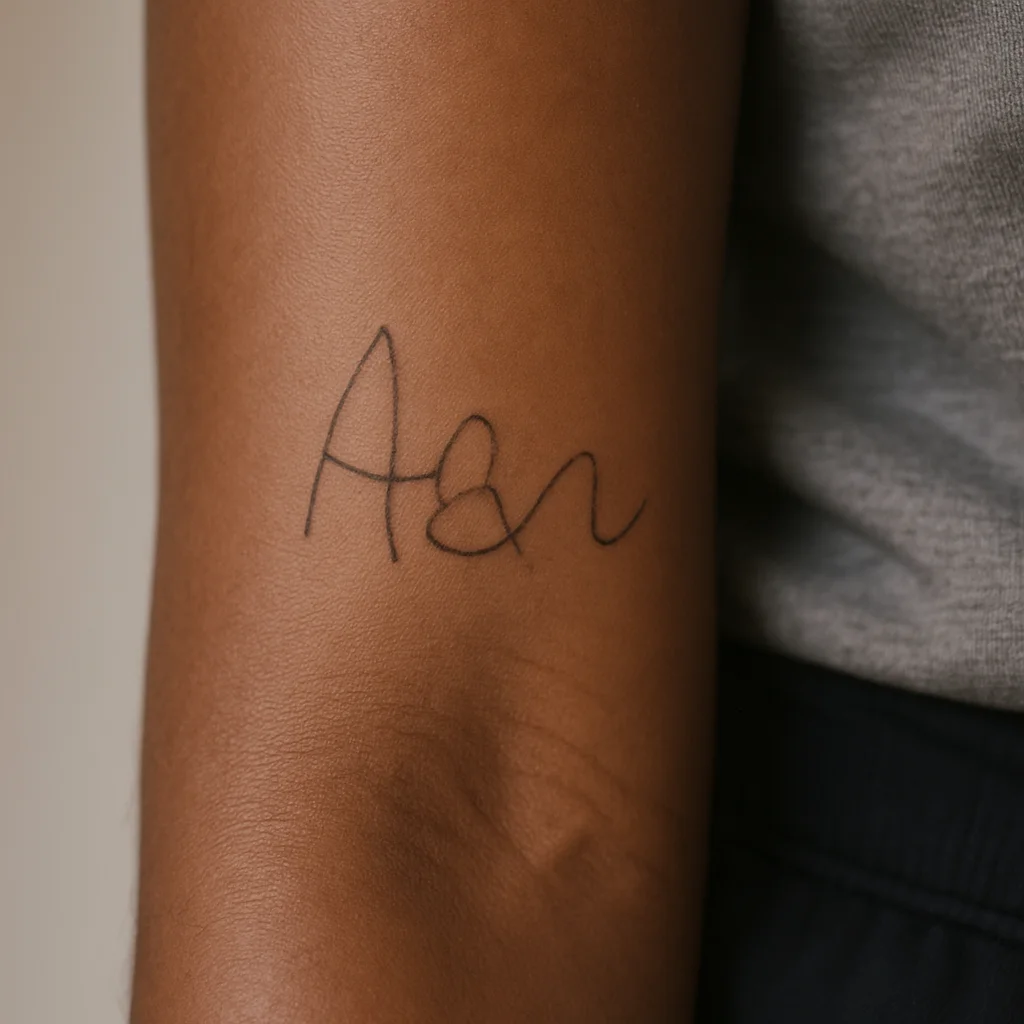
22. Each other's signatures, swapped
The son's childhood signature, scanned from an old school book, inked on dad's inner forearm; dad's signature on the son's. Bring a clean photo or scan on white paper — artists trace the real strokes rather than redrawing them, and shaky original lines are the point. Two to three inches wide keeps every wobble intact.
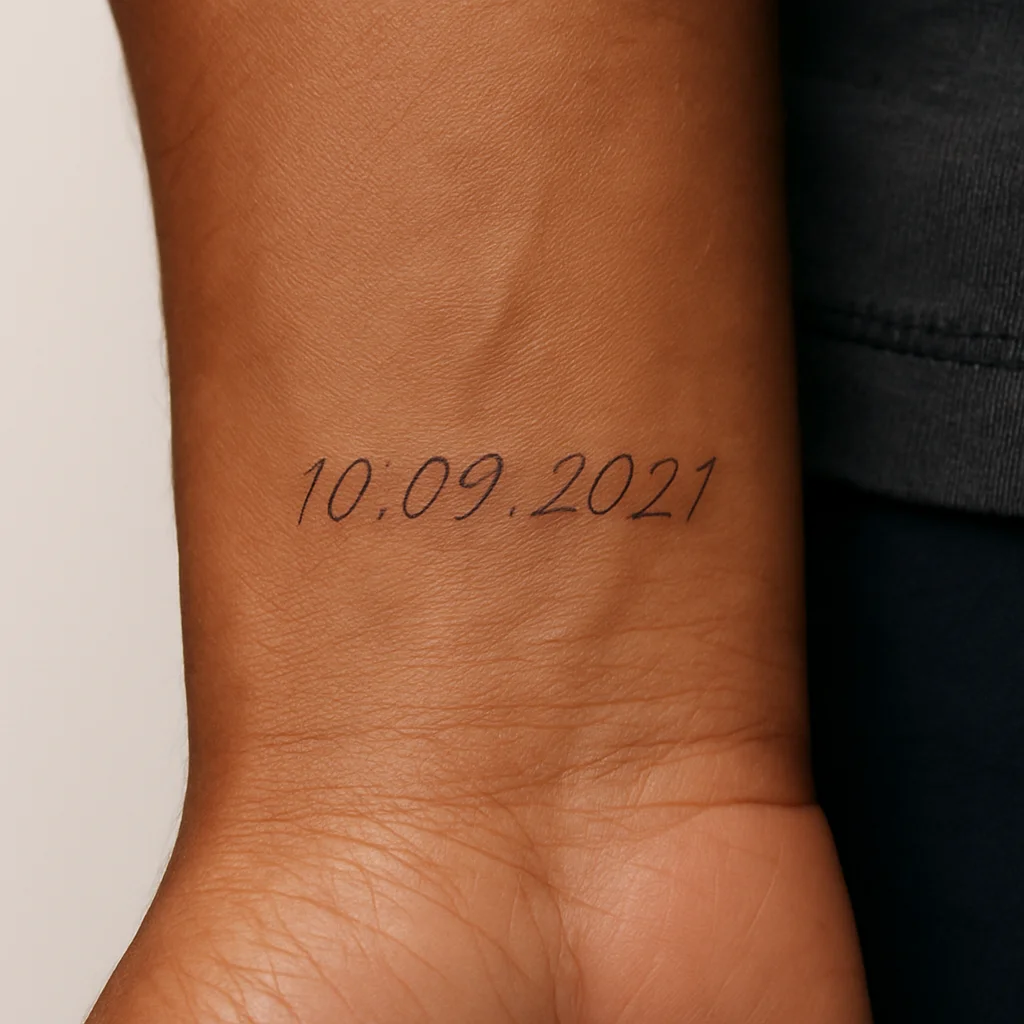
23. A date in the other's hand
Have your father write the son's birth date on paper and have the son write his father's, then swap and ink them. Same idea as Roman numerals but with a human fingerprint on it. Handwriting needs a hair more line weight than it looks like on paper so it doesn't fade into nothing.
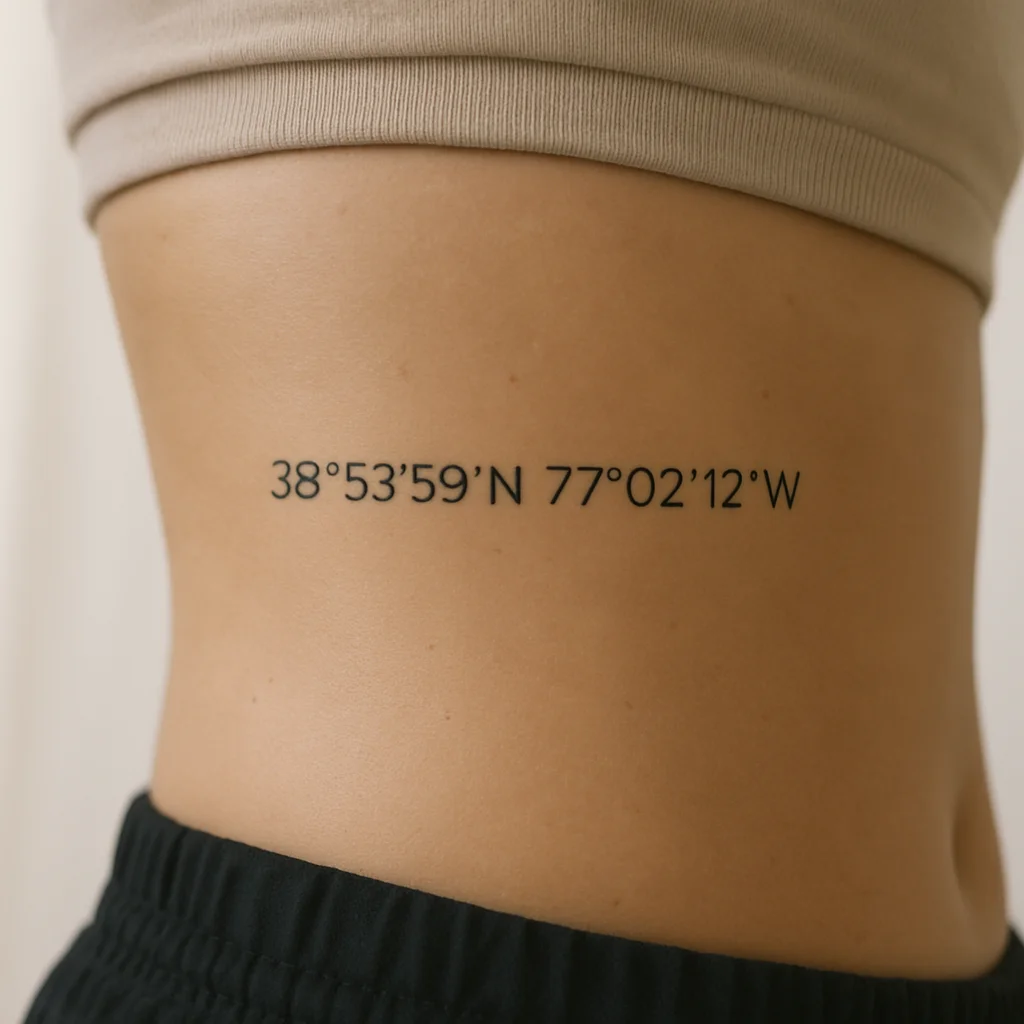
24. Coordinates of the family home
The latitude and longitude of the house you grew up in, or the lake, or the garage, set in matching small sans-serif on the ribcage or inner bicep. Keep it to one line and check every digit on the stencil twice. It's the most private meaning on this list — nobody decodes coordinates on sight.
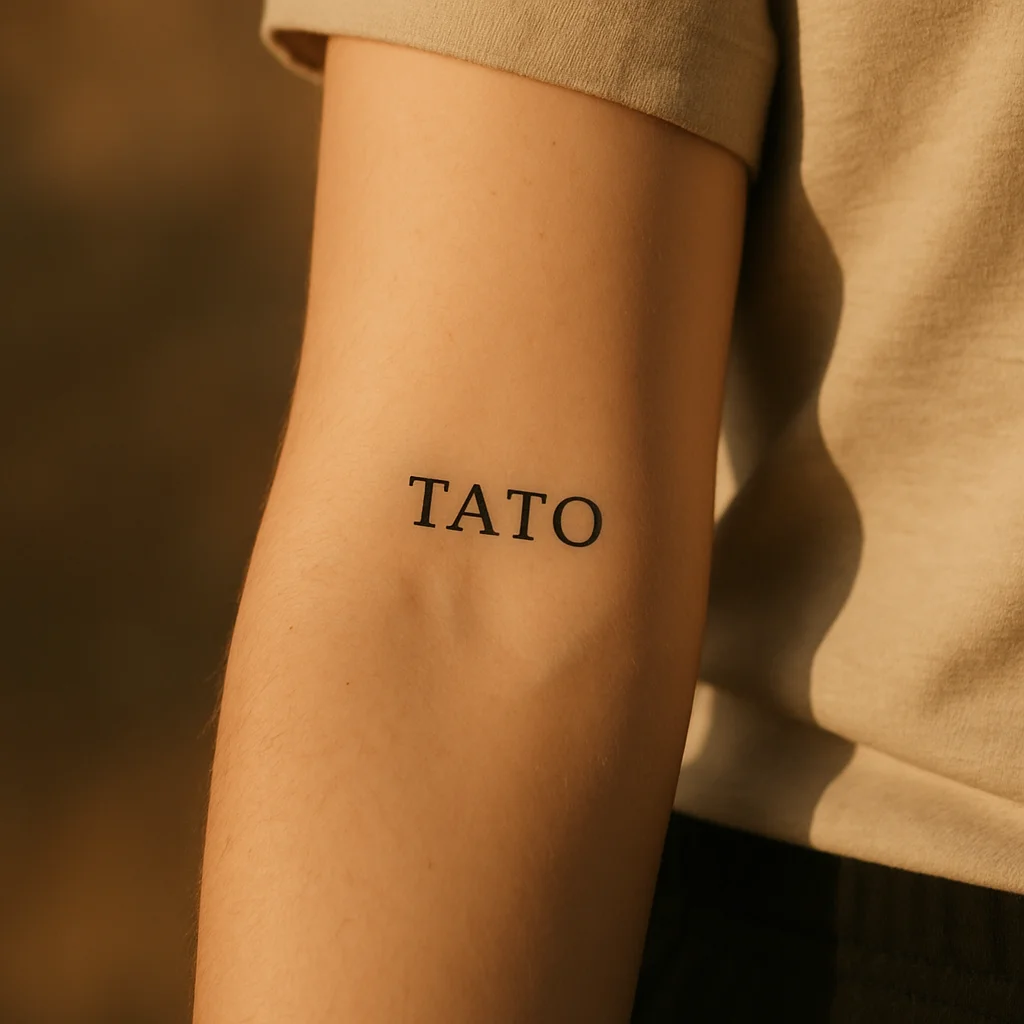
25. A shared motto in small caps
Two or three words you've both said for years: "hold fast", "keep going", "finish it". Inked identically in small caps along the inner forearm, an inch and a half to three inches long, it works as a match without any imagery. Choose a typeface with even stroke weight rather than a thin-and-thick script.
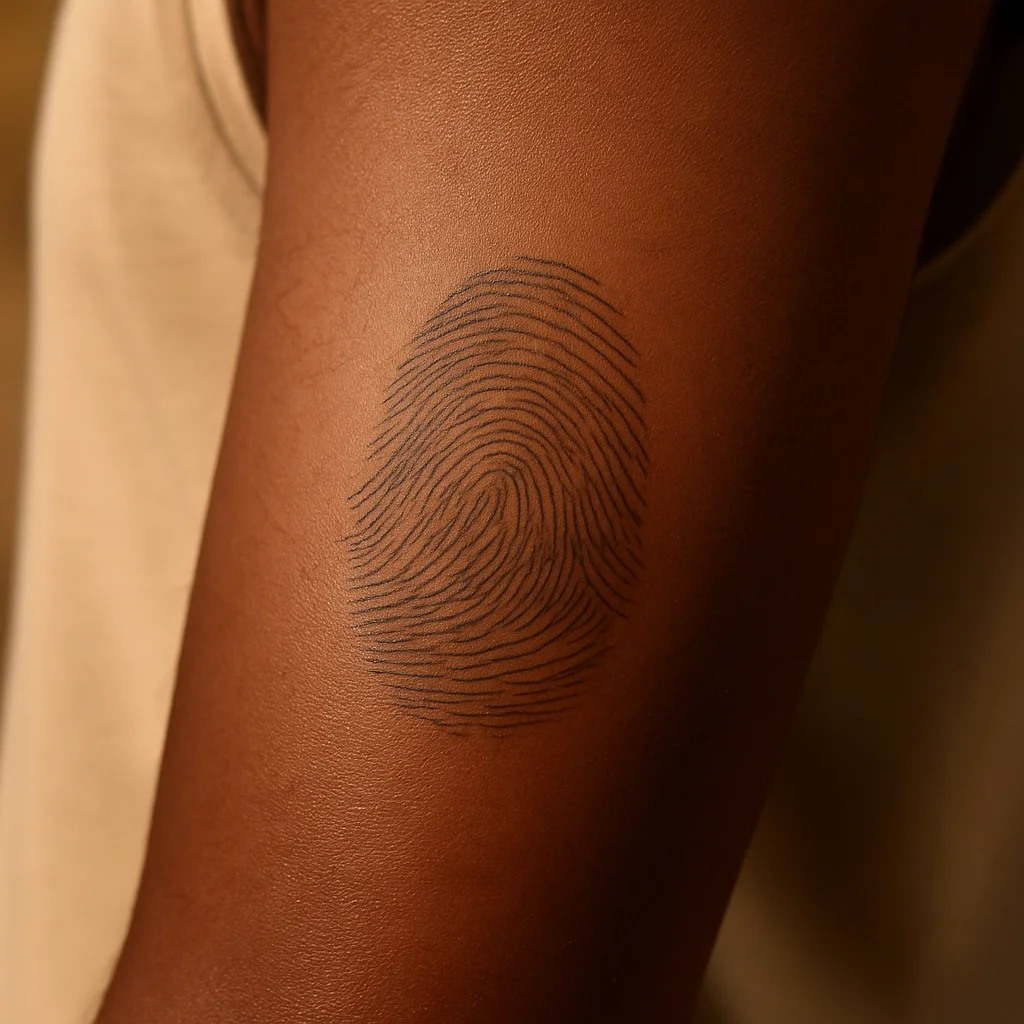
26. Swapped thumbprints
Dad's thumbprint on the son's inner forearm and vice versa, taken with ink on card at the studio and reproduced as loose fine lines. Real prints are too dense to tattoo literally, so ask for a simplified version — an honest interpretation, not a forensic copy. Around an inch and a half is the sweet spot.
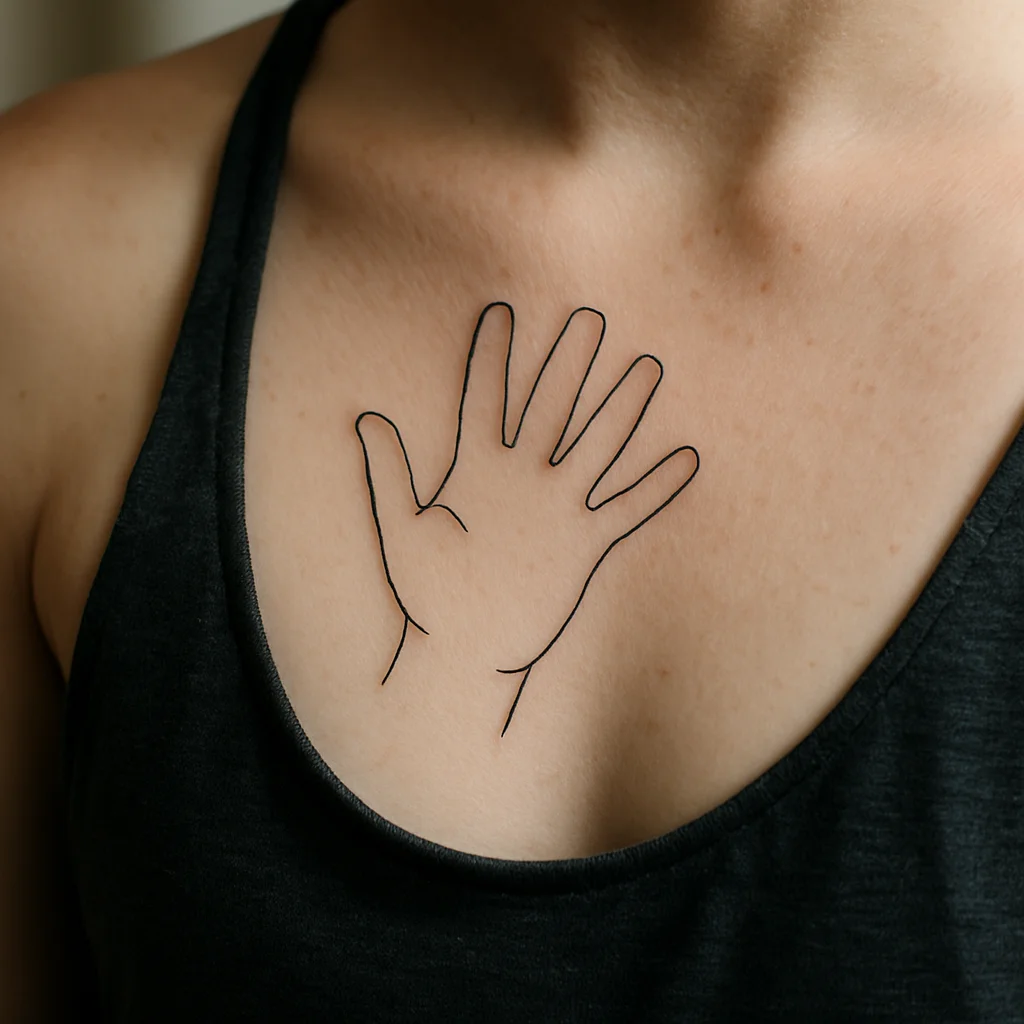
27. A traced hand outline
The son's small hand, traced when he was a toddler, inked as a single outline on the father's chest or upper arm; the father's hand outline on the son's shoulder blade. It's a scaled and written idea at once, and it carries the same weight as any portrait at a fraction of the cost. Simple outlines like this hold their shape for decades.
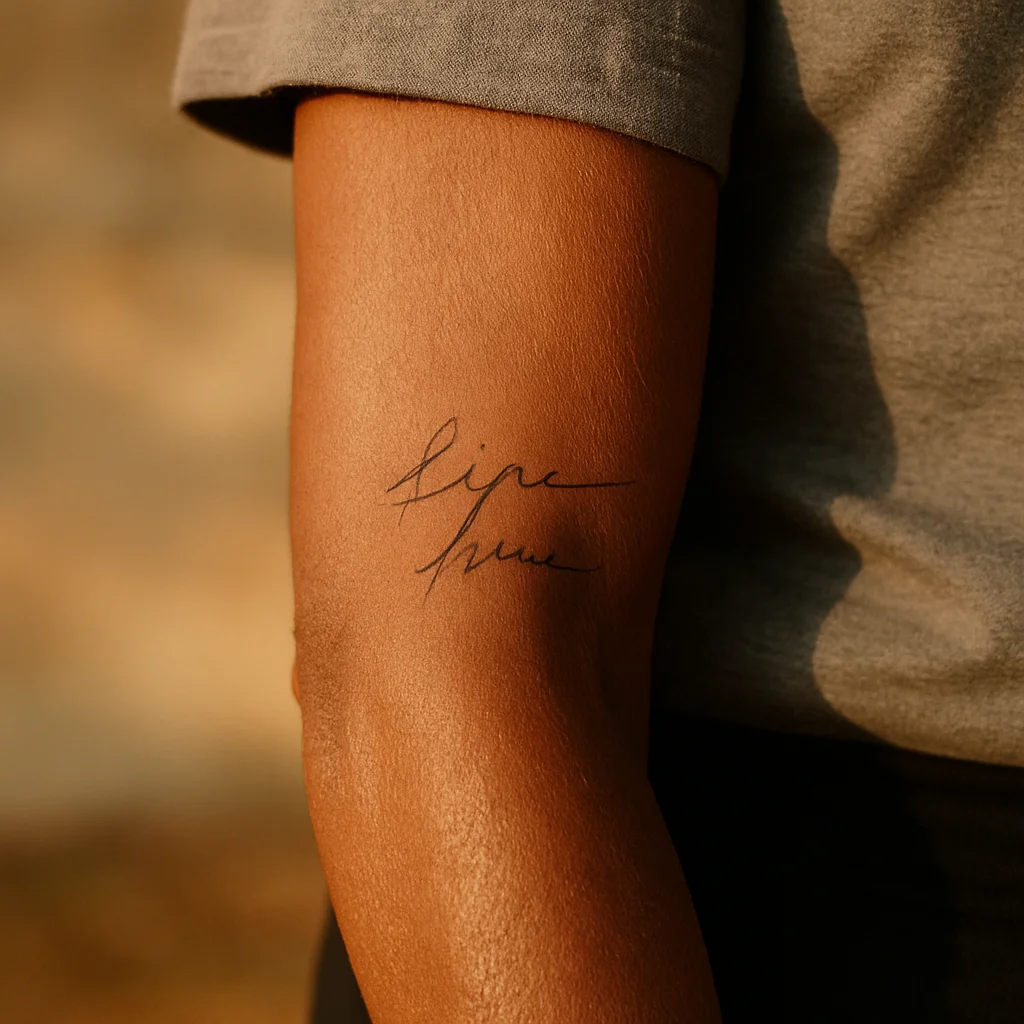
28. Grandfather's handwriting on both
One word or short phrase in your grandfather's hand, inked identically on father and son, so three generations sit in the same two tattoos. If you're building this from a memorial keepsake, our guide to memorial tattoos for dad covers how to work from old letters and cards. Keep both versions the same size so neither reads as the copy.
Choosing Placements for Two Very Different Bodies
A design that looks perfect on a 22-year-old's flat inner forearm can behave differently on a 55-year-old's. Older skin is often thinner and less elastic, and very fine lines can soften and spread a little faster there. The fix is easy and worth asking for directly: have the artist use a slightly heavier line weight on the older skin, and keep interior detail sparse. Both tattoos still read as a pair; one just has a fraction more backbone.
Some placement notes from the chair:
- Outer forearm and upper arm. The most comfortable spots on this list, easy to show or cover, and they hold detail well. Best default for a first tattoo.
- Inner forearm. Ideal for split designs because you can bring both arms together naturally. Slightly more sensitive than the outside, still very manageable.
- Inner wrist and side of the wrist. Sharp and nervy, but short. Great for small identical pieces; watch bands and sun both wear them down over time.
- Ribcage. The most painful option here — thin skin over bone, and breathing moves the canvas. Fine for a determined pair, rough for a nervous first-timer.
- Chest and shoulder blade. Roomy, low-friction, ages slowly, and stays private. Best home for larger scaled pieces.
- Hands and fingers. Charming for a week, then patchy. If you want a hand match, budget for touch-ups.
Whatever you choose, decide together whether the tattoos should be visible to each other when you're standing side by side. It sounds sentimental, but pairs who ink split designs on mismatched limbs — one left, one right — often end up unable to line them up at all. Mirror it deliberately, or match the side.
Booking It Together: Cost, Timing and Aftercare
Book one artist, one appointment, two pieces. It costs less than two separate visits in most shops, the linework will genuinely match, and there's something about sitting in adjacent chairs that makes the whole thing land. Send the reference and the handwriting scan in advance, and ask explicitly for both designs drawn on the same sheet at the same scale.
On money: small matching pieces usually land at or near the shop minimum, commonly in the range of a hundred to a couple of hundred per tattoo in the US and UK, with hourly rates for anything larger typically running from mid-double digits to a few hundred depending on the city and the artist's waiting list. Two small identical pieces in one sitting often come in cheaper per tattoo than booking separately. Deposits are standard and come off the final price, and tipping is customary in North America.
The order of the chair
If one of you is nervous, the calmer person goes first. Watching your dad sit through his without flinching does more for a 19-year-old's nerves than any reassurance. And if the son is under 18, check local law before you book — many places require the tattooee to be 18 regardless of parental consent, and reputable studios will not bend on it.
Healing, both of you
Same routine for both: wash gently with fragrance-free soap two or three times a day, pat dry, and use a very thin layer of ointment or fragrance-free lotion for the first week or two. No pools, lakes, saunas or long soaks for two to three weeks, and keep it out of direct sun until it's fully settled — sun is the single biggest reason fine-line matches fade unevenly. Expect flaking around days four to seven; do not pick it. If one of you works a dusty or physical job, plan the appointment before a couple of lighter days, and think about placement in relation to how long you can realistically sit for the larger of the two pieces.
Frequently asked questions
Can my son get a matching tattoo with me if he's under 18?
It depends entirely on local law. In many US states, the UK and much of Europe, 18 is the hard minimum regardless of parental consent, while a handful of places allow it with a parent present and signing. Call the studio first — a professional shop will tell you straight away and won't make an exception, and any shop that offers to is one you should avoid.
Should we get the exact same tattoo or two halves of one design?
Identical is the strongest visual match and the simplest to price; split designs feel more personal because each piece is your own. If one of you is much more tattooed than the other, split or scaled pairs usually sit better, since the heavily tattooed person can size their half to fit an existing arm. Whichever you choose, use the same artist so the line weight and drawing style match.
How much should two small matching tattoos cost?
Small pieces like a fish hook, a date or a set of coordinates usually land at or just above the studio minimum, often in the range of a hundred to a couple of hundred each depending on the city. Larger scaled work, like a lion head with a matching cub, is billed hourly and can run a few hundred to over a thousand for the pair. Booking both in one sitting is normally cheaper than two separate appointments.
Will handwriting tattoos stay readable over time?
Yes, if they're inked with enough line weight. Very fine reproductions of thin ballpoint strokes can soften and blur, especially on the wrist, hands or older skin, so ask your artist to bump the line thickness slightly while keeping the character of the original strokes. Keeping it out of the sun does more for legibility than anything else.
What if one of us wants it visible and the other doesn't?
That's a normal split, and it's exactly why scaled and written pairs exist. Keep the subject identical and let each person choose placement and size — a four-inch oak on a shoulder blade and a one-inch acorn on an inner wrist still read as a pair to the two people who know. Forcing matching placement on someone with a client-facing job is how tattoos become regrets.
The conversation
No comments yet. Got a thought about these designs? Start us off.
Want to weigh in? Join the community to comment, save designs and try them on your skin.