28 Unique Forearm Tattoos for Women, No Clichés
The forearm is the most-seen panel on your body, so it deserves more than the same three flowers. Here are 28 genuinely unusual forearm designs, grouped by what makes them feel rare, with placement, pain and sizing notes for each.
What the forearm actually gives you to work with
Think of the forearm as four different canvases that happen to share a bone. The inner forearm is flat, pale, low-friction and rarely sun-exposed, which makes it the best surface on the body for fine detail that needs to survive twenty years. The outer forearm curves over muscle, catches daylight constantly and suits bolder shapes and heavier lines. The ulnar ridge (the pinky-side edge) is a narrow vertical strip that reads beautifully as a border or a spine for a long design. And the wrist and elbow ditch are the transition zones: high movement, thinner skin, more sensation.
On pain, be realistic. The outer forearm is one of the easiest places most people ever sit for. The inner forearm is noticeably sharper, especially the soft strip near the wrist and the crease of the elbow, but sessions there are short enough that it rarely becomes a problem. Nothing on the forearm approaches ribs or sternum territory.
Sizing is where people misjudge. A palm-sized design floats awkwardly in the middle of a forearm; either commit to a panel that runs a good stretch of the limb, or place something small deliberately off-centre so the empty skin looks intentional. As a rough guide, expect small pieces to land in the low hundreds, a detailed half-forearm panel to run a few hundred to over a thousand depending on your artist's day rate, and anything wrapping the full circumference to need multiple sessions. Always ask for the rate structure before the design conversation.
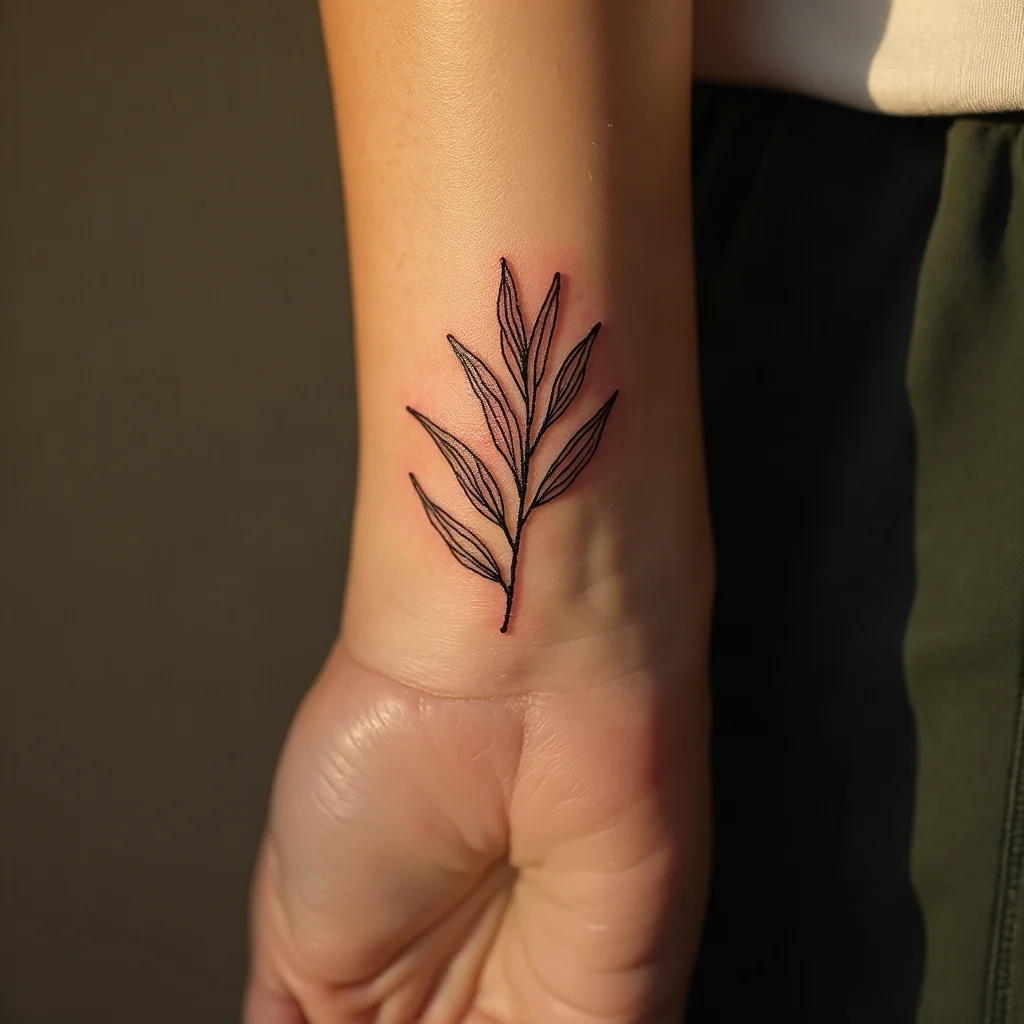
One aging note worth repeating: hairline single-needle work holds up best on the inner forearm and softens fastest on sun-facing skin. If you want delicate linework on the outside of the arm, ask for slightly thicker lines and commit to sunscreen.
Subjects you almost never see on a forearm
Uniqueness usually starts with the subject. These are motifs that carry visual interest and personal weight without joining the rose-and-moth queue.
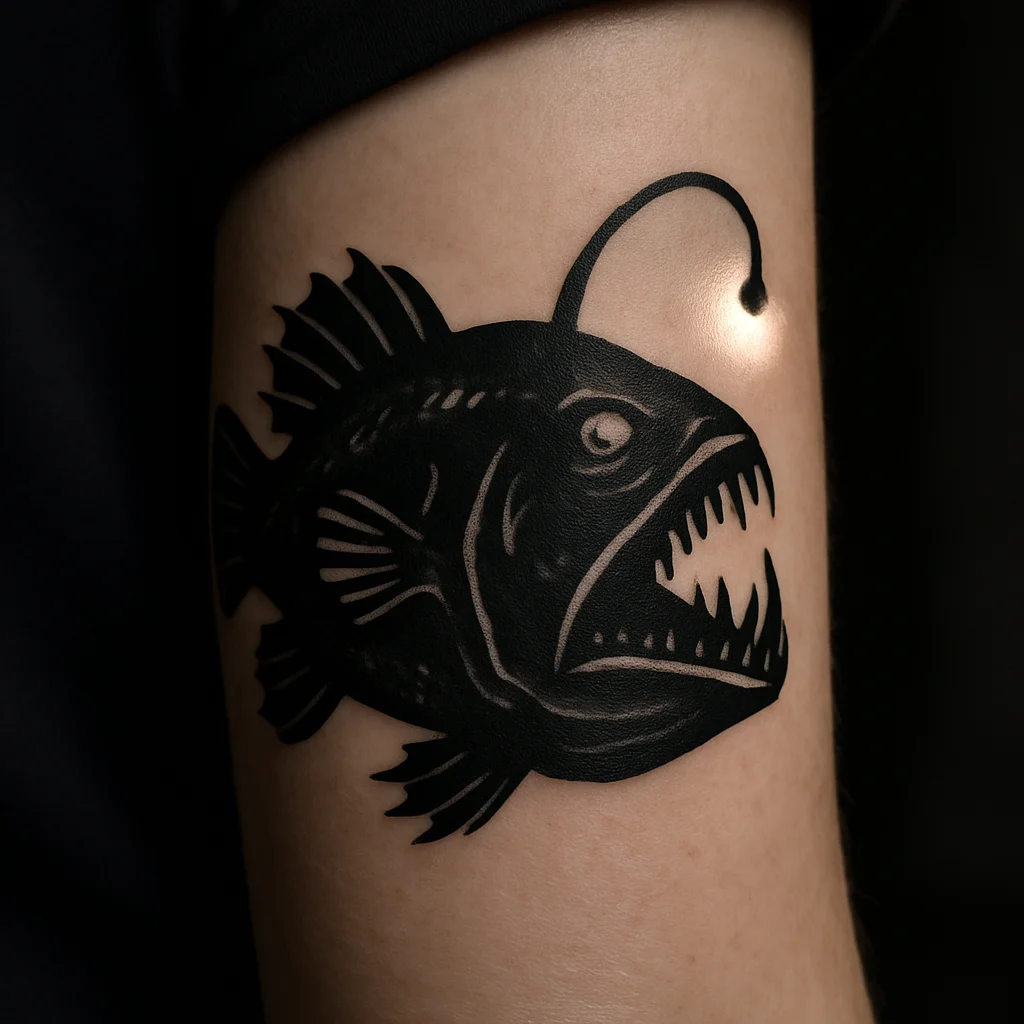
1. Deep-sea anglerfish with a lit lure
All those spines, teeth and translucent fins are made for heavy blackwork with a small pocket of glow left as bare skin around the lure. It suits the outer forearm at roughly hand-length, where the curve of the muscle gives the body a natural arc. Best for someone who wants strange rather than pretty, and it ages exceptionally well because the design leans on solid black shapes.
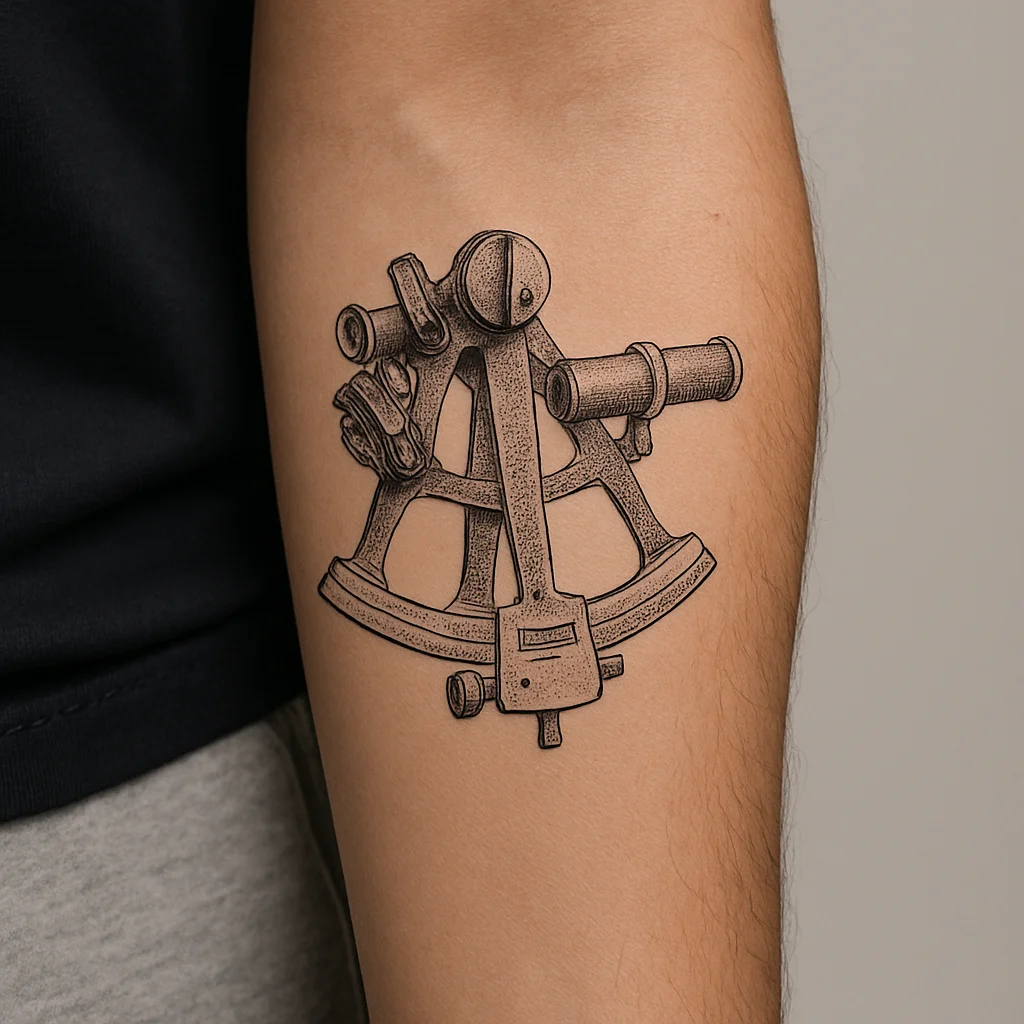
2. Antique sextant or brass navigation instrument
Instead of a compass rose, ask for a real instrument with its arc, mirror and screws drawn from a reference photo. Fine-line with light stipple shading on the inner forearm reads like an engraving from an old catalogue. Keep it at least twelve centimetres tall so the small brass details do not blur into each other over time.
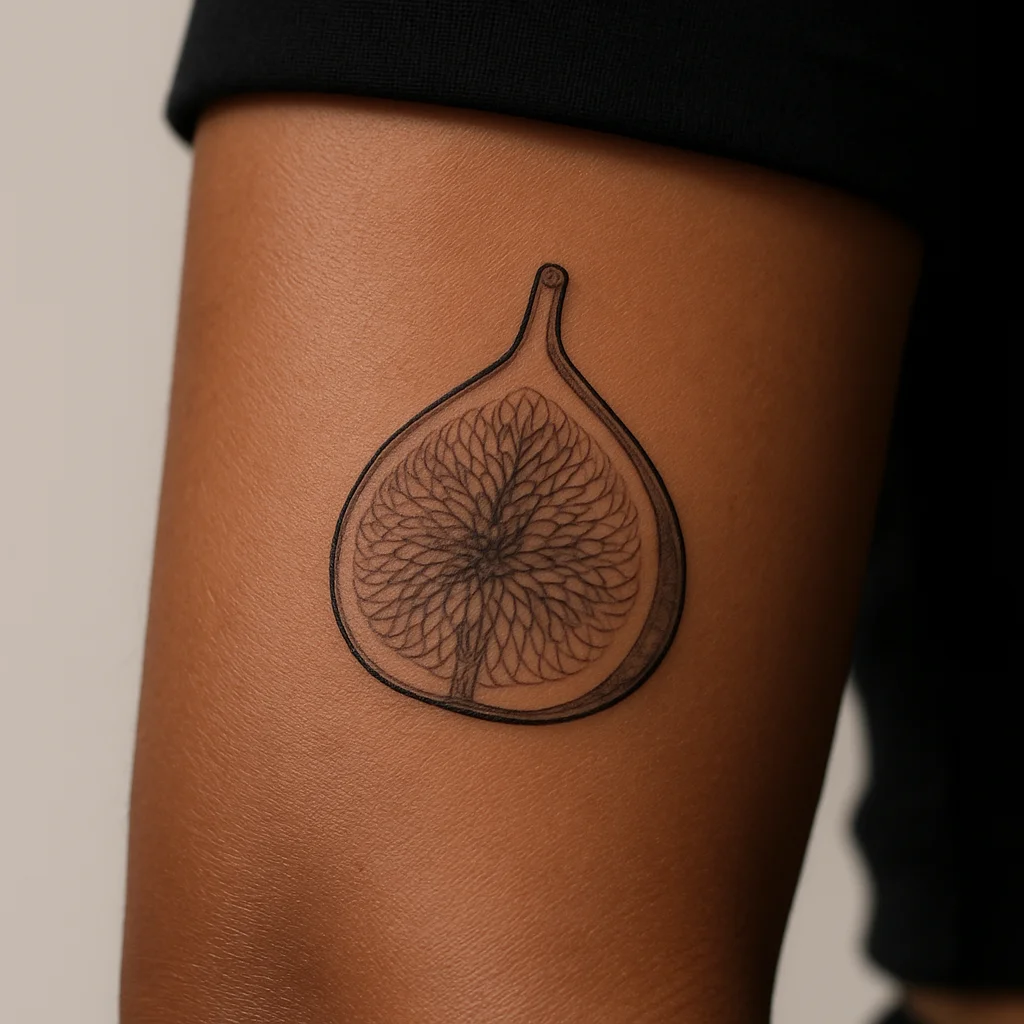
3. A fig sliced open
The seed pattern inside a halved fig is dense, organic and instantly recognisable, and it carries quiet symbolism about fertility and ripeness without spelling anything out. Fine-line with a soft grey wash for the flesh works well low on the inner forearm near the wrist. A small piece, palm-width at most, that pairs nicely with a second fruit half further up the arm later.
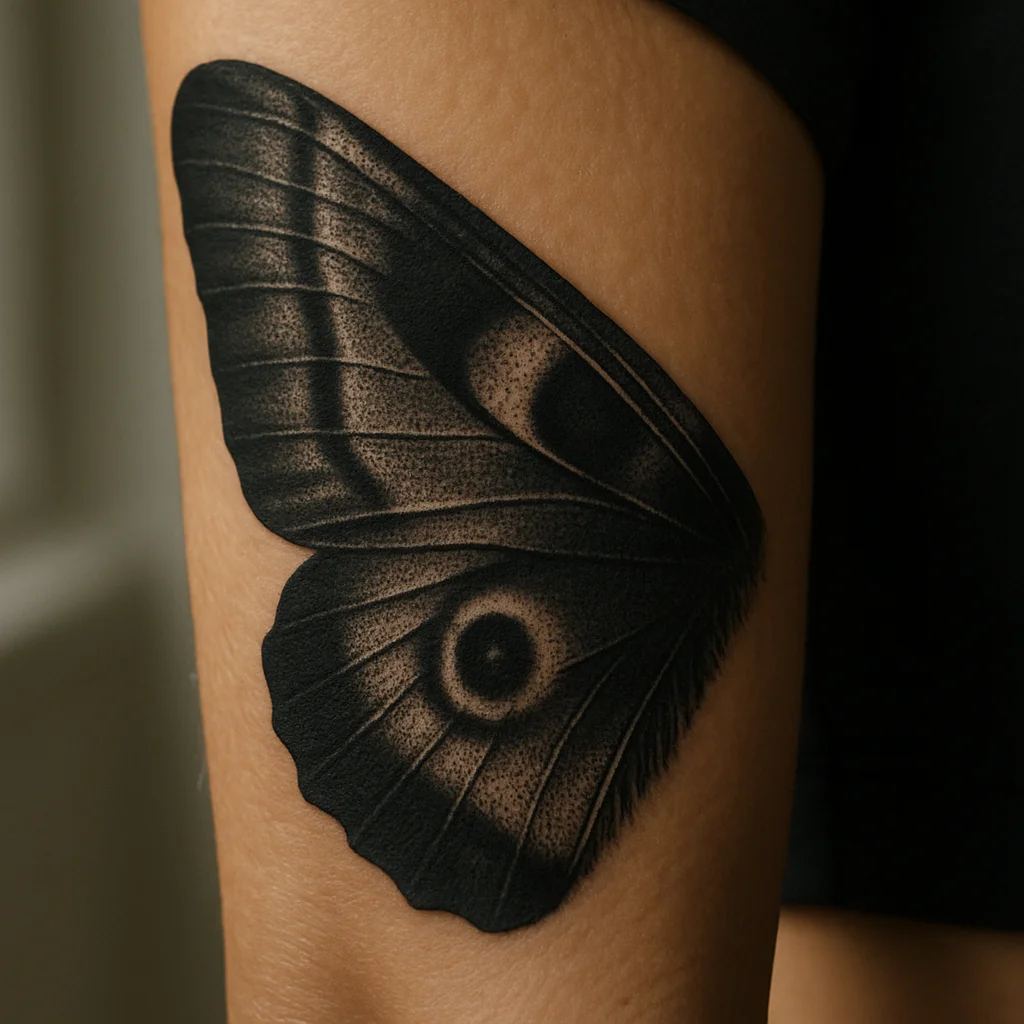
4. A single moth wing, drawn at macro scale
Not a whole moth. One wing, cropped so the scale texture and eyespot fill the frame like a scientific plate. Blackwork with dense stippling suits the outer forearm and reads as abstract texture from a distance, which is exactly the appeal. Give it real size, roughly the length of your forearm's widest third, or the texture collapses.
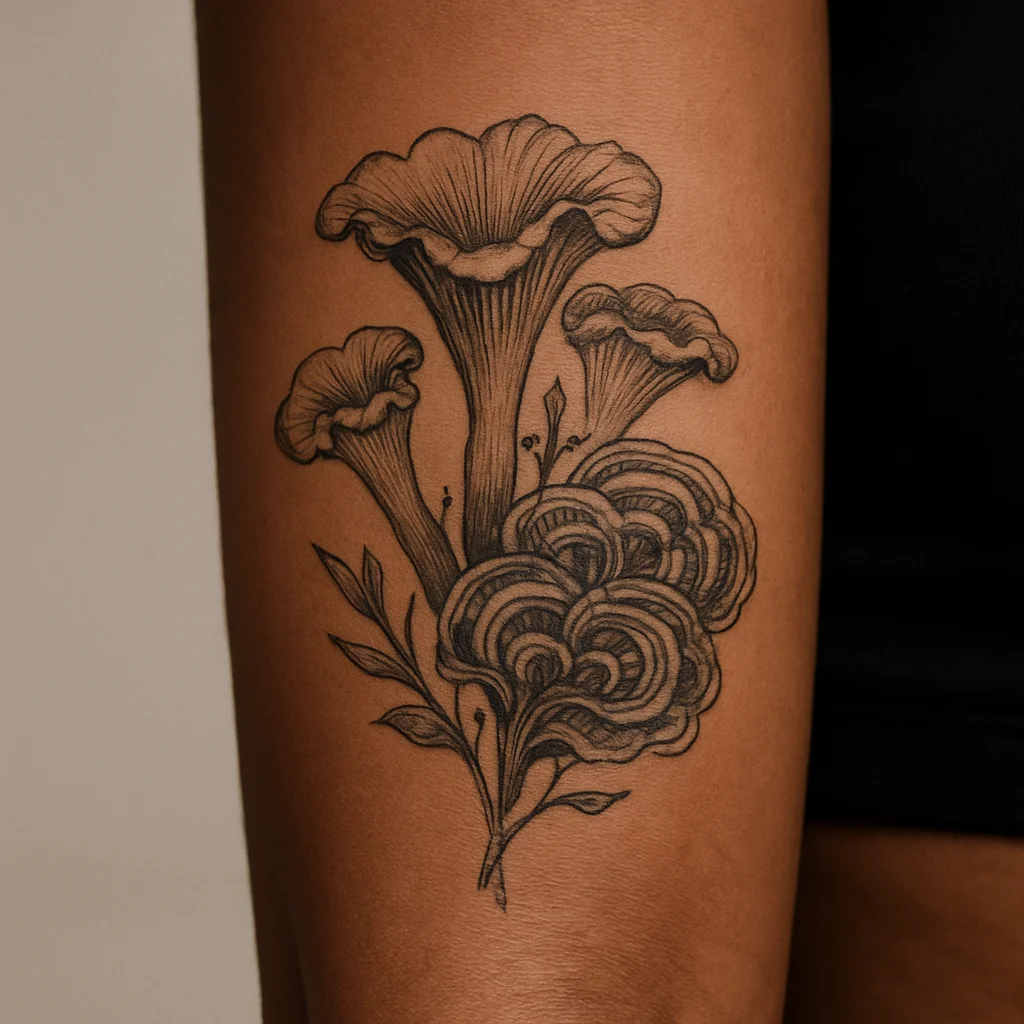
5. A cluster of foraged fungi
Chanterelles, turkey tail brackets or shaggy inkcaps drawn as a botanical study bring a woody, unglamorous beauty most flower tattoos miss. Illustrative linework with hatched gills on the inner forearm lets the caps stack vertically. Ideal for hikers and foragers, and forgiving to age because the shapes are chunky.
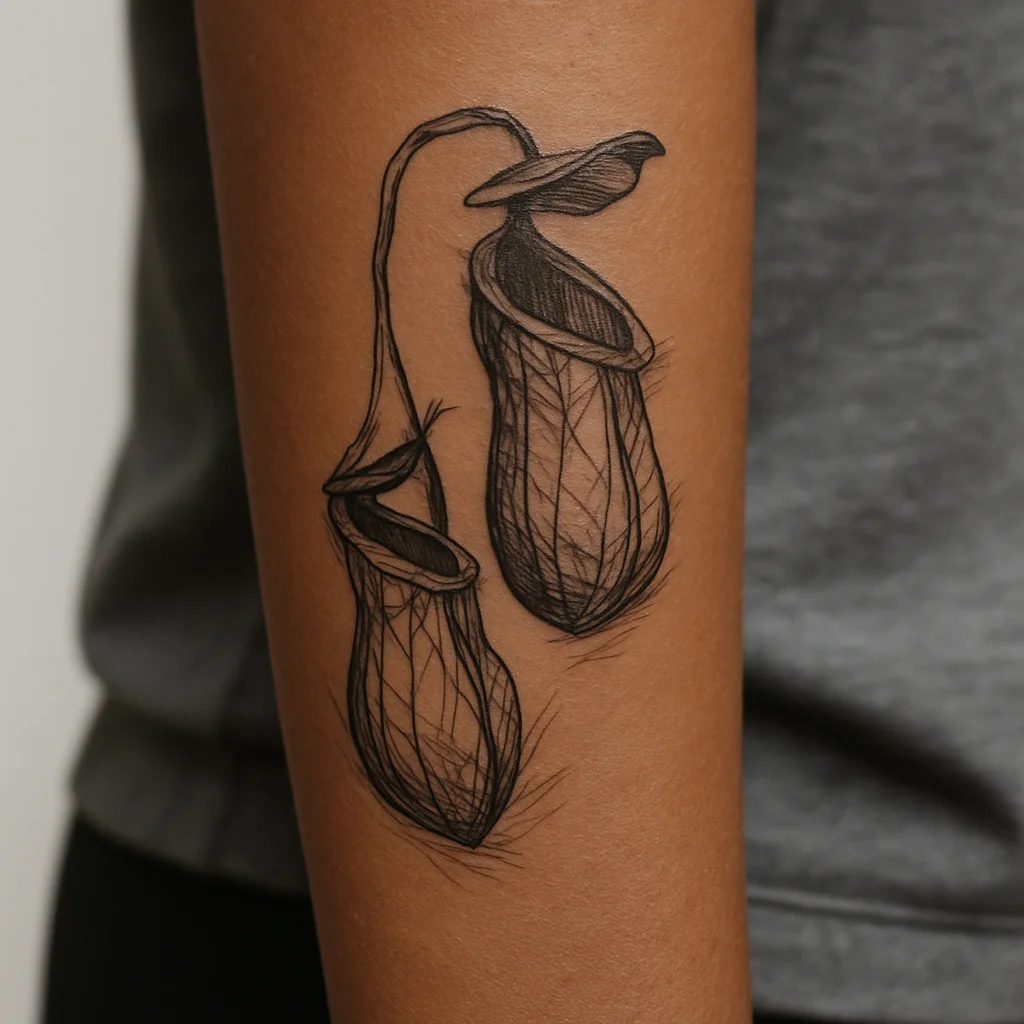
6. A pitcher plant, mid-digest
Carnivorous plants give you the botanical elegance and a hint of menace. Ask for one or two hanging pitchers with veined bodies and an open lid, drawn illustratively so the tubes wrap the outer forearm and follow the muscle. Around fifteen centimetres of length is enough to show the interior detail.
7. Nautilus shell in cross-section
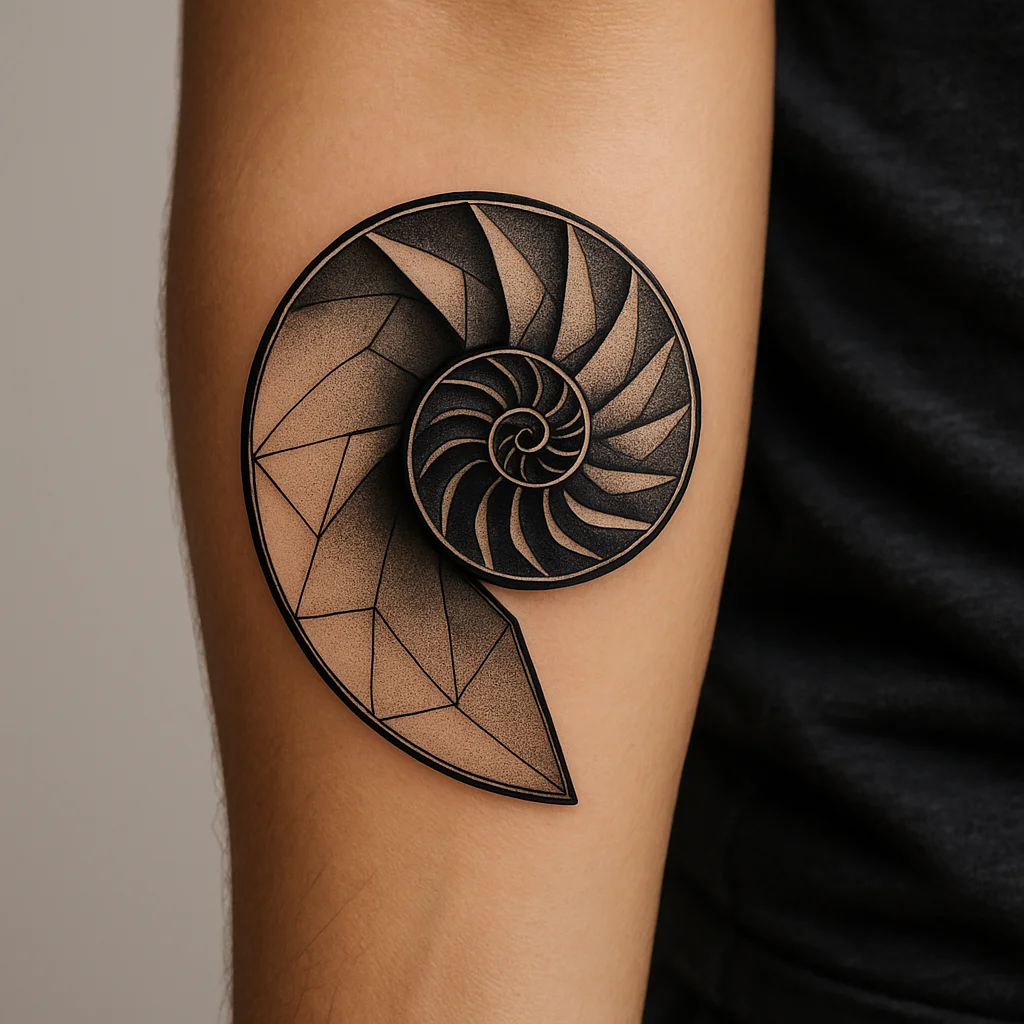
Cut open, a nautilus reveals chambers that spiral in perfect proportion, which makes it a geometric subject that never looks like clip art. Clean lines with a few shaded chambers sit well on the outer forearm just below the elbow. It suits anyone drawn to maths and nature at once, and works at medium size, roughly the width of your palm and a half.
Compositions that use the shape of the arm
Two people can get the same motif and only one tattoo will look custom. The difference is almost always composition, how the design answers the cylinder it lives on.
8. A single stem that spirals wrist to elbow
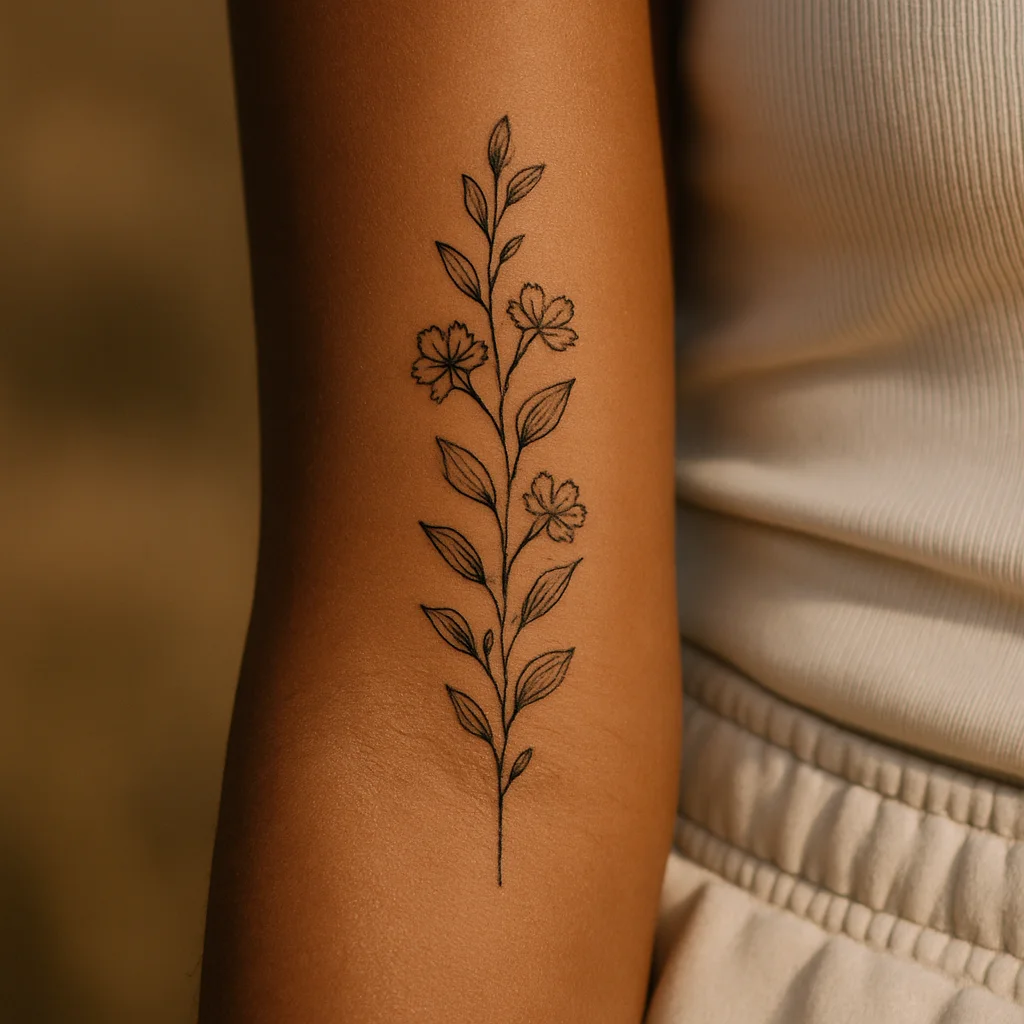
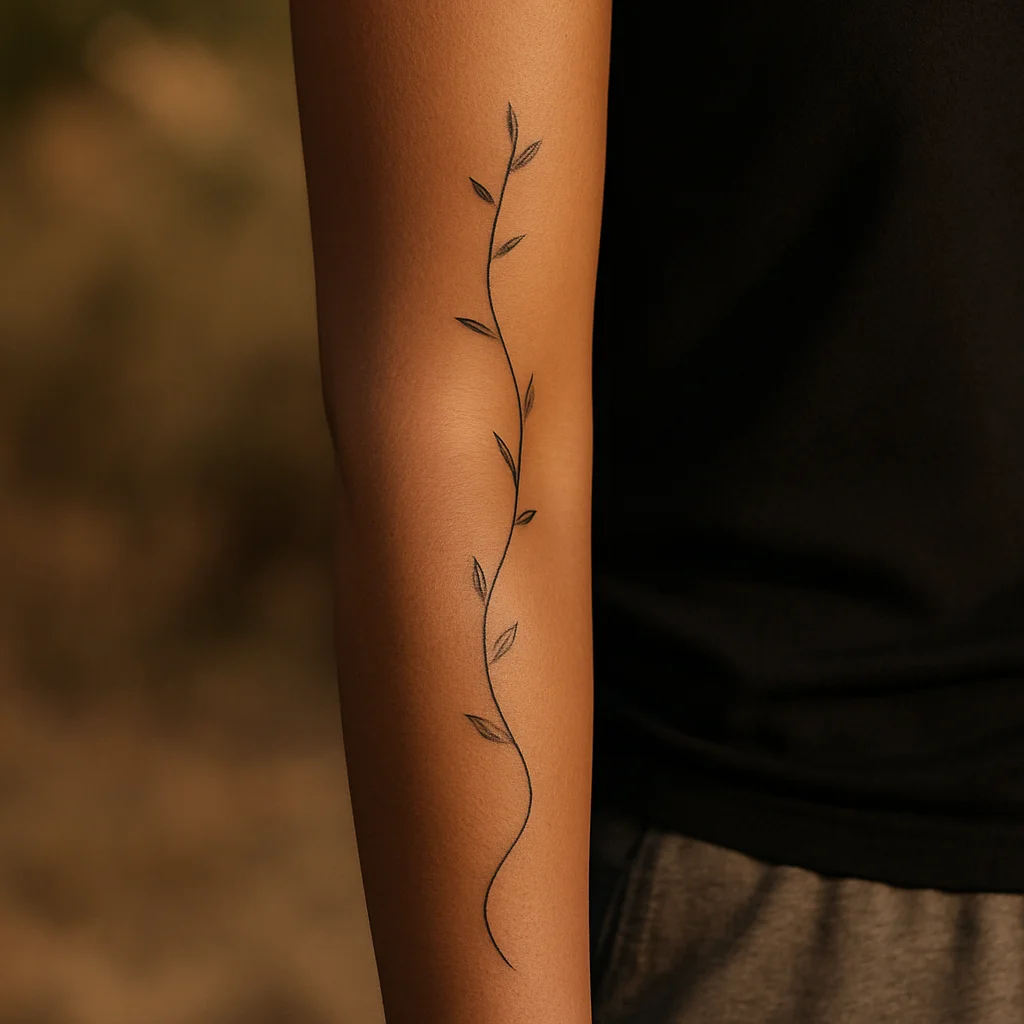
Rather than a straight vertical vine, ask for one stem that corkscrews around the arm so it disappears and reappears as you turn your wrist. Fine-line with a few leaves anchoring the visible passes keeps it readable. This needs a stencil session with your arm both relaxed and raised, because the spiral pitch changes as the forearm rotates.
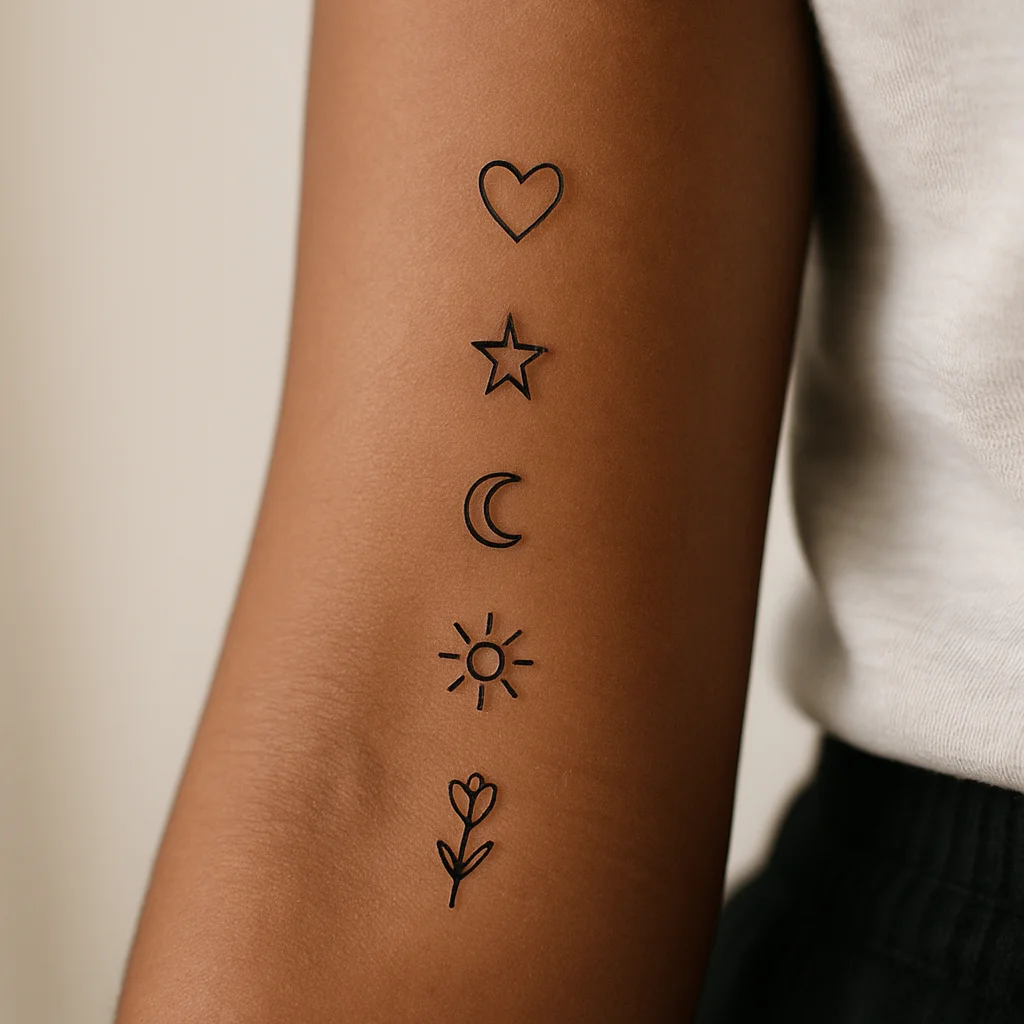
9. A vertical stack of small symbols
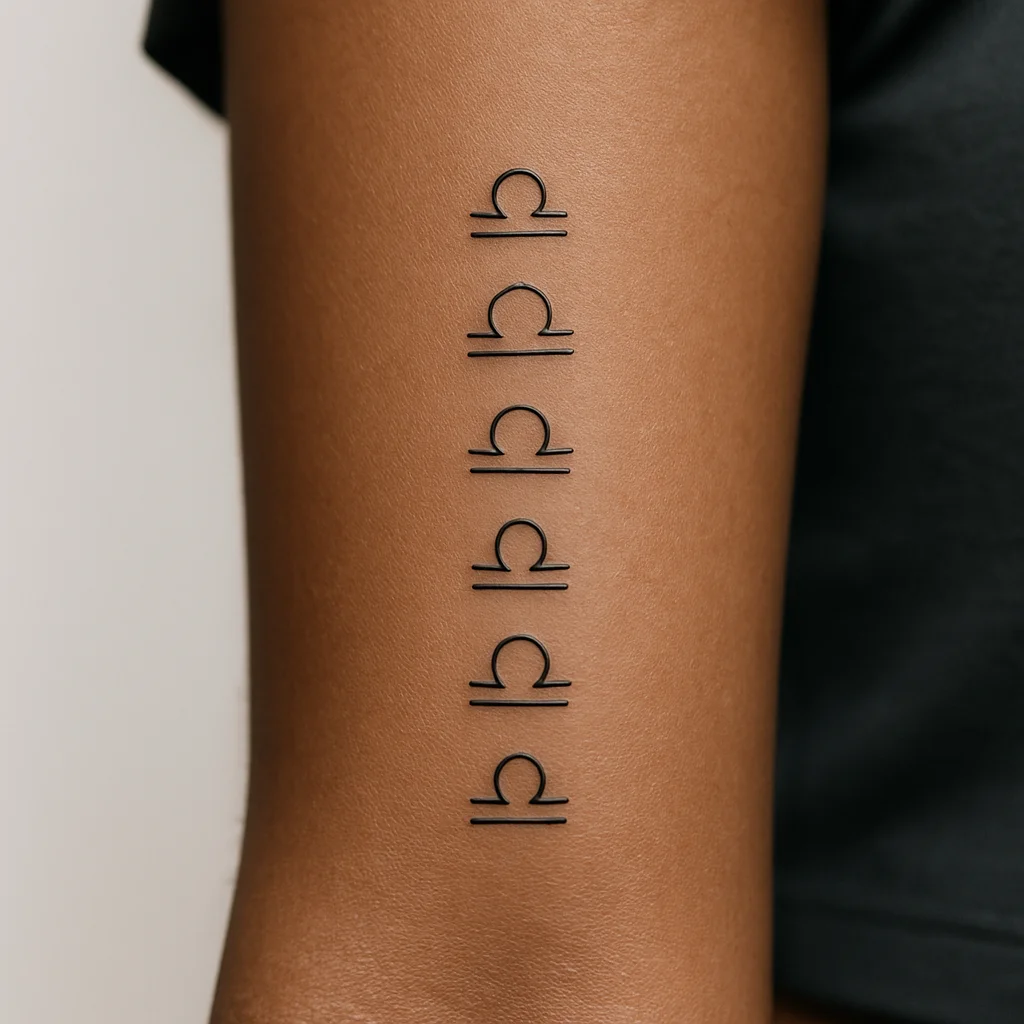
Five or six unrelated icons of your own choosing, aligned on one centre line down the inner forearm with even gaps, read like a totem or a spine of a book. Keep every element in the same line weight so the stack looks designed rather than collected. It also lets you add one symbol per year without breaking the layout.
10. A narrow band riding the wrist edge
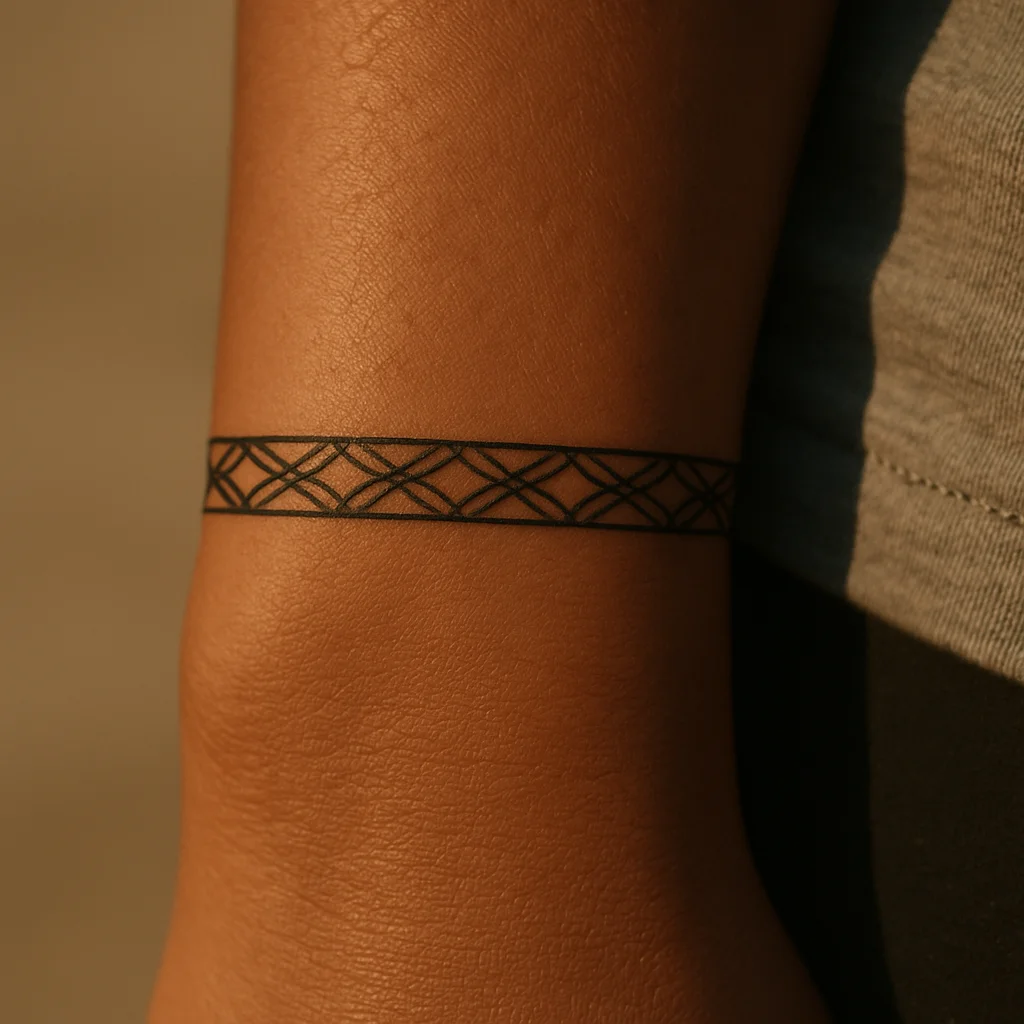
Instead of a full bracelet, run a repeating micro-motif, tiny arrowheads, seed shapes, dashes, along just the top two-thirds of the wrist so the tender inner side stays clear. Minimalist and about a centimetre deep, it works with watches and reads as jewellery. Expect a quick, sharp session and slightly faster fading on the moving edges.
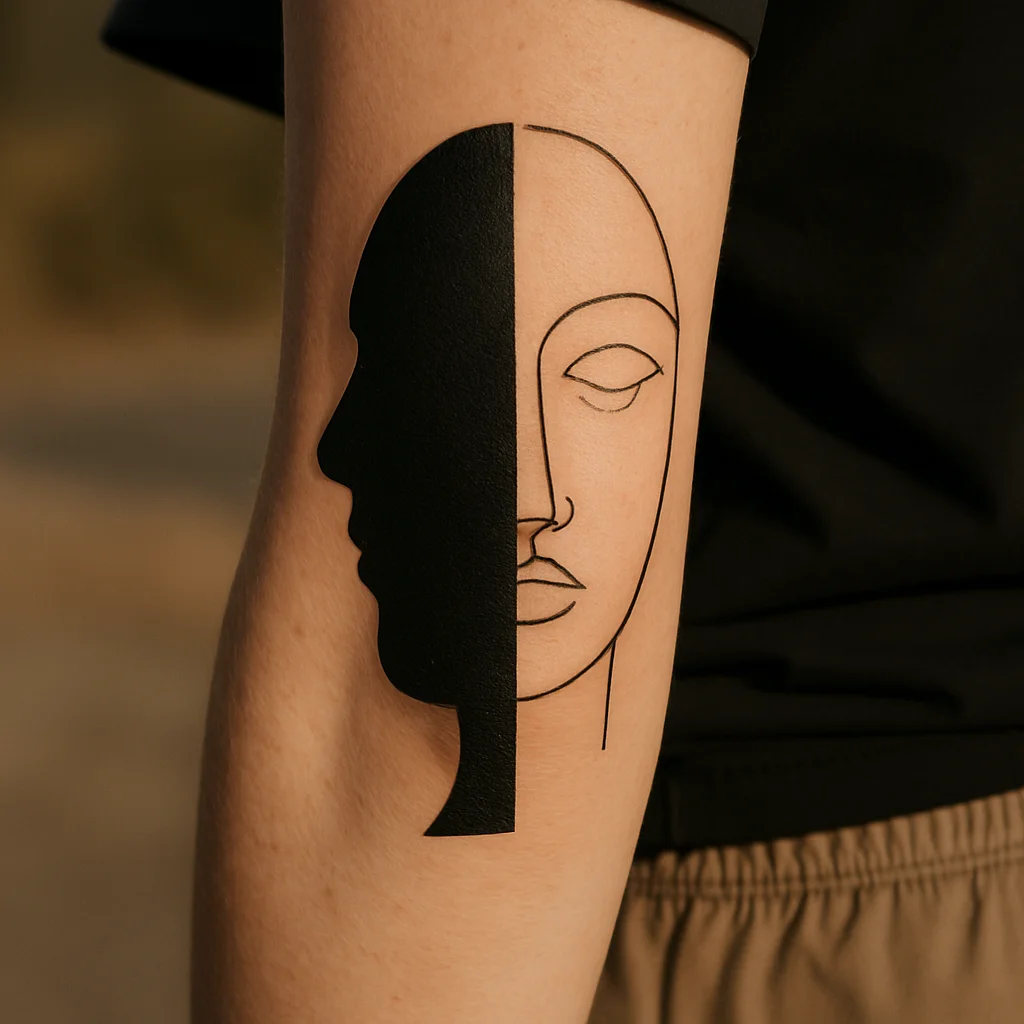
11. A design split along the ulnar ridge
Use the pinky-side edge as a hard border: heavy blackwork on the outer face, delicate fine-line on the inner face, meeting in a clean seam. It is a striking way to hold two moods in one tattoo, and the ridge makes the join look intentional. Requires an artist confident with straight lines over a curve.
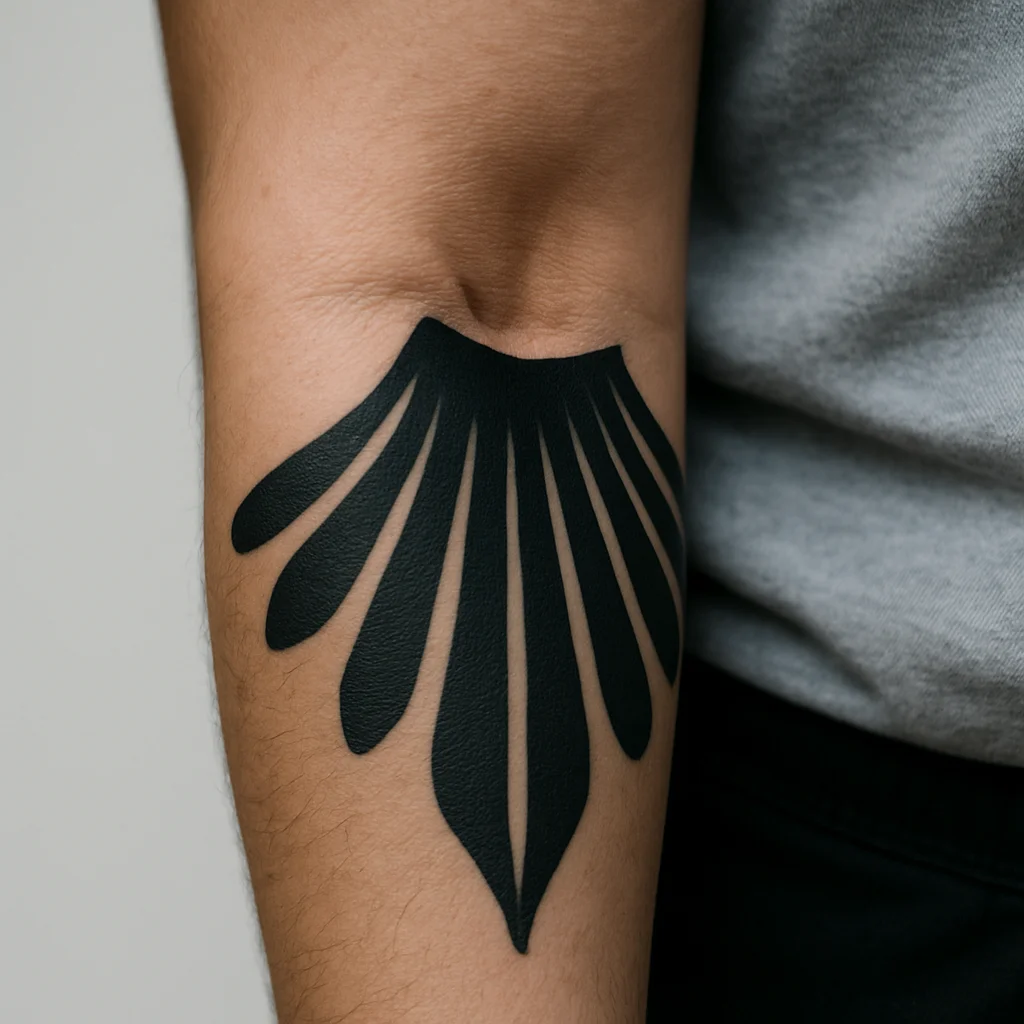
12. Something radiating out of the elbow ditch
Ornamental rays, feathers or petals fanning down from the crease give a top-heavy composition that mirrors how the arm actually tapers. Blackwork holds up best here because the ditch stretches. Ask for the highest detail to sit below the crease, not in it.
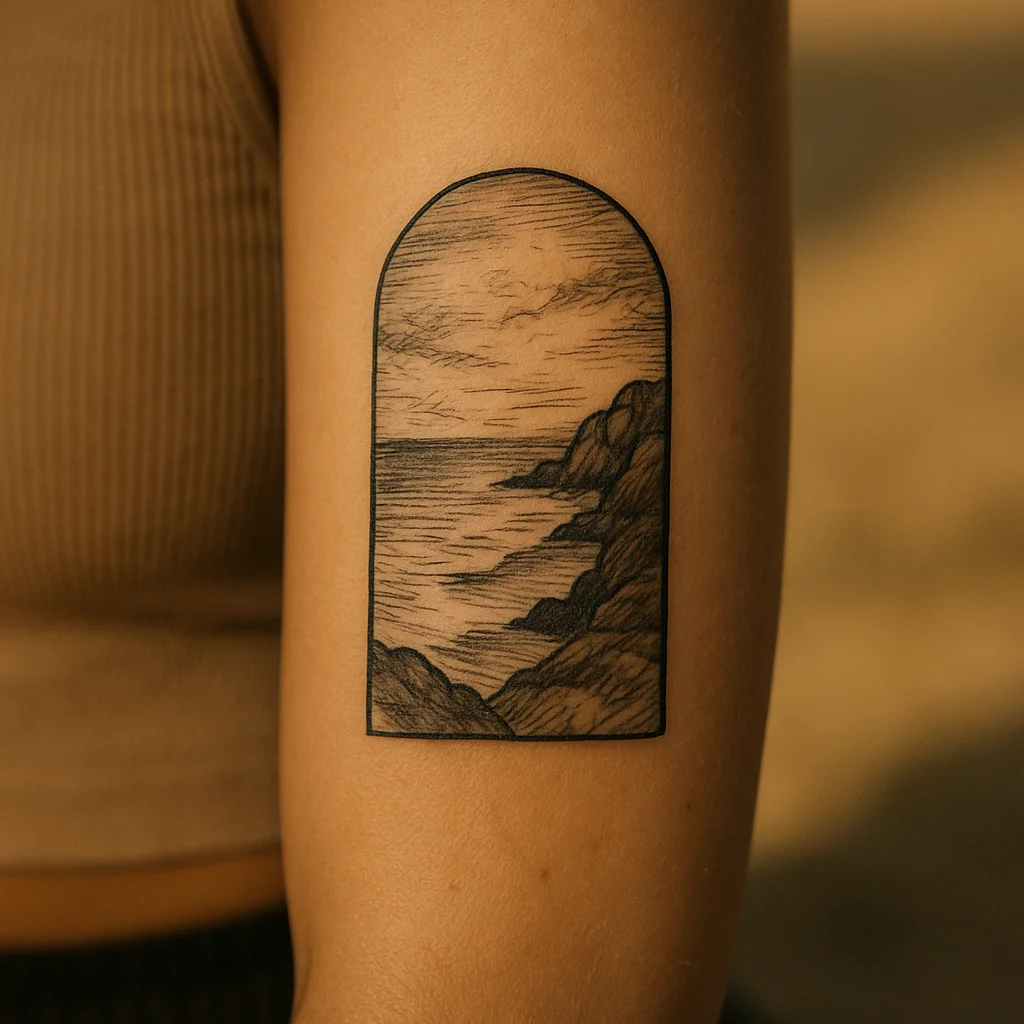
13. One framed window panel
Draw a thin rectangular or arched border on the inner forearm and let the scene inside crop like a photograph: a slice of coastline, a hand, a partial figure. The frame does the styling work, so the interior can stay simple. Sized roughly ten by eighteen centimetres, it reads instantly and gives you a hard edge to build around later.
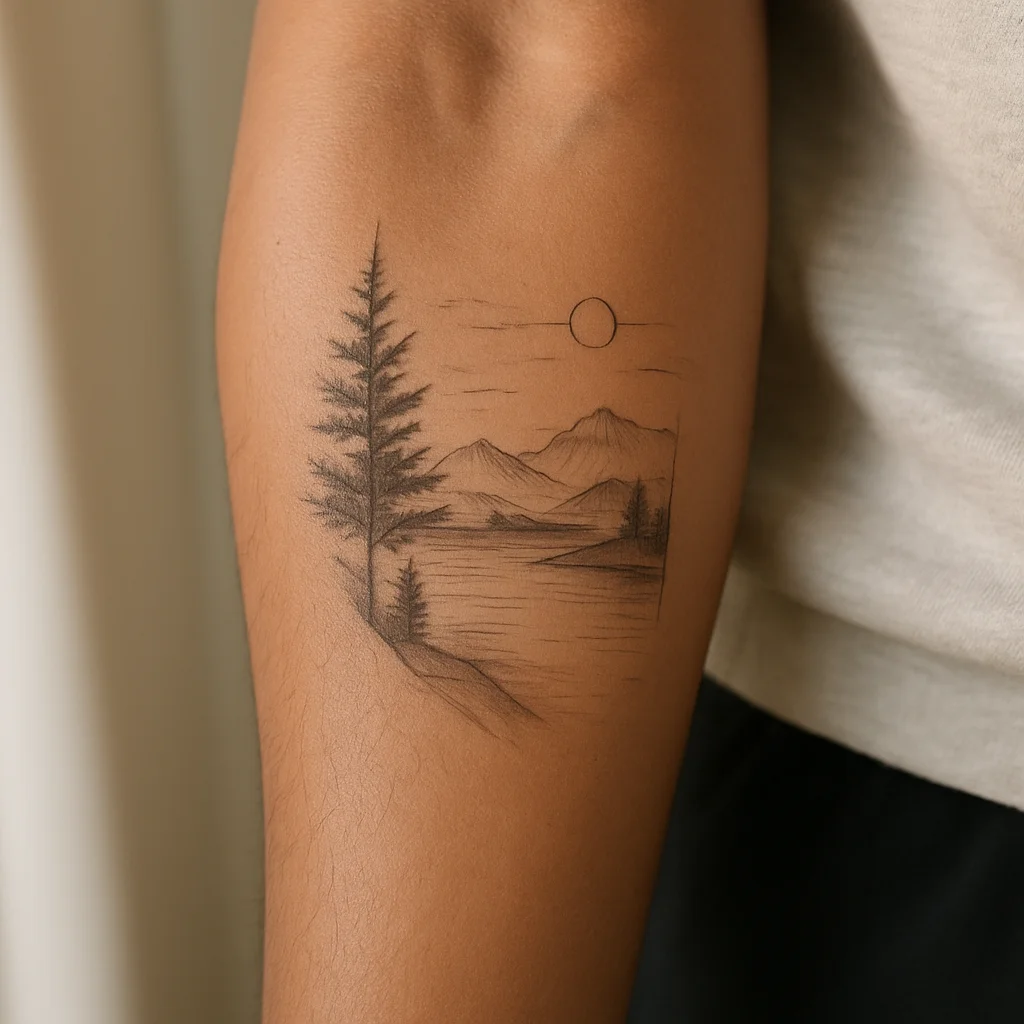
14. A two-arm diptych
Design a piece that only completes when your forearms rest side by side, half on each inner arm: two halves of a landscape, a split figure, a sentence broken mid-word. It is genuinely uncommon and hugely satisfying in photos. Plan both stencils in one appointment, even if you tattoo them in separate sessions.
Style mash-ups and techniques you rarely see side by side
If your subject is familiar, make the rendering the unusual part. These pairings are where most of the truly distinctive forearm work happens right now.
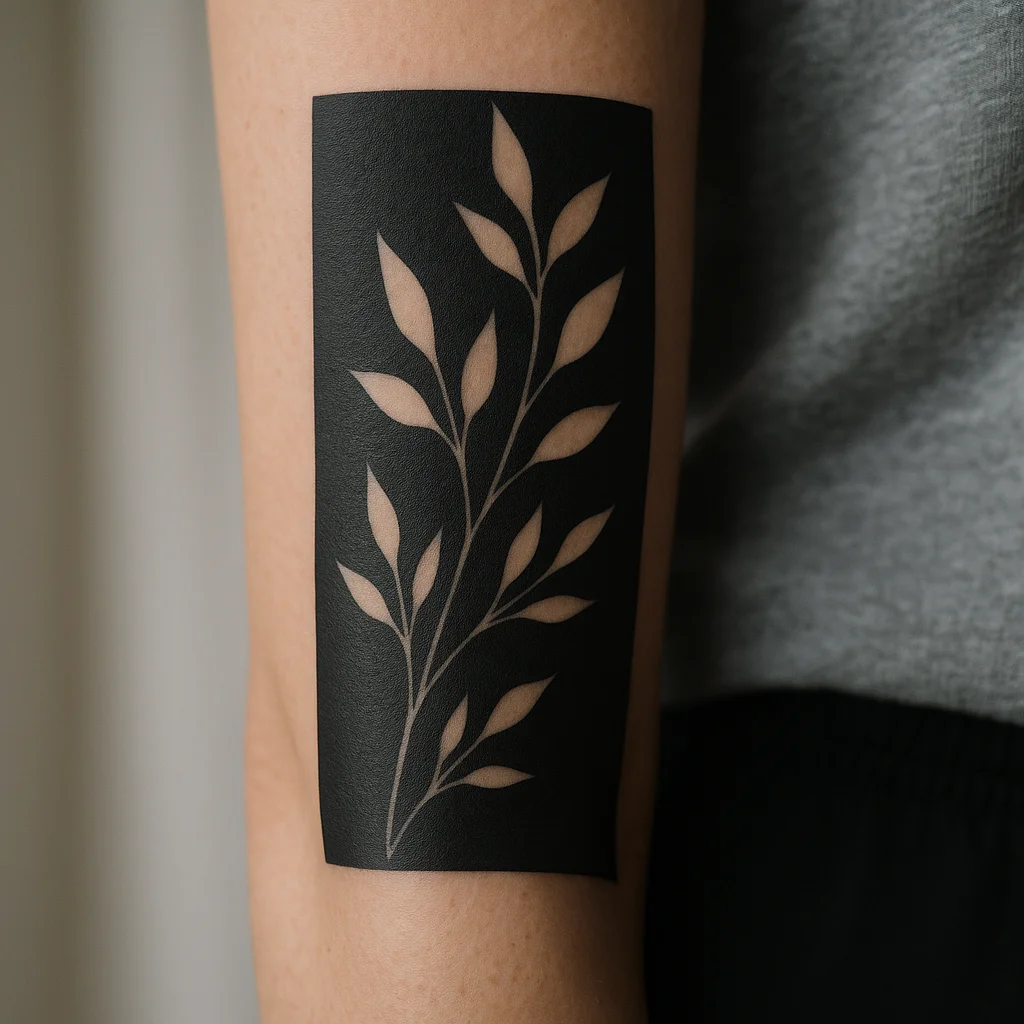
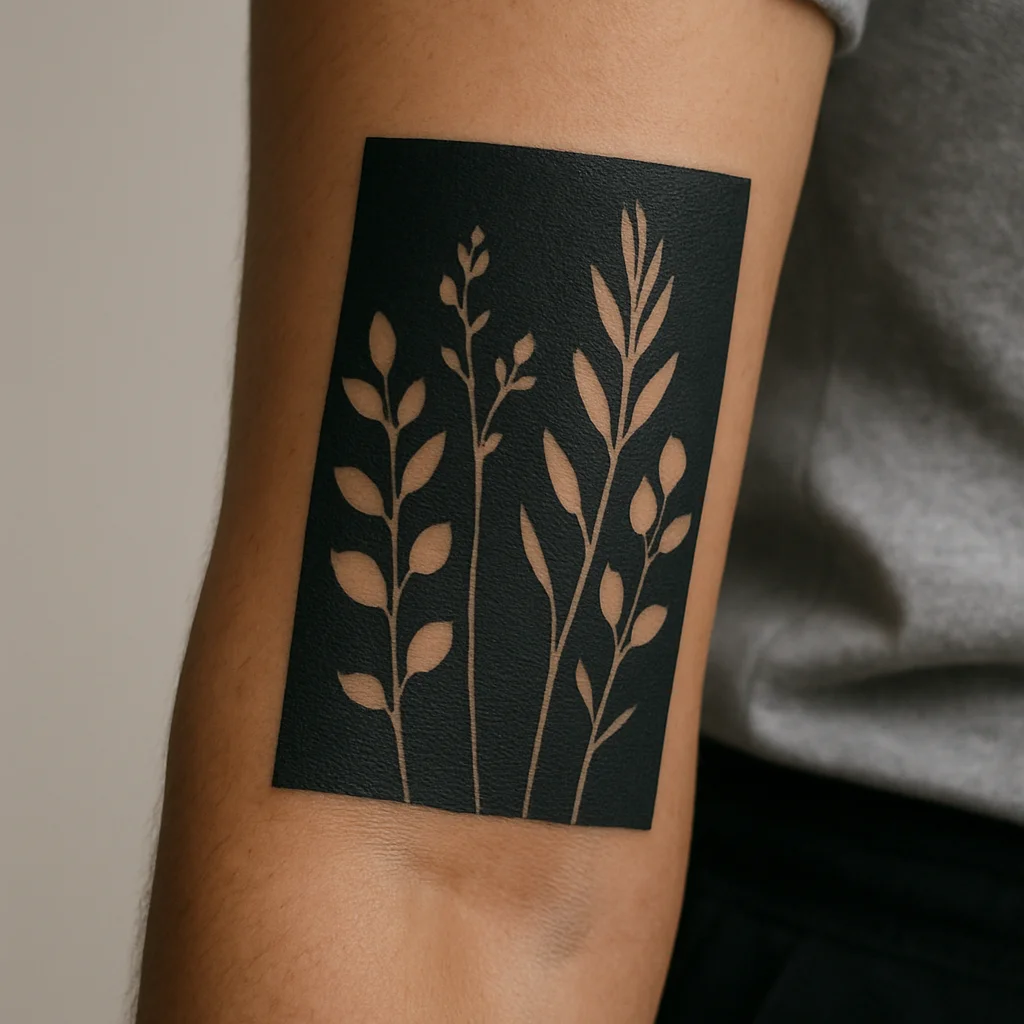
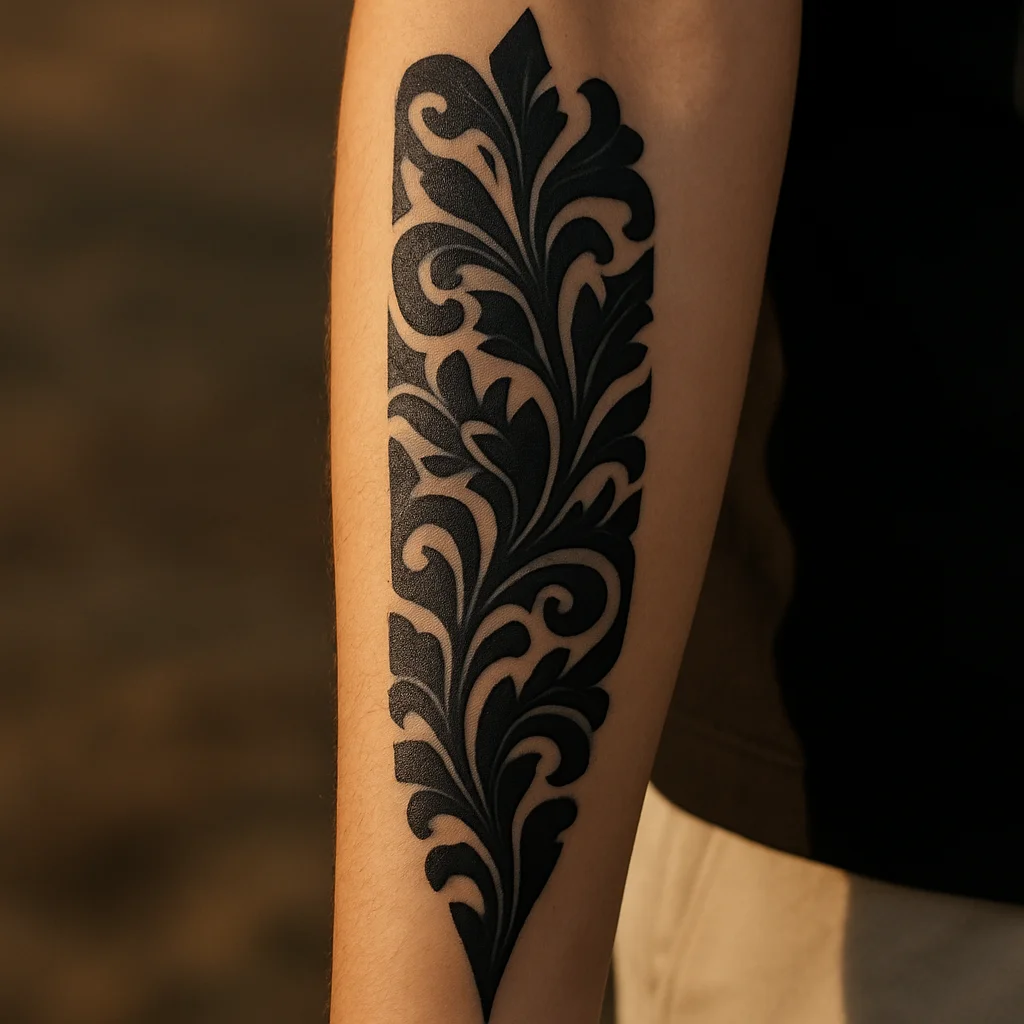
15. Fine botanicals cut out of a solid black block
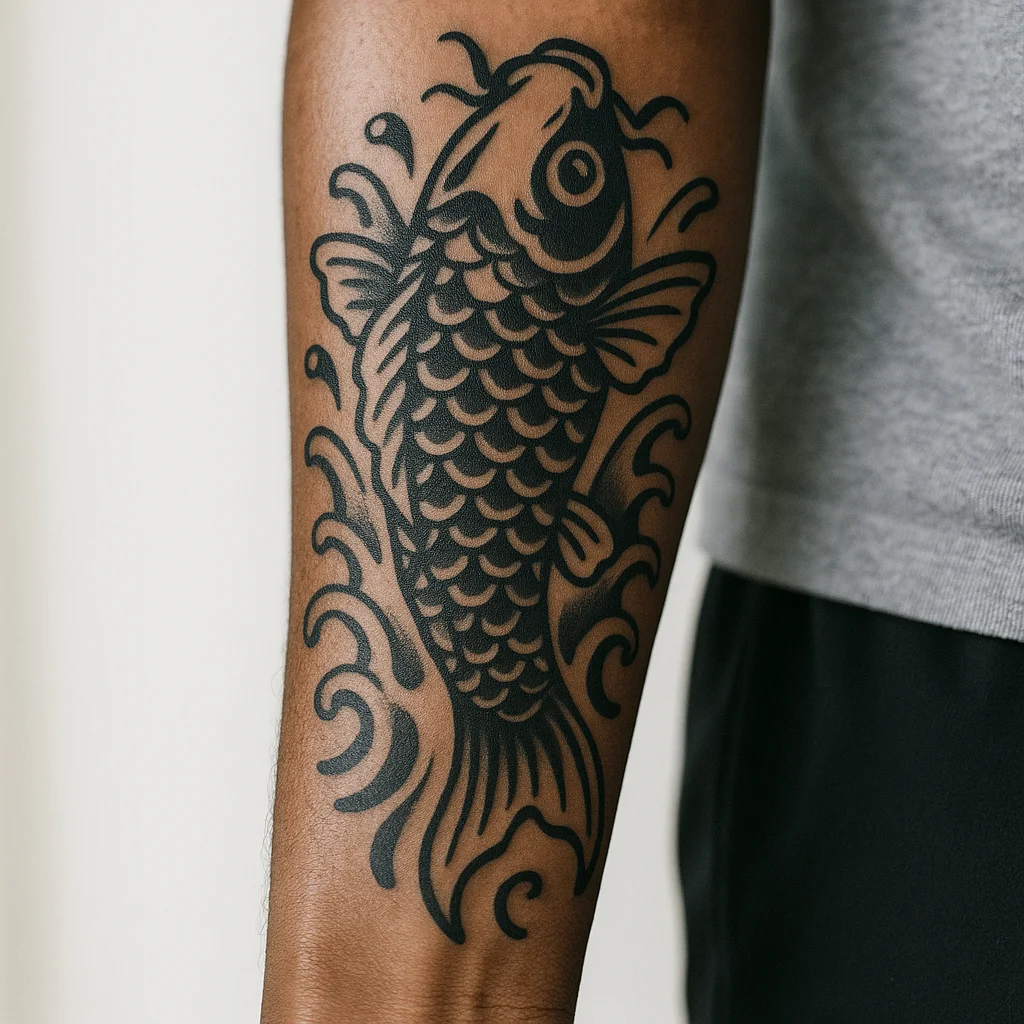
Fill a rectangle of the outer forearm with saturated black and leave the plant shapes as untouched skin. The contrast is dramatic and it ages better than most delicate work, because bare skin does not fade. Budget more time and expect a heavier heal; ask to see the artist's healed blackwork before committing.
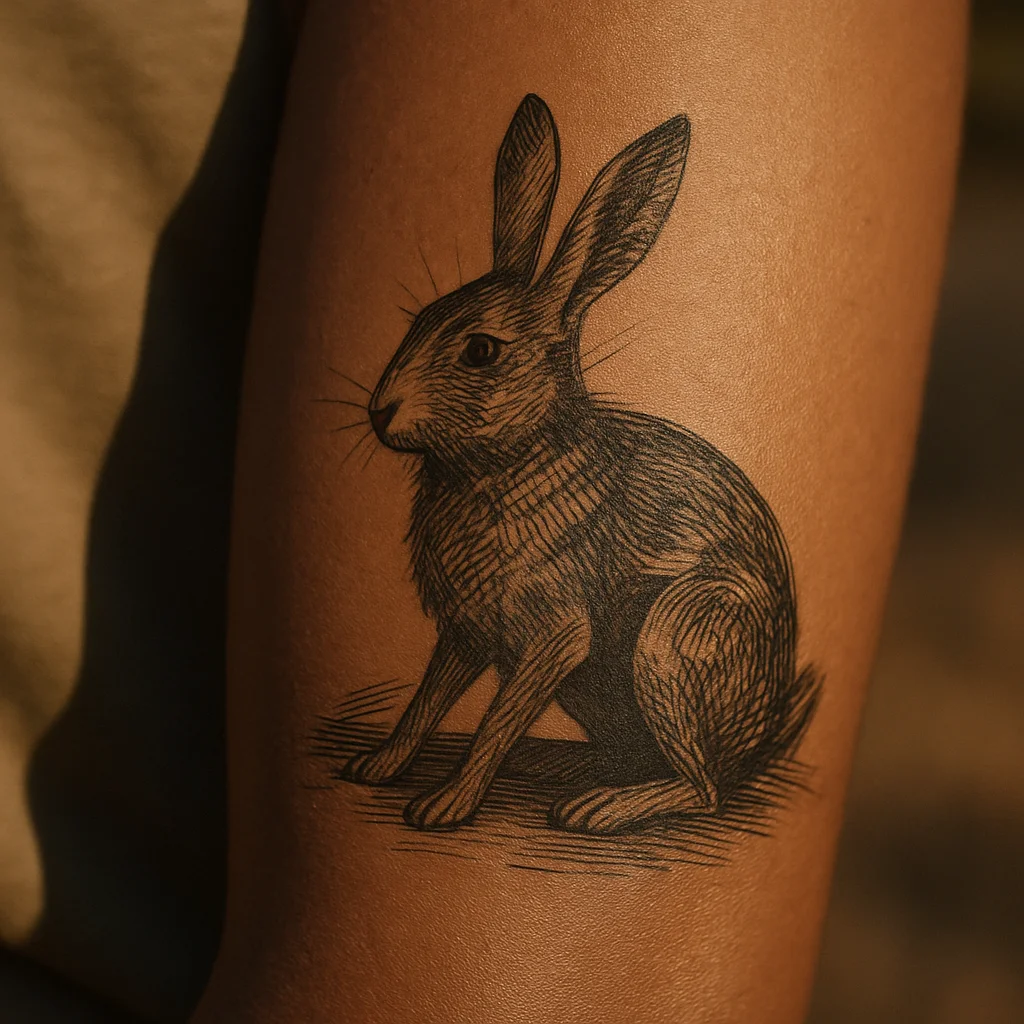
16. Woodcut and engraving hatching
Instead of grey wash, shading is built from parallel lines and cross-hatching like an old book plate. It suits animals, hands, drapery and architecture, and reads beautifully at forearm scale on the inner arm. Choose an artist who does this specifically; hatching drawn by someone guessing turns muddy in a few years.
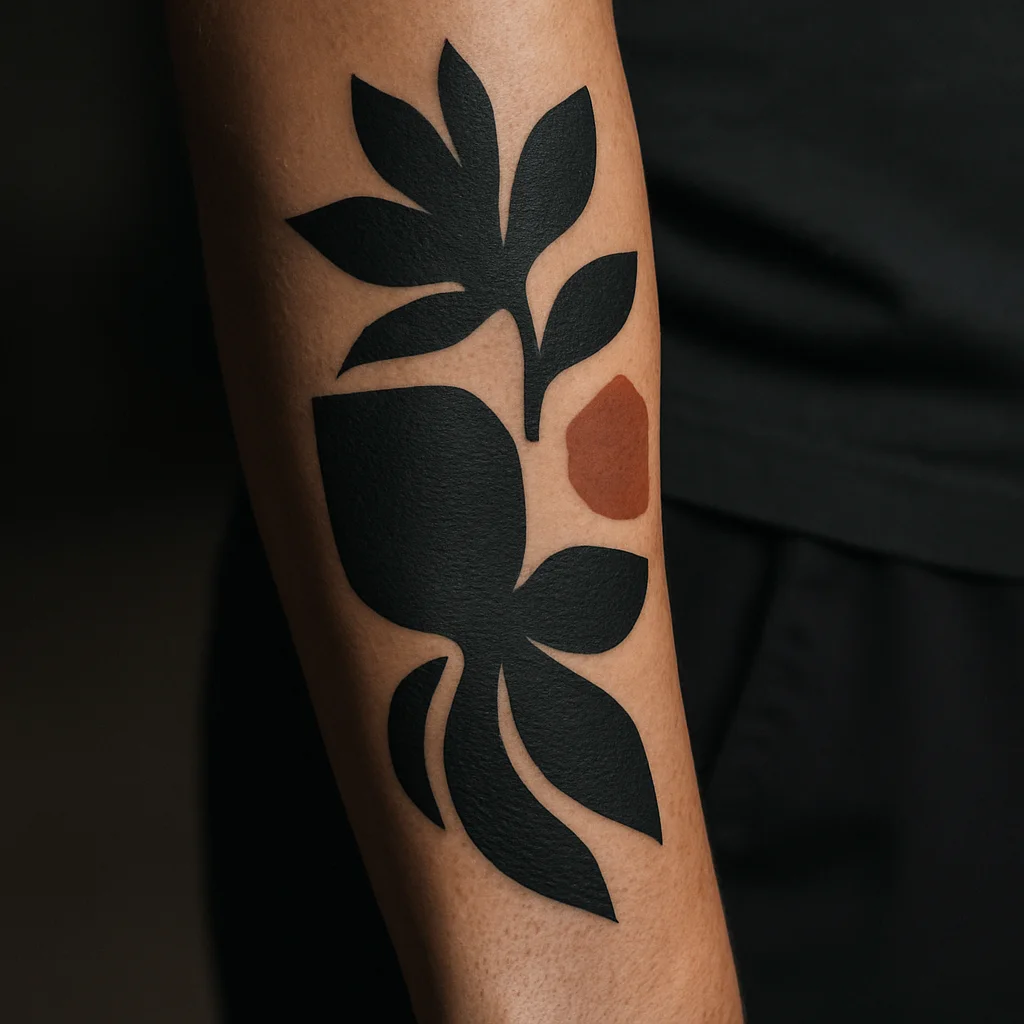
17. Almost-black with one muted colour
A blackwork design with a single restrained colour, a dusty ochre, a faded rust, in one small area feels far more considered than full-colour realism. Keep the colour away from the very edge of the arm where the sun hits hardest. Reserve any white highlight for tiny accents only, and know it will soften considerably.
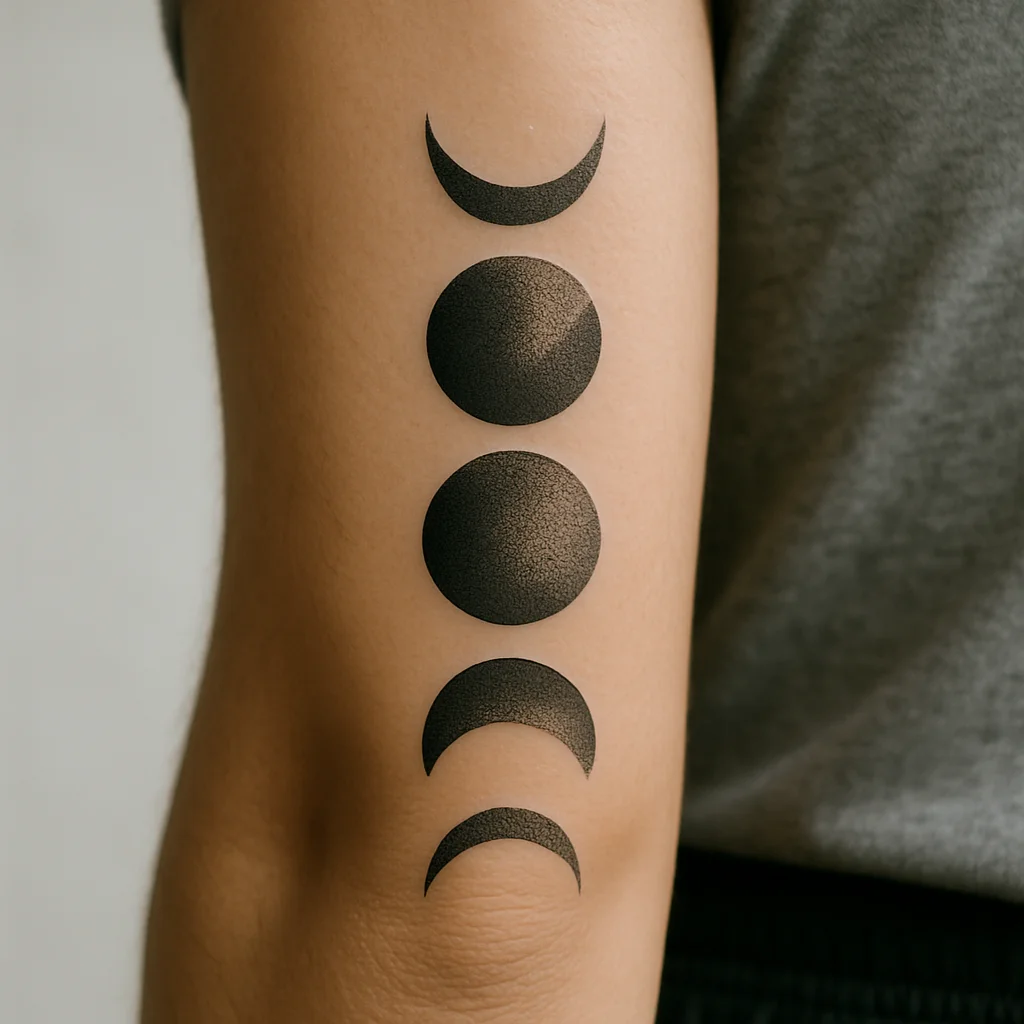
18. Sculpted dotwork gradients
Pure stipple, no lines, letting the density of dots build a form such as a moon phase, a sphere or a draped cloth. On the inner forearm the smooth skin shows the gradient off. It is slow, patient work, so price accordingly and expect a couple of sessions for anything larger than a palm.
19. Ornamental patternwork panel
Mandala-adjacent ornamentation is common on shoulders and rare done well on the forearm, where the panel is long and narrow. Ask for a pattern that tapers with the arm rather than a circle stamped in the middle. Bold blackwork ornament is one of the most durable choices on this list.
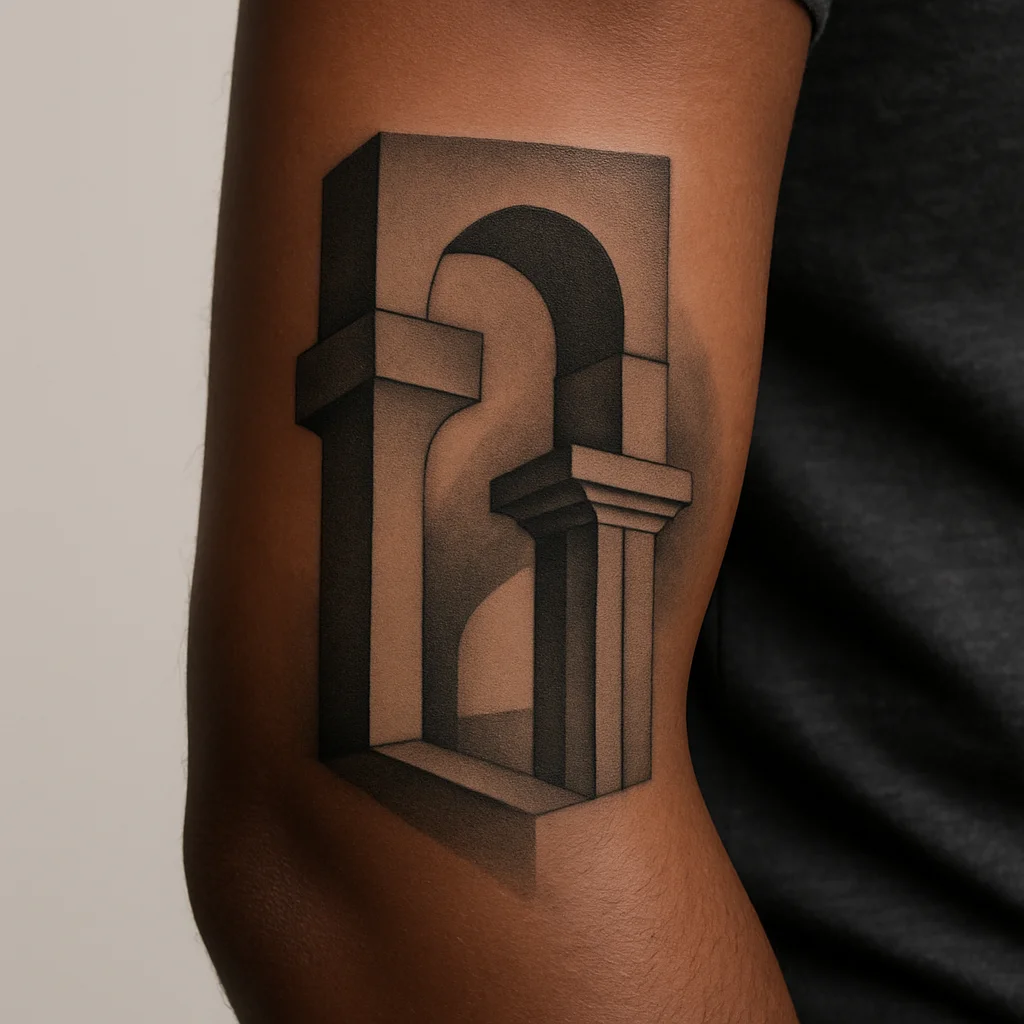
20. Hard geometry softened by grey wash
Straight-edged architectural shapes, arches, columns, brutalist blocks, wrapped in cloudy soft shading make a composition that is both graphic and atmospheric. It sits well on the outer forearm where light already sculpts the muscle. Ask specifically how they keep the straight lines crisp against the wash.
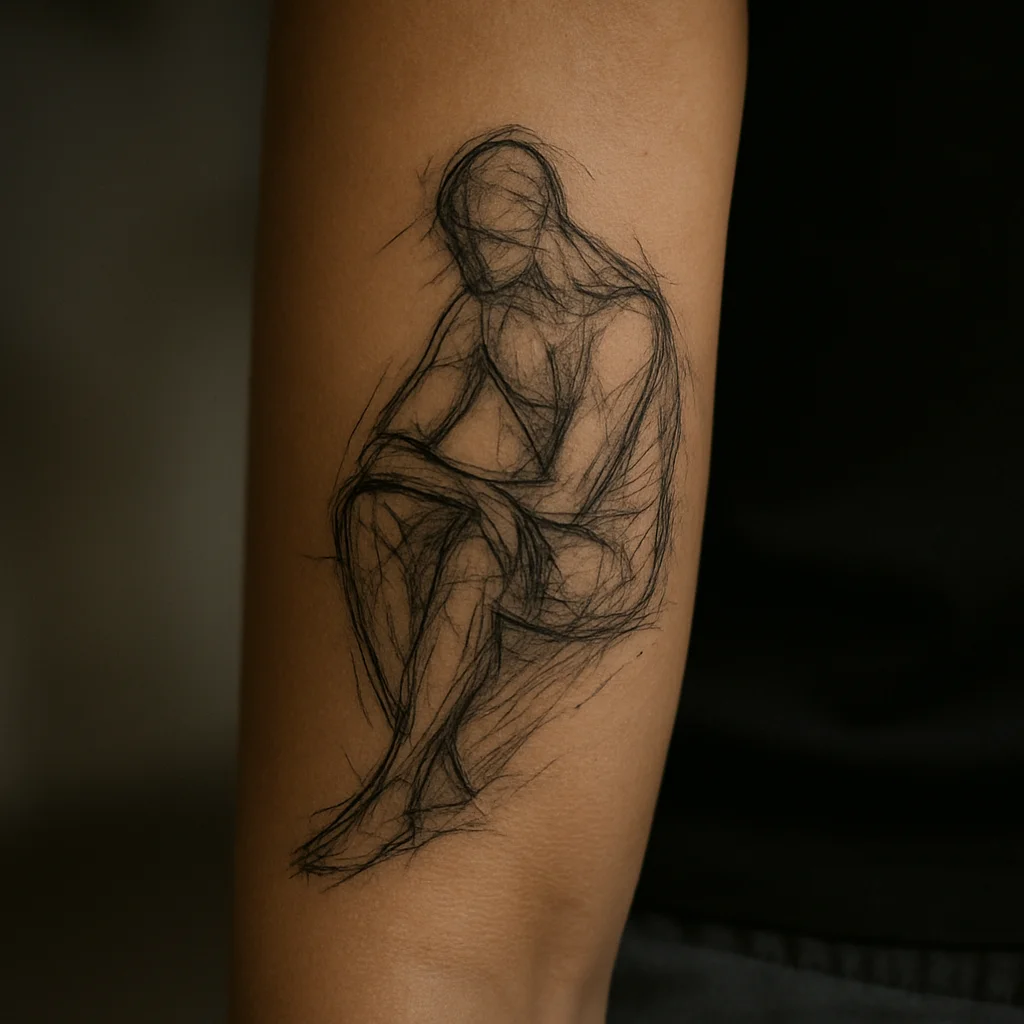
21. Sketch style with construction lines left in
The drawing looks unfinished on purpose: visible guide lines, doubled contours, a hint of scribble. Done confidently it feels like the page from a sketchbook, done timidly it just looks unresolved, so review healed examples. Works best at generous size on the inner forearm where the loose lines have room to breathe.
Quietly unusual: small ideas with a twist
Unique does not have to mean large or loud. Each of these is subtle enough for a workplace with a sleeve rolled down, and none of them look like anyone else's.
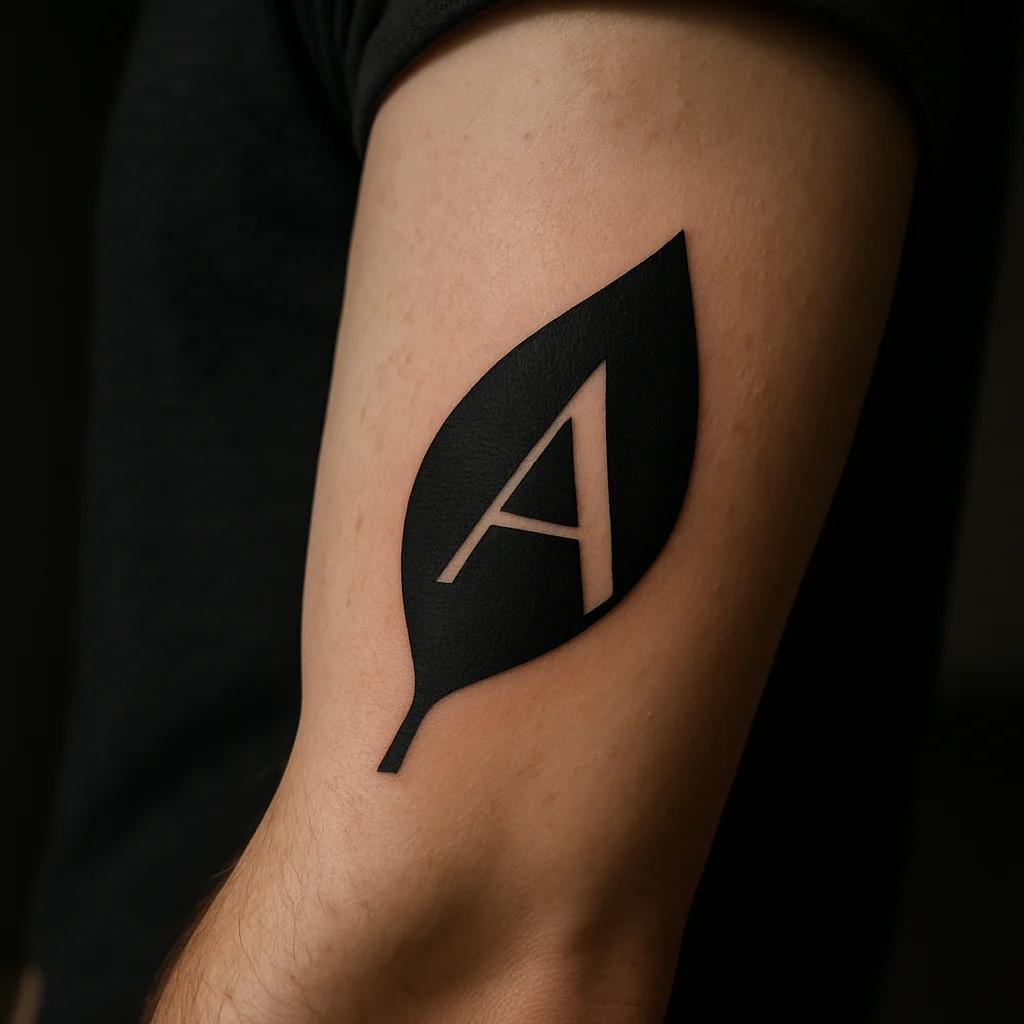
22. An initial hidden in negative space
Build a simple solid shape, a leaf, a wave, a keyhole, and let the gap inside it form a letter that only reveals itself once you look twice. Keep it around three to four centimetres on the inner forearm so the gap stays open as the ink settles. Ask your artist to widen the negative space slightly beyond what looks right on paper, because lines spread with age.
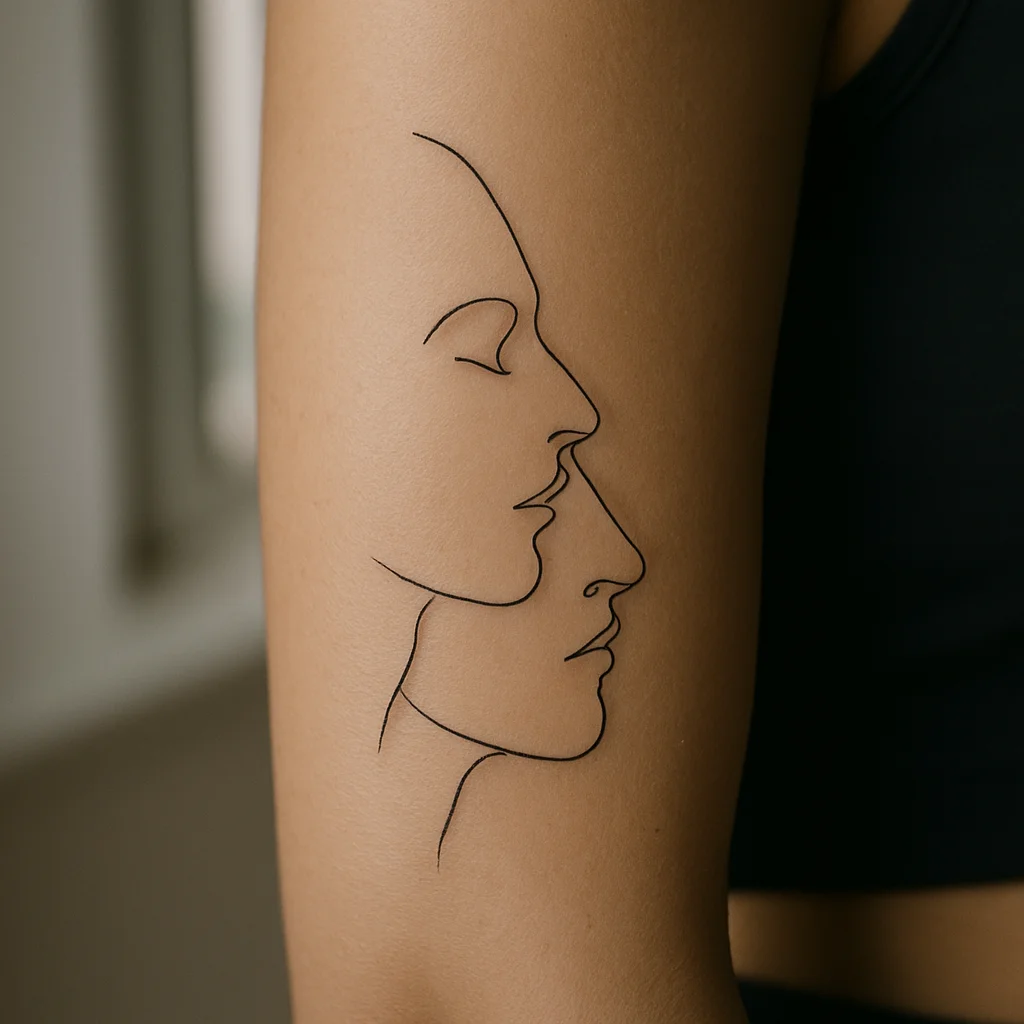
23. Two faces in one continuous line
A single unbroken contour that resolves into two profiles facing each other is a beautiful way to mark a relationship without names or dates. It belongs on the inner forearm at roughly twelve centimetres, where the line can meander without crowding. Simple to tattoo, hard to draw, so pick your artist for their drawing.
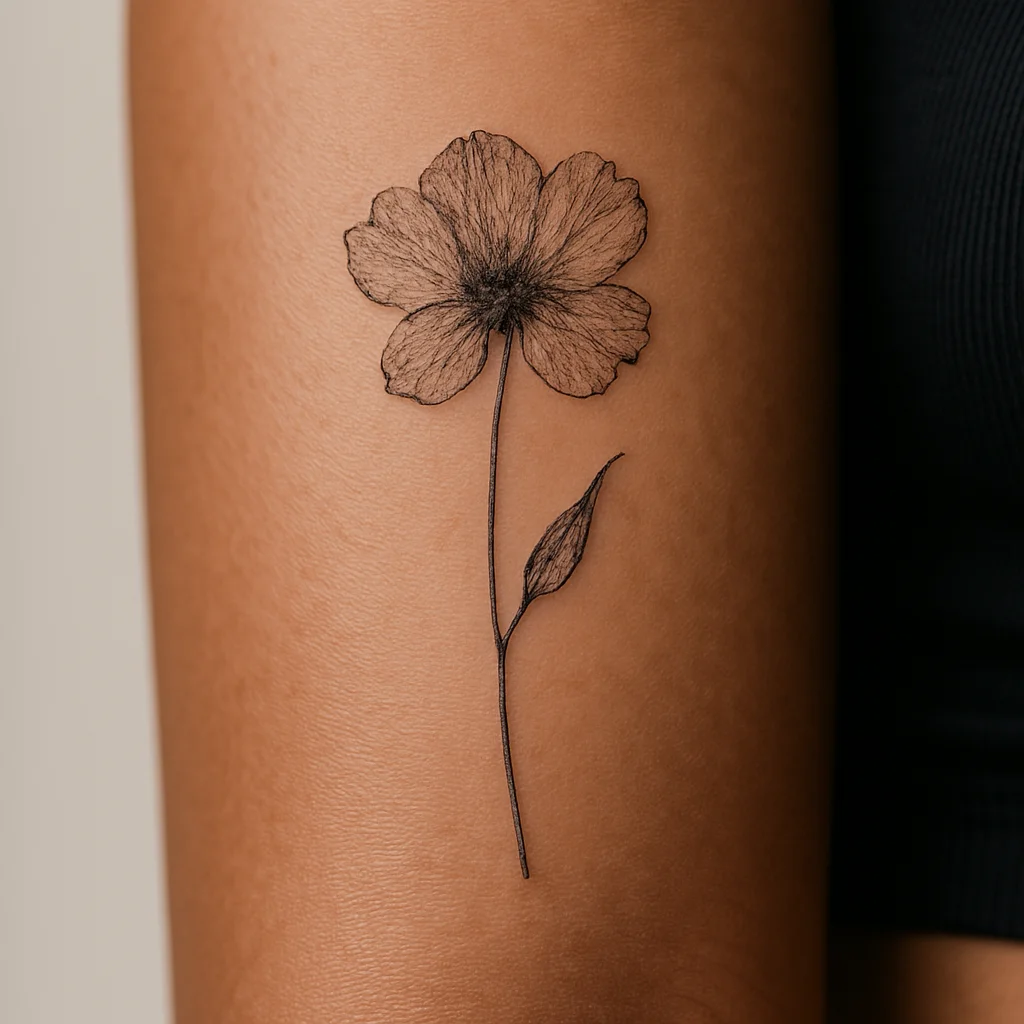
24. A specific pressed flower, not a generic one
Bring the actual dried stem from a bouquet you kept and have it drawn one-to-one, wonky petals and broken leaf included. That imperfection is what makes it unmistakably yours. Micro-realistic or fine-line, low on the inner forearm, small enough to cover with a watch strap if needed.
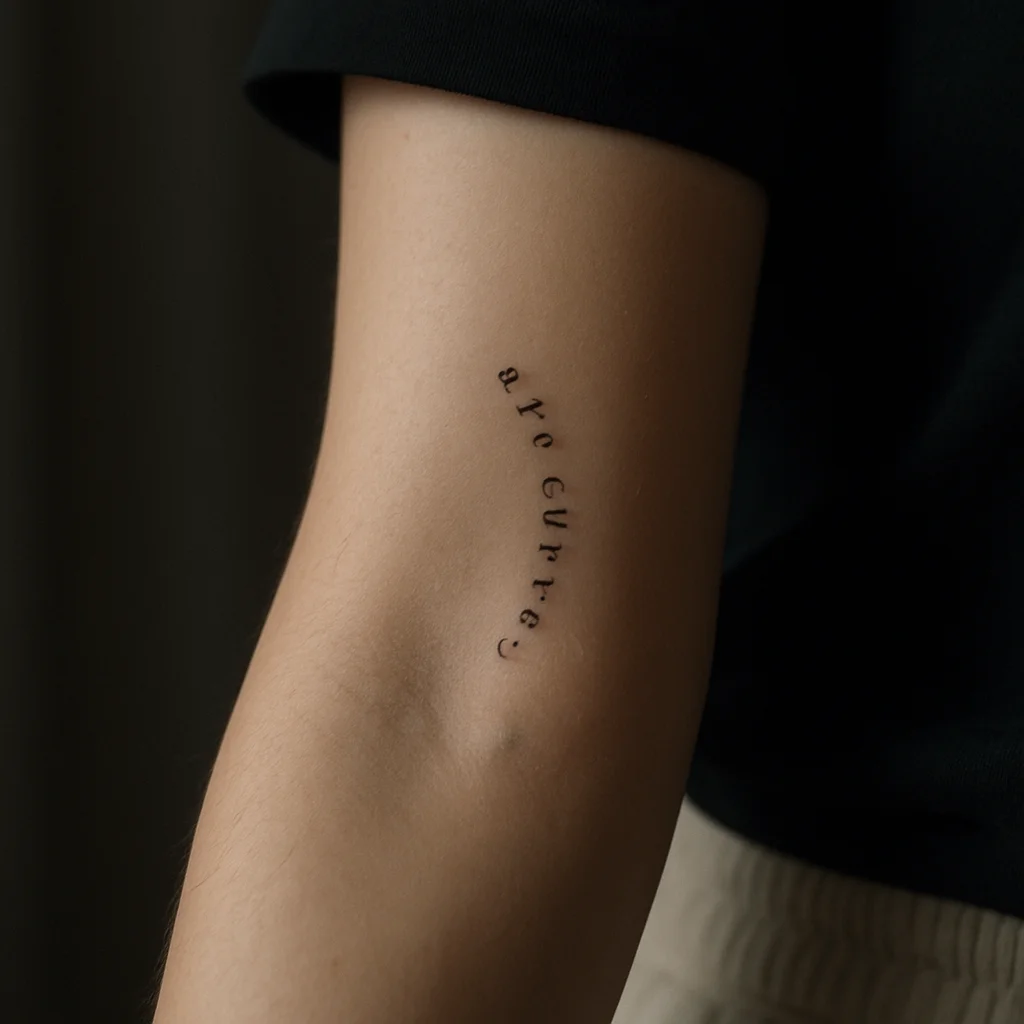
25. Text arranged as a shape
Instead of a straight line of script, set a short phrase along a curve, a circle or a slow diagonal so the words form a graphic object. Choose a typeface with real character and keep the letter height generous; anything under about four millimetres tall risks closing up. Suits the inner forearm or the ulnar edge.
26. A scattered constellation of tiny icons
Five or six unrelated micro-tattoos placed at deliberately uneven intervals along the forearm, with plenty of skin between them, feel collected over a lifetime even when done in one sitting. Map them with stencils before any needle touches skin. This is the one approach where empty space is the design, so resist filling it in later.
27. A design built around a scar or birthmark
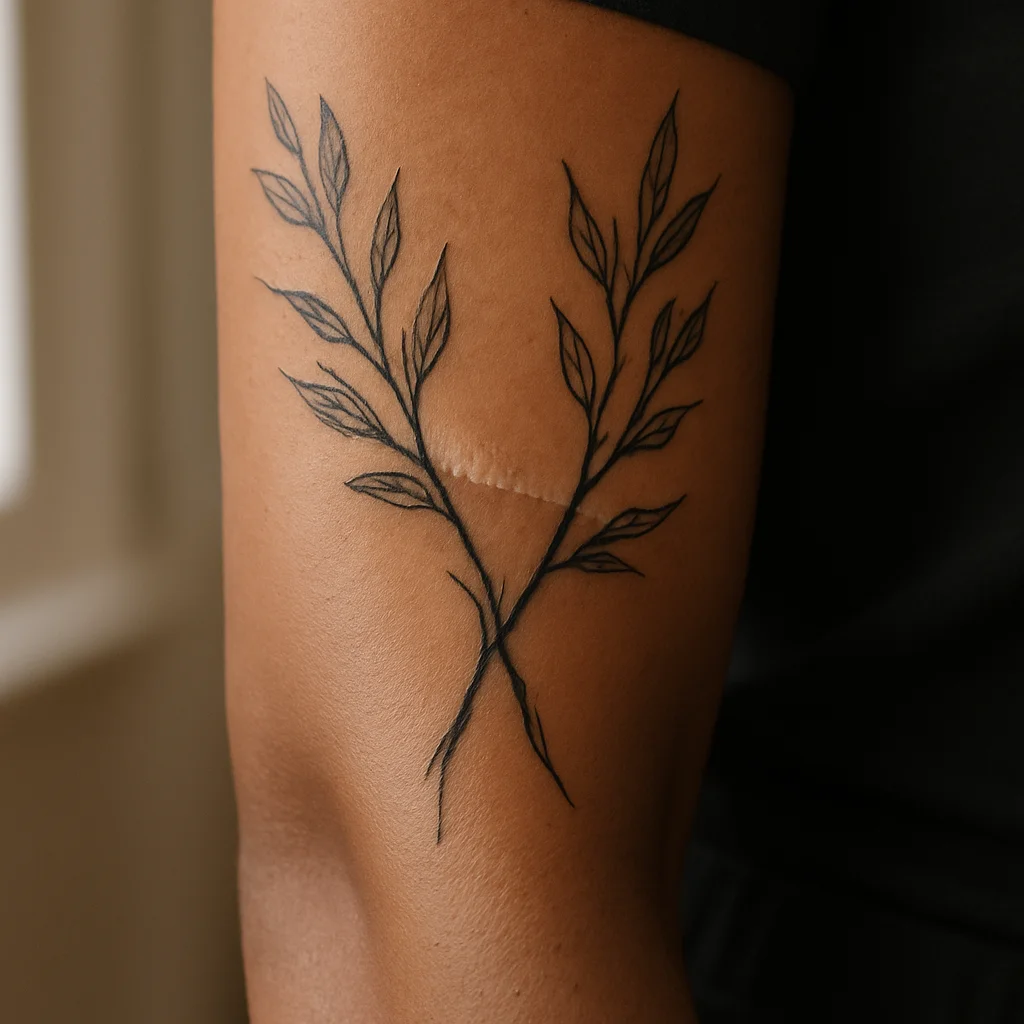
Rather than covering a mark, ask your artist to compose around it: branches parting past a scar, a moth's body aligned with a mole, ripples spreading from an old mark. Scar tissue takes ink unpredictably, so it usually stays untouched and simply becomes part of the picture. Wait until the scar is fully mature, typically a year or more.
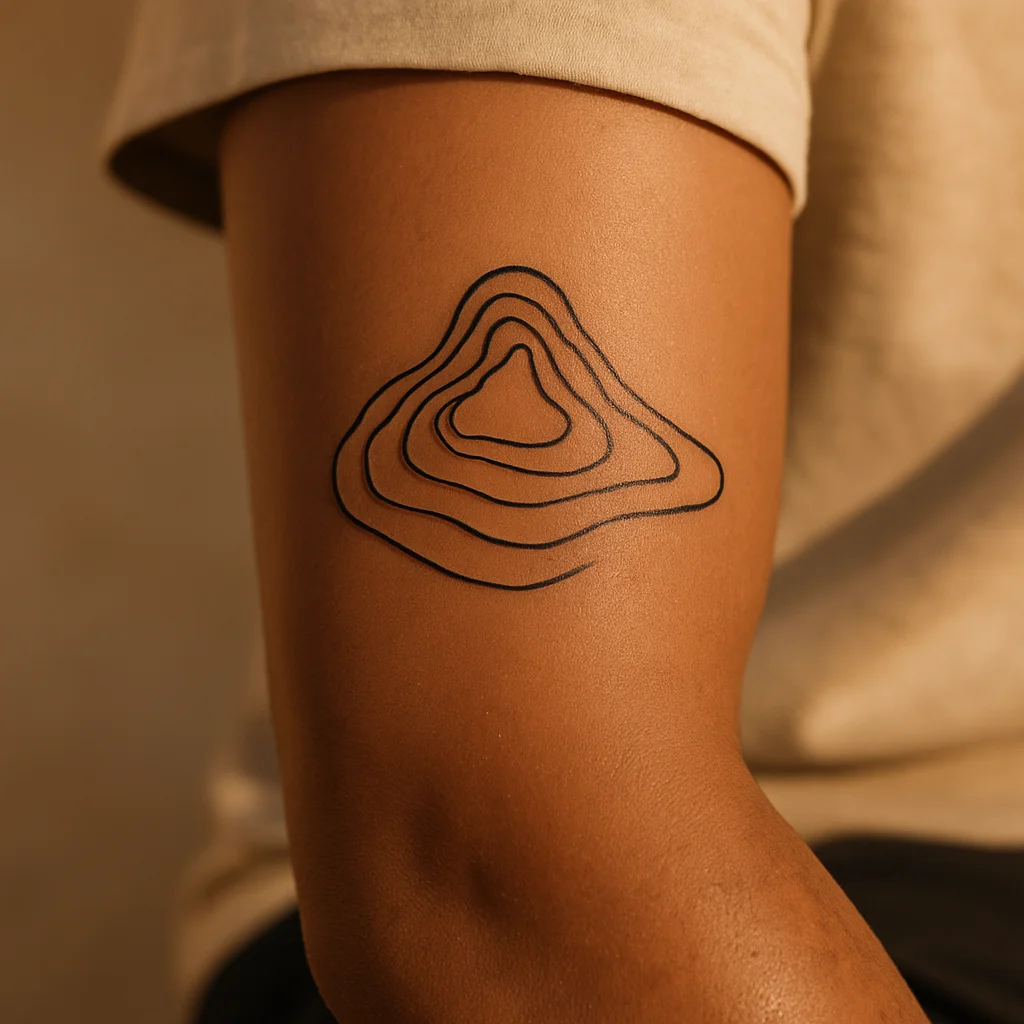
28. A contour map of one hill you climbed
Topographic lines of a specific summit or coastline read as pure pattern to strangers and as a memory to you. Monoline work on the outer forearm, roughly palm-sized, with the contours spaced wider than the real map so they stay separate as they age. Bring the actual map file to your consultation.
Briefing the artist, and keeping it looking rare
The reason so many forearm tattoos look interchangeable is that the brief was interchangeable. Do not walk in with a folder of finished tattoos you like; walk in with source material. A photo of the actual fig, the museum page for the sextant, your own map file, the dried flower in a bag. Then tell your artist three things: the mood in a couple of adjectives, the amount of skin you want covered, and what you might add in five years. That last one changes the composition more than people expect.
Practical asks that pay off:
- Check the stencil in motion. Stand up, let your arm hang, rotate your wrist, raise it as if holding a phone. A design that is level on a table can sit crooked in real life.
- Discuss line weight explicitly. Ask what will still be legible in fifteen years, and be open to slightly bolder lines or wider gaps than the drawing shows.
- Decide the borders now. Where does it stop at the wrist? Does it cross the elbow? A clear edge is what makes an unfinished arm look deliberate.
- Leave breathing room. Negative space is a design element on the forearm, not wasted skin.
Healing is straightforward here, but the forearm rubs on sleeves, desks and car doors all day, so keep it clean, lightly moisturised and out of tight cuffs for the first week or two; the full routine is covered in our guide to tattoo aftercare over the first 30 days. Long term, the single biggest factor in whether your forearm work still looks sharp is sun. Daily SPF on the outer arm, especially if you drive, will do more for delicate linework than any product marketed for tattoos. If you are leaning towards hairline detail, it is worth reading how fine line work behaves over time before you size your design down.
Frequently asked questions
Is the inner or outer forearm better for a unique, detailed design?
The inner forearm is the stronger choice for fine detail because the skin is smooth, low-friction and gets far less sun, so hairline work stays legible longer. The outer forearm is more visible day to day and better suited to bold shapes, blackwork and ornament that can take some fading. Many people end up using both, with the delicate piece inside and the graphic one outside.
How much does a forearm tattoo hurt?
The outer forearm is one of the gentler areas on the body, closer to an irritating scratch than real pain. The inner forearm is sharper, particularly the soft skin near the wrist and inside the elbow crease. Sessions are usually short enough that most people sit comfortably without breaks.
What size should a forearm tattoo be so it does not look lost?
Either commit to a panel that runs a good stretch of the limb, roughly twelve centimetres and up, or place something small deliberately off-centre, near the wrist or just below the elbow, so the surrounding bare skin looks intentional. A medium piece parked dead centre in the middle of the forearm is what tends to look unfinished. Ask your artist to tape the stencil on and photograph it from a metre away before you decide.
Will a unique forearm tattoo make it harder to build a sleeve later?
Not if you plan the edges. Tell your artist you may extend the work, and ask them to give the design clean boundaries and some breathing room rather than fading it into nothing. Standalone pieces with strong borders are far easier to connect later than scattered mid-size designs with no shared style.
How do I keep the design from looking like everyone else's?
Bring source material instead of finished tattoos: your own photographs, a specific object, a real map or a dried flower. Then let the artist interpret it in their own style rather than copying a reference image. Composition matters just as much, so consider spirals, split faces of the arm, framed panels or a two-arm layout instead of a single centred motif.
The conversation
No comments yet. Got a thought about these designs? Start us off.
Want to weigh in? Join the community to comment, save designs and try them on your skin.