38 Tattoo Ideas for Women, Mapped Head to Toe
Most tattoo roundups hand you a pile of pictures with no sense of where anything belongs. This one starts with the body: 38 designs sorted by placement, with honest notes on pain, sizing and how each one ages.
Pick the spot before you pick the picture
Artists can draw almost anything. What they can't do is make a design behave in a place it doesn't fit. A wide, symmetrical piece looks brilliant on a shoulder cap and awkward on a wrist; a long, narrow composition sings on a spine or a forearm and gets cramped on a collarbone. So the fastest way to get from "I want something pretty" to a tattoo you love in ten years is to choose your territory first.
Three things to weigh before you commit to a spot:
- Movement and flow. Skin that bends — the inner elbow, the back of the knee, the front of the shoulder — wants curved, flexible shapes rather than rigid straight lines and perfect circles.
- Longevity. Areas with friction, sun exposure or thin skin over bone age fastest. Hands, feet, fingers and the outer edge of the wrist all typically need touch-ups sooner than an inner arm or a thigh.
- Visibility on your terms. Think about whether you want to see it daily. Inner forearm and inner wrist are for you; shoulder blade, spine and ribs are for you and whoever you show.
A useful trick: draw the shape in eyeliner or use a temporary print-out for a couple of days before your appointment. You'll notice fast if the placement irritates you when you drive, type or wear your usual sleeves.
Wrist, forearm and hand: 10 designs you'll see every day
This is the most-requested zone and the most personal, because you look at it constantly. Inner forearm is the sweet spot — flat, forgiving, low sun exposure, moderate pain. Hands and fingers are the opposite: high visibility, high fade risk.
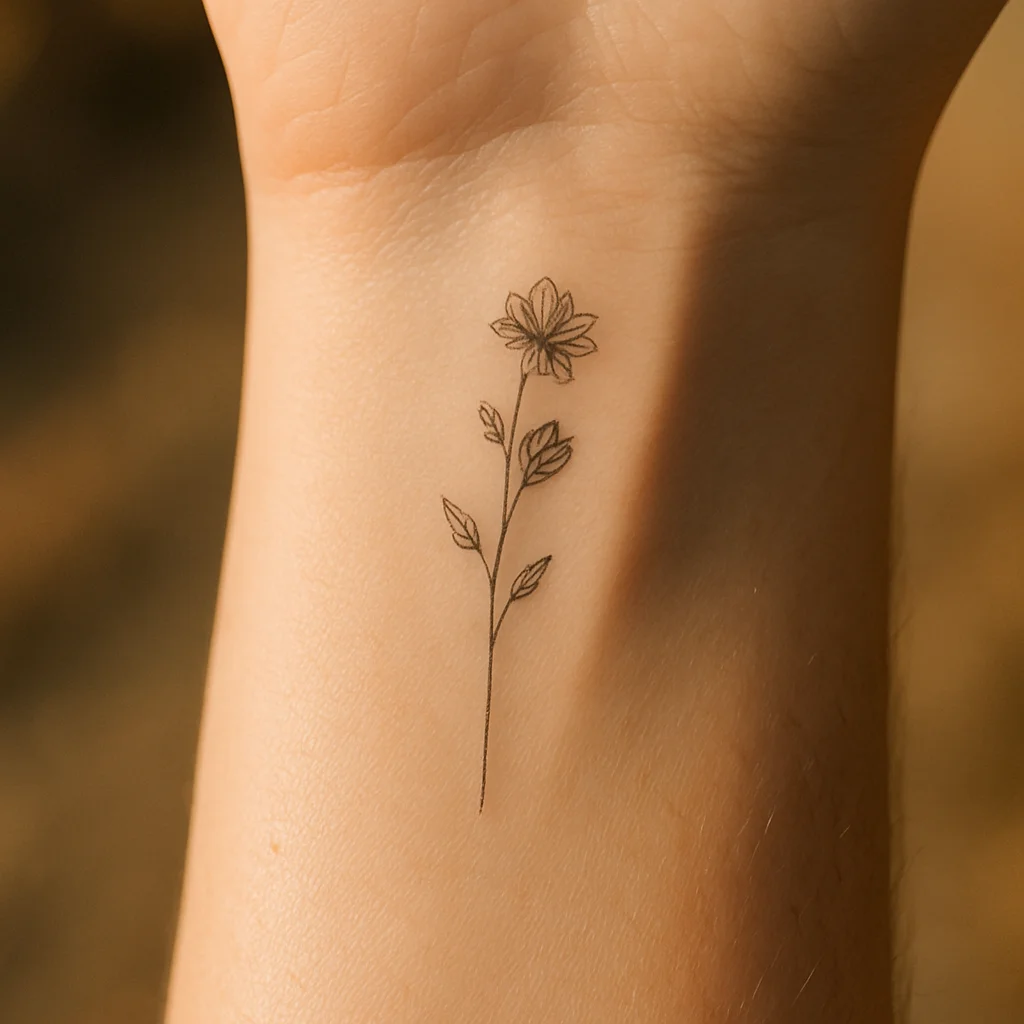
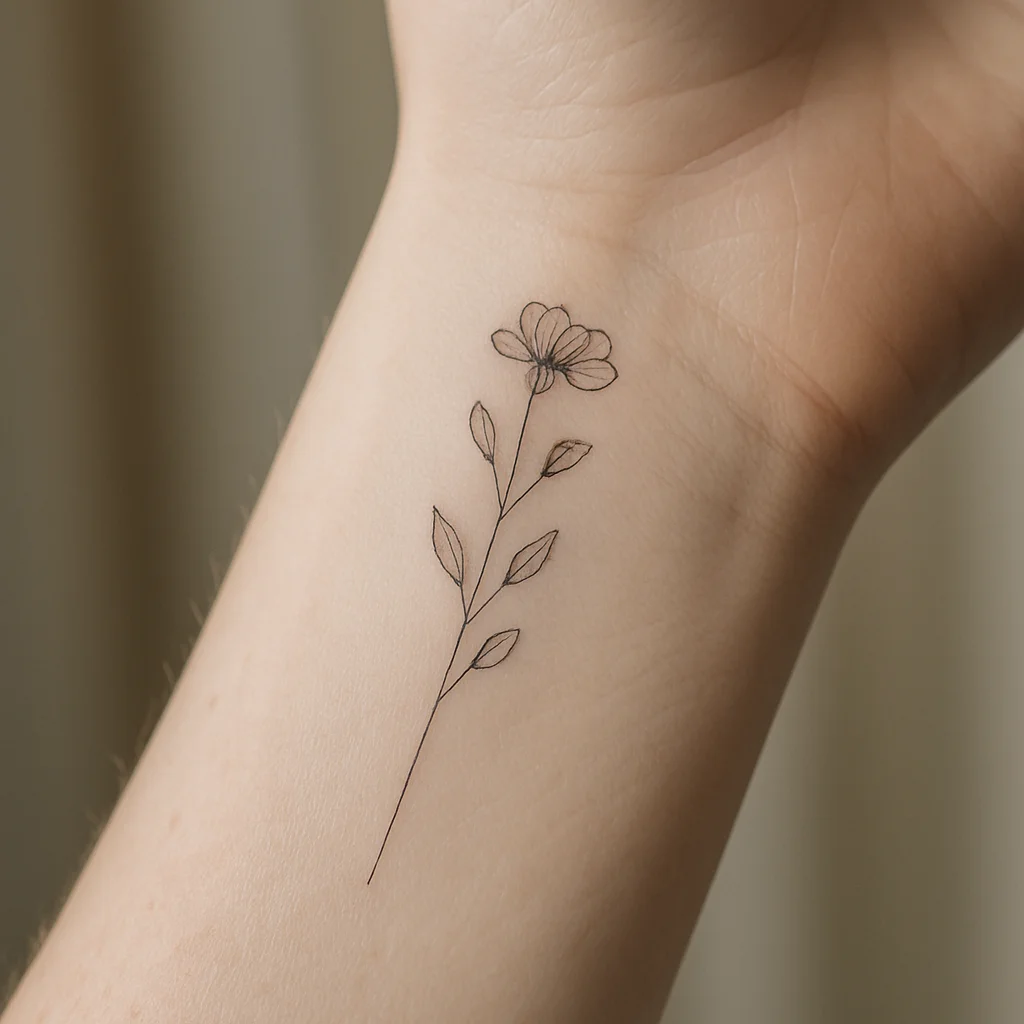
1. Single wildflower stem on the inner wrist
Drawn in one continuous single-needle line and sized to tuck neatly under a watch strap — roughly two to three inches tall. It's the quietest possible entry point into fine line work.
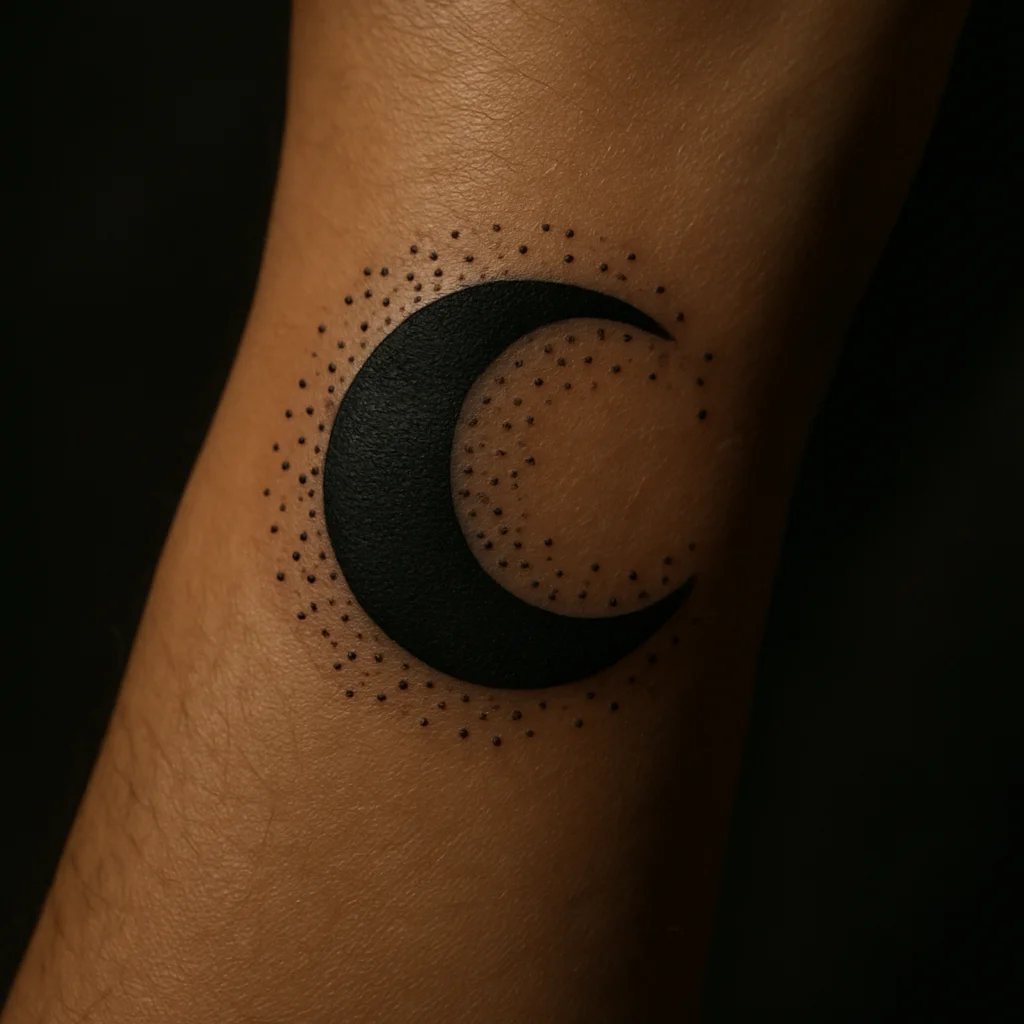
2. Blackwork crescent moon with a halo of dots
Sitting on the side of the wrist, solid enough to stay crisp as the outline softens. Solid black is always the last thing to go on any tattoo.
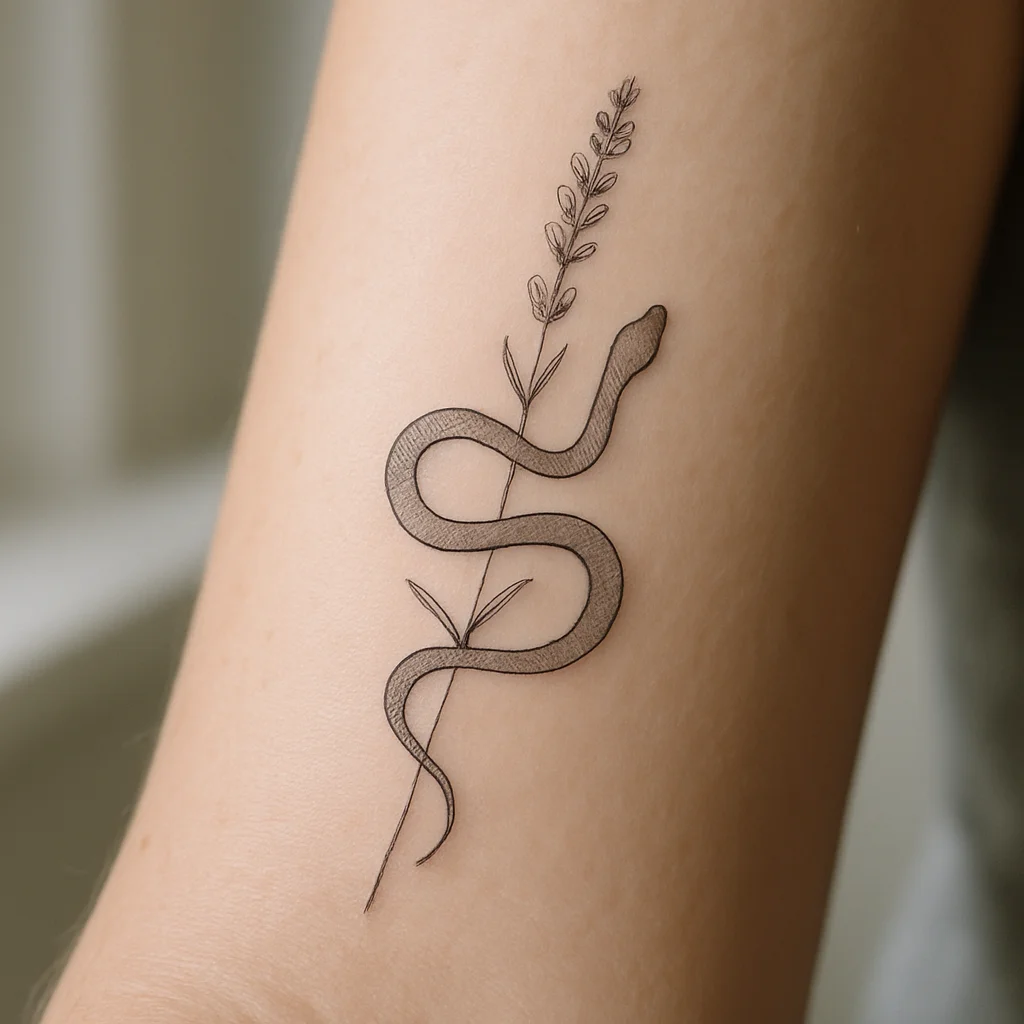
3. Fine-line snake winding around a lavender sprig
Running down the inner forearm — softness and threat in the same piece. If the symbolism pulls you, the snake tattoo guide goes deeper on meaning.
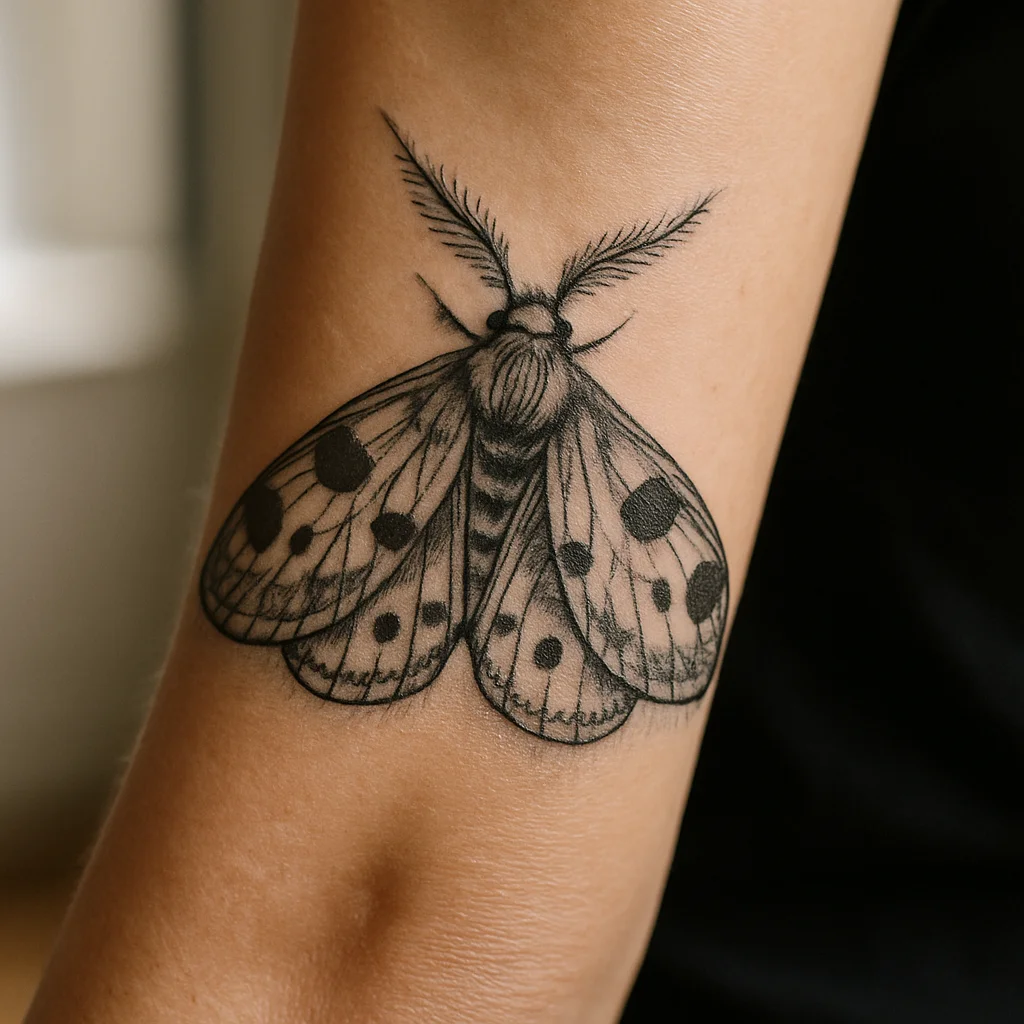
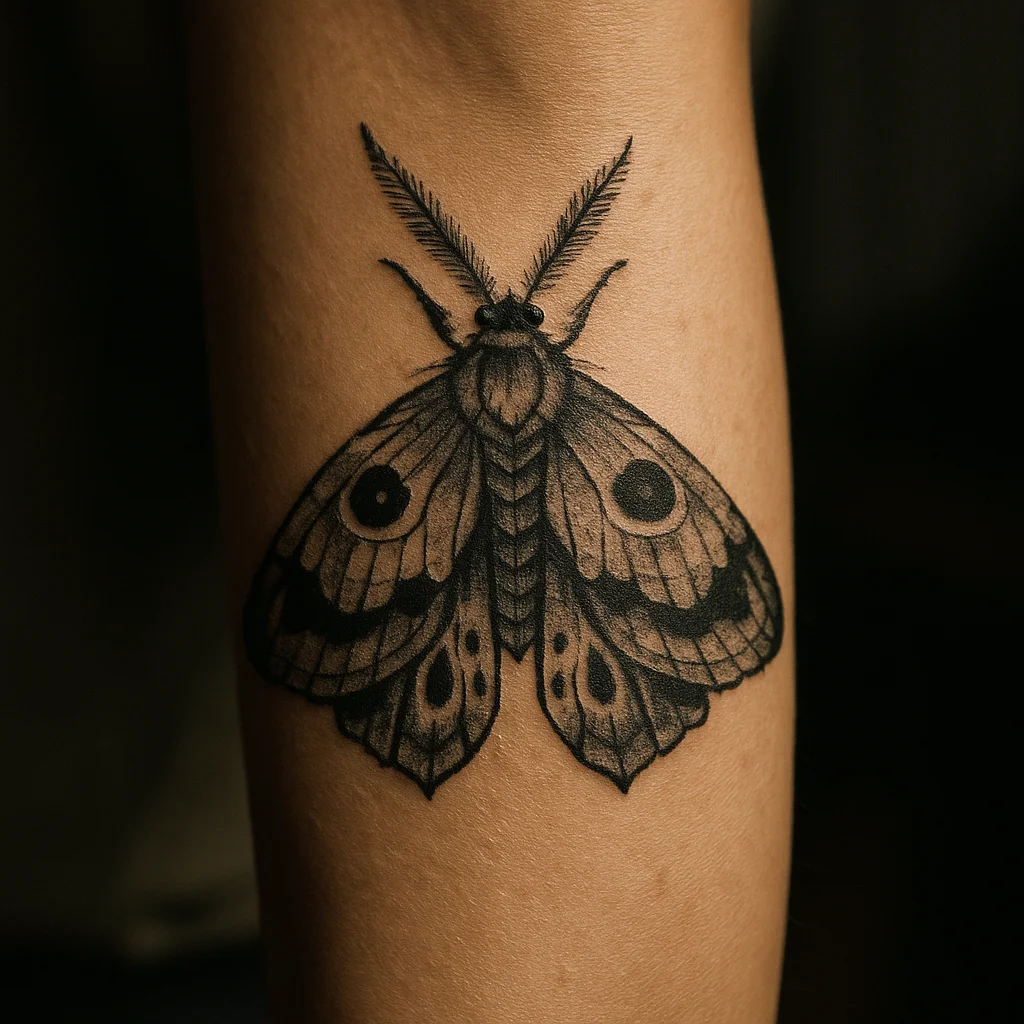
4. Illustrative moth with patterned wings
Centered on the inner forearm, four to five inches, with stippled shading instead of heavy black so it reads light. Illustrative work like this ages more gracefully than hairline detail at the same size.
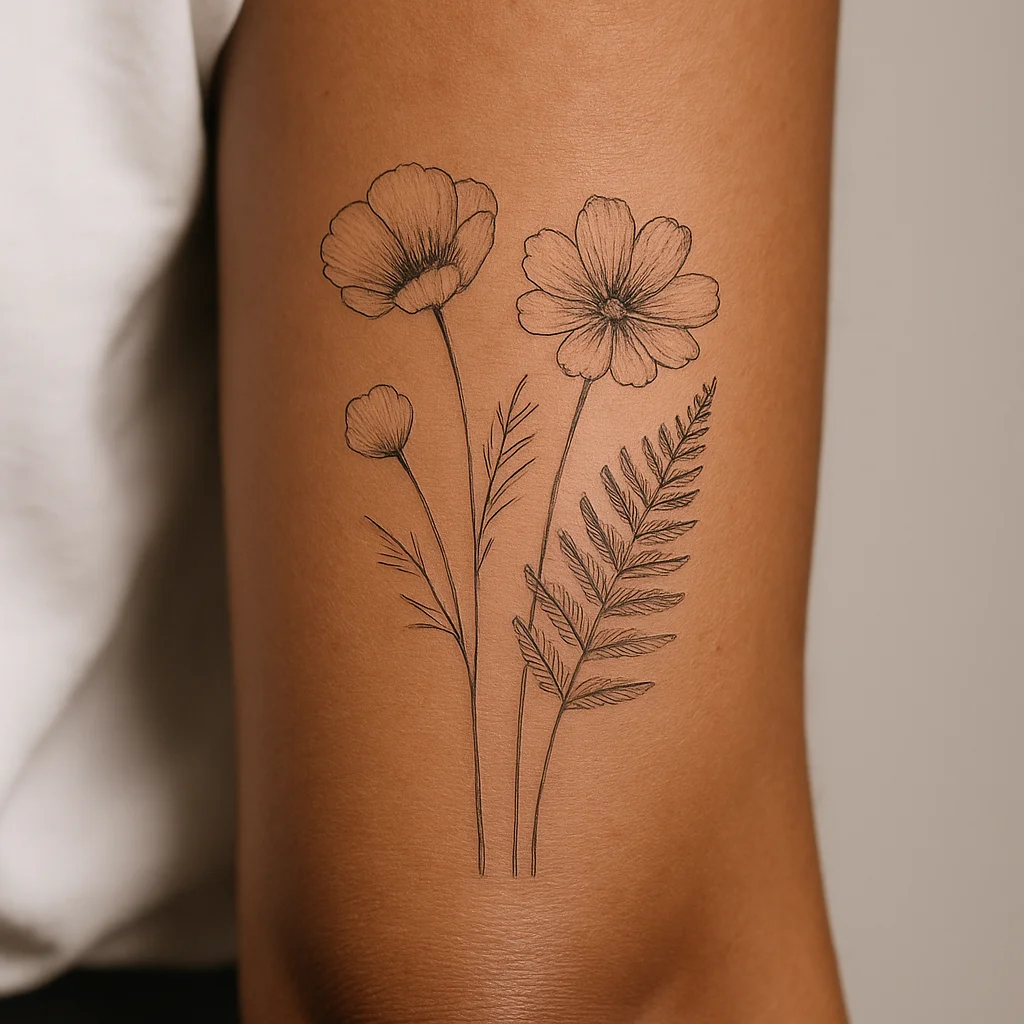
5. Botanical trio arranged like a pressed-flower page
Poppy, cosmos and a fern frond side by side on the outer forearm, each stem cut clean at the bottom as if trimmed for a herbarium. The negative space between stems is what keeps it readable in a decade.
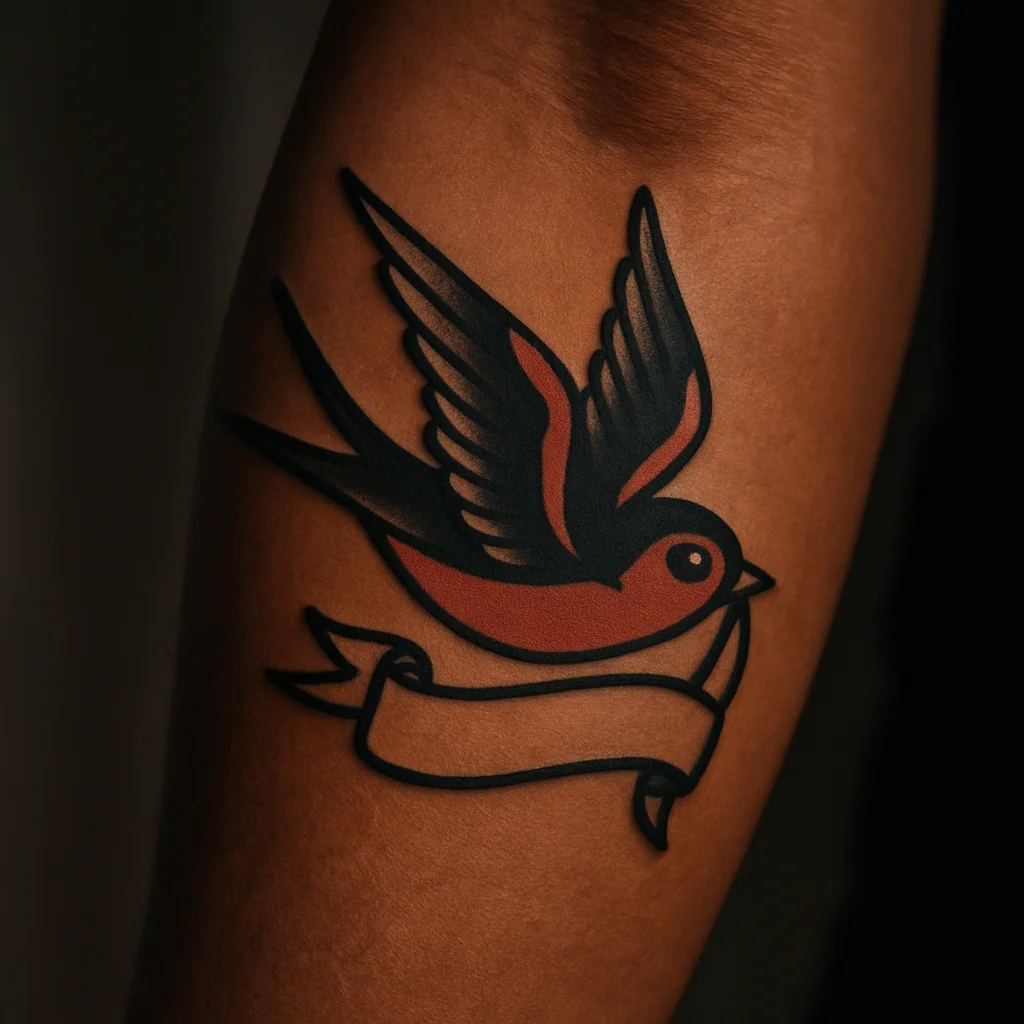
6. Traditional swallow mid-flight with a tiny blank banner
On the outer forearm: bold outline, two or three flat colors. It will still read from across a room in twenty years.
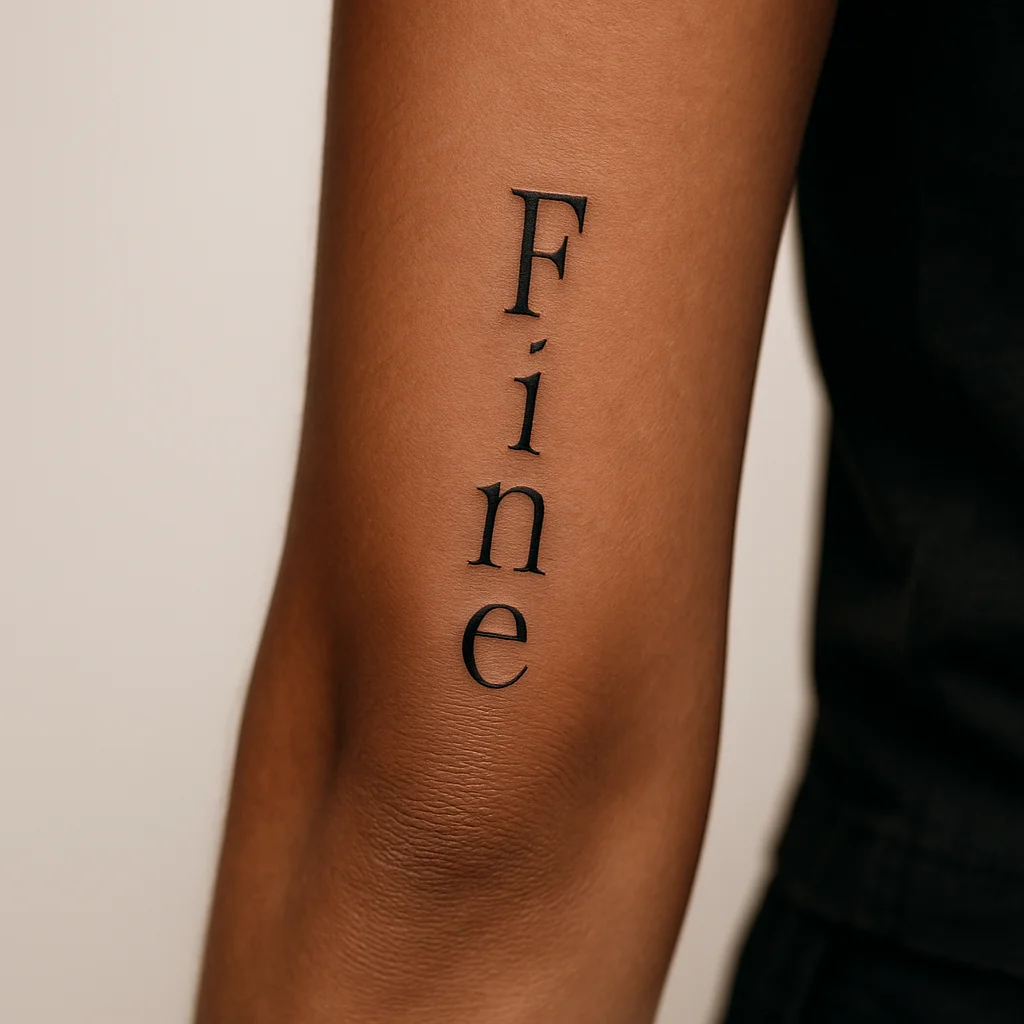
7. Two words in vertical script
Running along the ulna on the outer forearm — long axis, small type, best in a hand-lettered serif rather than a font.
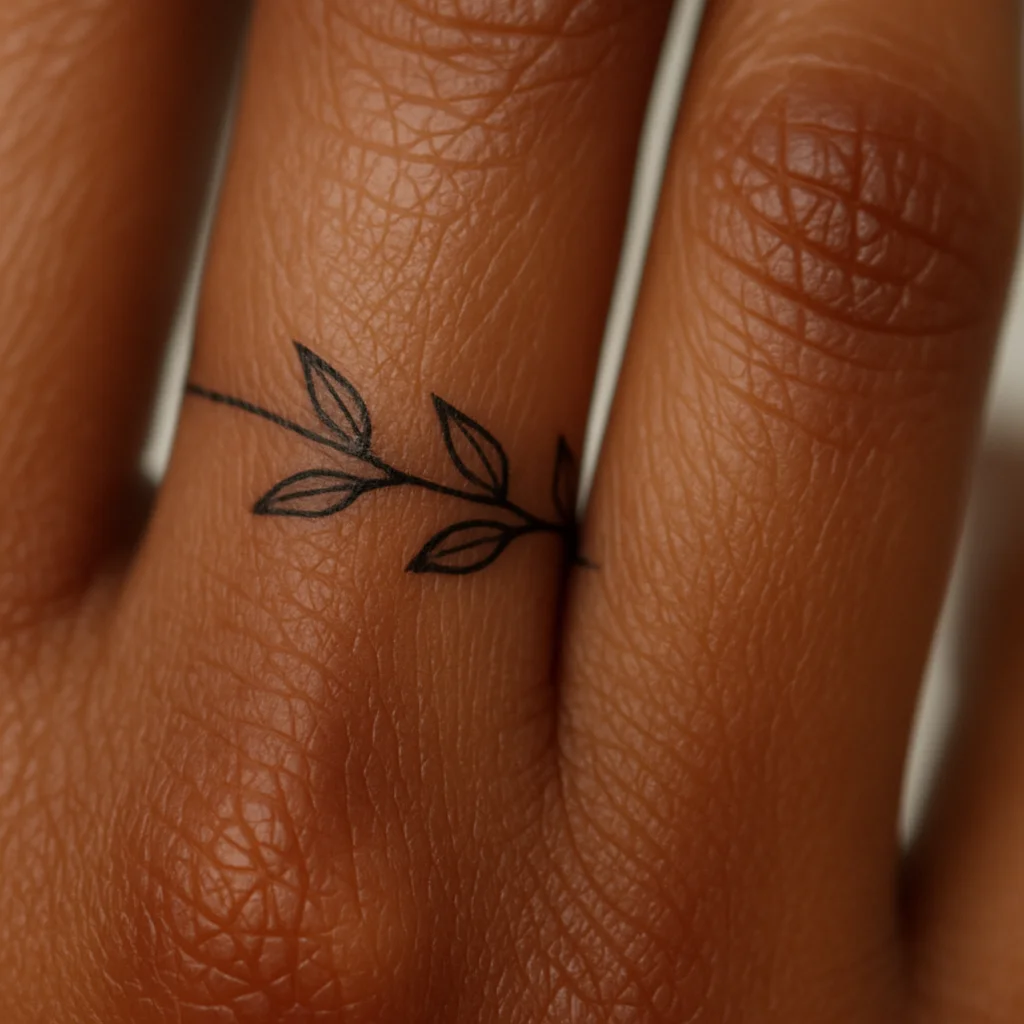
8. Leaf-band ring around one finger
Three or four tiny leaves circling the digit. Beautiful for a year or two, then expect it to blur; go in knowing it's a maintenance piece.
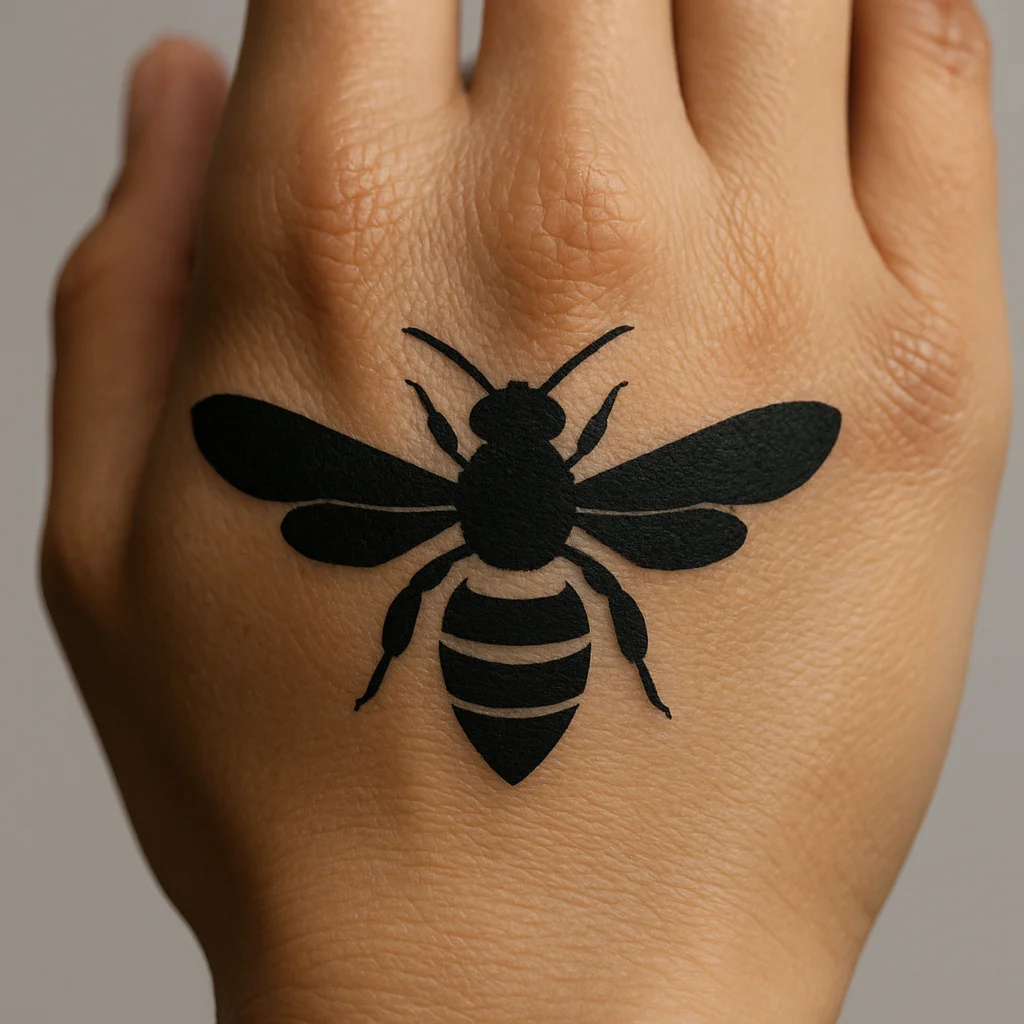
9. Blackwork bee on the back of the hand
Wings held open, about an inch and a half. Keep detail minimal here — fine interior lines close up on hands.
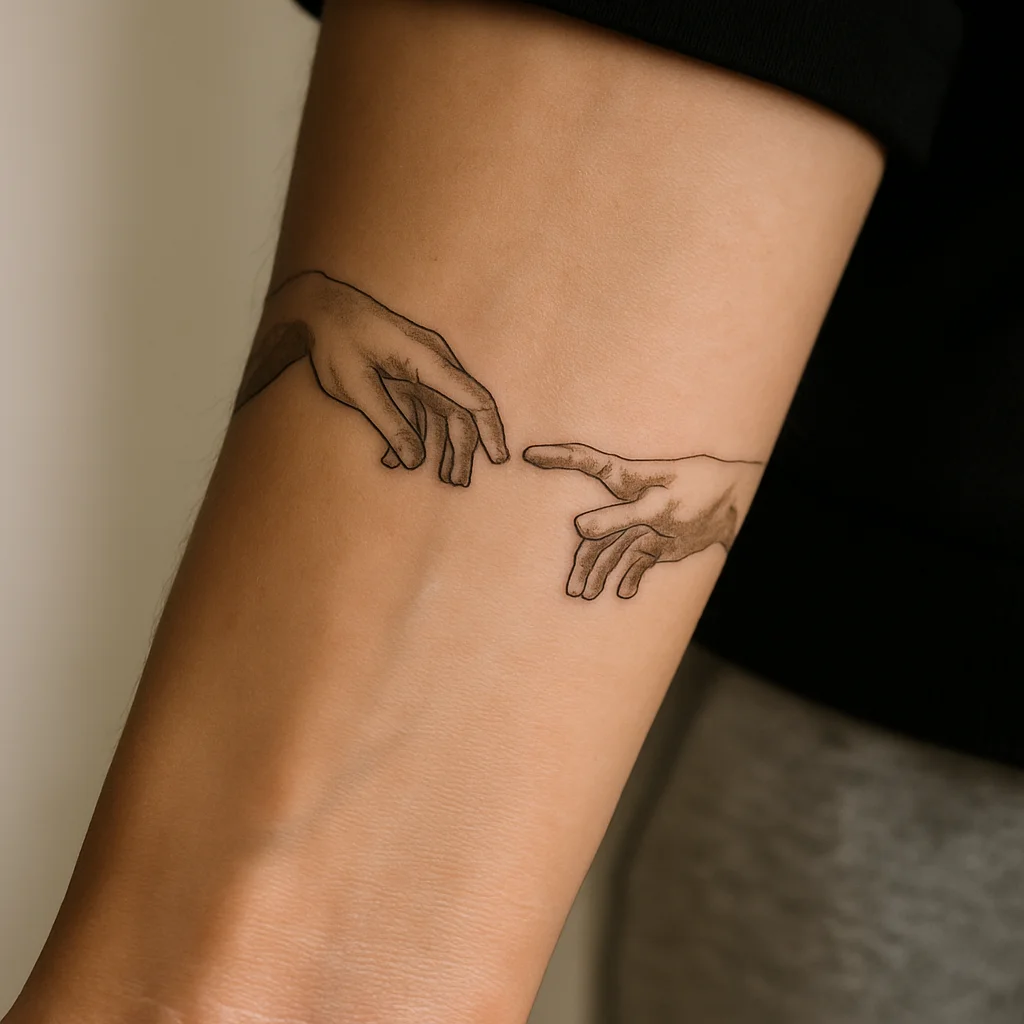
10. Two hands lightly touching
Borrowed from a painting and rendered in fine line on the inner wrist. A quieter way to mark a relationship than names.
What it feels like
Inner forearm is one of the gentlest spots on the body, a dull scratch most people handle easily for an hour or two. Inner wrist and the bony edge near the thumb sting noticeably more. Back of the hand is sharp and vibrates through the bones — short sessions are your friend.
Collarbone, shoulder and upper arm: 9 designs with architecture
This is the zone for shapes that need room to breathe. The shoulder cap holds round, symmetrical designs better than anywhere else on the body, and the collarbone gives you a natural line to follow.
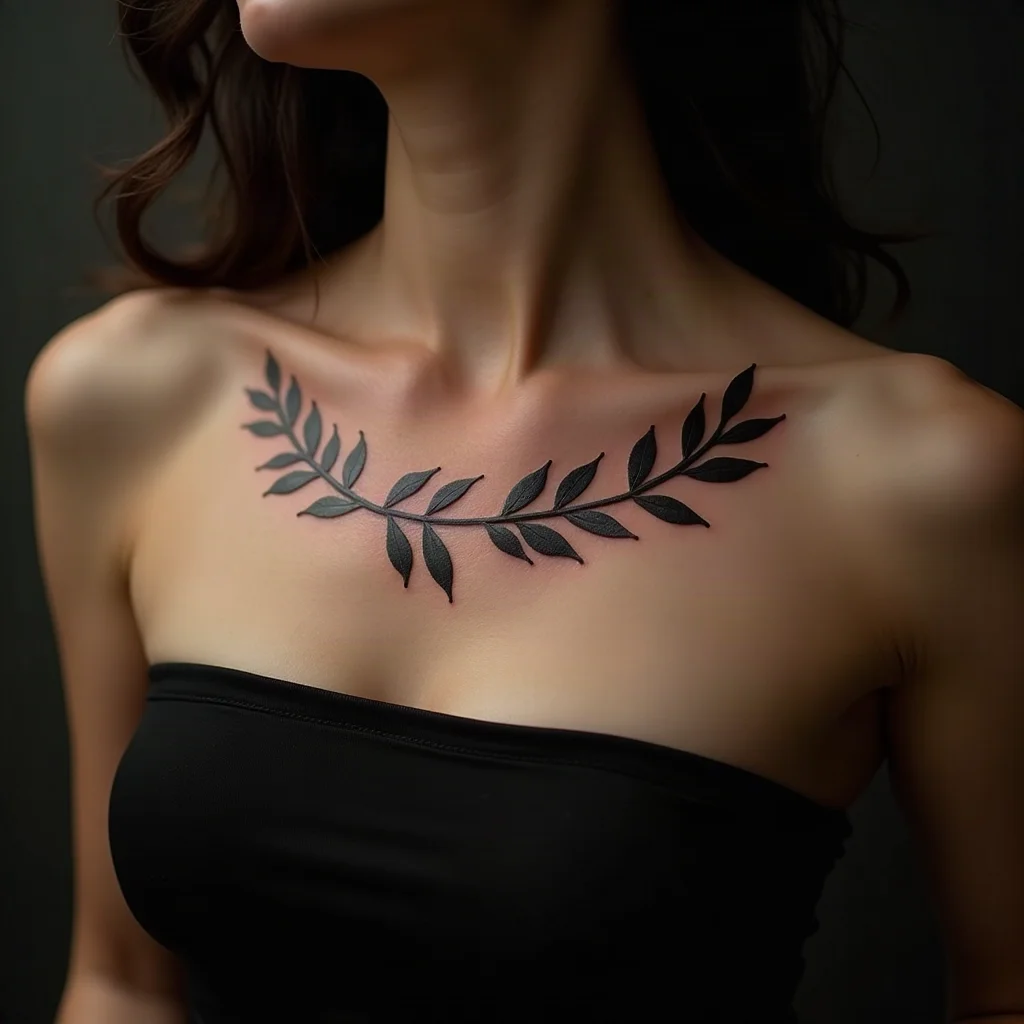
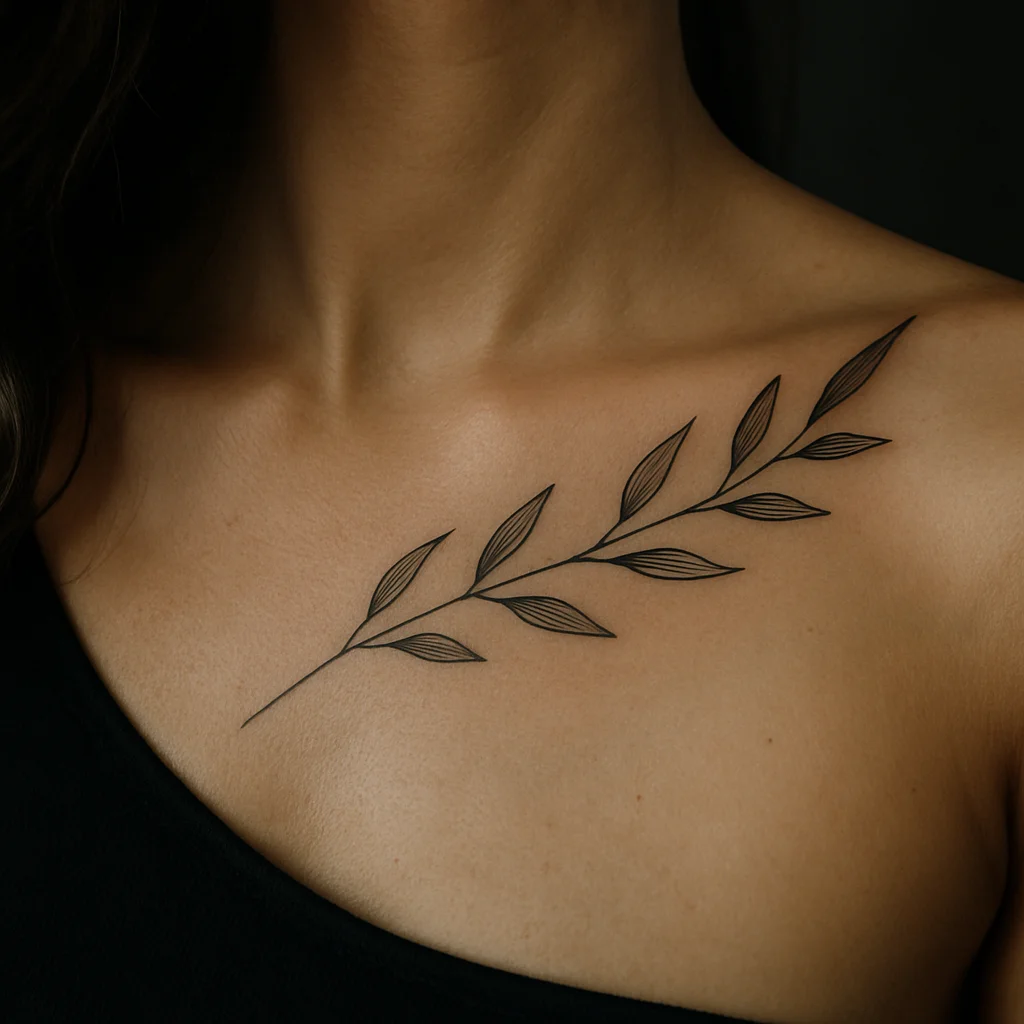
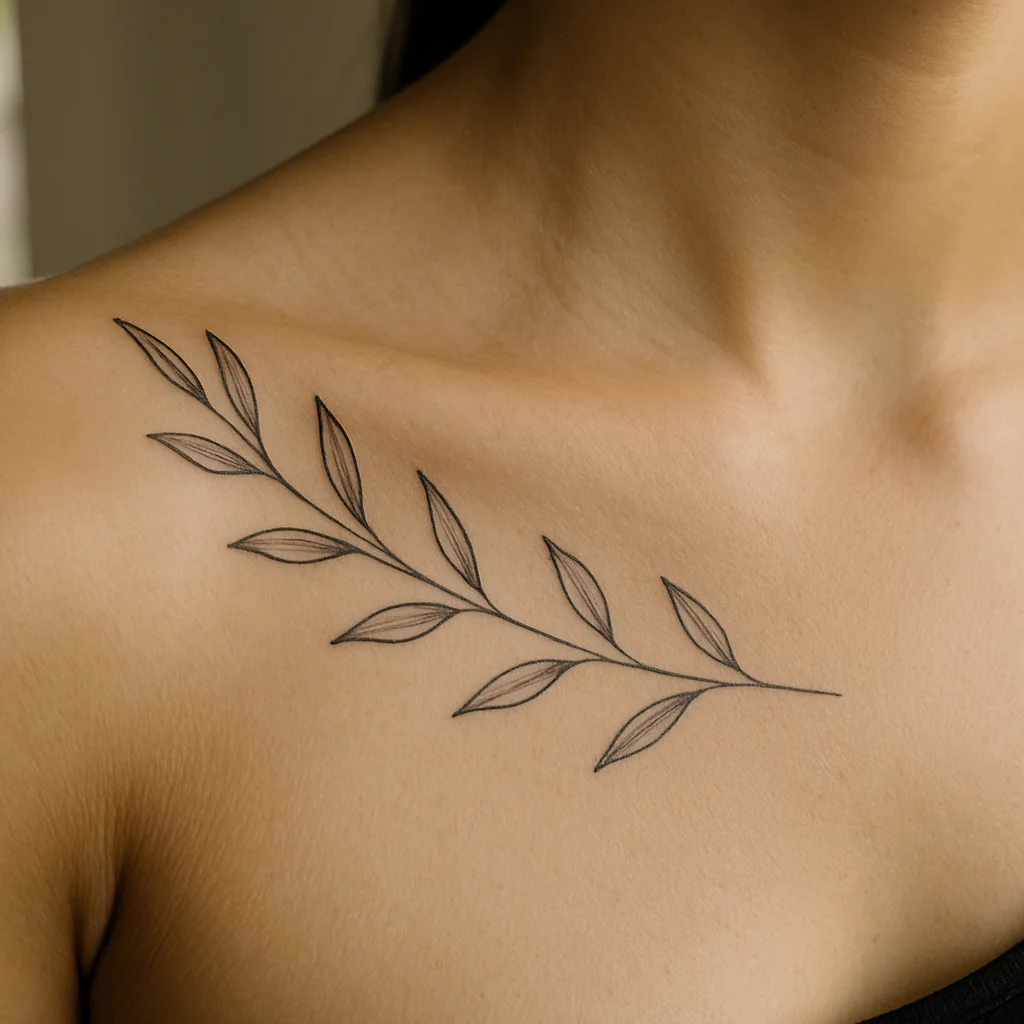
11. Olive branch tracing the collarbone
Leaves alternating along the bone so the tattoo looks like it grew there. Two to five inches depending on how far you carry it toward the shoulder.
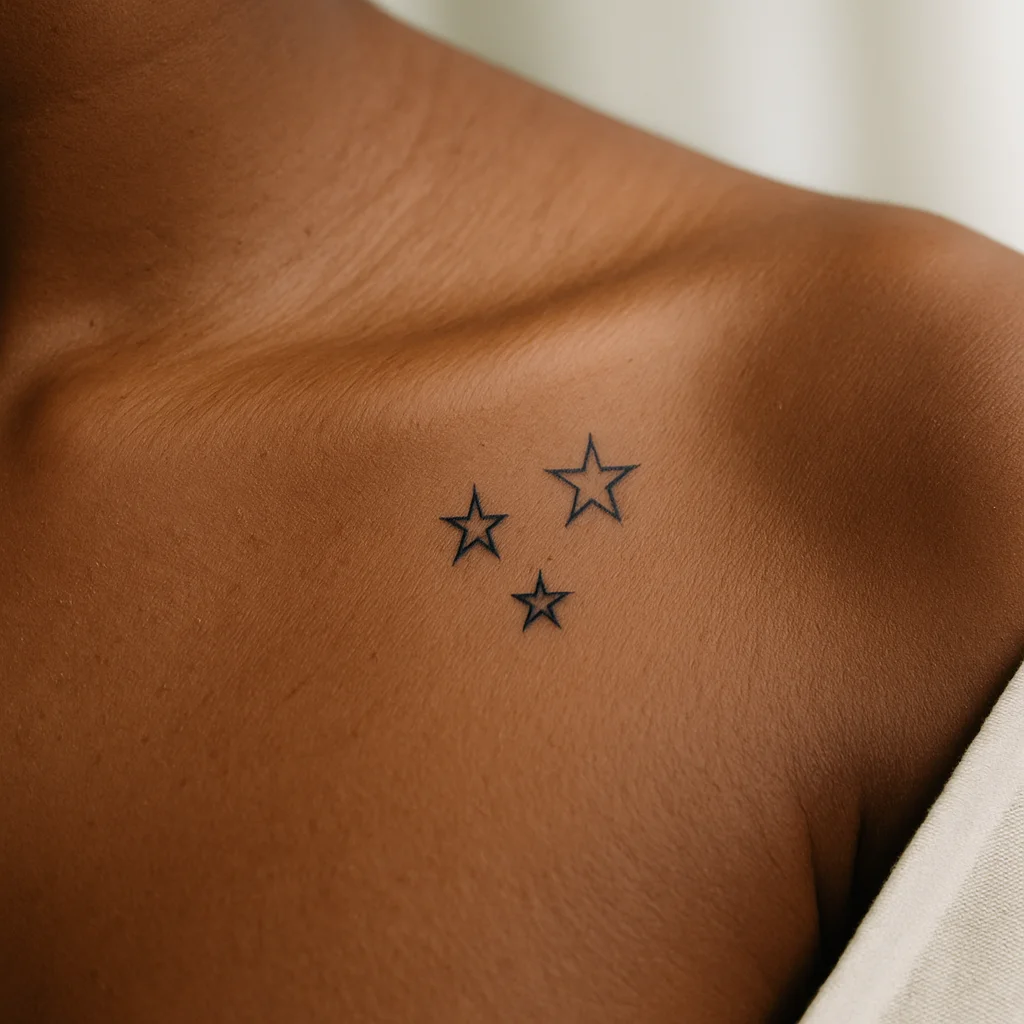
12. Three tiny stars staggered under the collarbone
Different sizes, unevenly spaced — deliberate asymmetry looks intentional, while a neat row looks like a sticker.
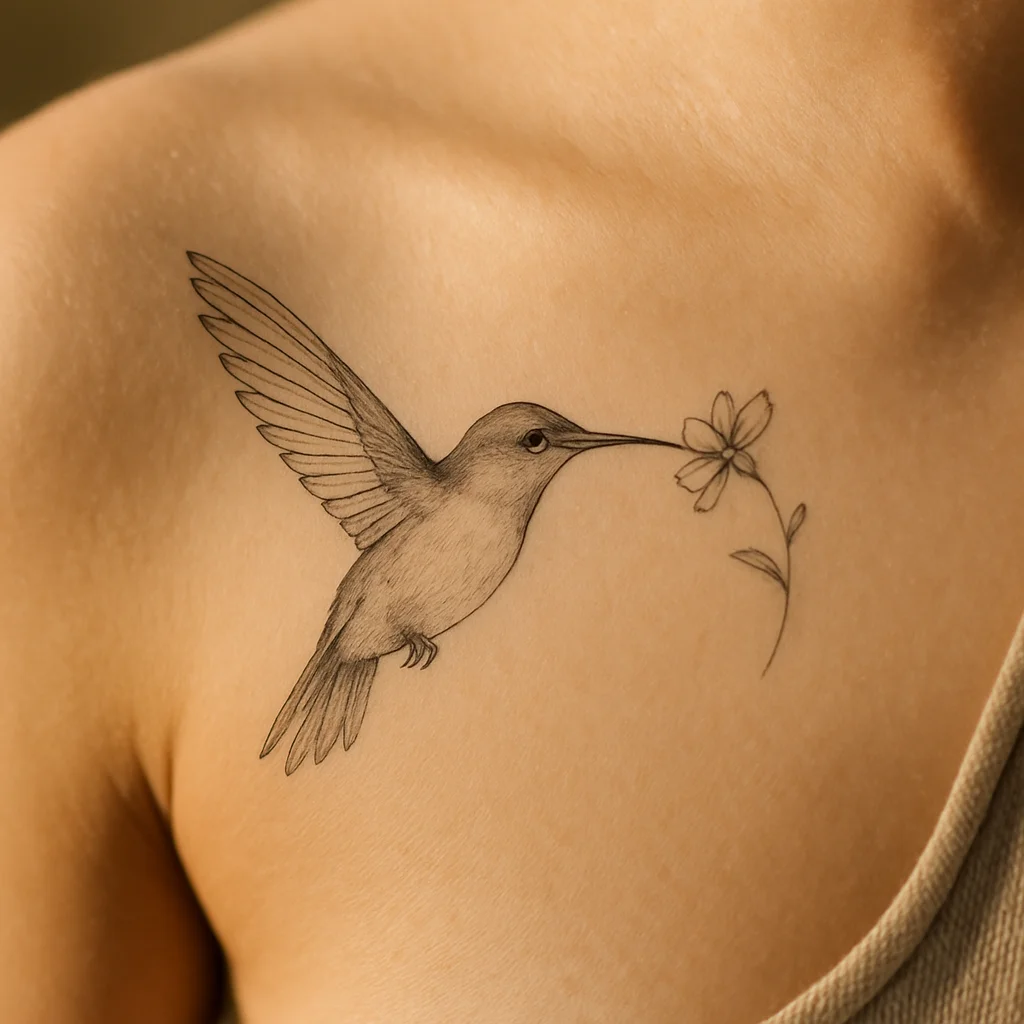
13. Fine-line hummingbird mid-hover
On the shoulder cap, beak angled toward a small blossom placed an inch away. The gap between bird and bloom is what makes the movement work.
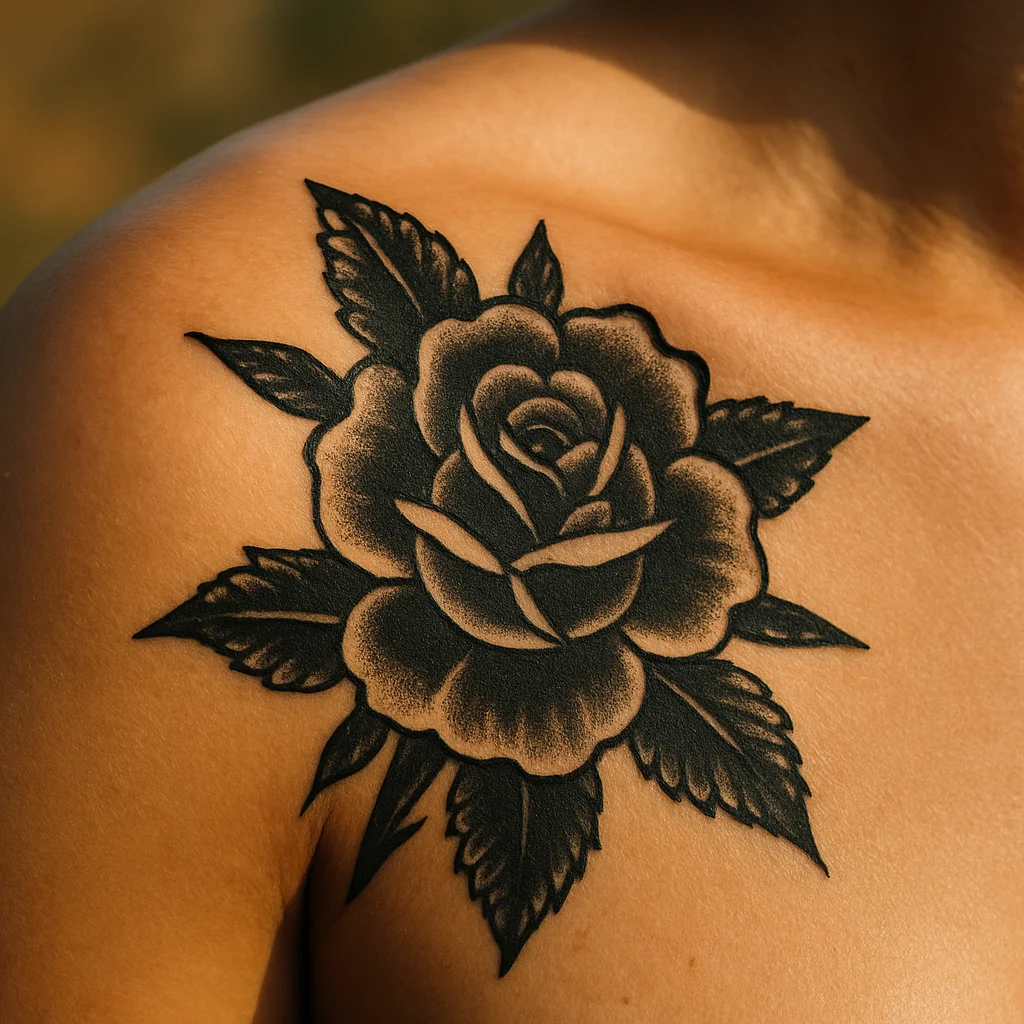
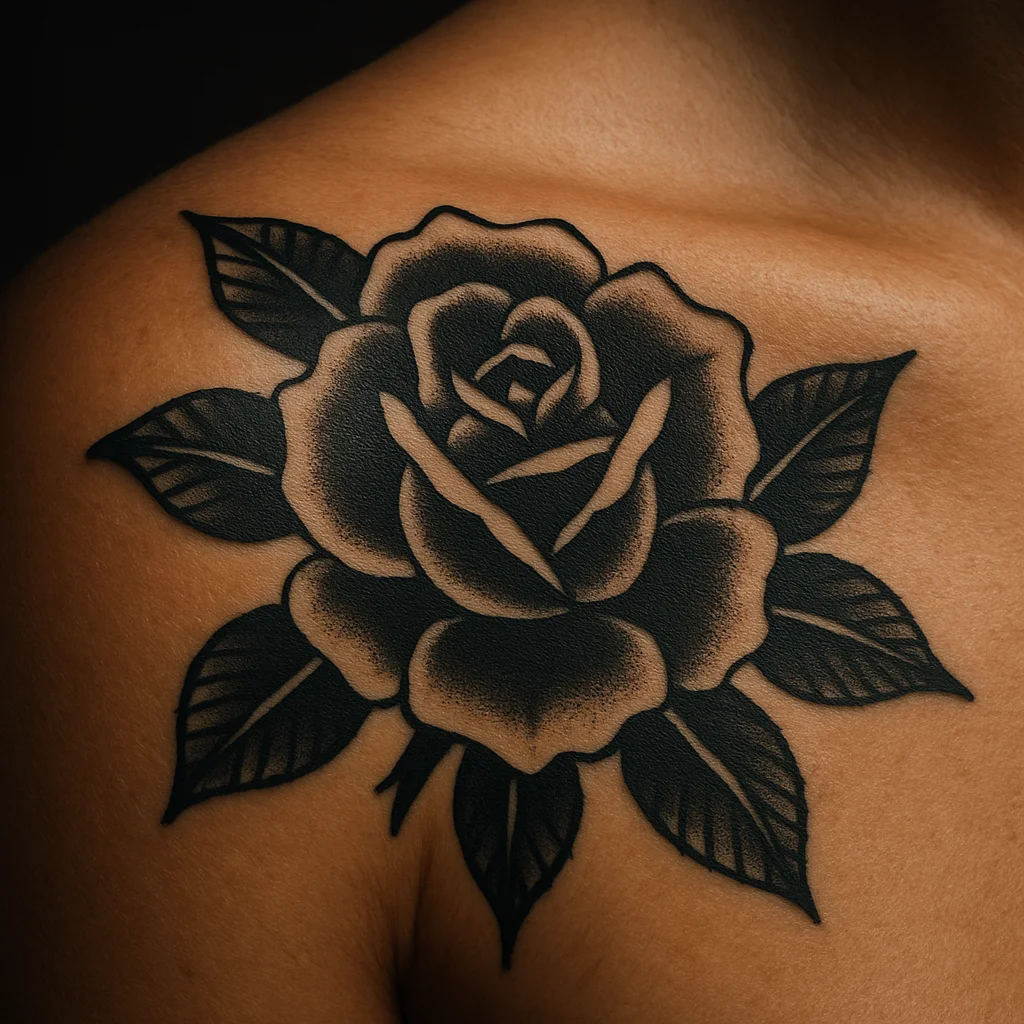
14. Traditional rose with heavy black shading
Three to four inches on the outer shoulder, thick outline — the kind of tattoo that looks better at year fifteen than year one.
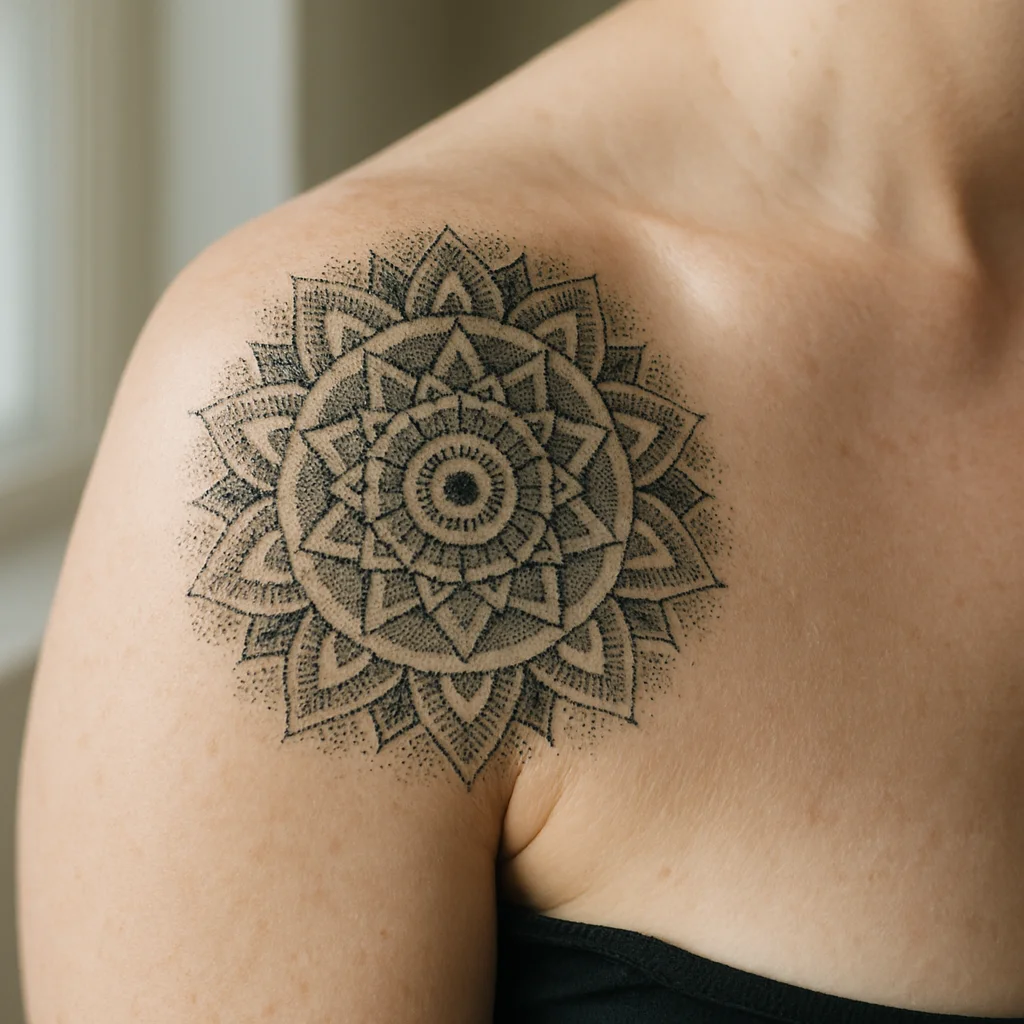
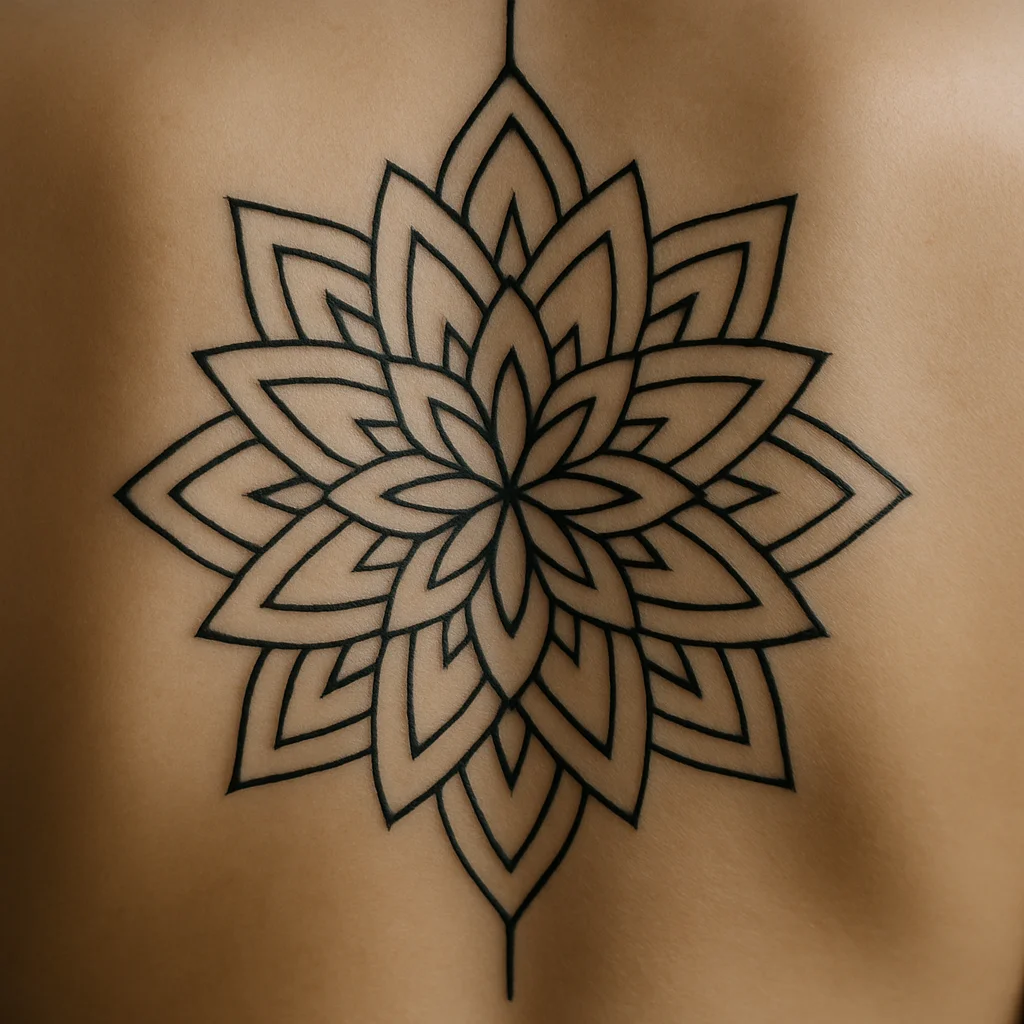
15. Geometric mandala on the shoulder cap
Built from concentric dot-work rings. Insist on a stencil check while you stand upright and while you raise your arm; symmetry that's perfect on a slack shoulder can skew when you move.
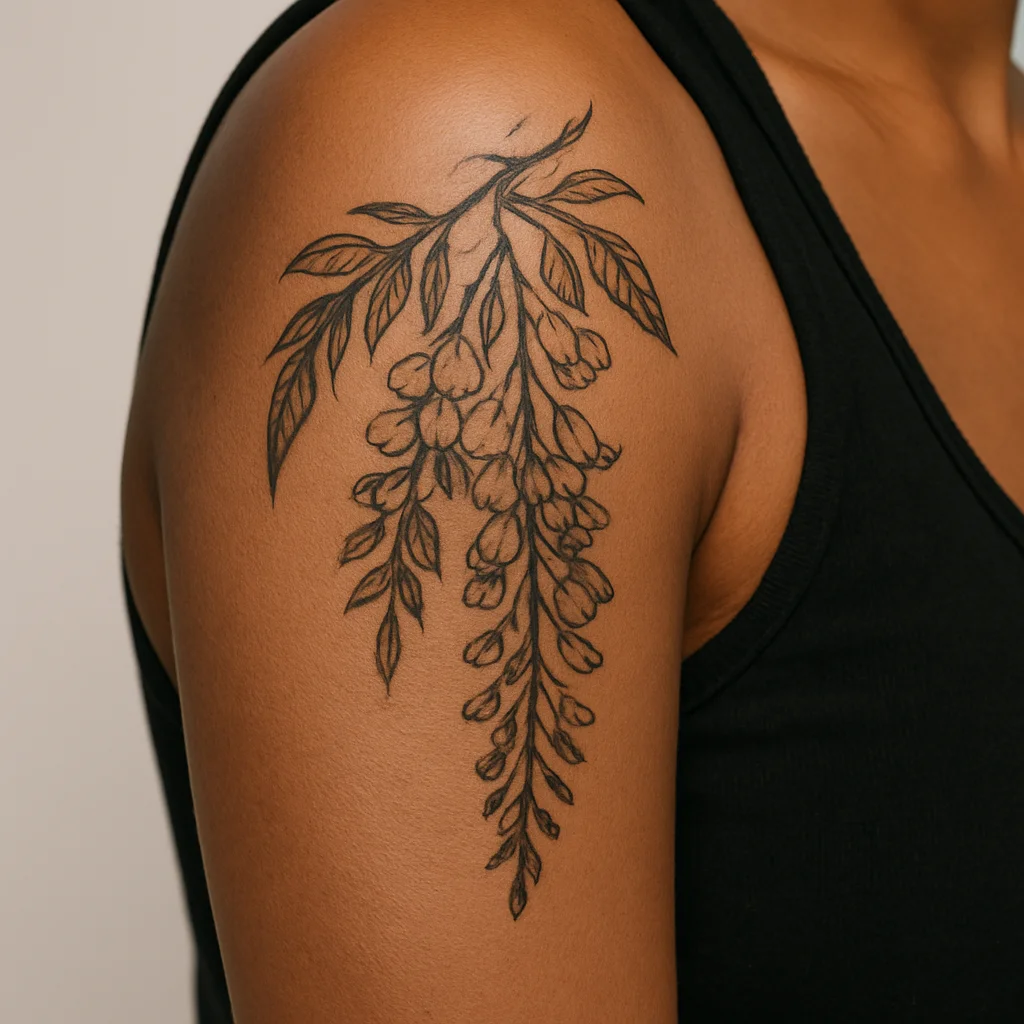
16. Wisteria draping from the shoulder over the upper arm
Blooms hanging with gravity so the piece reads correctly when your arm is down.
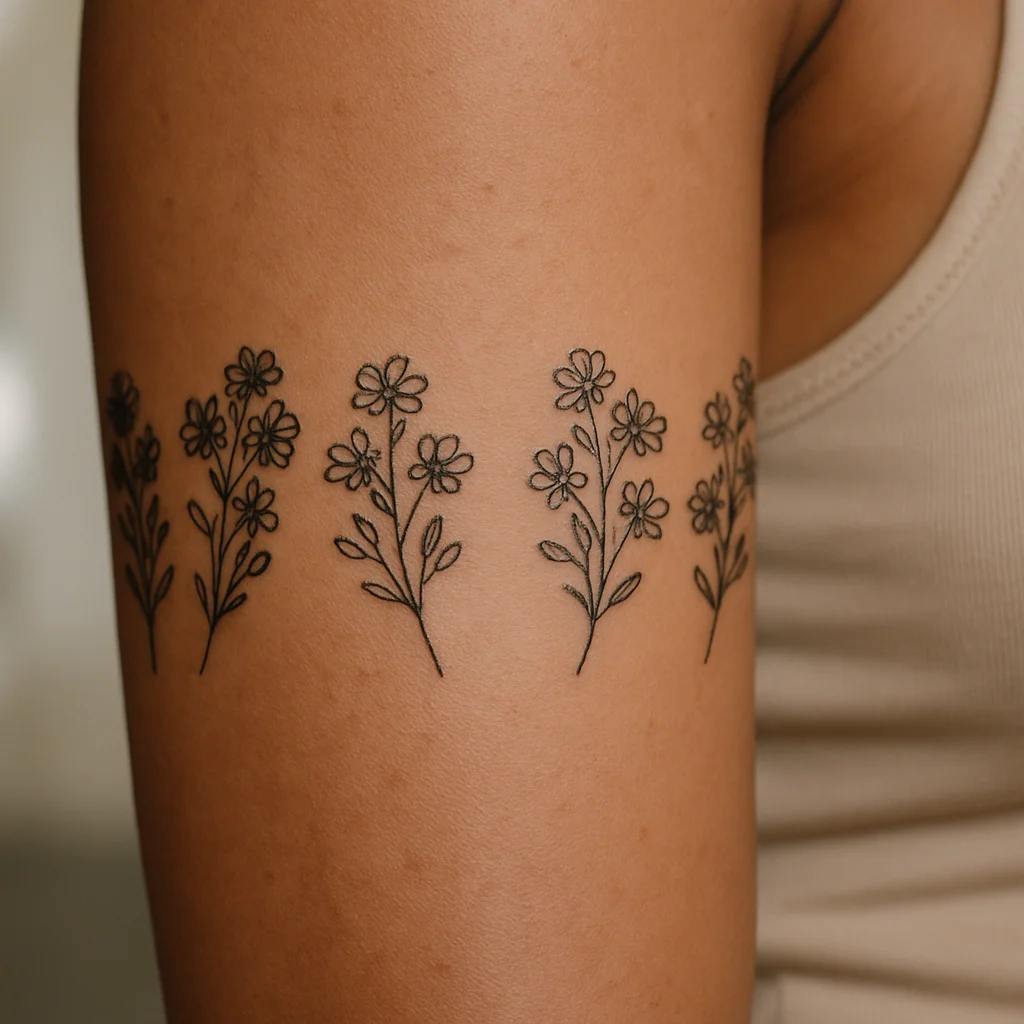
17. Floral armband of small wildflowers
Wrapping the upper arm with gaps of bare skin between clusters, so it doesn't turn into a solid dark cuff.
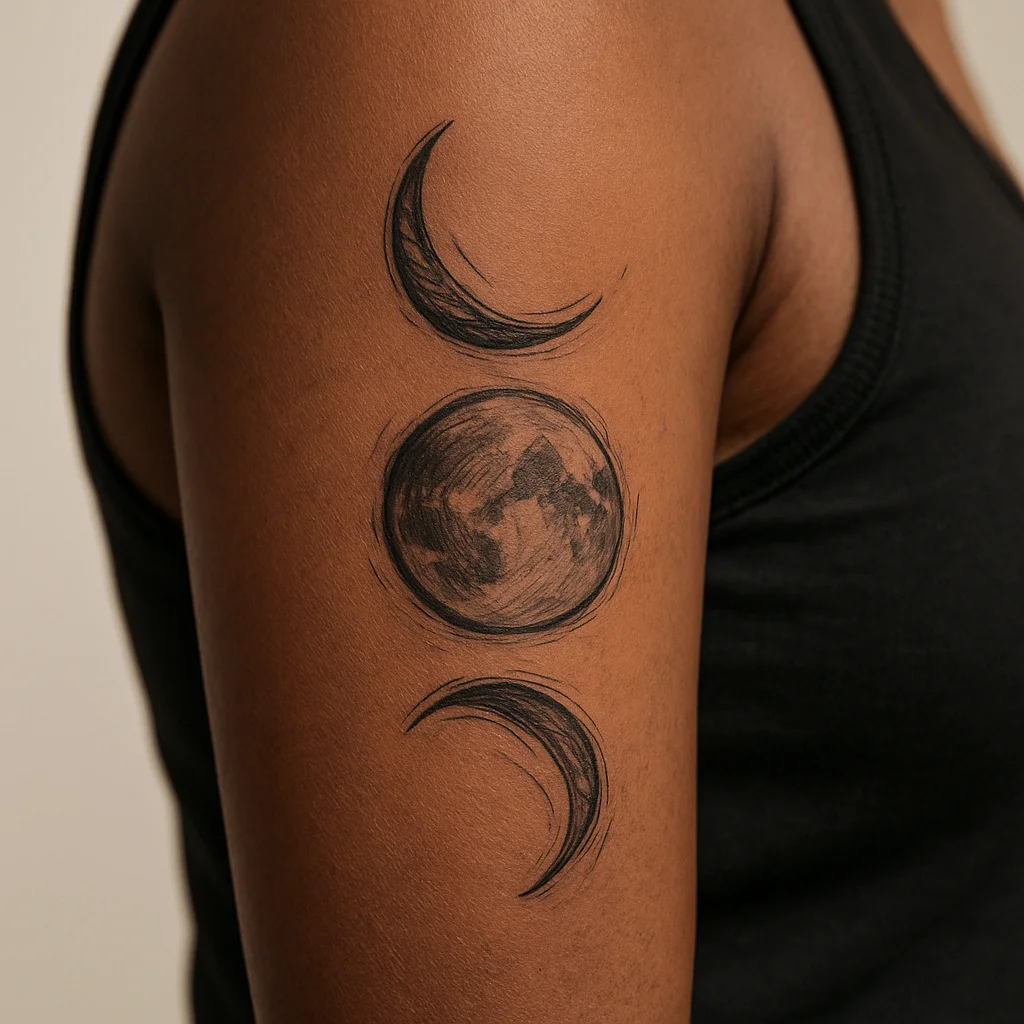
18. Three moon phases down the outer upper arm
Waxing, full, waning, with the full moon rendered in soft grey wash. Expect that grey to lighten a shade or two over the years.
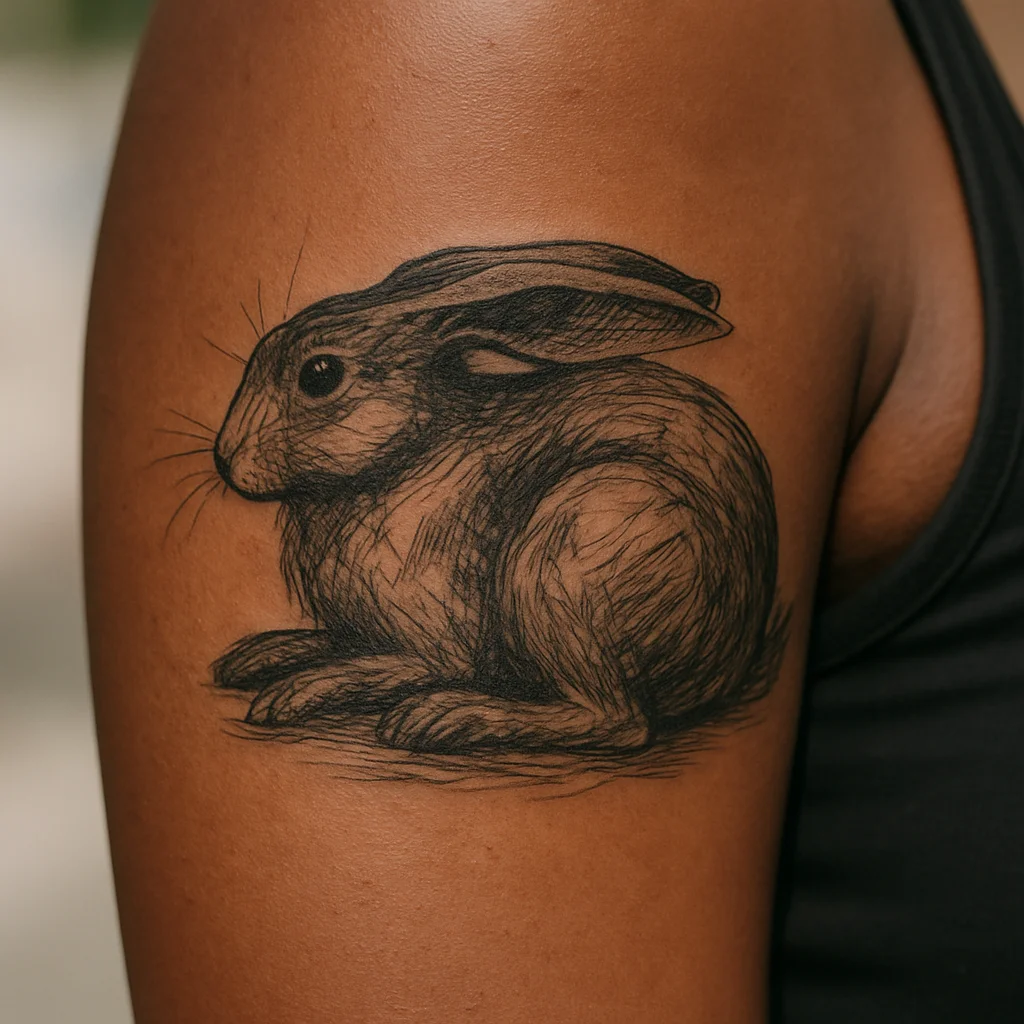
19. Curled hare in illustrative linework
On the upper arm, ears flat, body drawn with sketchy hatching instead of outline-and-fill.
Pain here is manageable: the fleshy outer shoulder and upper arm are mid-range, while the collarbone itself is thin skin over bone and genuinely sharp. Most collarbone pieces are small, so it's over quickly.
Ribs, spine and back: 9 designs for the long canvas
The back is the most underrated real estate on the body. Nothing creases it, sun rarely reaches it, and it gives you vertical length that arms can't. The trade-off is that ribs and spine hurt, and you can't admire the result without a mirror.
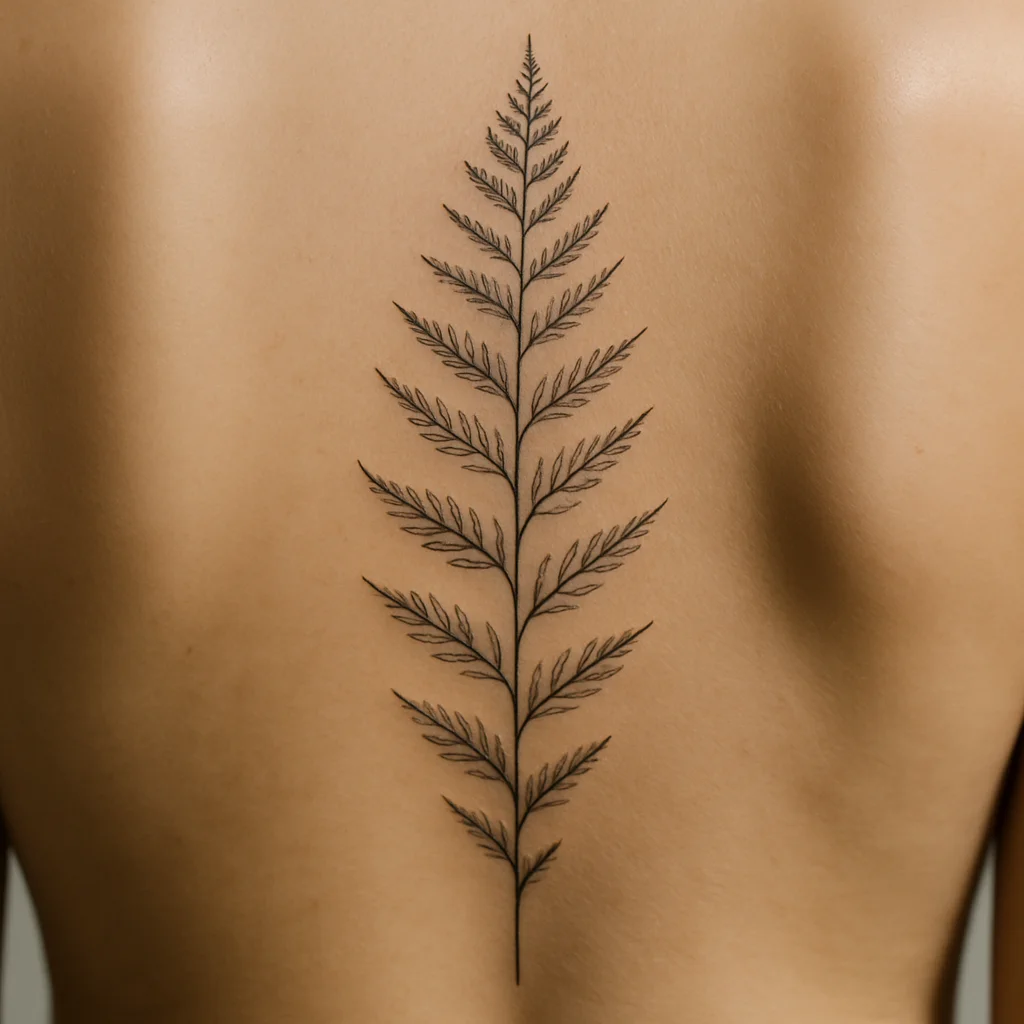
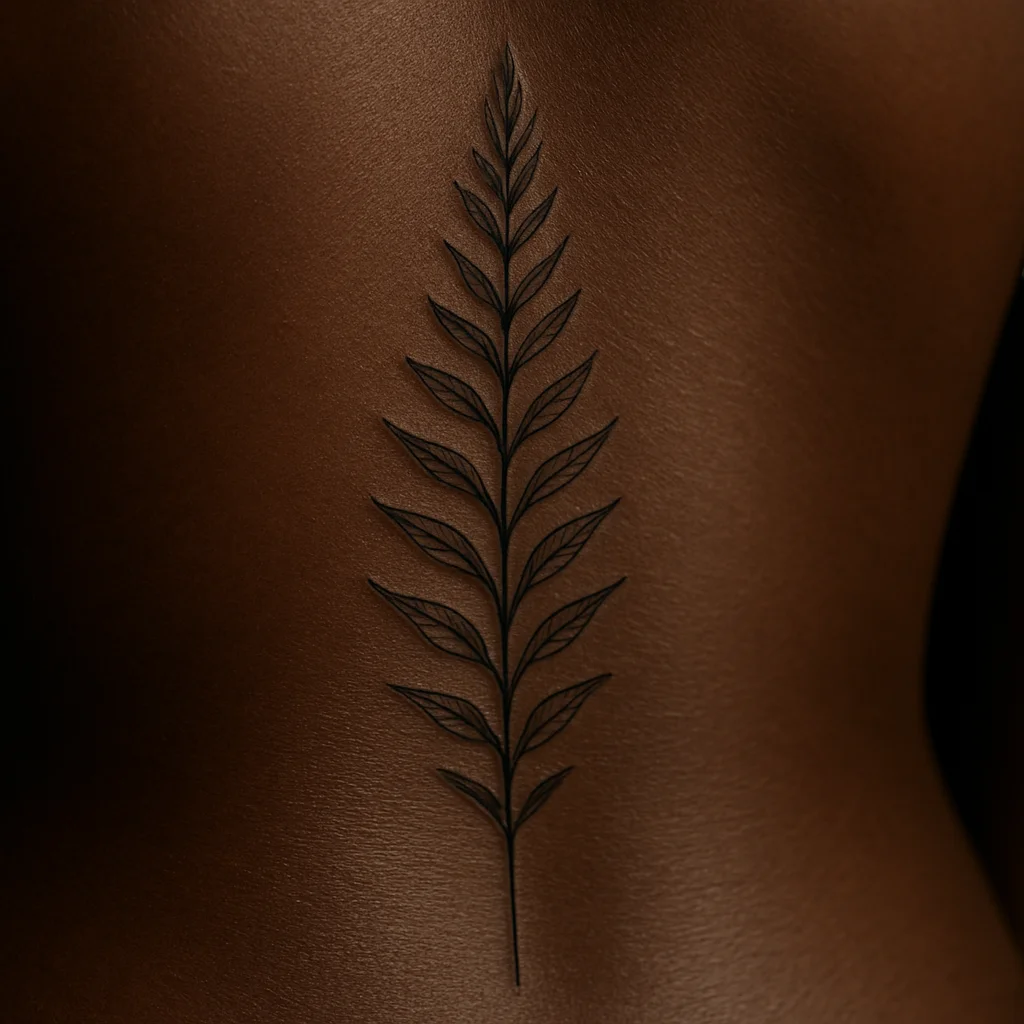
20. Fine-line fern running down the spine
Six to twelve inches, fronds narrowing toward the small of the back. Spine work must be stenciled while you stand naturally, not while you're hunched.
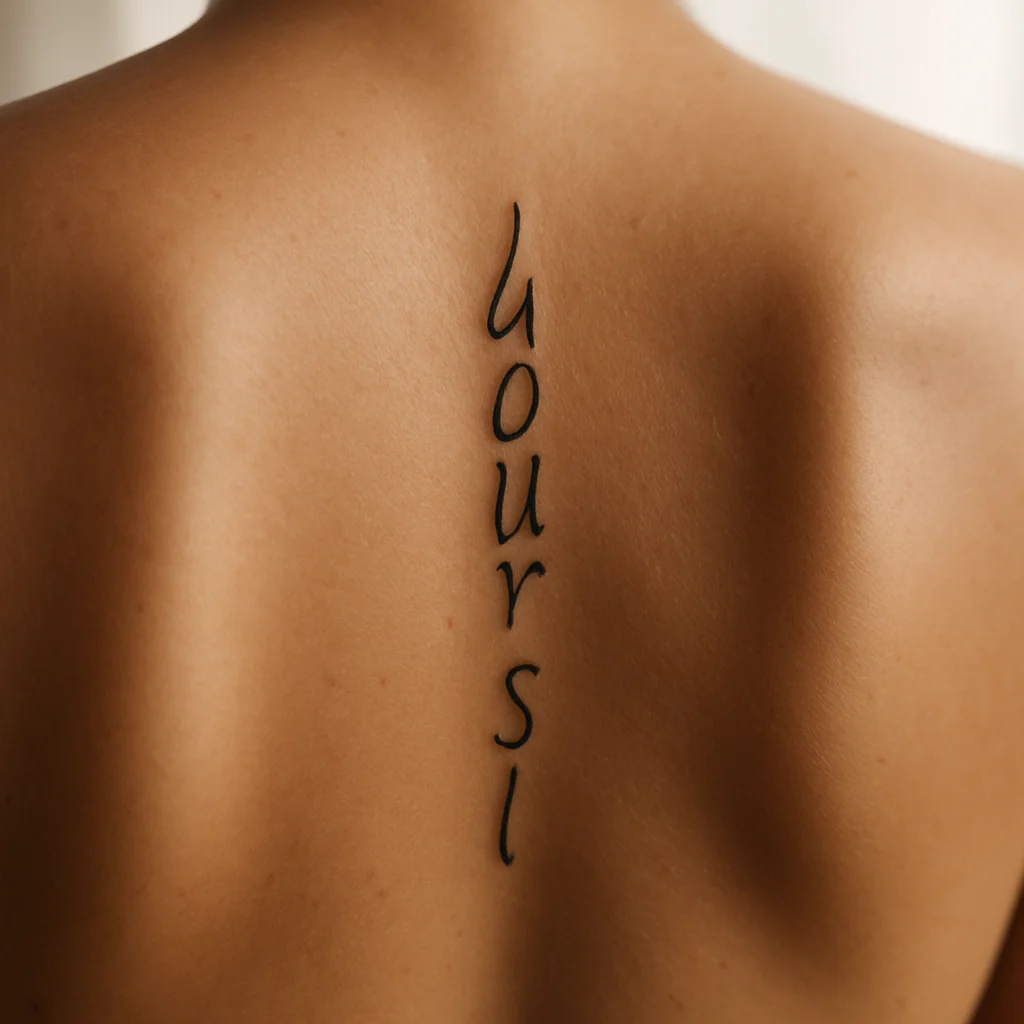
21. A single line of script down the spine
Letters stacked vertically — keep it short, four or five words, and choose lettering with weight variation so it doesn't fade into a grey smudge.
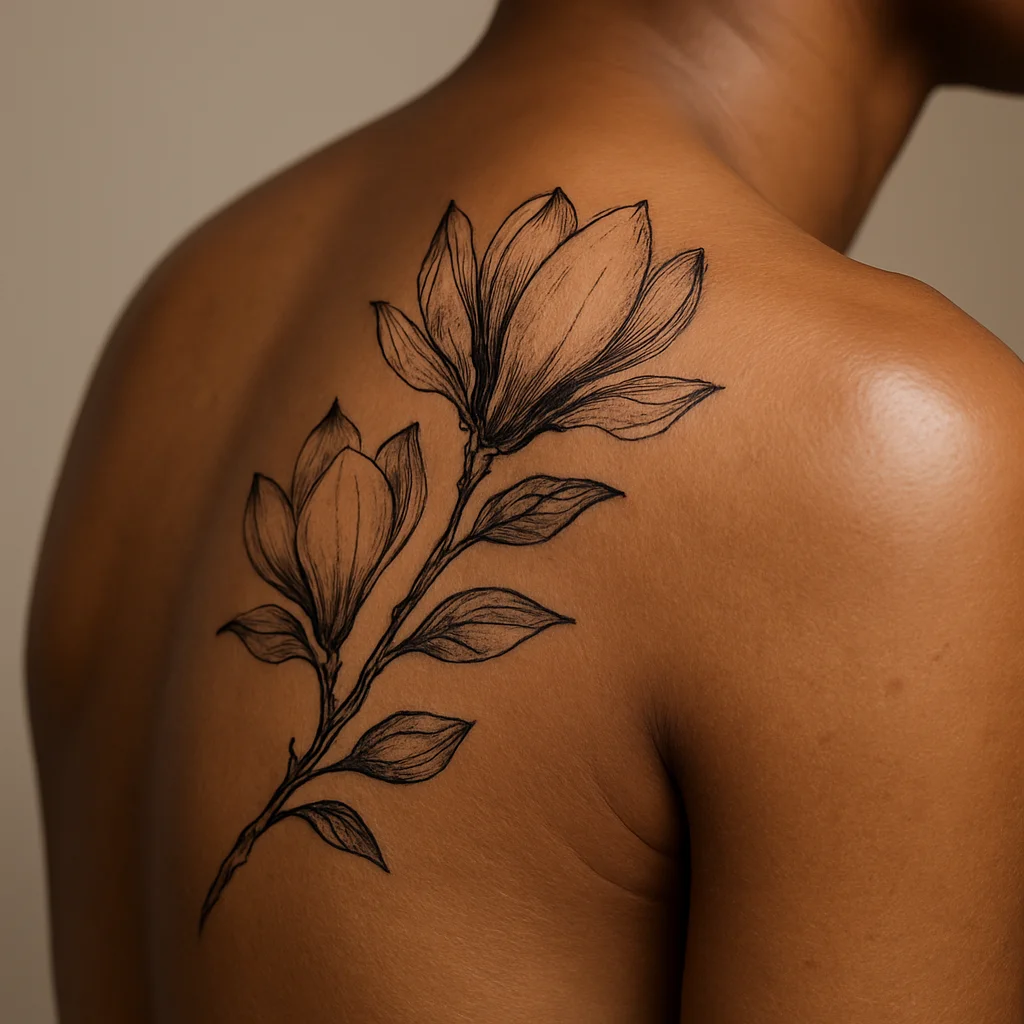
22. Blooming magnolia branch across one shoulder blade
Following the diagonal of the bone with two open flowers and one closed bud.
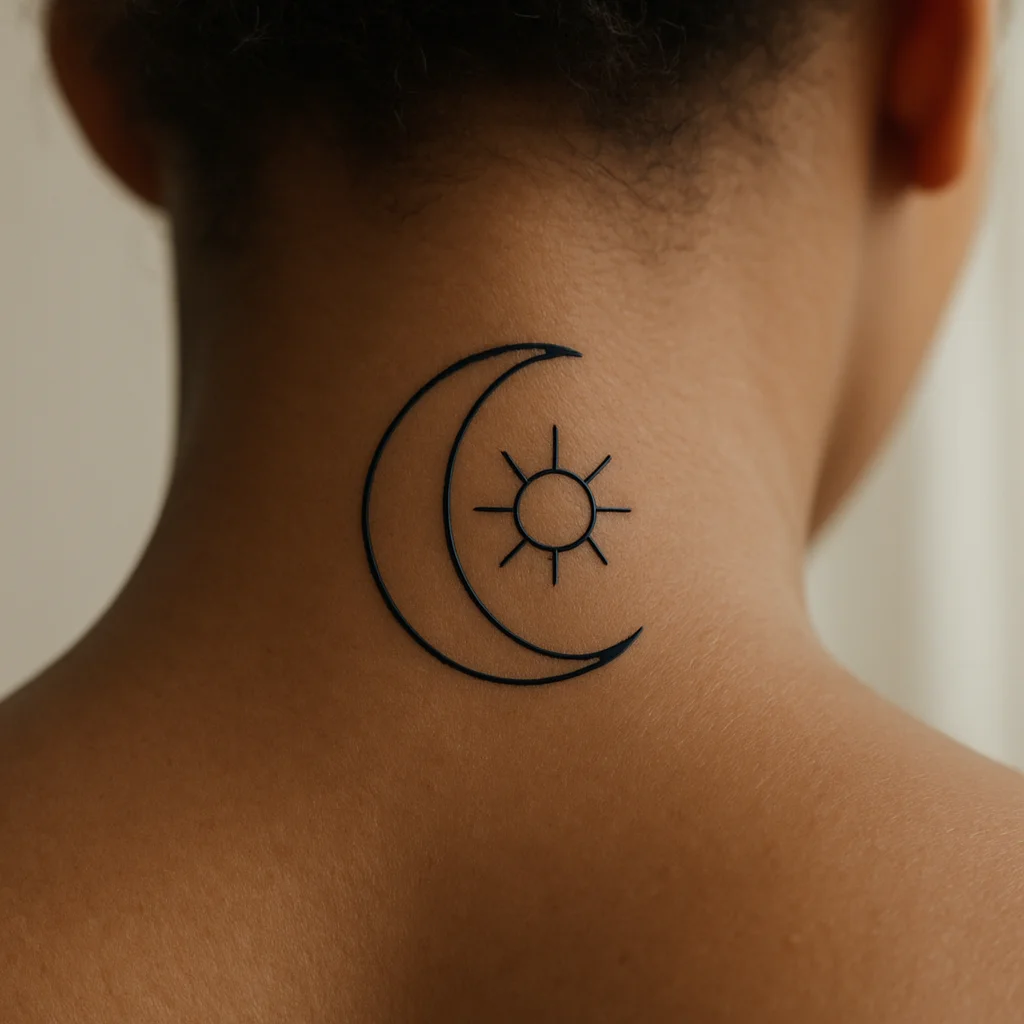
23. Crescent moon cradling a small sun at the nape
An inch or two wide — easily hidden by hair, easily shown with a bun.
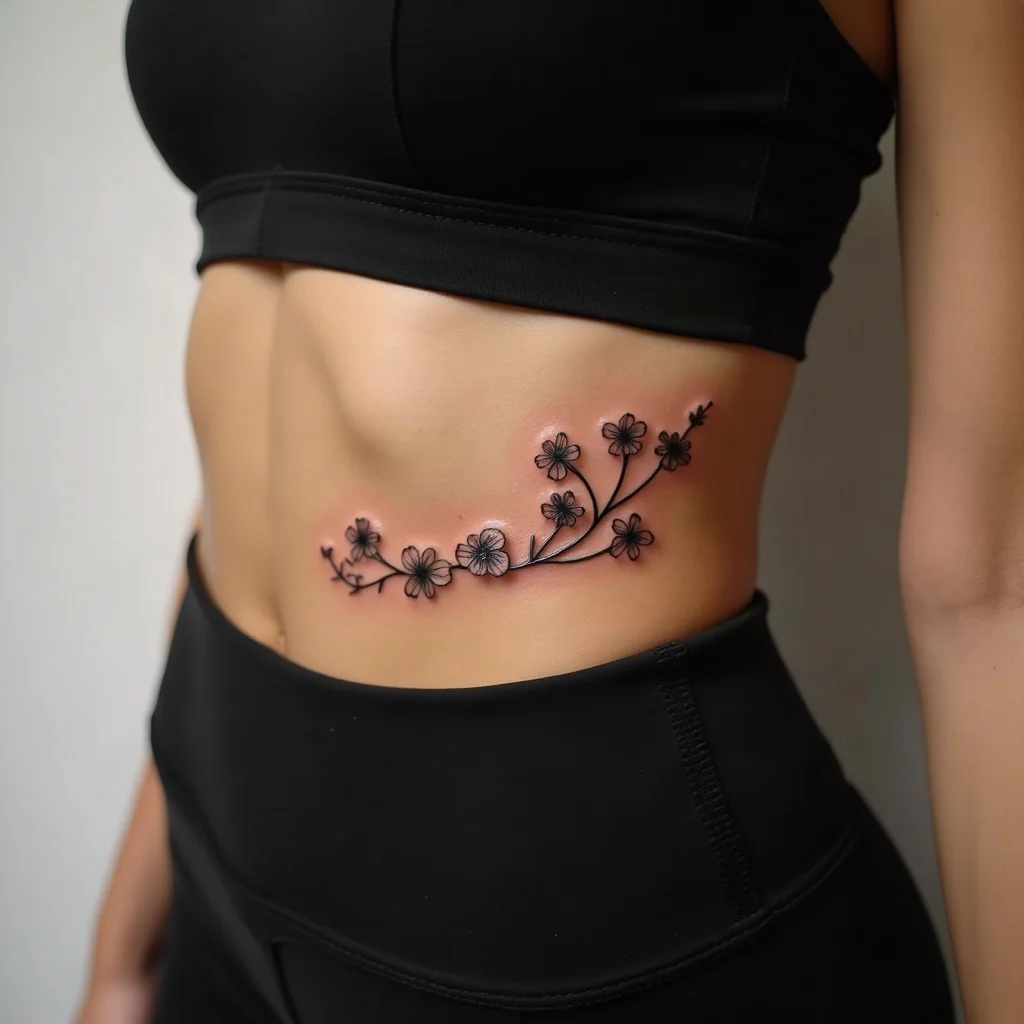
24. Trailing sweet pea vine along the underbust
Curving with the ribs rather than cutting straight across them, which is what keeps it from looking pasted on.
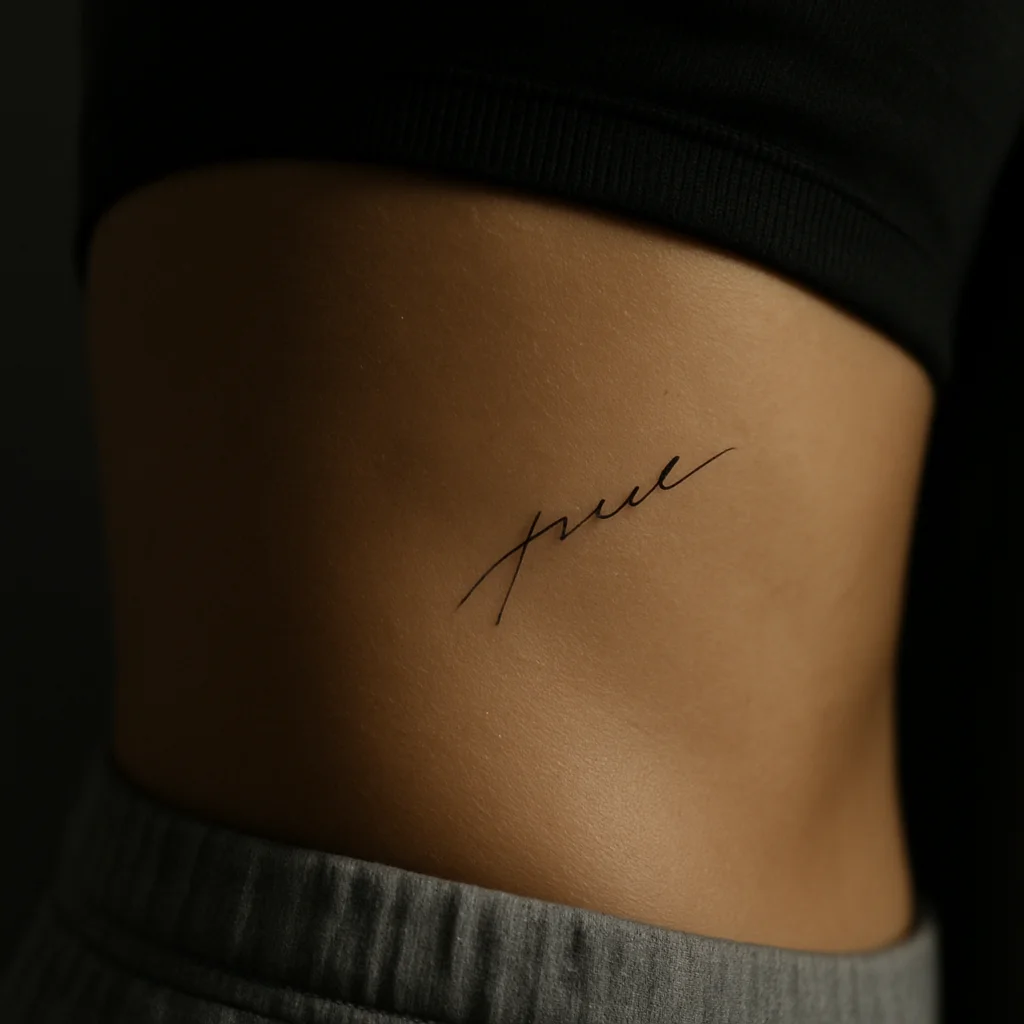
25. A fine italic line on the side of the ribcage
Angled to follow a rib. Expect this one to be the most painful tattoo on the list per minute.
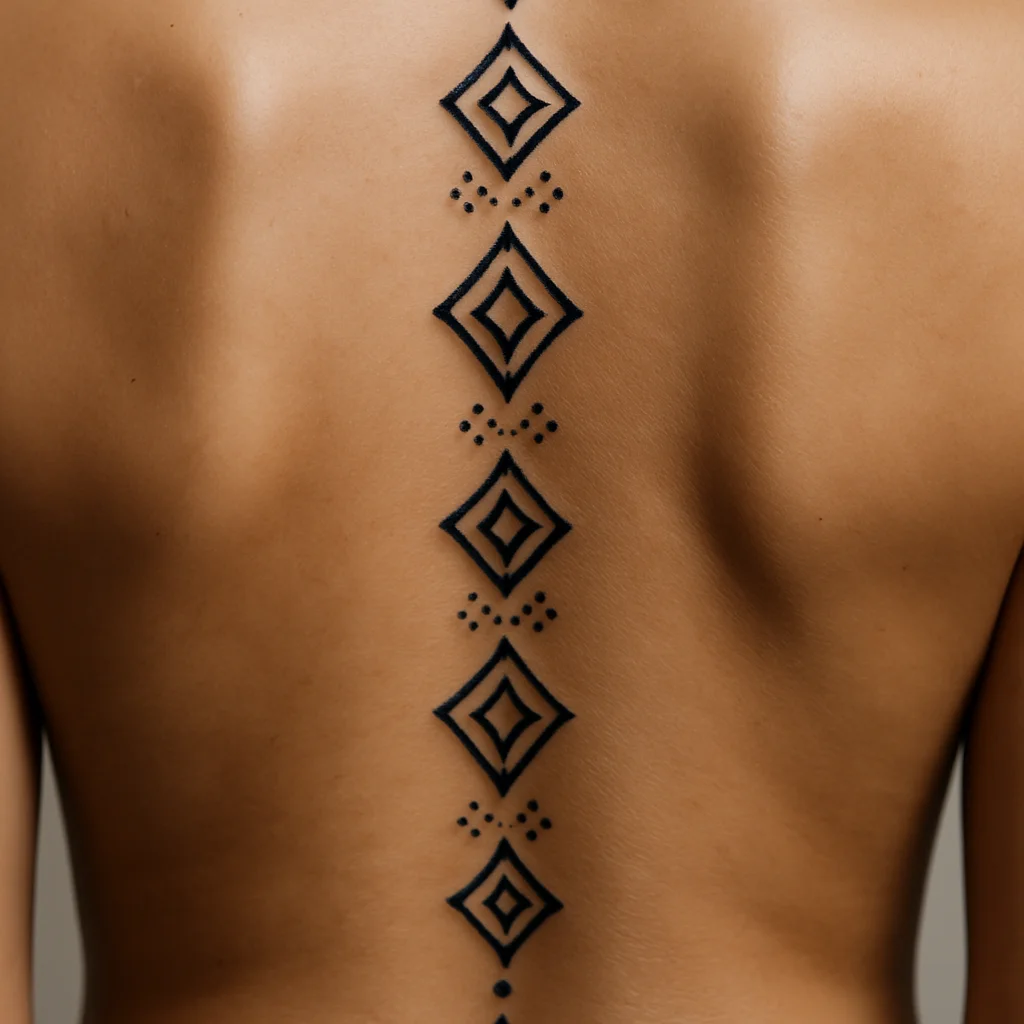
26. Ornamental spine piece
Built from linked diamonds and dot clusters, one motif per vertebra, which can be extended in later sessions.
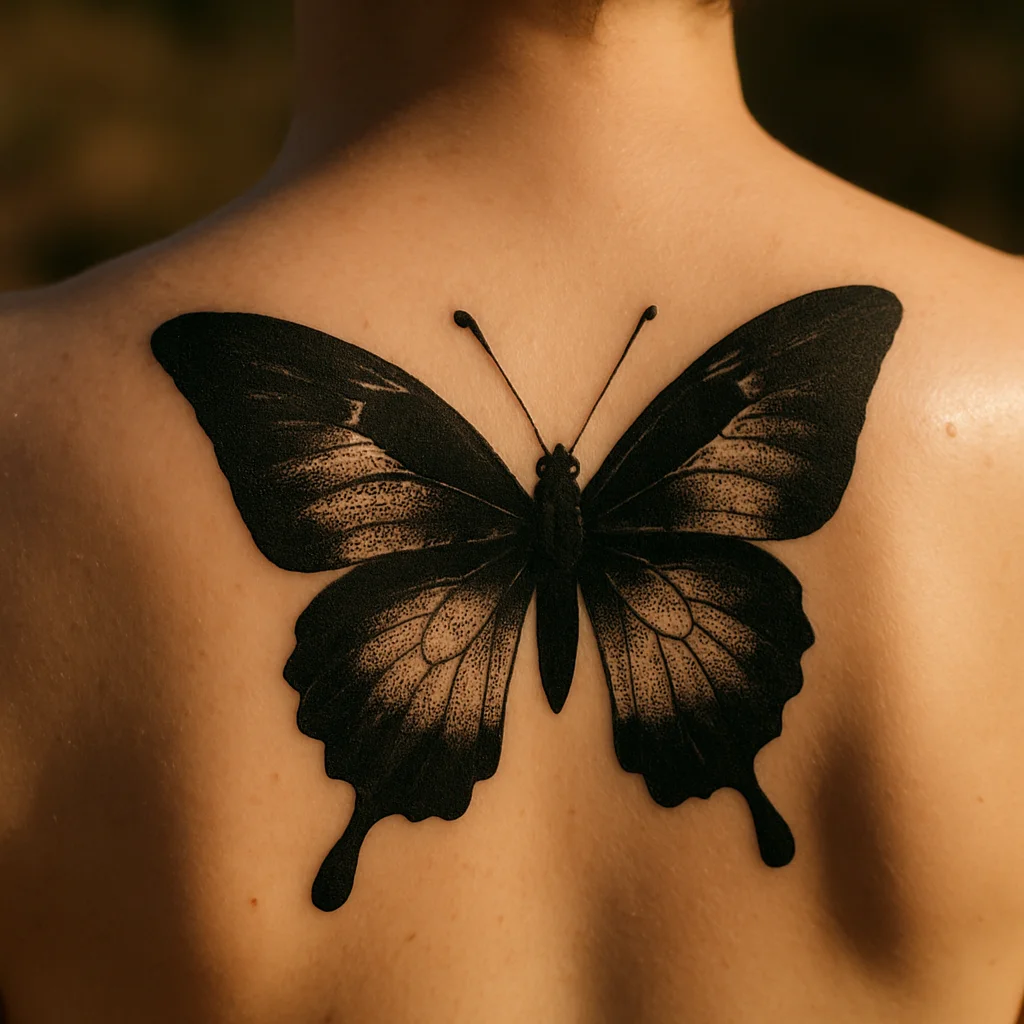
27. Butterfly between the shoulder blades
With dot-work shading in the wings instead of solid black, so it stays soft as it settles.
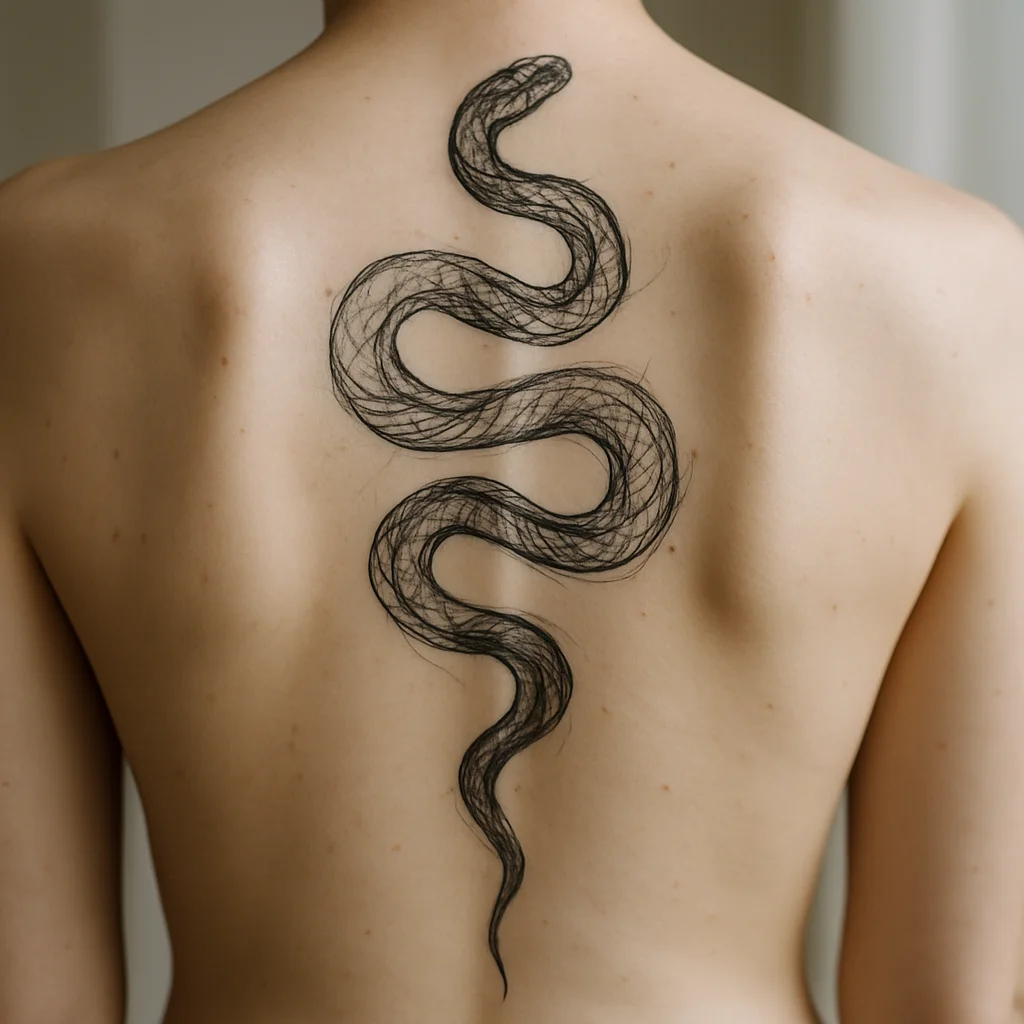
28. Snake winding down the spine
Head at the nape, tail tapering at the waist — dramatic, and one of the few designs that genuinely needs that much length.
Honest pain notes
Ribs and the spine directly over bone are the sharpest spots most people experience: bright, buzzing, hard to breathe through. The fleshier parts of the upper back and shoulder blade are far easier. Book ribs for a morning session, eat properly beforehand, and plan for shorter sittings than you'd tolerate on an arm.
Ankle, calf and thigh: 10 designs from delicate to bold
Legs give you range. Ankles suit tiny, decorative pieces; calves handle bold traditional work; thighs are the best large-canvas option on the body for detail retention, and they're covered by default nine months of the year.
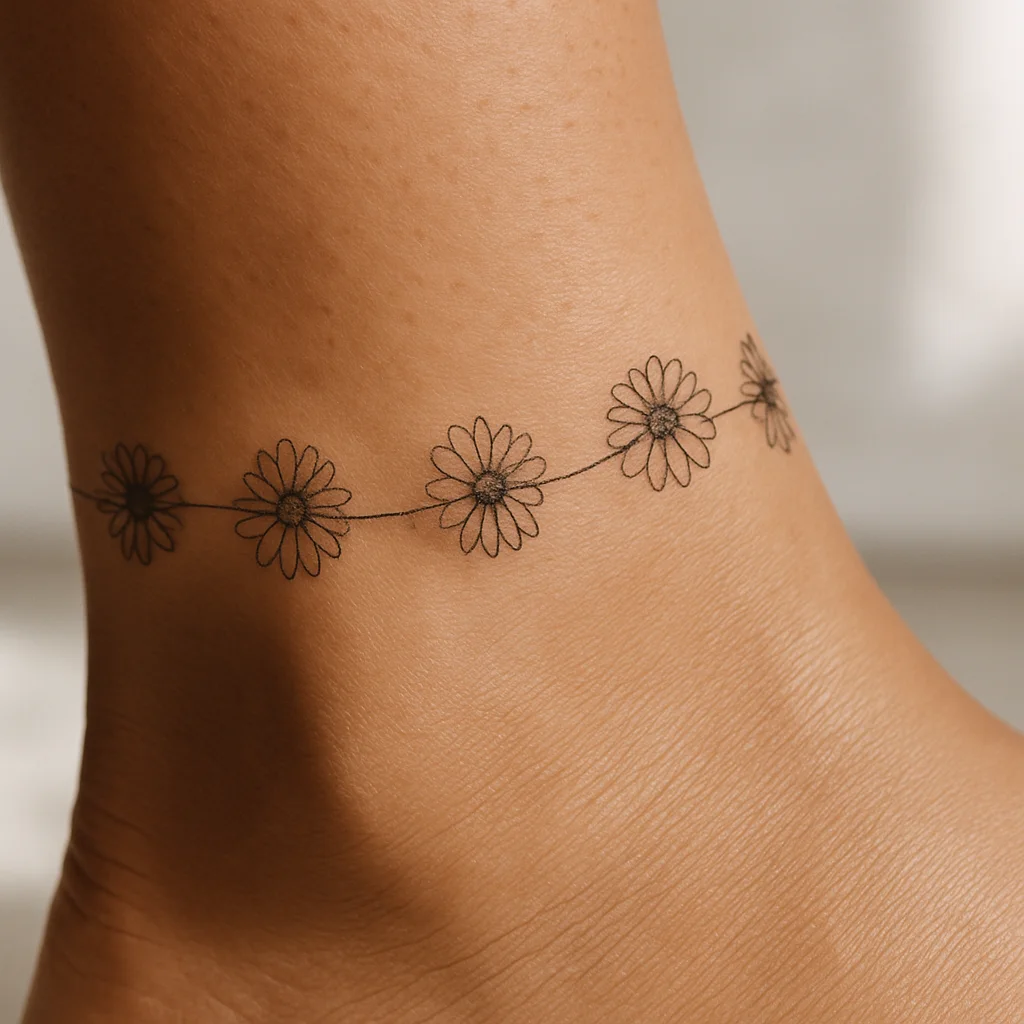
29. Daisy chain anklet
Tiny blooms linked by a hairline stem, circling just above the bone.
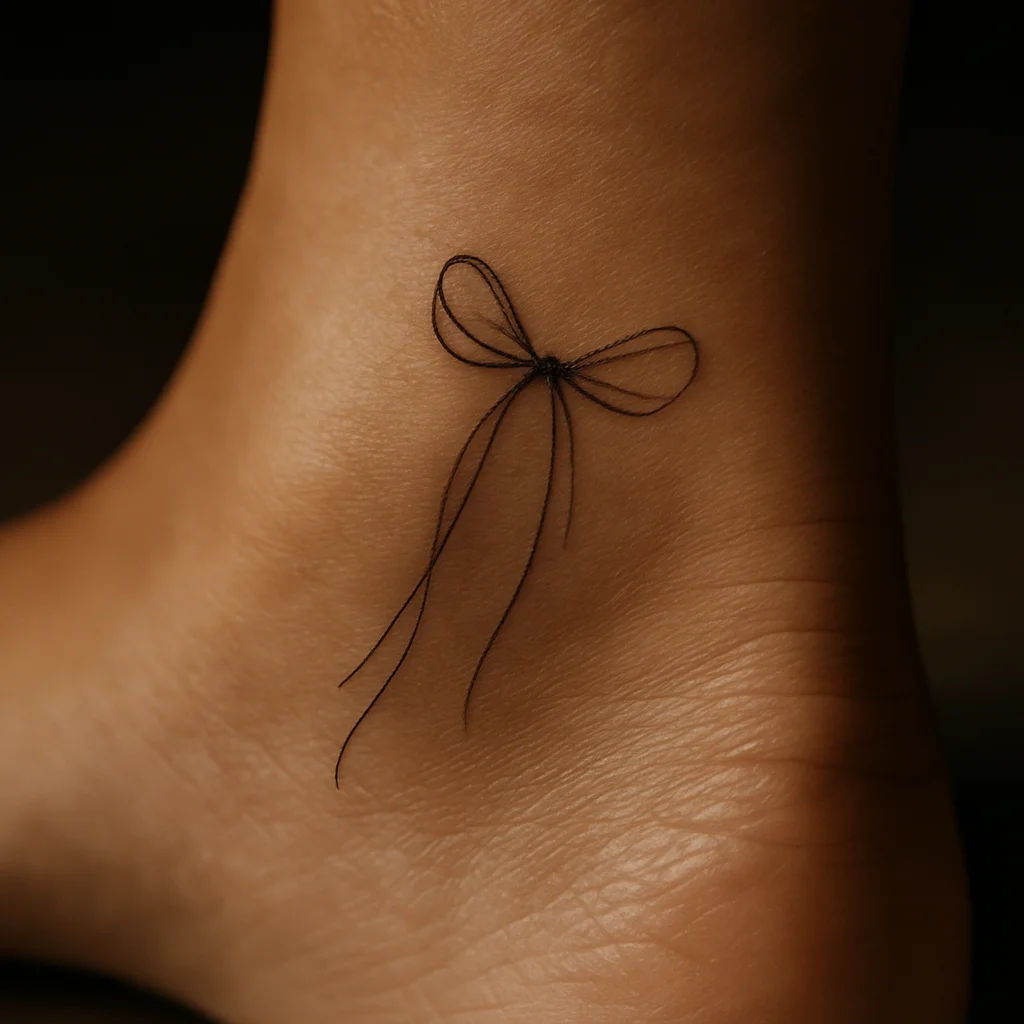
30. Fine-line bow at the back of the ankle
Ribbon tails trailing down toward the heel — small, charming, and one of the most requested pieces of the moment.
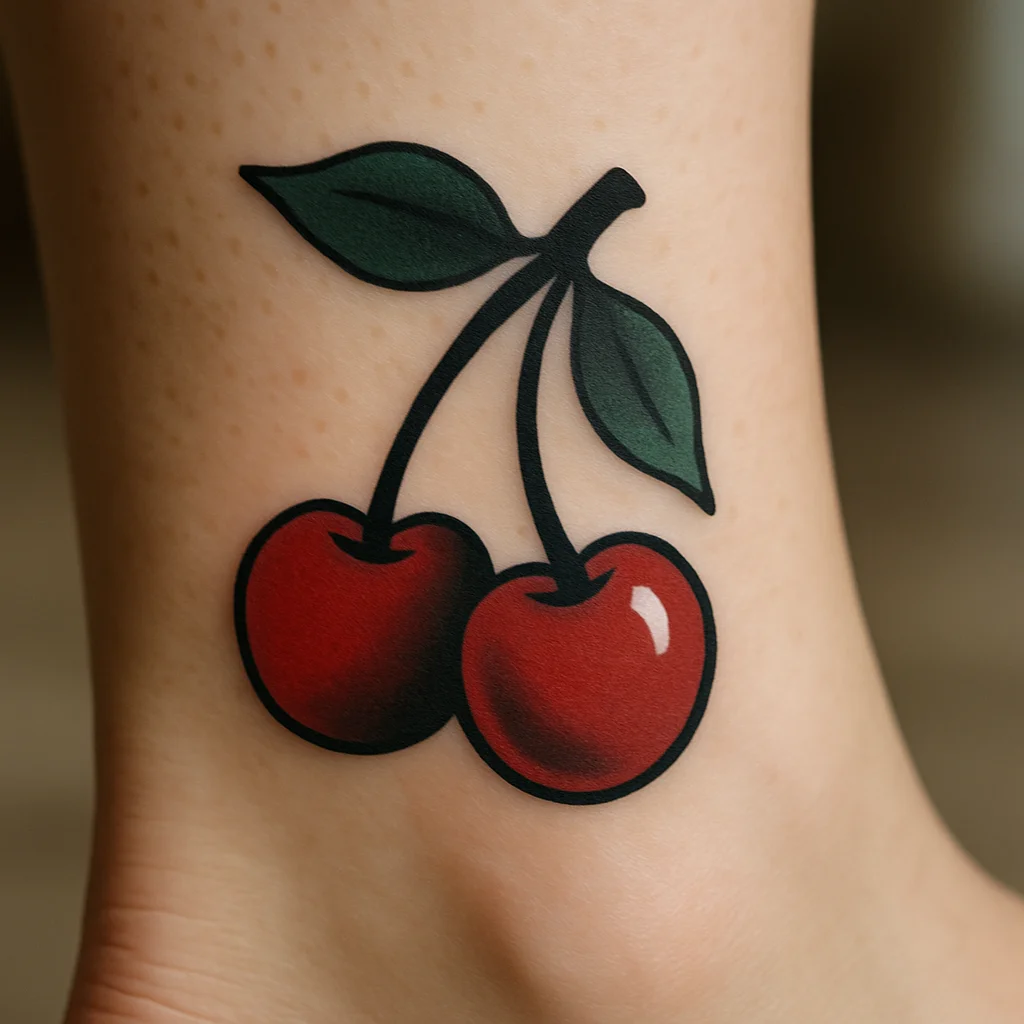
31. A pair of traditional cherries
On the outer ankle, bold outline and a single highlight in each fruit.
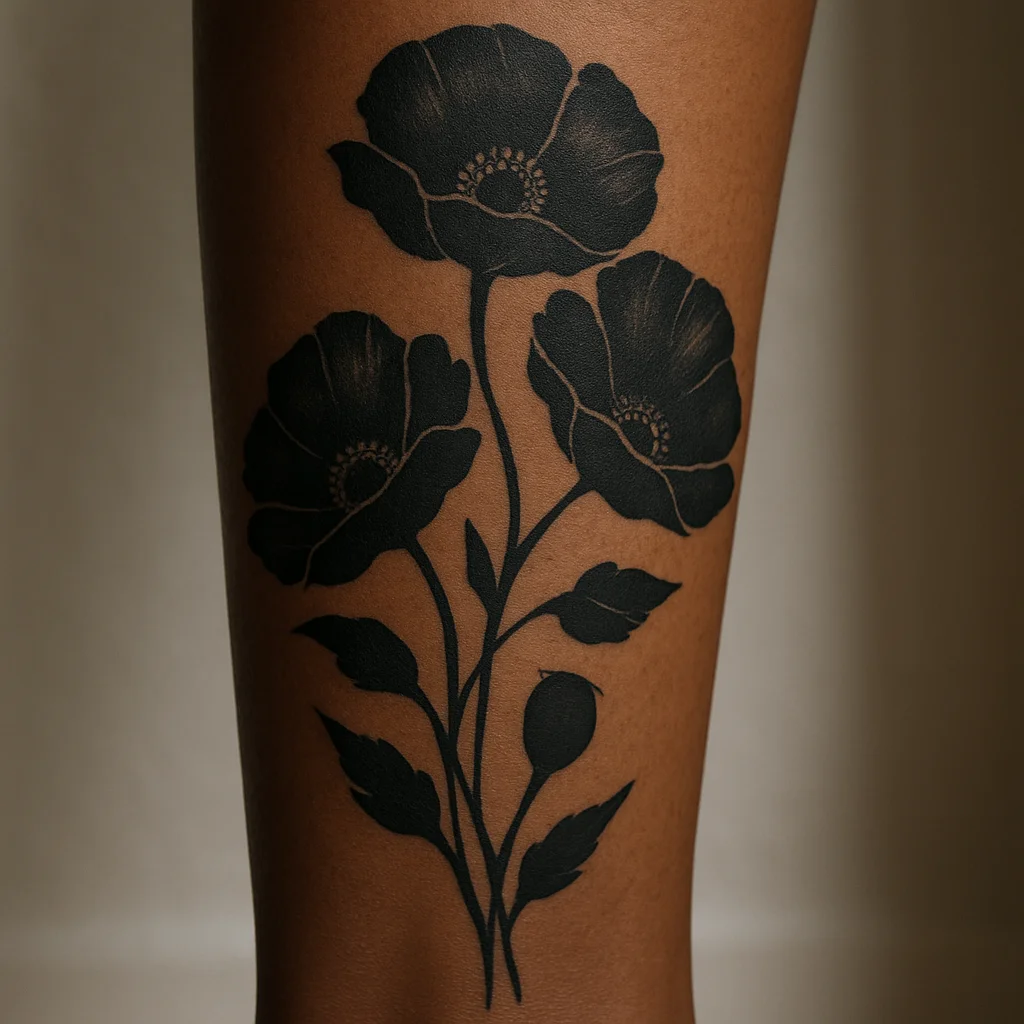
32. Poppies wrapping the calf in blackwork
Petals rendered with brush-like fills so the piece has real weight from a distance.
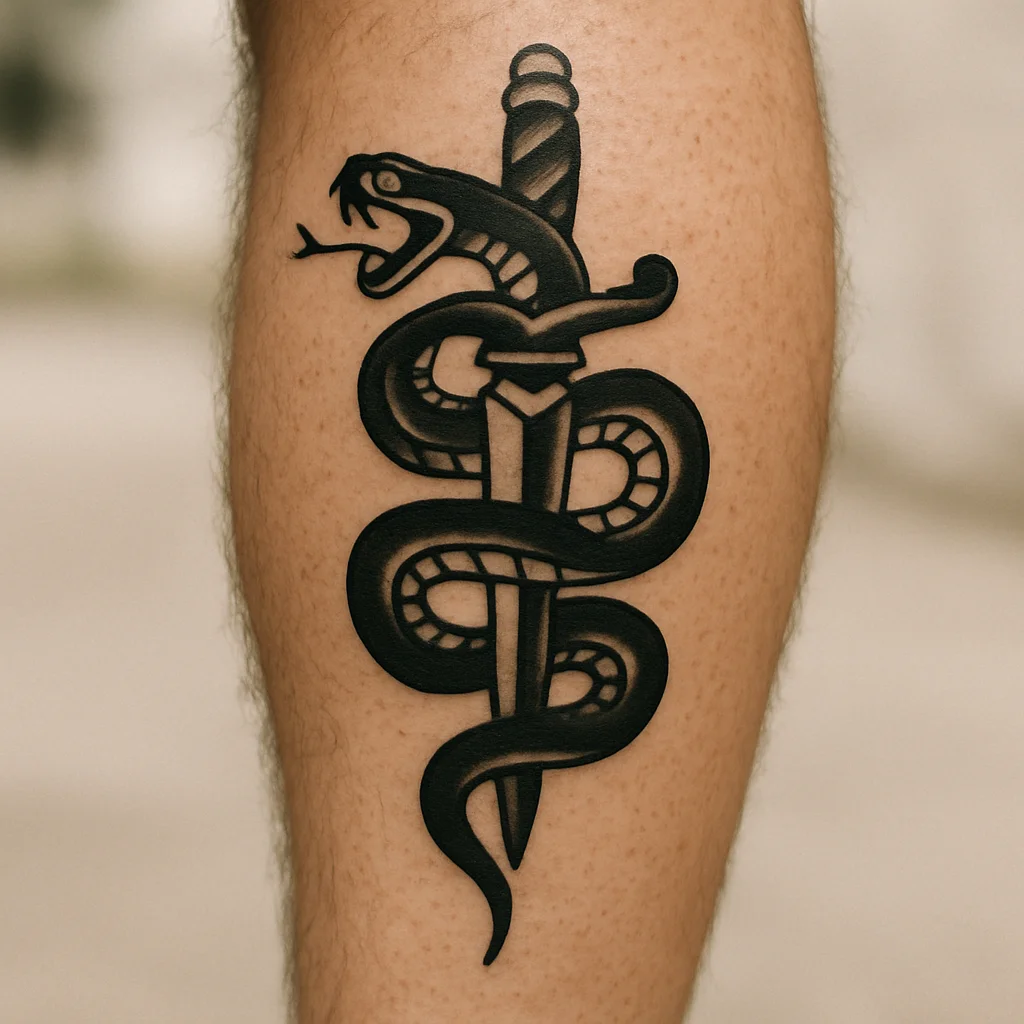
33. Snake coiled around a dagger
Down the calf in classic old-school execution, six to eight inches, built to age without fuss.
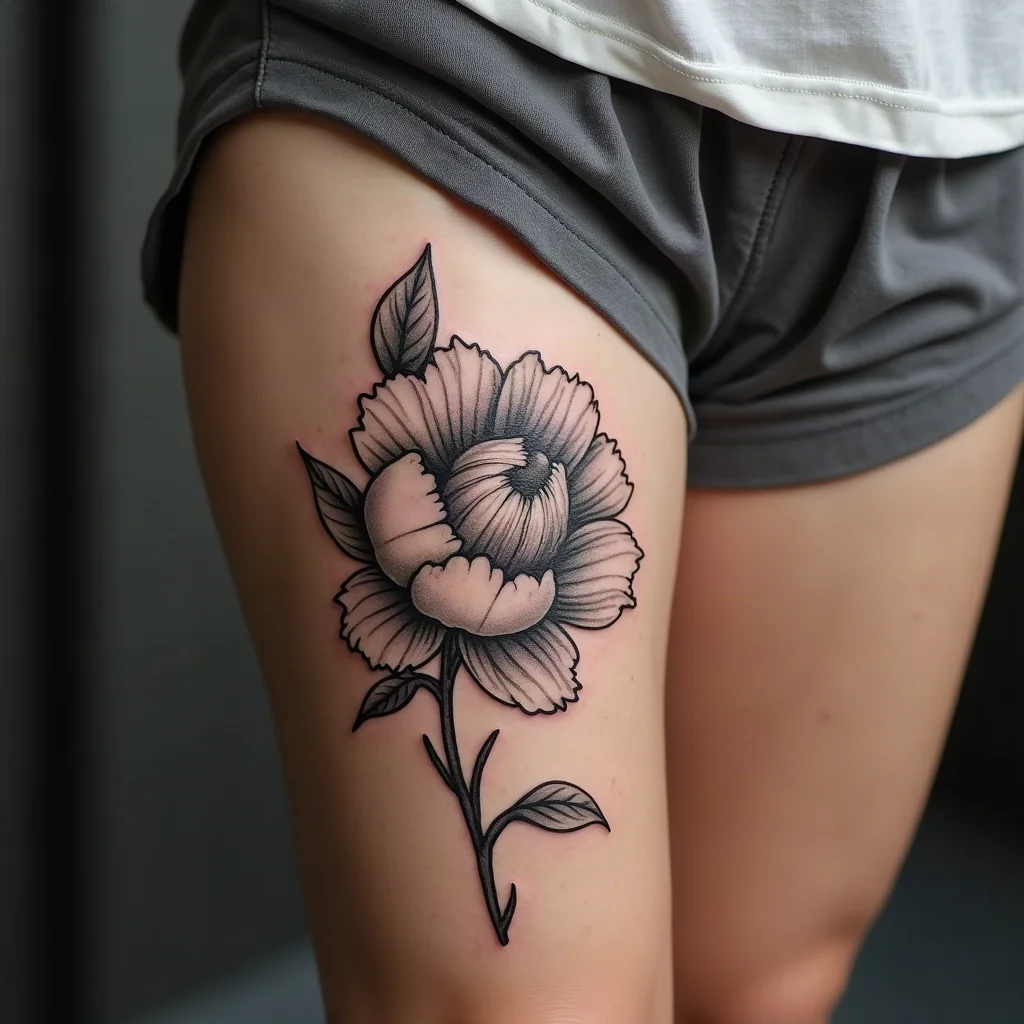
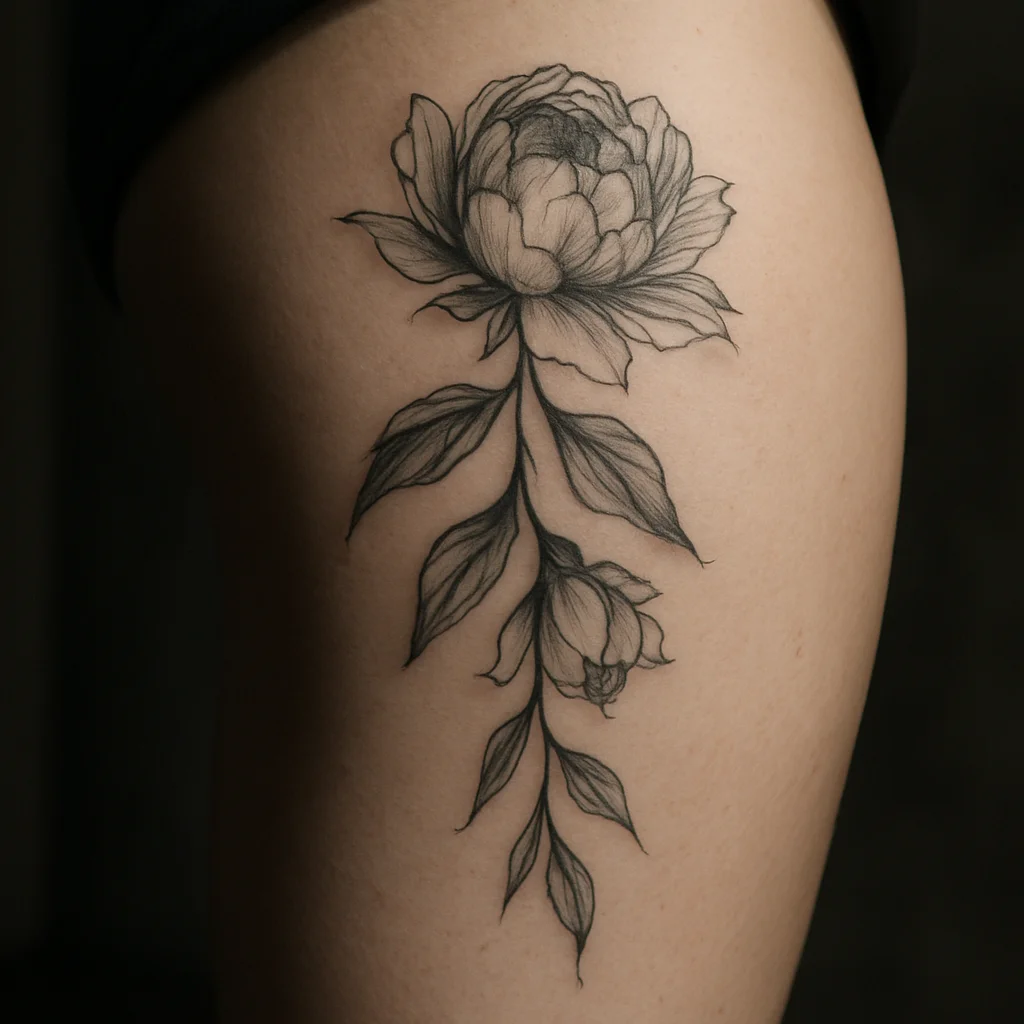
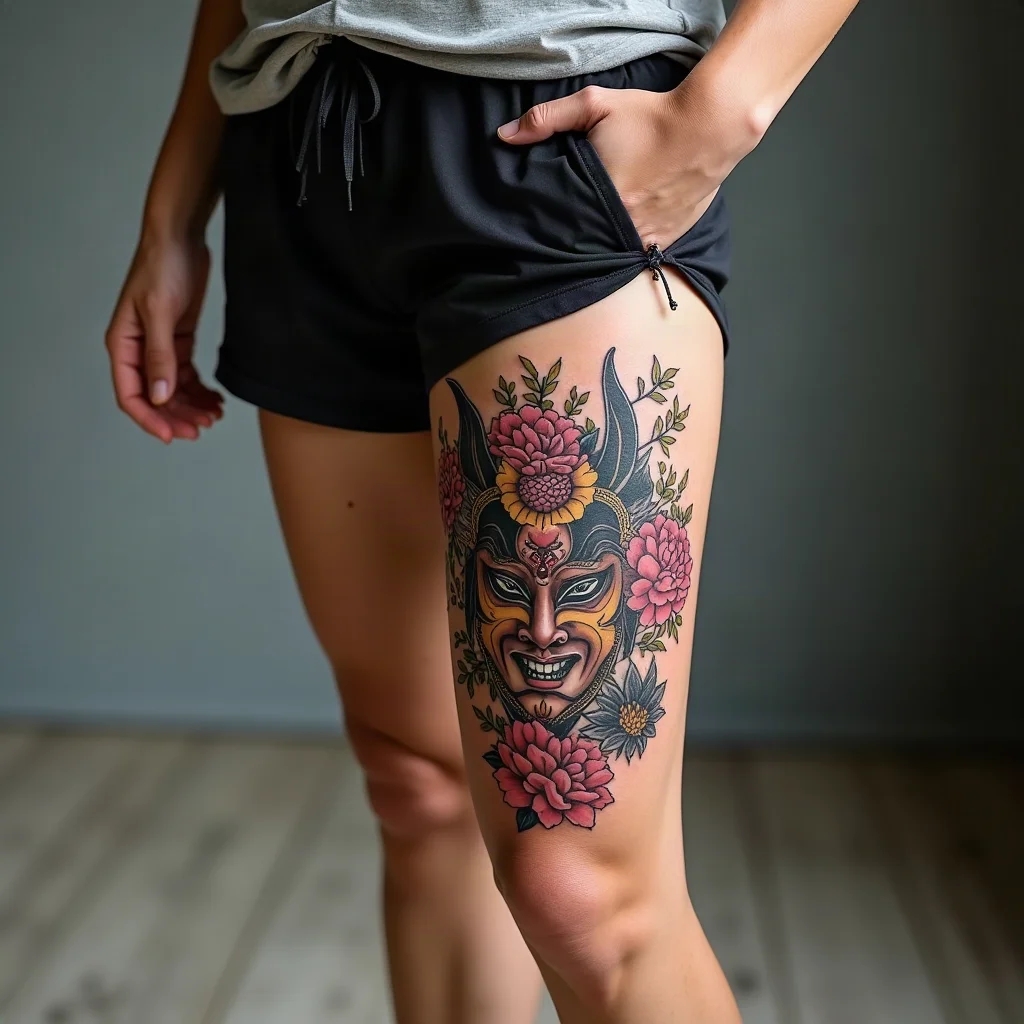
34. Cascading peony down the outer thigh
The single best value for money on this list, because thigh skin holds petal detail and soft grey shading beautifully.
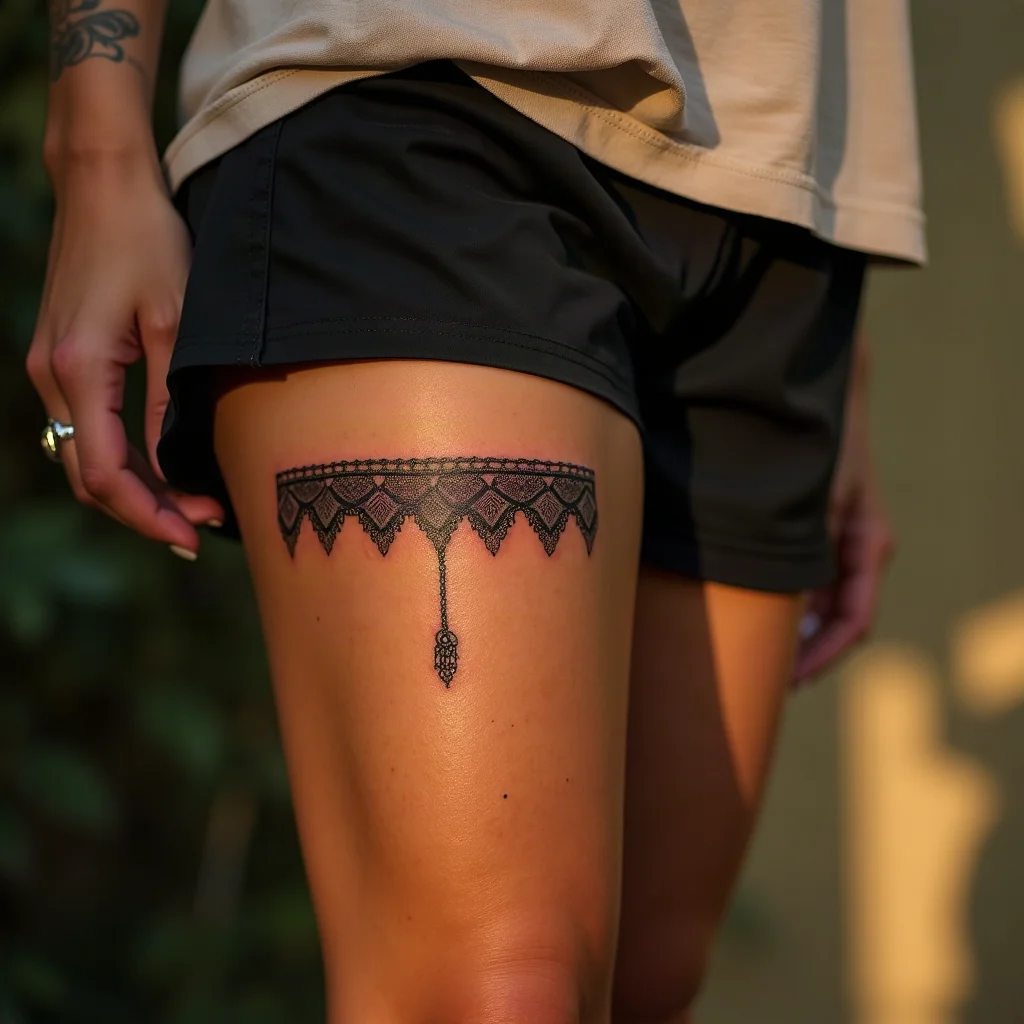
35. Lace garter band around the thigh
In ornamental linework, with a small pendant motif hanging from the front.
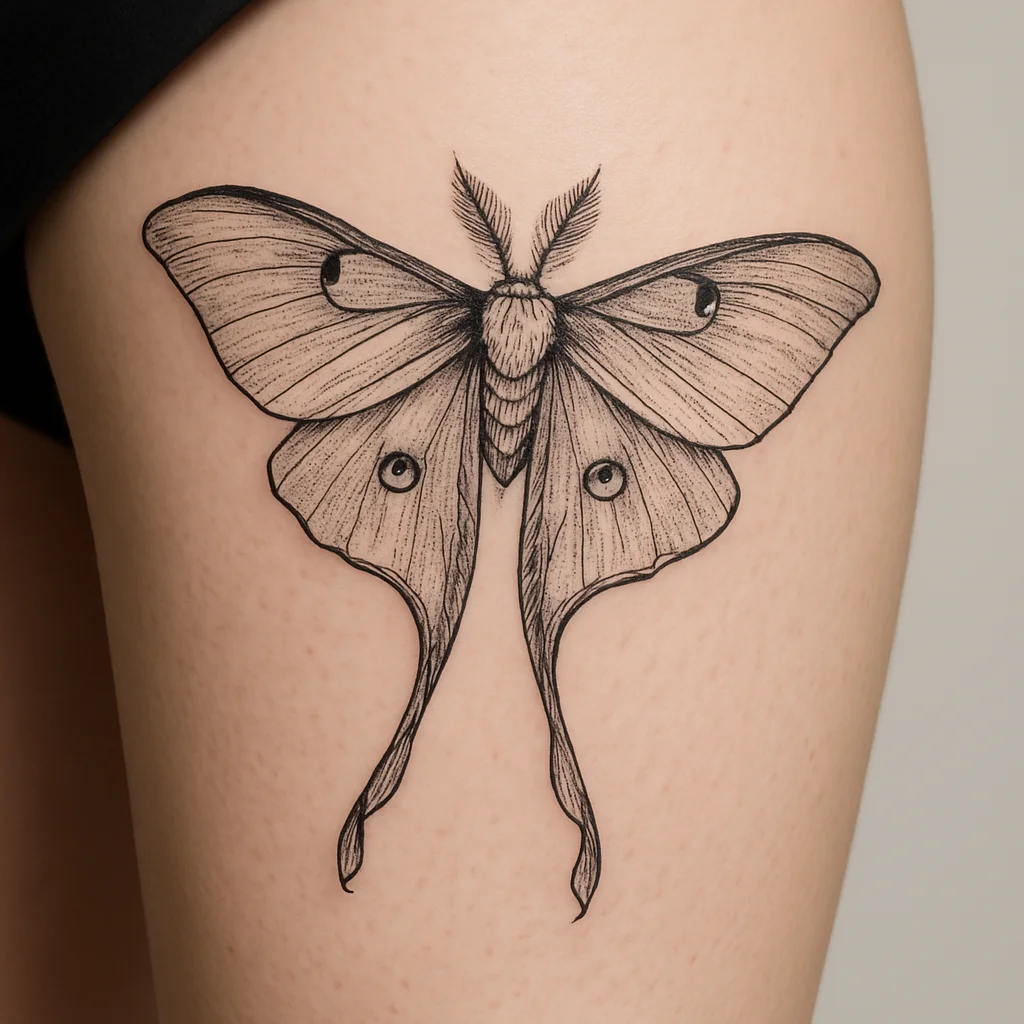
36. Luna moth on the thigh
With soft stippled shading and long tails following the muscle line.
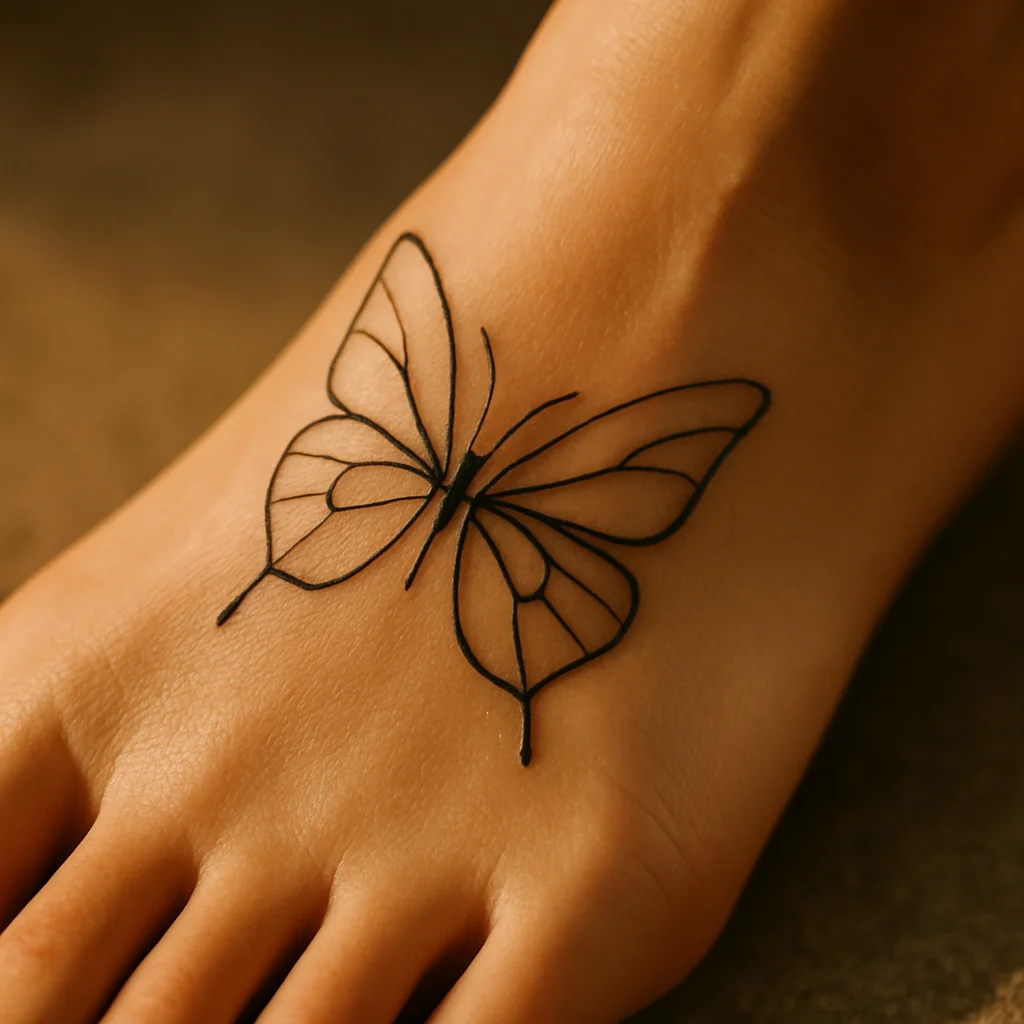
37. Two mirrored butterflies on the top of the foot
Kept simple and open — feet fade faster than anywhere, so avoid fine internal detail here.
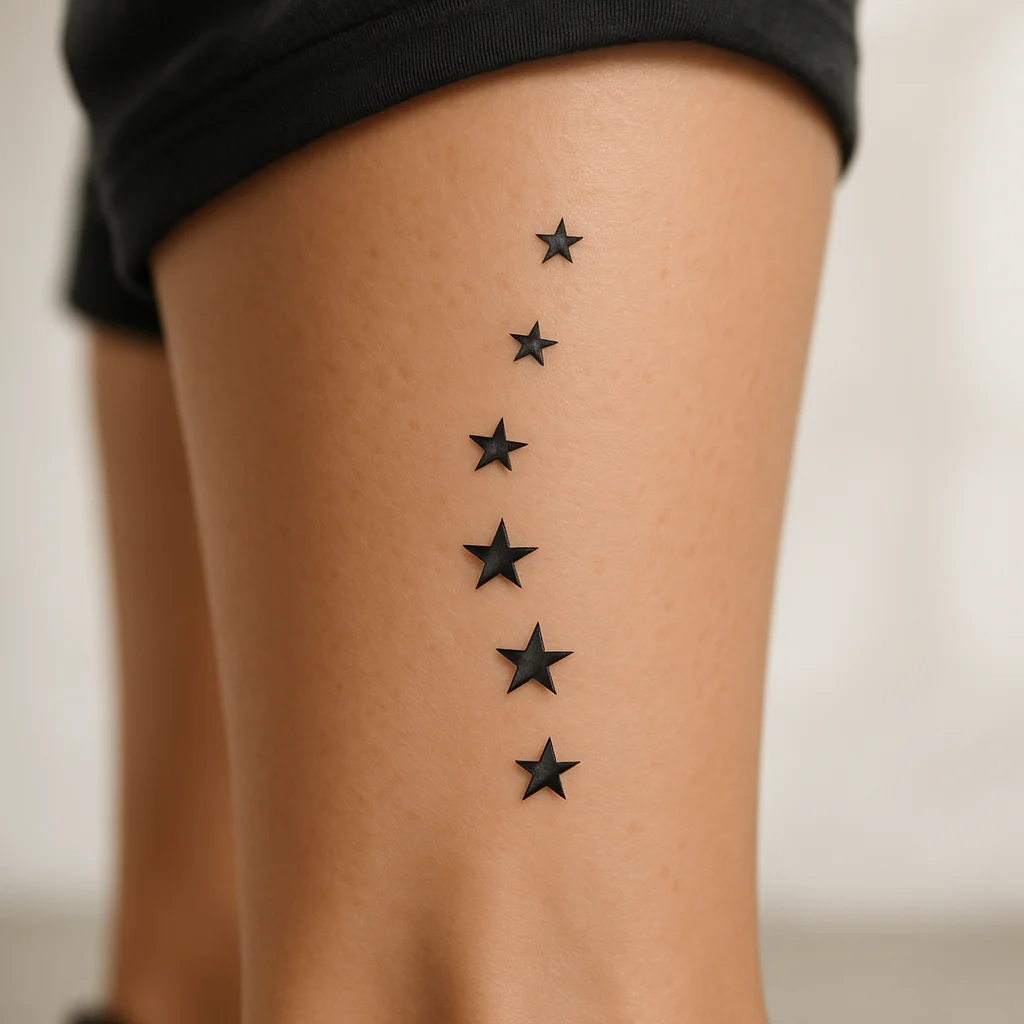
38. A trail of small stars climbing the back of the calf
Shrinking as they rise; a light way to fill vertical space without committing to a full piece.
Calves and thighs sit in the comfortable middle of the pain scale for most people, with the inner thigh and the skin over the shin bone being the exceptions — both are tender. Ankles are bony and sharp, but again, usually brief.
Matching style to the design (and briefing your artist properly)
The same rose looks like three different tattoos depending on the style, and style is where longevity is really decided. A quick guide to pairing:
- Fine line suits botanicals, script and small celestial motifs. It's elegant and healed-soft, but hairline work spreads a little over the years, so keep it off high-friction spots and give elements breathing room. Our fine line guide covers what holds up and what doesn't.
- Illustrative linework — sketchy hatching, moths, hares, animals — reads richer than fine line at the same size and ages more gracefully because there's tonal variation to lose.
- Traditional is the most durable option, full stop. Thick outlines, limited palette, readable silhouette. Ideal for swallows, cherries, daggers and roses on calves and outer arms.
- Blackwork and dot-work give you graphic punch: crescent moons, mandalas, brush-filled poppies. Solid black is the last thing to go on any tattoo.
- Minimalist works when the shape itself is strong — a bow, three stars, a leaf band. Simplicity only reads as intentional if the proportions are right.
How to brief an artist so you get what's in your head
Send three to five reference images, and say what you like about each one — "this line weight," "this composition," "this amount of empty space" — rather than "something like this." Add a photo of the actual body part, ideally in natural light, plus a measurement in inches or centimetres. Say clearly whether you want it visible in short sleeves, and name your non-negotiables: no color, no script, no faces, whatever they are. Then leave the drawing to them — artists deliver their best work when they're given a clear brief and creative room, not a copy request.
Cost, healing and what these look like in ten years
Pricing varies enormously by city and by artist demand, but the shape of it is consistent. Small ankle, wrist and collarbone pieces usually land in a studio's minimum-charge bracket. Mid-size forearm and shoulder work is typically an hour or two of shop rate. Large thigh, spine and calf pieces are priced by the session and often need two or more. A specialist with a long waiting list will charge a multiple of a solid generalist for the same square inches — and for symmetrical geometry or delicate florals, that premium usually buys you a tattoo that still looks intentional a decade later.
Budget notes worth knowing:
- Ask whether the quote includes the drawing time and any deposit.
- Tipping is customary in many countries; ask a local friend rather than guessing.
- Factor in one touch-up. Hands, fingers, feet and fine-line work often want one within the first year or two.
Aftercare, condensed
Keep the fresh tattoo clean with unscented soap and lukewarm water twice a day, pat dry, and apply a thin layer of whatever your artist recommends. Thin means thin — smothering it slows healing. No swimming pools, baths, saunas or gym mats for two weeks, and no sun on it while it's peeling. After it's healed, sunscreen is the single biggest factor in how sharp your lines look at year ten, especially for ankles, shoulders and forearms. If you want the full timeline, our 30-day aftercare guide walks through it day by day.
As for aging: expect fine lines to soften slightly and grey wash to lighten. Designs with breathing space between elements stay readable; designs crammed with micro-detail merge. That's the real reason to size up a little and simplify one step further than feels necessary — you're designing for the version of the tattoo you'll have longest.
Frequently asked questions
What's the best first placement if I'm nervous about pain and commitment?
Inner forearm or outer upper arm. Both are among the more comfortable areas, both hold detail well over time, and both are easy to cover with a sleeve when you want to. Avoid ribs, spine, feet and fingers for a first tattoo — they're either the sharpest to sit through or the fastest to fade.
How small can a floral or script tattoo be before it blurs?
As a rule of thumb, any single element smaller than about a fingernail with internal detail will merge as it heals and settles. Petals, leaves and letters need visible gaps between lines. If your artist suggests going slightly larger or dropping some detail, that advice is about the tattoo looking good in ten years, not about charging you more.
Do fine-line tattoos really fade faster?
They soften rather than disappear. A hairline needle deposits less ink, so lines spread a touch and lose crispness sooner than bold traditional work. Keeping fine-line pieces off hands, feet and fingers, and using sunscreen once healed, makes a bigger difference than anything else.
Which spots are easiest to hide for work?
Shoulder blade, upper back, spine, ribs, thigh and upper arm all disappear under normal clothing. Nape of the neck hides under loose hair. Inner wrist, back of the hand, fingers and ankle are the hardest to conceal, so choose those only if you're comfortable with them being seen every day.
Should I get one bigger piece or several small ones?
If you already know you'll want more, plan the zone rather than the individual tattoo — scattered small pieces placed without a plan are the main reason arms end up looking cluttered. One well-composed mid-size piece on the forearm or thigh usually costs less than four small ones and photographs far better.
The conversation
No comments yet. Got a thought about these designs? Start us off.
Want to weigh in? Join the community to comment, save designs and try them on your skin.