How Long to Keep a Tattoo Wrapped: 10 Scenarios
The honest answer to how long you keep a fresh tattoo wrapped depends on what your artist wrapped it with and where it sits on your body. Here are ten common first-day setups with the timing that actually applies to each.
The short answer, and why artists give different numbers
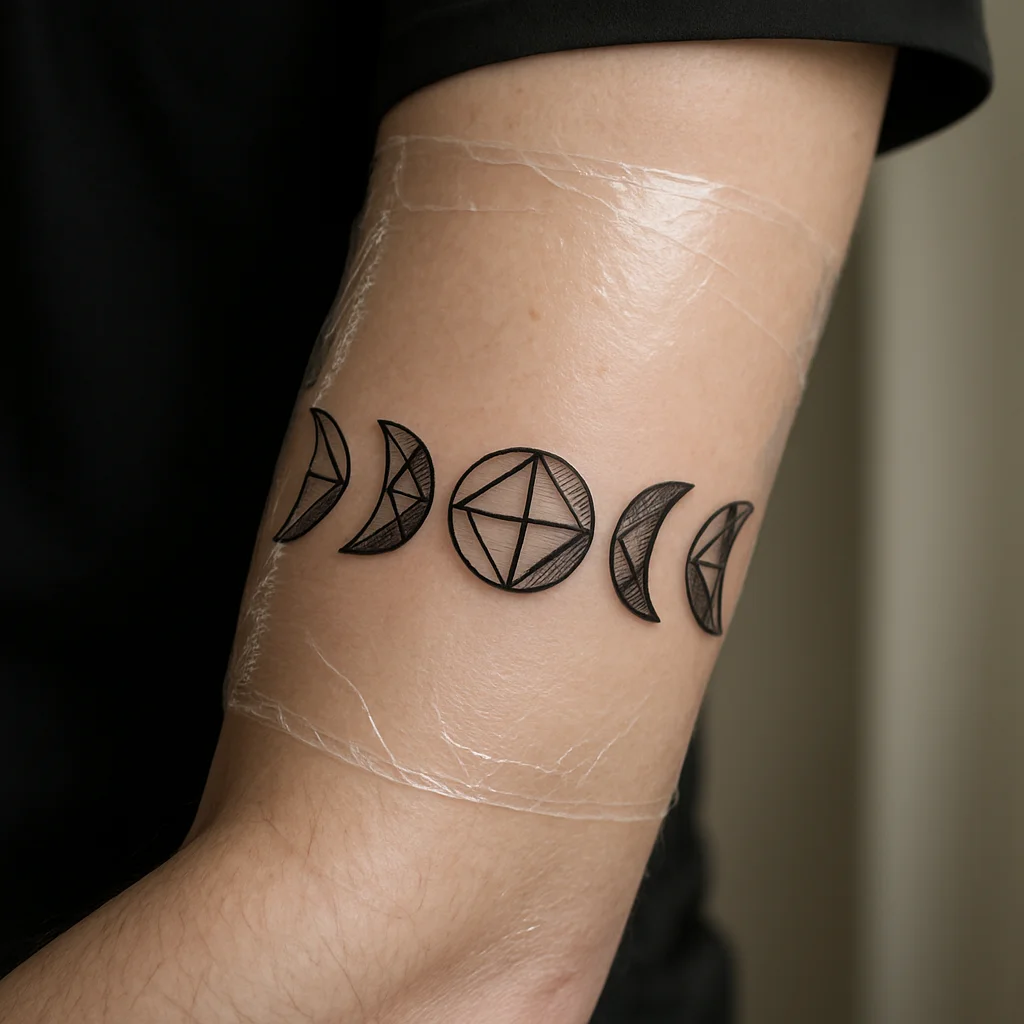
If your artist finished the piece and covered it in ordinary cling film or a thin plastic sheet, you are looking at roughly one to four hours before that wrap comes off, you wash the tattoo, and you let it breathe. If they applied an adhesive medical film — Saniderm, Dermalize, Second Skin, whatever brand your studio stocks — you are looking at one to three days, not hours, because that product is designed to stay sealed while the tattoo weeps.
Those two answers are so far apart that the internet reads like artists are arguing. They are not. They are describing different materials. Cling film is not breathable and does not absorb anything; it traps plasma, blood and ink against warm skin, which is fine for the ride home and miserable after half a day. Adhesive film is breathable in one direction, medical-grade adhesive, and made to sit on a wound.
One rule beats every timing chart: do what the person who tattooed you said, because they saw how heavily your skin bled, how much saturation went in, and how your body took it. If you left the studio without clear instructions, message them. Every good shop expects that text.
Know your wrap before you set a timer
Three coverings dominate first-day aftercare, and each has its own clock.
- Cling film or plastic sheeting. Cheap, non-breathable, taped at the edges. Purpose: get you home without ruining your shirt or the bus seat. Lifespan: one to four hours. Anything past about five hours and you are steeping the tattoo in its own fluid.
- Adhesive second-skin film. Clear, sticky all over, hugs the tattoo like a sticker. Purpose: seal the wound through the weeping stage. Lifespan: 24 hours to three days depending on how much fluid pools underneath. Full guidance lives in our piece on how long to leave second skin on a tattoo.
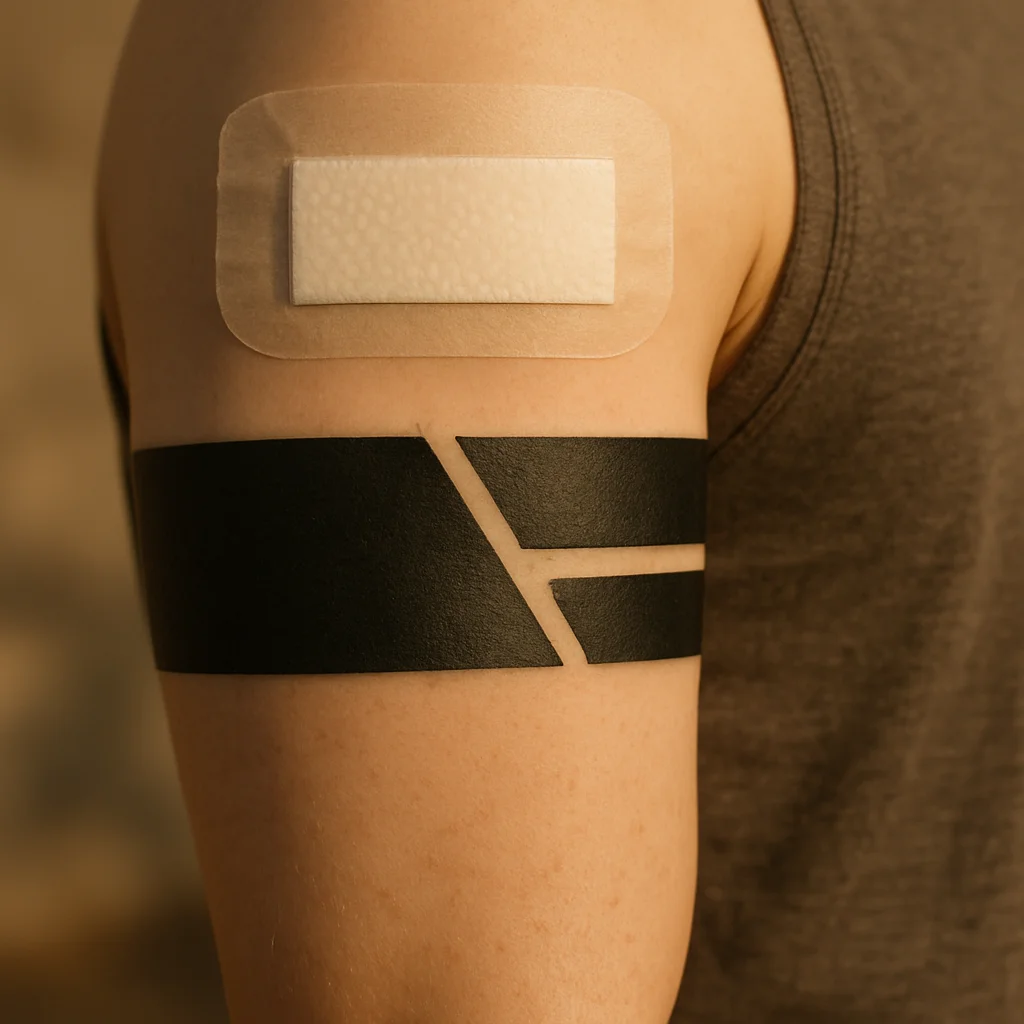
- Absorbent pad or dressing taped over the top. Common on very large or heavily worked pieces, and on artists trained in a more clinical style. Purpose: soak up plasma rather than trap it. Lifespan: one to a few hours, then wash.
Two quick checks before you commit to a timeline. First, is the wrap sealed all the way around or loosely draped? A loose drape is transport-only. Second, is fluid pooling? Pooling under cling film means take it off now. Pooling under adhesive film is expected — that cloudy yellow-red soup is plasma, not infection, and the film is doing its job until the pouch gets tight or the edges lift.
Scenarios 1-5: the everyday first-day setups
1. Small line-work piece under cling film
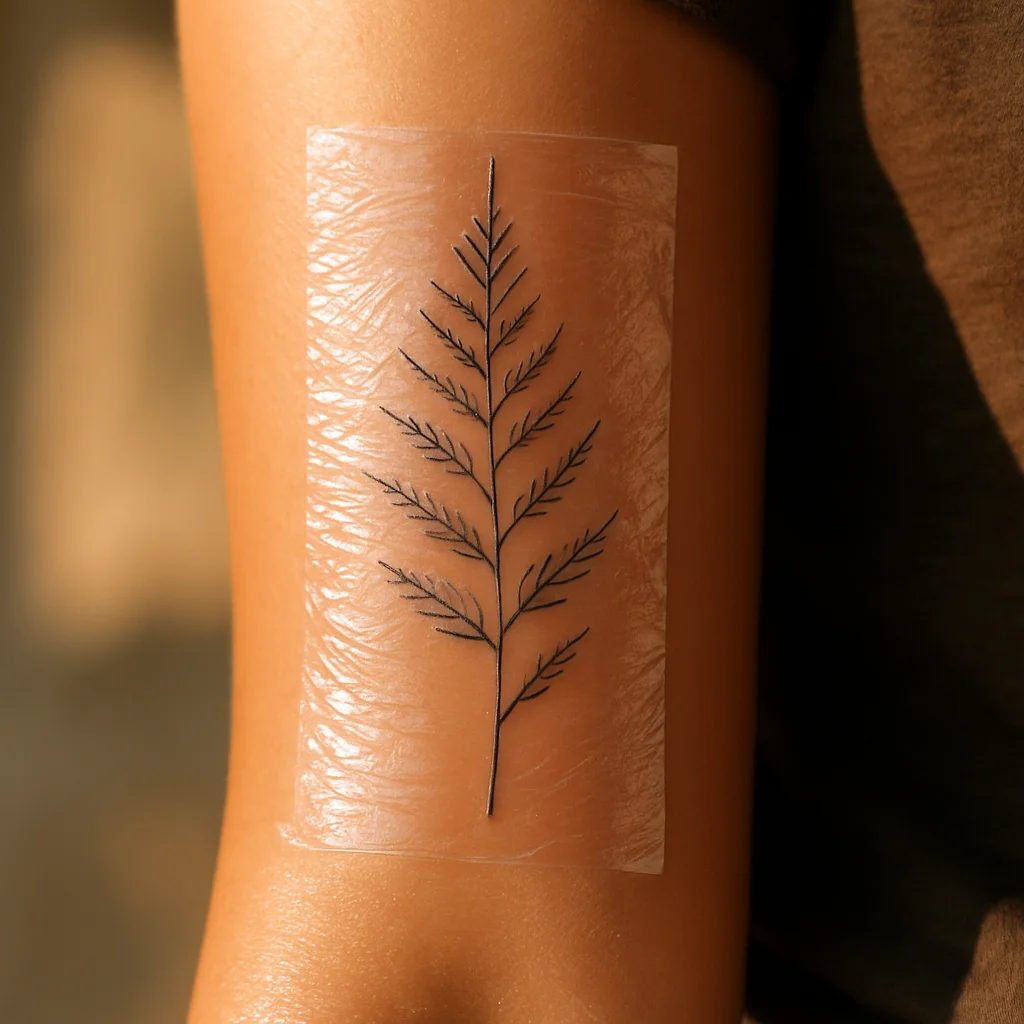
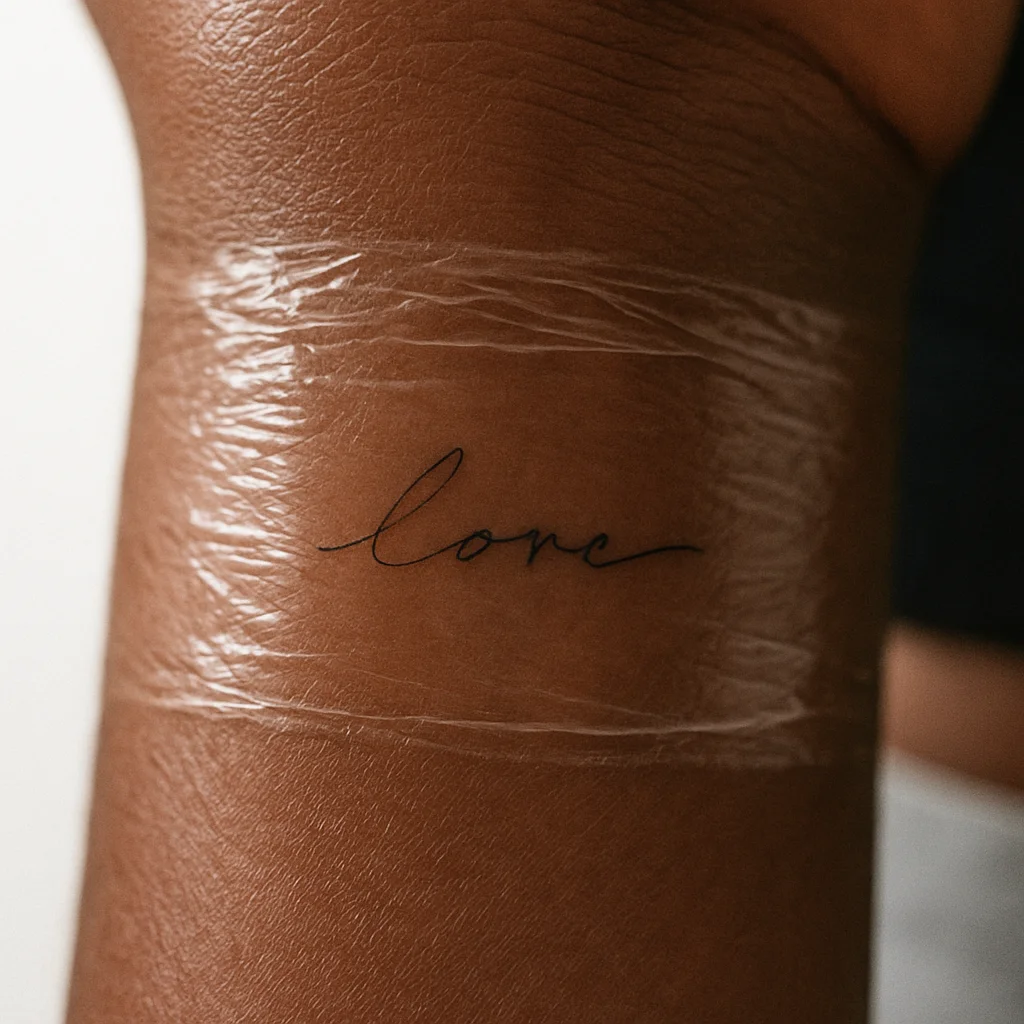
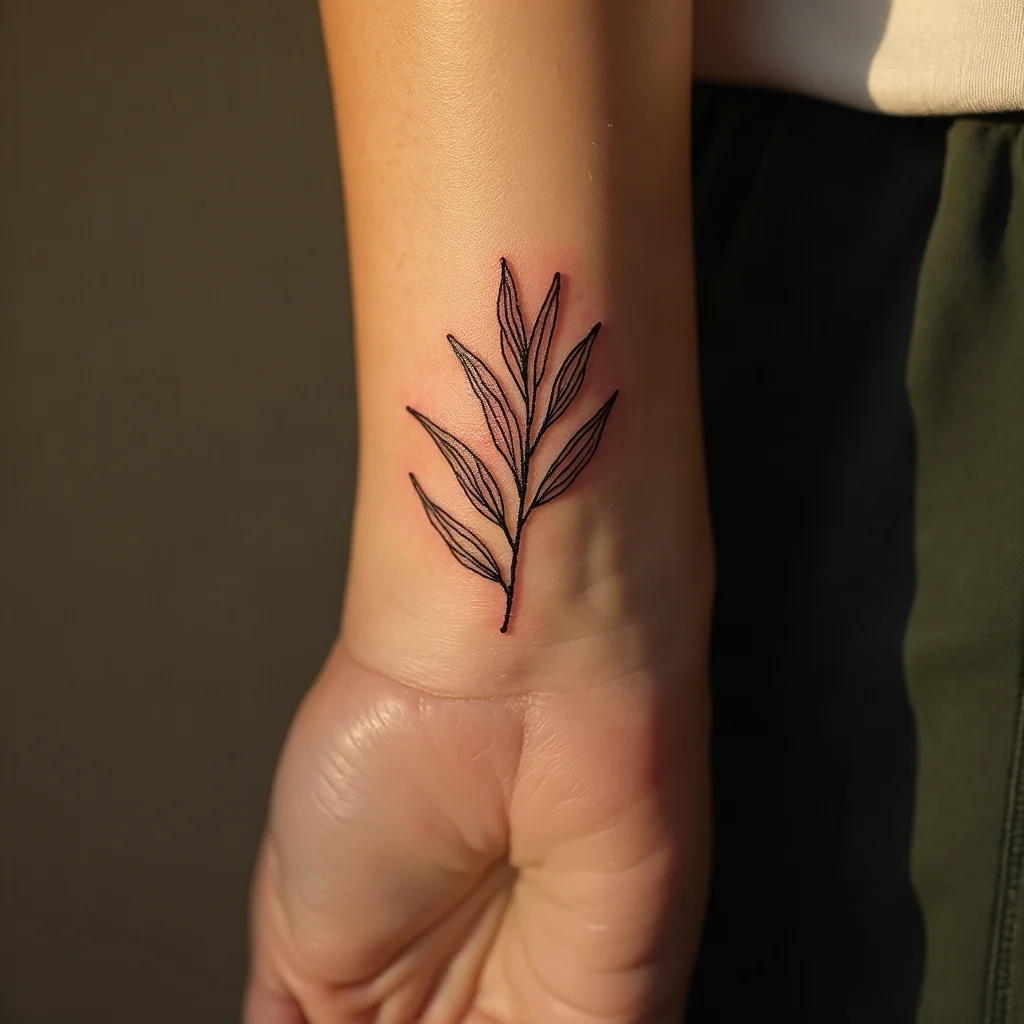
A fine-line fern, a script word, a tiny symbol — little trauma, little weeping. One to two hours is plenty; some artists say take it off as soon as you get home. Wash it, pat dry, leave it uncovered, and it will feel almost normal by evening.
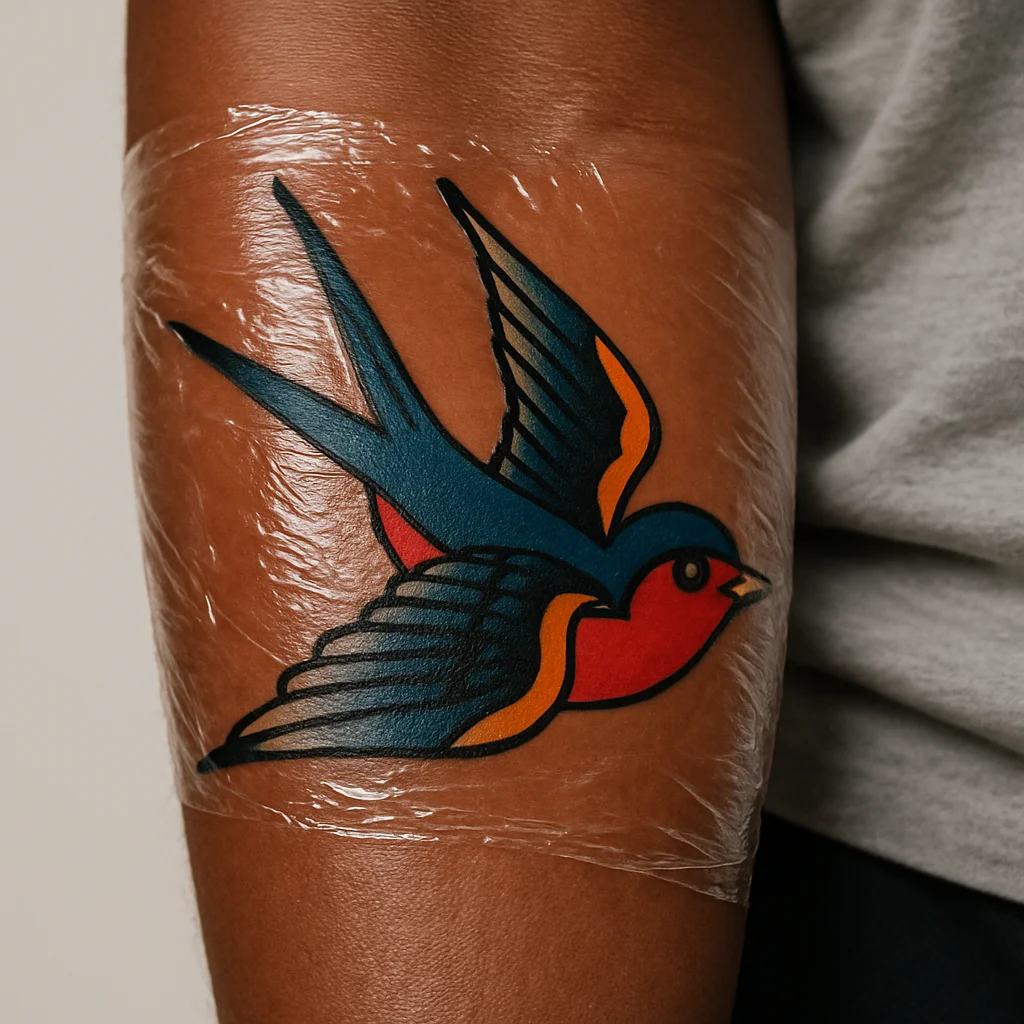
2. Medium color tattoo under cling film
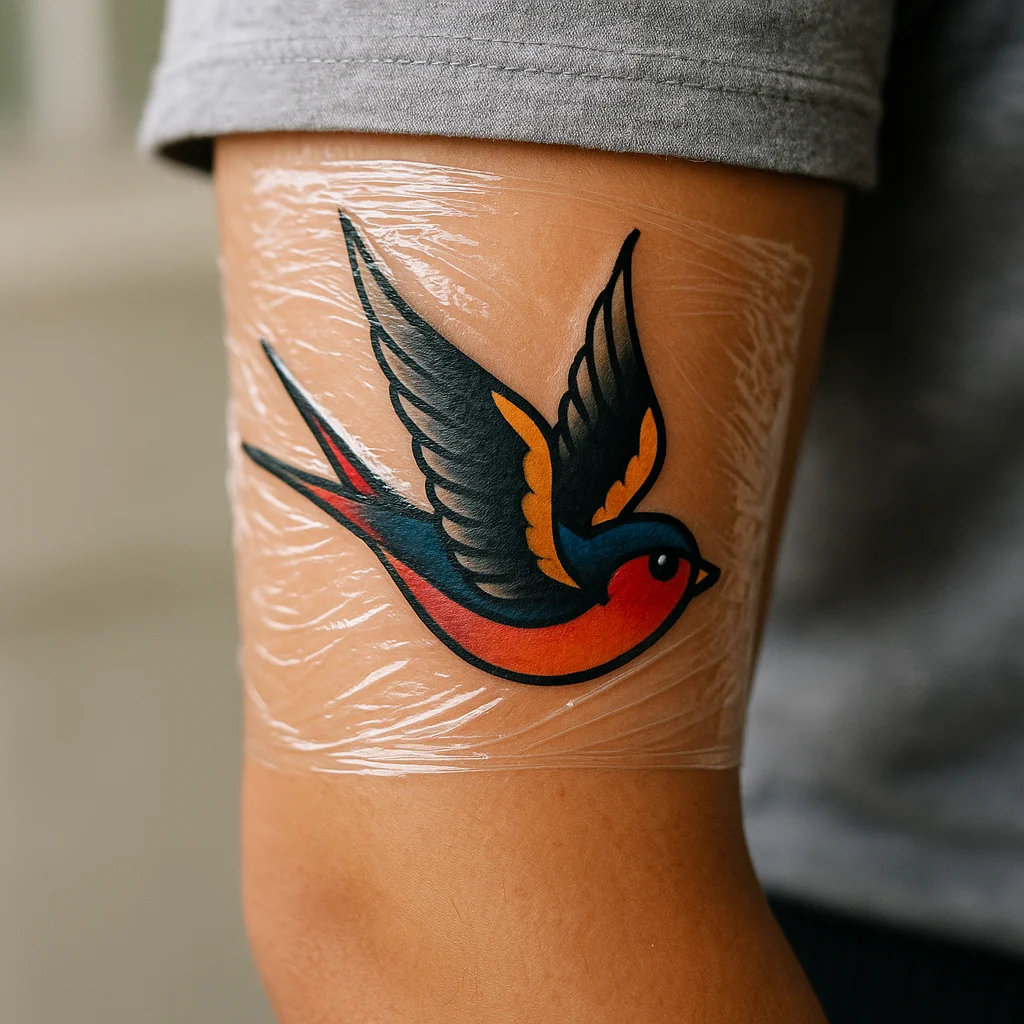
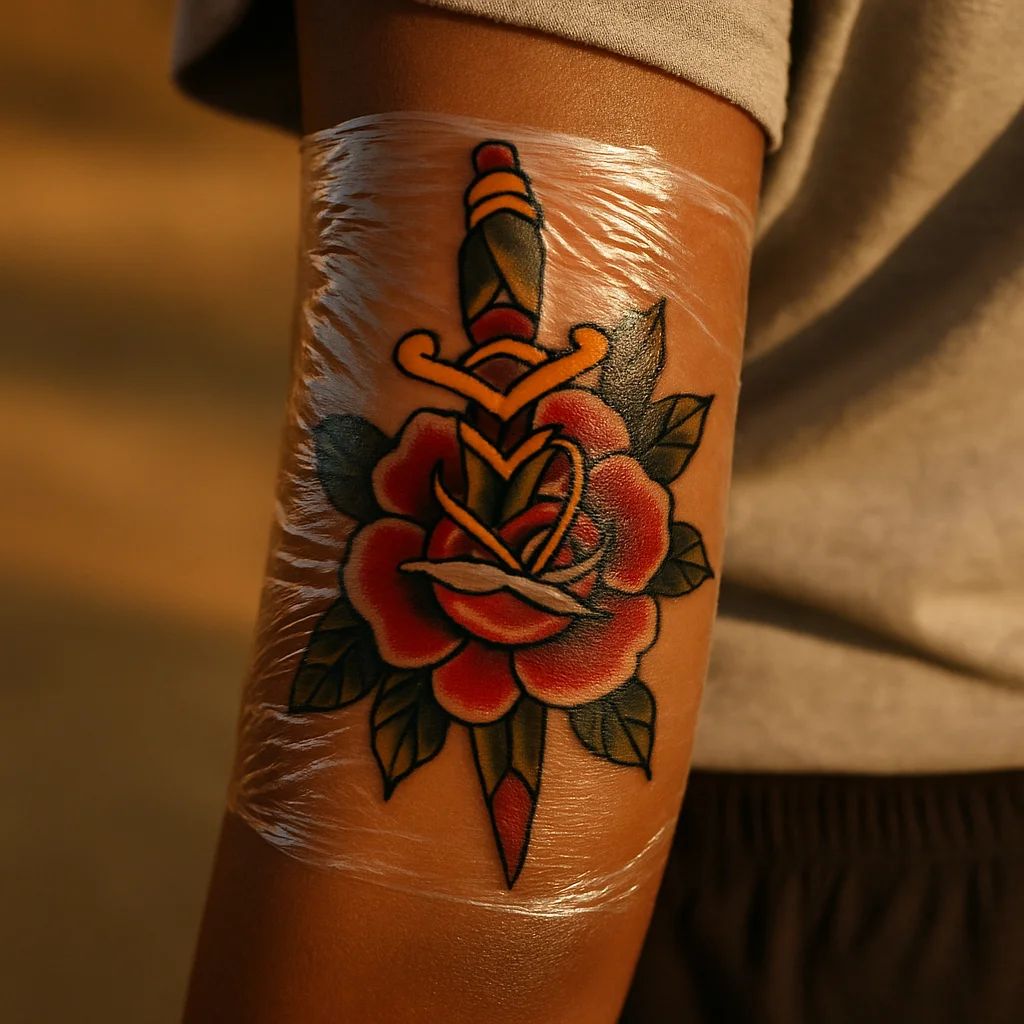
Think a traditional swallow the size of your palm, solid color packed into outlines. Color work weeps more than line work, so give it two to four hours, then wash. Expect the film to come away with a smear of ink that looks alarming and means nothing.
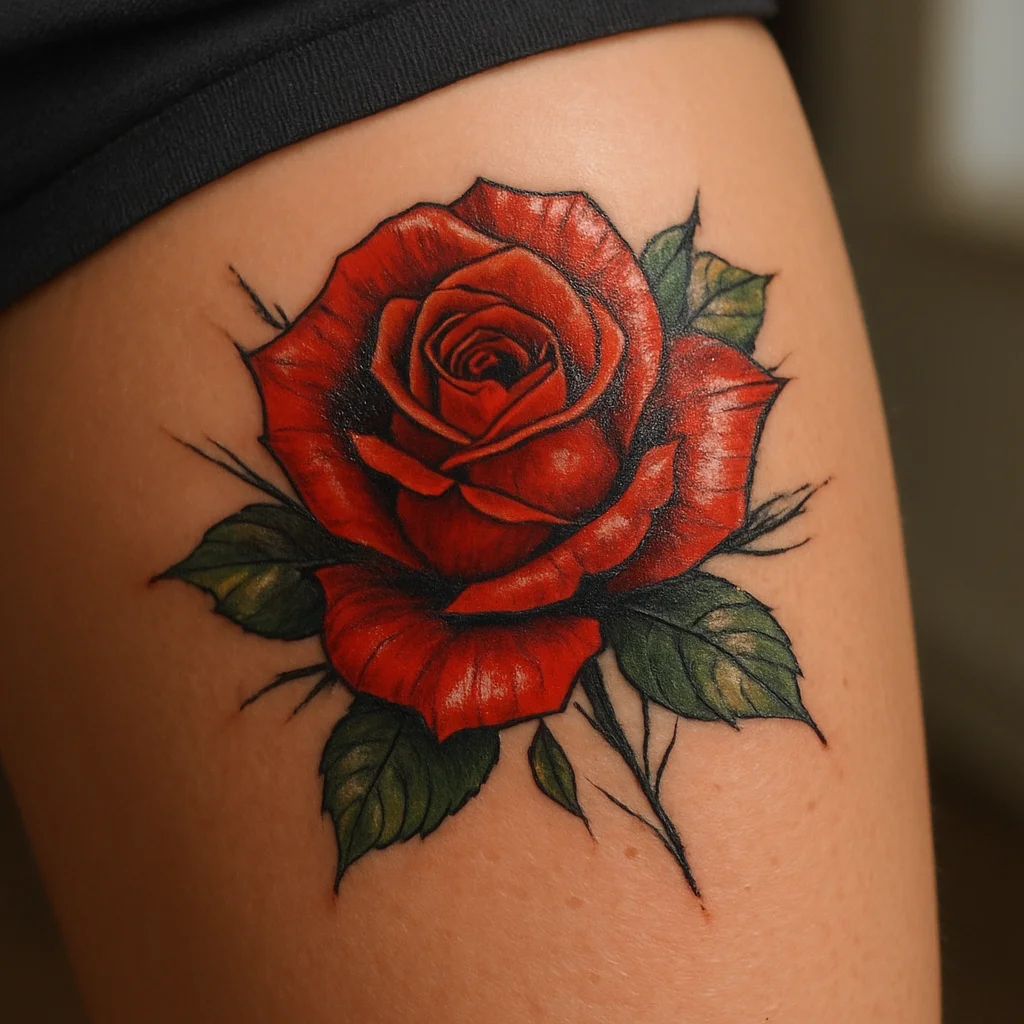
3. Heavily saturated panel under cling film
A dense color rose with layered shading on the thigh will run plasma for hours. Even here, do not push cling film past about four hours. Wash it, let it air dry fully, and re-wrap only if you are going to bed or back into clothing.
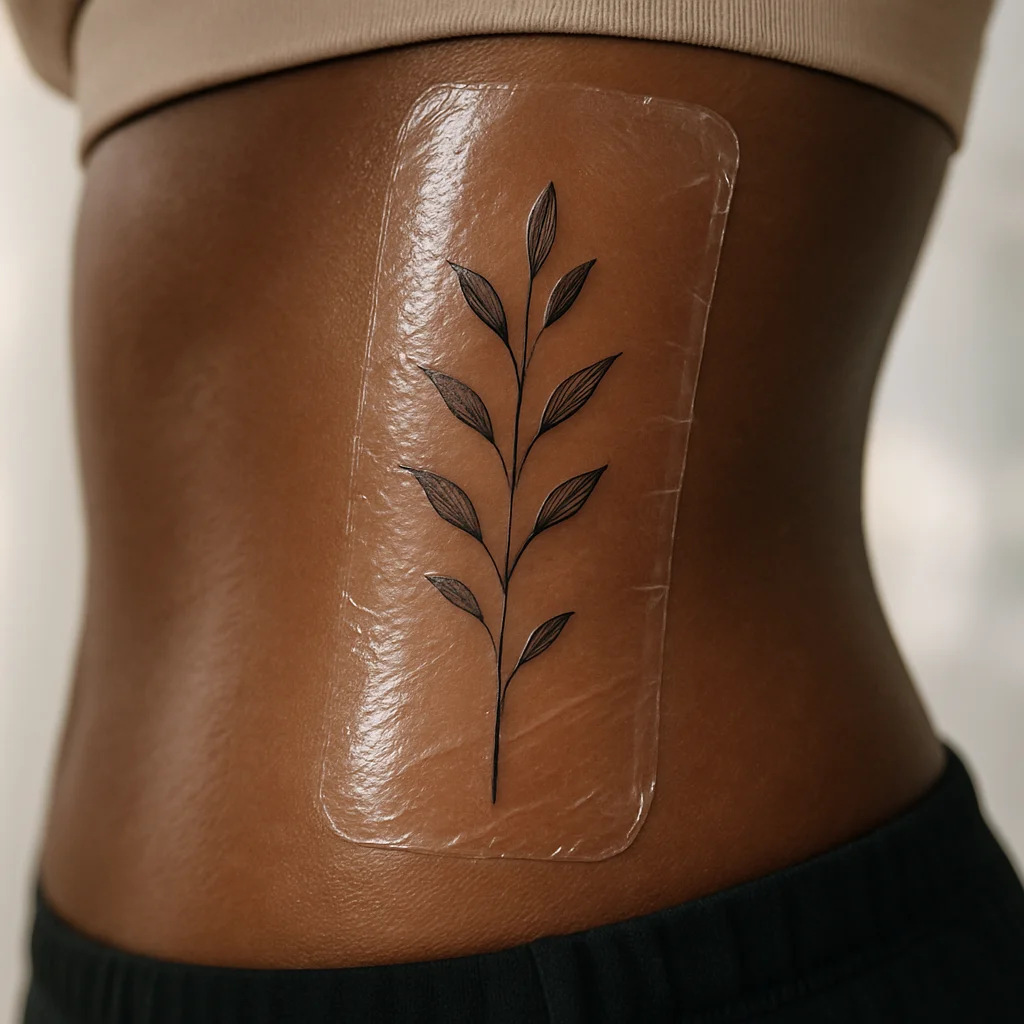
4. Fine-line piece under adhesive second skin
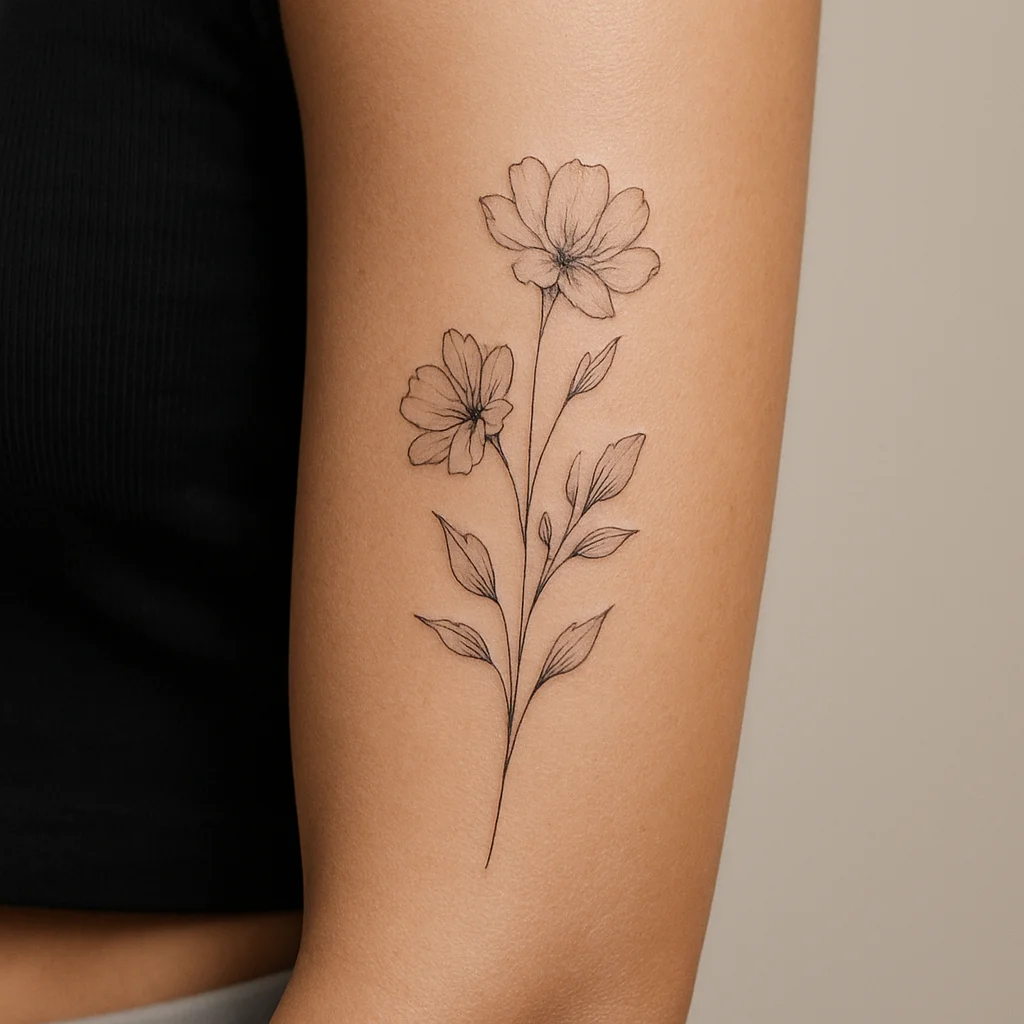
A single-needle botanical on the ribcage barely weeps, so the film stays clear and flat. Leave it two to three days, or until the edges start peeling on their own. Removing it after six hours because you want to look at it is the most common way people waste a good dressing.
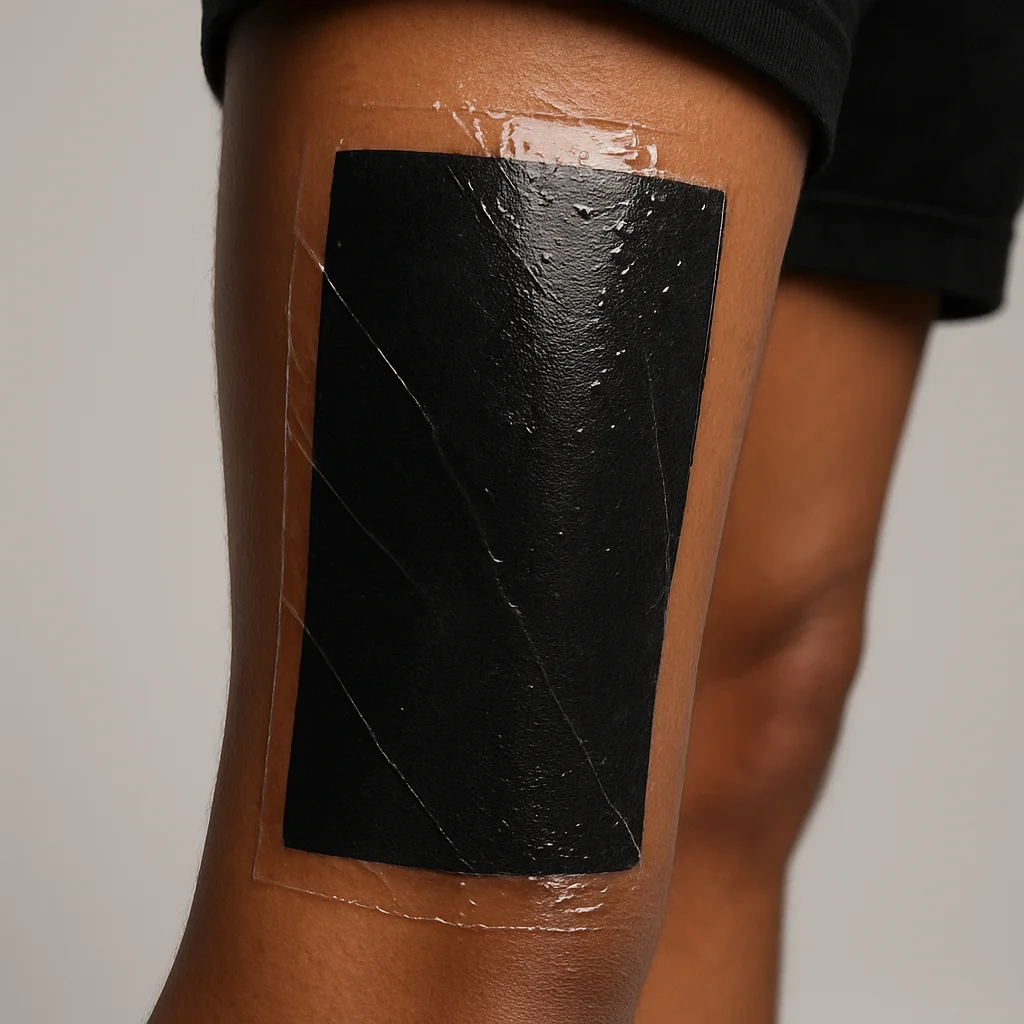
5. Heavy black fill under adhesive second skin
Solid blackwork on a calf pushes out a lot of fluid fast, and the pouch can swell within hours. Plan to change or remove the film at 12 to 24 hours, wash gently, dry completely, and either re-apply fresh film or switch to open-air healing with a thin ointment.
Scenarios 6-10: awkward placements and odd timing
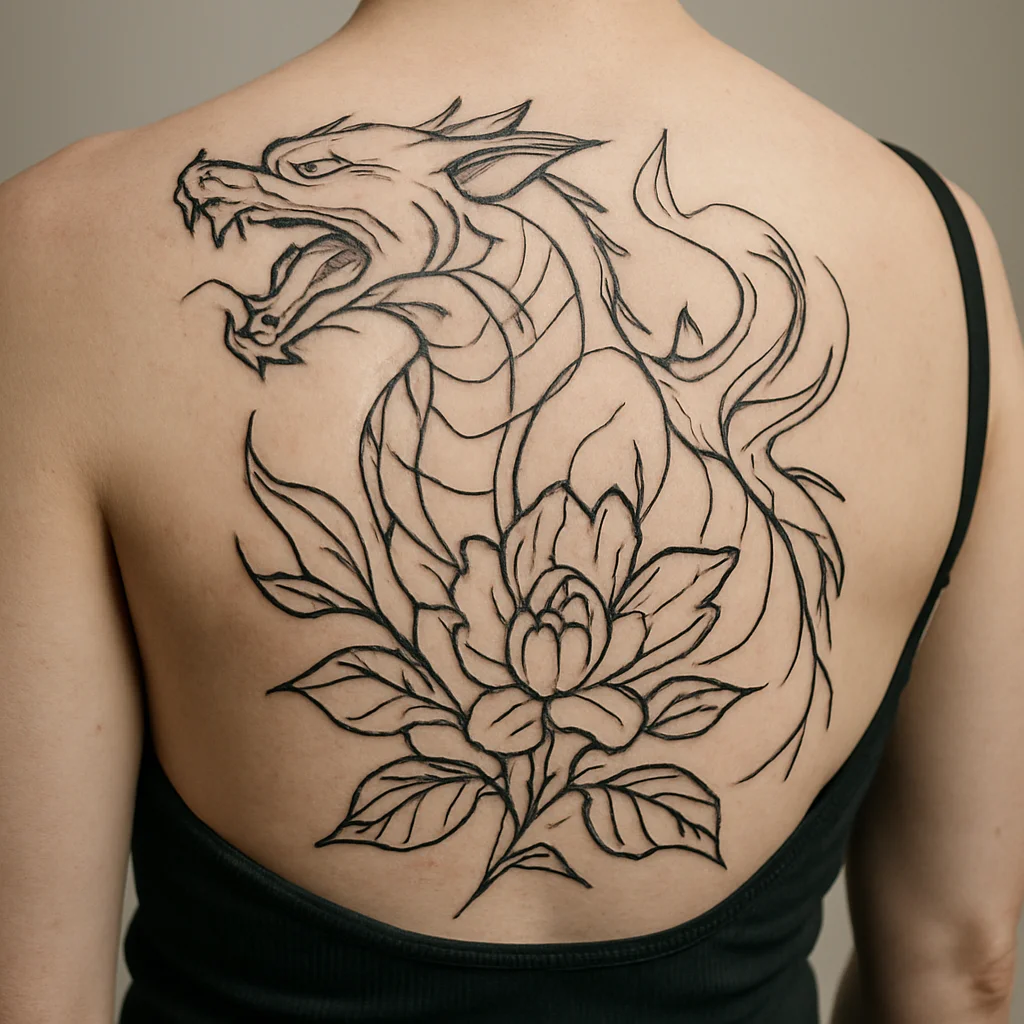
6. Large back piece under a taped absorbent pad
Big outlines across the shoulder blades weep in volume, and the pad is there to soak rather than seal. Take it off at one to two hours, get someone to help you wash the areas you cannot reach, then sleep on an old dark sheet. Back pieces do best uncovered once clean.
7. Hand or finger tattoo
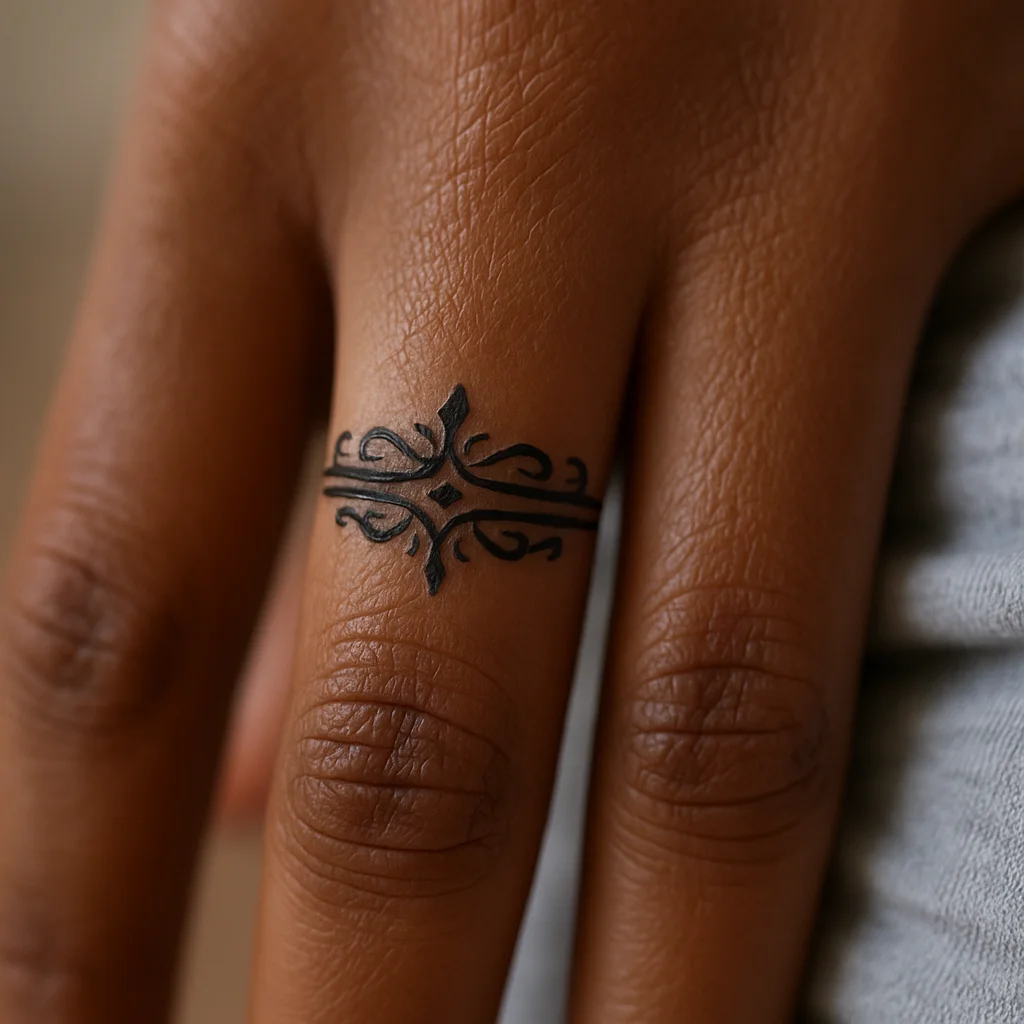
A small ornamental band on a finger cannot be wrapped neatly, and film on a hand comes loose within the hour anyway. Keep the wrap on for the trip home only, then wash and go open-air, washing again after anything grubby. Hands touch everything, so cleanliness beats coverage.
8. Ribs or torso going straight under clothing
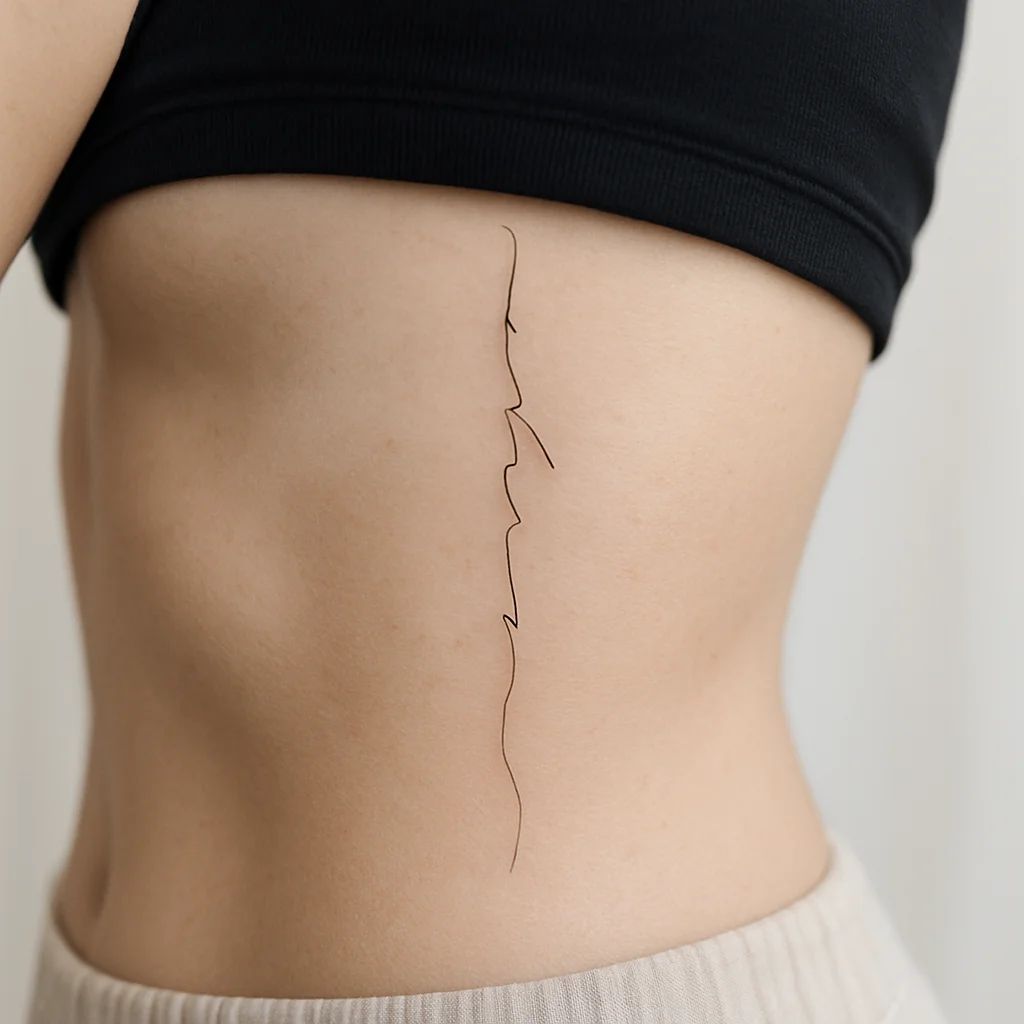
A script line along the ribcage will stick to a t-shirt and rip the forming scab. Remove the original wrap at the normal two to four hours, wash, dry, then apply a clean fresh wrap or loose gauze only for the hours you are dressed or in bed.
9. Foot or ankle heading into shoes
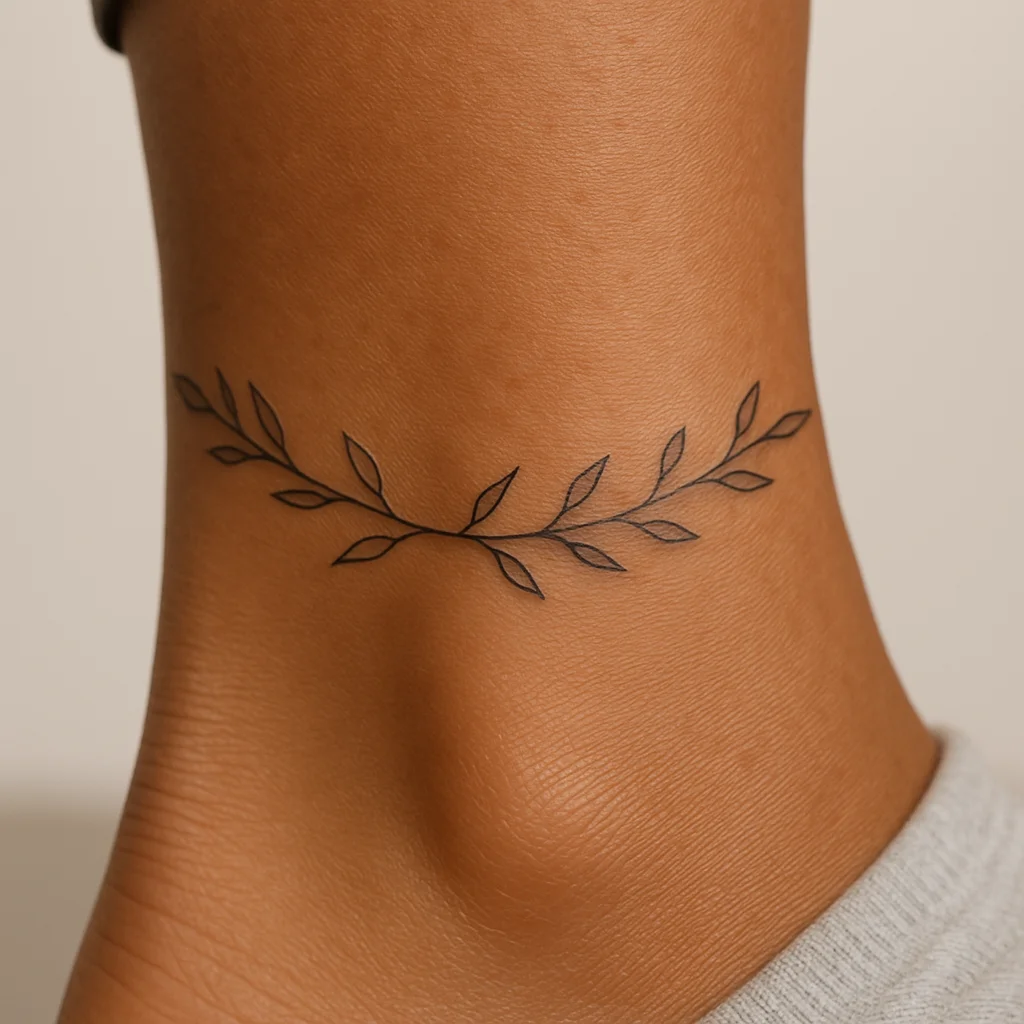
An ankle piece rubs against sock elastic and shoe collars all day. Unwrap and wash at two hours if you are home; if you have a commute, keep a light clean wrap on for the journey and take it off the second you are indoors. Sandals for two days is the real aftercare here.
10. Tattooed late at night, straight to bed
You finish at 10pm and the choice is wash-then-sleep or sleep-then-wash. Best practice: wash at home, dry fully, then apply a fresh clean wrap or breathable film for the night rather than sleeping in the studio film for eight hours. Strip it at breakfast, wash again, and go uncovered for the day.
Taking the wrap off: the first wash, step by step
The unwrap is where most first-day mistakes happen, and they are all avoidable.
- Wash your hands first, properly, with soap, for a good twenty seconds. Then peel the wrap.
- Peel slowly and low. With adhesive film, stretch it sideways along the skin rather than pulling it upward, and do it under warm running water so the glue releases. Yanking it up lifts scabs.
- Rinse with lukewarm water. Not hot. Hot water opens the skin and stings.
- Lather with clean fingertips and a fragrance-free liquid soap. No washcloths, no loofahs, no scrubbing. You are removing plasma, excess ink and ointment, and it will feel slippery and slimy — that is normal.
- Rinse until it squeaks, then pat dry with a clean paper towel or let it air dry for ten to fifteen minutes.
- Moisturise thinly, or not at all yet. A tattoo that is still weeping does not need ointment on top of fluid. Many artists say wait until the next wash. When you do apply, use a rice-grain amount per palm-sized area and rub it in until the skin looks matte, not shiny.
From here, wash two to three times a day for the first week and let the tattoo air out as much as your clothing allows. If you want a preview of what the next fortnight looks like — the tight shine, the flaking, the dull milky phase — our day-by-day healing timeline maps it out.
Should you re-wrap for the first night?
This is the question that keeps people up, literally. The default answer for cling film is no long-term re-wrapping — you want the tattoo dry and exposed so a thin protective layer can form. But night one has a practical problem: sheets, sweat, and rolling onto a raw tattoo.
Re-wrap for sleep if any of these apply:
- The piece is still visibly weeping when you go to bed.
- It sits somewhere you cannot avoid lying on — ribs, hip, outer thigh, upper back.
- You share a bed and do not fancy explaining the stains.
If you re-wrap, use fresh film, applied to clean dry skin, taped loosely, and take it off within a few hours of waking. Never re-use the wrap that came off in the studio. If your artist gave you a spare sheet of adhesive film, night one is the perfect time to use it.
Otherwise, sleep uncovered on a dark old sheet you do not care about, with a towel underneath the tattoo. Ink and plasma will transfer, and dark fabric hides it. Expect the tattoo to stick lightly to bedding if it dried into the fabric — soak it with warm water rather than peeling it free. Sleeping position matters more than people expect: arm pieces do well propped on a pillow, and a fresh rib piece is far easier if you sleep on the opposite side for a couple of nights.
When the wrap itself becomes the problem
Leaving cling film on too long is the single most common first-day error, and it shows. Skin that has sat in trapped fluid overnight looks waterlogged, pale and wrinkled, and it smells faintly sour when you unwrap it. That environment is genuinely friendlier to bacteria than open air. If this has already happened, do not panic — wash carefully, dry fully, and keep it clean and uncovered from there.
Signs to act on:
- Itchy red welts following the tape line or film edge — likely an adhesive reaction, not infection. Remove the film, wash, switch to open-air healing, and tell your artist so they use a different product next time.
- Fluid ballooning under adhesive film with lifted, leaking edges — the seal has failed. Take it off, wash, and do not reseal a compromised dressing.
- Pain that increases after day two, spreading redness, heat, yellow-green discharge, or fever — that needs a doctor, not another wrap. Our guide to infection warning signs covers what to look for.
One more honest note on the first 24 hours: no swimming, no baths, no saunas, no gym sessions that soak the area in sweat, and no direct sun. Shower normally — brief, lukewarm, tattoo out of the direct stream — and keep pets off the fresh work. Skip the alcohol on day one too; it thins the blood and prolongs the weeping that all this wrapping is meant to manage.
Frequently asked questions
Can I leave cling film on my tattoo overnight?
It is not recommended. Non-breathable cling film traps plasma, blood and bacteria against the skin, and after five or six hours the tattoo is sitting in fluid rather than being protected. If you need coverage for sleep, wash and dry the tattoo first, then apply a fresh piece of film or breathable adhesive dressing and remove it in the morning.
What if I took the wrap off too early?
Usually nothing bad happens. Wash your hands, wash the tattoo with lukewarm water and fragrance-free soap, pat it dry, and either leave it open to air or apply a clean fresh wrap if you are heading out. The only real risk is bumping or dirtying the fresh tattoo, so keep it clean and covered by loose clothing.
How do I know if the fluid under my second skin is normal?
Cloudy yellow, pink or red-tinged fluid is plasma mixed with excess ink, and it is completely expected in the first day. It becomes a problem when the pouch grows tight, the edges lift and leak, or the fluid turns thick and opaque. In that case remove the film, wash, dry fully, and either re-apply a fresh piece or heal it open-air.
Should I put ointment on before re-wrapping?
Only a very thin layer, and only once the tattoo has stopped actively weeping. Thick ointment under plastic creates a warm sealed pocket that softens the skin and can pull ink out. Rub in a rice-grain amount per palm-sized area until the skin looks matte rather than greasy, then wrap loosely.
How long until I can shower normally?
You can shower the same day as long as it is brief, lukewarm and the tattoo is not held under the direct spray. Soaking is the thing to avoid: no baths, pools, hot tubs or open water for two to three weeks, until the skin has fully closed and finished flaking.
The conversation
No comments yet. Got a thought about these designs? Start us off.
Want to weigh in? Join the community to comment, save designs and try them on your skin.